

Not all trauma reactions present as fright or anguish; some trauma responses reveal themselves in little things that women do subconsciously.
People-pleasing constantly
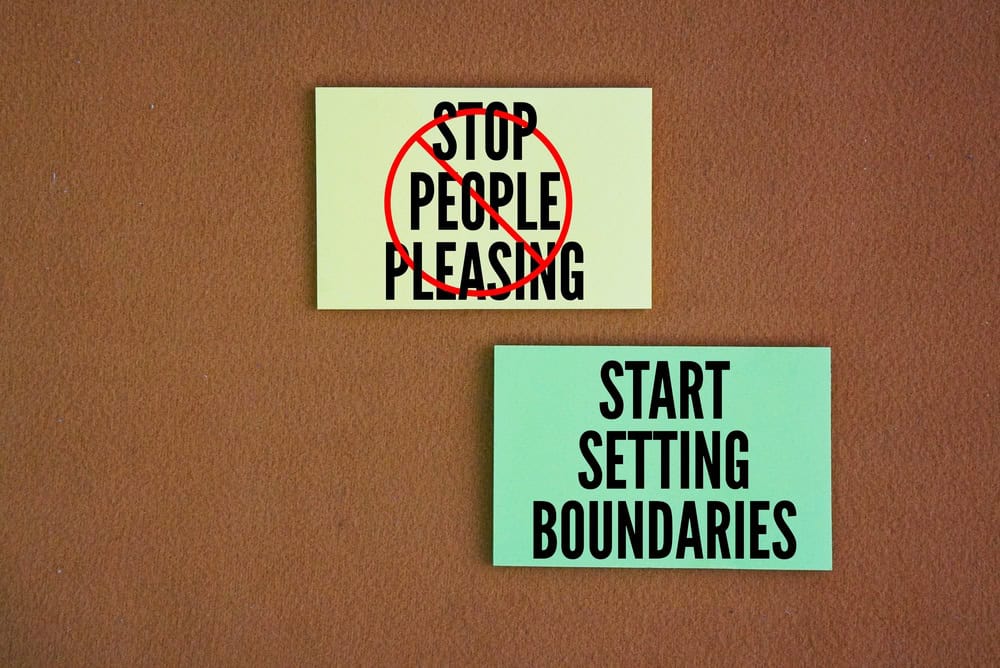
Psychologists call this the fawn stress response. If you learned as a child that unpredictable emotions or flashes of anger were common in your environment, learning how to please everyone around you becomes a method of self-protection.
Later in life, this could look like saying “yes” against your better judgment, taking on tasks to keep others content, or going along with opinions you don’t hold to avoid causing ripples.
Over-explaining simple choices

A need to over-explain yourself every time you make a simple decision often stems from trauma. You may offer 10 explanations for why you can’t make dinner plans, take a phone call, or treat yourself to something small.
Over-explaining behavior typically develops when you grew up in environments where your decisions were regularly questioned, ridiculed, or punished. It’s you trying to prove your innocence before anyone can accuse you of wrongdoing.
Chronic hyper-independence

Insisting on doing everything yourself, even when you’re overwhelmed with tasks or emotionally exhausted, is usually never just stubbornness. It’s typically a defense mechanism you picked up from growing up around irresponsible adults or unaccommodating partners.
When the people you relied on previously disappointed you, abused you, or made you feel guilty for needing assistance, your brain learned a valuable lesson: “I will only be safe if I do this alone.”
Difficulty accepting compliments

If someone offers you a sincere compliment and your first instinct is to deflect, joke or counter it with an insult, it’s typically stemming from some old emotional injury. If you were regularly put down, ignored, or made to feel small as a child, hearing nice things about yourself can cause cognitive dissonance.
You think accepting that compliment is unsafe or insincere because deep down you believe you aren’t good enough.
Always apologizing

Apologizing dozens of times a day for existing, for asking a simple question, for walking past someone in a hallway, for making a tiny mistake is a trauma response. You learned that from living in a place where you were blamed for others’ bad moods or anger. You apologize before anything wrong could have possibly happened to try and downsize yourself and prevent tension before someone can get mad at you.
Laughing it off

You might laugh when someone insults your looks or belittles your opinion. Rather than saying you’re offended, you chuckle and act like it’s no big deal.
You learned that laughing was safer when growing up in a place where anger or sadness was punished, ridiculed, or caused fights. You may even laugh instinctively at things that make you uncomfortable when you want to say something.
Staying constantly busy

Do you ever feel anxious, guilty or restless when you sit down to relax? If so, always needing something to do could be a survival strategy. Many women fill their minds with overflowing to-do lists, daily tasks and non-stop work.
When it slows down and the room goes quiet, all those old hurt feelings, memories and anxiety begin to rise up to the surface. Having something to do all the time keeps your mind preoccupied so you don’t feel the unpleasant emotions lurking below.
Struggling with small decisions

Worrying excessively about mundane, low-stakes decisions (what to wear, where to eat, whether to buy Item A or B at the store) can be caused by an intense fear of being wrong. If you were raised in a household where minor mistakes were met with screaming, shaming silence, or extreme repercussions of some kind, your brain views every decision as do-or-die.
Hoarding or over-stocking items

If you have a hard time getting rid of things you no longer need or use, hoarding stacks of junk, or you continuously buy far more supplies than you need, it may stem from a time in your life where you didn’t have enough, whether it was food, money, or even basic comforts. Your brain became conditioned to think that being out of something is unsafe.
Reading the room constantly

Walking into a room and assessing everyone’s body language, facial expressions, and tone of voice is mentally draining. You live with hypervigilance. You might notice the slightest change in someone’s mood and think they are hiding their anger towards you.
You grew up watching and predicting every adult’s emotional outburst just to stay out of trouble or out of their line of fire.
Hiding success or good news

Minimizing your successes or refusing to talk when good things happen to you is your defense mechanism for guarding against jealousy or backlash.
If in the past telling others about your happy news resulted in jealousy, bitter criticism or others taking advantage of you, you learned to keep your happiness under wraps. Your shell of silence protects you from others’ negative reactions.
Mentally checking out

Feeling cloudy, detached, or numb if you find yourself in a conversation that gets too deep or uncomfortable is called dissociation. Dissociation is your brain’s built-in safety mechanism.
When you were younger and couldn’t run from a threatening or uncomfortable situation, your brain figured out how to take you away mentally. Your brain still reacts to hard situations as an adult by flipping that switch to protect you from feeling the pain, even if you don’t want to shut down.
Perfectionism

Trying to do everything perfectly, from the way you look and work to the way you keep your house, is not usually about having high standards. It’s typically about trying to create a barrier against criticism, rejection and getting hurt. Your brain tells you that if you can just be enough, then nobody will ever be able to criticize you, tell you that you did something wrong or leave you ever again.
Planning exit strategy

Are you always planning your exit strategy at work, in relationships, or with groups of friends even when you’re happy? This can be a trauma response stemming from anxiety surrounding abandonment or deception.
When we’ve been blindsided before by loss, heartbreak or trapped in unsafe situations, we learn to plan. Knowing you have an exit plan, a bag packed, and even secret contingencies in place can make you feel safe for a moment.
Like our content? Be sure to follow us.
11 things older generations did that Gen Z calls ‘trauma’

There are so many childhood things that people used to shrug off, but for Gen Z, they’re things they can’t ever imagine going through, mostly because they’re traumatic events.

