

There are so many childhood things that people used to shrug off, but for Gen Z, they’re things they can’t ever imagine going through, mostly because they’re traumatic events.
The bedroom sentence

Some punishments involved making bedrooms into a kind of jail. Parents would send their kids there to ‘fix their attitude,’ but really, that just meant ‘stop crying’ or ‘stop looking annoyed.’ Kids were expected to come back acting pleasant, and everyone knew how it worked.
Older generations saw it as being a perfectly normal form of discipline. Not Gen Z, though. They think it tells children certain emotions make them somehow unacceptable. Not every ‘go to your room’ moment was all that serious, of course. But Gen Z can’t justify being banished until you look happier.
The family joke
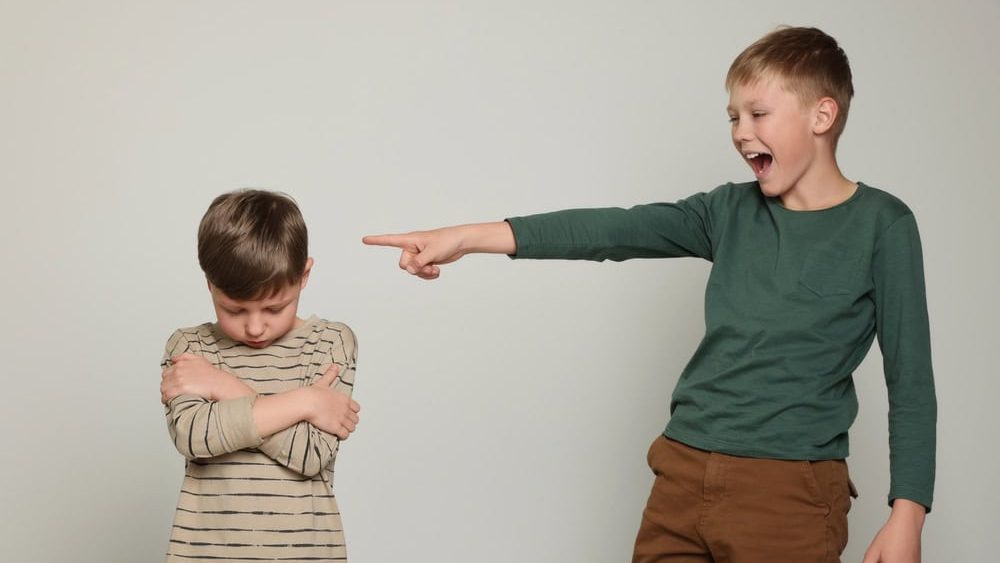
A lot of families used to be pretty ruthless about their kids. They’d make jokes about a child’s appearance, and they’d still call it affection. Yes, commenting on someone’s big ears or chubby cheeks was perfectly fine back then, and that feature could even become your nickname.
Gen Z sees it as bullying. They don’t think it’s harmless teasing, but instead, something humiliating, even though everyone in the family got picked on eventually. The excuse of ‘we were only joking’ doesn’t fly for them.
The punishment everyone watched
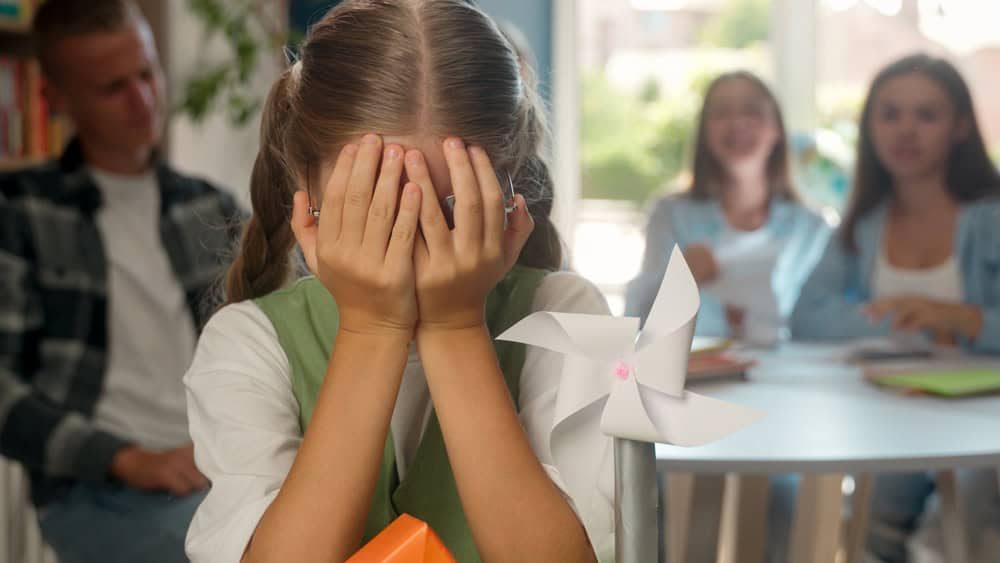
Getting in trouble in school was quite a public affair. Your desk might get moved away from your classmates, and you might be made to stand facing the wall, in front of everyone else. It was essentially a form of public embarrassment. It was deliberate.
Lots of older people remember it as the way teachers kept order, in fact. Yet Gen Z’s focus is on the humiliation side of it. They don’t think it’s fair to let your classmates see the consequences of your actions. To them, it’s trauma.
The wrong-answer spotlight

That’s not all for the classroom. One wrong answer could become a whole thing, and a teacher might repeat what you said in a mocking voice. They’d ask whether you had been listening, and maybe even make a joke at your expense.
Not anymore, though, because Gen Z thinks it associates learning with humiliation. They think that embarrassing a student in public is plain cruel, and they can’t understand how anyone could brush it off.
The clean-plate rule

It didn’t matter that you weren’t hungry anymore. Older generations simply had to eat whatever was left on their plate, and they were expected to sit there until every last bite disappeared. It was supposed to teach kids gratitude and about avoiding waste.
Gen Z thinks it’s a form of control instead. The child said they were full, and the adult decided that didn’t count, so Gen Z argues it’s a form of abuse. It might’ve only been three cold carrots, but still, it was too much.
The threat to leave

Little kids often believed the threats their parents gave them, even when they were utterly ridiculous. They’d hear things like, ‘If you don’t behave in the store, we’ll leave you behind’ and ‘Stop crying, or Dad’s going home.’ The adult would sometimes walk away, too, just to really sell it.
The whole thing was supposed to be a quick bluff that got results, yet Gen Z is more likely to focus on the panic underneath it. They argue that it plays on a child’s fear of abandonment. Adults knew they weren’t actually leaving, but the kid had no idea.
The one-way argument

It was apparently fine for an adult to shout at you for five straight minutes. The second you responded to them, however, you were being disrespectful. You were supposed to stand there and take the lecture. You had to keep your face neutral, too.
Gen Z hates that kind of one-way setup. They don’t understand how older generations can connect it with respecting adults and knowing your place. No, for the younger generation, it’s completely unfair.
The garbage-bag warning

There was no excuse for a messy room in the past. Parents would happily walk in and announce that anything left on the floor was going away. They meant it. It was meant as a lesson in taking care of belongings and looking after your room.
But Gen Z thinks parents shouldn’t threaten children with the loss of their possessions. They believe it’s not right to make a child feel like that because, you guessed it, it’s traumatic. Never mind that the items probably weren’t priceless.
The very long summer goodbye
The issue here isn’t summer camp itself because it genuinely could be pretty fun, and plenty of kids liked it. The problem lies with some parents sending their kids away to summer camp so they could have a break. They didn’t always care that the kids felt miserable about leaving.
The parents thought it would give their kids a healthy dose of independence. It did do that, at least sometimes. Gen Z’s more likely to bring up how a child is made to feel unwanted rather than adventurous.
The fear everybody laughed at

You might’ve hated thunderstorms or dogs. Maybe you hated going upstairs in the dark, too. Whatever it was, your fears were seemingly hilarious, and family members would joke about them openly. They might even deliberately scare you because your reaction was funny.
It was meant as harmless teasing and a way to toughen kids up, too. Gen Z disagrees with that idea. They think that the repeated mockery is a form of bullying, especially since childhood fears are so common.
The deep-end lesson

Try asking older generations about how they learned to swim. They’ll probably tell you that their parents just threw them into the pool. No arm floats and no slow practice, certainly no easing into the water, either.
The logic was that a child’s instinct would kick in and the kid would learn because, well, they had no other choice. Gen Z can see the reasoning behind it. But they also point out the other details, such as the fact that the child was terrified and had no idea what was happening.
Sources: Please see here for a complete listing of all sources that were consulted in the preparation of this article.

