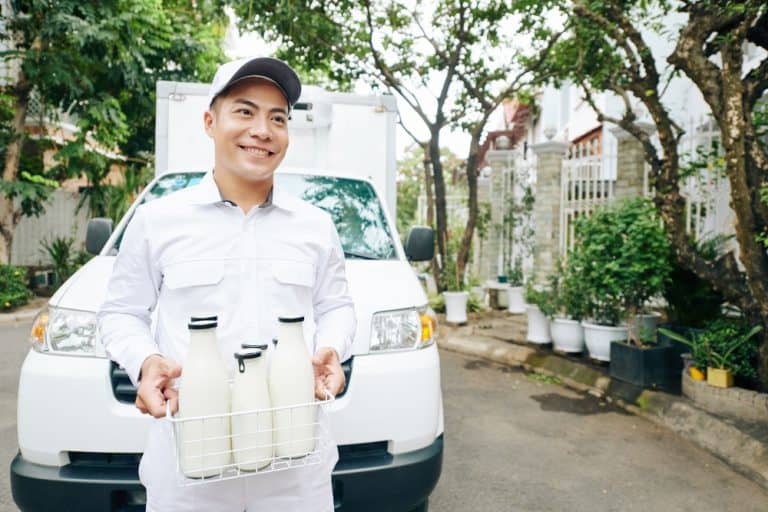

Delivery apps today can tell you where you live and what you order, but the milkman and paperboy knew far more.
The family changes

Daily delivery people sometimes knew something about a family changed before there was an official announcement. Extra milk bottles could mean there was a new baby in the house. Drop-off orders might mean adult children have moved out.
Paperboys could realize there was no family car parked outside anymore. Maybe only one person was getting the paper instead of two. None of these clues gave them the full story, but familiar delivery people could sense when a household had hit a major transition.
Modern delivery services know what their customers are buying. They rarely recognize there is a story behind changing circumstances.
The unusual silence
A milkman would likely observe that his elderly widow customer typically drew her curtains open before 7 AM, then placed her milk jug out for filling less than five minutes later. He might get a little uneasy if the curtains stayed shut and the old milk bottles were still waiting on the porch.
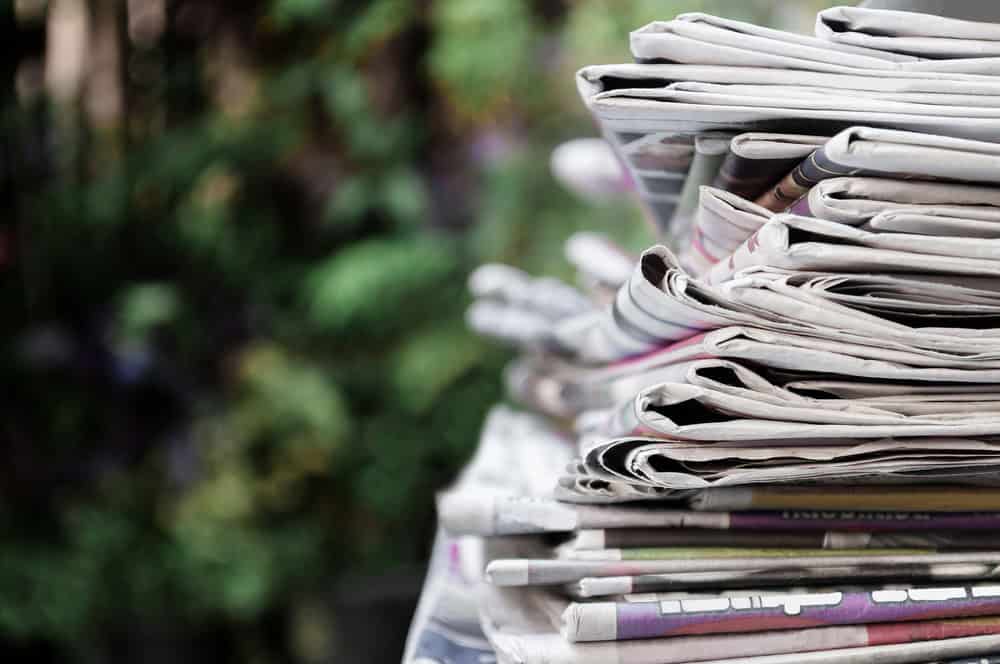
Paperboys began noticing the same things when newspapers started piling up at homes where folks usually snatched them right off the porch. These sorts of subtle signs would sometimes prompt a knock or a quick call to a neighbor.
An app can confirm your delivery reached your doorstep, but it can’t tell him if the person inside needs help.
Unwritten rules

Every street had an informal code of conduct and those who crossed its sidewalks each day learned quickly. The milkman knew which gate creaked loudly enough to wake the baby, which family liked bottles left propped around the side, and which dog growled ferociously but wouldn’t bite.
A paperboy knew which lawn not to cut across on his bicycle, and who among the old ladies liked their paper left at arm’s length.
Hidden hardships

It was possible for a family to look entirely middle class and mask the fact that they were having hard times. A milkman might notice if a customer suddenly ordered less milk or asked to pay him back later.
If a paperboy collected payment as he went, he could tell when a regular customer was struggling. Some delivery men took pity or gave some leeway because they knew who the orders behind the job belonged to.
Morning personalities

A paperboy on a fixed route soon discovered who was happy to see him before breakfast and who would rather not be disturbed. The milkman may know which customer liked a little small talk or who was always in a rush to get to work.
Small snippets like these formed an amazingly complex understanding of who lives around you.
The changing streets

Even before neighborhood statistics or online property listings reflected change in the locale, the delivery people knew things were changing.
They noticed that a home filled with three generations was now occupied by a young couple instead. They noticed when corner shops closed, new families moved in, and the once-cared-for gardens changed owners as the original caretakers aged.
Lonely people

The brief encounter with the milkman in the morning or chatting with the paperboy may have been the highlight of some elderly citizens’ days. A delivery person may realize that someone was waiting by the door, just to chat about the weather or ask how your family was doing. After a while, these few moments can become a routine little highlight of someone’s day.
An app can deliver your groceries or your newspaper without anyone interacting with the customer, but it can’t replicate hearing a friendly voice that remembers you.
Quiet generosity

Neighbors did not always share their acts of kindness publicly. The milkman may have noticed that a neighbor bought an extra bottle for an elderly widower down the street. Or someone anonymously paid another neighbor’s overdue account.
Paperboys discovered that one of their customers left them extra cash at Christmas or asked them to deliver a paper to someone who couldn’t afford one. Connections like that could give glimpses into what went on behind certain house doors that the sidewalk never gave away.
10 common 1980s habits that wouldn’t fly today
Here are ten common habits from the 1980s that simply wouldn’t fly today.

