

Most people tend to slow down after age 65, but if you breeze through these daily activities, you may be aging better than you realize.
Fast walking
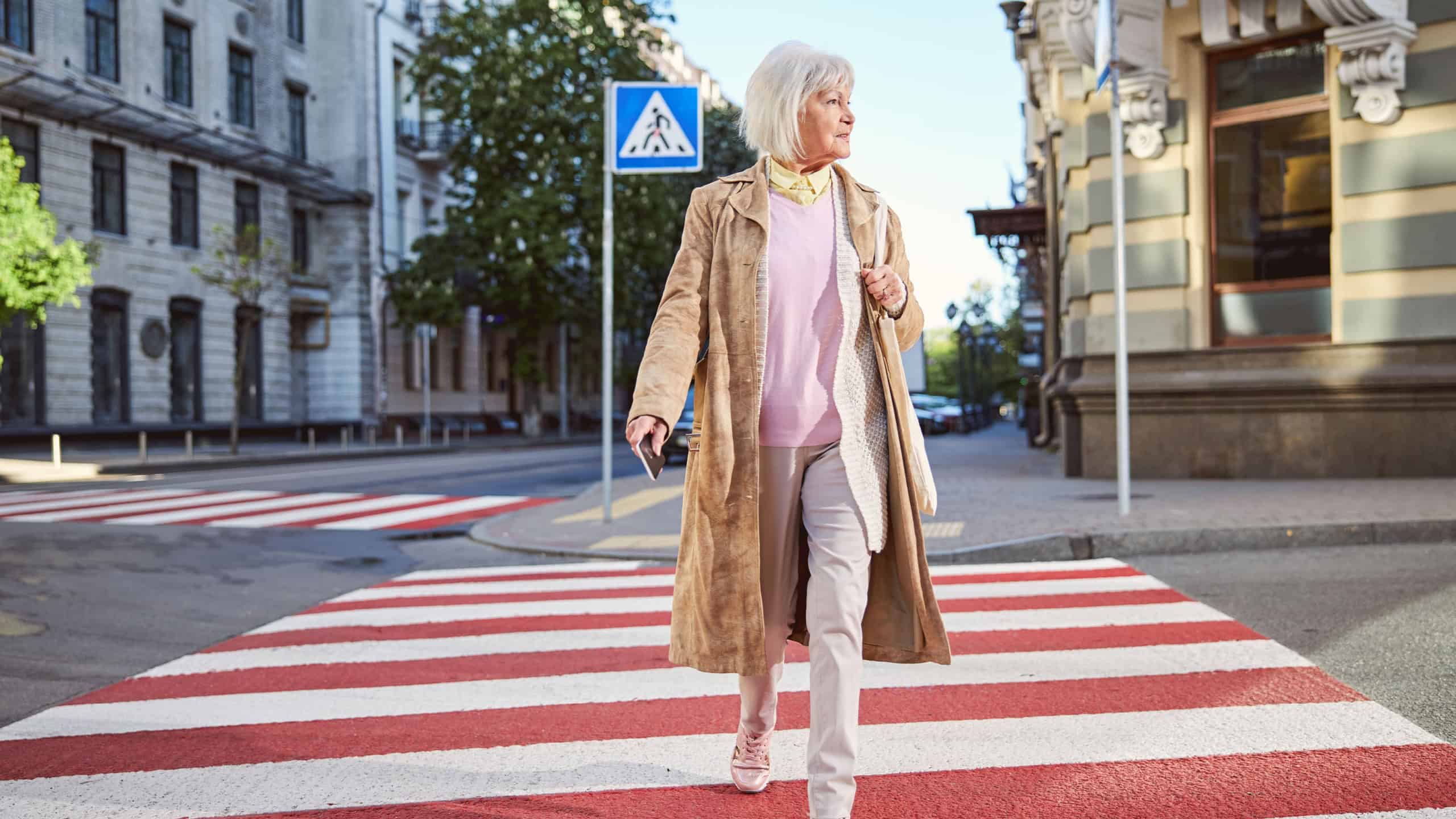
Walking at a fast clip to get across the street or through the park should not be something you struggle with. Your normal walking speed is correlated with the strength of your lungs, heart, and pure muscle endurance in your legs. If you can walk faster than others your age and not feel immediately winded, your heart and circulatory system are in good shape.
One-legged stand
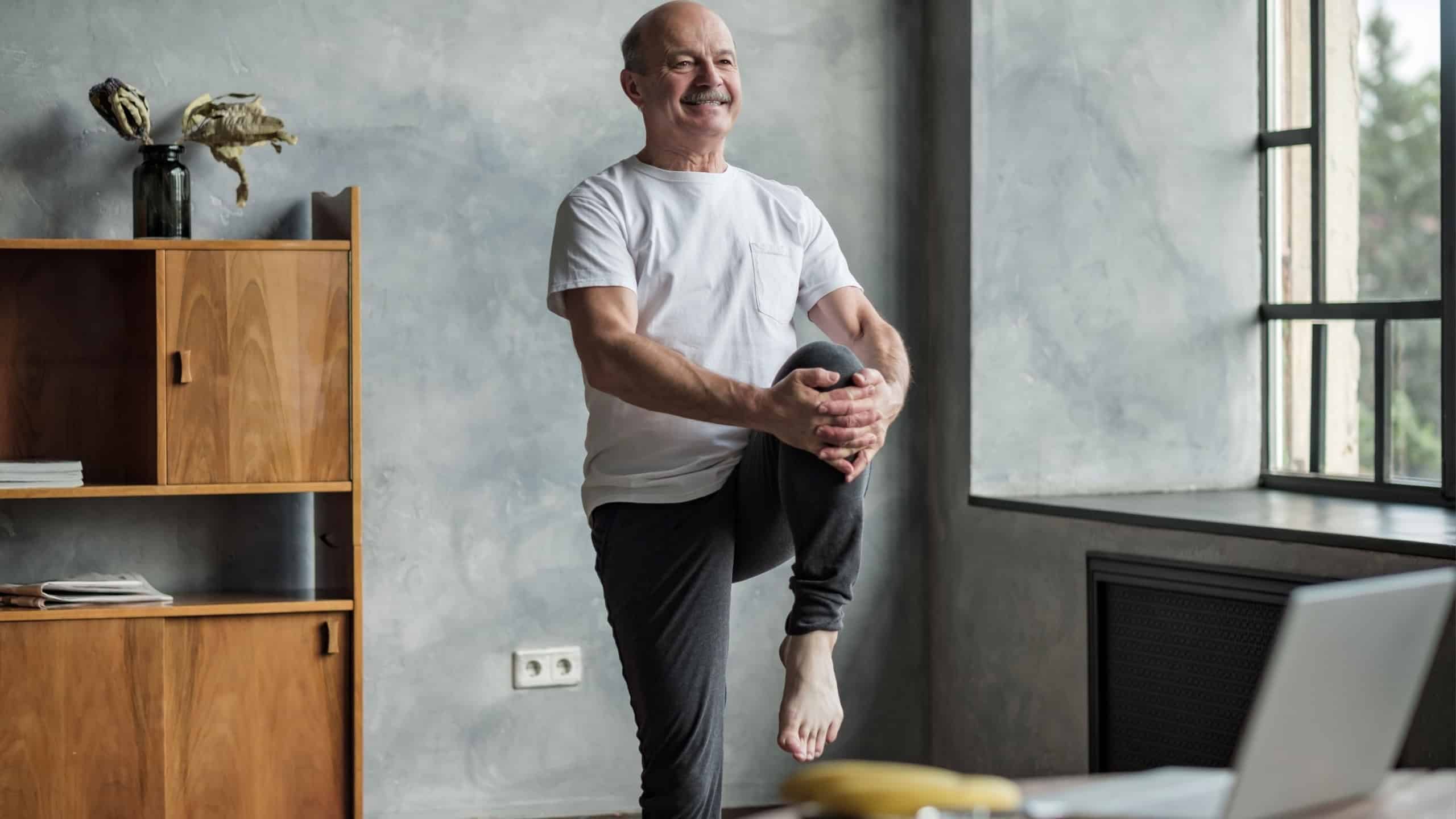
The ability to stand on one leg for more than 10 seconds without losing balance or grabbing onto something. This can be used as a functional benchmark for your risk of falling.
Falls are one of the most common ways we lose our independence as we age. Standing on one leg without issue shows there is effective communication between your brain, muscles, and inner-ear balance centers.
Floor rise

Going all the way down to the floor and standing up again without assistance is the single best predictor of longevity. Clinically known as the sit-to-stand test, you must have decent lower-body strength, joint mobility, and core stability to execute this movement with ease.
Grip strength
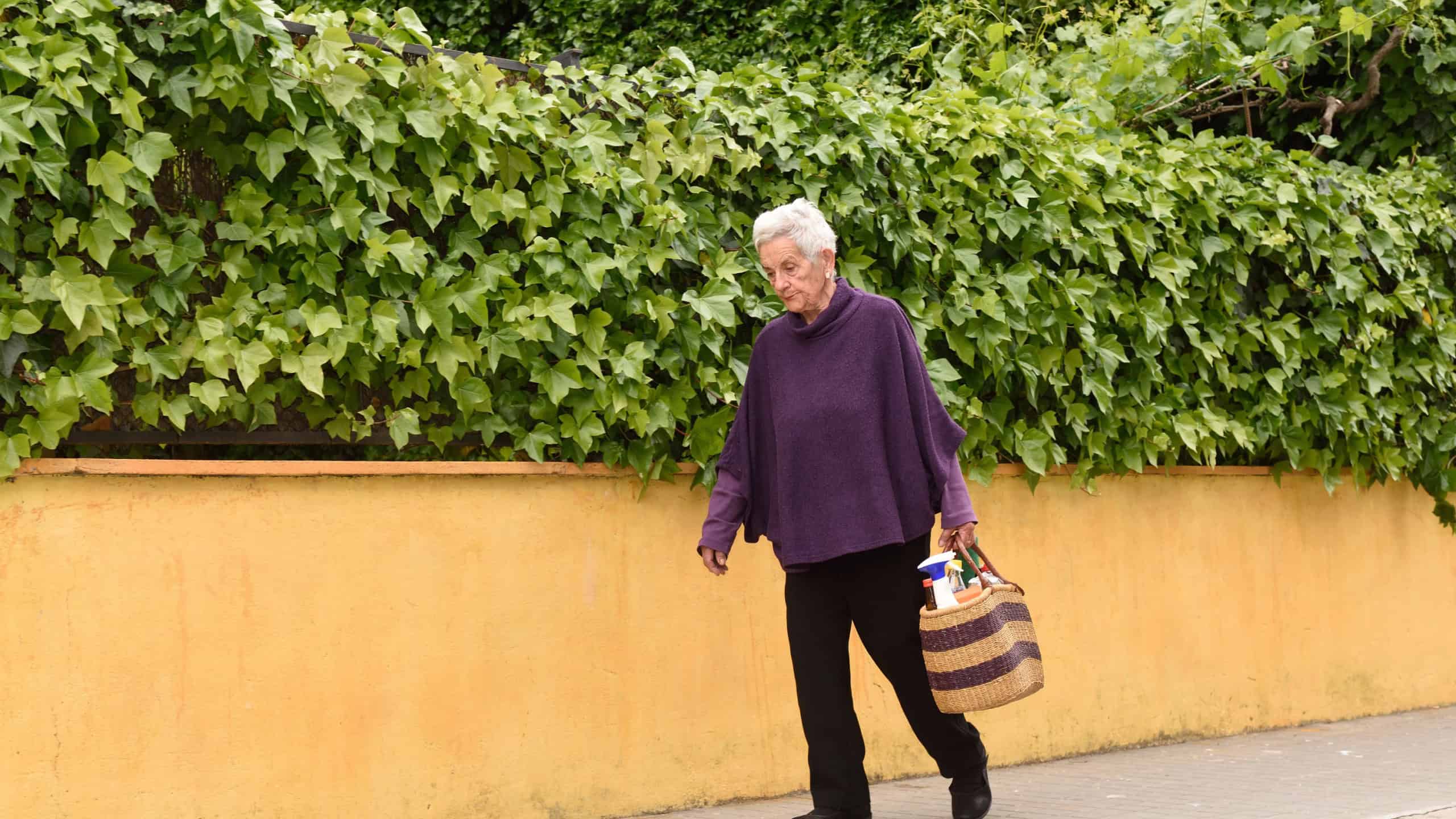
Opening stubborn jars, lifting grocery bags once from the car to your house, or twisting dry a soaked dish towel should not require great effort.
Having a healthy grip is one of the best indicators of overall muscle mass and cardiovascular fitness. If you still have strength in your hands, you’re keeping on the muscle that you would otherwise lose naturally.
Sock trick

It takes great flexibility to sit up, put your socks on, and tie your shoes without sitting on the bed or leaning on something. This movement challenges the mobility of your hips, lower back, and hamstrings.
It also requires lightning-fast reactions to maintain your balance as you shift positions. If you can gracefully tie your shoes while sitting up, your joints are well-lubricated, flexible, and not bound by the stiffness many elderly people experience.
Rapid recall
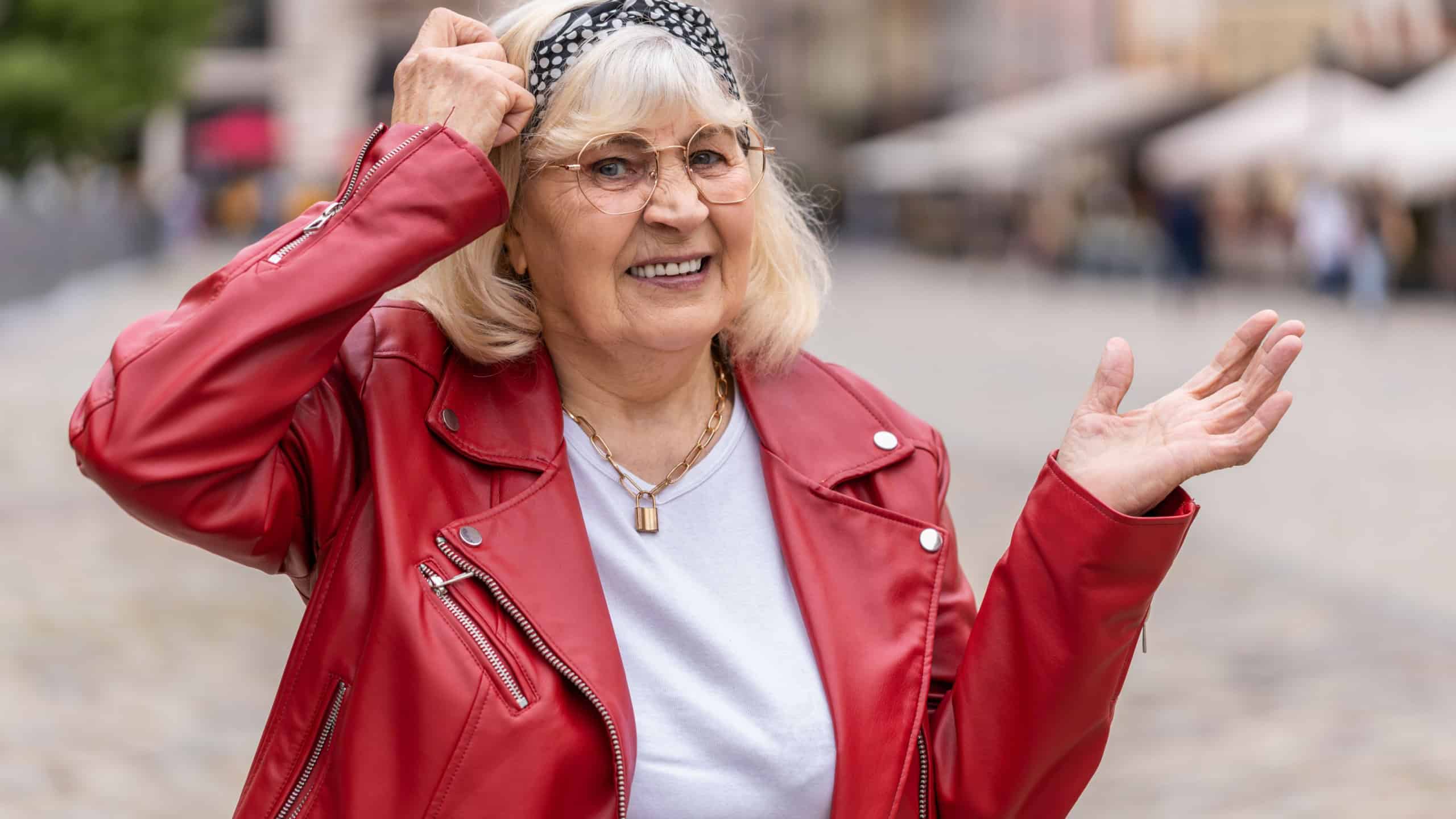
If you can remember where you put your keys, recall the name of that person you haven’t seen in ages, remember what you have planned for the day without having to look at your reminder app, then these are signs of a healthy brain.
Everyone forgets things here and there, but if you have a reliable short-term memory, then your brain processing speed and neurological pathways are still in tip-top shape. You’re winning the battle against foggy brains.
Hearing conversations

Keeping up with the rapid dialogue of multiple people in a loud restaurant without having to ask everyone to repeat themselves or guess what words you can’t hear is a major achievement.
Hearing often fades as we age, and many older adults opt out of social gatherings because simply trying to understand conversations leaves them drained. If you still find yourself able to tune out background noise and focus on conversation, your hearing is still in pretty good shape.
Sound sleep
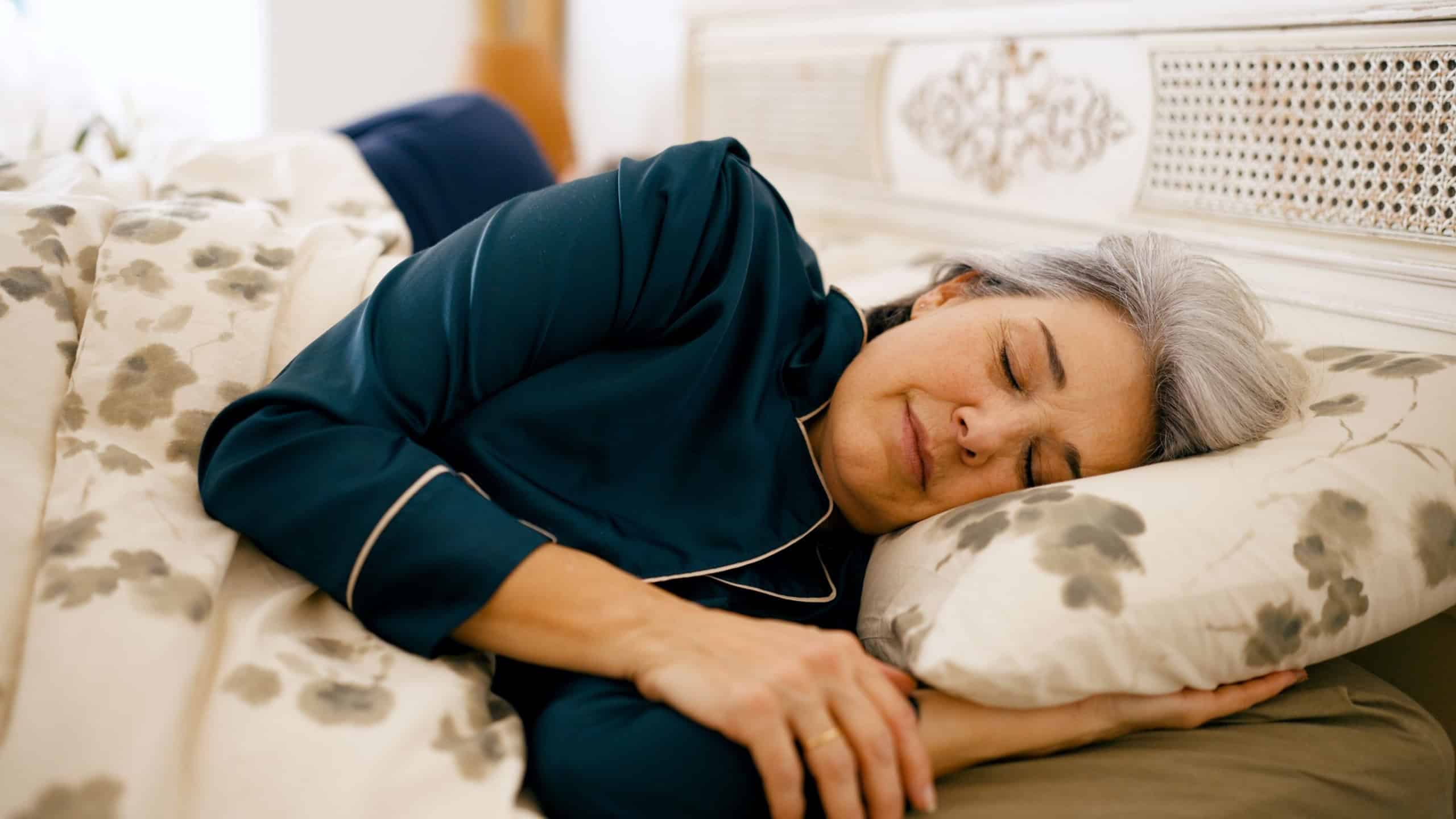
It’s a biological luxury to be able to fall asleep within 20 minutes of getting into bed and then sleep soundly for 7 or 8 hours without having fragmented sleep caused by many disruptive awakenings in the middle of the night.
The structure of deep sleep naturally becomes disturbed as we age, and this can leave people feeling tired and washed out during the day. If you’re sleeping deeply, you can be sure that your circadian rhythms and hormones are in great balance.
Stair power
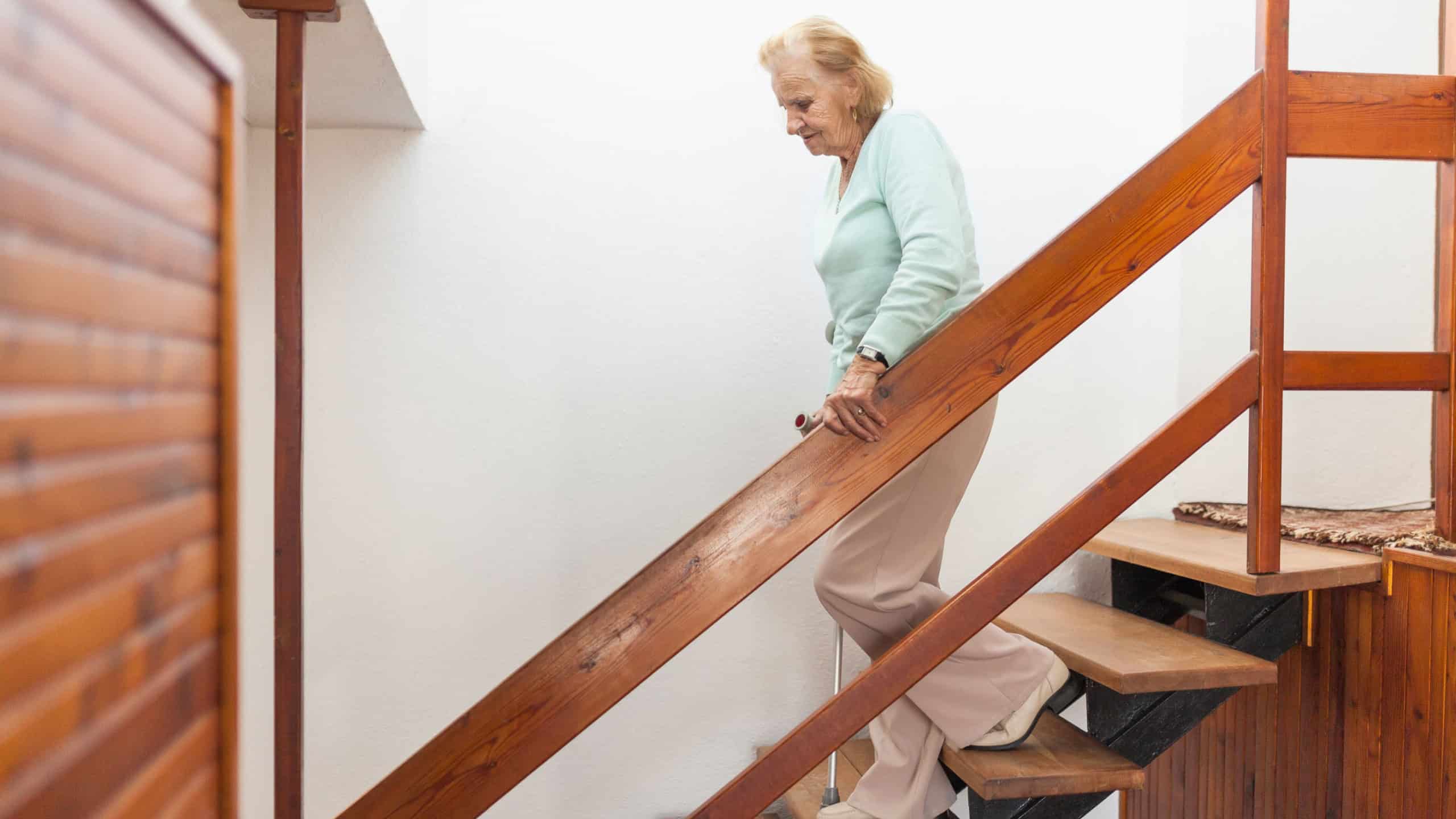
The ability to run up 2 or 3 flights of stairs without needing to stop and rest on the landing or grab onto the handrail tells you that you’re in pretty good shape.
Climbing stairs without breaking a sweat is actually a harsh test of your heart, lungs, and quads all at once. If you can glide up stairs effortlessly, you have great aerobic fitness and leg stamina.
Daily optimism
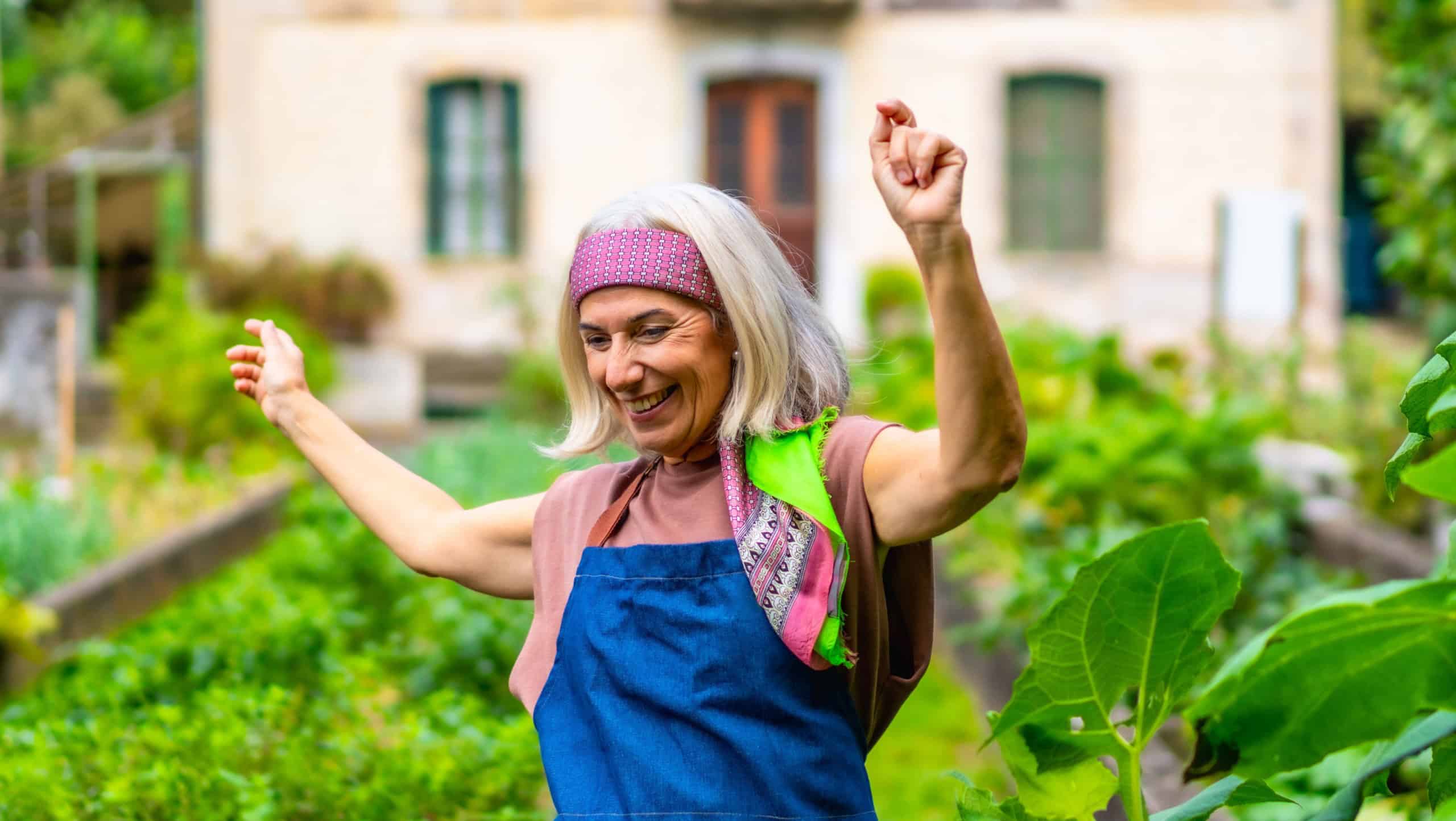
To wake up feeling alive, curious about what’s going on around you and excited about your plans for the future instead of dwelling entirely on the past is one of the hallmarks of being young at heart.
Mental toughness and positivity have a direct effect on your body by preventing runaway stress hormones and inflammation. If you feel like you still have that spark and excitement for what’s ahead of you, your brain is aging beautifully.
Like our content? Be sure to follow us.
14 foods boomers say don’t taste the same after 60

Taste is one of those things that changes slowly over time. You don’t necessarily notice it happening until something that you loved your whole life starts to taste just different. Here are 14 foods they said just aren’t the same after 60.


