

College campuses are never short on surprises and sometimes that includes unexpected bans on everyday stuff. Believe it or not, some universities have prohibited items you’d never think could be controversial, whether it’s bottled water or internet routers. Here’s a look at ten U.S. universities that decided to ban common items from their campuses. Let this be a lesson to you—be careful what you take onto campus.
Featured Image Credit: GeorgeRudy /Depositphotos.com.
University of Vermont’s Bottled Water Ban

The University of Vermont once banned the sale of bottled water on campus as part of sustainability measures and they installed hydration stations all over instead. This way, students could refill reusable bottles. They hoped to cut down on plastic waste & encourage everyone to make eco-friendly choices, although it hasn’t been entirely successful. Students have simply bought other bottled drinks, like soda & juices, which essentially defeats the whole purpose of the ban.
Middlebury College Removes Energy Drinks

In 2016, Middlebury College took energy drinks off the shelves in campus stores and dining areas after concerns about health issues like high blood pressure & anxiety. The college wanted to promote better drink choices, although such a move wasn’t free of controversy. Numerous students and groups complained that such a measure was an example of administrative overreach.
Brigham Young University’s Coffee and Tea Prohibition

Brigham Young University is another university with a ban on drinks—but this time, it’s for the sale or consumption of coffee & tea on campus. This was because the Church of Jesus Christ of Latter-day Saints follows the Word of Wisdom, a health code, and the university expects students to avoid these drinks. The university’s policy is part of its commitment to its religious principles and its attempts to encourage these teachings in all its students.
Iowa State University’s Personal Router Ban

Iowa State University prohibits students from using personal routers & wireless access points in campus housing because unauthorized devices may interfere with the university’s network. Officials feared that these could cause security or reliability issues, so they require students to use the provided Ethernet connections. They may also use official Wi-Fi services to keep everything running smoothly, even though some people argue that this measure is unfair.
Duke University’s Campus-Wide Smoking and Vaping Ban
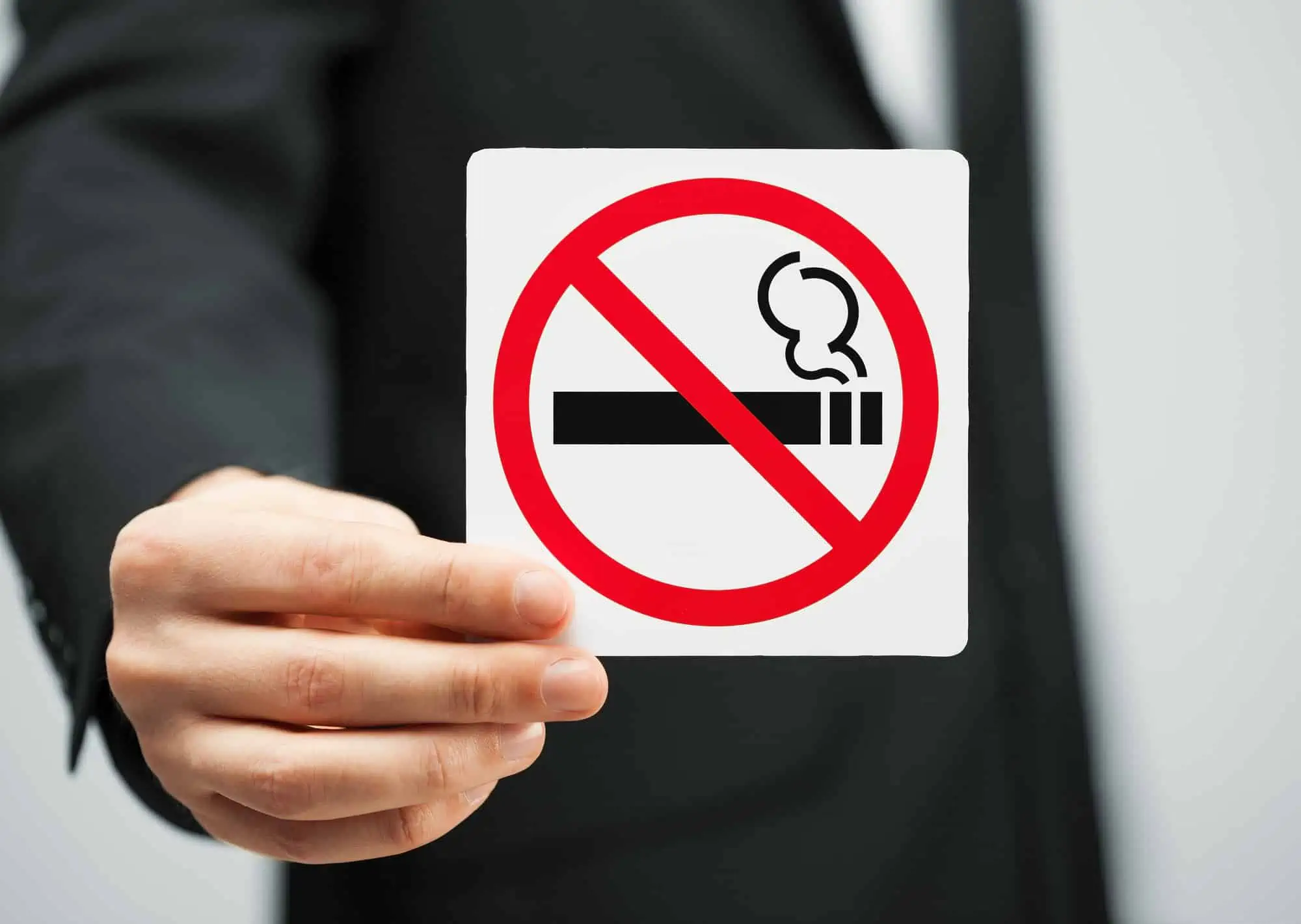
Duke University implemented a full ban on smoking and vaping across campus with the aim of becoming a smoke-free campus—the ban includes traditional cigarettes & e-cigarettes. It also covers chewing tobacco, snuff and any other forms of tobacco. The policy aims to create a healthier environment for everyone and they have also removed designated smoking areas to discourage smoking.
Duke University’s Ban on Plastic Carryout Bags
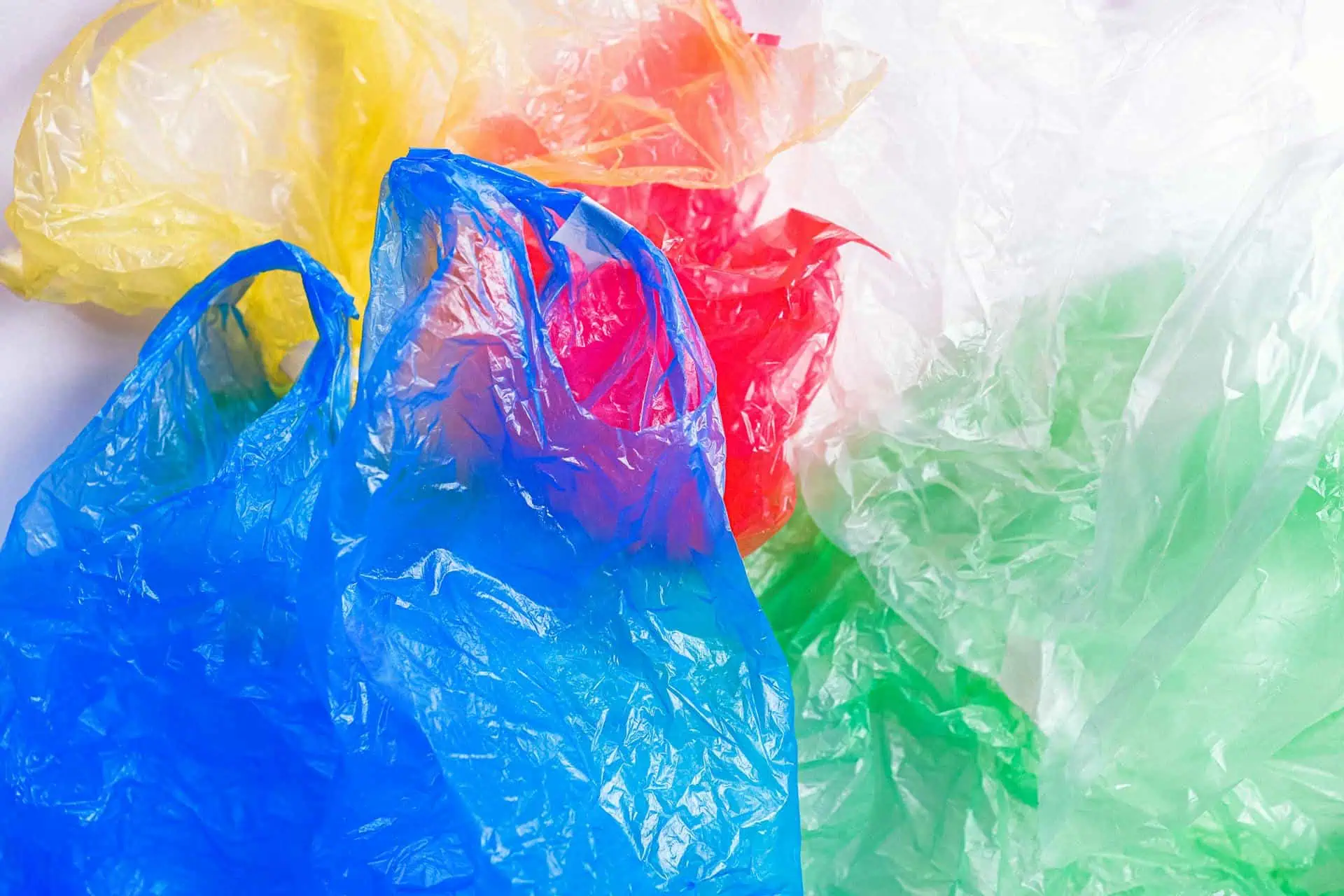
But that’s not all for Duke University, as in 2020, they said goodbye to plastic carryout bags in all their campus stores & dining spots, with the goal of cutting down on plastic waste that often ends up in landfills. Now, the university encourages students & staff to bring their own reusable bags when they shop or grab food. You may still buy a reusable bag at the store if you need a bag—but at least this way, the campus reduces single-use plastics.
University of California, Berkeley’s Styrofoam Prohibition
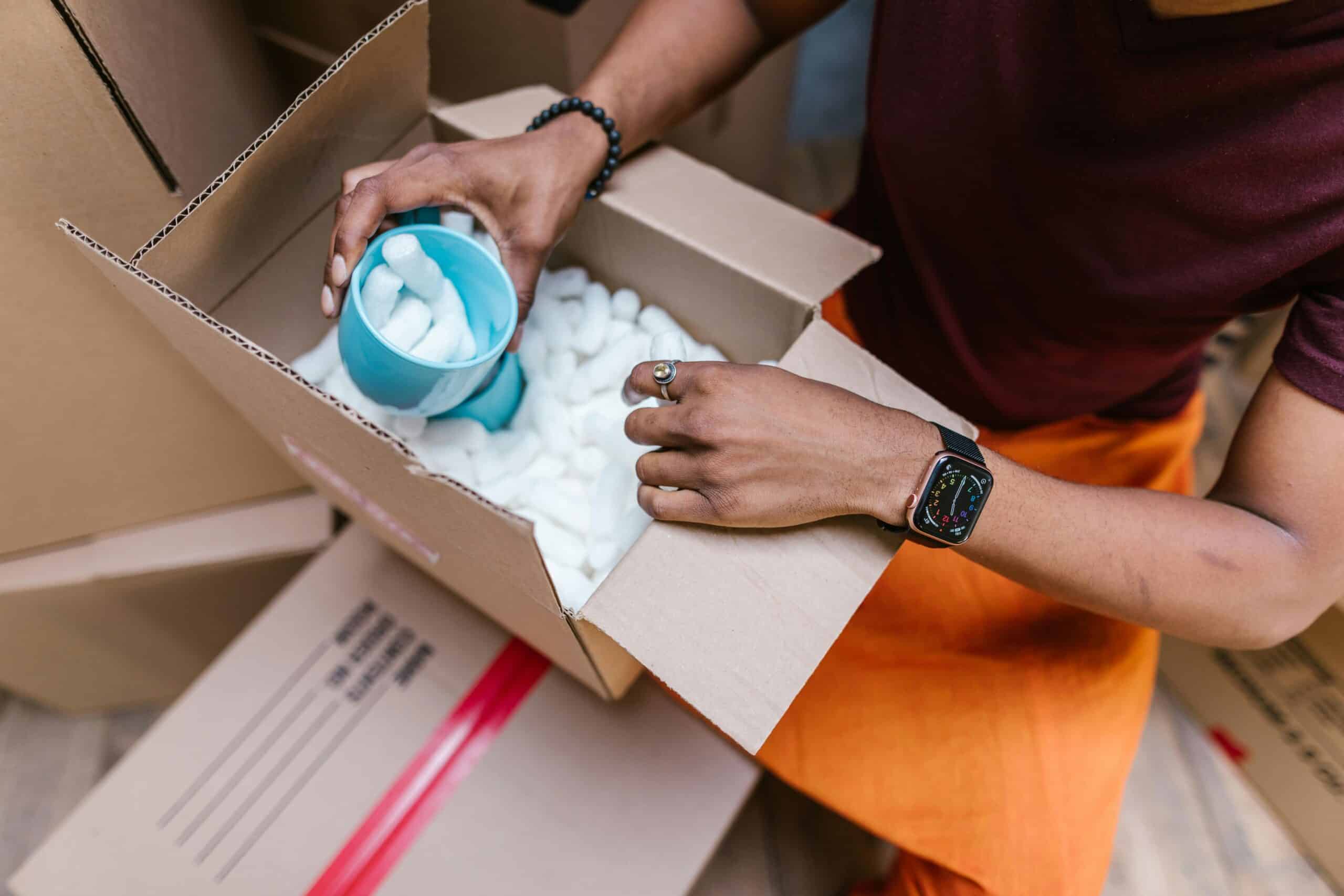
In 1988, Berkeley, California, became the first American city to ban polystyrene foodware completely and UC Berkeley recently took this ban one step further—they banned the use of Styrofoam products on campus. Vendors & campus services are no longer allowed to use Styrofoam containers, cups, or packaging. Instead, you may use compostable or recyclable containers because this helps reduce non-biodegradable waste and fits with the university’s environmental goals.
University of Michigan’s Ban on Selfie Sticks

Selfie sticks are banned in museums and at certain events on the University of Michigan’s campus because they’re worried these gadgets could accidentally cause damage to exhibits. They’re also worried selfie sticks could injure people in crowded spaces—so the university decided to ban them to keep things safe. Of course, you may still take photos but you’ll have to do it the old-fashioned way, without the angles you could get from a selfie stick.
Binghamton University’s Ban on Helium Balloons

Binghamton University decided to ban helium balloons on campus following major environmental concerns—when people release these balloons, they end up harming wildlife & adding to litter. Helium is also a non-renewable resource and that means we shouldn’t waste it on balloons either. The university encourages students to use other types of decorations for events & celebrations that are more eco-friendly.
University of Portland’s Ban on Plastic Straws

The University of Portland was one of the first places in America to phase out plastic straws across all dining facilities in an attempt to fight plastic pollution, and the university switched to paper straws. Some places went strawless altogether & students who prefer to use straws are encouraged to bring their own reusable ones. Such a change has reduced the amount of single-use plastics on campus as part of broader environmental efforts.
Disclaimer: This list is solely the author’s opinion based on research and publicly available information.
Like our content? Be sure to follow us on MSN.
Read More: