

In theory, retirement is a time for us to enjoy our lives after years of hard work, although some of the false beliefs we still have may put these dreams out of reach. Lots of us still have misunderstandings about savings, expenses & planning that keep us working longer than we need to. It’s time to stop that. Here are thirteen common retirement myths that could be keeping you on the job instead of enjoying your well-deserved freedom.
Featured Image Credit: zenpix/Depositphotos.com.
Counting on Part-Time Work to Cover Retirement Expenses

Relying on part-time jobs to fund your retirement may not be as effective as you think, as that extra income often doesn’t cover rising living costs or unexpected bills like medical expenses. If your plan depends solely on future part-time gigs, you could end up working much longer than you’d hoped. Finding suitable part-time work is also a lot harder when you get older because employers usually prefer younger candidates—some jobs could be too physically or mentally demanding for you.
Believing You Can Always Keep Working

Likewise, you shouldn’t assume you’ll be able to work indefinitely because health issues or job market changes could make it hard to stay employed. You have to plan for retirement without depending on endless employment—unexpected layoffs or company closures may happen without warning. It’s much better to have a solid retirement plan that’ll protect you if working longer suddenly isn’t an option anymore.
Relying Solely on Home Equity for Retirement

Some people believe they’ll be able to count on their home’s value to fund their retirement, but that’s a rather unreliable approach since selling your house or taking out a reverse mortgage might not give you as much as you expect. The housing market fluctuates all the time and property values can drop—you’ll need to keep working to fill financial gaps from your home equity. Selling your home is also a rather time-consuming process and will delay access to the money you need.
Assuming Downsizing Always Saves Money

Many retirees believe that moving to a smaller home will automatically cut costs, yet this isn’t always true because hidden expenses like moving fees & renovations cost a lot. You may even have to deal with higher property taxes in a new area, which means downsizing won’t reduce your expenses as much as you thought it would. That’s not to say you shouldn’t move but rather that you should do thorough research to make sure downsizing is the right option.
Betting on Inheritance to Fund Retirement

Counting on an inheritance to pay for retirement is risky since sudden medical bills will reduce the assets you’re expecting—if you rely on money that isn’t guaranteed, you may have to keep working longer to cover your costs. Don’t forget that family situations may change and your loved ones could update their wills without your knowledge. Even if the money does go to you, disputes over estates often delay or reduce what you receive, so depending on someone else’s assets is a bad idea.
Assuming Social Security Will Cover Everything
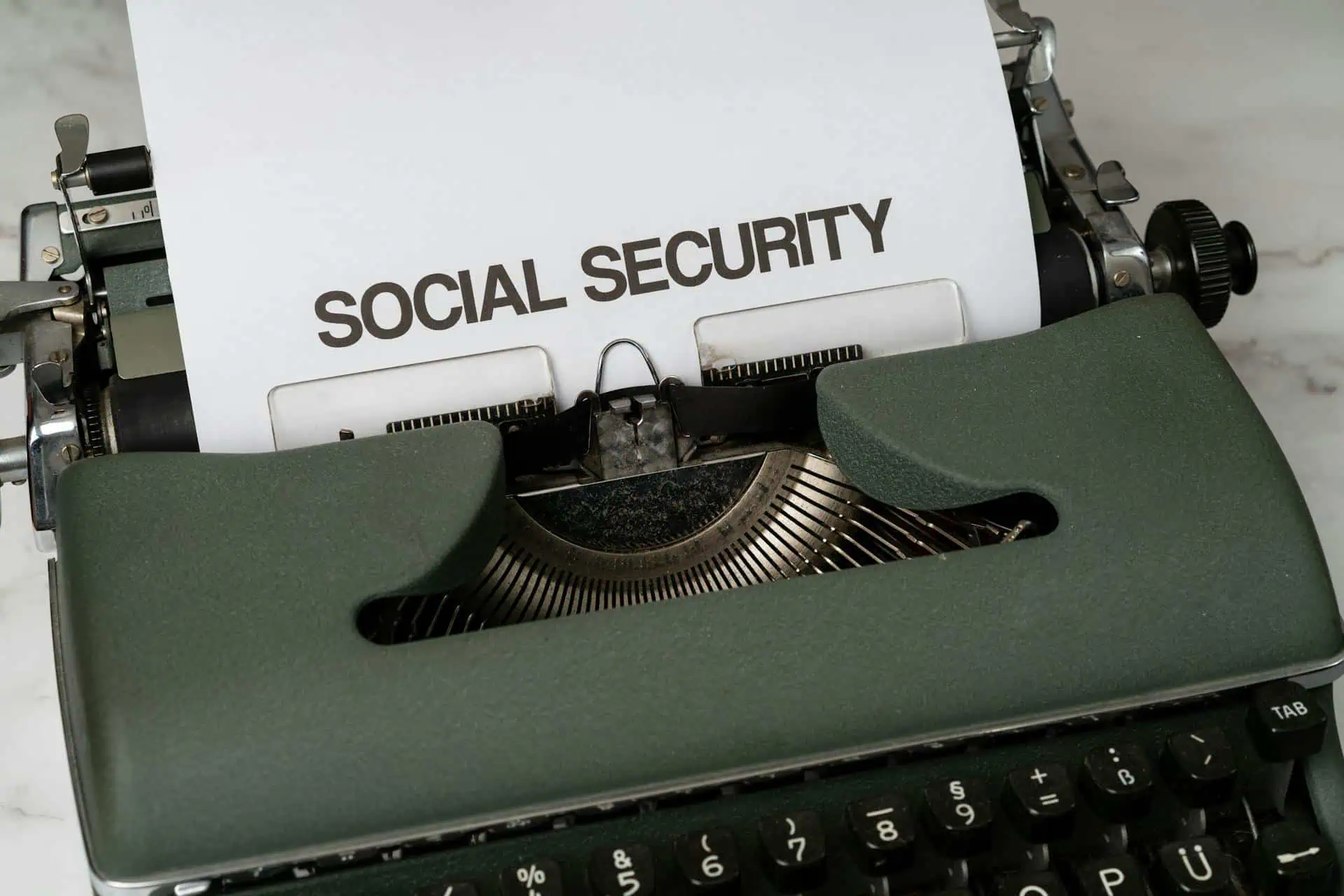
Many retirees think that Social Security will handle all their retirement expenses but such thinking leaves you short—these benefits are meant to supplement your income, not replace it. It’s even worse when you overestimate what you’ll get because you’ll likely struggle as a result. This could force you to continue working longer than you’d planned, especially since Social Security payments may not keep up with inflation & rising living costs.
Expecting All Expenses to Drop After Retirement

Some of your expenses might go down when you retire, yet others, like healthcare or leisure activities, usually go up, so you shouldn’t assume that all of your expenses will drop after retirement. Underestimating your future spending could mean you don’t save enough and have to work longer to make up the gap. Whatever budget you have planned, plan for a little extra to make sure you have enough saved to enjoy your retirement.
Thinking Retirement Planning Is Only for the Wealthy

For some reason, many people believe that only rich people need to plan for retirement—that’s a complete misconception because everyone benefits from planning ahead. Failing to save & prepare is a guarantee that you won’t have enough money when you retire, which means you’ll keep working. Even small contributions to a retirement account will grow over time with interest and starting early gives your money more time to accumulate.
Believing That Retirement Planning Ends at Retirement

But that’s not all because some people think that once they retire, the planning phase is over—they figure they’ve saved enough & may now relax without worrying about finances. However, managing your money doesn’t stop when you stop working and without ongoing budgeting, your savings will dwindle faster than expected. Such a misunderstanding could force you back into the workforce to cover unexpected costs.
Believing High Income Guarantees a Comfortable Retirement

Just because you have a high salary now doesn’t mean you’ll have an easy retirement later, as without proper budgeting & saving, even high earners can fall short. Overspending during your working years could leave you without enough in retirement, while high living expenses make it hard to set aside enough for the future. It doesn’t matter how much you earn—you have to create & stick to a savings plan and be mindful of your spending habits.
Believing You Can Withdraw the Same Amount Each Year

There’s a myth that you’re able to take out a fixed amount from your retirement savings every year without any issues—but market ups & downs, as well as changing expenses, could mean your withdrawal strategy needs adjustments. Taking out too much money early on might leave you short in later years and you may have to return to work to support yourself. Instead, you should be flexible with how much you withdraw and regularly review your plan.
Believing Single People Don’t Need Much for Retirement

Anyone who’s single when they retire might assume they won’t need as much money in retirement because they don’t have a family to support, so they think their costs will be lower & put off serious saving. Yet being single could actually mean higher expenses in areas like housing and healthcare since there’s no one to share the costs. Never underestimate what you’ll need because this could make it necessary for you to keep working to cover your expenses.
Assuming Retiring Abroad Will Solve Financial Woes

With all the costs of retiring in America, some people believe that moving to a cheaper country will make retirement affordable, yet that’s rather misleading. Of course, some places do have a lower cost of living—but there are hidden expenses like visa fees, healthcare costs & taxes on foreign pensions. You may also face language barriers or cultural differences that make your retirement more stressful. It could force you to return to work or even move back home, which would completely disrupt your retirement plans.
Disclaimer: This list is solely the author’s opinion based on research and publicly available information.
Like our content? Be sure to follow us on MSN.
Read More:


