

A lot of people still spend weekends polishing & repainting old collectibles. They used to be something, after all. But the problem is that most of these just sit around long after they’re done, no buyers in sight & no chance of making their money back.
Here are ten collectibles you shouldn’t waste money on restoring. Do you have any of these?
Grandfather clocks
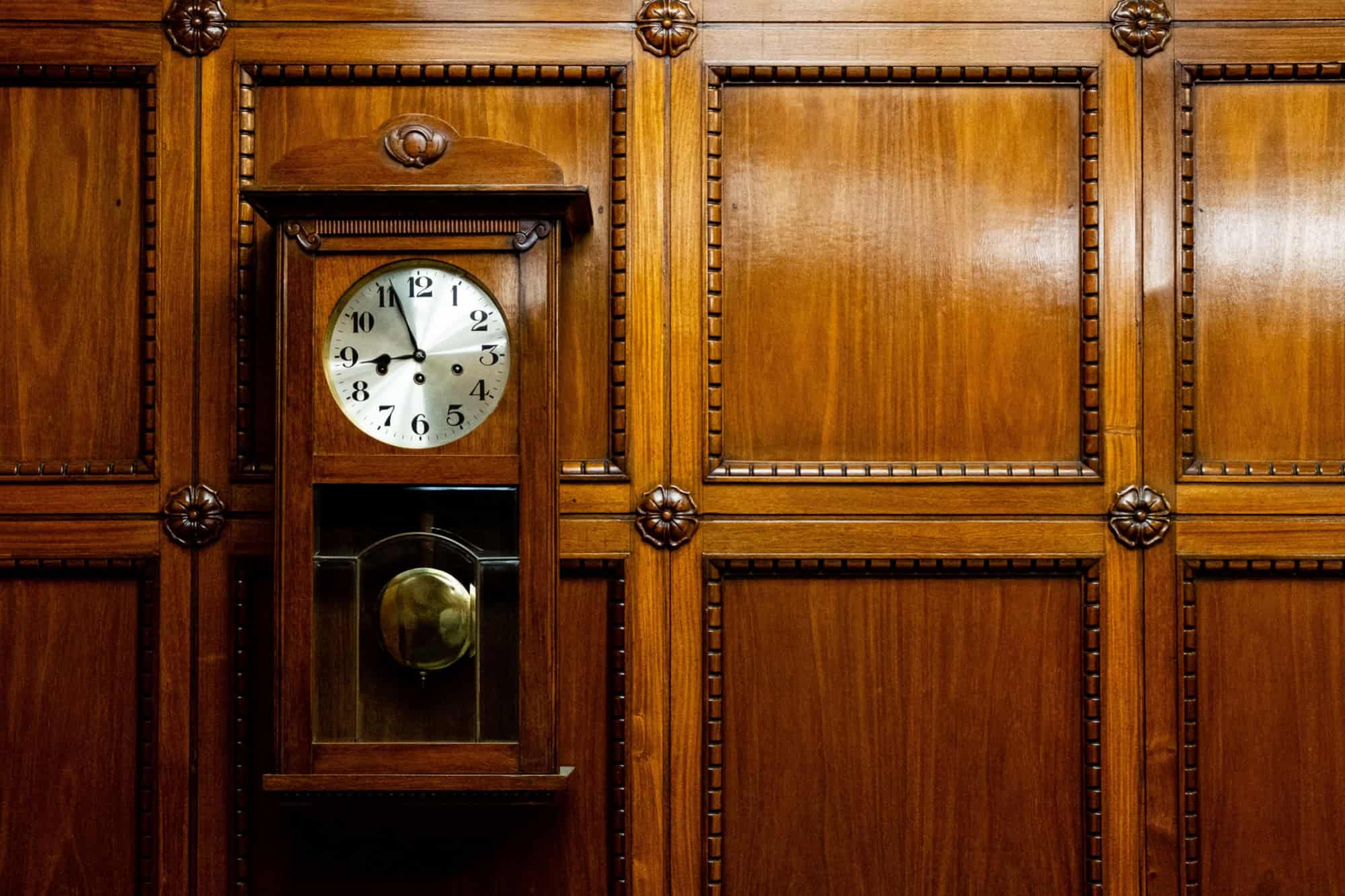
Once upon a time, grandfather clocks made for a good family heirloom. They’re now more of an oversized timepiece that no one has space for. Nor the patience.
You can still get them repaired at clock repair shops, as long as you remember that the parts are pricey & buyers rare. The clock will probably just sit in the corner being ignored, no matter how many times you polish the case.
TV entertainment armoires
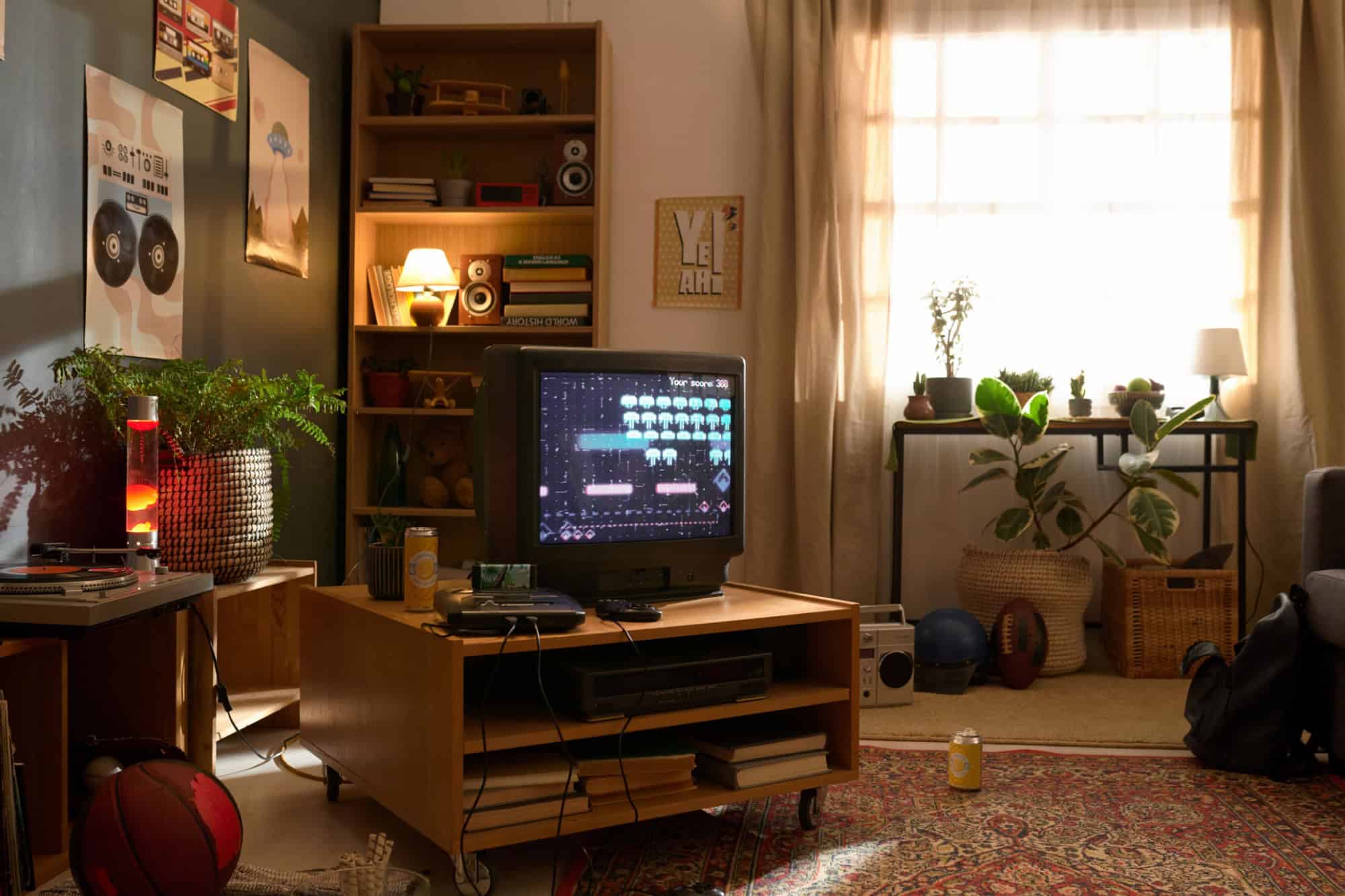
Every living room used to have a deep cabinet that was built for the TVs of the day. But they’re nearly impossible to sell today because modern screens are too wide & too thin. In fact, the majority of people would prefer to wall-mount their screen, rather than stick it onto an armoire. The most use one will get will be for storage or craft stations. But that’s a hard sell even then.
Steamer trunks
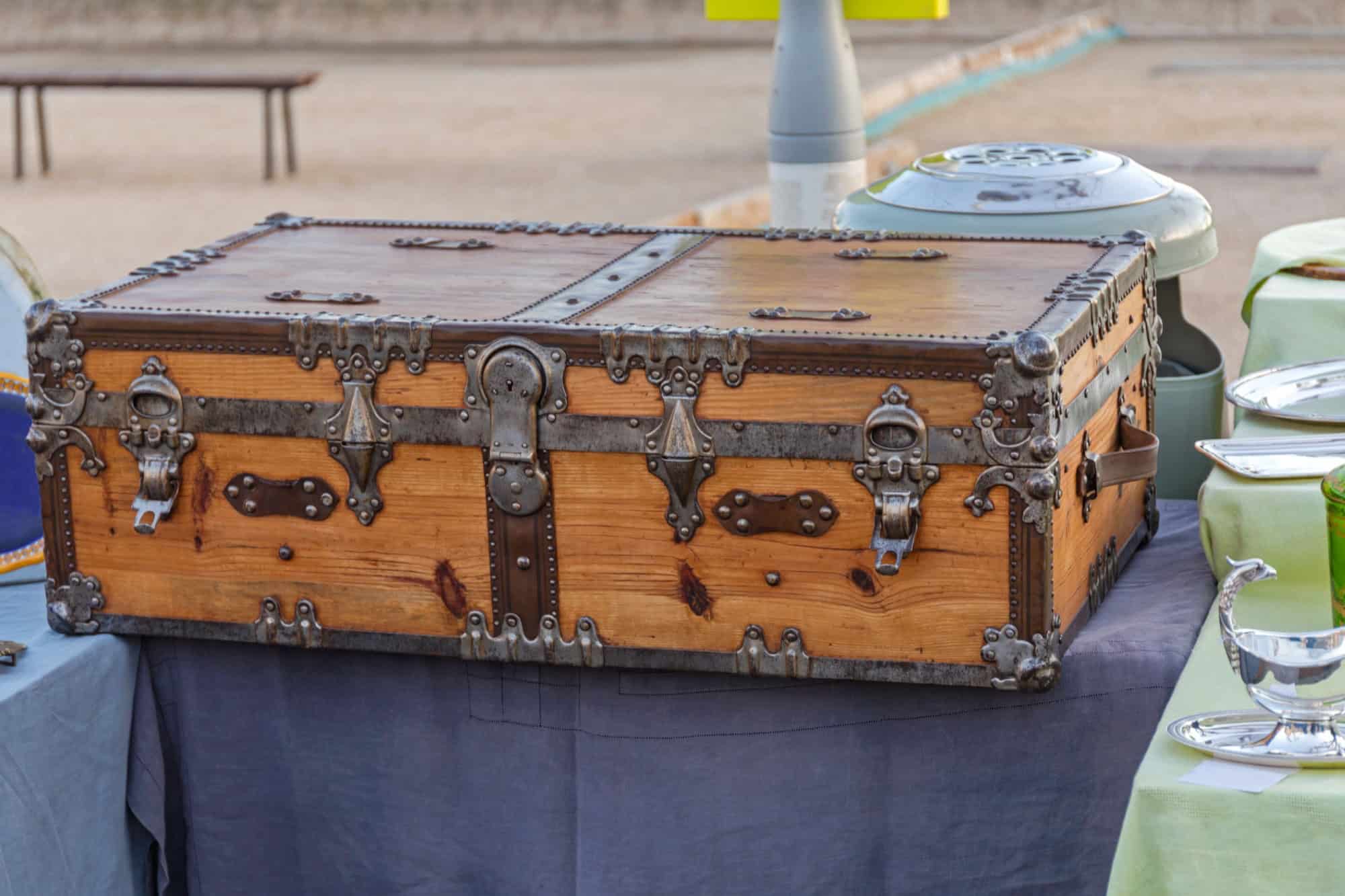
Sure, steamer trunks look romantic. It’s the brass corners & leather straps, along with the whole traveler chic, that really get people. Yet most trunks you’ll find are unlikely to be rare, simply mass-produced.
The cost of stripping & refinishing one is likely to be a lot higher than what most buyers will be willing to pay. Is restoring nostalgia really worth that cost?
Tube radios
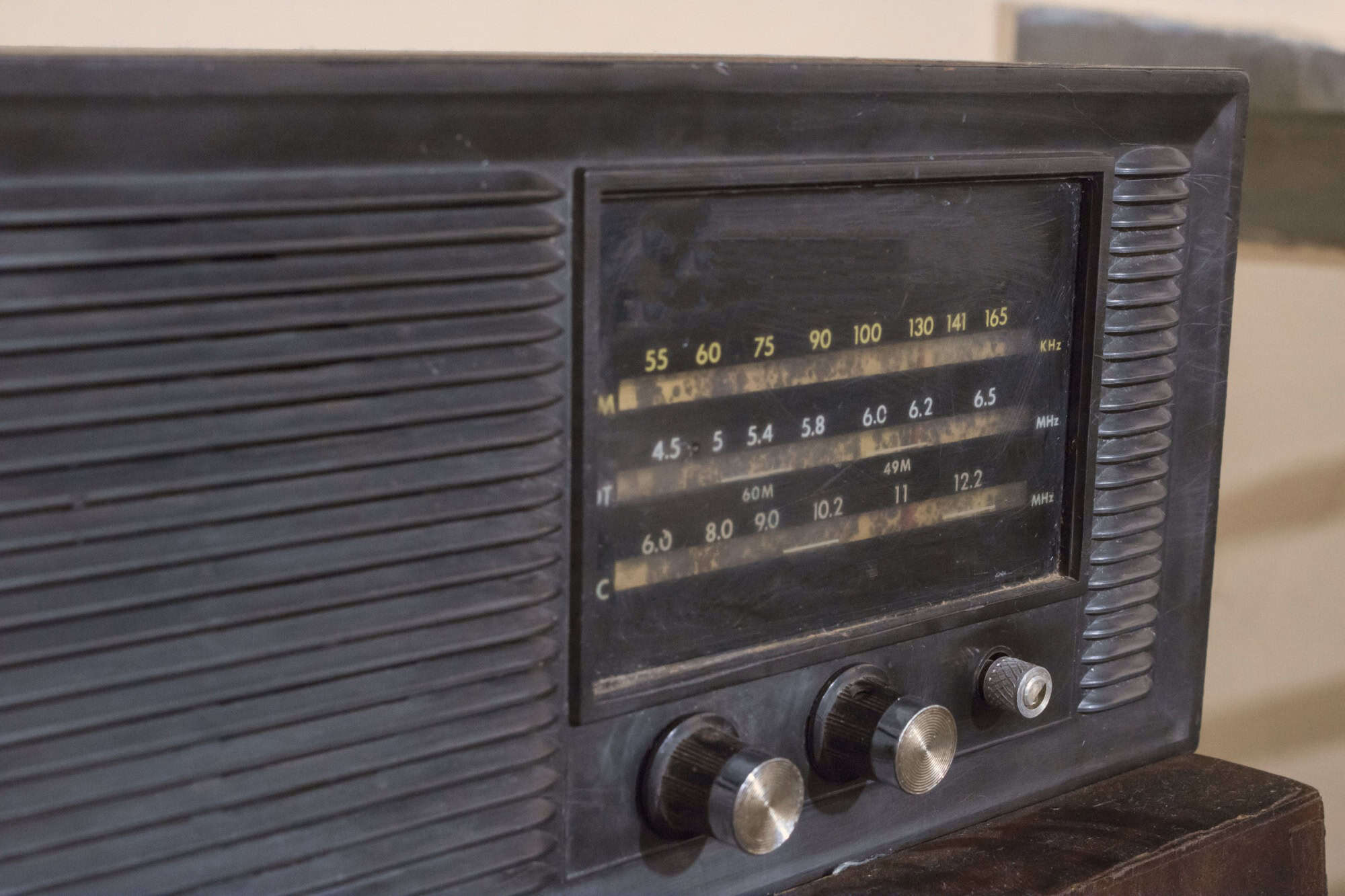
Bringing a tube radio back to life can be rather satisfying. Mostly, it’s because of the smell of old varnish & the glow of tubes warming up, although the issue is that most people who want to buy one of these will already have one. Those who don’t are unlikely to even care.
Tube radios are heavy and don’t stream music, so you’re likely to spend more on capacitors than you’ll ever make back.
1970s console stereos
Quite a few people try rescuing console stereos from estate sales, with the belief that they’ll be cool again. They’re mistaken. No matter how stunning the wood grain might be or how hidden the speakers are, fixing console stereos is a lot of work.
Nobody really wants to buy furniture that doubles as a sound system since they’re far too bulky.
Midrange typewriters
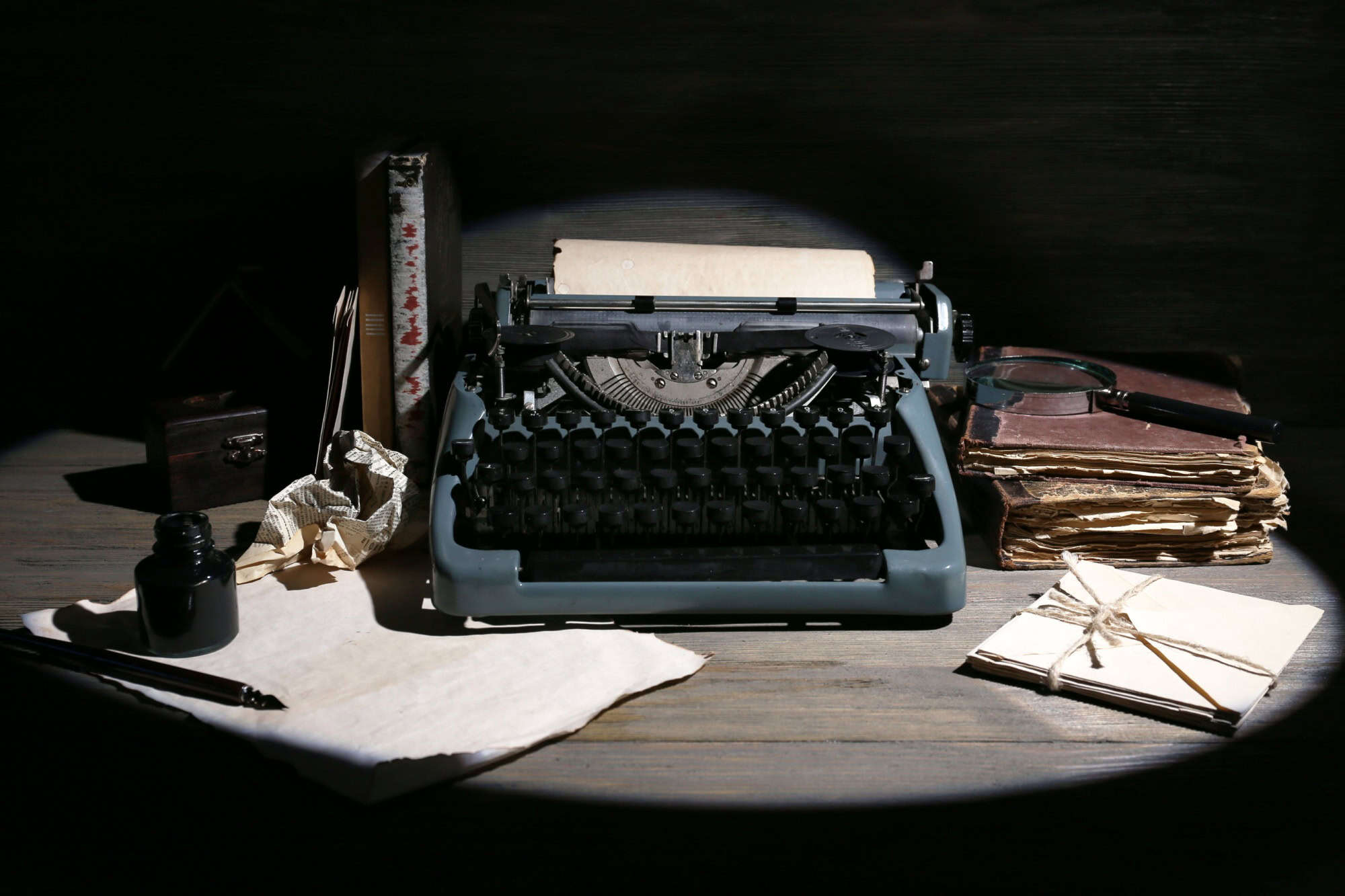
It’s true that cleaning a typewriter feels rather therapeutic. What could be better than brushing dust out of the keys & reinking the ribbon? Well, a lot.
The market is practically drowning in the sheer number of these devices, and the only valuable ones are either older or rare color editions. Any midrange models are going to sell for very little. Pretty, yes. Profitable, not so much.
Wooden sewing machine cabinets
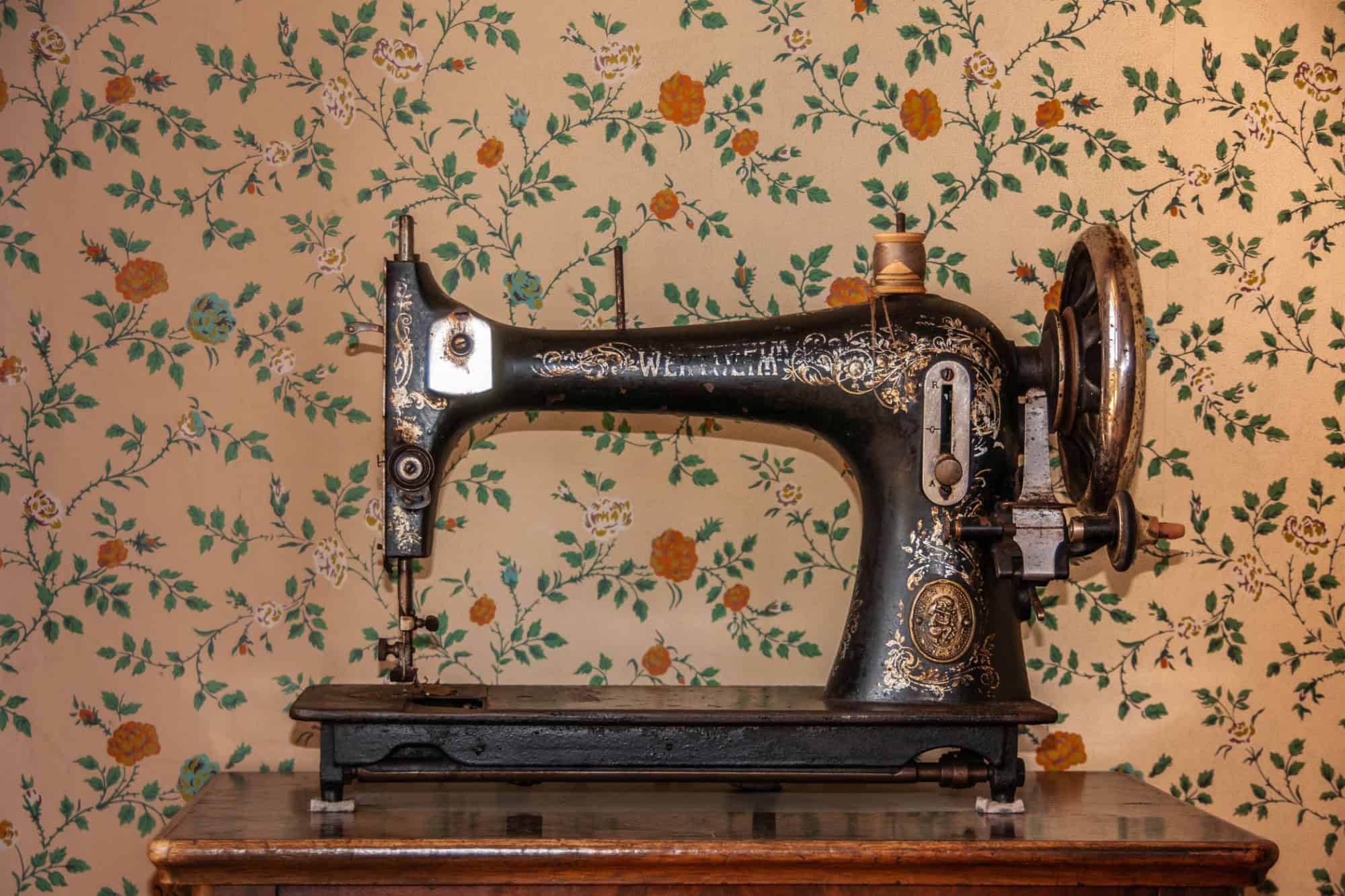
People sell wooden sewing machine cabinets all the time at yard sales & thrift shops, or at least, they try to. They see the solid wood and start sanding almost right away.
But then comes the understanding that nobody’s buying them, even modern sewers. These machines don’t really appeal to them.
Victorian parlor chairs
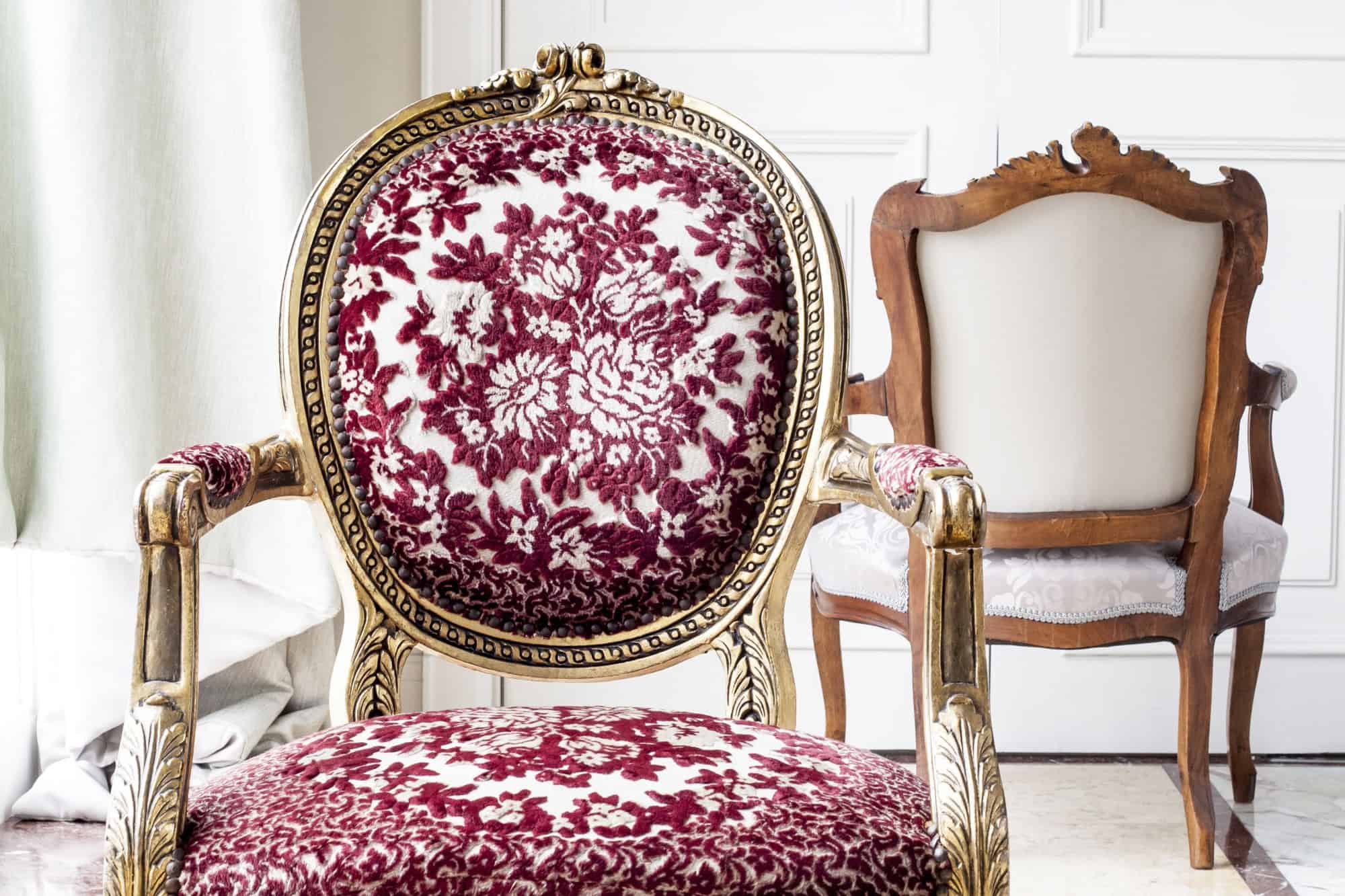
The elegance of a Victorian parlor chair is one thing. Restoration is another. You’ll need to spend a lot on new webbing & fresh fabric, along with hours carving any touch-ups that these pieces require.
Modern buyers usually want to get something simple, something that doesn’t need two people to lug around. Only those of museum-grade quality are worth holding onto.
Rolltop desks
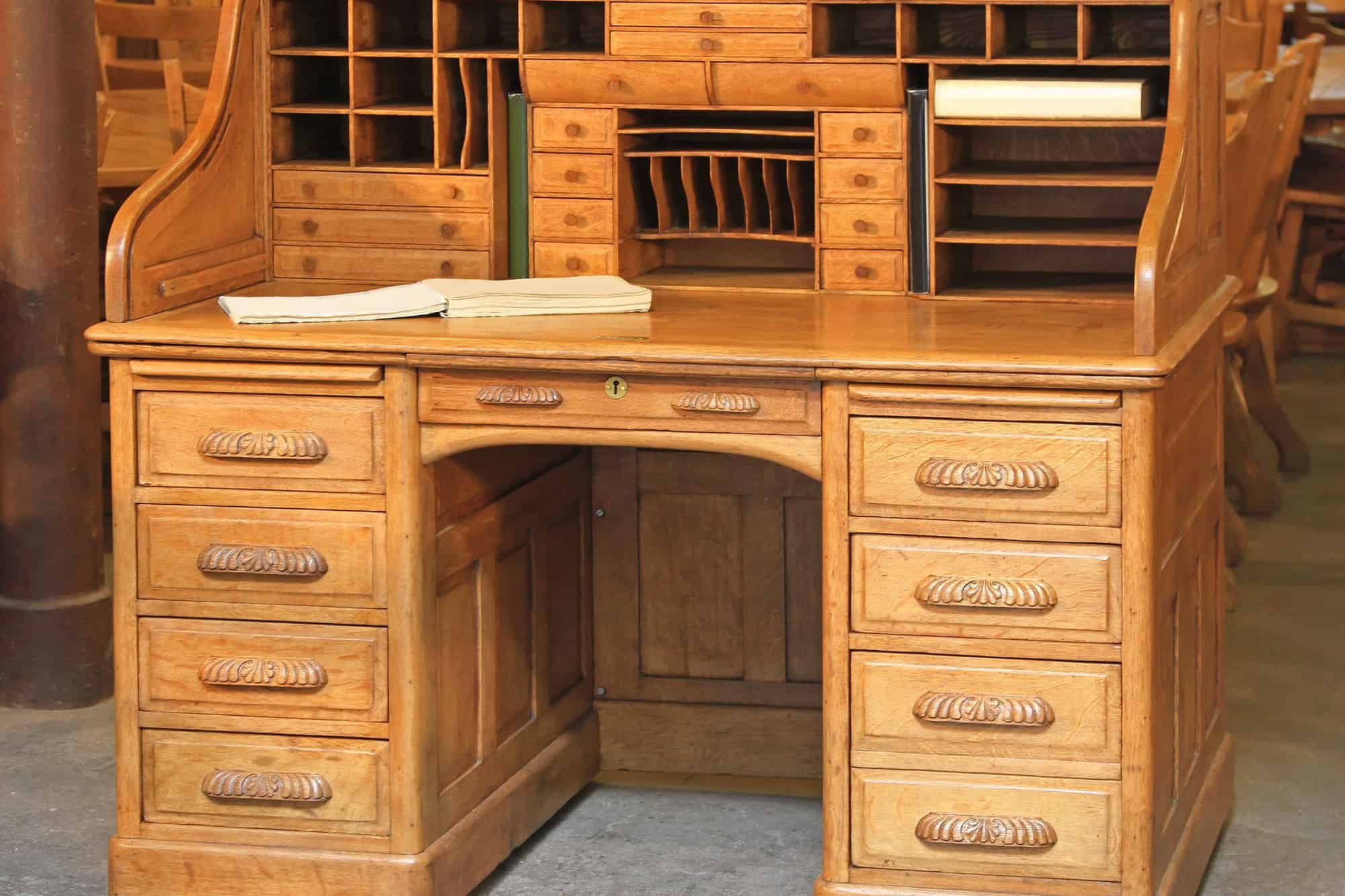
It’s easy to fall in love with the idea of restoring a rolltop desk, since they’ll give any office a classic look, and they also have plenty of drawers. However, rolltop desks take up a lot of wall space.
Younger buyers often don’t have the space for them. You could spend days sanding & waxing the slats, but you’ll probably have to spend more on shipping than what you’ll earn from selling them.
Antique baby carriages and prams
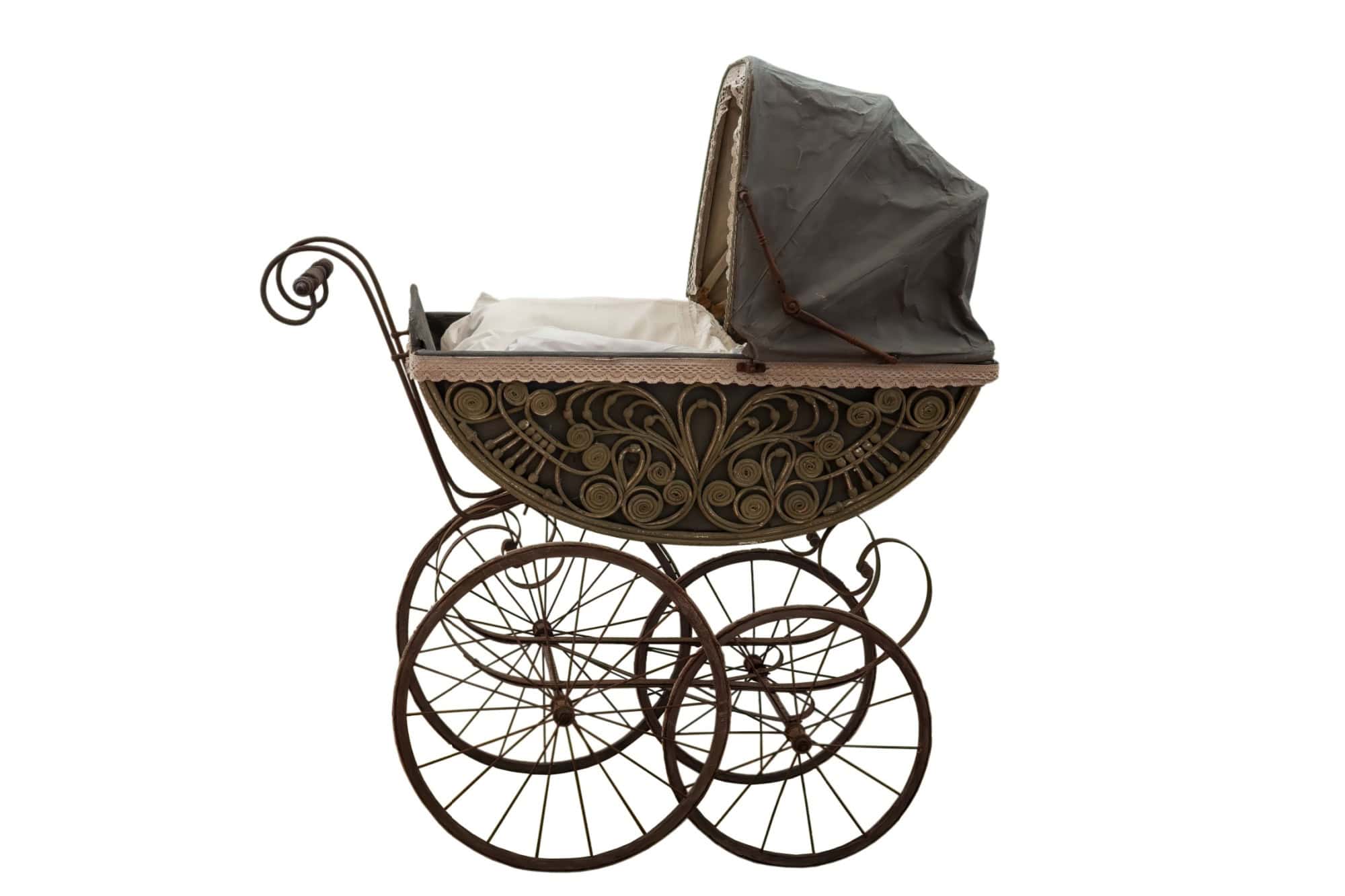
Restoring an old baby carriage is going to take a lot from you. And not just money. You’ll need to put in new chrome and fix the wheels, while also making sure to carefully stitch the liners.
Since safety standards changed a long time ago, these antique pieces are simply for show, so they’ll sell quite slowly. If they sell at all.
Sources: Please see here for a complete listing of all sources that were consulted in the preparation of this article.
Related Stories:
14 collectibles that lost value faster than expected
Don’t save these 12 objects thinking they’ll be valuable one day