Laws are supposed to protect us but in some parts of our world, they’re rather biased instead. Today, we’re looking at 10 unfair laws that still exist & make life difficult for some people. Take these as proof that life is sometimes rigged from the start. And hey, maybe knowing about them is the first step to changing them.
Featured Image Credit: HayDmitriy /Depositphotos.com.
Brunei’s Tough Stance on Love

Over in Brunei, they’ve decided that love isn’t always free—specifically if you’re in a same-sex relationship. The law there is based on their interpretation of Shari’a law and being in a same-sex relationship could get you the death penalty. It’s such a shame that the simple act of love can have serious, life-threatening consequences.
Nigeria’s Disapproval of Same-Sex Relationships

Nigeria has similar laws to Brunei. Being in a same-sex relationship can land you in jail for up to 14 years. In some areas of the country, they have adopted Shari’a law which means you can be stoned for being in a same-sex relationship.
Like our content? Be sure to follow us.
Voting Challenges in the USA

You’d think voting would be easy-peasy in the land of the free but that’s not true for everyone. Some states have strict ID laws that usually make it harder for African Americans, Latinos & Transgender communities to cast their vote. They may not access to required citizenship documents or birth certificates – in other cases, it’s often too expensive to obtain these documents. While supporters of these laws claim they help fight voter fraud, others say they’re discriminatory.
Women’s Rights in Saudi Arabia
Saudi Arabia has made several changes yet they’re hardly leading the charge in gender equality. Women there still have to deal with a bunch of restrictions, including needing a male guardian’s OK to travel or marry. It’s only since 2018 that they have been allowed to drive a car themselves.
Russia’s “Anti-Conversion” Law

Russia created a law that was supposed to stop extremism. In reality, it makes it hard for LGBTQ people to even be themselves since it officially bans promoting “non-traditional sexual relationships” to minors. However, critics claim it’s actually a way to discriminate against LGBTQ people.
Malaysia’s Affirmative Action Twist

Like some American companies, Malaysia has a policy of affirmative action. This is designed to help the majority Malay population which sounds good in theory—until you realize it ignores the Chinese & Indian minorities. Many of them struggle for equal opportunities in education, jobs and housing.
Myanmar’s Citizenship Crunch

The Rohingya people in Myanmar have it hard and it’s all thanks to a citizenship law from 1982. Essentially, these people are stateless so they have no access to education, healthcare or even the ability to move around freely. As a result, the Rohingya people are the largest group of stateless people in the world.
North Korea’s Discrimination Against Disabilities

North Korea is hardly a huge supporter of human rights so their discriminatory laws shouldn’t be that surprising. Their treatment of disabled people is no exception. Reports suggest that they hide these people away—as if they’re something to be ashamed of. There have been recent laws to make things fairer but these still aren’t enough.
Iran’s Apostasy Penalty

In Iran, changing your religion or leaving Islam can actually get you the death penalty. There’s no such thing as spiritual truth or simply changing your mind here—the only kind of religious conversion that’s acceptable is from any other religion to Islam. Anyone who tries to convert others away from Islam also faces the death penalty.
Criminalization of Homelessness in Hungary
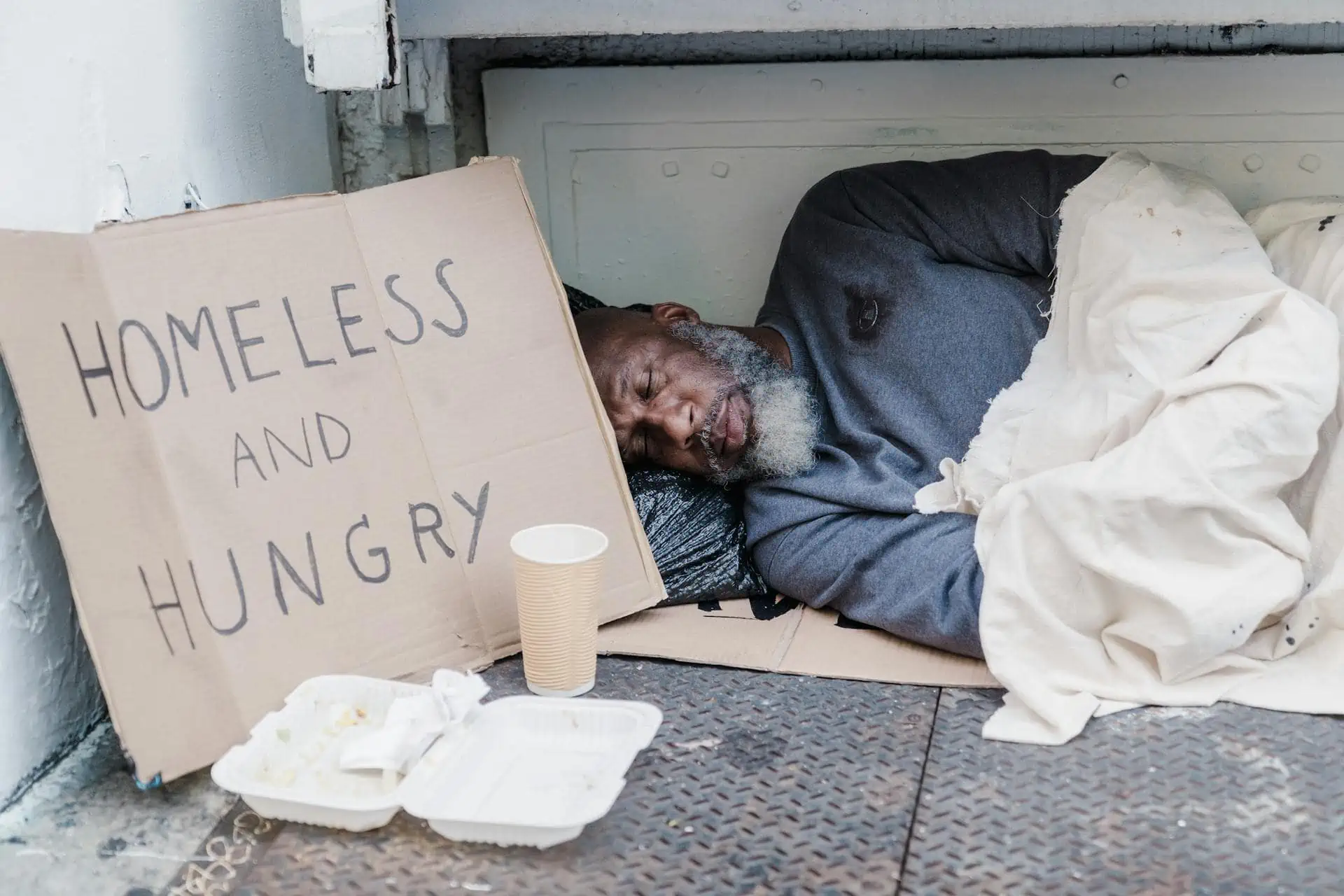
Hungary’s approach to homelessness is rather controversial—it’s actually a crime. Since 2018, the law has punished people who are down on their luck & it completely ignores the complicated reasons people might be homeless. The punishment? Fines and/or imprisonment which seems quite counteractive.
Disclaimer: This list is solely the author’s opinion based on research and publicly available information.
Like our content? Be sure to follow us.
Read More: