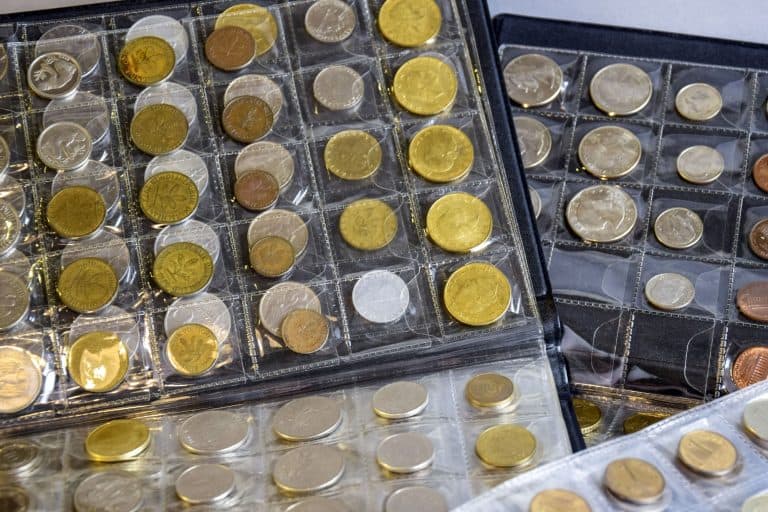

Lots of us have a box in the attic or closet filled with things we think will be worth it someday. You know, the kind of stuff you swear will pay for a trip to Hawaii…but it won’t. We spoke to some readers, and here are twelve objects that you shouldn’t keep in the hopes they’ll be valuable one day. Do you still have any of these?
Featured Image Credit: Shutterstock.
State quarters from 1999–2008
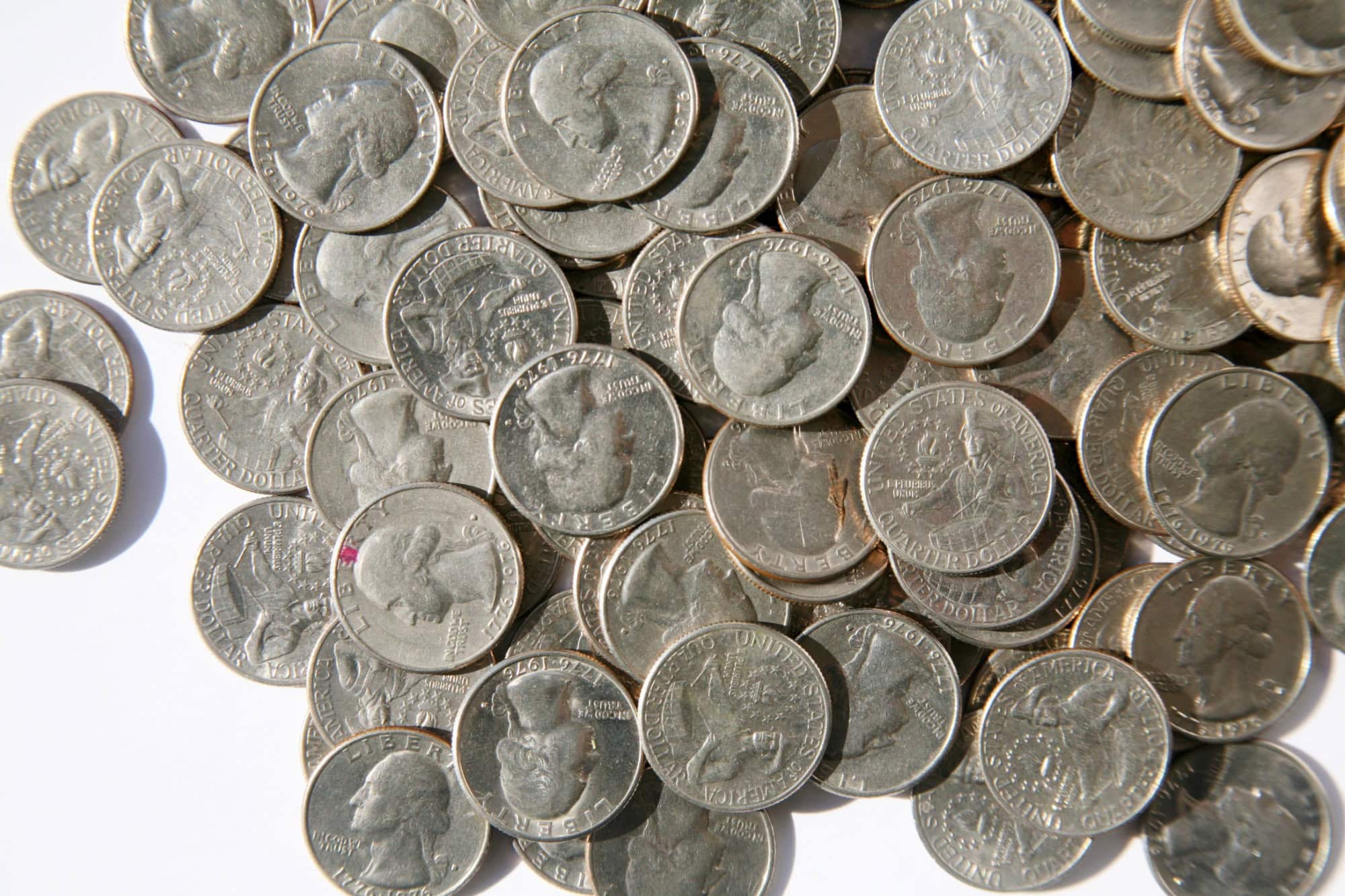
People lined up at the banks when the state quarters came out at the turn of the millennium, thinking that they’d be worth something. But the U.S. Mint cranked out over 34 billion of them. That means they’re hardly scarce, and unless you luck into a coin with a minting error, your rolls of coins are probably worth only twenty-five cents apiece.
$2 bills saved as “rare”
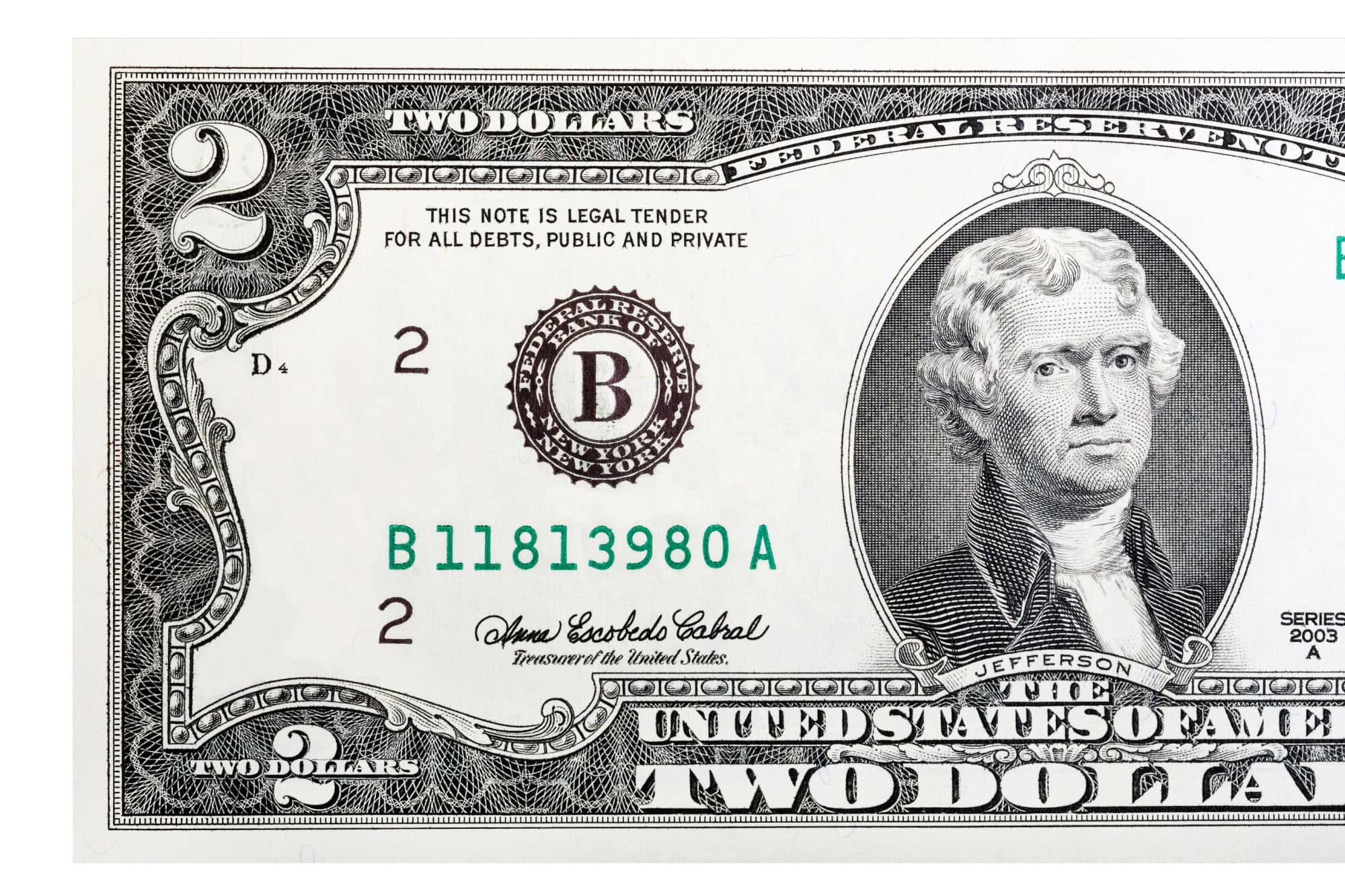
That’s not all for money. Plenty of people hold onto $2 bills with the belief that they’ll be a collector’s dream in the future. But the truth is, the Bureau of Engraving & Printing prints millions every year & they’re spendable like any other note, with one order alone running to 128 million notes. Only really old or “incorrect” ones are worth anything more than two bucks.
Modern commemorative stamp panes
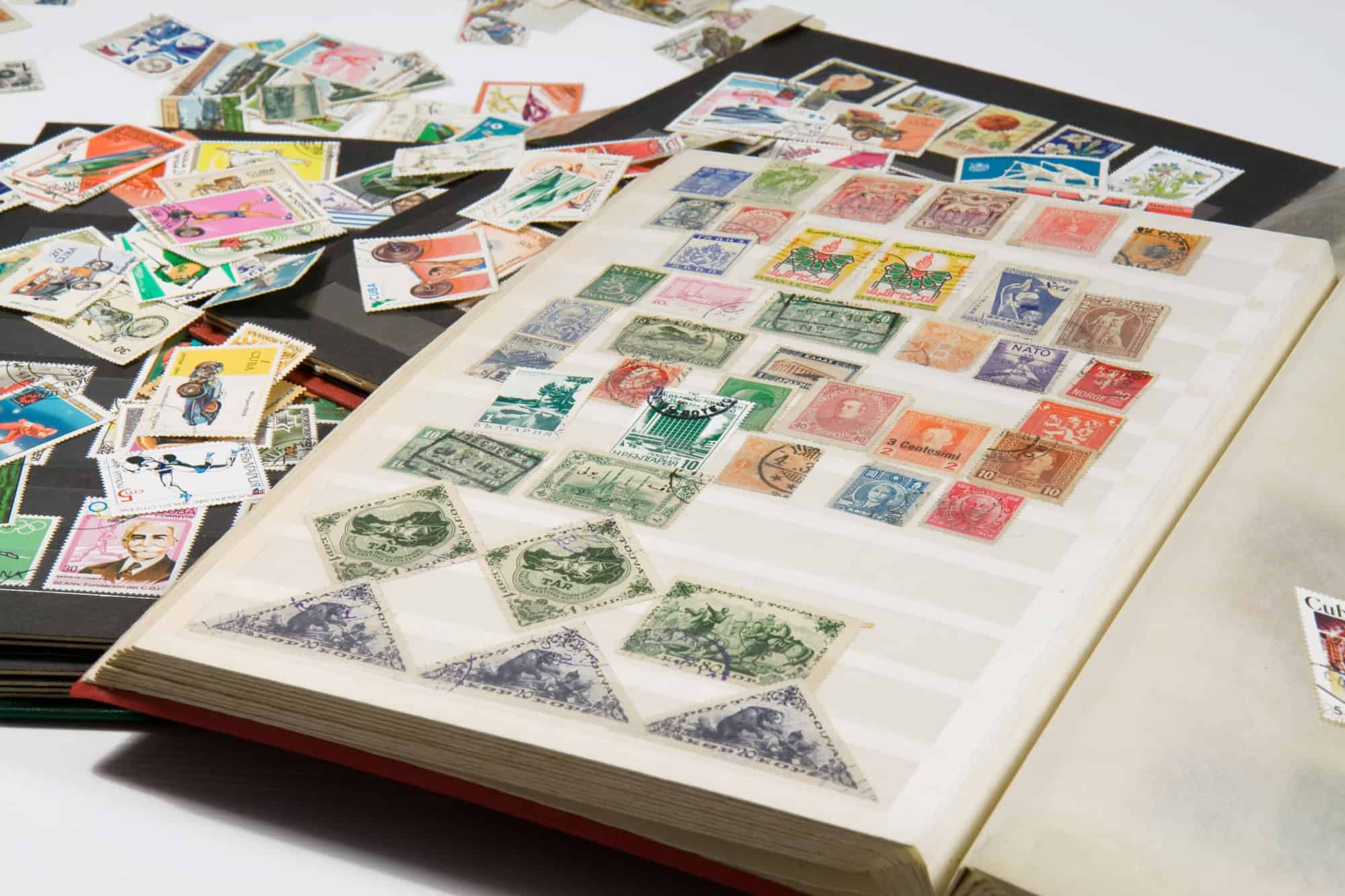
The Postal Service often prints commemorative stamps…and it’s not shy about doing so. One 1993 issue had 150 million copies, and with numbers like that, it’s no surprise that most sheets sell for little more than face value. It’s only worth holding onto misprints.
First-day covers from recent issues
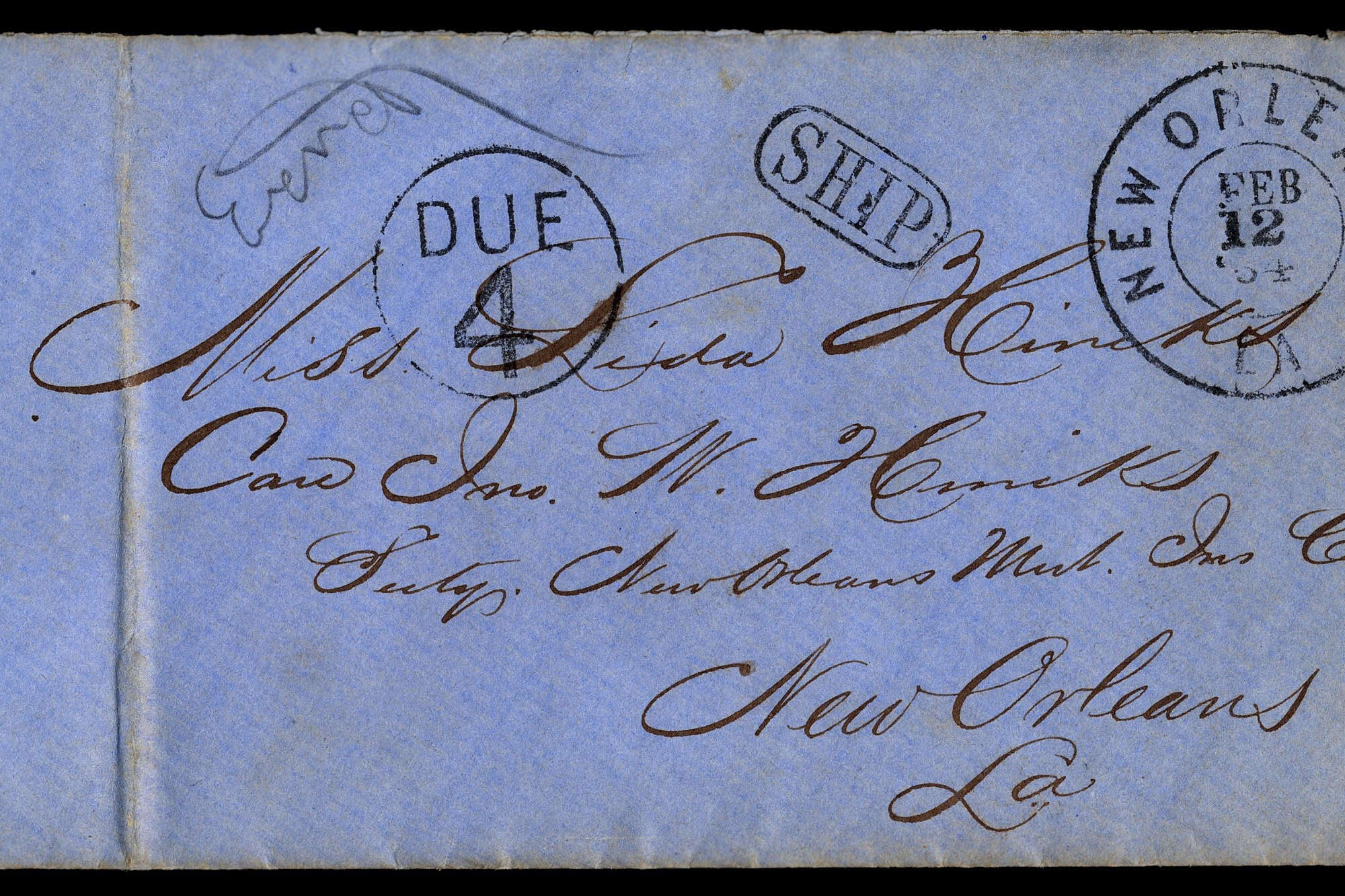
Sure, first-day covers (stamps) are fancy. They come with an envelope stamped & postmarked on the very first day of release, which USPS sells directly for a little over a buck. But they’re so widely available that the resale market is pretty much non-existent, and they’re usually worth less than the envelope they come in.
1990s “hot” comic-book #1s
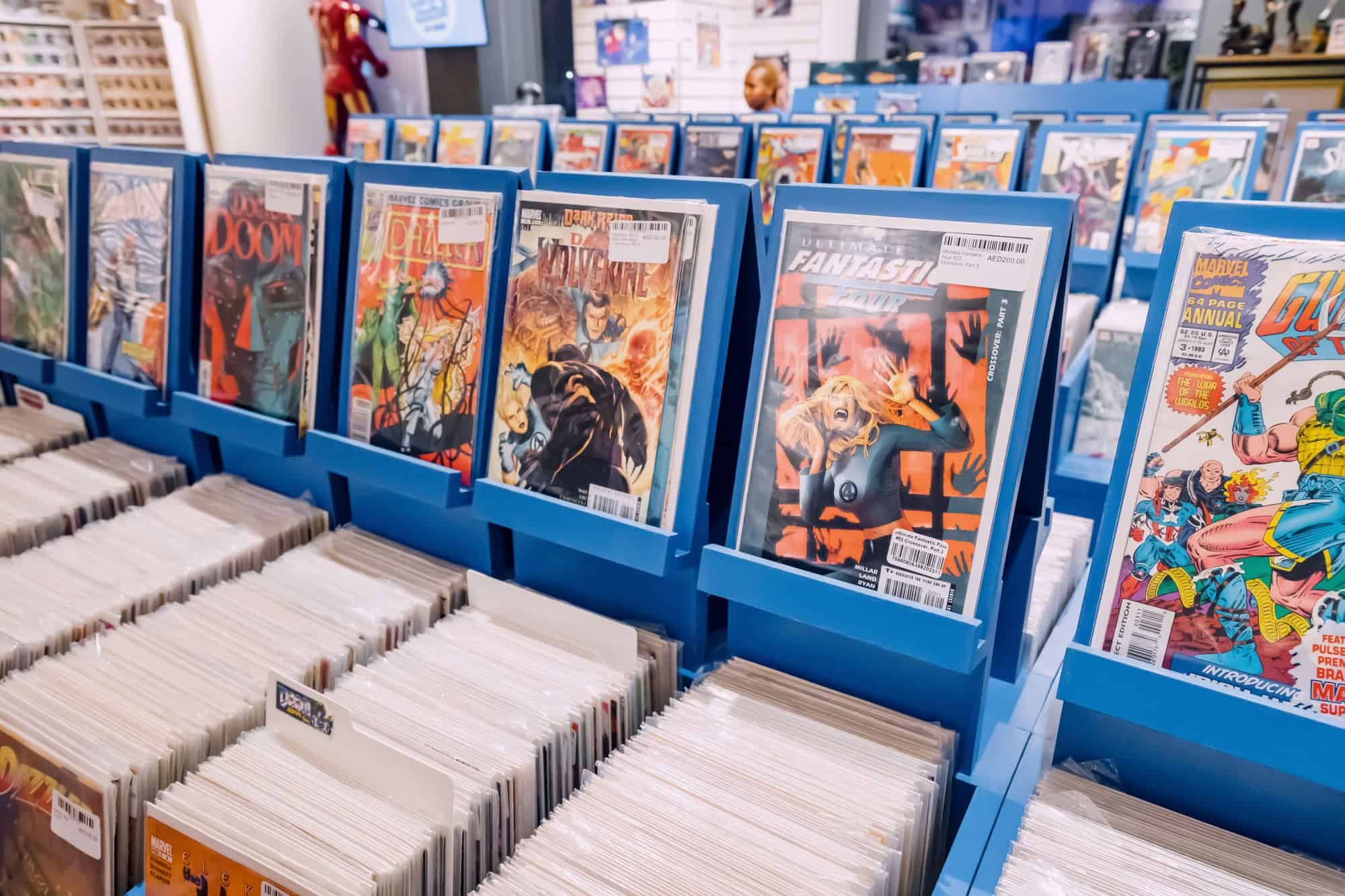
Comic shops in the early ’90s couldn’t bag issues fast enough, and some “special” #1s sold in the millions. That’s more than enough for everyone to have a copy. As such, the ones that could actually be worth something in the future are those in graded pristine condition or those with some odd error. Don’t bother holding on to them.
Souvenir travel spoons
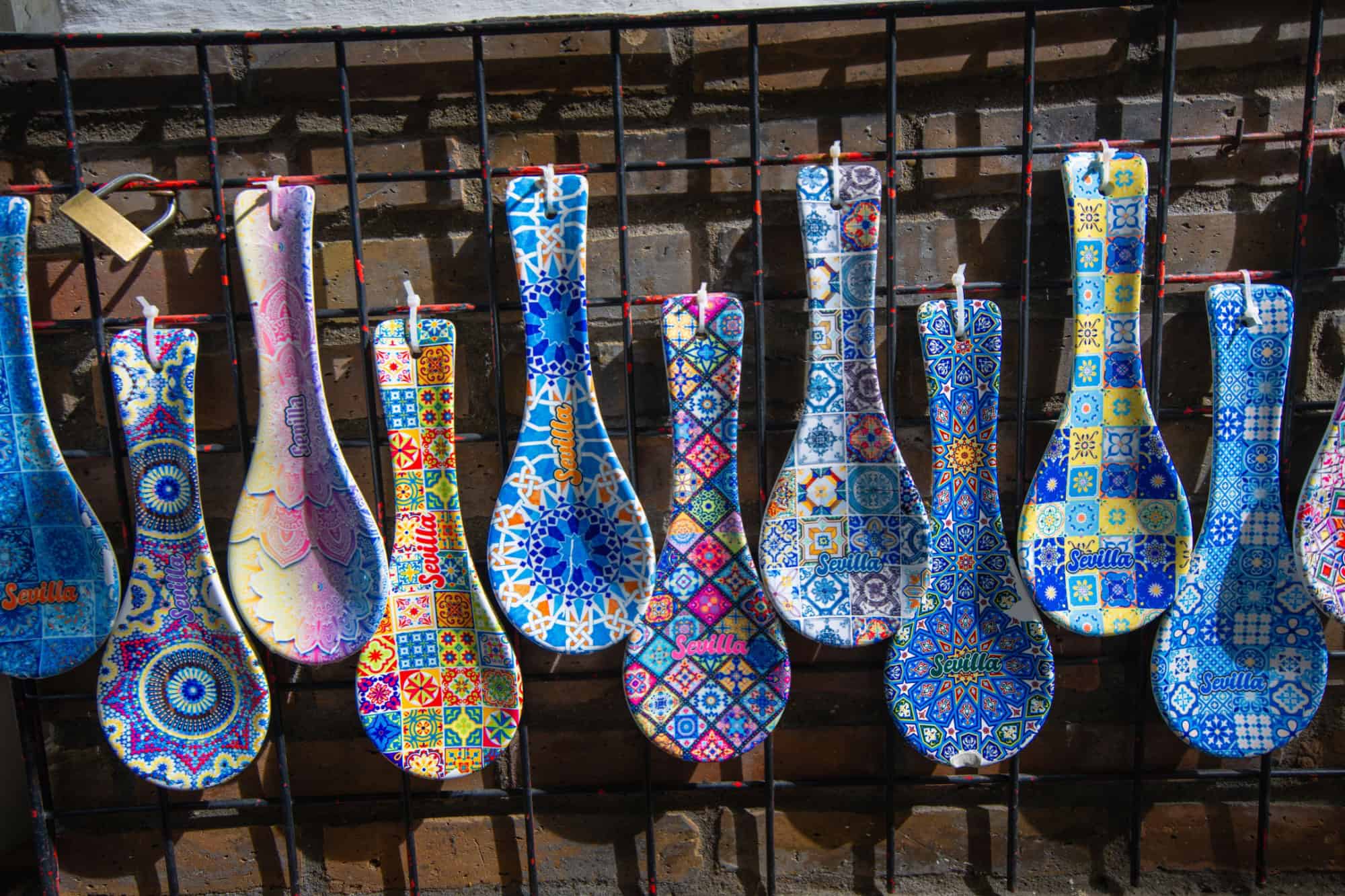
Tourist shops once made a killing on souvenir spoons & many travelers held onto them as keepsakes. However, most of them are made from nickel or stainless steel, with collector price guides valuing the majority of them under thirty dollars. You’re only going to get something out of spoons made of sterling or those tied to a rare maker.
Gold-plated base-metal jewelry
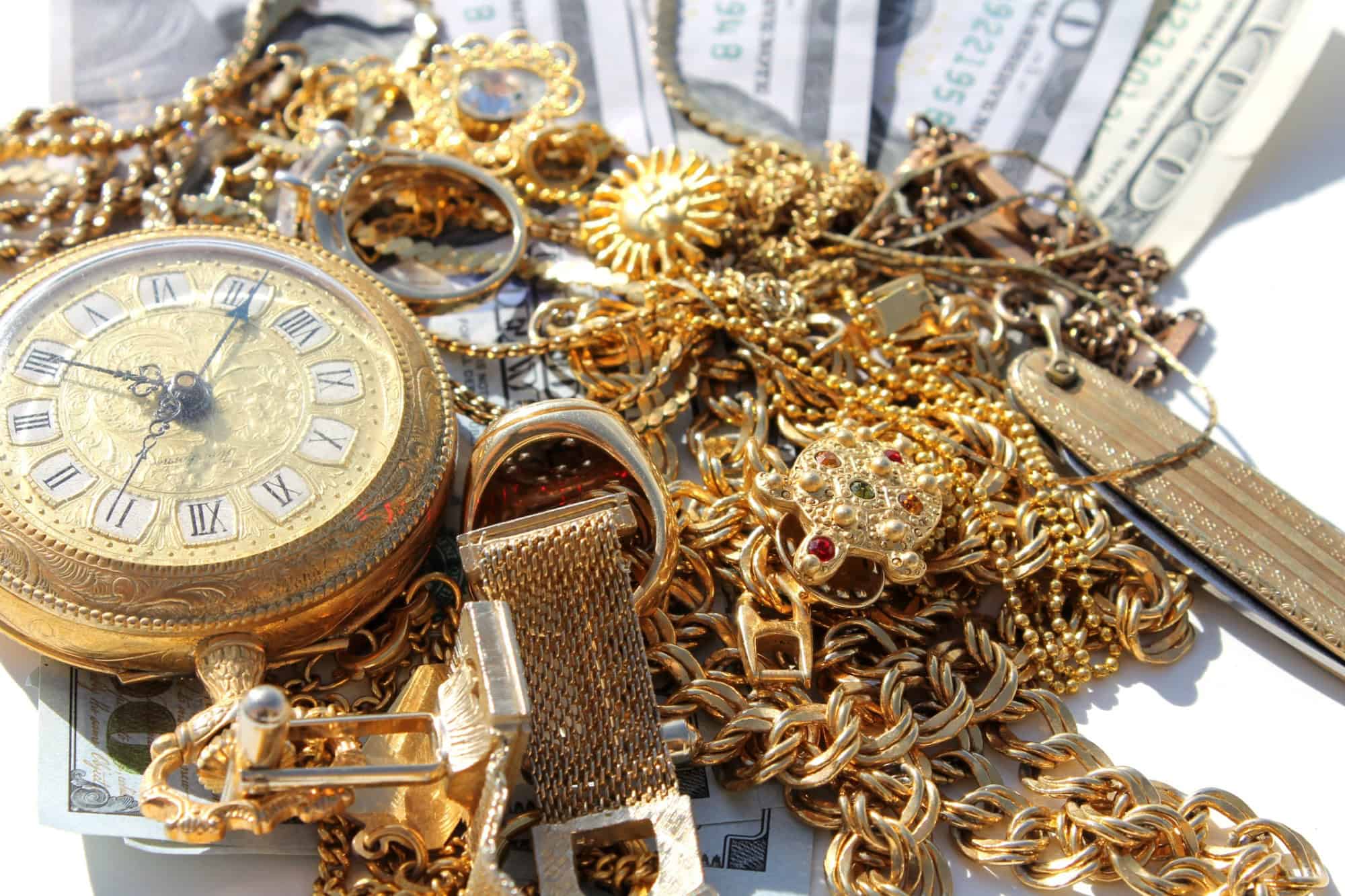
Unfortunately, your “gold-plated” bracelets or necklaces aren’t the jackpot pieces you might think they are. Gold-plated is defined as a thin wash of gold on top of some base metal, which looks shiny at first. But you’re left with very little once the top layer fades. The melt value of these items is essentially nothing, so there’s no point in holding onto them.
Formal china dinnerware sets
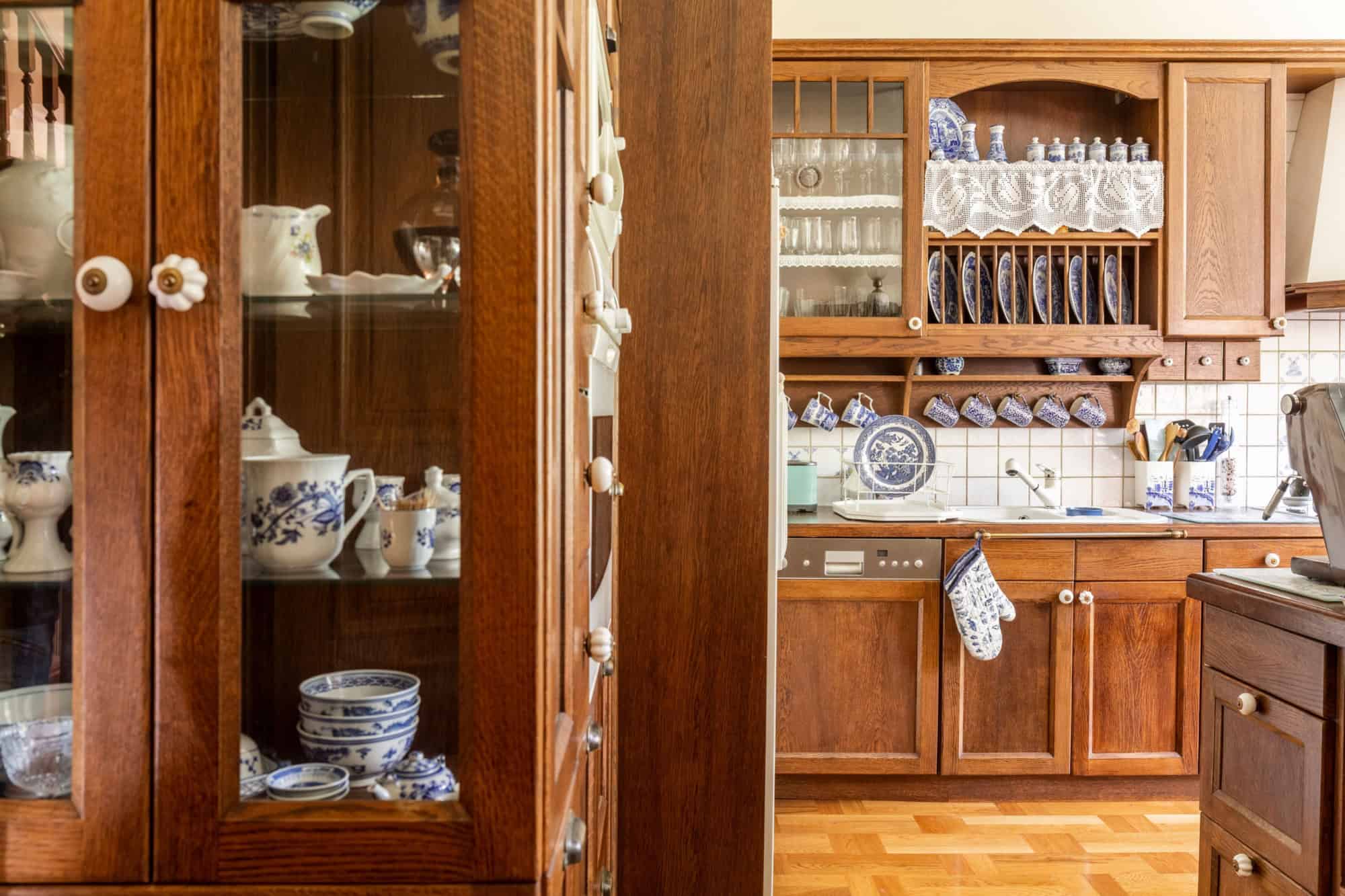
Big, fancy dinner sets used to be a common gift for weddings. But times have changed. The majority of younger households don’t want a cabinet full of formal china they’ll never use, which is why estate sales & thrift shops end up with stacks of it. Sadly, the demand just isn’t there, and complete sets often fetch far less than their original price.
Late-’80s and ’90s mass-produced sports trading cards
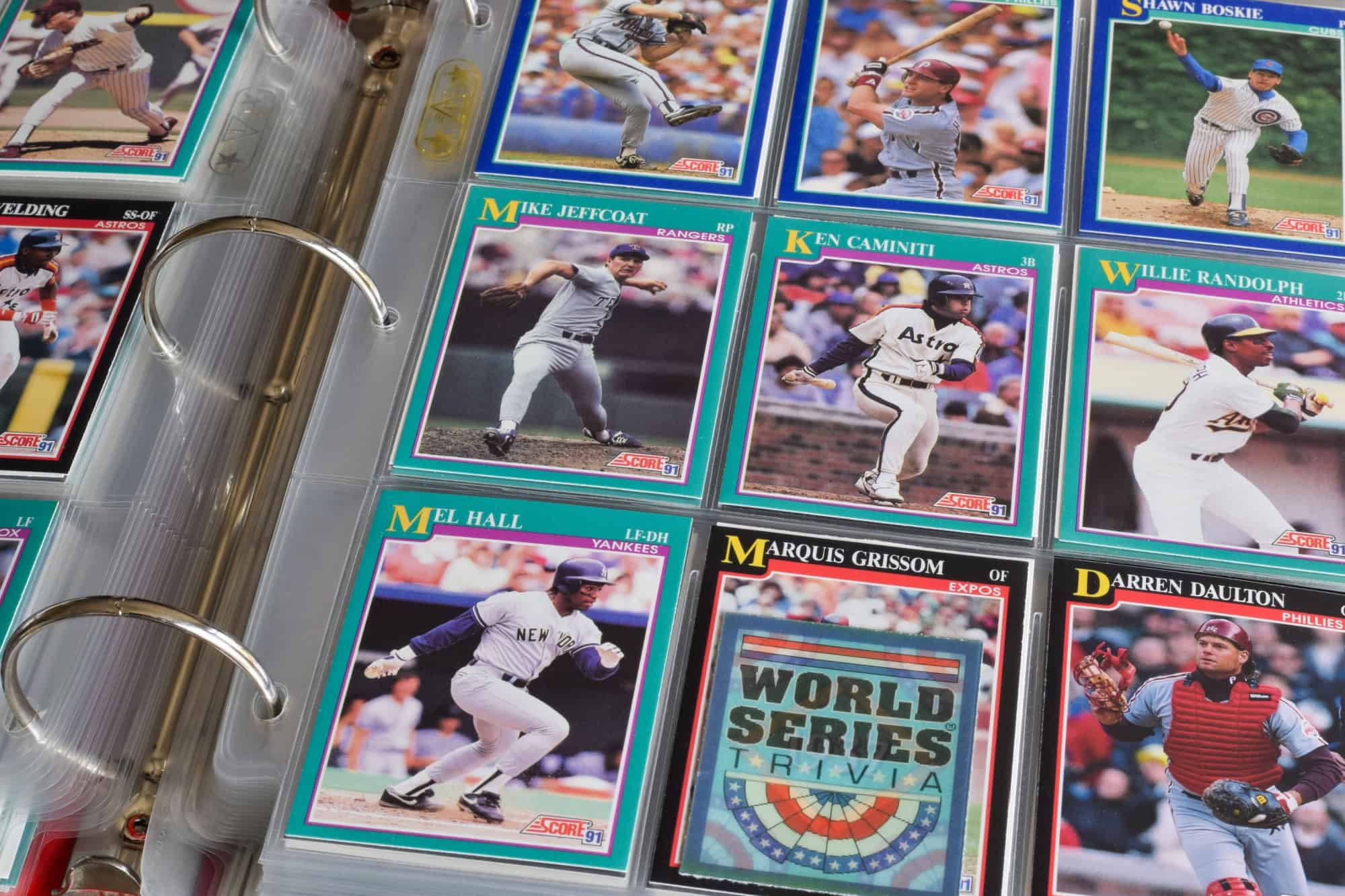
Stacks of baseball or basketball cards from the late ’80s or early ’90s aren’t the gold mine many people think they are. Card collectors call that period the “junk wax” era because companies printed them non-stop. And with that kind of output, it’s no wonder most of those boxes are still cheap…and worth nothing if you hold onto them.
Big-event newspapers & commemorative reprints
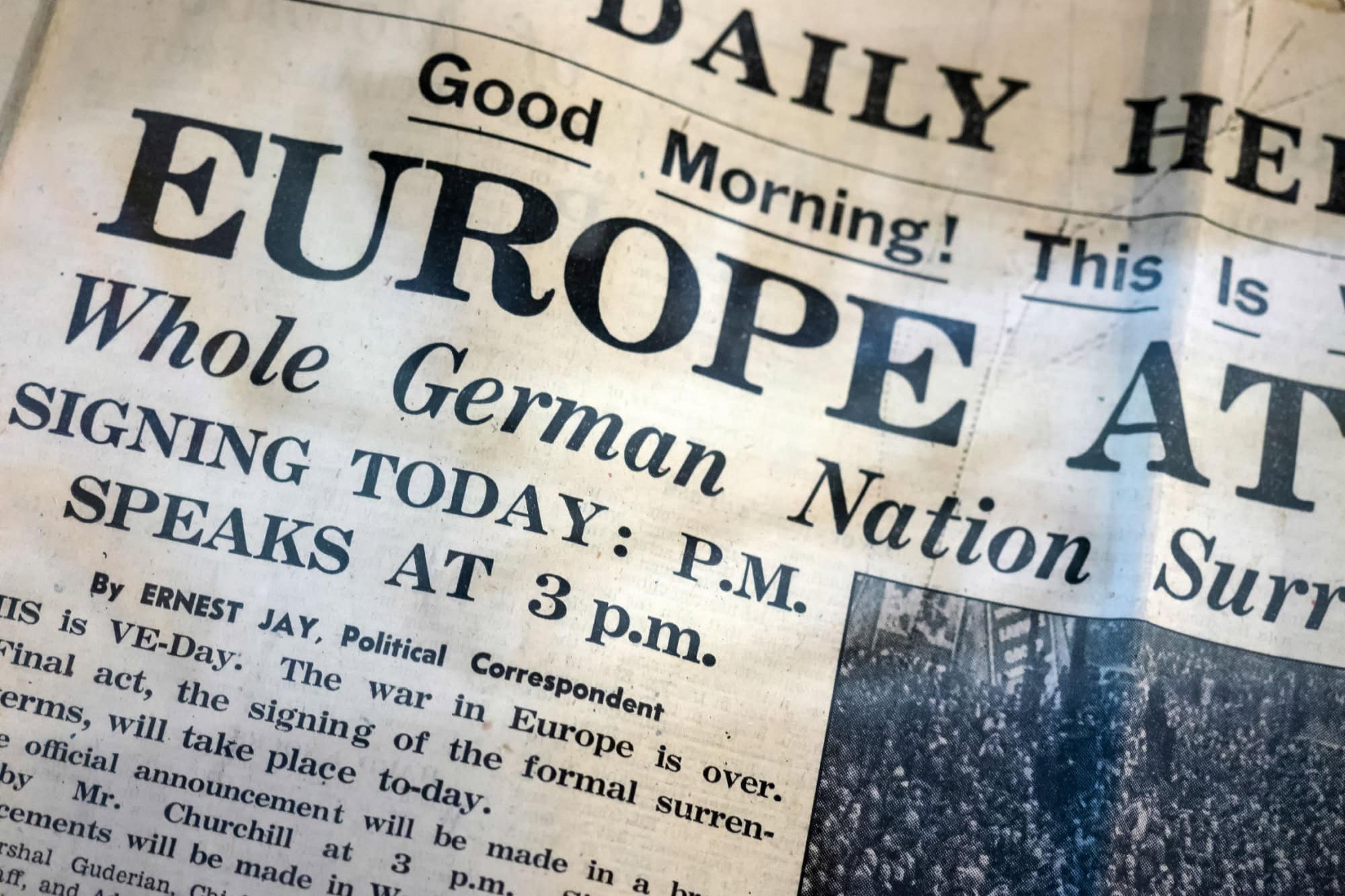
Why wouldn’t you want to hold onto newspapers from big days like elections or championship wins? Keep them for yourself, but don’t expect they’ll be worth anything in the future. Publishers print extras when demand spikes, so the supply is usually massive. That keeps resale prices rather low.
Depression-era state sales tax tokens
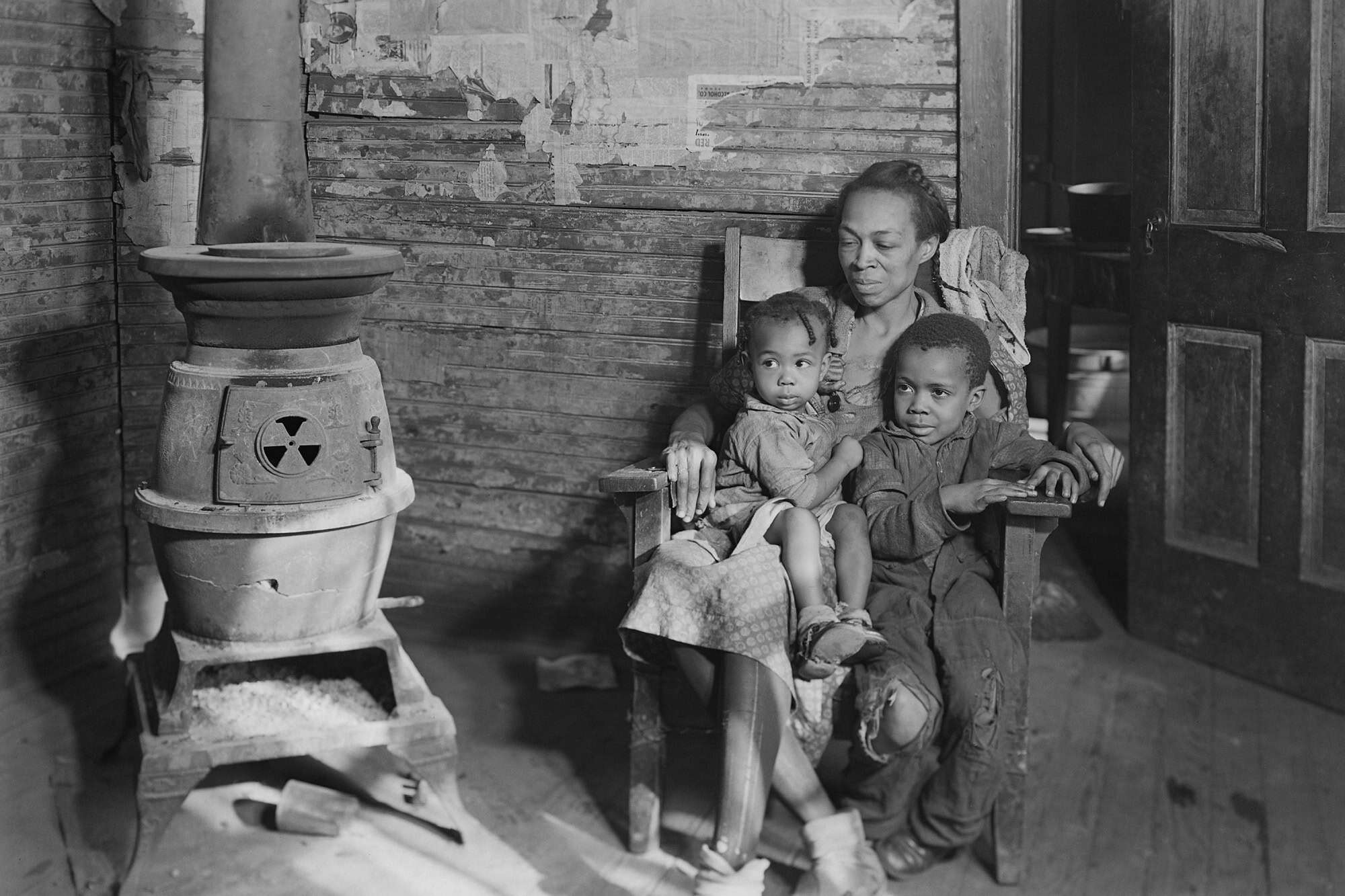
Back in the 1930s, states tried using tax tokens to make sales tax exact down to fractions of a cent. They came in all sorts of materials, like plastic & fiber, and they’re popular with collectors. But that’s exactly why they’re worthless. Governments produced millions of them & collectors today can buy them for pocket change.
Commemorative Olympic pins from recent games
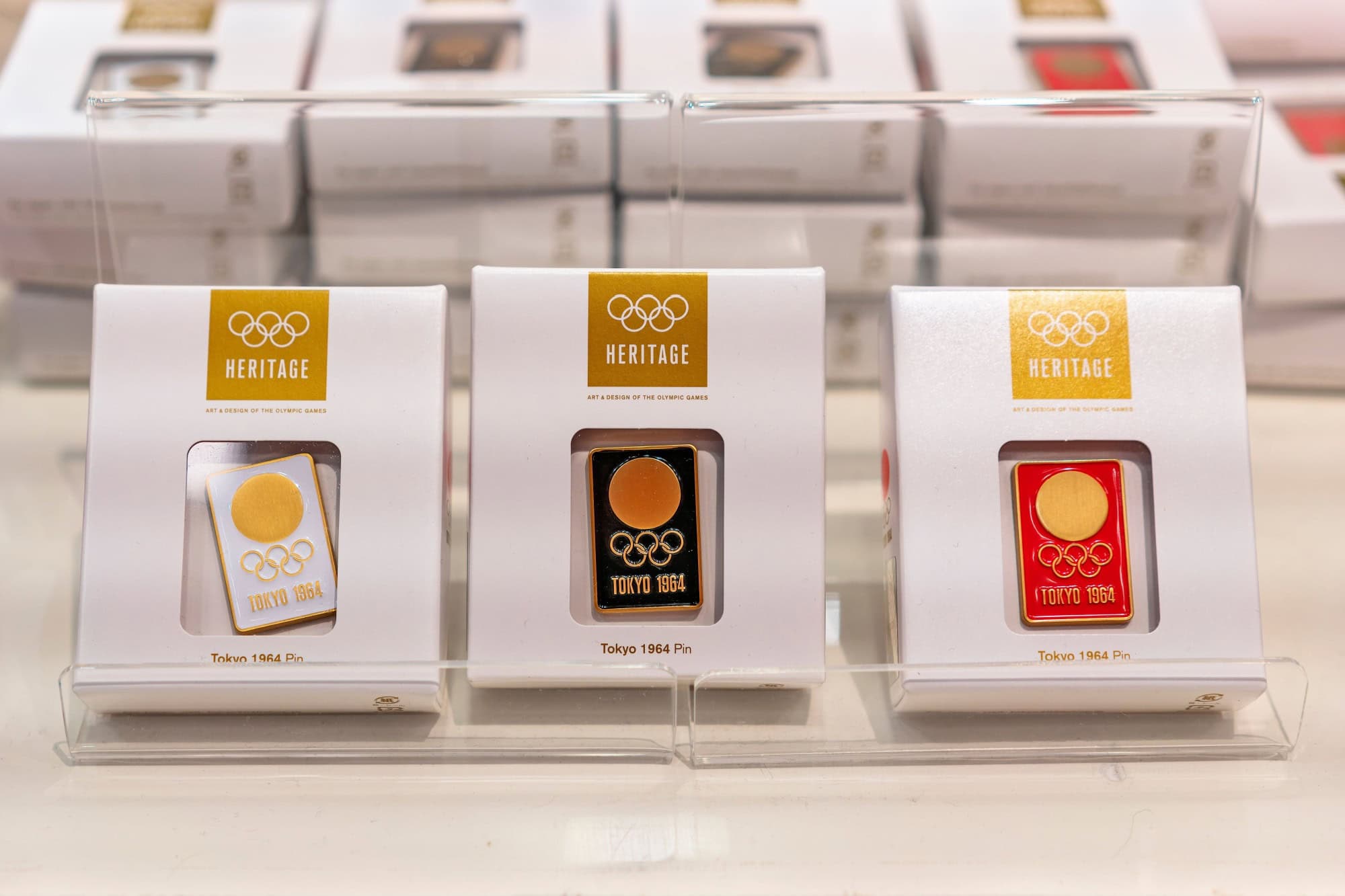
Olympic pins are practically everywhere once the games kick off, as vendors & official shops sell them in their millions. New designs also show up constantly. With so many circulating, it’s hard for any one pin to stand out, only the rare staff-only pieces or something tied to a specific athlete.
Sources: Please see here for a complete listing of all sources that were consulted in the preparation of this article.
Like our content? Be sure to follow us.