
Remember those collectibles everyone believed were “investments”? People stood in line, paid a small fortune, and claimed to be “investing”. Cut to a few years later, and those investments became worth almost nothing. After talking to a few collectors about their biggest regrets, we made a list of collectibles that didn’t live up to their hype.
Featured Image Credit: Shutterstock.
Comic books (recent issues)
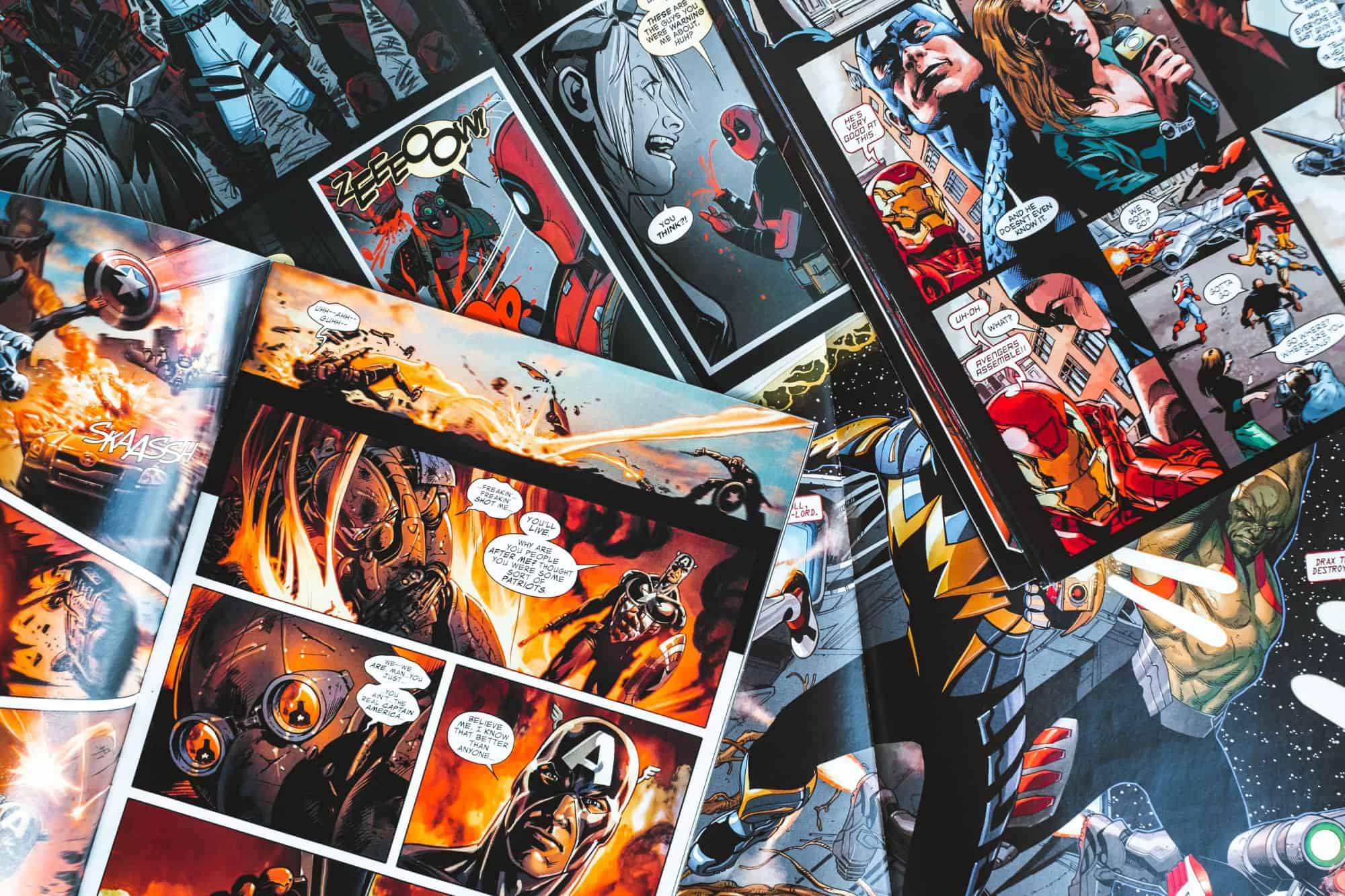
Golden Age and Silver Age comics can command high prices, but more recent issues are a different story. Comic book publishers churned out “collector’s editions” in such high numbers that many will never become scarce. Most people who saved them are disappointed with resale prices.
Cabbage patch kids
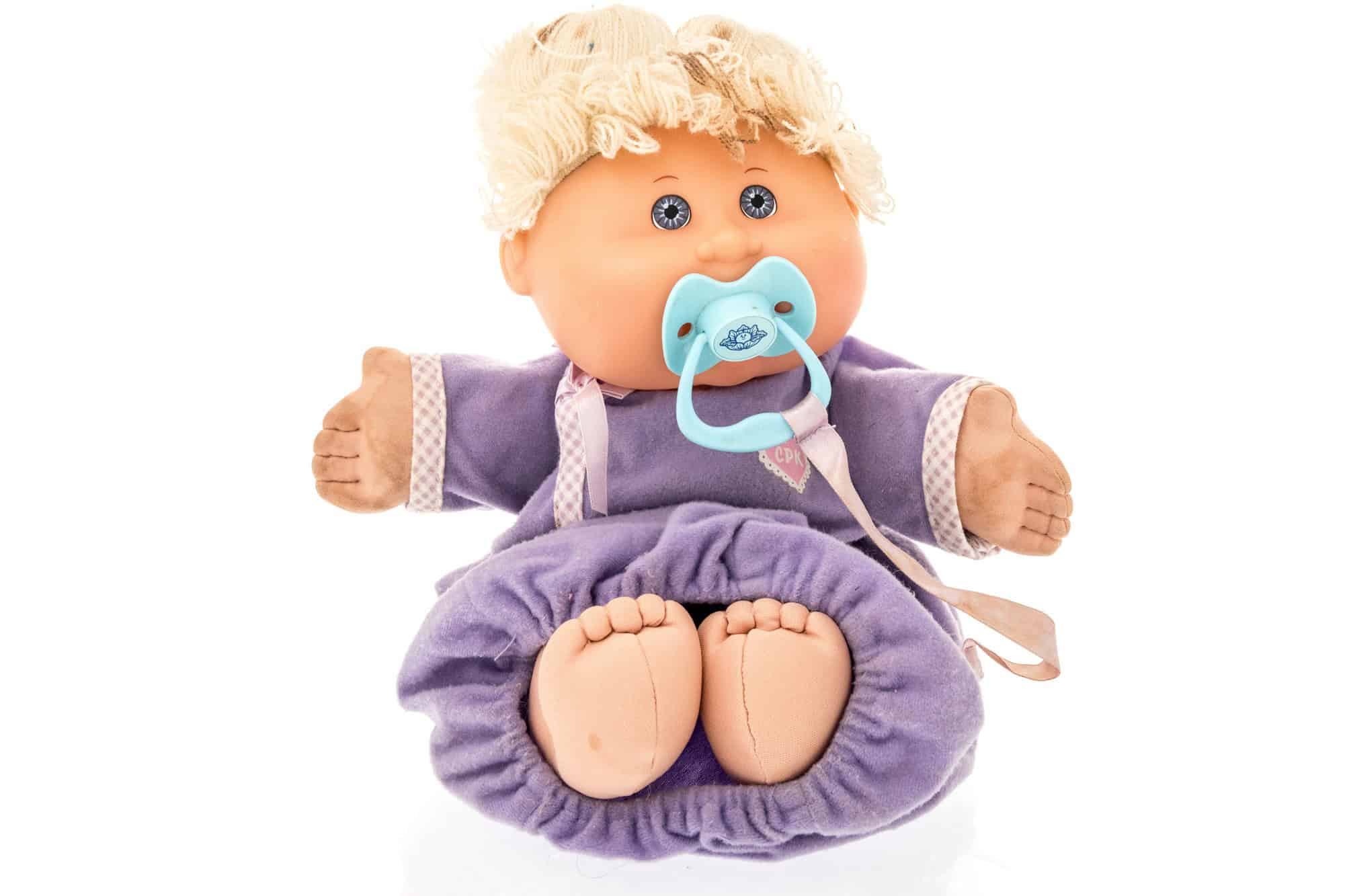
People fought over these dolls in stores. Today, they are stacked high at thrift stores. They no longer have any value, except for some of the earliest and rarest ones. The rest are just nostalgia items worth a few dollars, at most.
Longaberger baskets
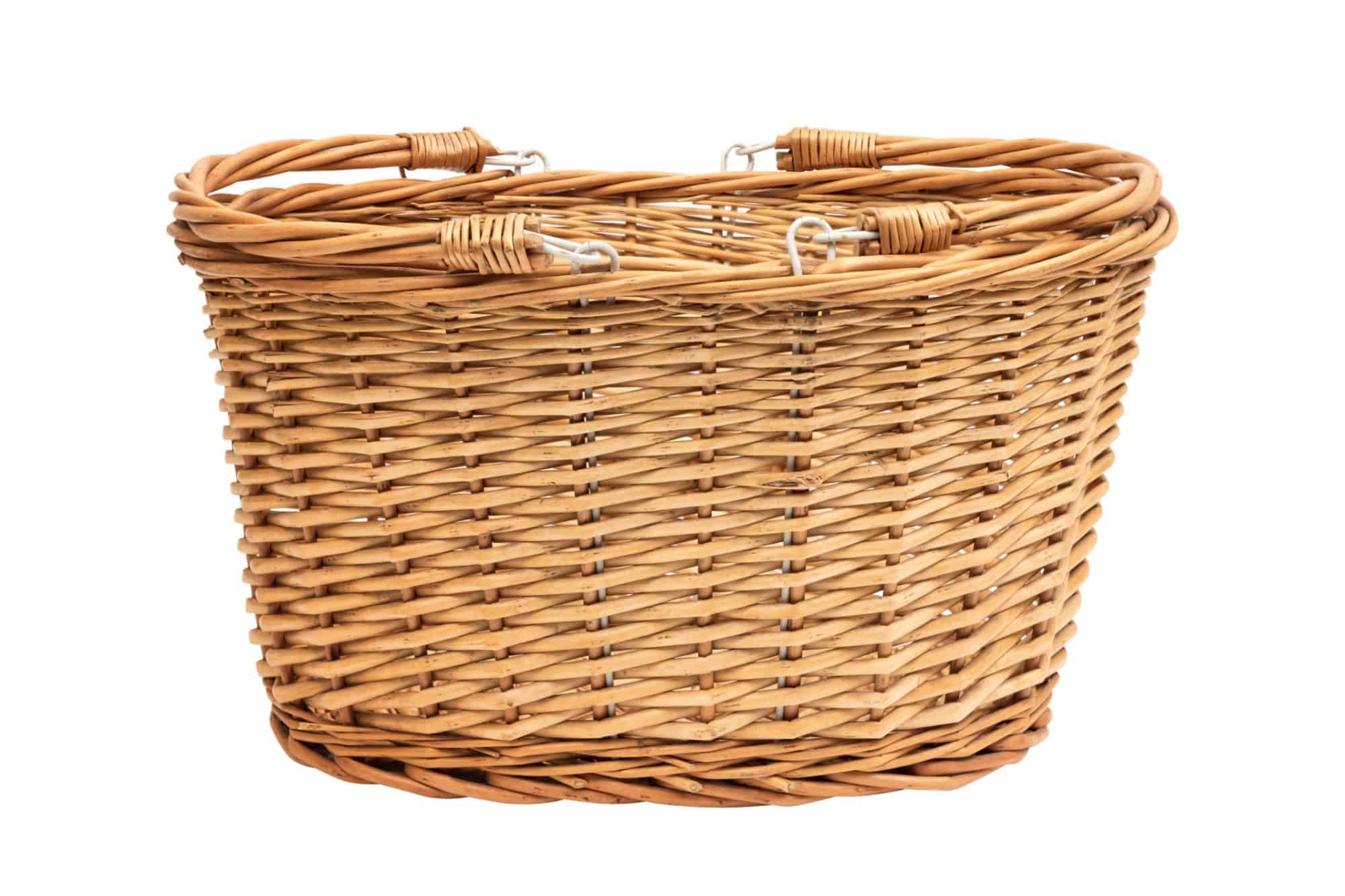
At one point in time, handwoven Longaberger baskets were considered “precious” by people who collected them. Prices went through the roof until the bubble burst and demand for these items tanked. Now they’re mostly found at garage sales for a fraction of what people originally paid.
TY teenie beanies (from McDonald’s)
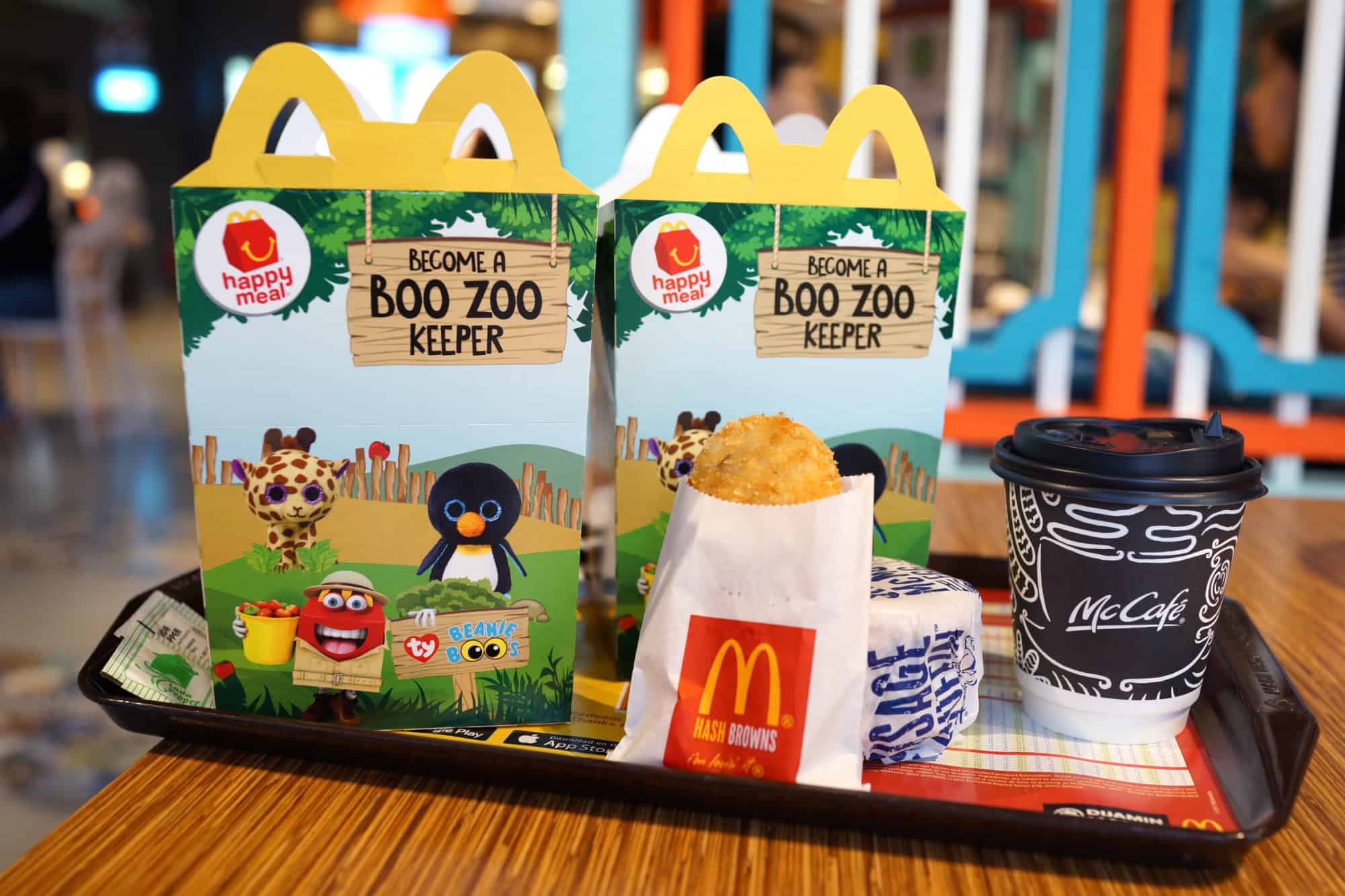
These little toys caused chaos at McDonald’s in the late ’90s. But because they were given away in Happy Meals, millions still exist. As a result, they never gained any serious value.
VHS tapes
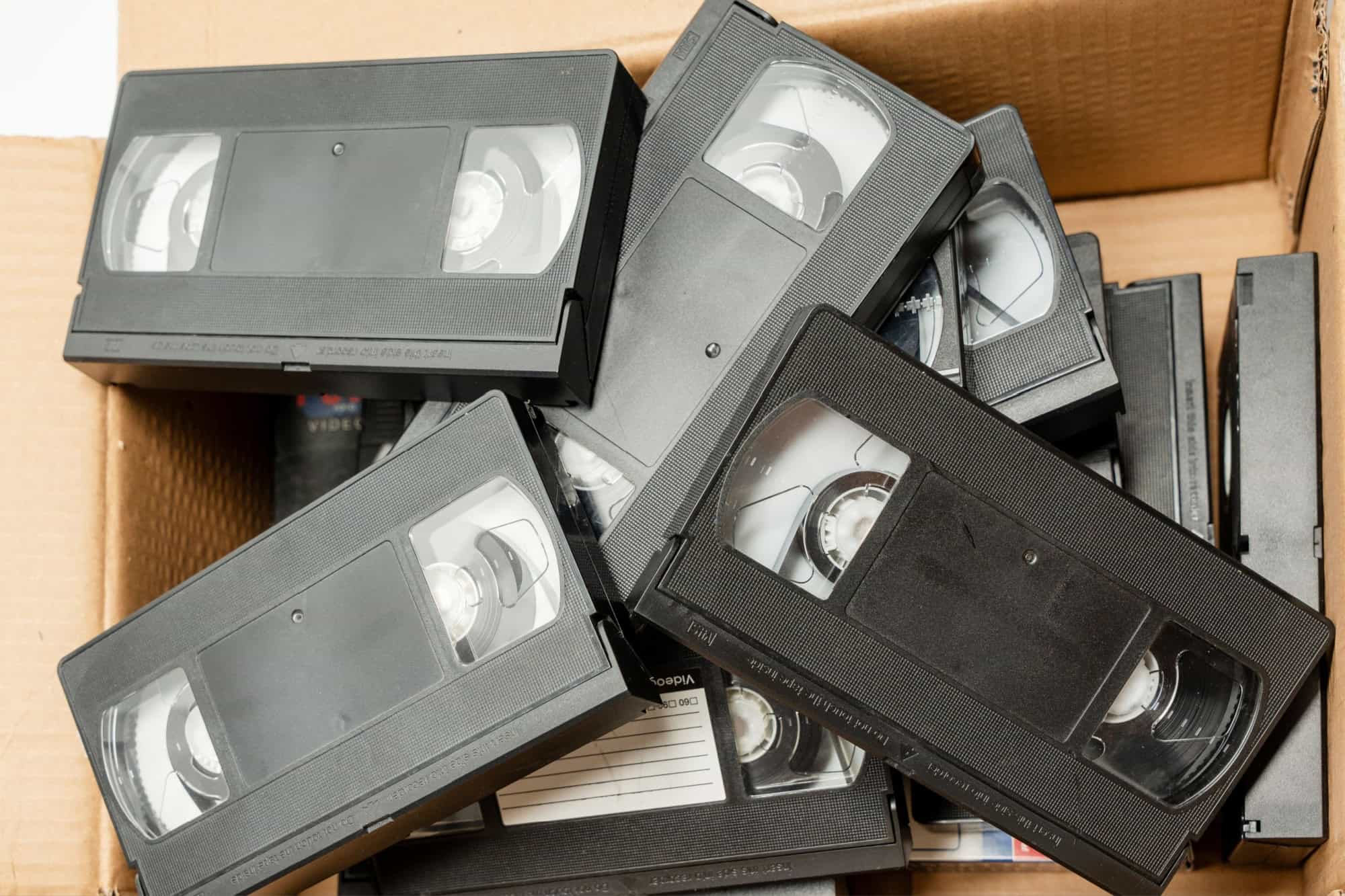
Collectors and cinephiles held on to VHS tapes for years because they believed they were going to become rare collector’s items. The truth is, most are completely worthless, as DVDs and digital streaming killed any demand for these things. A handful of rare or sealed tapes might hold value, but most have depreciated to nothing.
Modern stamp collections
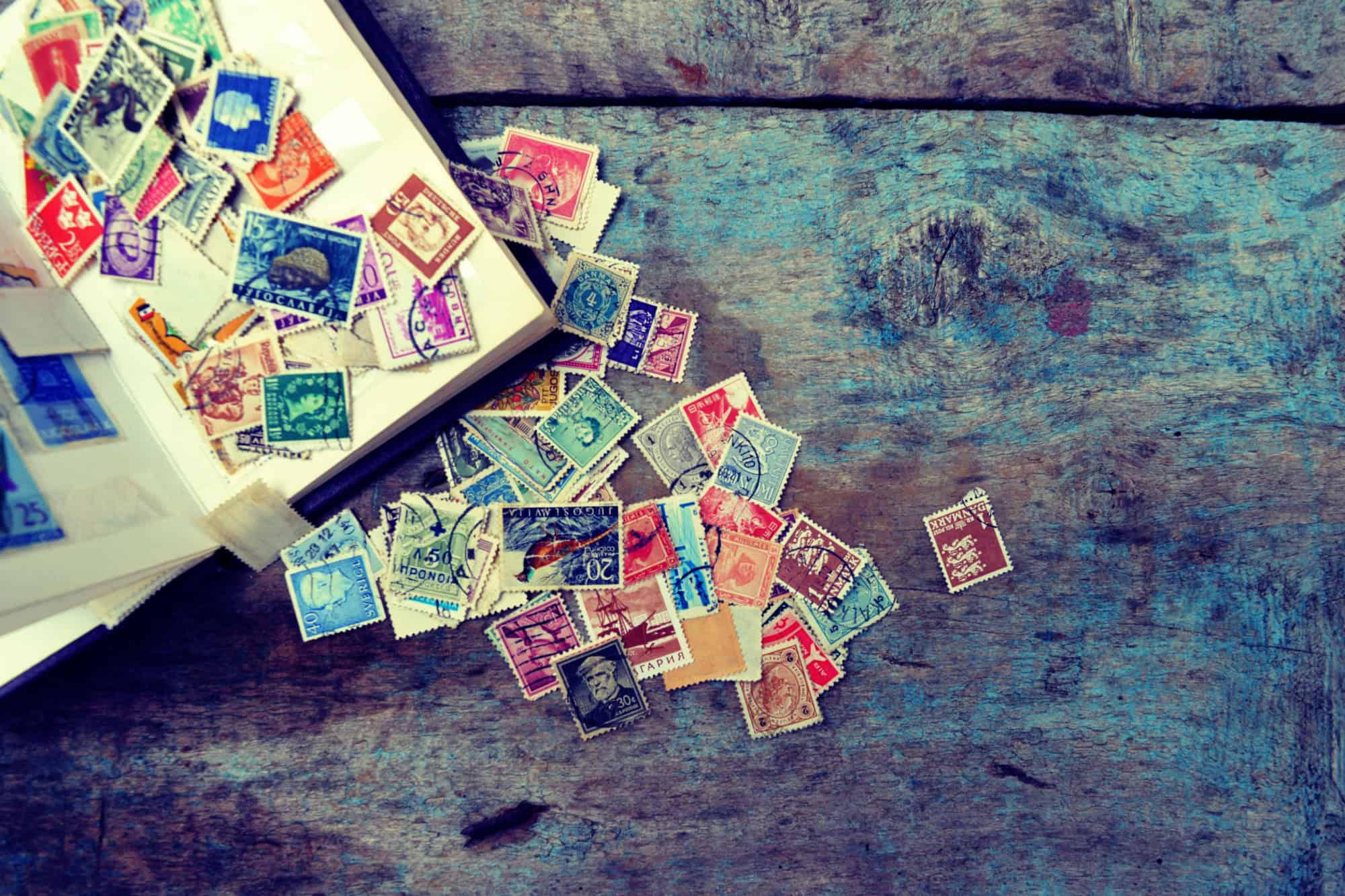
Older stamps can still be valuable, but newer collections rarely are. Postal services printed millions of them specifically for collectors. Because of that, supply far outweighs demand.
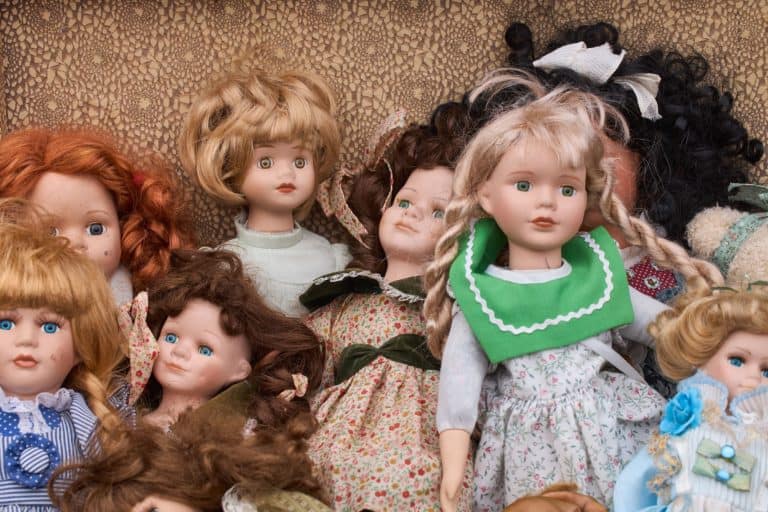
Porcelain dolls
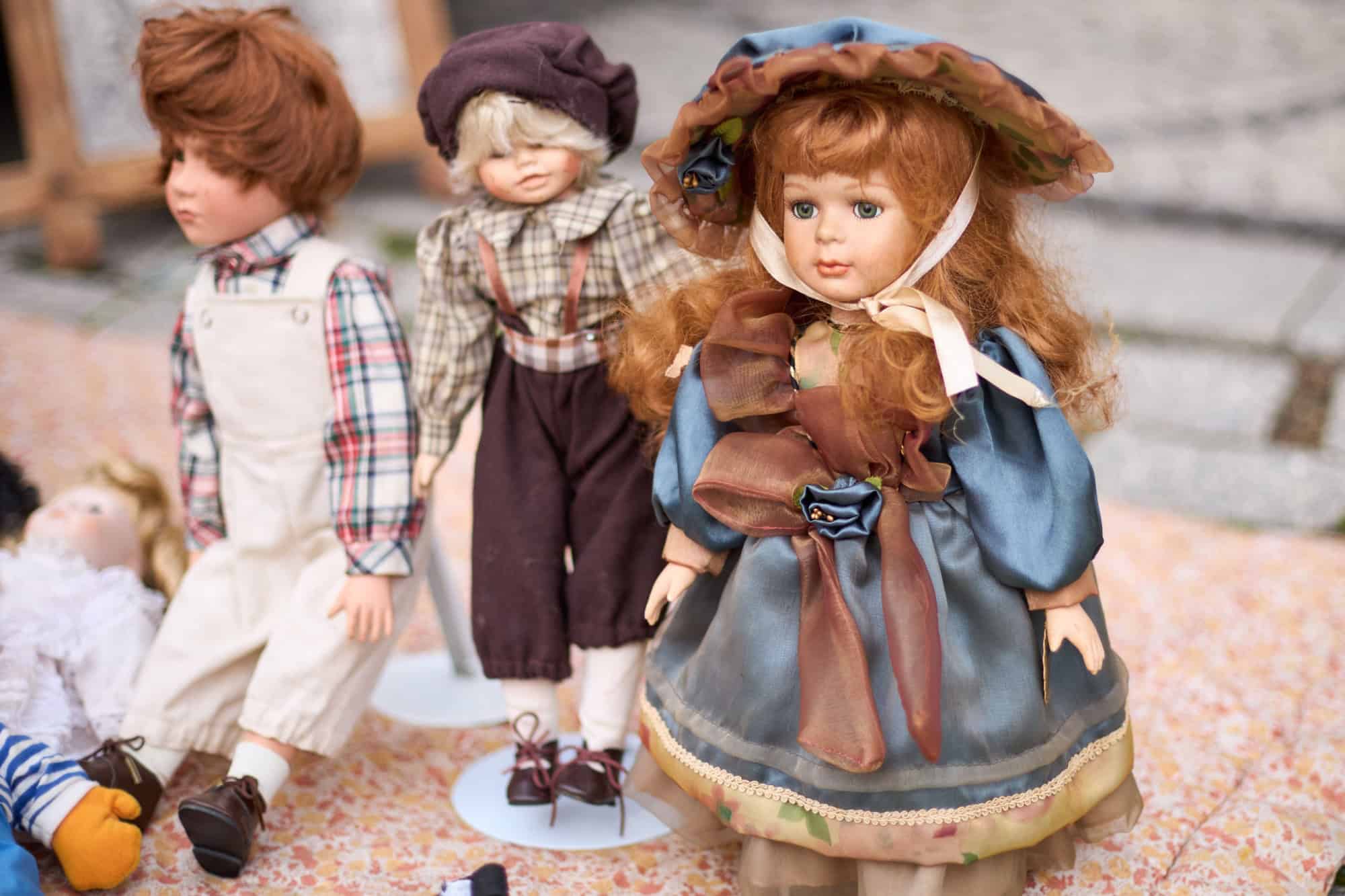
Once displayed proudly in curio cabinets, porcelain dolls have almost no resale market today. They were mass-produced and fell out of style quickly. Many collectors regret how much they spent on them.
Beanie babies
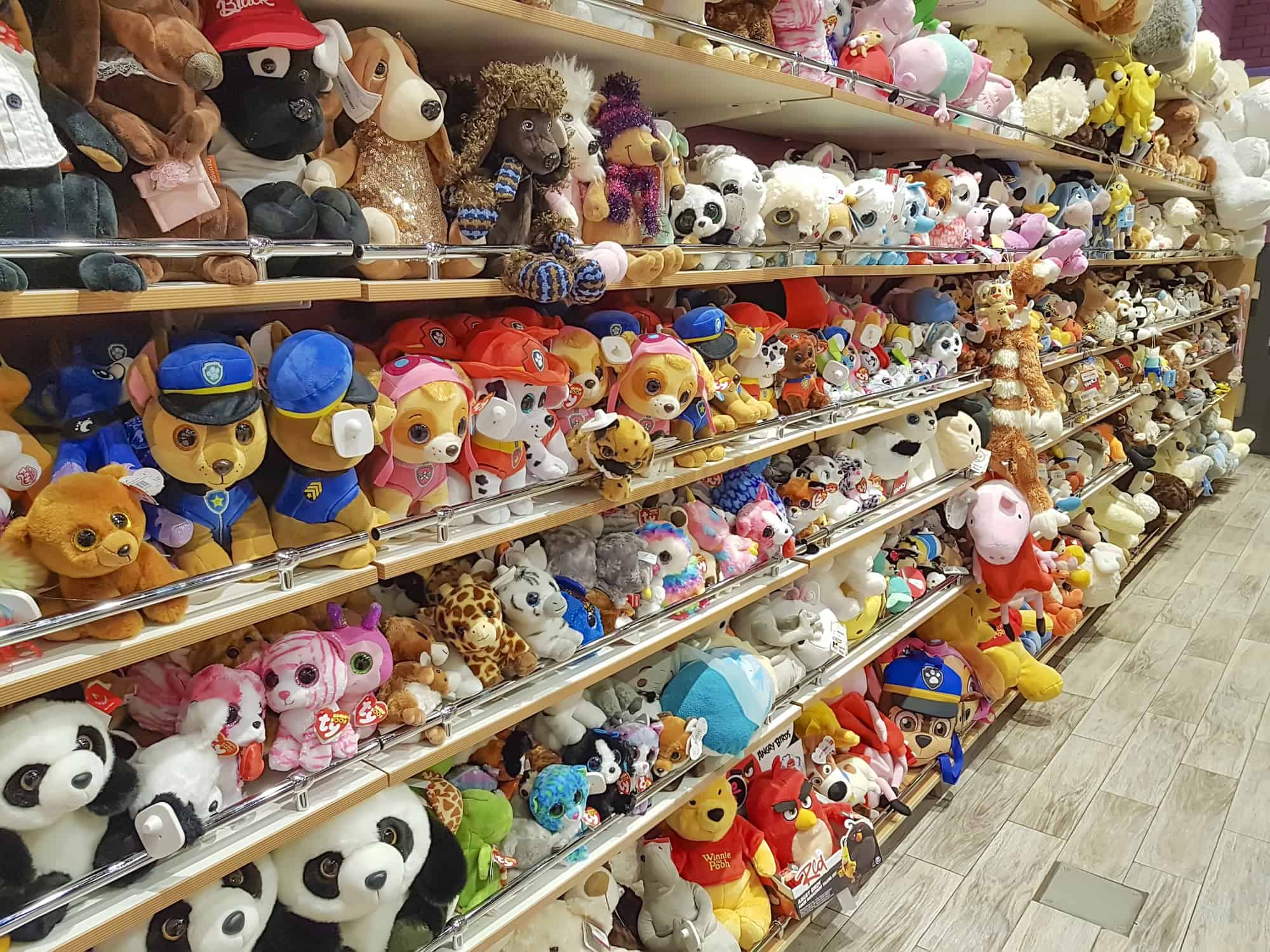
In the ’90s, people thought these plush toys would fund their retirement. Today, most are worth just a few dollars, if that. The only thing they really collected was dust.
Baseball cards (modern ones)
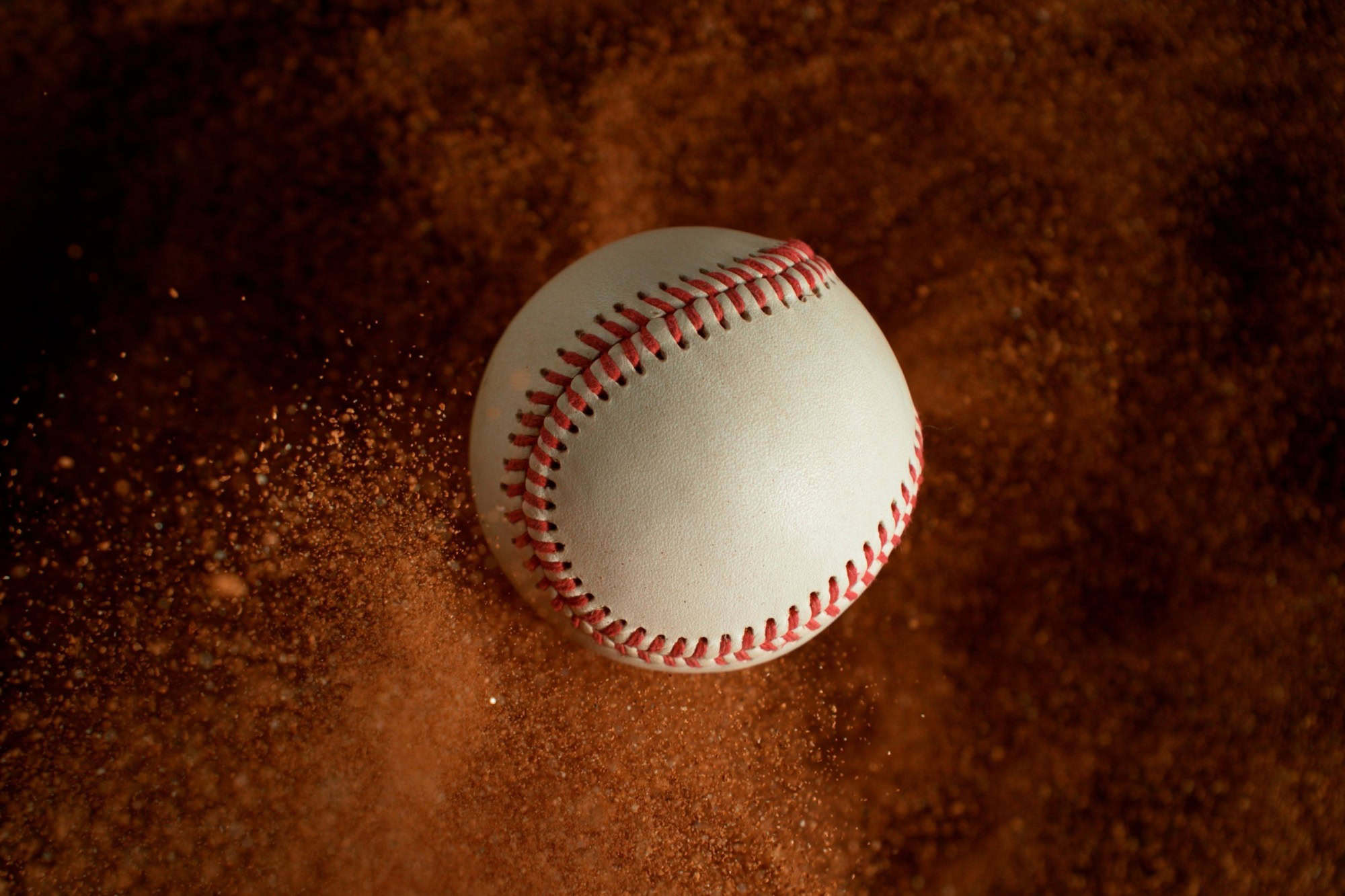
Vintage cards can still be valuable, but most cards from the ’80s and ’90s were mass-produced. Millions of people held on to them, so the market got flooded. Rarity is what makes a card valuable, and these just aren’t rare.
Hummel figurines
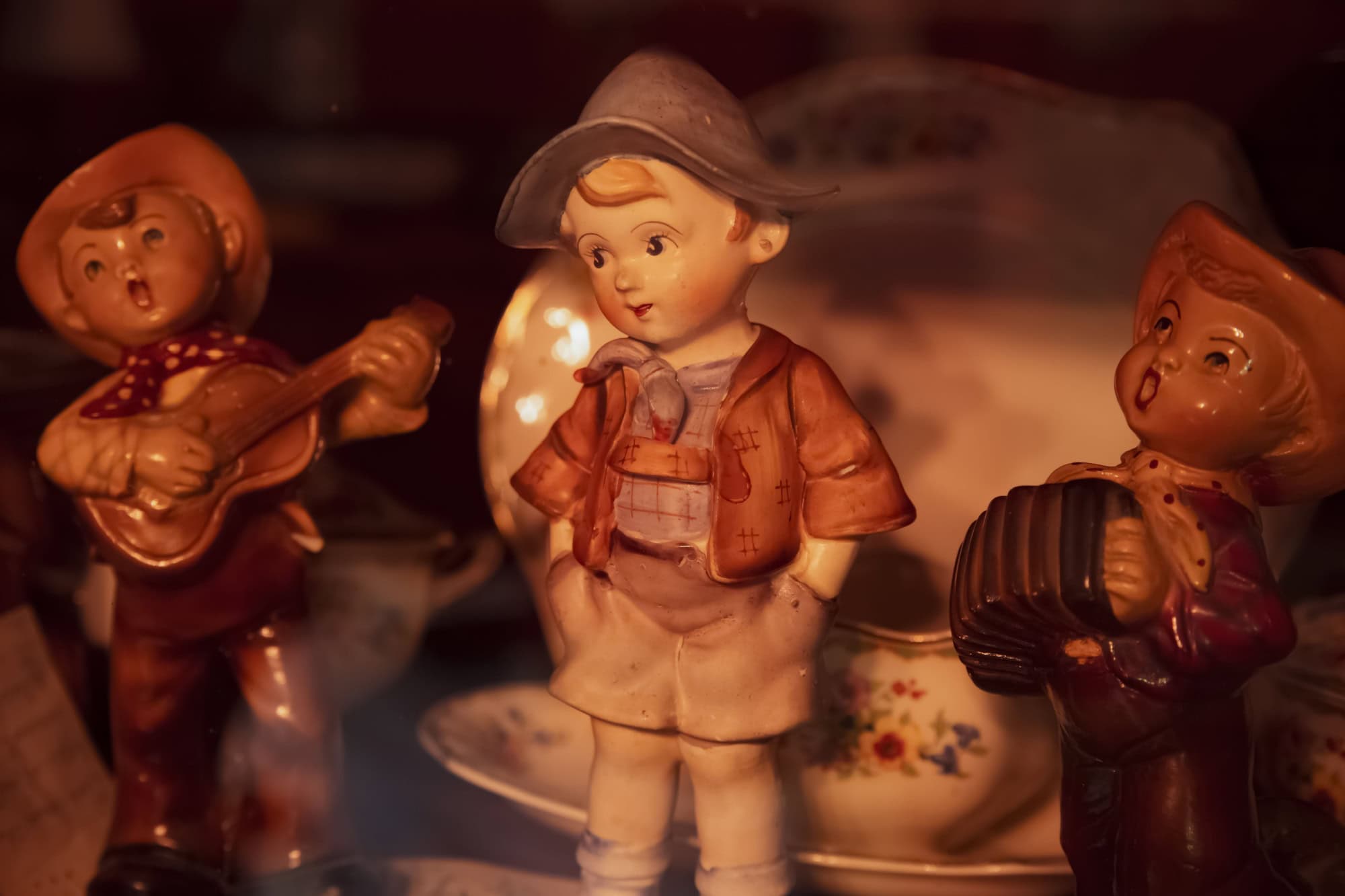
Back in the day, people bought Hummels thinking they’d be heirlooms worth a fortune. Fast forward, and the market’s dried up. Younger buyers aren’t interested, prices keep sinking, and in some cases, you can’t even give the things away.
Franklin mint collectibles
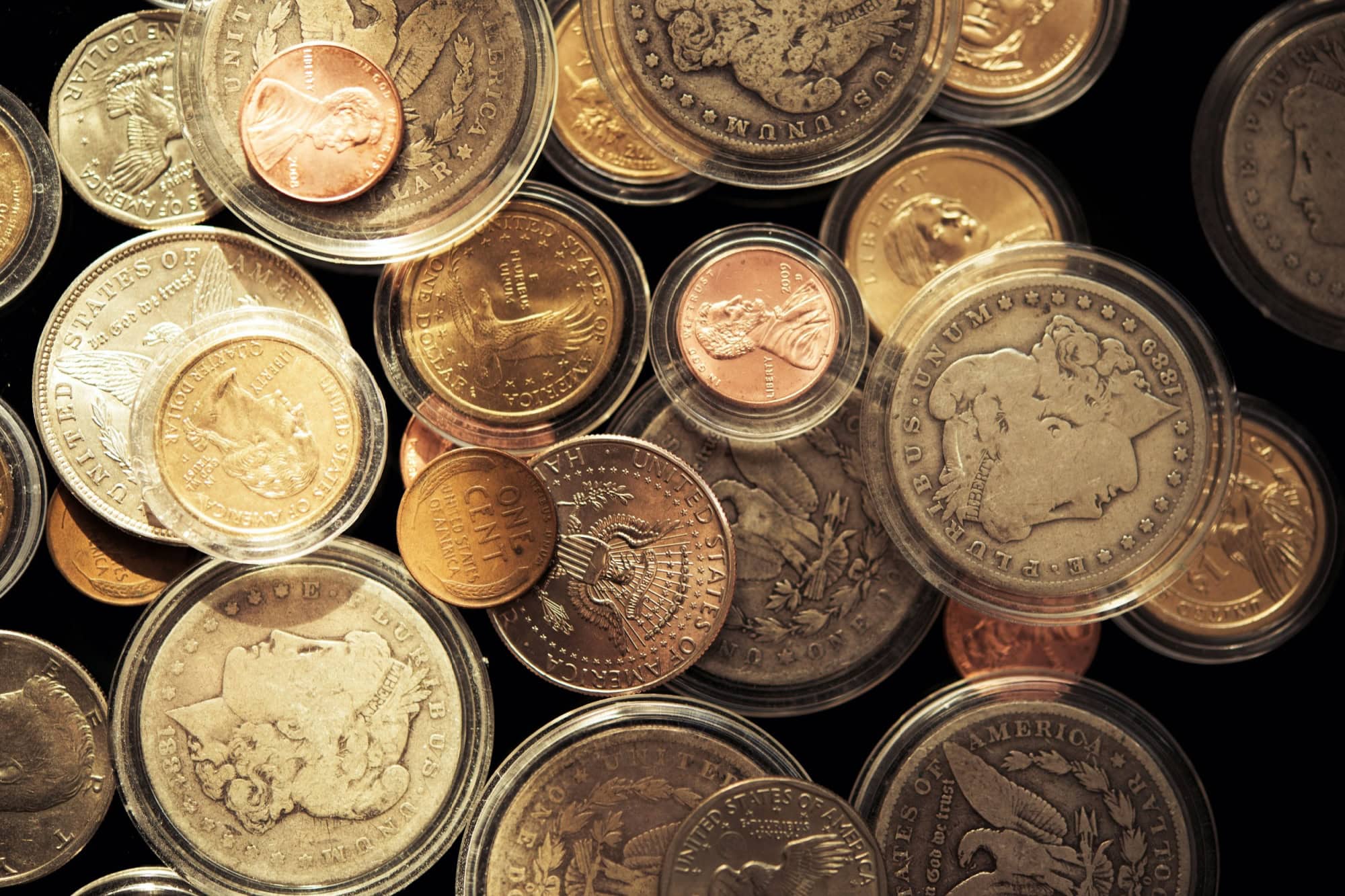
Franklin Mint had many “limited edition” plates, coins, and figurines that many collectors at the time bought. But they made thousands of each item, so these types of collectibles are no longer that limited. Many have depreciated and sell for just a fraction of the price collectors paid originally.
Pogs

Pogs were a ’90s phenomenon. Every kid had a stack of them, thinking someday they were going to be worth something. But pogs were made in extremely high numbers, so they depreciated as soon as they stopped being trendy.
Precious moments figurines
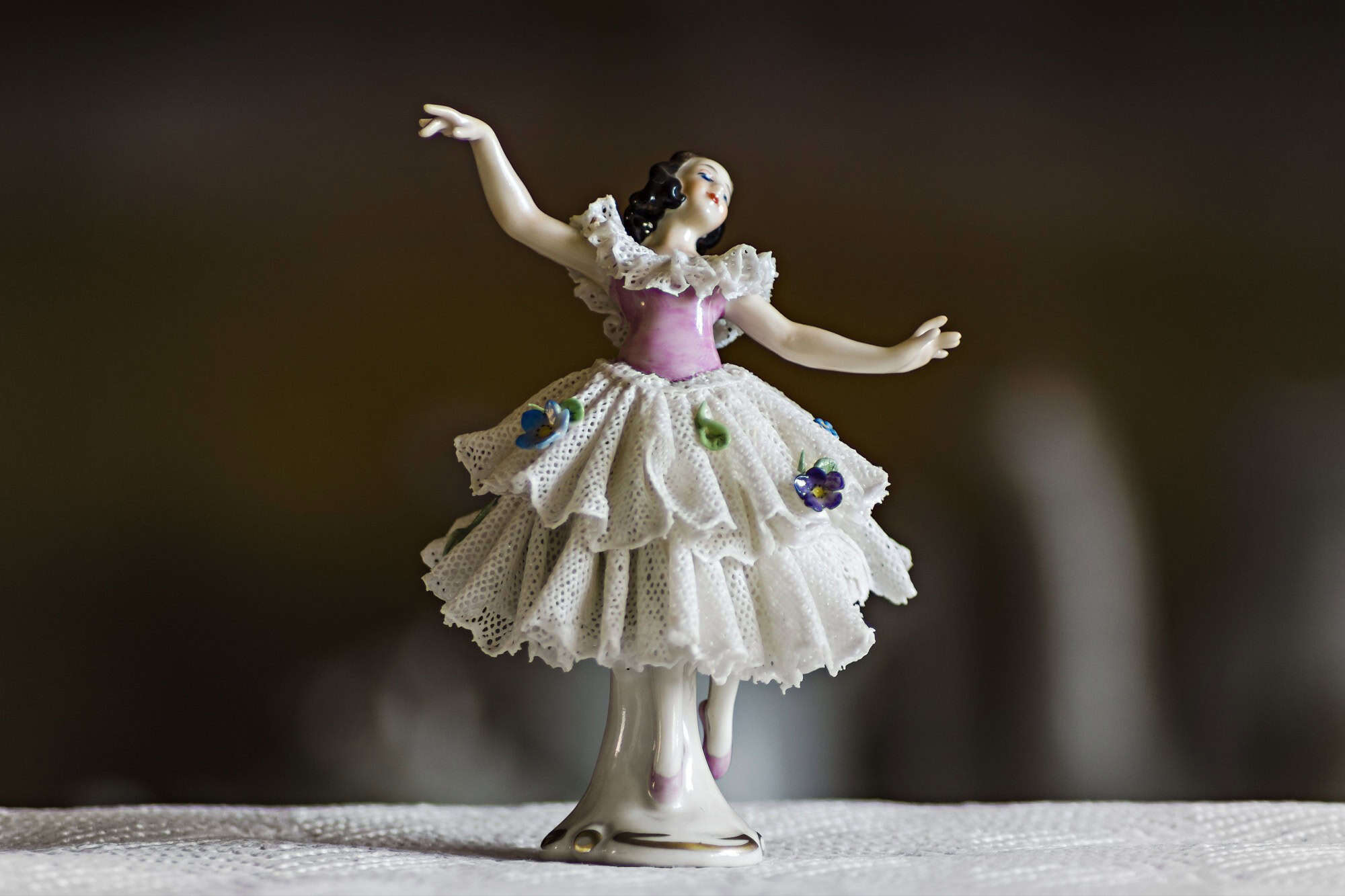
These porcelain figurines were once given as special gifts. Over time, though, demand completely dried up. Now, they often sell for just a few dollars each.
Funko pops (most of them)
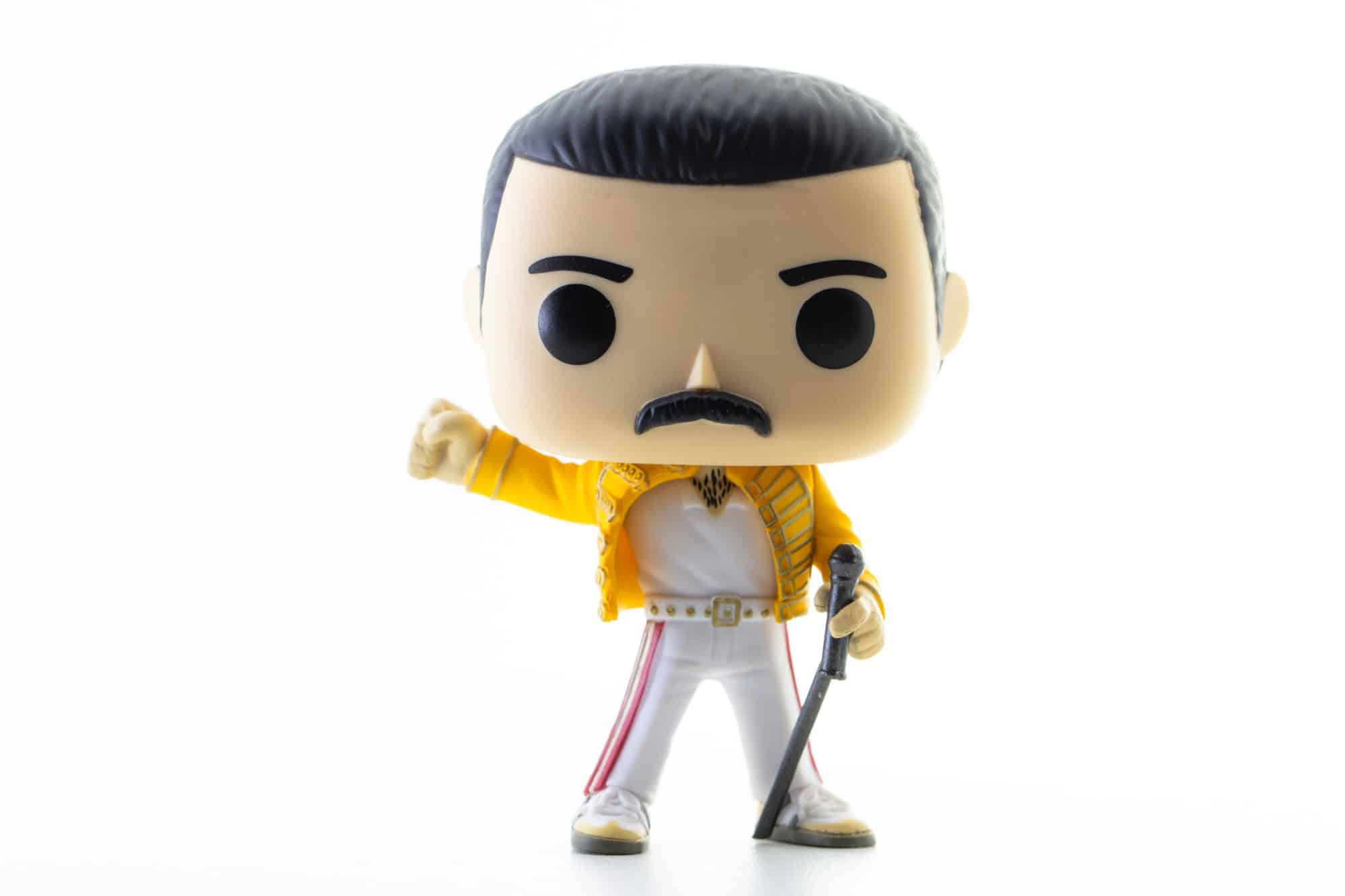
A few rare Pops fetch a decent price, but the rest? They’re basically plastic dust collectors worth less than retail. The nonstop flood of new releases tanked the market, and collectors quickly figured out most Pops are more toy than investment.
Like our content? Be sure to follow us.