History is full of mysteries—and some of the most confusing ones come from civilizations that just up and vanished. These civilizations were made of thriving cities & bustling markets that, somehow, disappeared into nothing. What happened? Let’s look at 12 of these ancient ghost towns and the clues they left behind.
Featured Image Credit: Santabiblia/Wikimedia Commons.
The Clovis Culture

First up are the Clovis people. They had some (literally) cutting-edge tools and hunted mammoths during the Ice Age. Suddenly, they disappeared around 11,000 years ago. Was it a change in the weather? A disastrous comet? We’re still not sure but it’s like they vanished into thin air and their tools are the only clues to their existence.
The Sea Peoples

The Sea Peoples were the ancient world’s equivalent of a mysterious invading army. Around 1200 BC, they showed up and wreaked havoc on places like Egypt–but nobody knows where they came from or why they disappeared. Some archaeologists argue they never existed yet for those who believe in them, the Sea Peoples were as mysterious as they come.
Like our content? Be sure to follow us.
The Sanxingdui Civilization

Over in China, the Sanxingdui civilization was busy making bronze masks & sculptures when they suddenly disappeared. No notes, no goodbye letters—just a bunch of incredible art and a lot of unanswered questions. What made them leave? We’re still trying to figure that out and we don’t know if we’ll ever find the answer.
The Vinča Culture

Around 6,000 years ago, the Vinča people lived in fancy houses and had made some early attempts at writing. Yet out of the blue, they decided to call it quits—we’re still trying to figure out why they did this. Climate change? Social issues? The world may never know and that’s what makes them so interesting.
The Rapa Nui of Easter Island

Everyone has seen a picture of the Easter Island statues before. The people on this island were busy carving those giant heads and then things went south. While some scientists believe it’s because resources got scarce, it’s not clear what caused this to happen. Either way, we have the statues to remember them by.
The Cahokia Mounds Civilization

Cahokia was North America’s own version of a mega-city. It was complete with massive earthen mounds at around 1050 AD. But fast forward a couple of hundred years and it seems like everyone decided to pack up and leave. What caused it? Was it a natural event or social unrest? Maybe they just wanted a change of scenery.
The Aksumite Empire

The people of the Aksumite Empire in Africa were huge traders, controlling routes and raking in lots of money. Then around the 7th century AD, they began to fade away. It might’ve been because the environment turned against them or perhaps the trade winds changed. Either way, they went from top dog to mystery.
The Cucuteni-Trypillia Culture

The Cucuteni-Trypillia built some of the biggest settlements in Neolithic Europe yet they somehow disappeared out of nowhere. This happened around 2750 BC and it’s been a mystery ever since. No invasion, no natural disaster—just a whole lot of questions left behind. Maybe they were just over the Neolithic lifestyle!
The Garamantes of the Sahara

Living in the Sahara, the Garamantes were ahead of their time as they farmed with sophisticated irrigation techniques in the middle of the desert. But around the 7th century AD, they vanished. We’re not sure why—maybe the desert reclaimed its land or maybe they found a better oasis. The only thing we’re certain of is that it’s one of the Sahara’s many secrets!
The Harappan Civilization
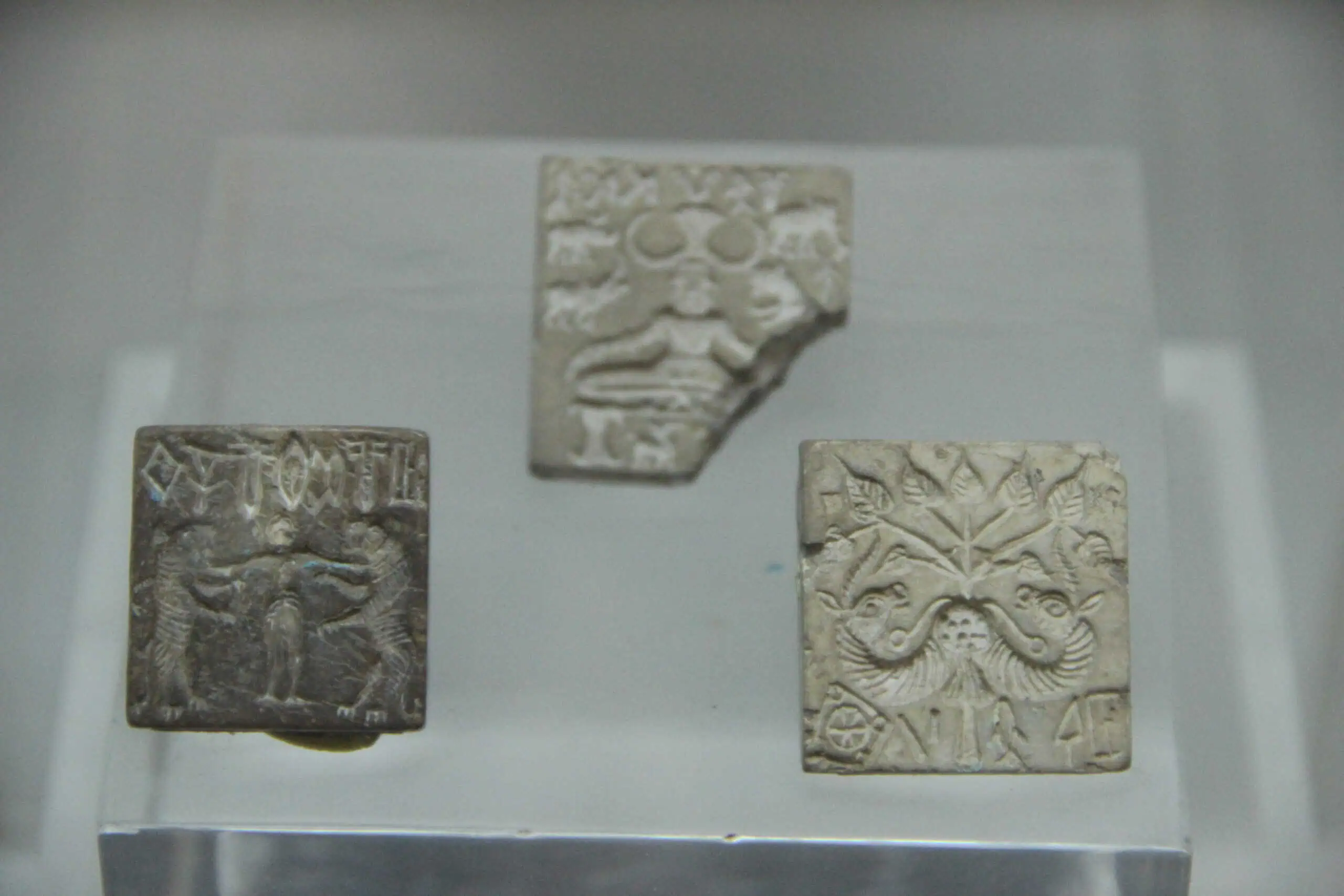
In an area that is now Pakistan and India, the Harappan people had city planning down to an art. Yet around 1900 BC, though, their cities started emptying out. Did the river change course or was it a larger climate crisis? Perhaps it was something else. Whatever the reason, they left their rather advanced urban life behind.
The Beaker Culture

The Beaker culture spread across Western Europe about 4,500 years ago and was known for its distinctive pottery & advanced metalworking. Suddenly, around 2500 BC, their influence began to wane, and the people who once dominated the European landscape disappeared. Did they assimilate with newer populations or did climate change wipe them out? Maybe it was a deadly disease.
The Liangzhu Culture

Last but not least, the Liangzhu culture lived in the Yangtze River Delta and made some incredible jade artifacts. However, something happened to them that caused their culture (and people) to disappear about 4,300 years ago. Some scientists speculate that extreme flooding washed away their dreams and cities.
Disclaimer: This list is solely the author’s opinion based on research and publicly available information.
Like our content? Be sure to follow us.
Read More: