
Being an inventor feels great most of the time, but there are some who came to absolutely hate their creations, mostly because of how their inventions ended up hurting humanity or nature in some way.
Wally Conron

Wally Conron wasn’t trying to start a designer-dog craze or anything. He was working for the Royal Guide Dogs Association of Australia in Melbourne in 1989, and he needed a guide dog for a blind woman. Her husband was allergic to dogs, so it couldn’t be any old dog.
Conron thought that a Labrador-poodle cross would be a good fit. It was. Then the name ‘Labradoodle’ caught on, and breeders rushed in to make their own. They paid very little attention to the dog’s health or temperament. Conron later called it his life’s regret and said that creating the first Labradoodle opened a Pandora’s box. Ouch.
John Sylvan

Here’s an ironic fact for you. The man who created the K-Cup didn’t use a Keurig at home. Yes, his name was John Sylvan, and he developed the sealed coffee pod in Massachusetts during the early 1990s. He was hoping to make single cups of coffee faster and fresher.
It took until the late ‘90s for Keurig machines to really take off and reach offices. By that time, Sylvan had already sold his share for roughly $50,000, and he had regrets. But not the kind you might be expecting. He said he felt bad for helping to create so much plastic waste.
Ethan Zuckerman

Pop-up ads were supposed to be a quick fix. They ended up becoming something that annoys practically every internet user alive. It all started when Ethan Zuckerman wrote the code for the ads while working at Tripod in the late 1990s.
One of the advertisers didn’t want its banner next to questionable material, so Zuckerman had the bright idea to move the ad into a separate window. It solved one problem, yes, but created plenty of others. These ads became way too annoying, and Zuckerman publicly apologized in 2014 for creating them.
Mikhail Kalashnikov

Mikhail Kalashnikov took a while to regret his invention. The engineer began working on a gun that eventually became the AK-47, and he originally claimed people pulling triggers were responsible for deaths. He didn’t believe he had anything to do with it.
Flash forward, and towards the end of his life, Kalashnikov changed his tune. He wrote a letter to the head of the Russian Orthodox Church, questioning his own role. He believed he carried the blame for every person killed by his gun. The question caused him deep spiritual pain, apparently.
Robert Propst

Don’t blame Robert Propst for those gray office boxes. They weren’t what he had in mind. He created Action Office in the 1960s, and it was a kind of office cubicle that included movable walls and adjustable desks. It gave workers enough flexibility to rearrange things.
But many employers changed the cubicles when they adopted them. They bought only the cheapest panels and squeezed more people into smaller spaces. Propst hated that version, and rightly so. He called the cubicle farm ‘monolithic insanity’ and seemed to regret making it.
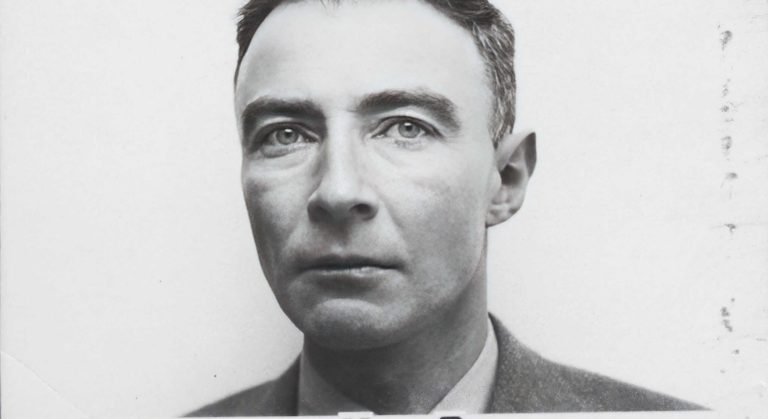
J. Robert Oppenheimer

Robert Oppenheimer had been in charge of the Los Alamos laboratory since 1943, and he’d seen the first atomic test explode in New Mexico on July 16, 1945. By October 1945, the excitement had worn thin for him.
He’d seen the effects of the Hiroshima and Nagasaki bombings, after all, and Oppenheimer later told President Harry Truman that he had blood on his hands. Oppenheimer called the atomic bombs weapons of terror and was a big supporter of international control. But it was too little, too late.
Kamran Loghman

Kamran Loghman’s regret came much later, almost 30 years later, in fact. In 2011, he saw peaceful protesters at UC Davis who were sprayed with pepper spray by a police officer. Loghman couldn’t accept it as proper police use.
He’d actually worked with the FBI during the 1980s to make weapons-grade pepper spray. He helped write rules for using it against an immediate threat, but the police officer had completely ignored that. Loghman called the incident an abuse and not how the spray should’ve been used.
Joseph Weizenbaum

Joseph Weizenbaum helped build the world’s first chatbot, ELIZA, at MIT between 1964 and 1966. It was originally just an experiment with language, nothing at all like the advanced models we have today. But users still opened up to it and shared their private feelings.
They sometimes asked to be left alone with the program, and that really bothered Weizenbaum. It bothered him more than ELIZA’s technical success pleased him, in fact. He spent years pushing back against allowing machines to handle deeply human decisions. It wasn’t right, he thought.
Sources: Please see here for a complete listing of all sources that were consulted in the preparation of this article.
11 inventors killed by their own inventions
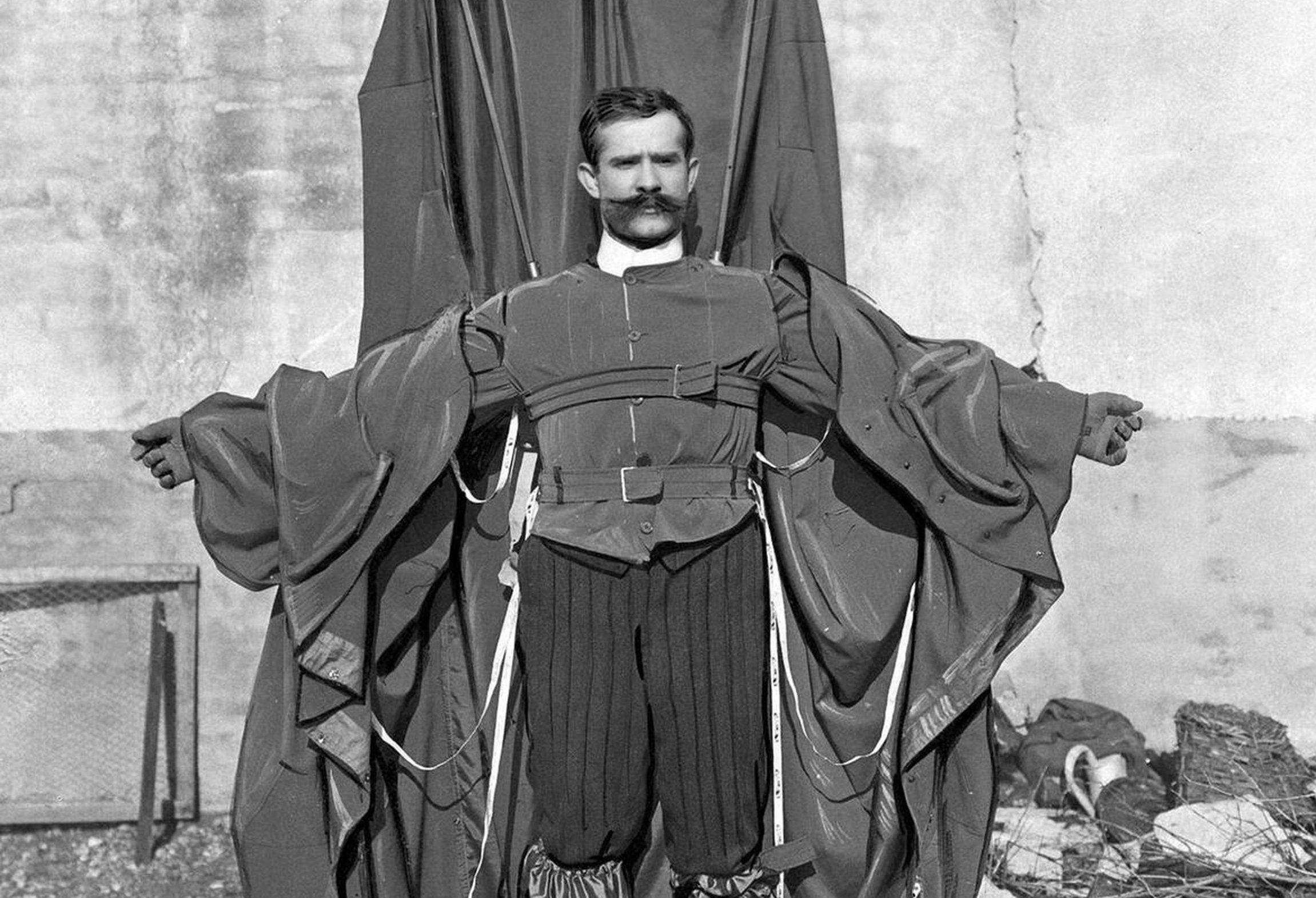
Devoting your life to an invention, only to be killed by it, is likely the saddest way to die and that’s exactly what happened to these folks.


