

Discover how some of history’s most celebrated characters met their ends in the most ridiculous ways imaginable.
Clement Vallandigham
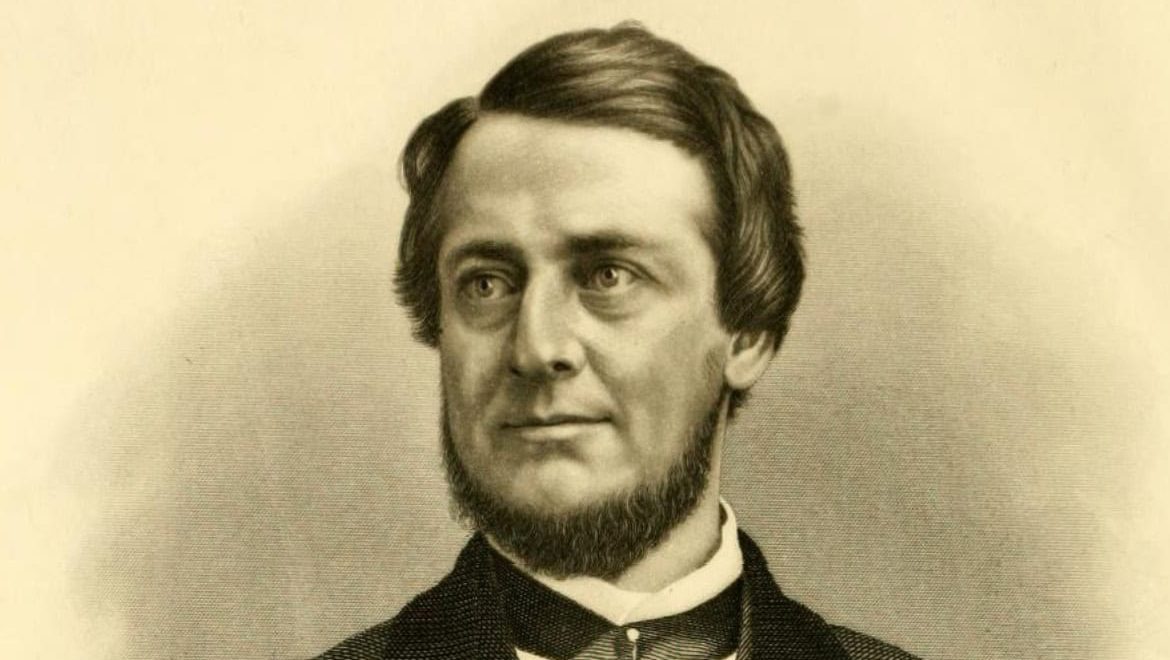
Vallandigham, an Ohio politician and defense attorney during the Civil War, found himself defending a murder suspect in 1871.
Vallandigham, aiming to convince the jury that the victim had shot himself accidentally while reaching for a gun in his pocket, stood up and replayed the motion in his hotel room.
As he was going through the motions with what he thought was an unloaded pistol, he ended up putting a bullet right through his stomach.
He died of his wound the following day, but the gunshot successfully demonstrated his point; his client was found not guilty of all charges.
Hans Steininger
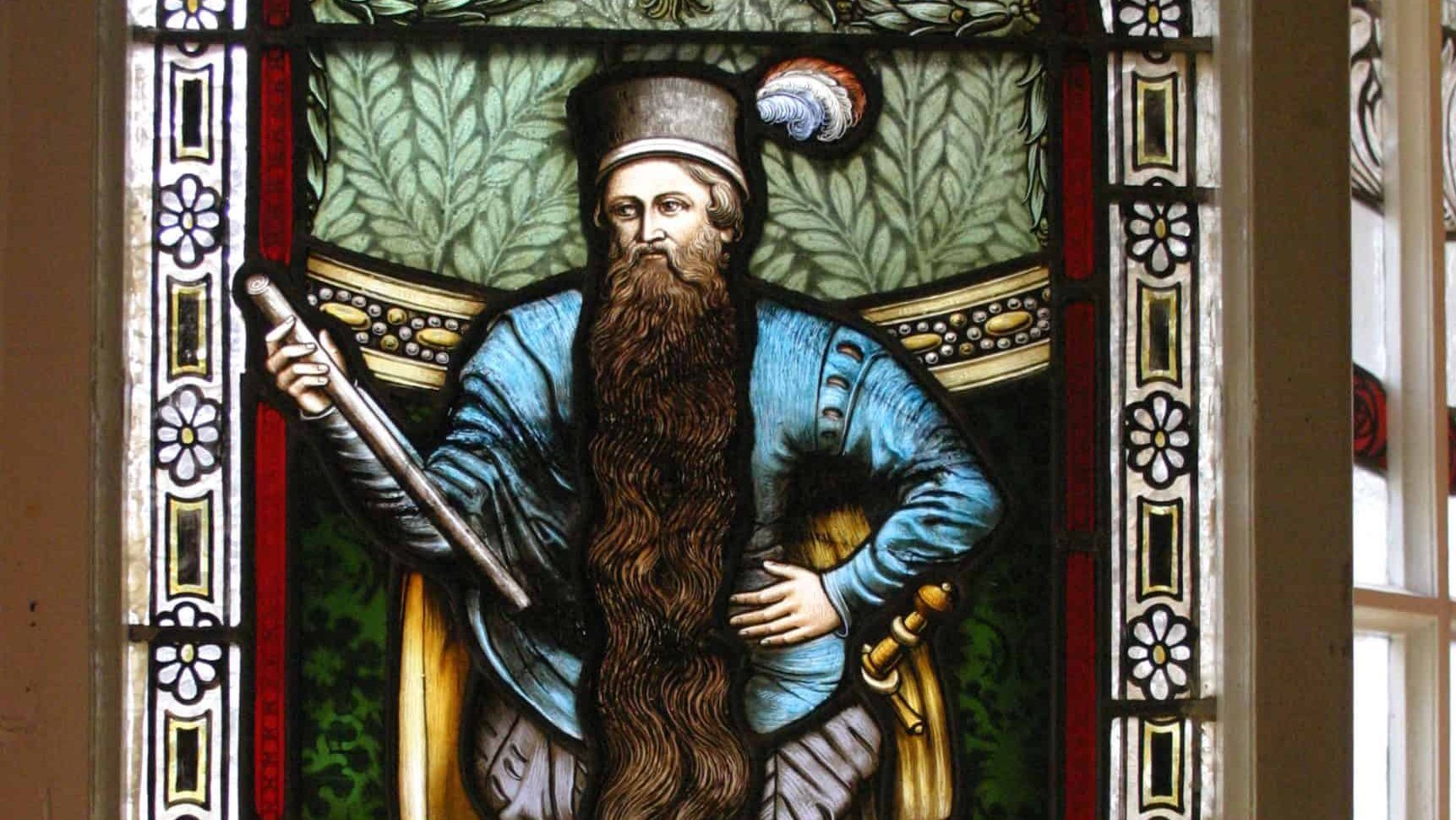
Steininger was the mayor of Braunau am Inn during the 1500s. He was known throughout his hometown region for growing a beard longer than four feet, five inches.
He typically rolled up his prized beard and placed it safely into a small leather sheath on his belt so it wouldn’t get tripped on.
Then, in 1567, an out-of-the-blue fire caused havoc in the town. Panic-stricken townsfolk bolted in every direction, desperate to get away.
In his haste down the stairs, Steininger failed to secure his beard, stepped on it, lost his footing, and tragically broke his neck.
King Martin of Aragon
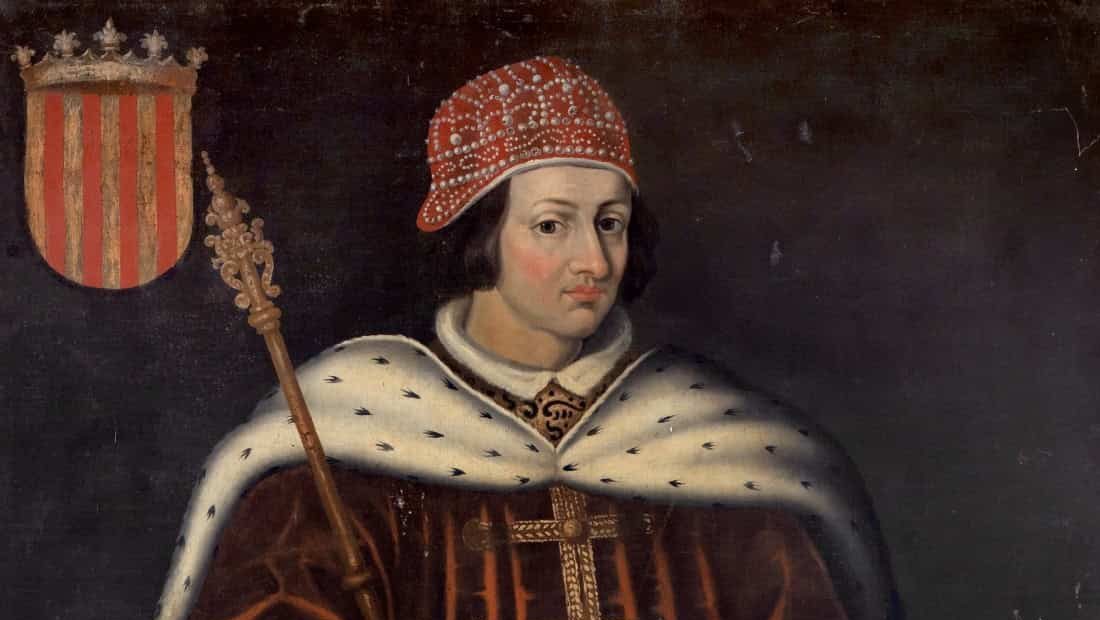
King Martin I of Aragon died suddenly in 1410 and there has long been speculation as to how or why he died. The legend claims King Martin met his end in fits of laughter after sharing a joke with his court jester, Borra.
The king was suffering from indigestion after consuming a whole goose. Borra amused him with a tale of a young deer dangling by its tail from a vineyard tree branch.
King Martin found this so hilarious that he began to laugh uncontrollably. The legend has it that he died due to this occurrence that night.
Many historians question how valid this story actually is, but it remains one of the most popular anecdotal death stories of all time.
Chrysippus of Soli
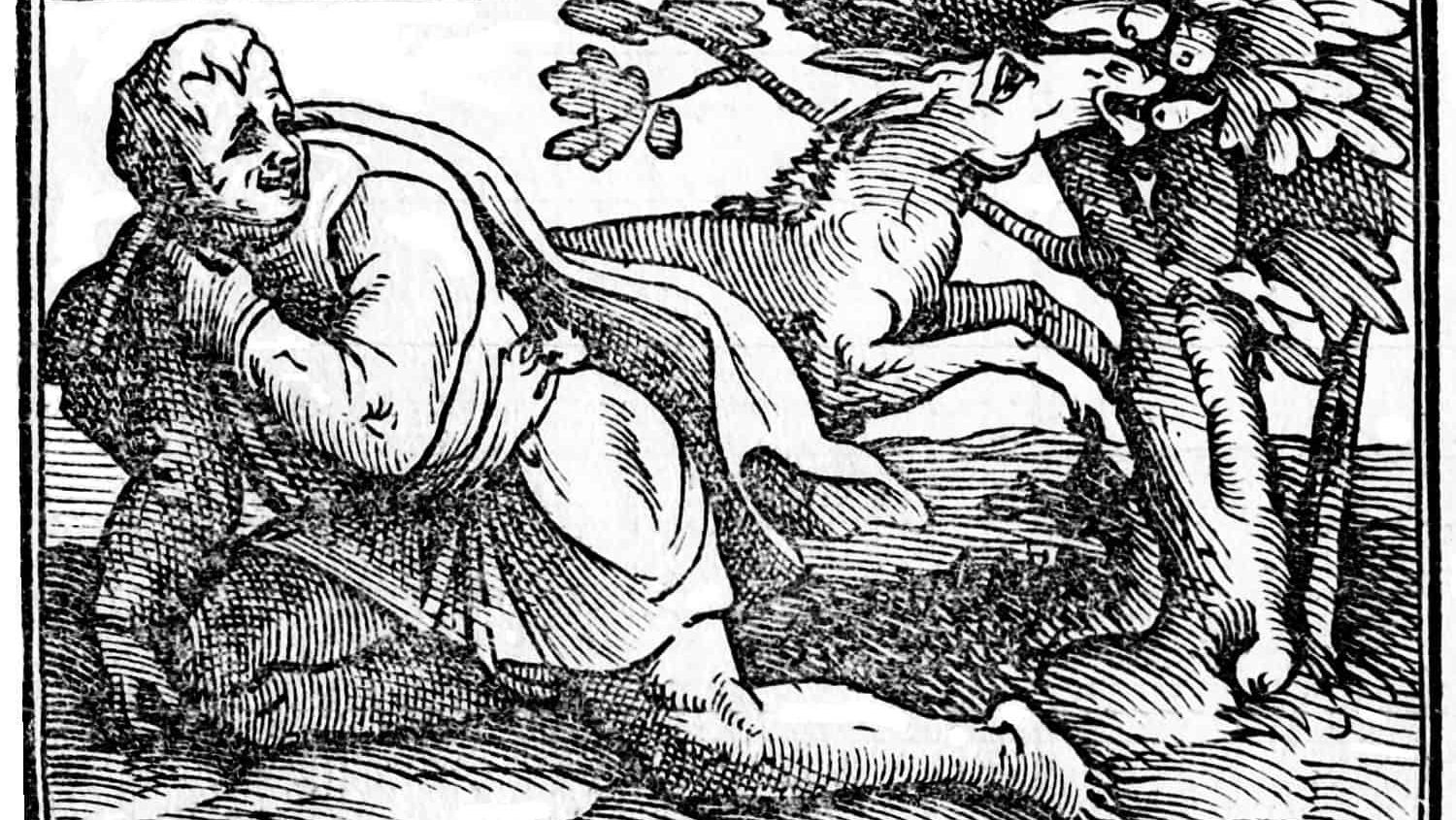
The ancient Greek Stoic philosopher Chrysippus wrote hundreds of logical treatises. Ironically, his death was less than logical.
Reportedly, Chrysippus watched a donkey eat a heap of figs one day. He laughed and instructed his servant to pour the animal a bowl of unmixed wine to drink with them.
The sight of the donkey getting drunk and lurching about apparently sent Chrysippus into a fit of laughter so uncontrollable he ultimately died. This tale has been told for years, but there’s no way to verify its validity.
King Charles VIII of France
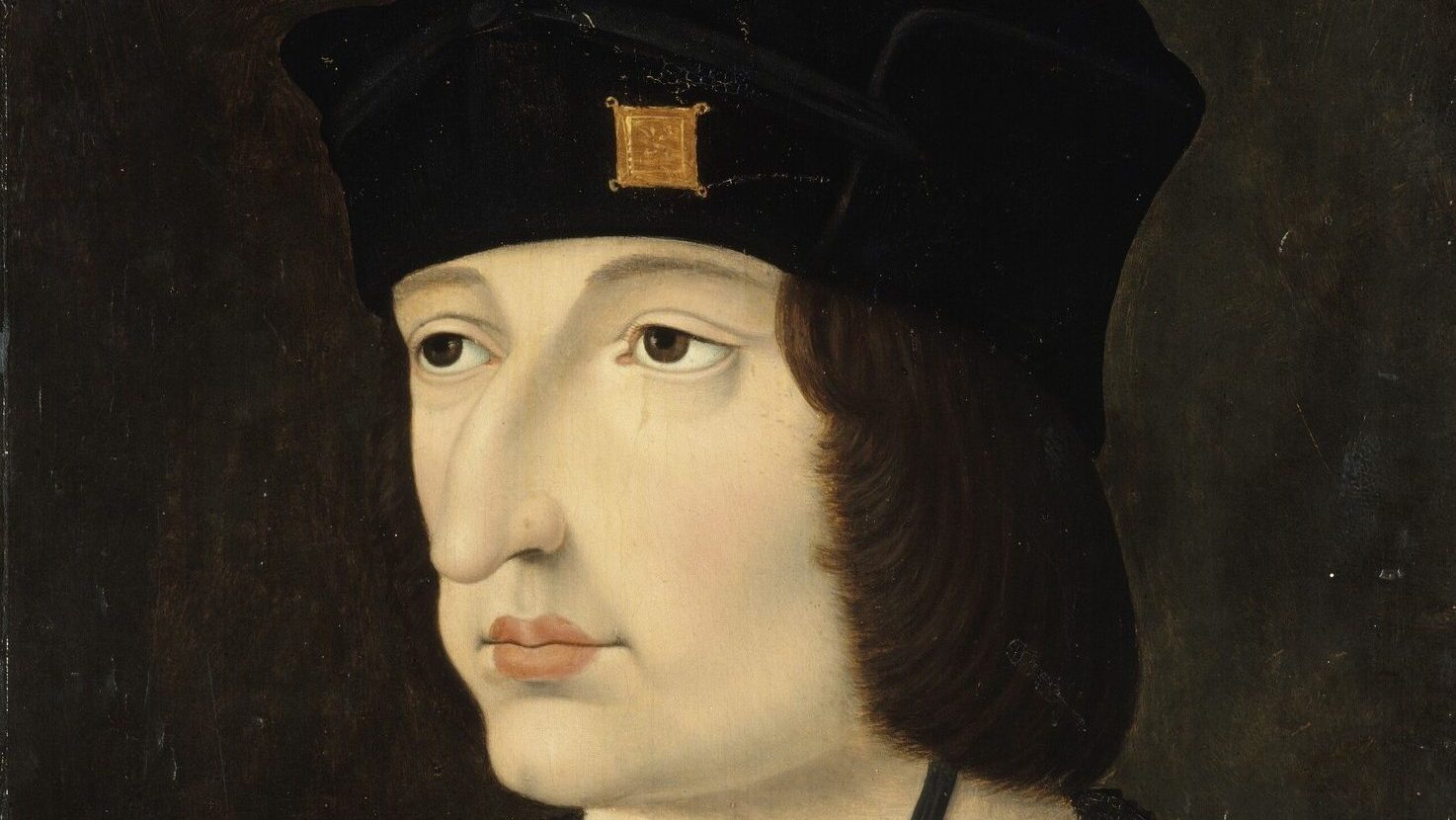
In April of 1498, King Charles VIII, with his queen Anne of Brittany in tow, was heading out to enjoy a game of jeu de paume, the olden form of tennis, at the Château d’Amboise.
He walked through the low passageway of the Galerie Hacquelebac without bowing his head. He hit his forehead on the stone lintel above him.
His immediate reaction was one of being unharmed, and he watched the game for hours. Later that afternoon however, he became ill and fell into a coma.
He passed away around nine hours later, quite possibly due to bleeding within his skull from a severe head injury. He was 27 years old when he died after reigning for 12 years.
Garry Hoy

Garry Hoy was a corporate lawyer living in Toronto, Canada. In 1993 he wanted to prove how strong the glass was at Toronto-Dominion Centre skyscraper. He wanted to prove it to a group of visiting law students.
He repeatedly smashed his body through a window on the 24th floor of the skyscraper. Hoy had done this before, apparently without incident, and the glass itself did not break this time either. But Hoy’s stunt took a horrible turn.
The force of his impact somehow knocked the whole window and its frame loose. Hoy met his end, falling 24 stories to the ground, much to the students’ shock. Even though the glass proved remarkably resilient, the window’s entire framing system wasn’t engineered to handle repeated impacts of that nature.
Mithridates VI of Pontus
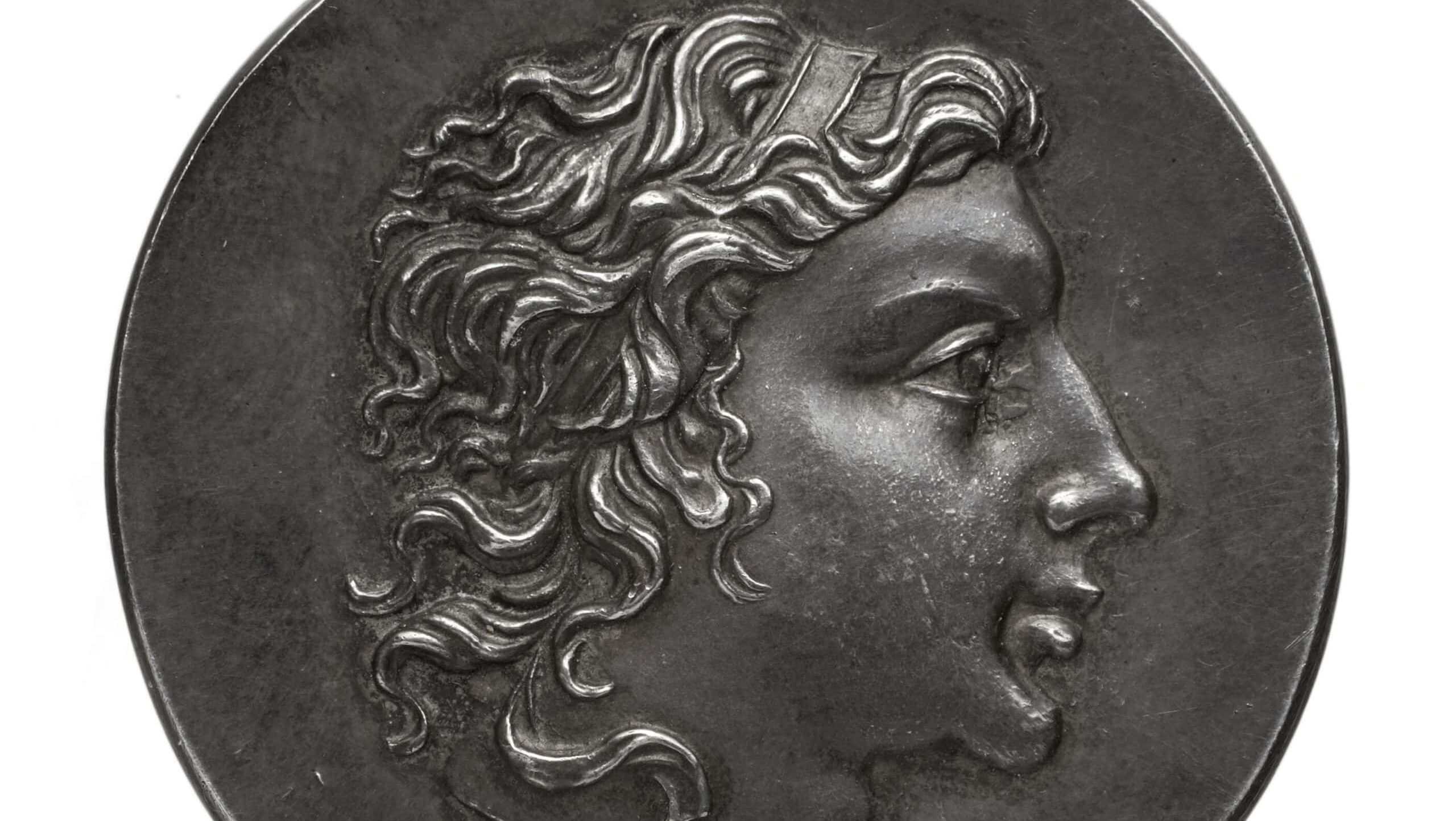
Political adversaries were a source of constant anxiety for Mithridates VI, the 1st century BC king of Pontus, who feared their attempts to poison him.
To ward off such a fate, the story goes that he’d swallow tiny sips of various poisons, not enough to harm him, slowly building his defenses, what we now call “mithridatism.”
Mithridates’ plans failed in 63 BC. Facing inevitable defeat by Pompey’s Roman troops and unwilling to be captured, he commanded his bodyguard to provide him with a deadly poison.
Though the poison had proven fatal to many others, the ancient stories claim it didn’t work on him, supposedly because his body had grown accustomed to it over time. As the Romans closed in, he then turned to one of his Gallic bodyguards and requested a sword to end his life.
Charondas of Catana
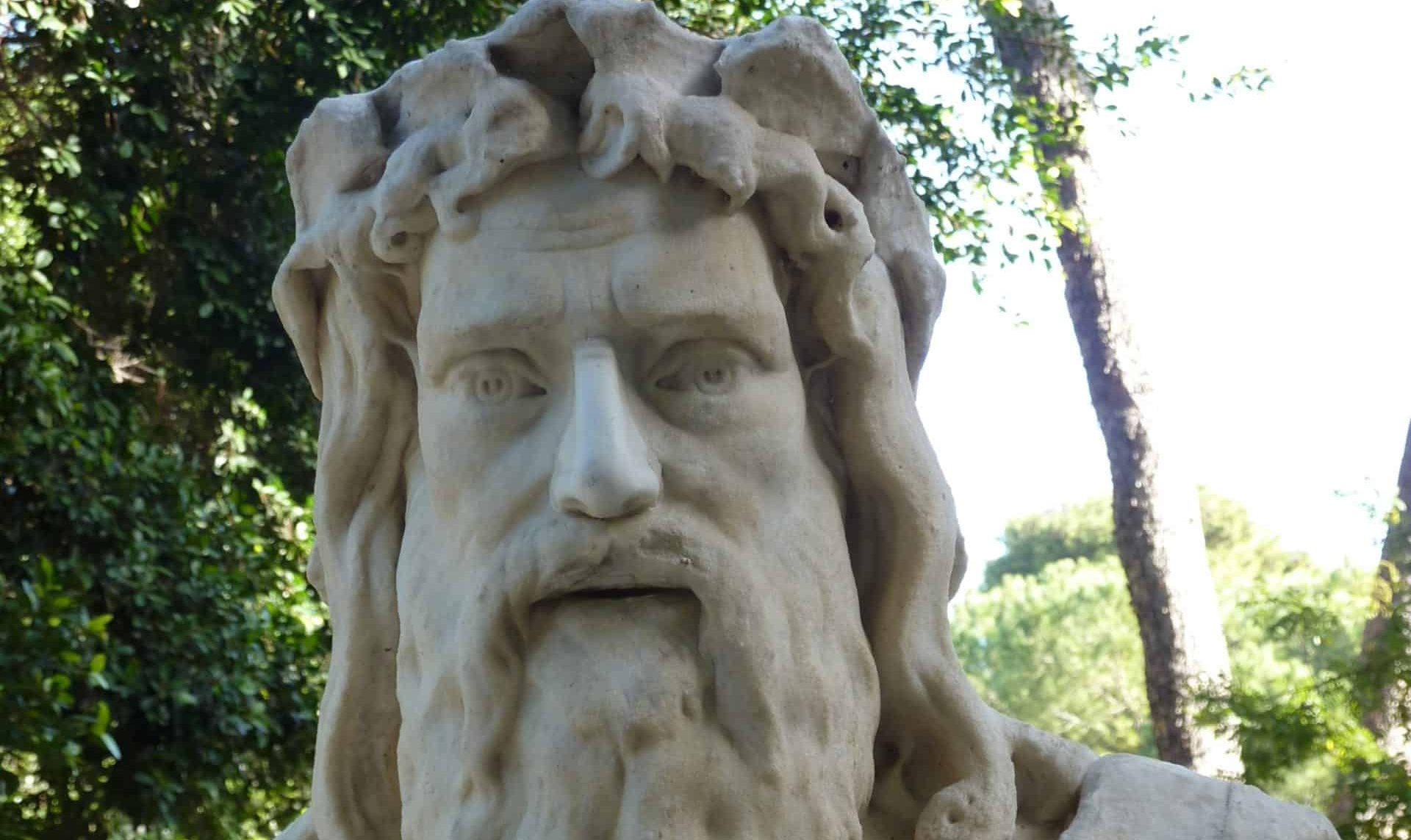
Charondas was a lawgiver from ancient Sicily. One of his laws stated that if anyone entered the assembly building with a weapon, he should be sentenced to death.
On a later occasion, having just returned from hunting with his dagger still attached, he hurried into the assembly to deal with a matter of public importance.
Someone drew his attention to the fact that he was breaking his own law. “I shall abide by it,” Charondas declared, drawing his dagger and ending his own life on the assembly floor.
Allan Pinkerton
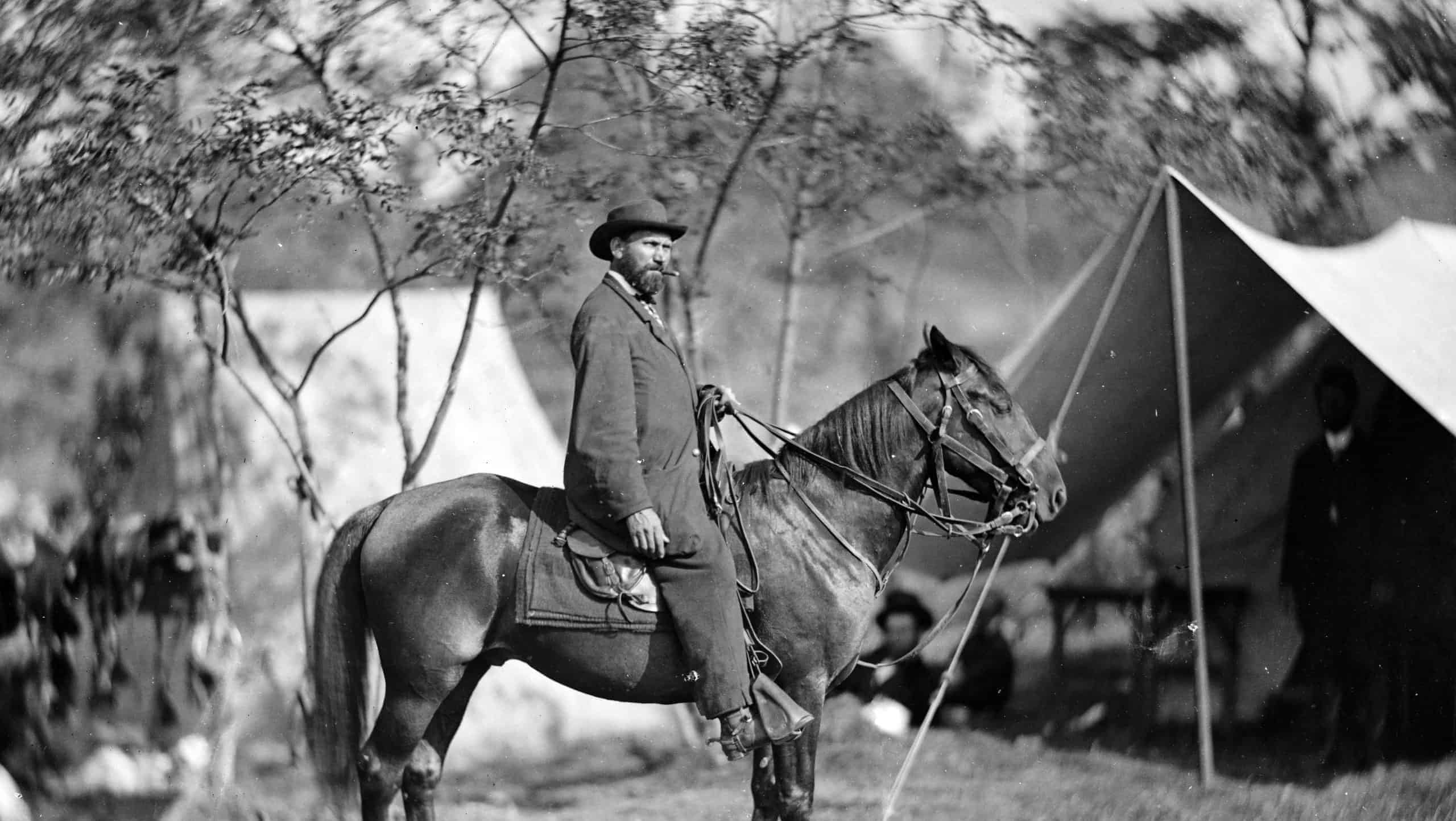
Allan Pinkerton was a Scottish-born American detective and spy best known for founding the Pinkerton National Detective Agency, one of the most famous and largest private detective agencies of its time.
Pinkerton assisted in discovering an alleged plan to assassinate Abraham Lincoln, ran Union intelligence operations in the early part of the Civil War, and created an organization that later helped bring Jesse James, Butch Cassidy and others to justice.
One story about Pinkerton’s death claims he died of an infection after tripping on a sidewalk, biting his tongue. However, historians today say there’s no evidence supporting this account and that the likeliest cause of death was from complications of malaria mixed with other pre-existing medical conditions he suffered from. Pinkerton died in 1884.
King Adolf Frederick of Sweden

Adolf Frederick, famously known as “The King Who Ate Himself to Death,” was a beloved Swedish ruler whose insatiable appetite ultimately sealed his fate.
On February 12, 1771, King Adolf Frederick ate an enormous meal that included lobster, caviar, sauerkraut, smoked herring and champagne. For dessert, he ate fourteen bowls of hetvägg, which is a Swedish dessert pastry stuffed with almond paste and served in a bowl of hot milk.
The sheer volume of food caused his digestive system to crash, resulting in fatal intestinal complications that evening.
Zeuxis of Heraclea
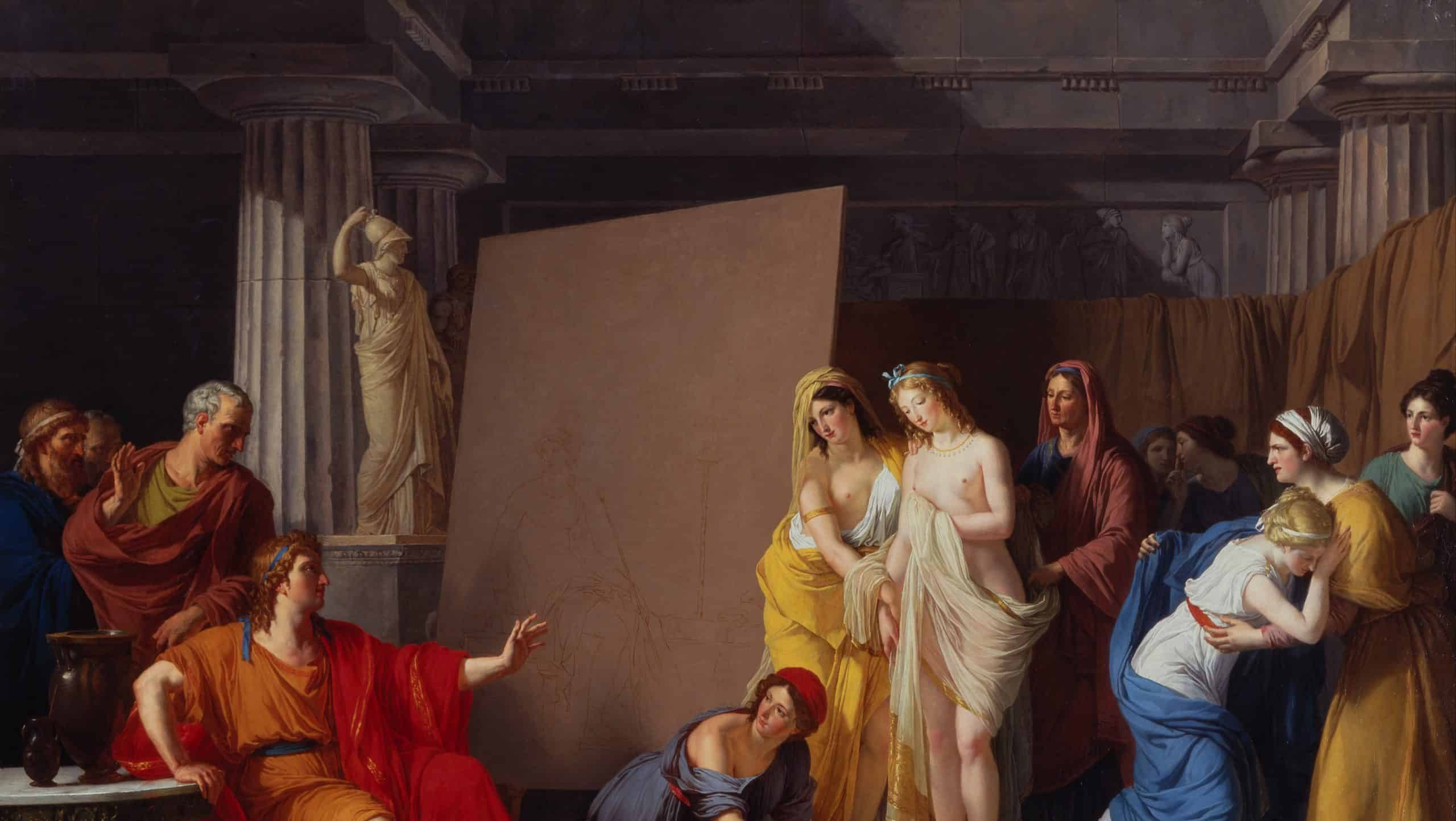
Zeuxis was a famous painter in Greece during the 5th century BC known for creating extraordinarily life-like paintings.
The story goes that an older lady actually hired Zeuxis to paint her version of Aphrodite, the goddess of love and beauty, and he found it quite funny when he realized how much Aphrodite would contrast with the appearance of the older woman who was modeling for him.
While painting he laughed so hard he had to fight to hold back. Once finished, the sight of his completed work sent Zeuxis into fits of uncontrollable laughter, so potent, they say, that it led to his demise.
Humphrey de Bohun
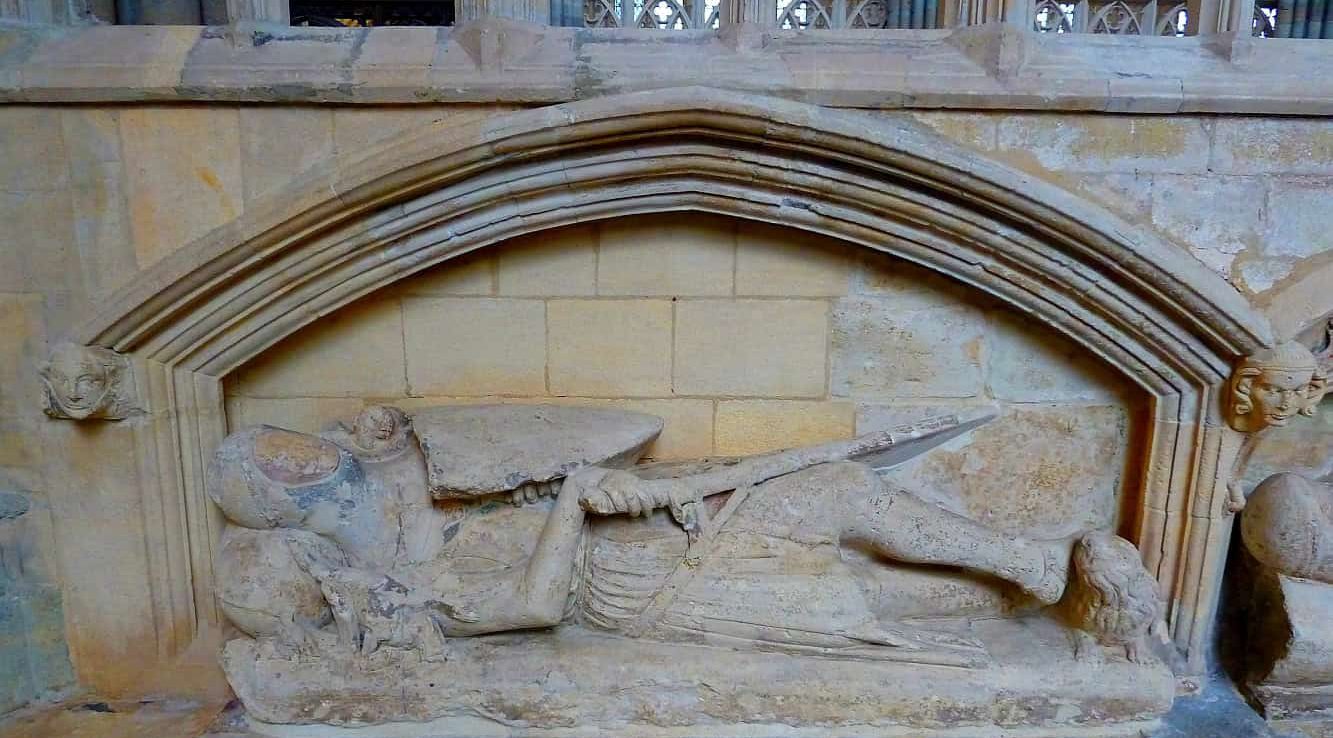
An English medieval nobleman and Earl of Hereford, Humphrey de Bohun died during battle against the army of King Edward II at Boroughbridge in 1322.
As Bohun led his men across a narrow bridge of wooden planks, they were confronted by soldiers on the opposite bank. Meanwhile, an enemy soldier had already slipped underneath the wooden framework of the bridge directly below Bohun’s position.
As Bohun stood directing his men on the timber planks, a hidden soldier thrust a long pike up through a gap between the boards, impaling him through the intestines from below and killing him instantly.
Agathocles of Syracuse
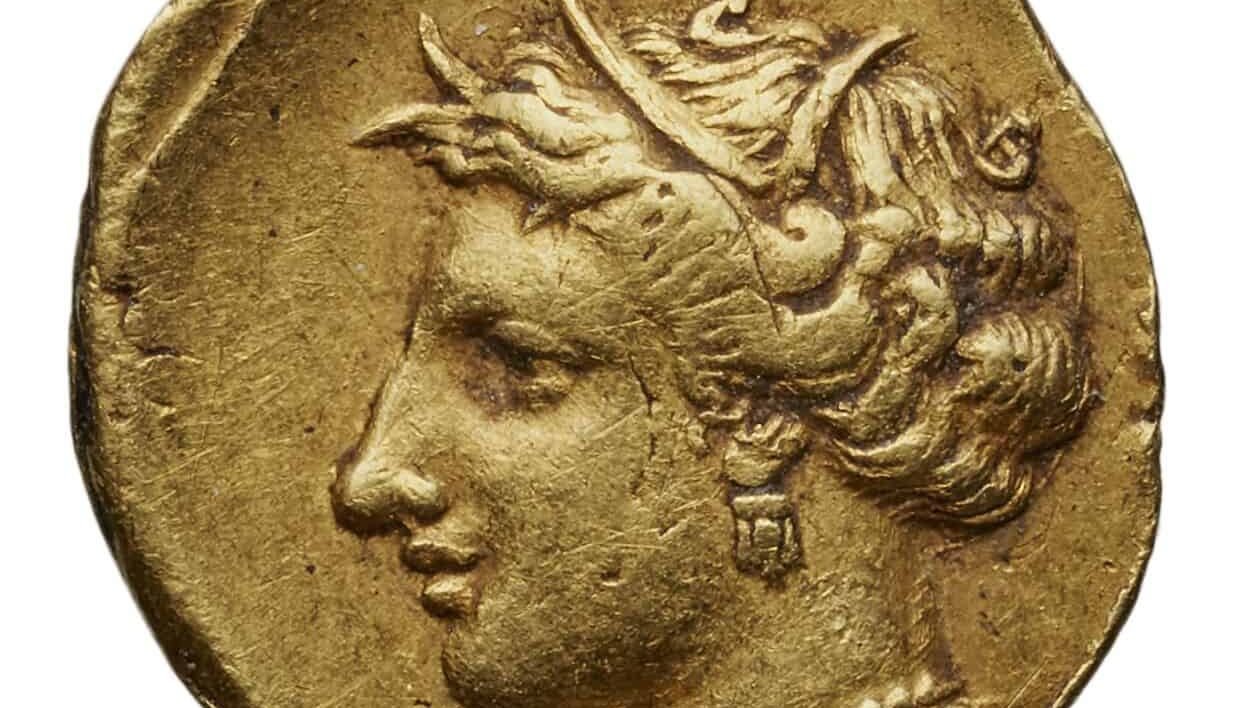
Originally a citizen of Syracuse born to poor parents, Agathocles lived an entire life as a tyrant of Sicily surviving bloody military campaigns, countless assassinations, and vicious sieges laid against his armies.
He would, however, perish from biting down on a deadly wooden toothpick in 289 BC. Someone, either a rival king or, some say, his own grandson, plotted against him, anointing a small toothpick with a slow-acting poison and leaving it out for Agathocles’ dinner.
After eating, he innocently went to pick his teeth, transferring the poison onto his gums. Paralyzed and mute from the poison’s effect on his nervous system, Agathocles couldn’t make a sound as his enemies, believing him dead, consigned him to the flames of a funeral pyre.
Thomas Urquhart
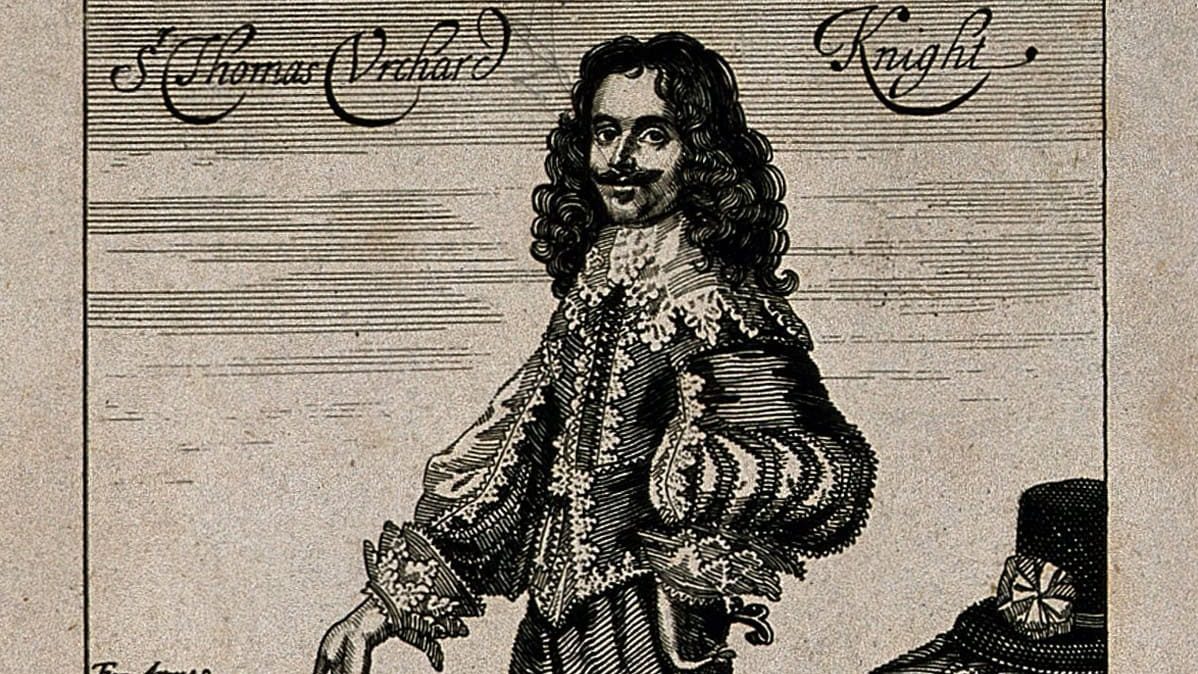
Sir Thomas Urquhart was a Scottish writer, translator and eccentric polymath who lived abroad as an exile for years after fighting for the losing Royalist side in the English Civil War.
The story goes that in 1660, when word arrived of Charles II’s return to the English throne, Urquhart was overcome by such joyous laughter that it continued for hours.
This episode of ecstatic joy was supposedly what killed Sir Thomas Urquhart, making him one of history’s most unusual alleged victims of excessive happiness.
Empedocles of Agrigento
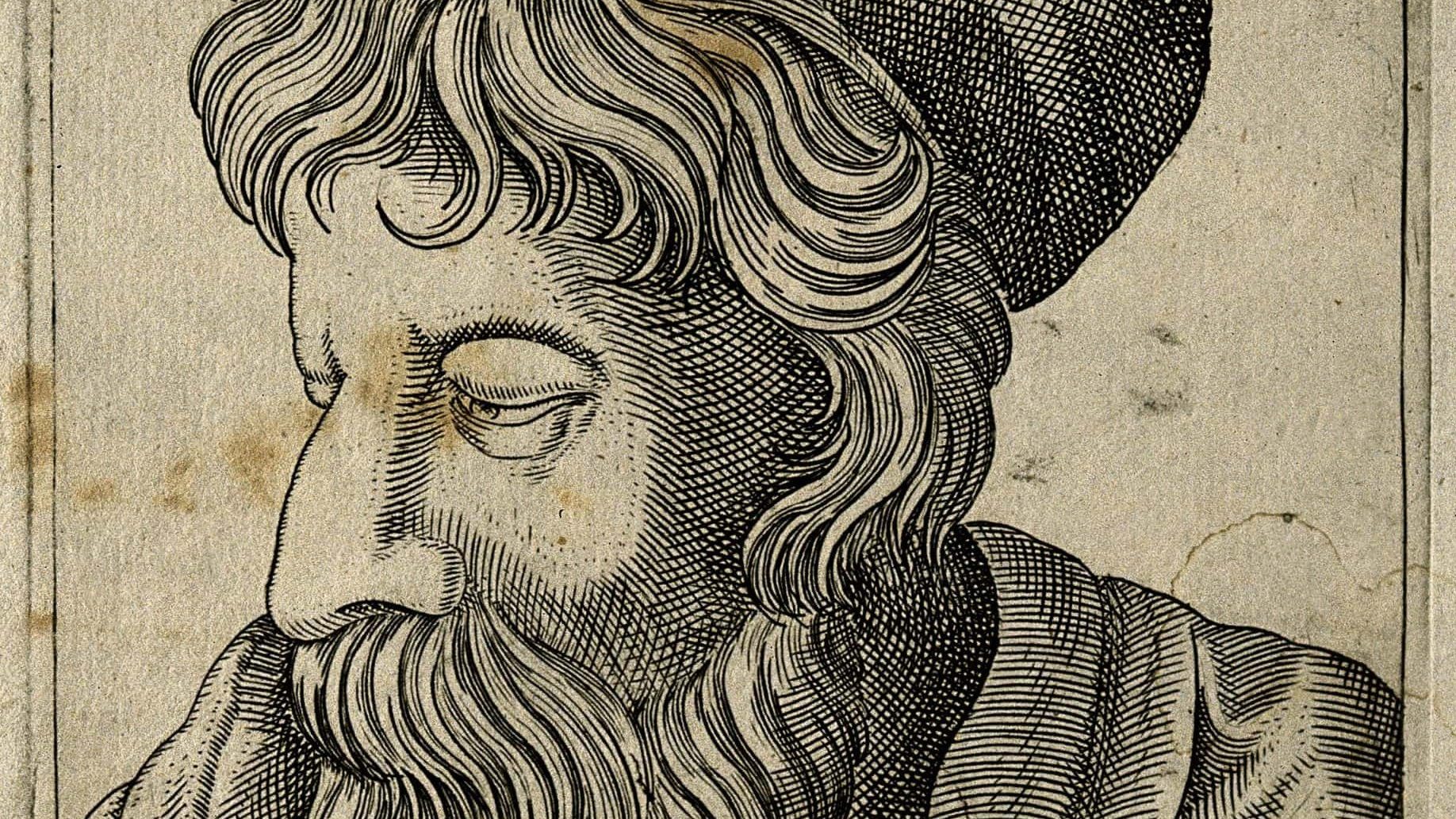
Empedocles was a 5th-century BC Greek philosopher and statesman who reportedly claimed to be a god. It’s said that Empedocles subsequently threw himself into the flames of Mount Etna in Sicily.
He hoped his disciples would believe he had ascended to Mount Olympus because there would be no dead body to prove that he had died like mortals.
However, fate intervened when the volcano cast out a bronze sandal belonging to Empedocles, making his death known.
Sources: Please see here for a complete listing of all sources that were consulted in the preparation of this article.
Like our content? Be sure to follow us.
13 people in history who were betrayed by their closest allies
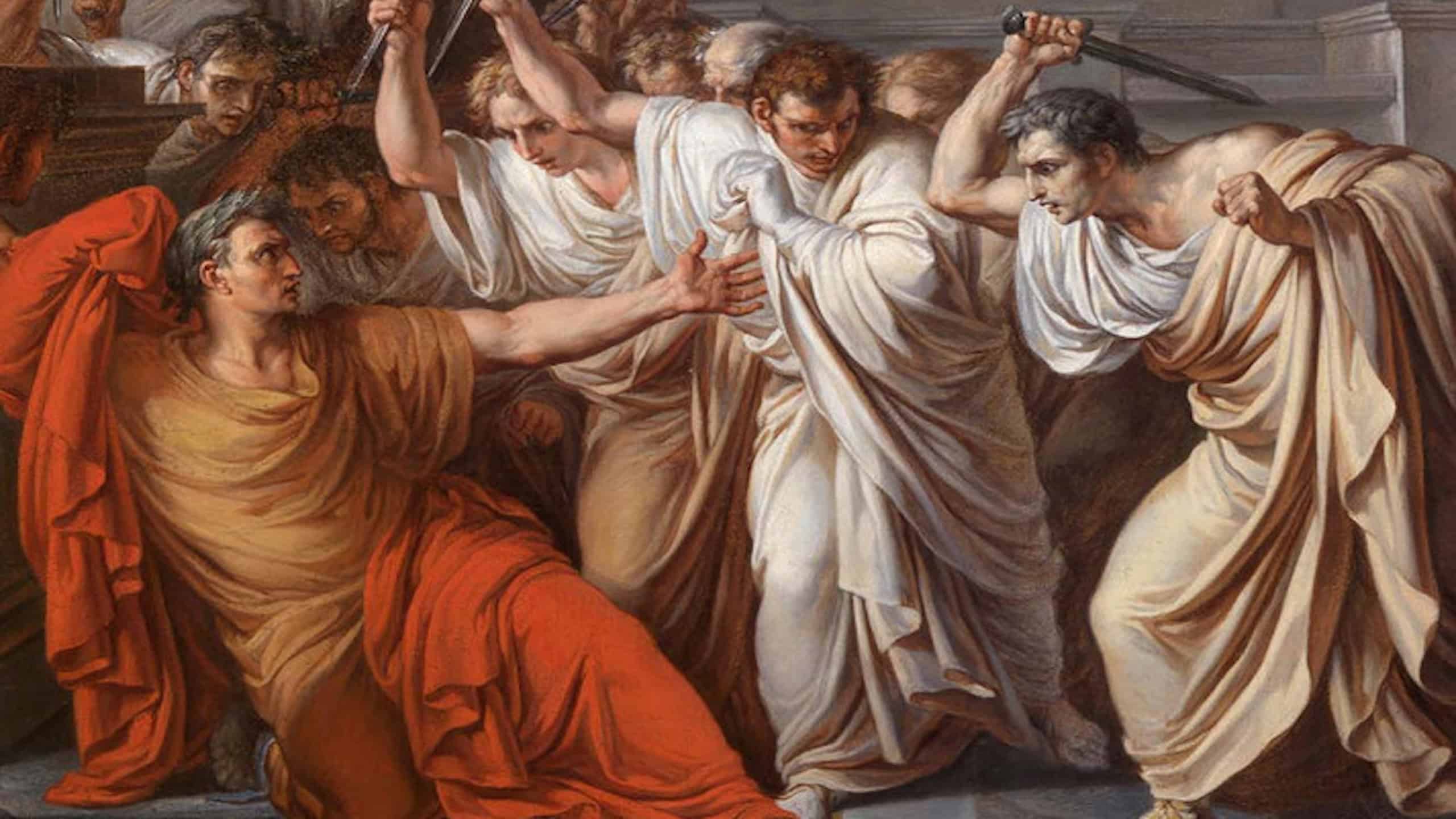
The ugliest betrayals in history are the ones that come from the people who were trusted the most, like relatives and other loved ones.
13 people in history who were betrayed by their closest allies


