
Devoting your life to an invention, only to be killed by it, is likely the saddest way to die and that’s exactly what happened to these folks.
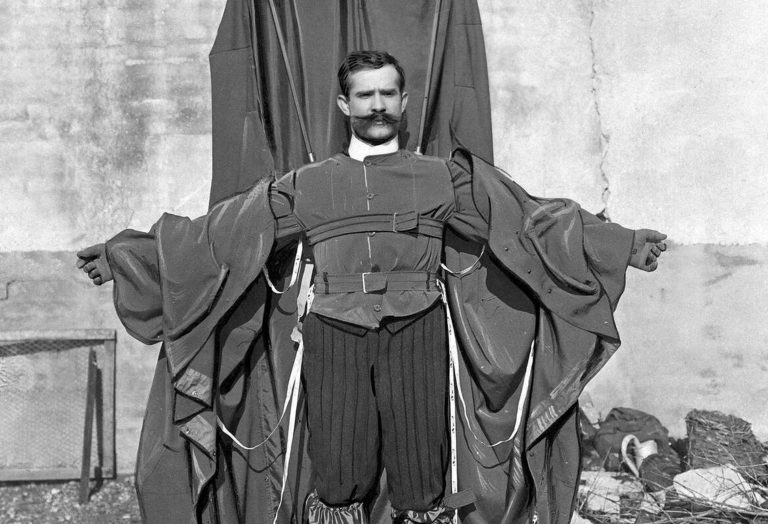
Franz Reichelt (1879-1912)
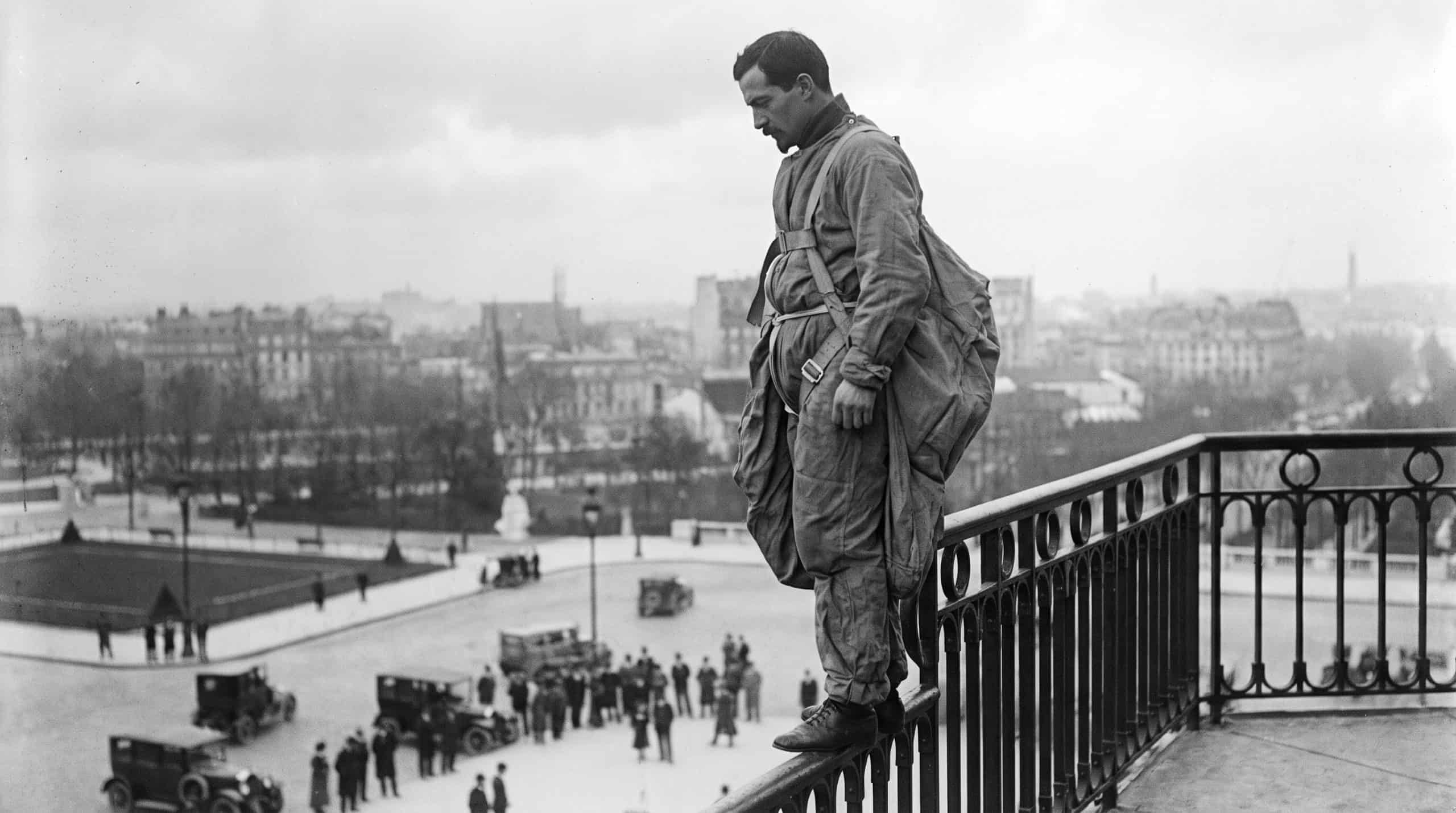
Franz Reichelt was a tailor born in Austria but who worked and eventually lived in France. Reichelt became fixated on creating a parachute for pilots.
On February 4th, 1912, he climbed to the first platform of the Eiffel Tower with his latest creation, a parachute suit that he believed would work. To honor his agreement with reporters and the crowd that had gathered to watch, Reichelt leaped.
Despite warnings and physical restraint from the police, Reichelt remained adamant about conducting the test himself.
Reichelt leaped from the tower in his parachute suit, a poorly designed contraption that failed to deploy, ultimately leading to his 187-foot plunge and immediate death. Photographers, under the impression it was a promotional jump, captured the incident on film.
William Bullock (1813-1867)
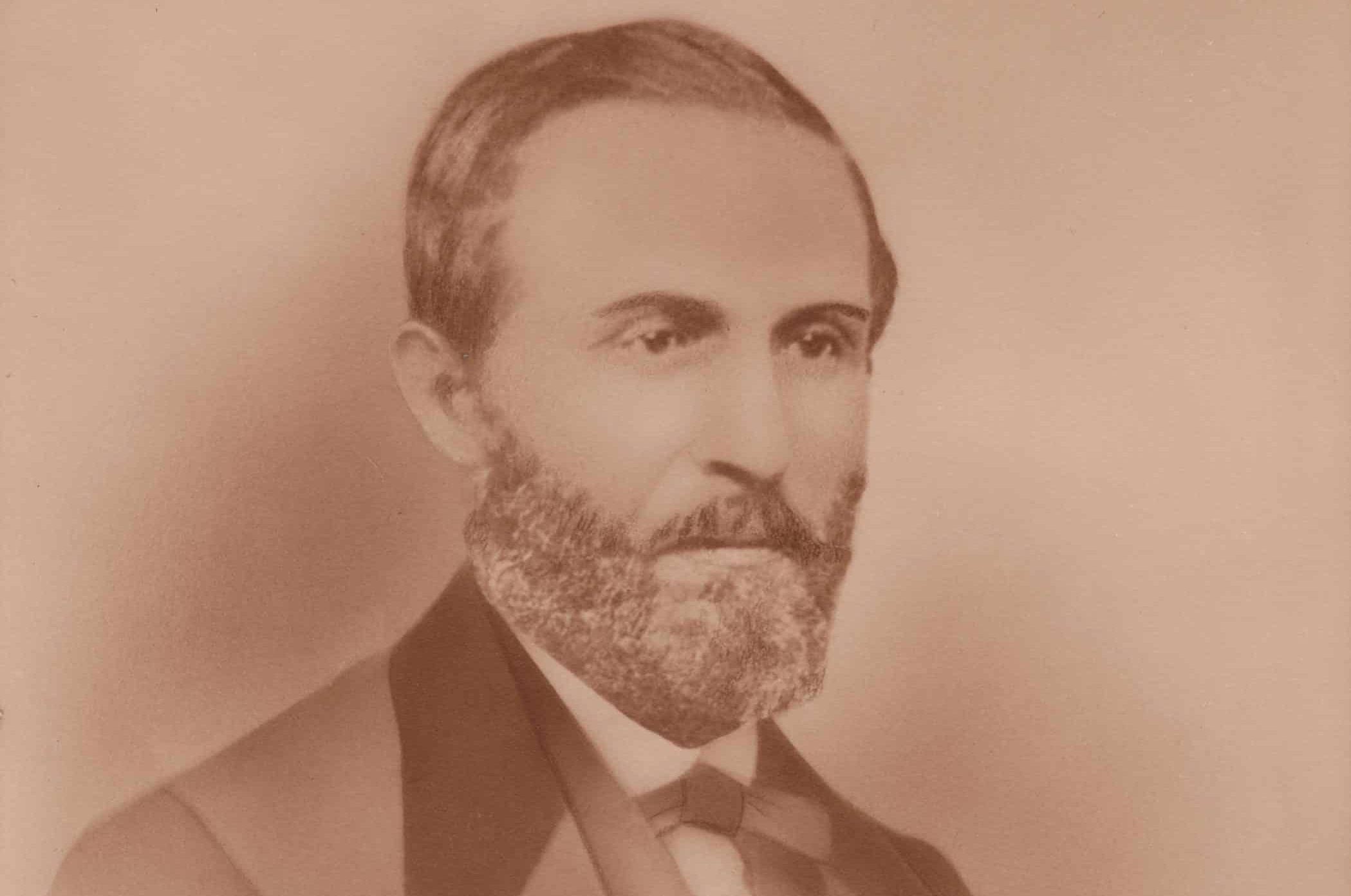
William Bullock, an inventor from America, advanced the printing world through his creation of the web rotary printing press, which enabled constant, rapid printing from vast paper rolls.
In 1867, just a year before he passed away, Bullock was setting up one of his innovative high-speed presses for the Philadelphia Public Ledger. When the press became jammed he attempted to increase speed by kicking a driving belt. His foot became caught in the heavy moving machinery and was crushed.
Bullock died a few days later from gangrene. Tragically, he passed away while doctors attempted to amputate his badly injured leg.
Valerian Abakovsky (1895-1921)

Valerian Abakovsky was a young Russian inventor who designed the Aerowagon, a propellor-driven experimental high-speed railcar meant to transport Soviet bureaucrats.
In 1921, several members of the Bolshevik party leadership decided to take the prototype Aerowagon for a spin from Moscow to the Tula coal mines. While the initial trip to Tula was successful, Abakovsky’s experimental train was traveling at high speed when it derailed on its return trip to Moscow.
Flying off the tracks at close to 100 km/h, the Aerowagon careened into a field and burst into flames, killing Abakovsky and five other top Soviet politicians.
Marie Curie (1867-1934)

It wasn’t so much a mechanical device that failed as the very science Marie Curie helped create: radioactivity. She invented/isolated new elements like polonium and radium and even invented mobile X-ray trucks (Petites Curies) which she mass-produced while the US was out of the WWI.
But for years before anyone realized how horrible ionizing radiation is, she would literally wave around newly discovered radioactive isotopes with wild abandon. She even kept vials of radium in her pockets and in her desk drawer.
Eventually, Marie Curie died of aplastic anemia, a rare and fatal bone-marrow disease that was caused by the enormous doses of radiation she subjected herself to over her lifetime doing science based on her inventions.
Henry Winstanley (1644-1703)
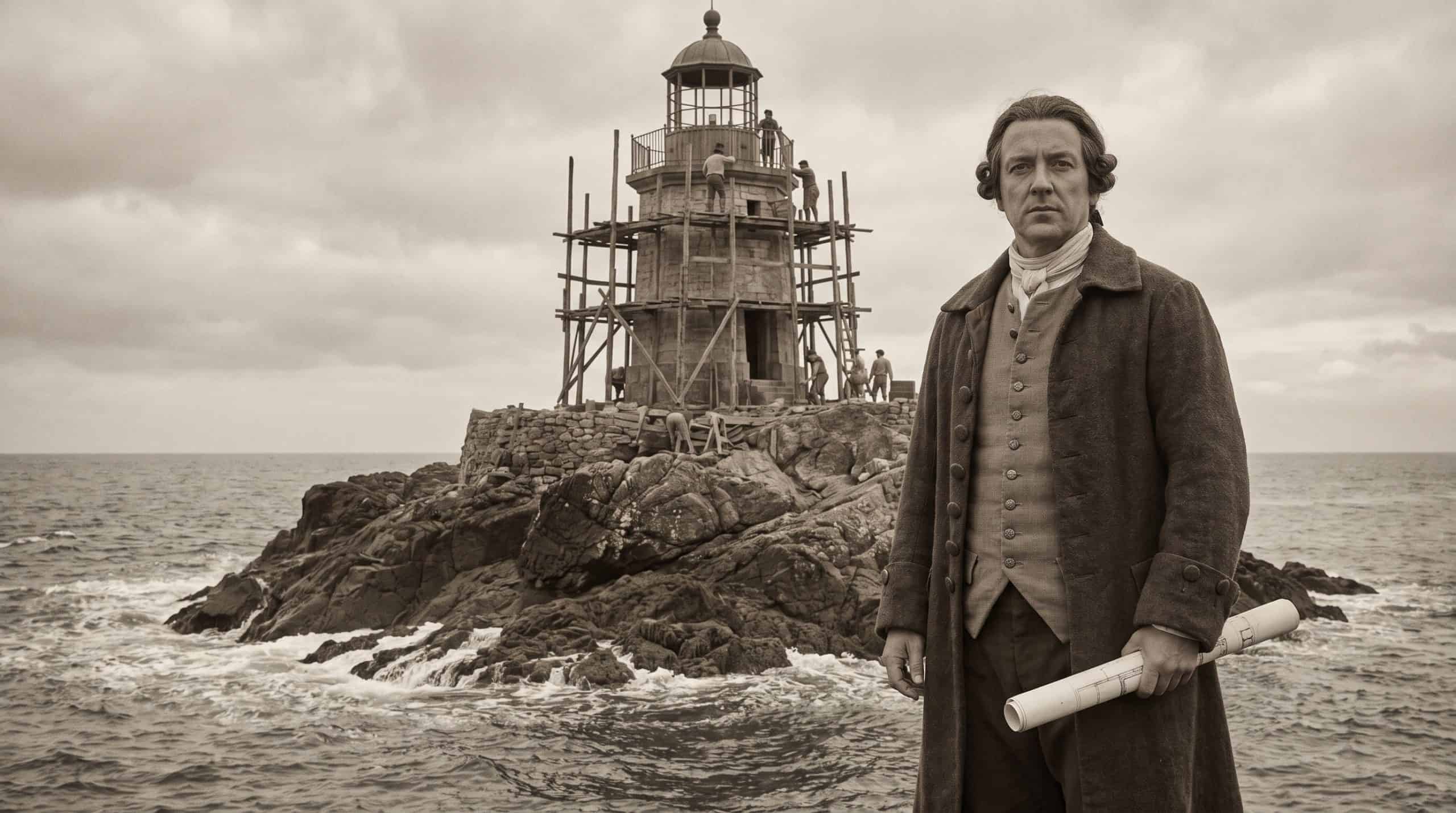
Henry Winstanley was an English engineer and architect best known for building the first lighthouse on England’s dangerous Eddystone Rocks.
With the elaborate and ornamental structure complete, he felt so secure in its construction that he expressed a desire to be within it “during the greatest storm that ever was.”
In 1703, England was hit by “The Great Storm,” which ranks as one of the largest storms ever recorded in the UK. As dawn broke, the lighthouse was nowhere to be seen, utterly demolished by the tempest and washed away into the ocean. Winstanley, along with five other men, was inside conducting repairs when the lighthouse was destroyed.
Jean-François Pilâtre de Rozier (1754-1785)
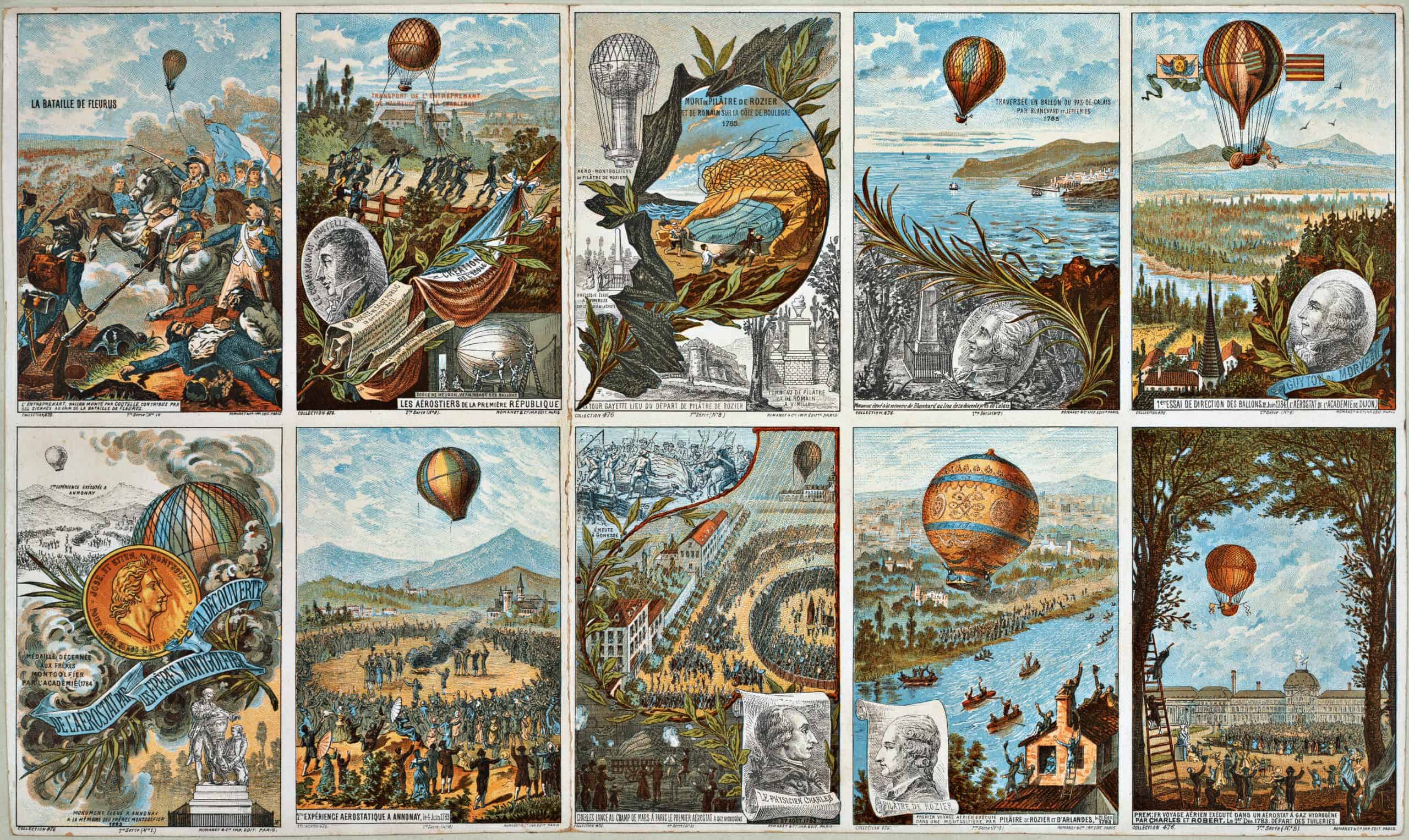
A teacher of physics and chemistry in France, De Rozier was one of the true fathers of flight. He and Marquis d’Arlandes were the first to make a manned free balloon flight using a Montgolfier hot-air balloon.
Later he invented the “Rozière balloon”, a perilous hybrid craft that used separate compartments both for hot air (to provide lift) and for a lifting gas such as hydrogen (to provide endurance). While trying to cross the English Channel in this balloon in 1785, a sudden gust of wind pushed the balloon off its intended path close to the French coast.
In trying to vent the hydrogen to prepare for landing, an electrostatic spark (or perhaps just the naked flame of the balloon’s open furnace) ignited the hydrogen. The balloon quickly caught fire and plummeted to the ground, killing De Rozier and his passenger instantly.
Horace Lawson Hunley (1823-1863)
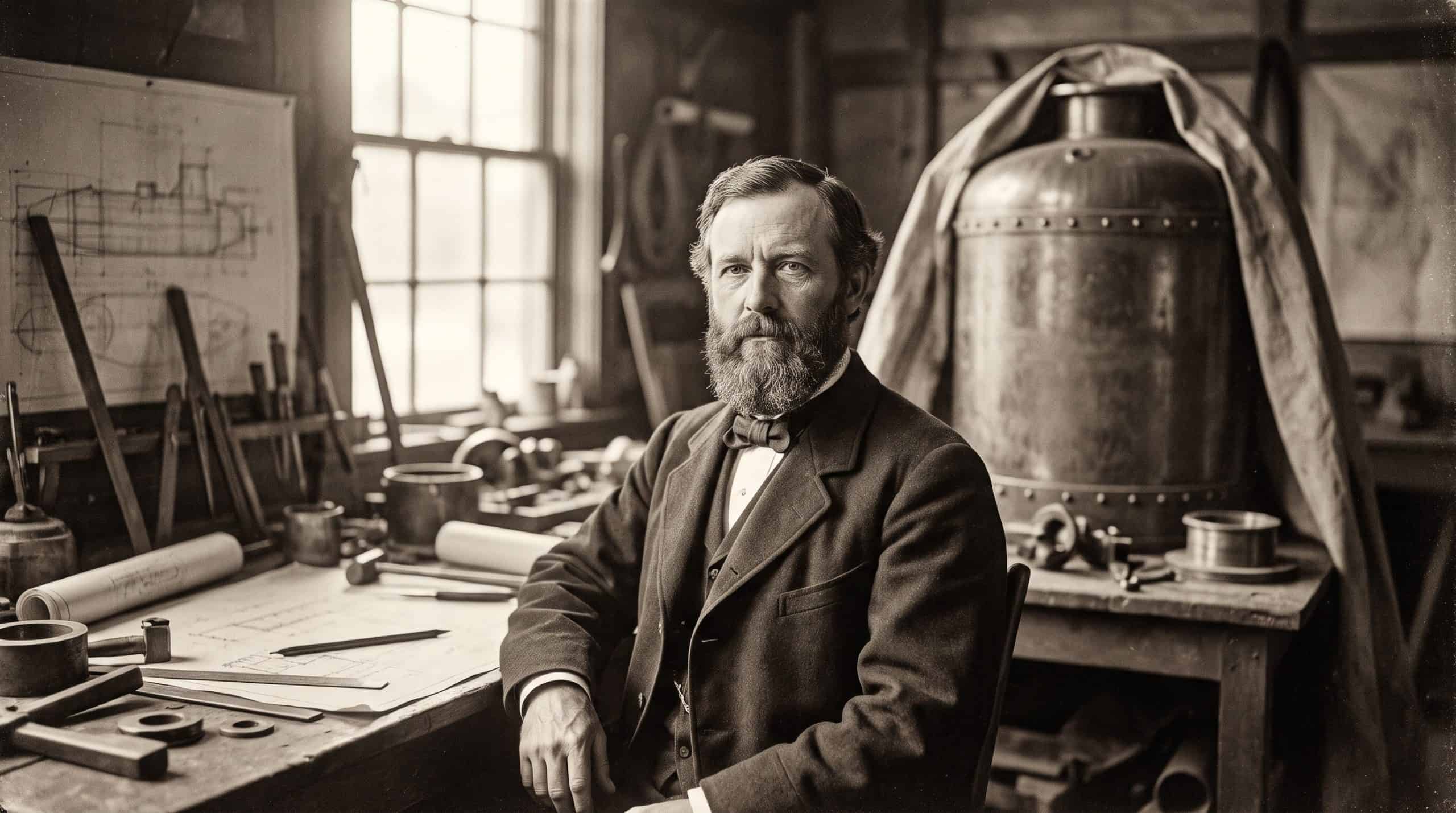
Hunley was an American Civil War marine engineer and designer of the first combat submarine to achieve success. His CSS H. L. Hunley would become the first submarine in history to sink an enemy warship, but had sunk with all hands several times prior under experimental testing.
One of the problems was that it was basically hand- operated (arms used a cranking device to move it through the water) and prone to accidental flooding. Despite these problems and deaths, Hunley ordered the submarine to dive in Charleston Harbor for a standard training and testing procedure in October 1863.
The submarine never made it back to the surface, and the pocket battleship took down its commander along with six other crewmen. The submarine was salvaged, repaired, and used successfully to attack and sink a Union warship just four months later.
William Nelson (d. 1903)

William Nelson was an employee at General Electric (working in their research center in Schenectady, NY) and would-be inventor.
In 1903, he created what he thought was a revolutionary new mode of transportation: a motorized attachment to a bicycle.
While riding his new invention on the street to test out its speed and maneuverability, the device fell apart. This caused him to violently crash and suffer serious injuries that would later lead to his death.
Thomas Midgley Jr. (1889-1944)
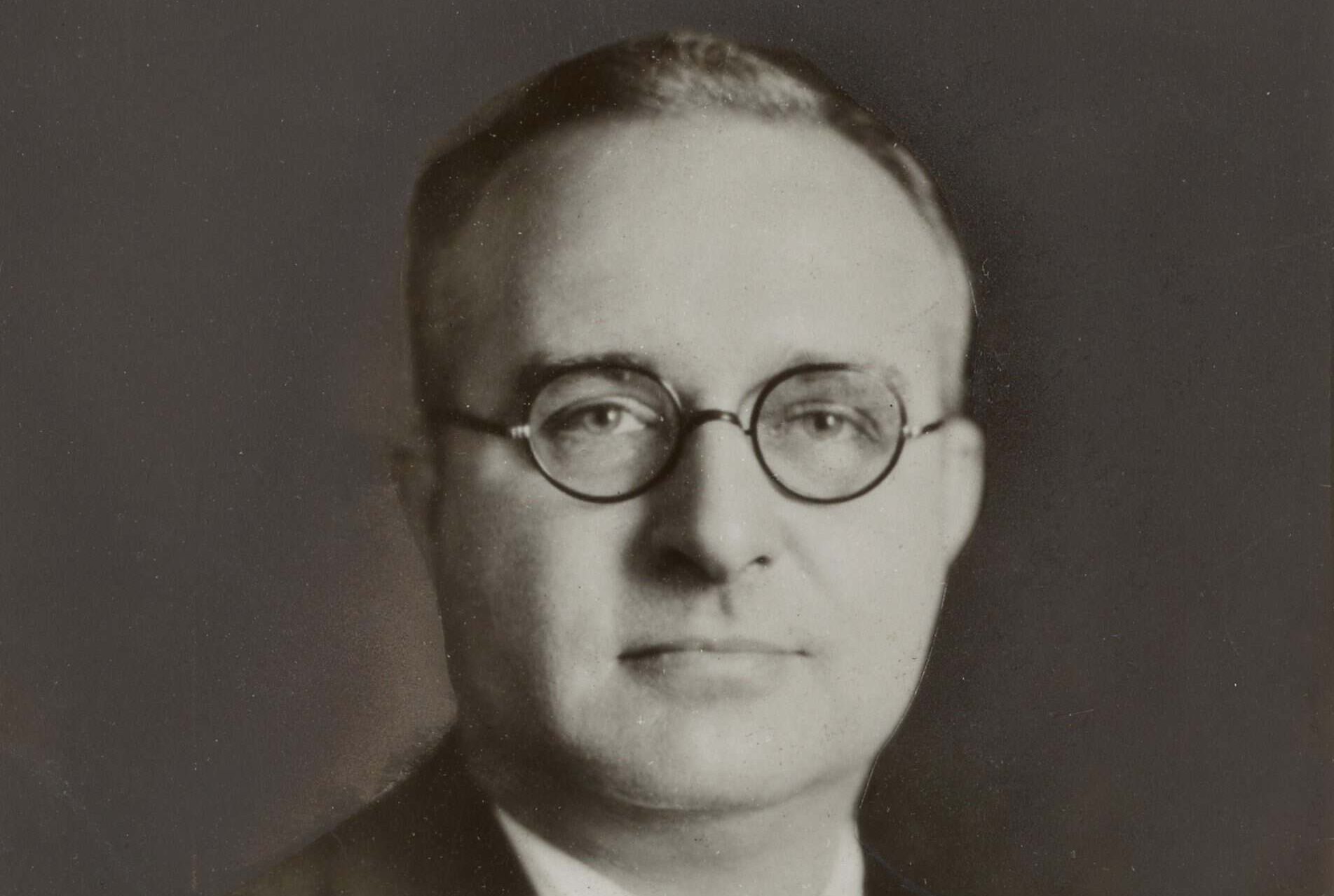
Thomas Midgley Jr. was an intelligent chemical inventor whose life’s work resulted in the two most environmentally harmful substances known to man: leaded gasoline (tetraethyl lead), and Freon (CFCs).
Ironically his death was not due to chemical fumes, but to mechanical ones. After becoming crippled by polio, Midgley designed an elaborate system of pulleys and ropes that lifted him into and out of bed. Trapped in his own ropes in 1944, Midgley was strangled to death before he could alert anyone for help.
Otto Lilienthal (1848-1896)
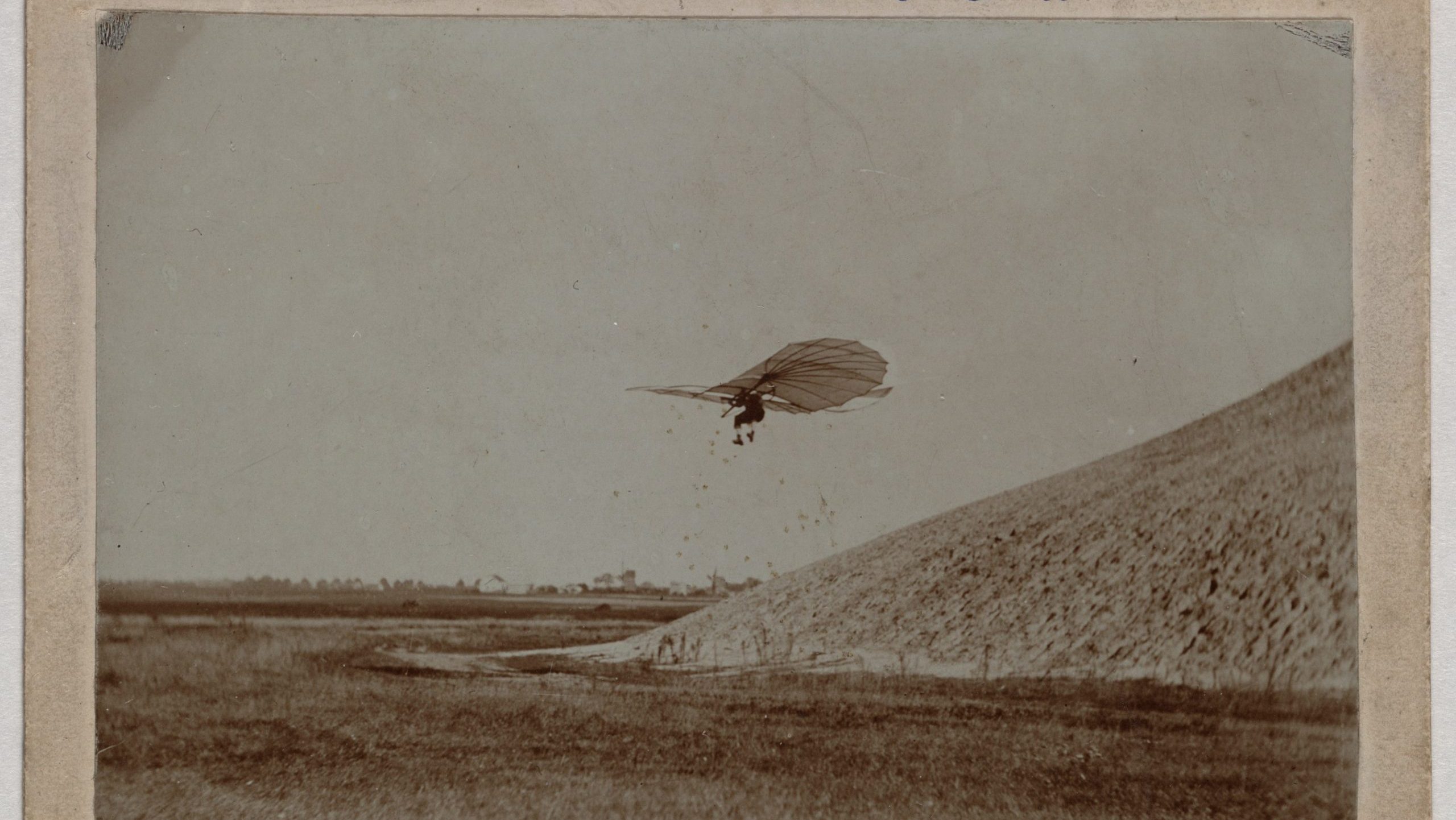
Nicknamed the “Glider King”, Otto Lilienthal was the first person ever to make repeatable, documented successful glider flights.
He was possibly the father of modern aerodynamics. He designed fixed wings and made thousands of controlled, unpowered flights on gliders he designed himself.
During a typical flight near Rhinow in 1896, Lilienthal’s glider stalled due to a sudden wind gust, leading to his loss of control. The aircraft nose-dived 50 feet into the ground below crushing his spine. He died the next day in a Berlin hospital mumbling “Sacrifices must be made.”
Li Si (c. 280–208 BC)

Li Si wasn’t even a scientist or engineer, he was a Chinese philosopher, calligrapher, and Prime Minister who invented standardized laws and China’s first true standardization during his time unifying the Qin Dynasty.
He enforced his extreme version of authoritarian Legalism with torture and a punishment system called the Five Punishments. However, his greatest invention might just be standardizing a torture-execution method called The Five Pains (literally translated from Chinese or in the most severe form, waist-chopping).
Once the Emperor Li Si had passed away, a rival politician moved to have him apprehended for treason. He was found guilty and ordered to be executed by The Five Pains method of torture-death that he personally made legal years ago: tattooing, removal of nose/feet, and being chopped in half at the waist.
Sources: Please see here for a complete listing of all sources that were consulted in the preparation of this article.
Like our content? Be sure to follow us.
10 historical figures who took secrets to the grave

Unanswered questions are the worst, and it’s even more terrible when they continue to be unanswered because the people with the answers took them to their graves.


