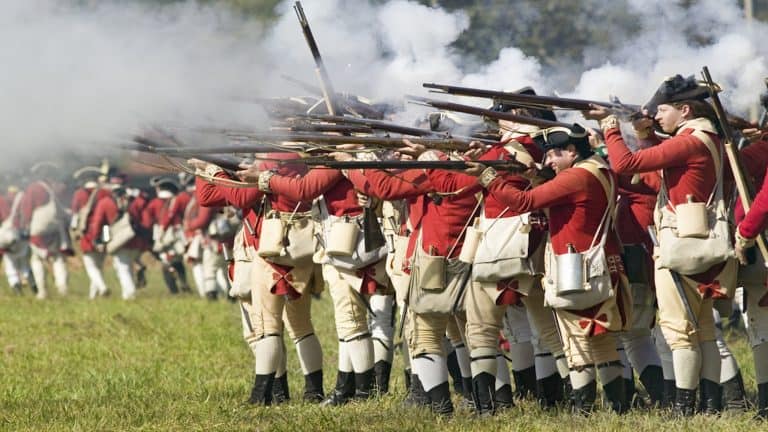

The Civil War sure was a bloody time for America, but it was also a time of some weird occurrences that you might not have heard about.
Some soldiers’ wounds reportedly glowed in the dark
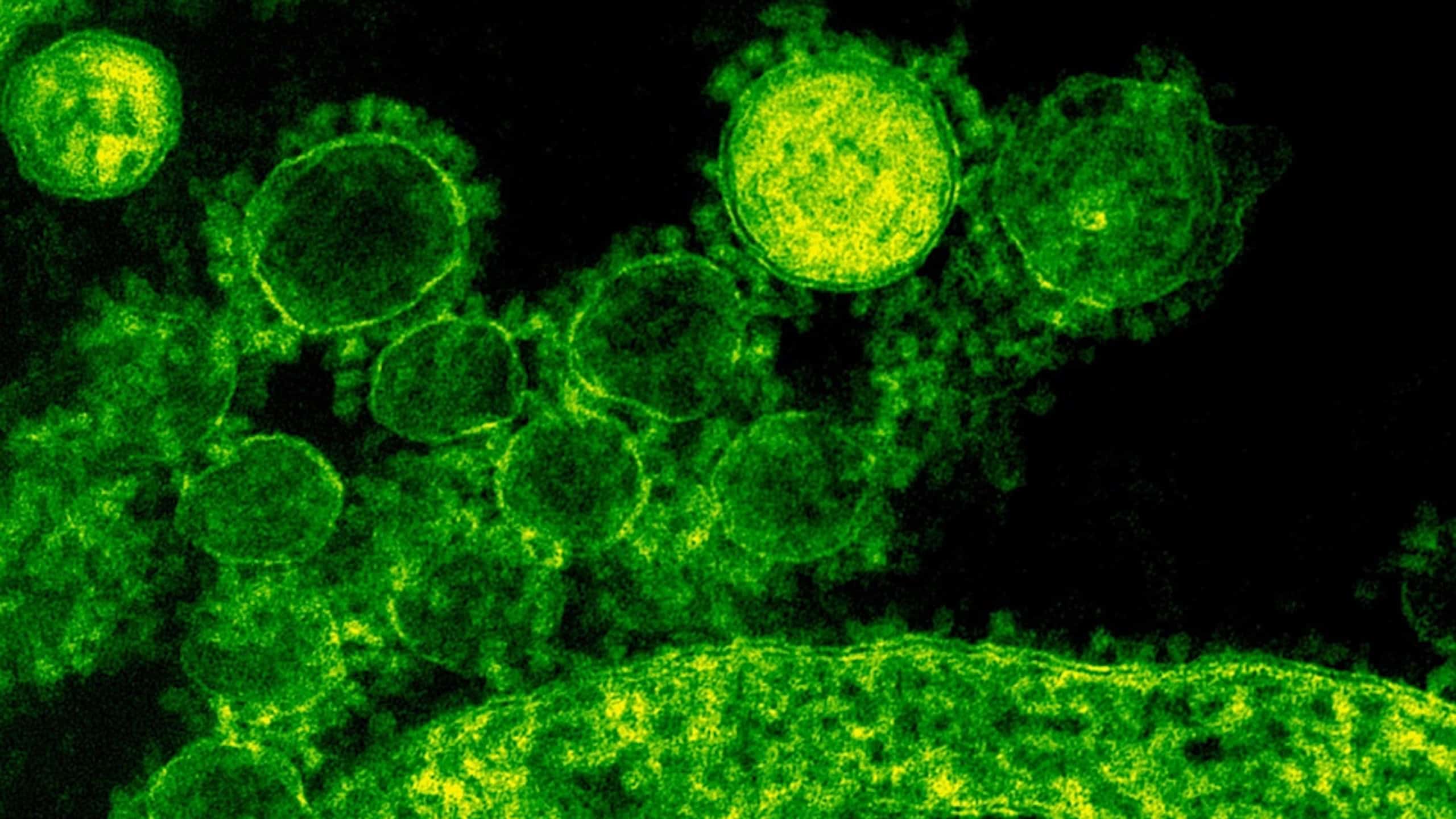
The Battle of Shiloh took place in the cold Tennessee mud on April 6 and 7, 1862. But the strange part came at night. Reports say that some of the soldiers’ wounds started giving off a faint blue light and literally glowed in the dark. How strange.
Scientists believe it may have been caused by a bacterium called Photorhabdus luminescens, carried by tiny worms in the soil. The bacteria can glow, although they don’t normally survive at human body temperature. They only survived in the soldiers’ wounds because it was so cold.
The Union operated a military balloon corps
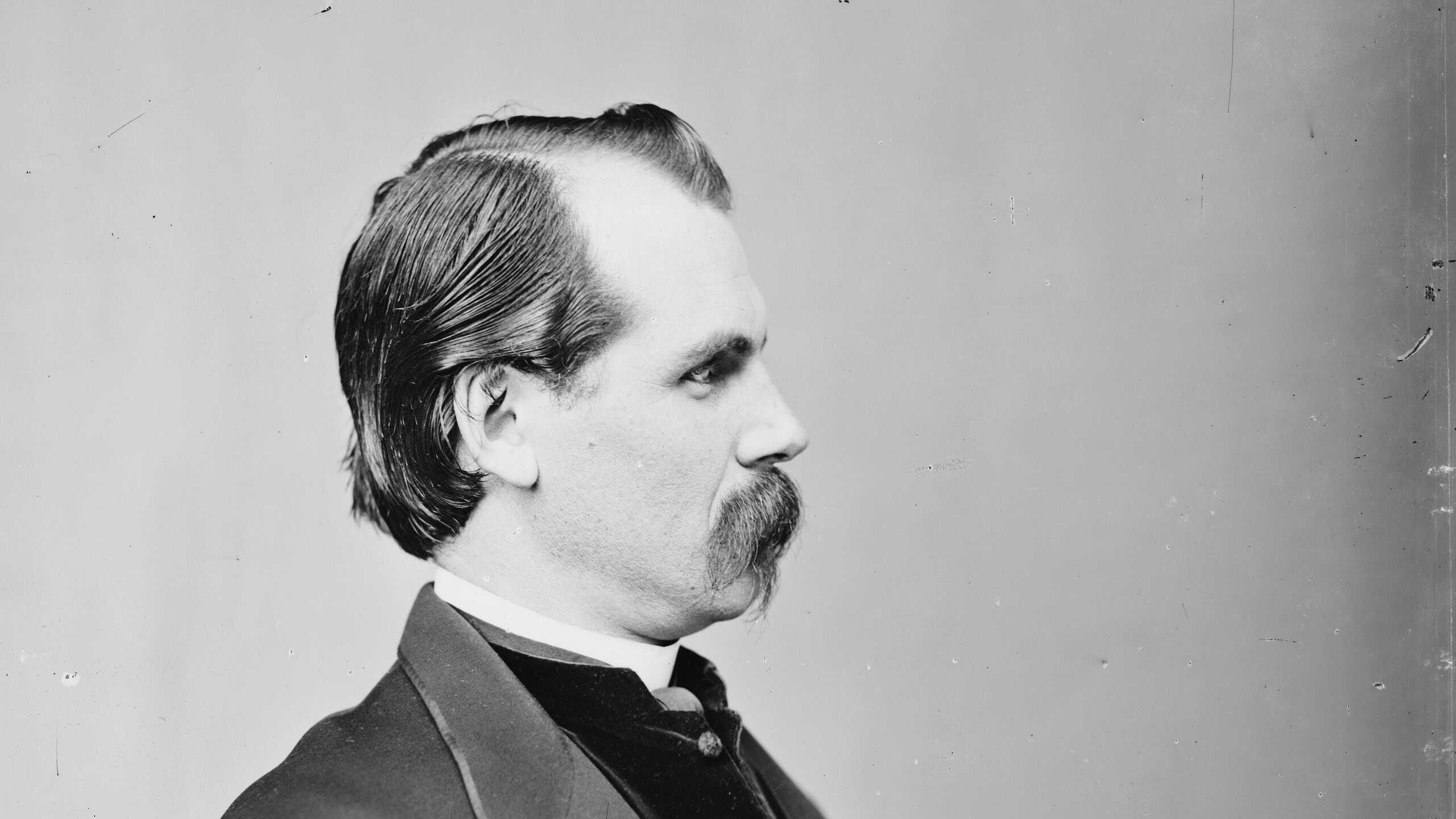
The Union Army couldn’t exactly rely on airplanes to fight during the Civil War because, well, they hadn’t been invented yet. But that didn’t stop them from trying aerial combat. They sent balloonists into the sky to spy on Confederate troops.
One of these balloonists was Thaddeus Lowe, who actually demonstrated the idea to Abraham Lincoln in June 1861. He ran a small balloon operation for the Army of the Potomac. Lowe climbed roughly 1,000 feet during the Peninsula Campaign in 1862 and watched enemy movements below. Yes, it was slow, and yes, it was awkward, but it did work.
Hundreds of women may have fought while disguised as men
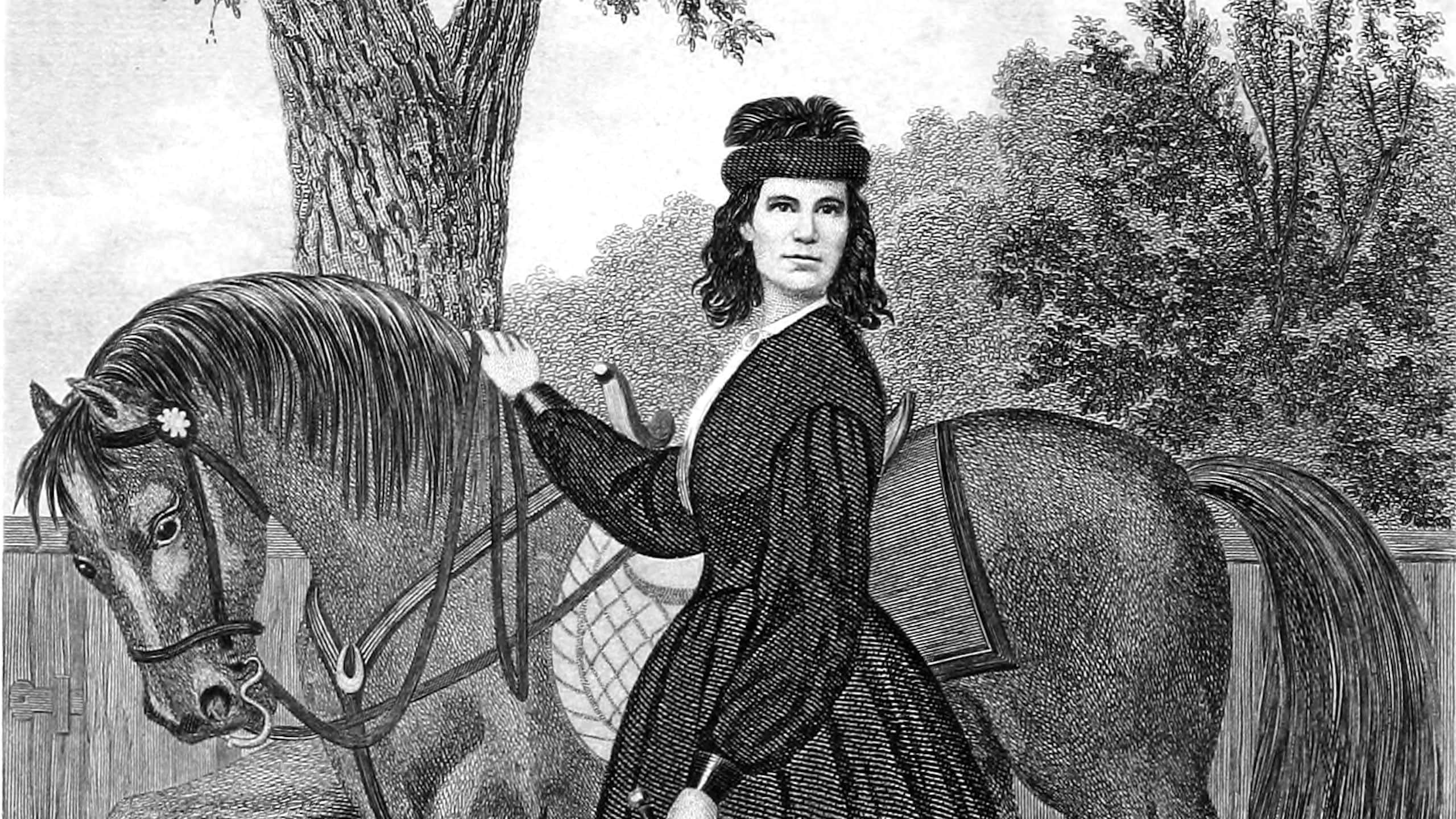
Nobody knows exactly how many women fought in the Civil War. That’s mostly because these women were so good at hiding it. It’s generally agreed, however, that around 400 to 750 women became part of Civil War units while presenting themselves as men.
It wasn’t as hard as it sounds, though. Medical checks were relatively loose, and baggy uniforms meant these women didn’t have to try too hard. One of the most famous examples was Sarah Emma Edmonds, who joined under the name Franklin Flint Thompson.
One famous young soldier left home at nine
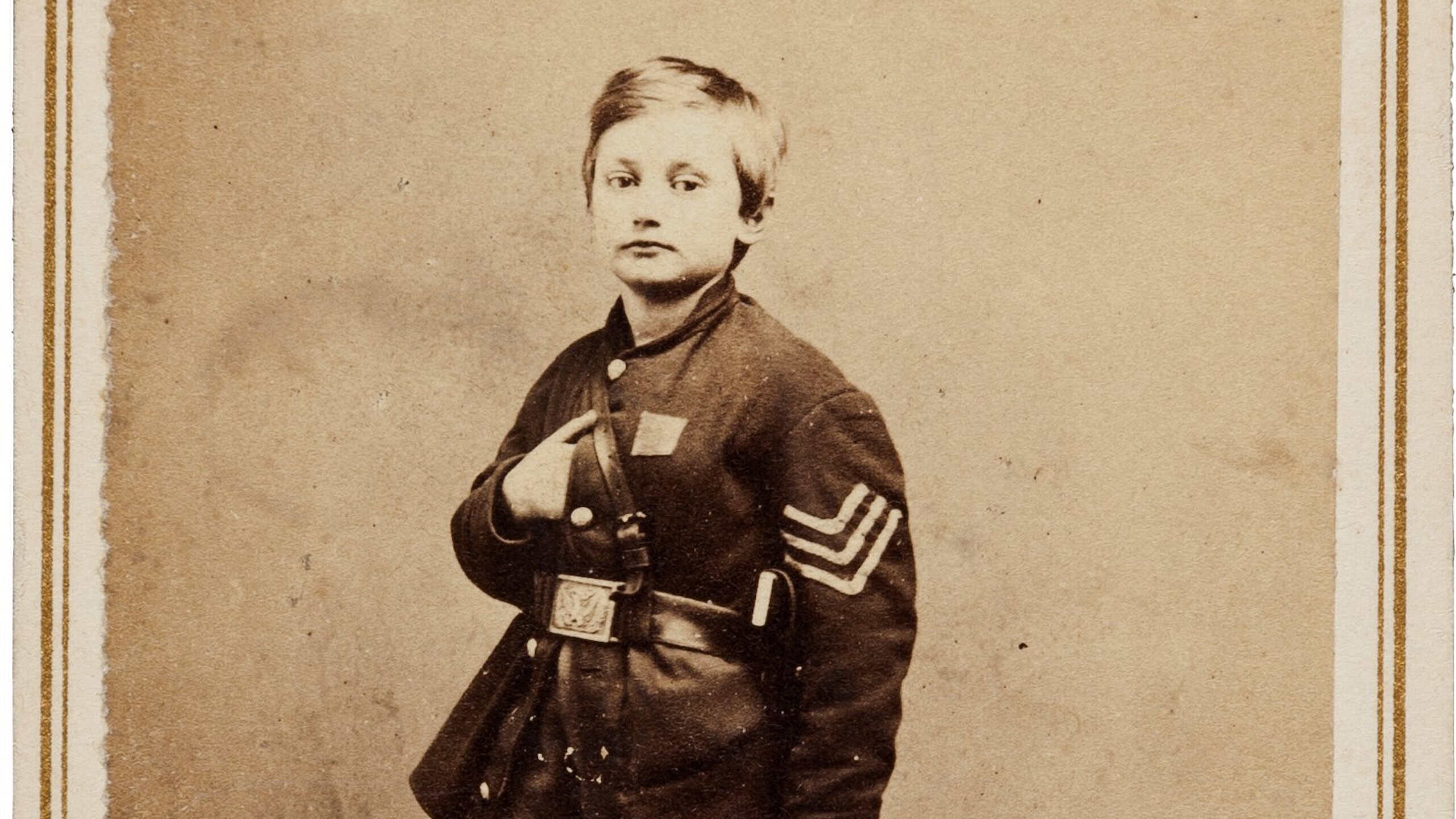
Nine years old. That’s how old John Clem was when he ran away from his Ohio home in 1861 to join the Union Army, just nine years old. It probably won’t come as a surprise that the first regiment turned him down. But Clem was determined and kept following soldiers anyway.
He eventually attached himself to the 22nd Michigan Infantry by doing odd jobs around camp. The unit actually formally accepted him in 1863, and Clem became known as the ‘Drummer Boy of Chickamauga.’ He was later promoted to sergeant.
A Confederate warship had decorated flushing toilets
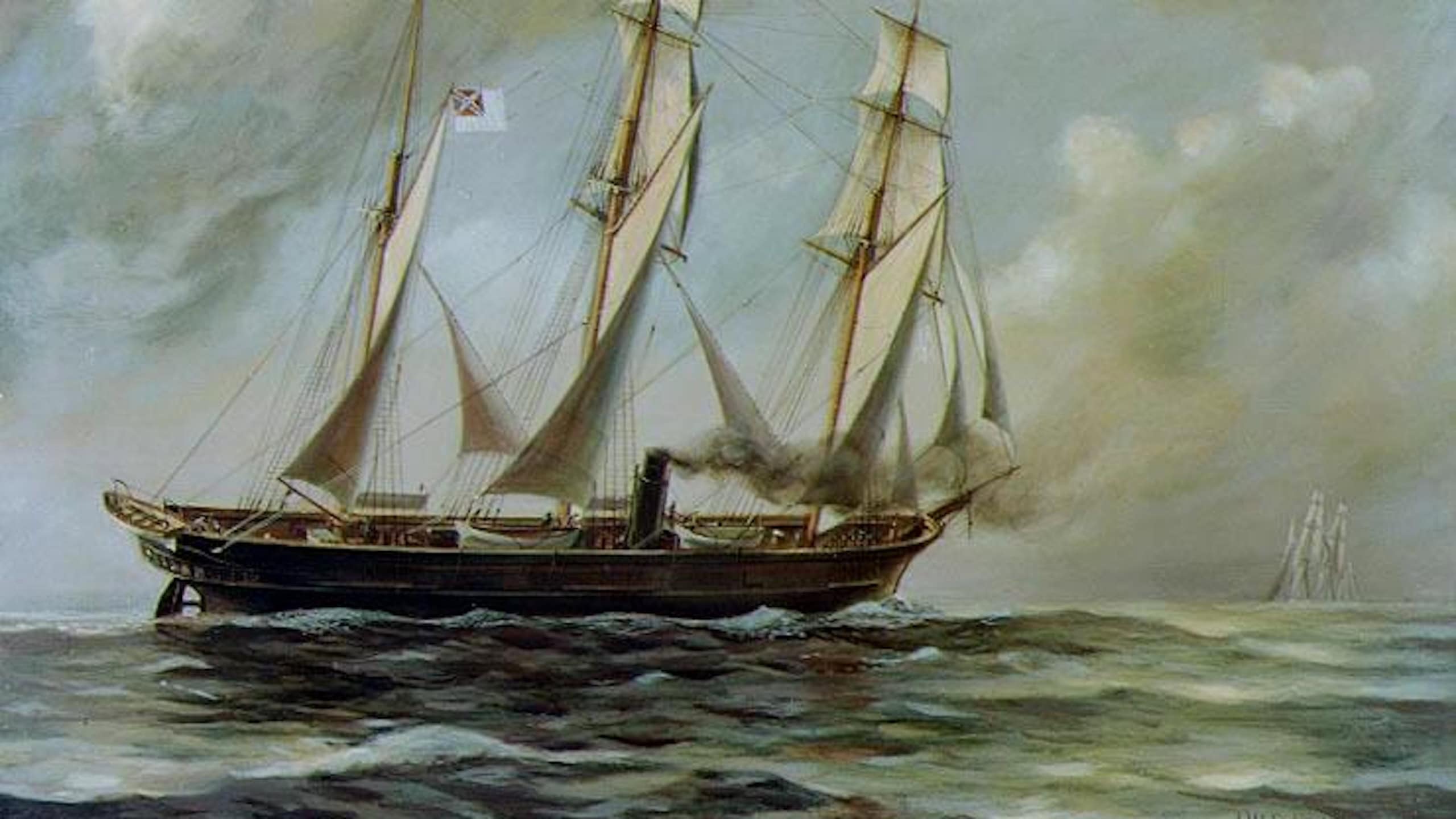
The CSS Alabama spent nearly two years attacking Union merchant ships. But it had a secret below deck that was surprisingly modern, and that was flushing toilets. Yes, really. These toilets were beneath the bridge and decorated in a specific pattern.
They had blue countryside and boating scenes in a pattern called ‘Rhine.’ It’s not like these toilet designs were particularly common or anything, but still. Someone had taken the time to decorate the toilets for a Confederate warship. It doesn’t get stranger than that.
The war created a booming embalming trade

Getting a dead soldier home wasn’t exactly easy in those days. It could involve days on a train, and it’s thanks to this delay that embalming became a lot more popular. Practitioners worked near hospitals and camps, as well as battlefields, preserving bodies with injected chemicals.
They would eventually ship the bodies off. One of the busiest embalmers was Dr. Thomas Holmes, who claimed to have personally embalmed about 4,000 soldiers. He charged up to $100 per body, around $2,050 in modern money. It was a high-earning business, clearly.
Disease killed far more Black Union soldiers than combat did
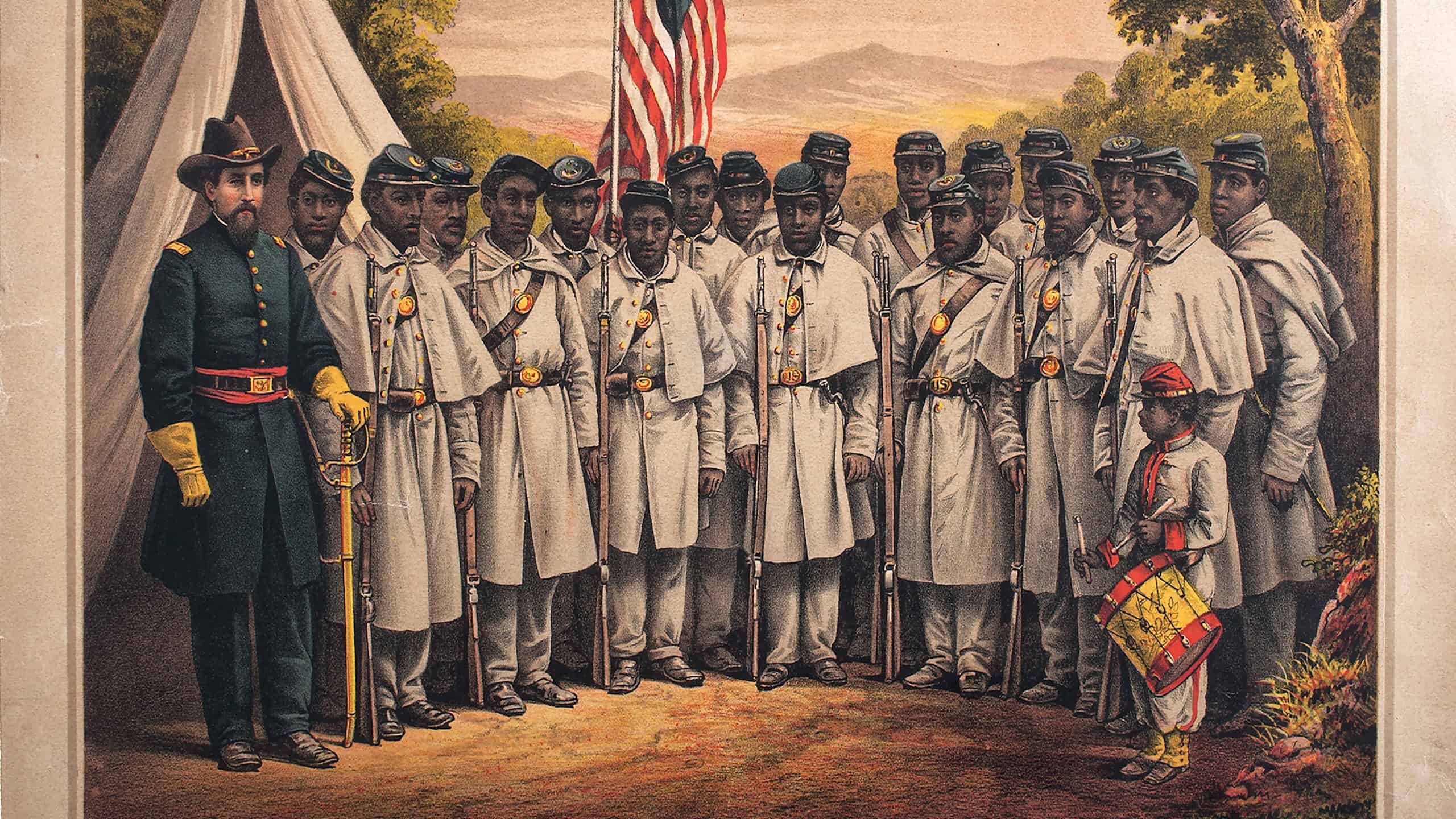
You’d think that combat would be the biggest killer during the Civil War. It was, at least for the white soldiers. Disease killed more soldiers in the United States Colored Troops regiments than any fighting did. Over 170,000 Black men served in those units in camps with poor sanitation.
Medical care was limited, and exposure to diseases like smallpox was way too common. Around 25 men in the 56th United States Colored Infantry were killed during the fighting, but disease killed 649. It was a similar story in the 26th, where combat killed 30 and illness killed 115.
The final shots were fired near the Arctic Circle
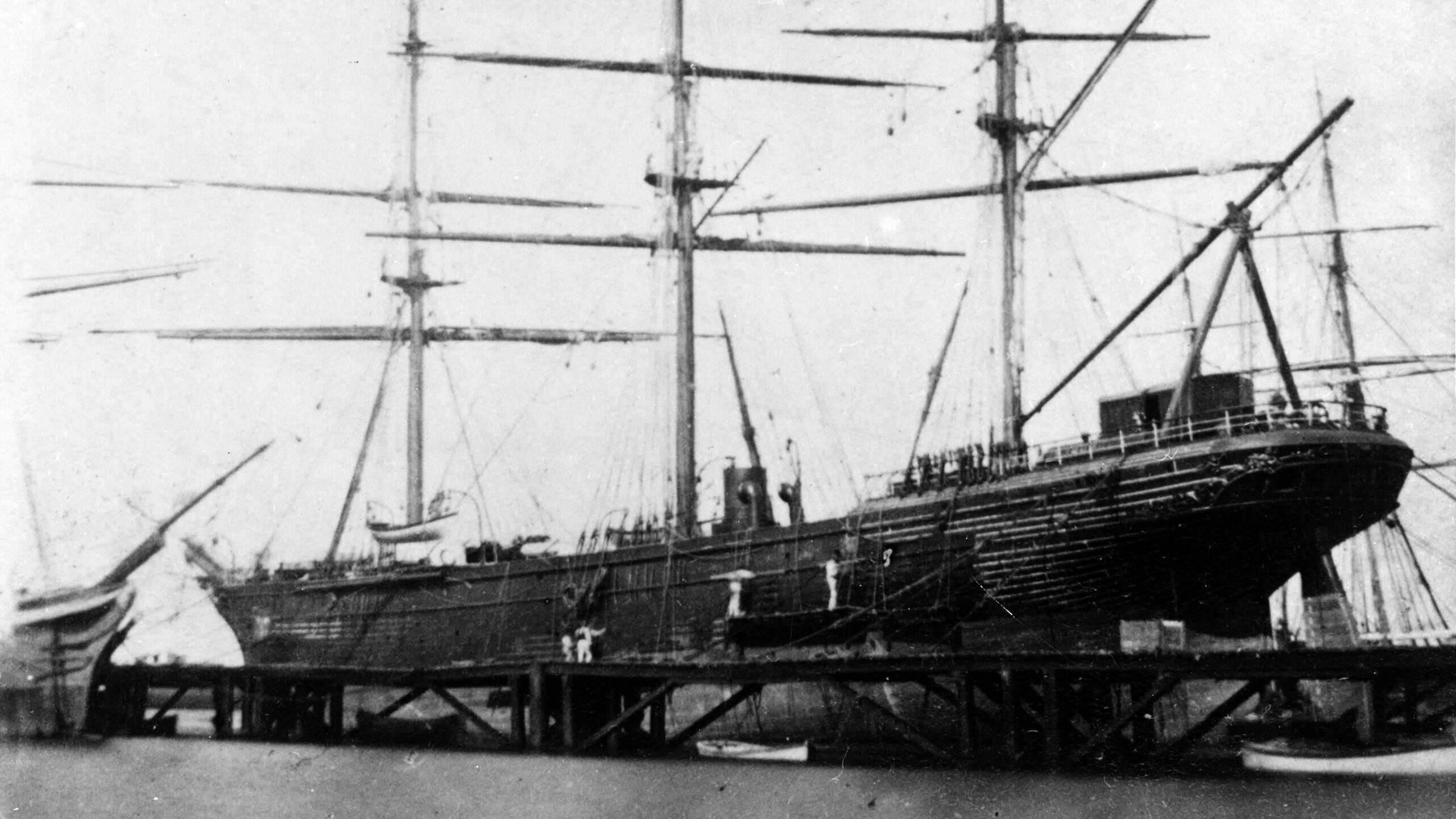
On June 22, 1865, the Civil War was basically over. It’s just that the crew of the CSS Shenandoah didn’t know it yet. The Shenandoah was a Confederate raider, and it spotted the whaling ship Sophia Thornton in the Bering Sea. It fired across its bow.
General Lee had already surrendered two months earlier, but the news took a while to travel at sea. That shot actually became the last shot of the war, meaning the Civil War technically ended near the Arctic Circle, far away from the main battlefields.
Stonewall Jackson’s arm has a separate grave
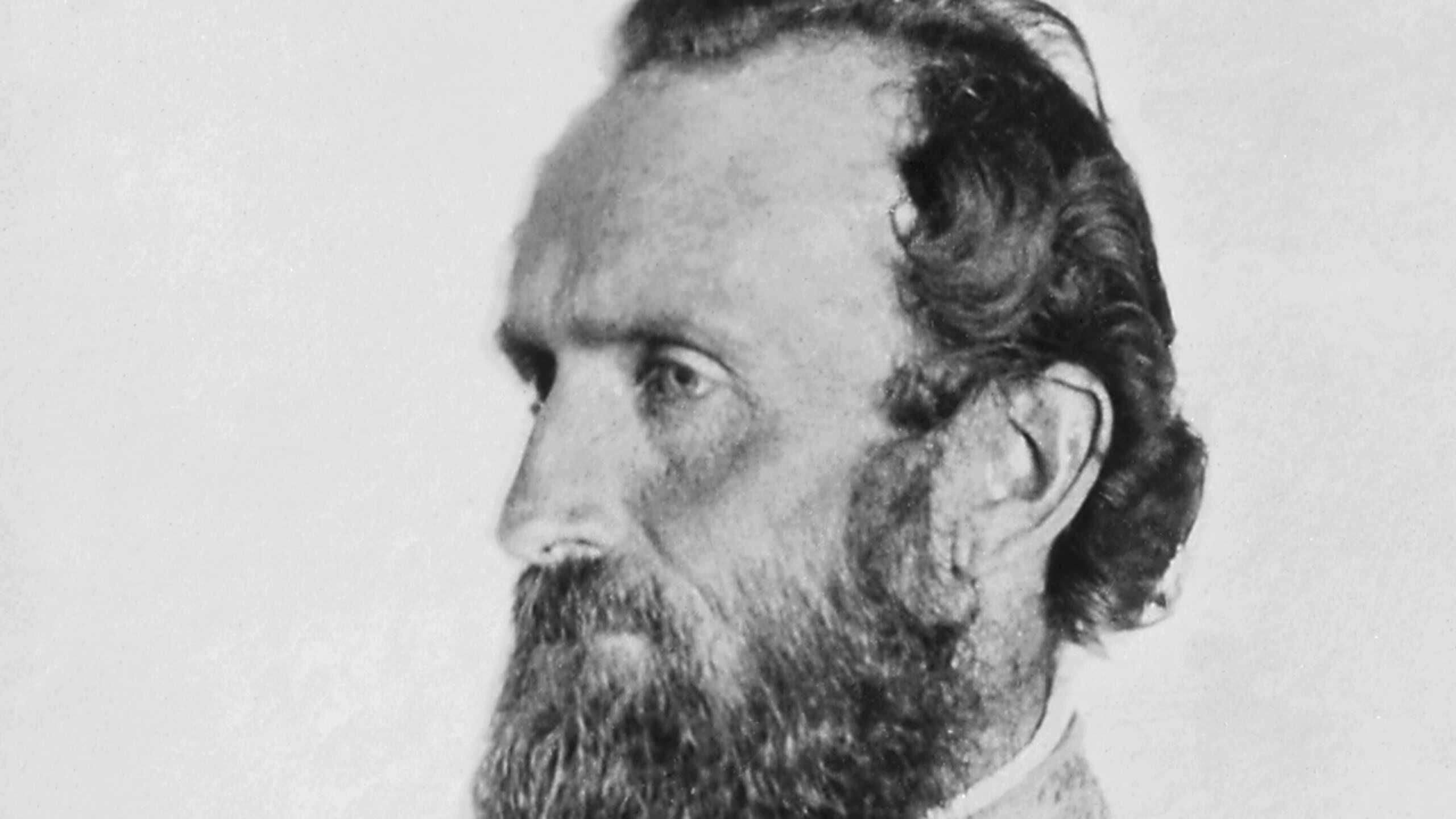
The weird thing about Stonewall Jackson has to do with his burial. His body, or at least most of it, is buried in one place, but his left arm is buried about 120 miles away. It’s all because Confederate troops accidentally shot him after dark at Chancellorsville on May 2, 1863.
Surgeon Hunter McGuire had to remove the badly damaged arm the next morning, but the chaplain didn’t want it thrown into a pit with other amputated limbs. He believed Jackson’s arm deserved more than that. So, he had it buried at Ellwood Manor in Virginia. Jackson died eight days later from pneumonia, and the arm remained at Ellwood. It even has its own marker.
Confederate agents tried spreading disease through clothing

Biological warfare isn’t exactly something new, and even Civil War officers tried using it in 1864. Confederate operatives filled trunks with clothes and bedding used by people who had yellow fever. The goal was to use these trunks to make Union soldiers sick.
Kentucky doctor Luke Blackburn was apparently the mastermind behind it, while Godfrey Hyams was meant to hand out the items. It didn’t work, though. Mosquitoes spread yellow fever through bites, so there was no way that the contaminated material would’ve made anyone sick.
Sources: Please see here for a complete listing of all sources that were consulted in the preparation of this article.
12 African American Civil War heroes
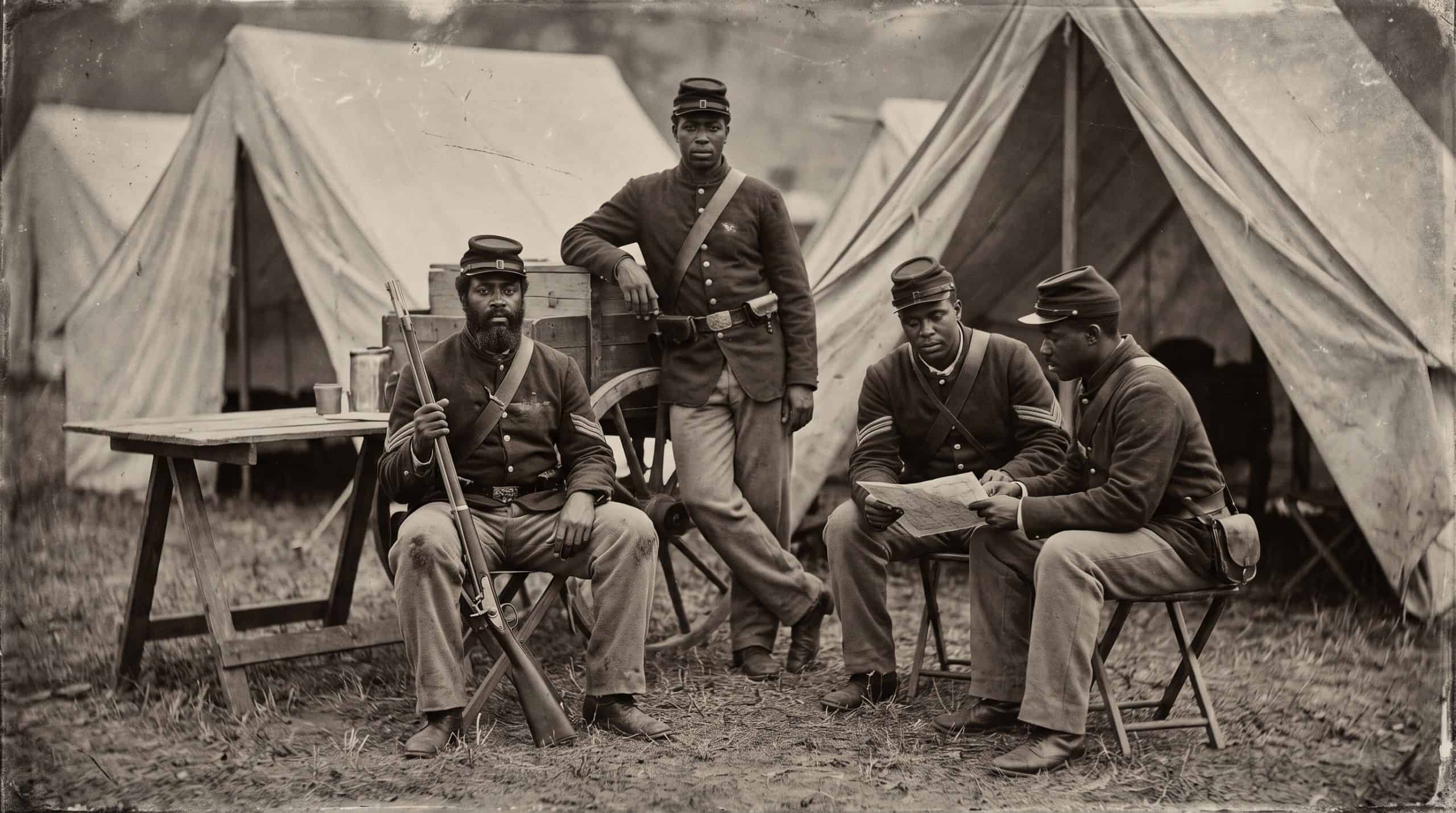
The Civil War produced plenty of famous names, but there are some war heroes that never got the praise or attention that they deserved, despite how bravely these people fought.


