

Most people have no idea of how many women were actually in power in ancient Egypt, and a few of them have gotten pretty close to being erased from history.
Sobekneferu
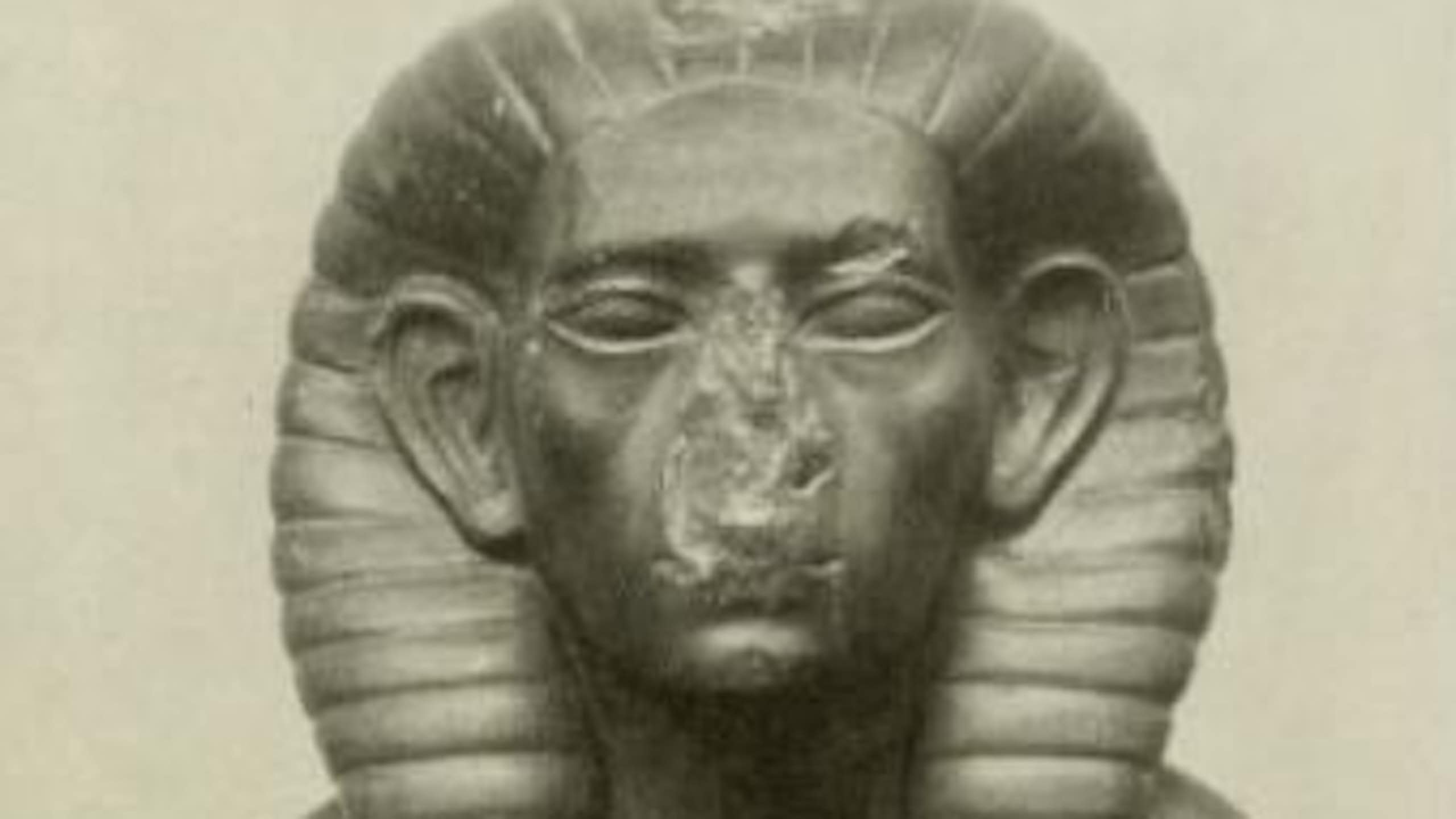
Sobekneferu gained power in 1800 B.C., just after the previous pharaoh, Amenemhat IV, died without a known male heir. But Sobekneferu wasn’t someone willing to hide that she was a woman. No, she had statues made mixing female features with symbols normally used for kings.
She ruled for nearly four years and used full royal titles. She kept work going at her father Amenemhat III’s pyramid complex at Hawara. Interestingly, her name linked her to the crocodile god, Sobek. We still haven’t found her tomb, though, it’s completely missing.
Tausret
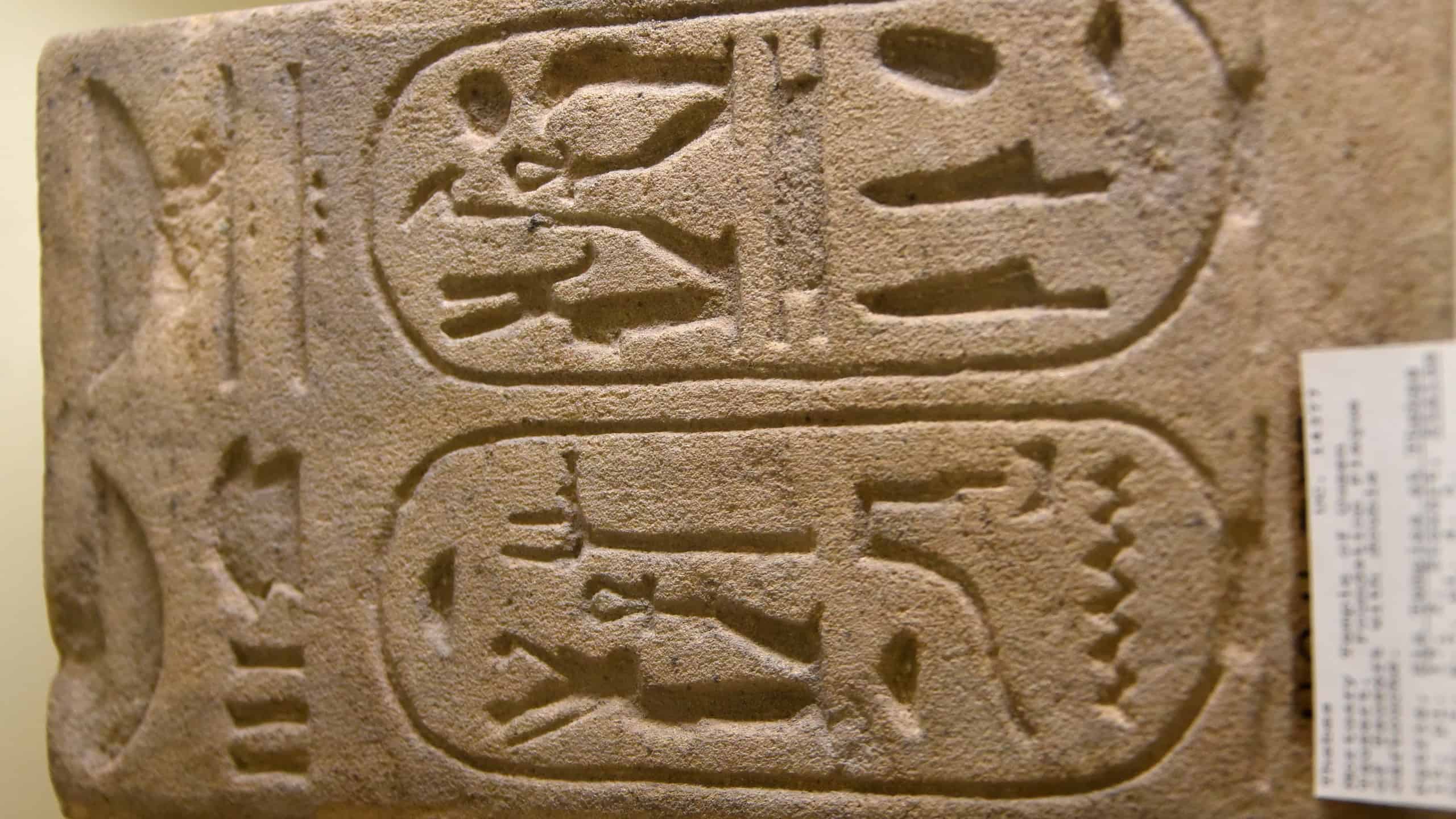
Tausret’s route to the throne wasn’t exactly simple, but that was pretty normal for how things worked during the late 19th Dynasty. She’d been the wife of Seti II and helped rule for the young king Siptah. Then she decided she’d had enough. She took power herself in the late 1200s B.C.
We have evidence that she continued using royal names and counted the years after Seti II’s death as being ‘her’ reign. Tausret had some big ideas and began constructing a mortuary temple near Thebes, although it was later dismantled by Ramesses III for its building materials.
Neferneferuaten
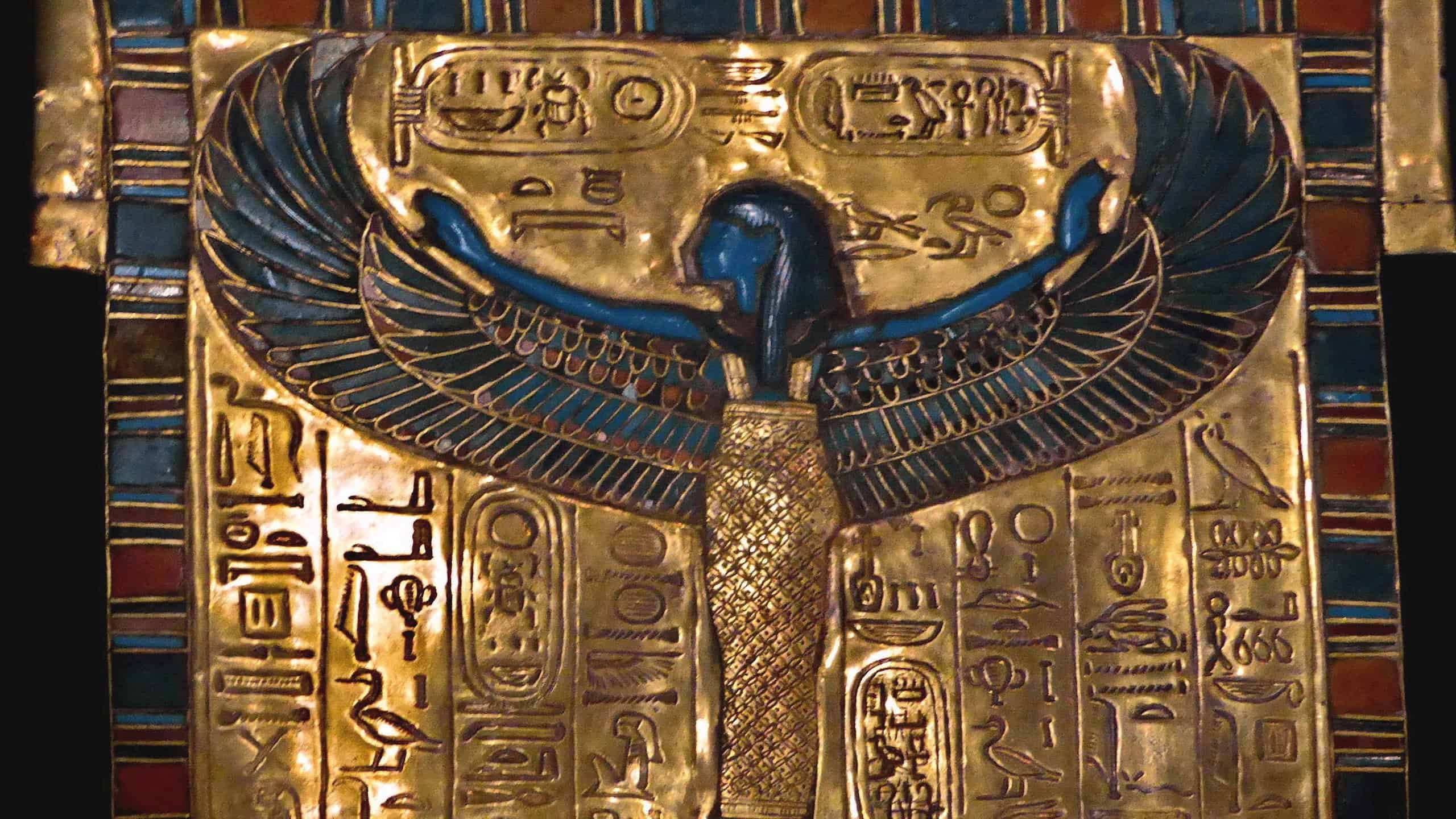
The thing with Neferneferuaten is that nobody can definitively say who she was. What we do know is that the ruler appeared after Akhenaten in the 14th century B.C., and the surviving records show her using feminine language. She was probably a woman.
Some people argue she was actually Nefertiti, and others say she was Meritaten. We just don’t know. It only gets more mysterious because some of her burial objects were altered and later used for Tutankhamun. Her entire life was a mystery.
Merneith
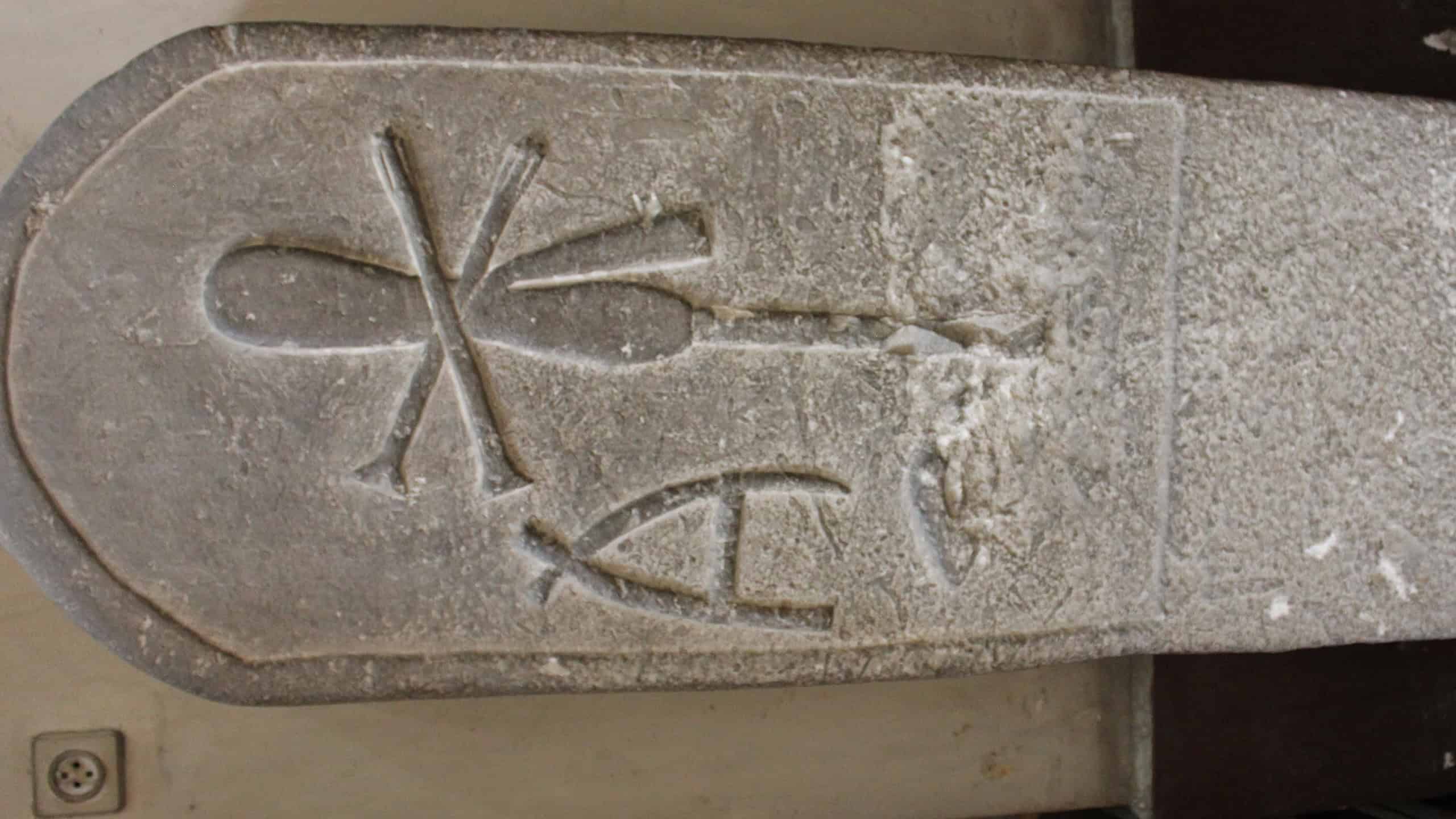
It’s hard to imagine Egypt without its iconic pyramids, but that’s how it was in 3000 B.C., when Merneith took the throne. She was likely the mother of King Den and probably ruled while he was still a child. That’s just the tip of the iceberg, however. Her case gets really unusual.
Her tomb at Abydos sat next to male kings and had rows of smaller graves around it. That was pretty odd back then. There’s also another major monument built for her at Saqqara. Historians aren’t sure if she was formally a pharaoh, but one thing’s clear. The people burying her definitely thought she was important.
Khentkaus I
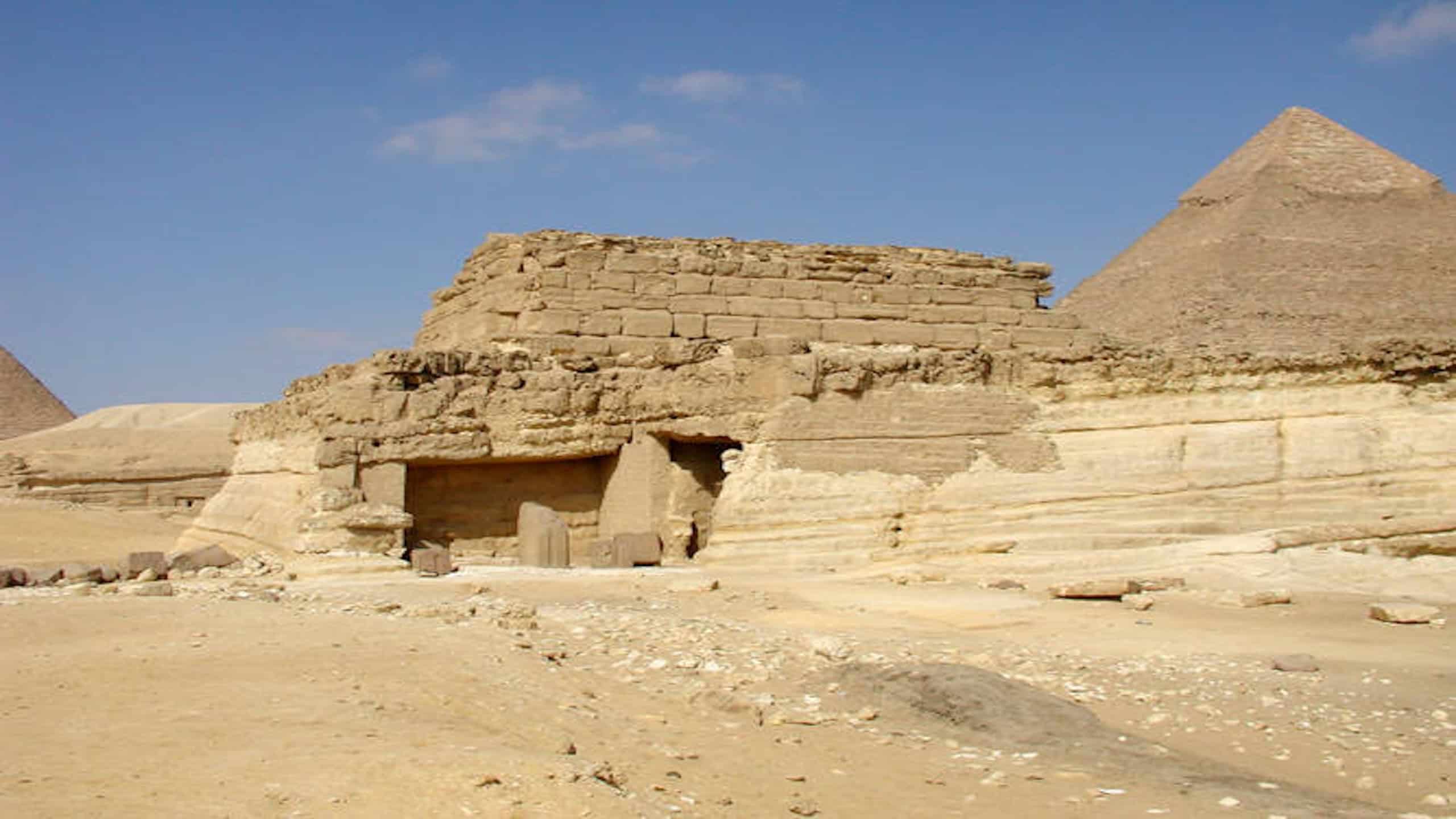
Khentkaus I had a huge stepped tomb built for her quite close to the famous pyramids. It’s not a simple tomb, though, as it has its own temple and settlement. It also has a causeway. She lived around 2500 B.C., and one image we have of her shows her wearing a ceremonial false beard.
Yes, that’s right, a beard. We also have a title connected with her, although it has been damaged over the years. It either means ‘king of Upper and Lower Egypt’ or ‘mother of two kings,’ it’s unclear what it’s meant to say.
Neithhotep
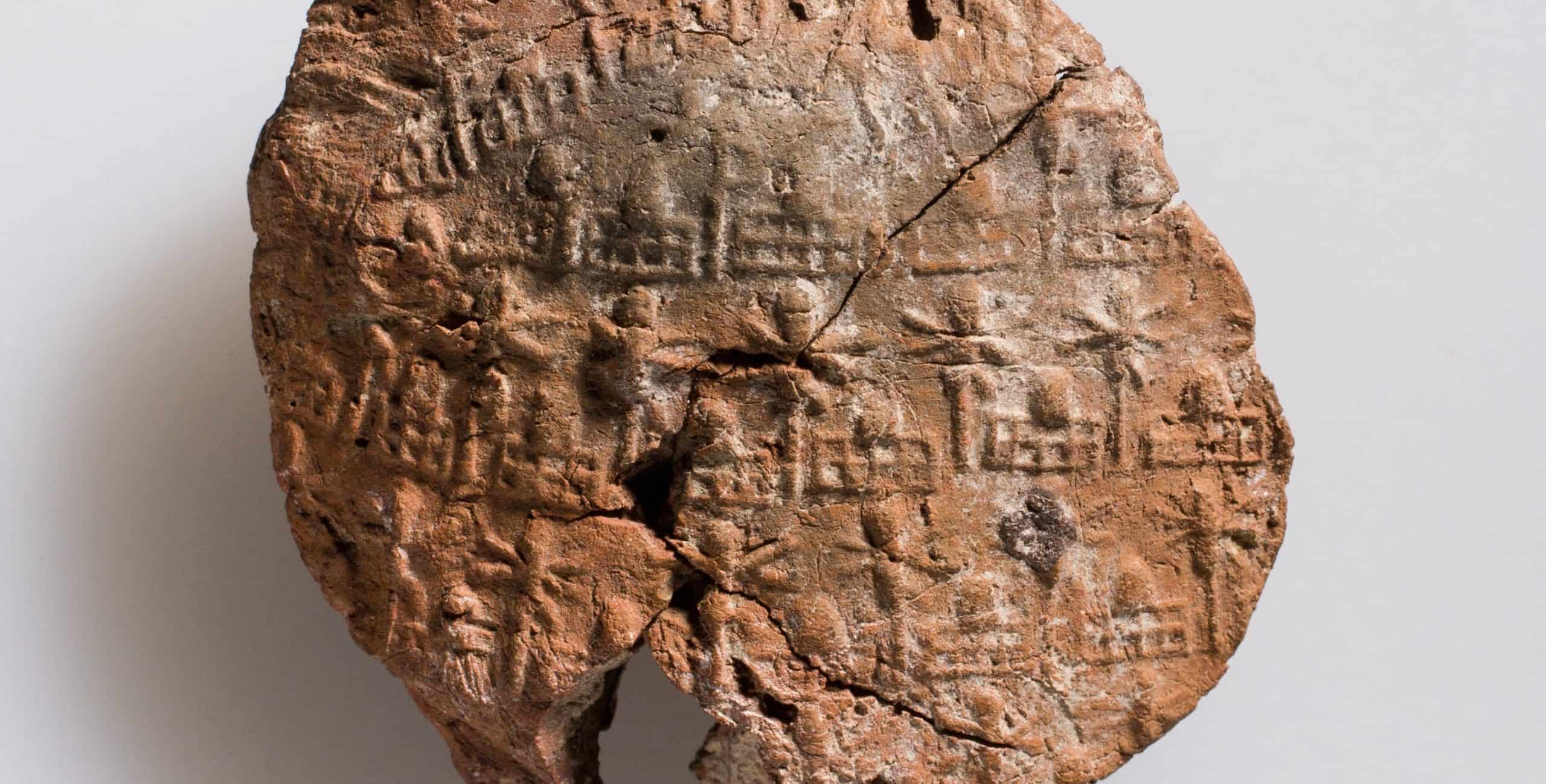
5,000 years. That’s how long ago Neithhotep was around, so it’s no surprise that we’re missing a few details in her story. She lived in Egypt during the time that it was becoming one kingdom, and she’s usually identified as Narmer’s wife and Hor-Aha’s mother.
By far the most interesting part is her tomb at Naqada. It was so big that early archaeologists assumed a male king was buried there, but no, it was a woman.
Berenice III
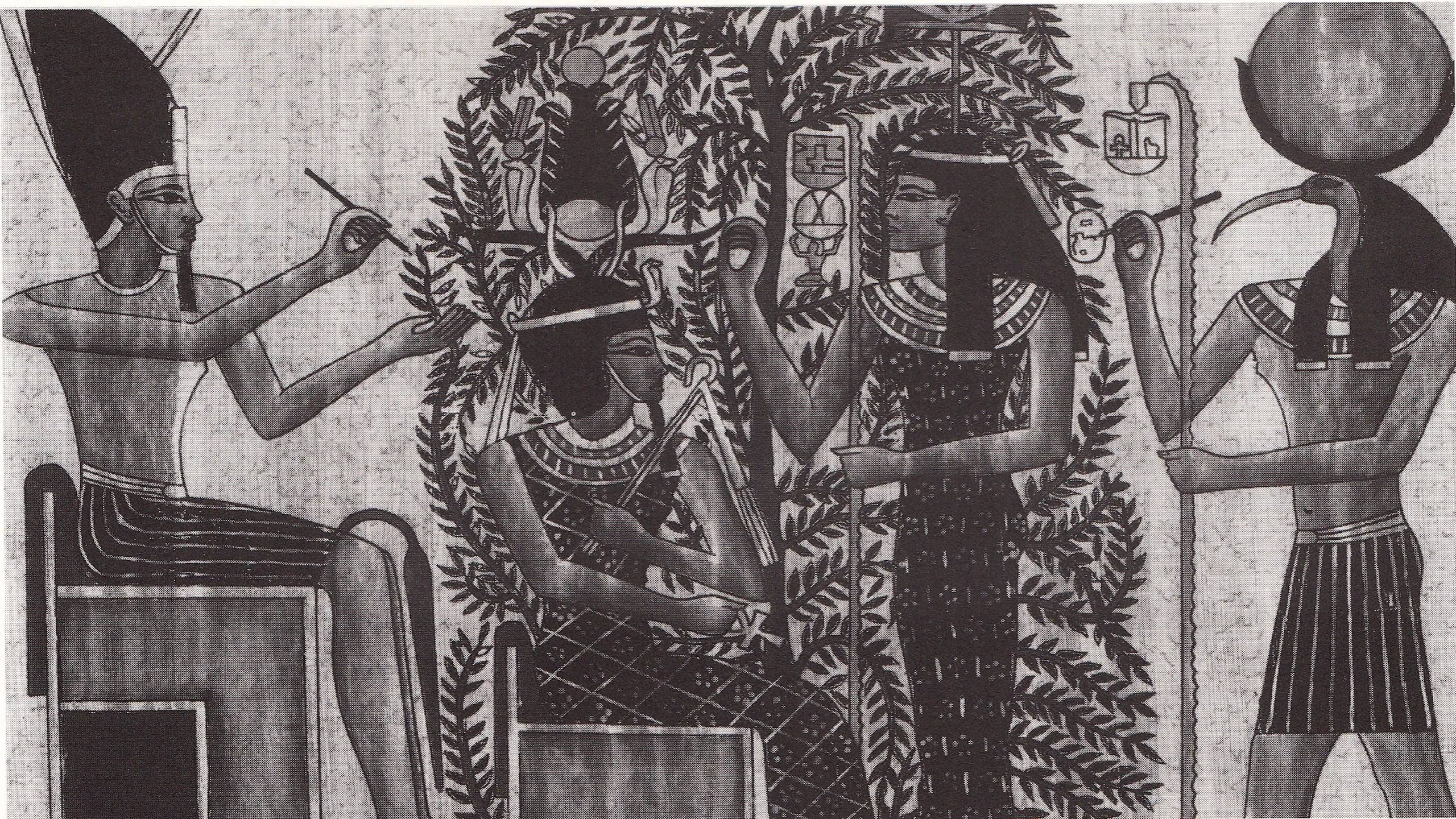
Berenice III wasn’t exactly a stranger to power in 81 B.C. She’d already spent years sharing the Egyptian throne, first with her husband Ptolemy X and then with her father, Ptolemy IX. It wasn’t until her father died that she finally got to rule by herself.
She was only in power for a few months, however, and her reign’s end was pretty bloody. Egypt’s political leaders arranged her marriage to Ptolemy XI, who was either her stepson or her cousin. He had her killed about 19 days later. How nice.
Arsinoe II
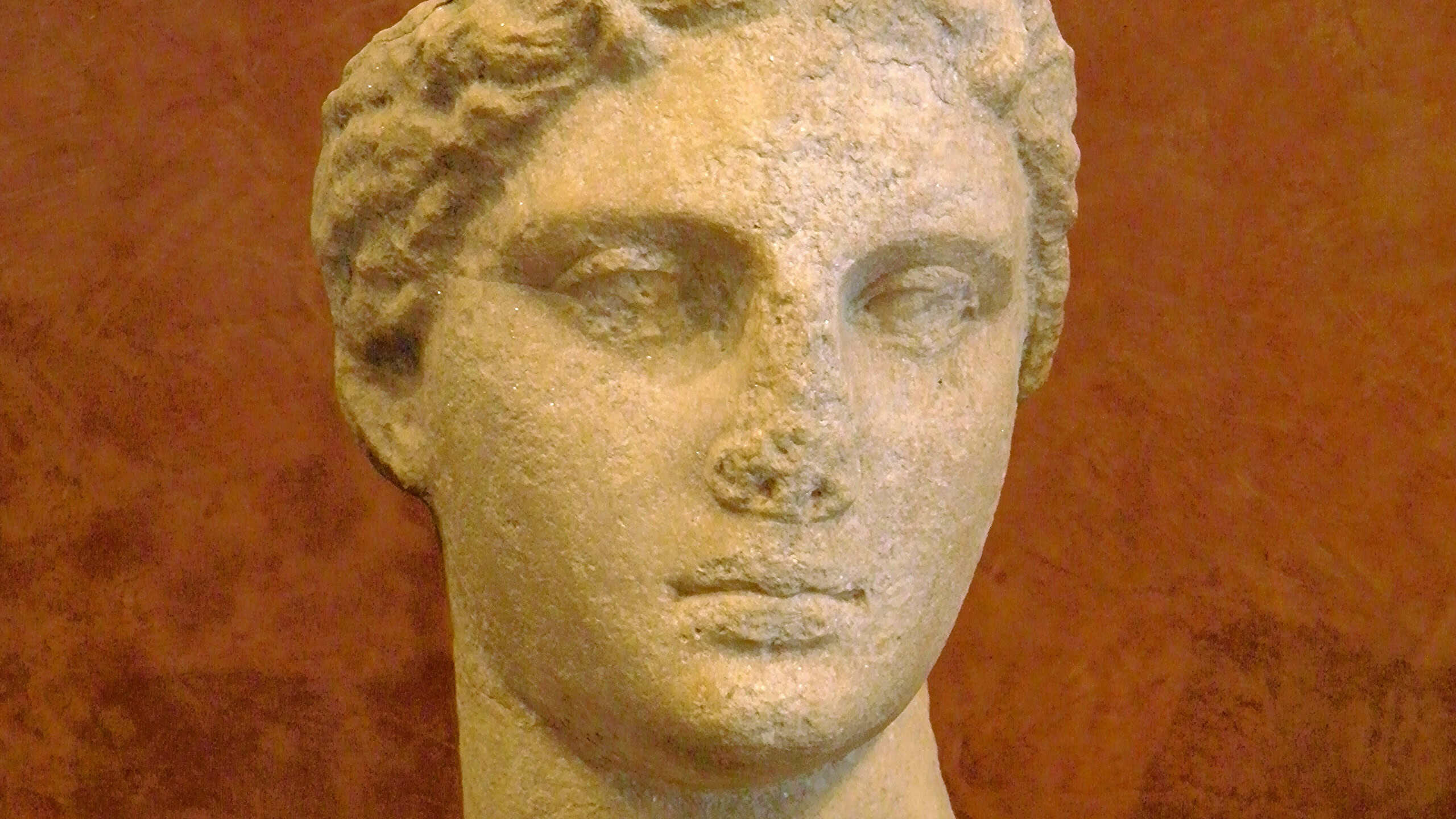
Arsinoe II was also familiar with how royalty worked before she became an Egyptian queen. She’d married into the ruling families of Thrace and Macedonia, after all. Arsinoe’s face appeared on coins, and the temples showed her wearing Egyptian crowns next to the king.
It’s not like the honors for her stopped when she died around 270 B.C., as priests continued to serve her cult. The festivals carried her name, and temples treated her as a goddess. Clearly, she was a big deal.
Sources: Please see here for a complete listing of all sources that were consulted in the preparation of this article.
13 ancient religions that no longer exist
They might’ve filled temples and mountain shrines one day, but now, these ancient religions are simply no more.


