

Once you move past the famous battles and kings, you’ll learn that history has some pretty interesting true tales that deserve the spotlight, too.
Ellen Craft escaped slavery disguised as a wealthy white man
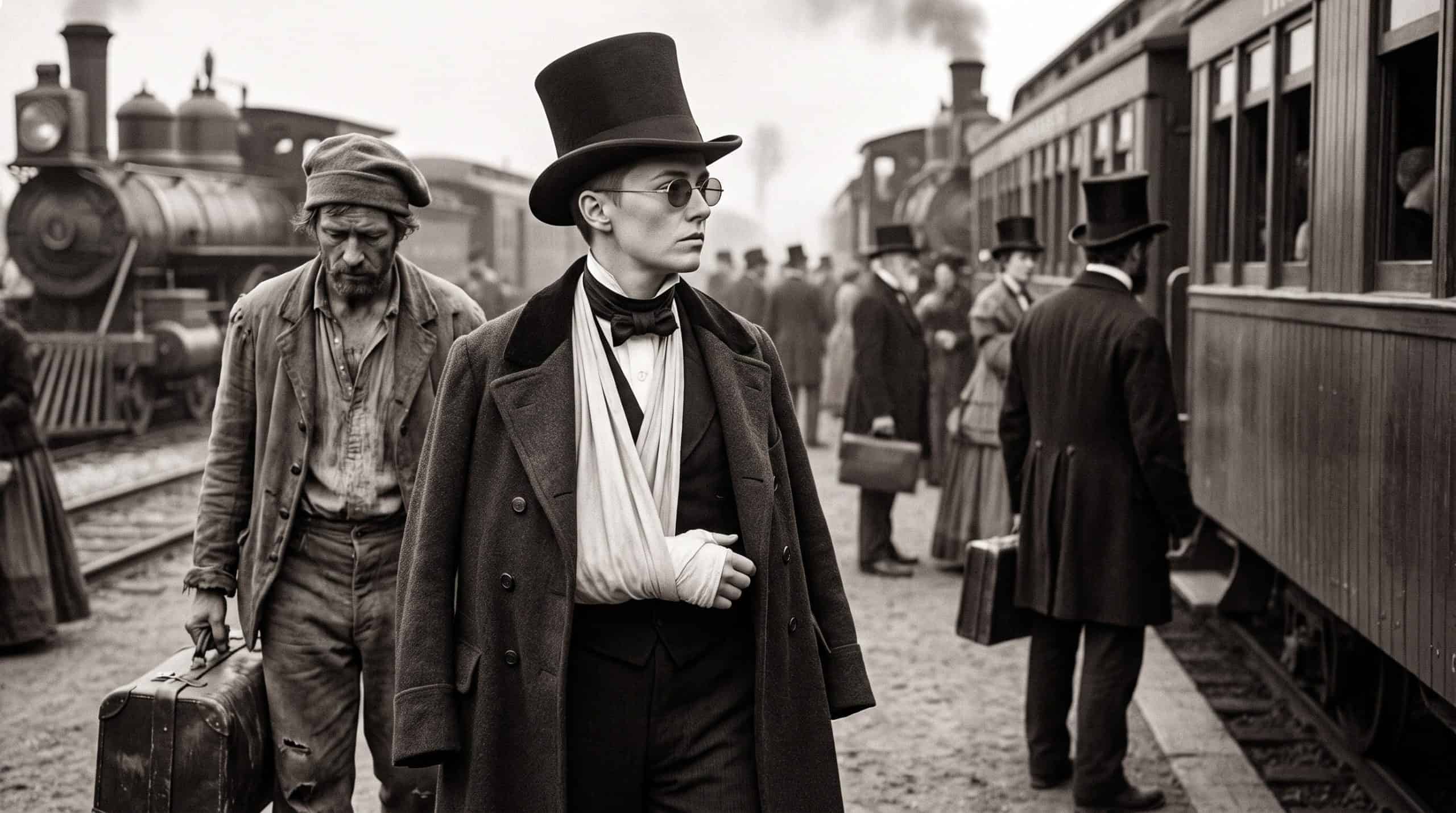
Escaping your masters as a slave was difficult work, and people turned to anything to get away. That included a woman named Ellen Craft, who walked out of Macon, Georgia, in December 1848, dressed as a wealthy white man traveling with an enslaved servant.
Her ‘slave’ was actually her husband, William. To really pull it off, Craft cut her hair and wore tinted glasses. She kept one arm in a sling so that nobody would ask her to sign anything, and after four days of traveling, she finally made it to Philadelphia. She really was determined.
Oklahoma farmers tried to begin an antiwar rebellion
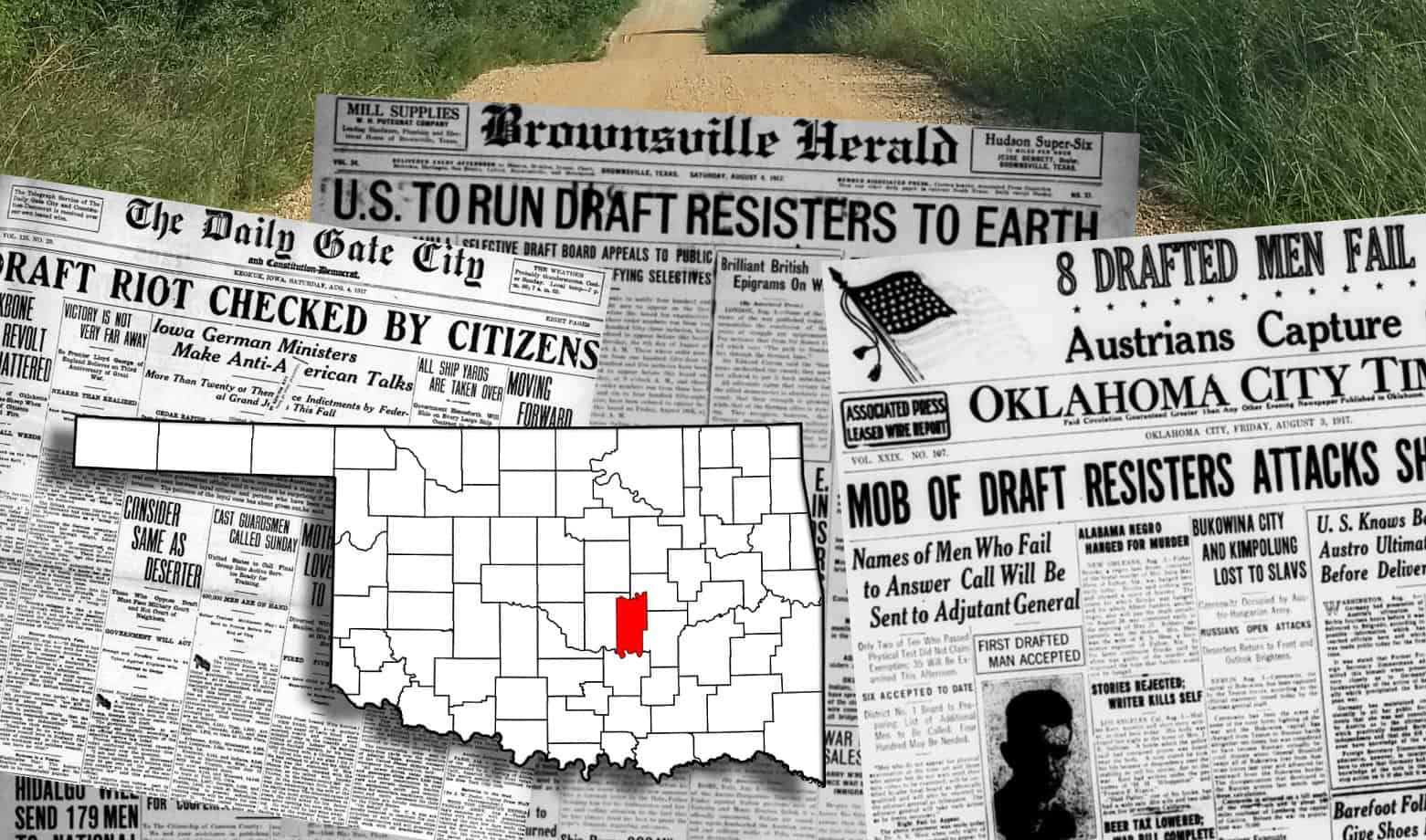
Tenant farmers and laborers in Oklahoma were really unhappy in August 1917. It’s mostly because they were against the military draft, so they staged a rebellion to fight it. They believed they could march all the way to Washington while eating roasted green corn and beef.
Funnily enough, it later became known as the Green Corn Rebellion. The whole thing was a failure, though, because local posses broke up the rebellion near the South Canadian River. Three people actually died. The march never really began, but still, it was a serious rebellion.
Ancient Egyptian tomb builders organized the first recorded strike

In the days before factories and unions, ancient Egyptian workers were pretty unhappy about getting their pay late. They were so annoyed, in fact, that they went on strike around 1157 B.C. Yes, the laborers at Deir el-Medina stopped building royal tombs during the first recorded strike.
They were skilled workers instead of random laborers, so they deserved to be treated properly. They walked off the job partway through. As you can probably imagine, the officials weren’t exactly happy about it, but the workers got what they wanted in the end.
Vickie Jones was forced to perform as Aretha Franklin

Vickie Jones. You might not recognize the name, but she was a woman who could sing like Aretha Franklin, although that wasn’t exactly a good thing for her. Performer Lavell Hardy took Jones to Florida in 1969 and threatened her so she’d appear onstage as Franklin.
Audiences believed it. In fact, she actually completed several shows before police got word of it and arrested her in Fort Myers for fraud charges. She was soon released because the authorities realized she wasn’t running the scam, and she sang in court for the judge.
Virginia Hall crossed the Pyrenees using a prosthetic leg
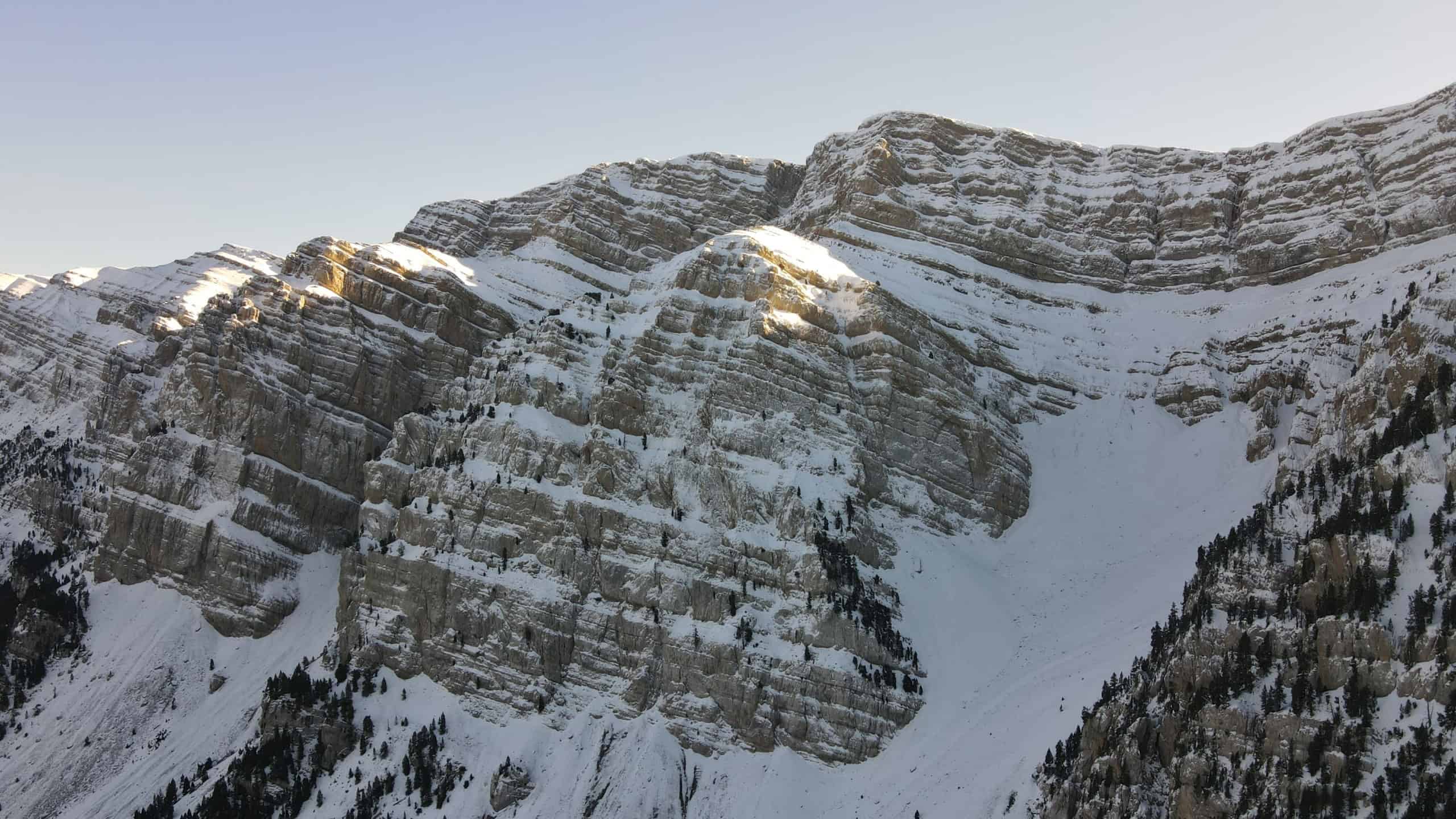
Virginia Hall was one of the most dangerous Allied agents in France. Incredibly, she did all her work while using a prosthetic leg, she was just that good. The Gestapo had had enough of her, however, and by November 1942, she needed to escape France.
She crossed roughly 50 miles of the Pyrenees mountains on foot into Spain. Yes, she did it all with an artificial leg, in winter. Spanish authorities did arrest her shortly after arriving, although she was later released. The crossing alone is difficult enough without Nazis searching for you.
The Bone Wars included the deliberate destruction of fossils
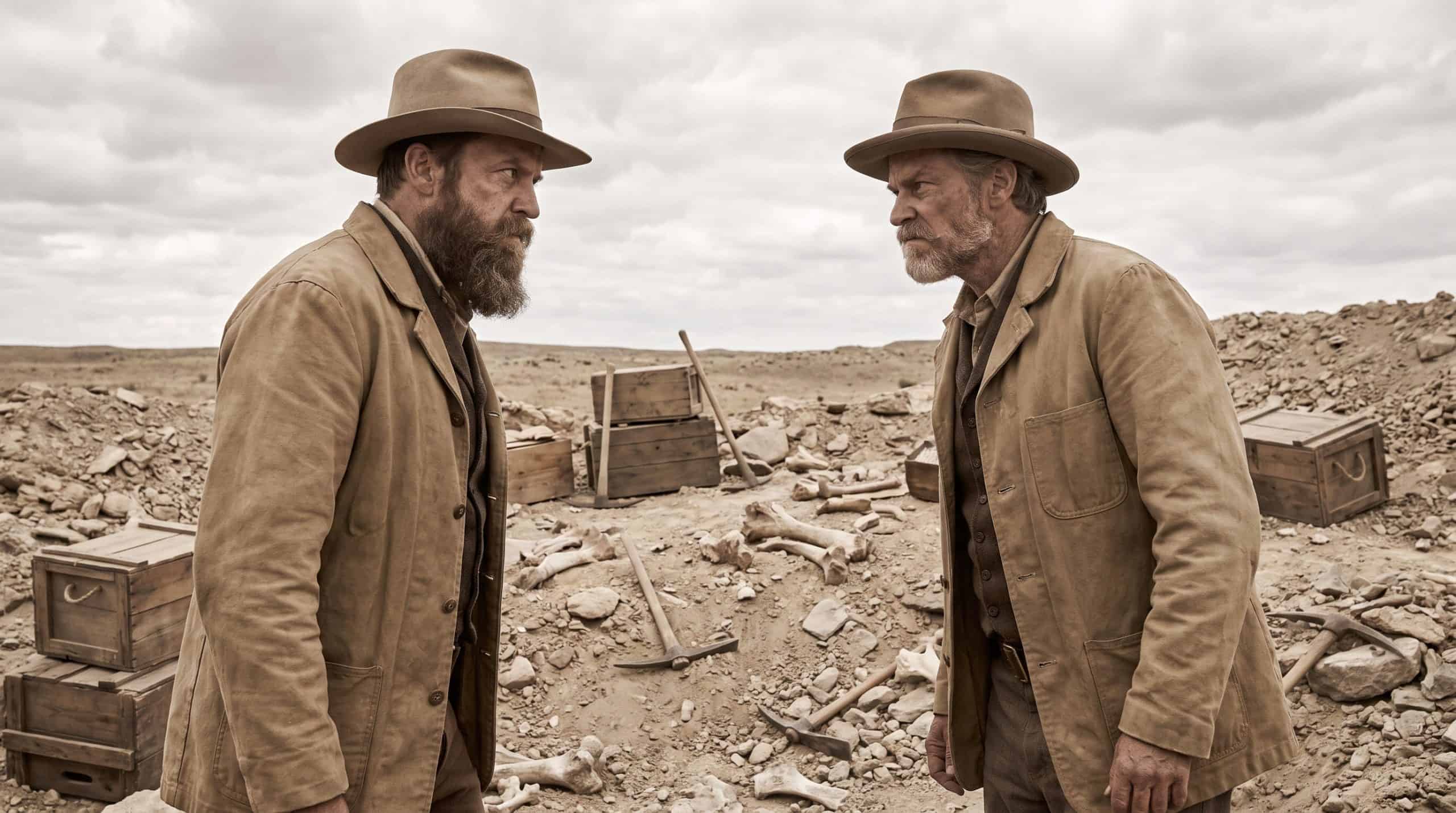
The Bone Wars were a lot weirder than they sound. They involved two paleontologists, Othniel Charles Marsh and Edward Drinker Cope, who absolutely hated each other. They spent years trying to ruin each other’s work during the late 1800s, which became known as The Bone Wars.
Their teams stole workers from the other side and rushed discoveries into print. They’d even damage fossils, just to stop the other side from studying them. How childish. Some stories say they blew up whole quarries, although that’s probably just exaggeration.
Nicholas Alkemade survived an 18,000-foot fall

It came down to two choices for Nicholas Alkemade on March 24, 1944. He could either stay inside a burning bomber or jump without a parachute. Not exactly an easy decision to make. So, Alkemade went for the jump, and he fell about 18,000 feet over Germany.
He crashed through pine branches, and, luckily enough, landed in deep snow. He survived the whole thing somehow with only a few injuries, including a sprained leg. But he’d made it through anyway.
Susan La Flesche became a doctor before she was a citizen

Susan La Flesche was a Native American woman living on the Omaha Reservation in Nebraska in 1889. What made her so special, however, was the fact that she had a medical degree and more responsibility than most people would want at 24.
She’d graduated first in her class at the Woman’s Medical College of Pennsylvania and became the first known Native American woman to earn that qualification. Weirdly, though, it happened before Native Americans were guaranteed American citizenship. That didn’t happen until 1924.
Prisoners secretly built a glider inside Colditz Castle

Colditz Castle wasn’t exactly the kind of place you’d want to stay, as it was a maximum-security prisoner-of-war camp. That’s why two British officers, Bill Goldfinch and Jack Best, were so desperate to escape it. They designed a two-seat glider in the attic above the chapel to do so.
The other prisoners helped them find materials or watched for guards. Bed slats, sleeping-bag fabric, whatever they could find, they used. They never got to find out whether it worked or not because American troops reached Colditz in April 1945 and freed all the prisoners.
Ada Blackjack survived alone on a remote Arctic island
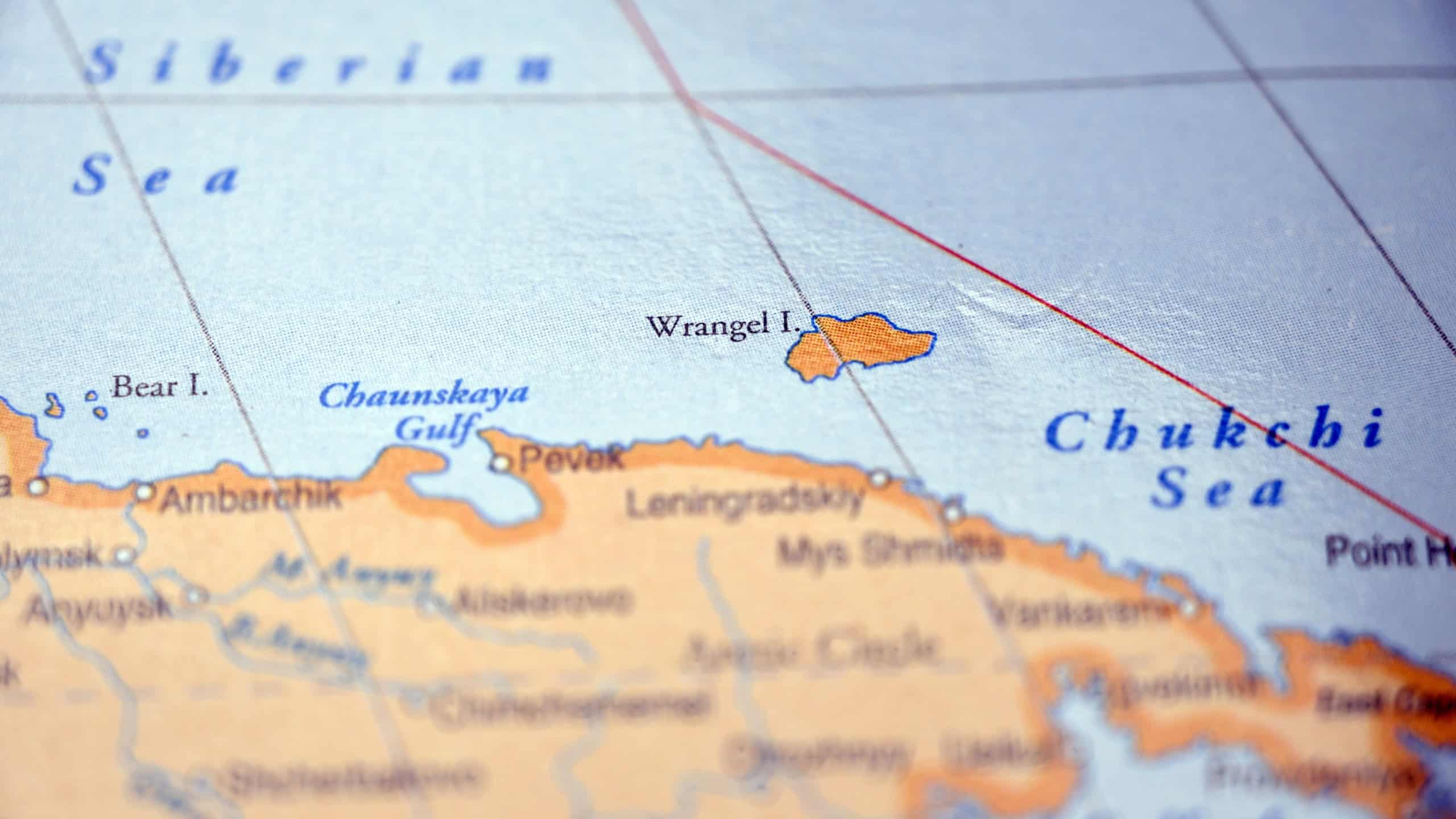
Ada Blackjack accepted a job in 1921 that was supposed to involve sewing and cooking on Wrangel Island. She really needed the money to help her sick son, so she went with four men heading into the Arctic. Then the supply ship failed to return.
Three of the men did head out to find it, but they vanished, and the remaining man got sick and later died. Ada was all alone, with only the expedition’s cat. But she didn’t just sit there, no way, as Ada learned to trap foxes and repair equipment until a rescue ship arrived in August 1923.
Sources: Please see here for a complete listing of all sources that were consulted in the preparation of this article.
10 historical figures who took secrets to the grave

Unanswered questions are the worst, and it’s even more terrible when they continue to be unanswered because the people with the answers took them to their graves.
10 historical figures who took secrets to the grave


