
They might’ve filled temples and mountain shrines one day, but now, these ancient religions are simply no more.
Scythians
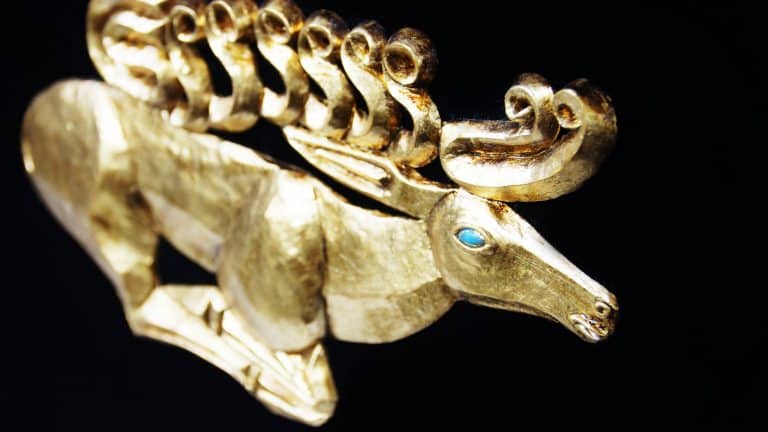
You’d find the Scythians worshipping across the Eurasian steppe during the ninth and second centuries BCE. Most of the surviving items we have from them come from their kurgans, the large burial mounds that they built for their elite dead.
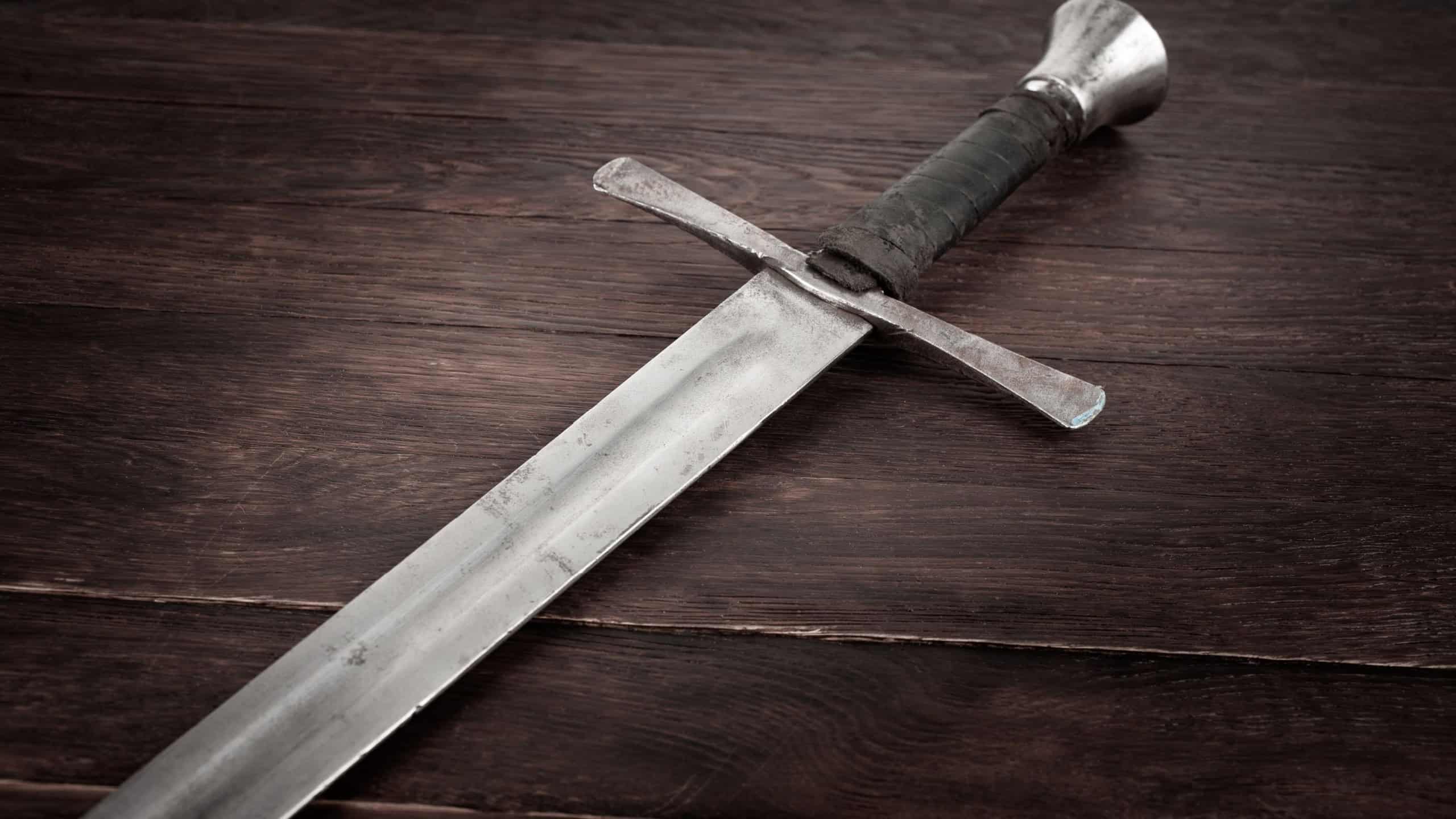
These graves weren’t just for bodies, though. No, they were big enough for food and weapons, even horses, surprisingly enough. They worshiped right out in the open, and one of their war shrines was a mound of brushwood, with a sword right on top.
Sumerians
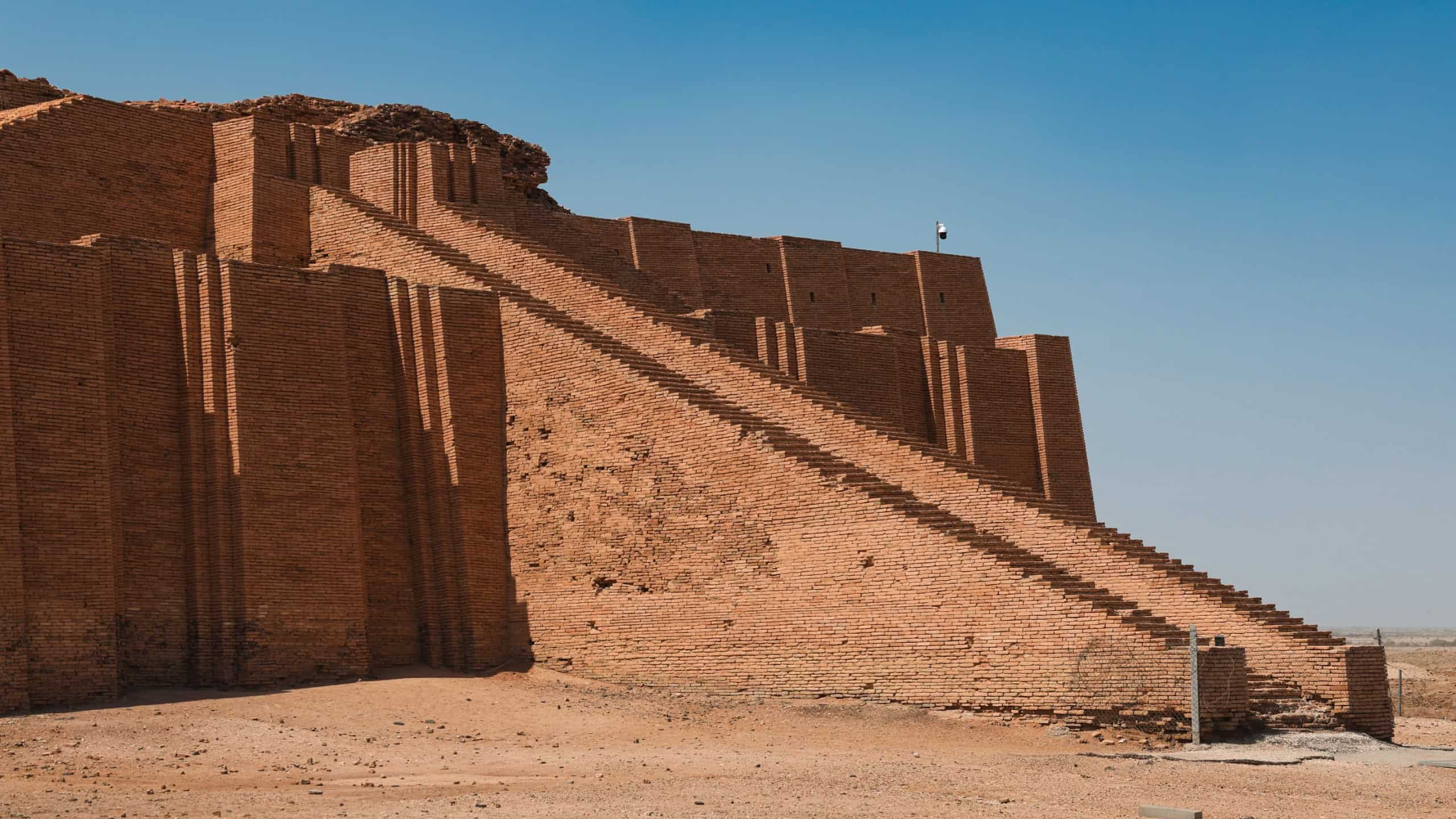
The Sumerian religion was around in southern Mesopotamia, that’s modern-day Iraq, around the fourth millennium BCE. But it wasn’t a neat system with a single God. Far from it, actually. Each city at the time had its own favorites, Uruk for Inanna, and the moon god Nanna for Ur.
They’d treat temples more like homes for their gods than simple places of worship. That meant they had meals and clothing laid out for the divine. We have some surviving statues that people left of themselves inside. That way, they could keep praying after they’d gone home.
Babylonians
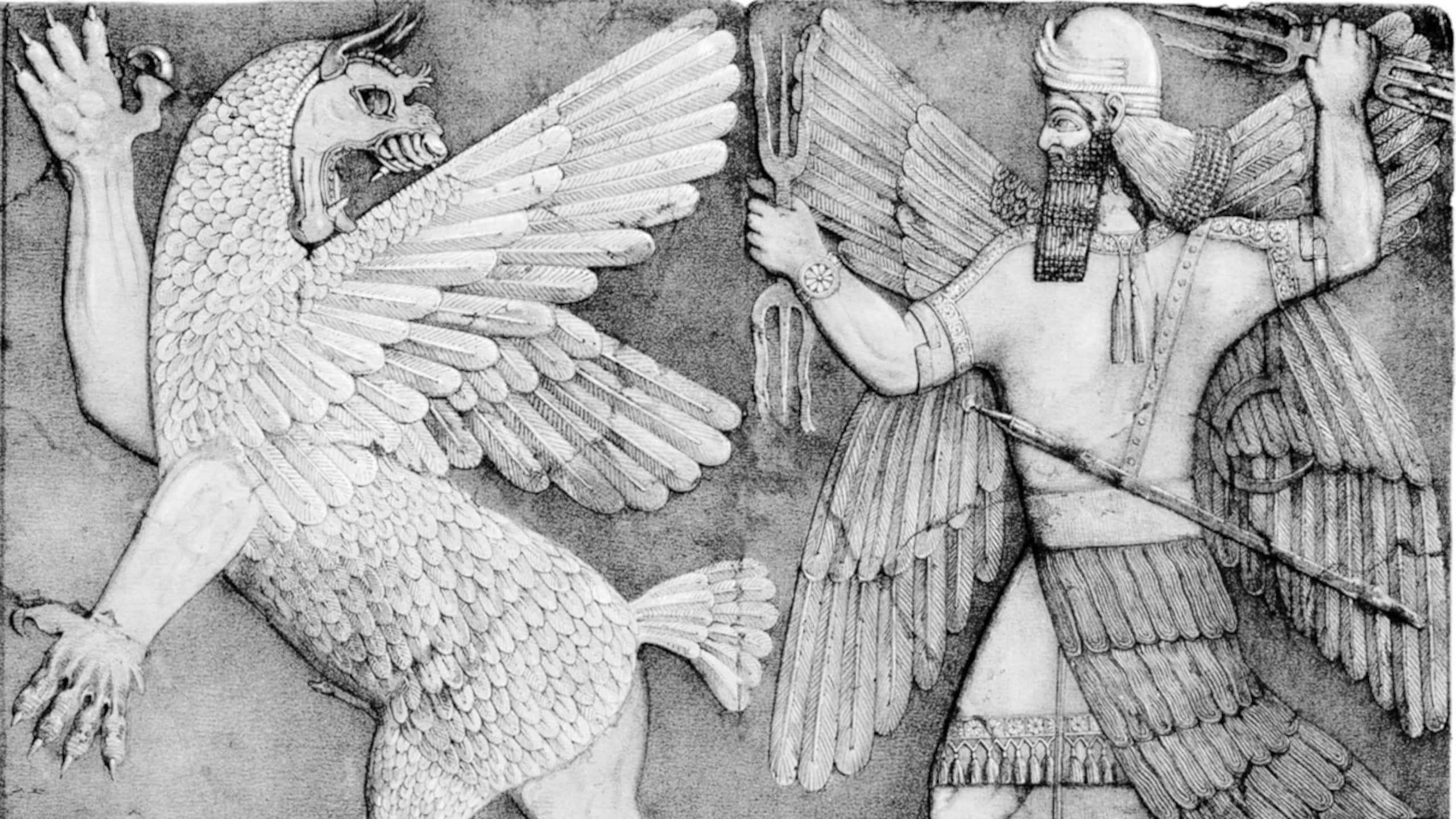
Babylon. It’s one of the most famous ancient cities on this list, yet most people don’t realize how much things changed when it got to power. The divine pecking order completely changed, for one. Marduk began as the city’s local god, then He became the one right at the top.
The Babylonian creation story says that he defeated the sea goddess Tiamat and split her body apart. How gruesome. Marduk used her body to create the ordered world, and he had a main temple called the Esagila. It used to be right near Babylon’s huge ziggurat. Not anymore, though.
Thousand gods of Hatti
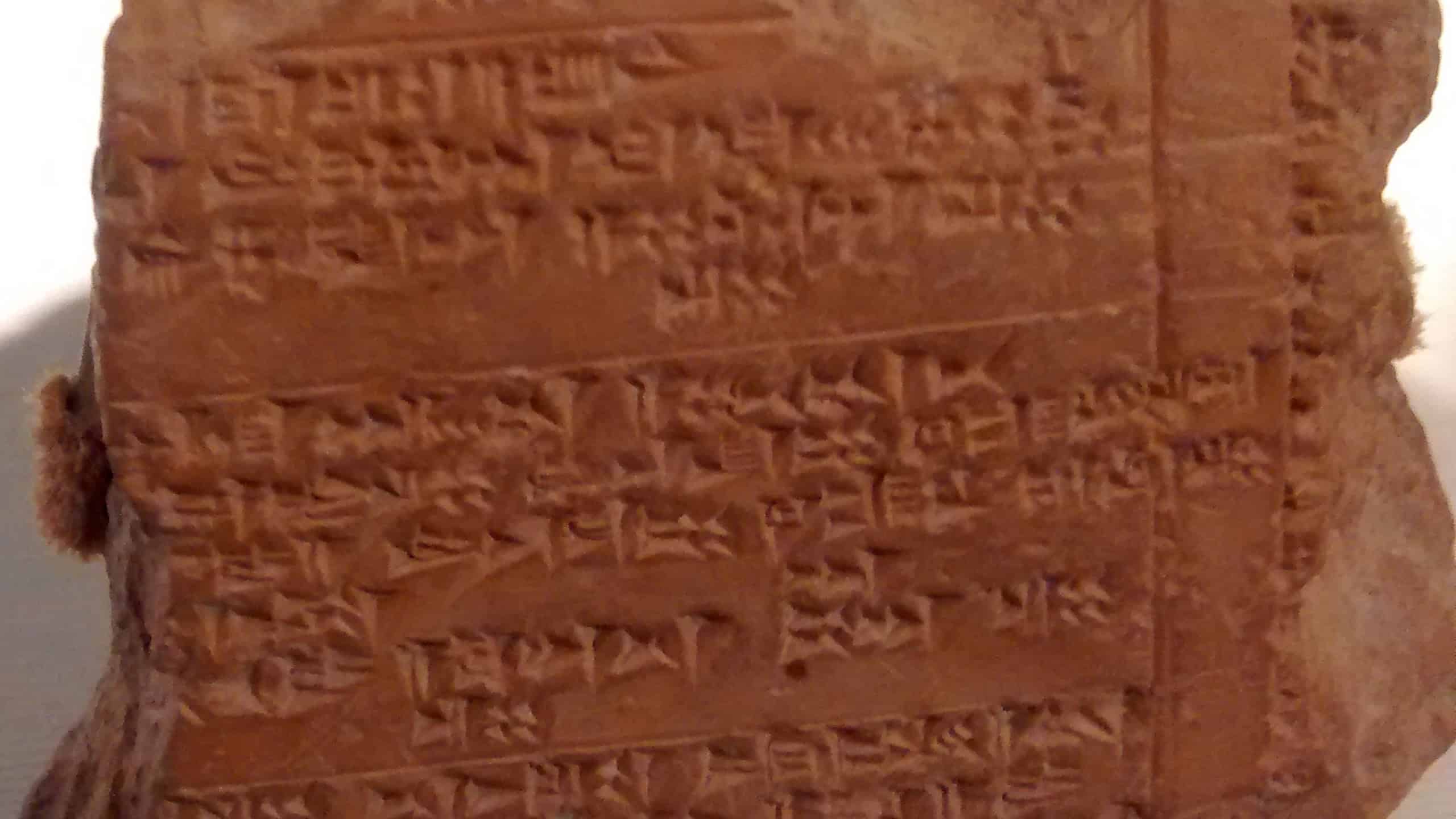
Hittite rulers were determined to change everything about the places they conquered. That included the gods. The Hittite people lived across central Anatolia from roughly 1650 to 1200 BCE, and their records talk about a ‘thousand gods of Hatti.’
That’s not to say they actually had a thousand gods, but they sure did have a lot. Right at the top of the list were the Storm God of Hatti and the Sun Goddess of Arinna. Processions, music, washing rites, large meals, their festivals had them all. They had animal sacrifices, too.
Hurrian
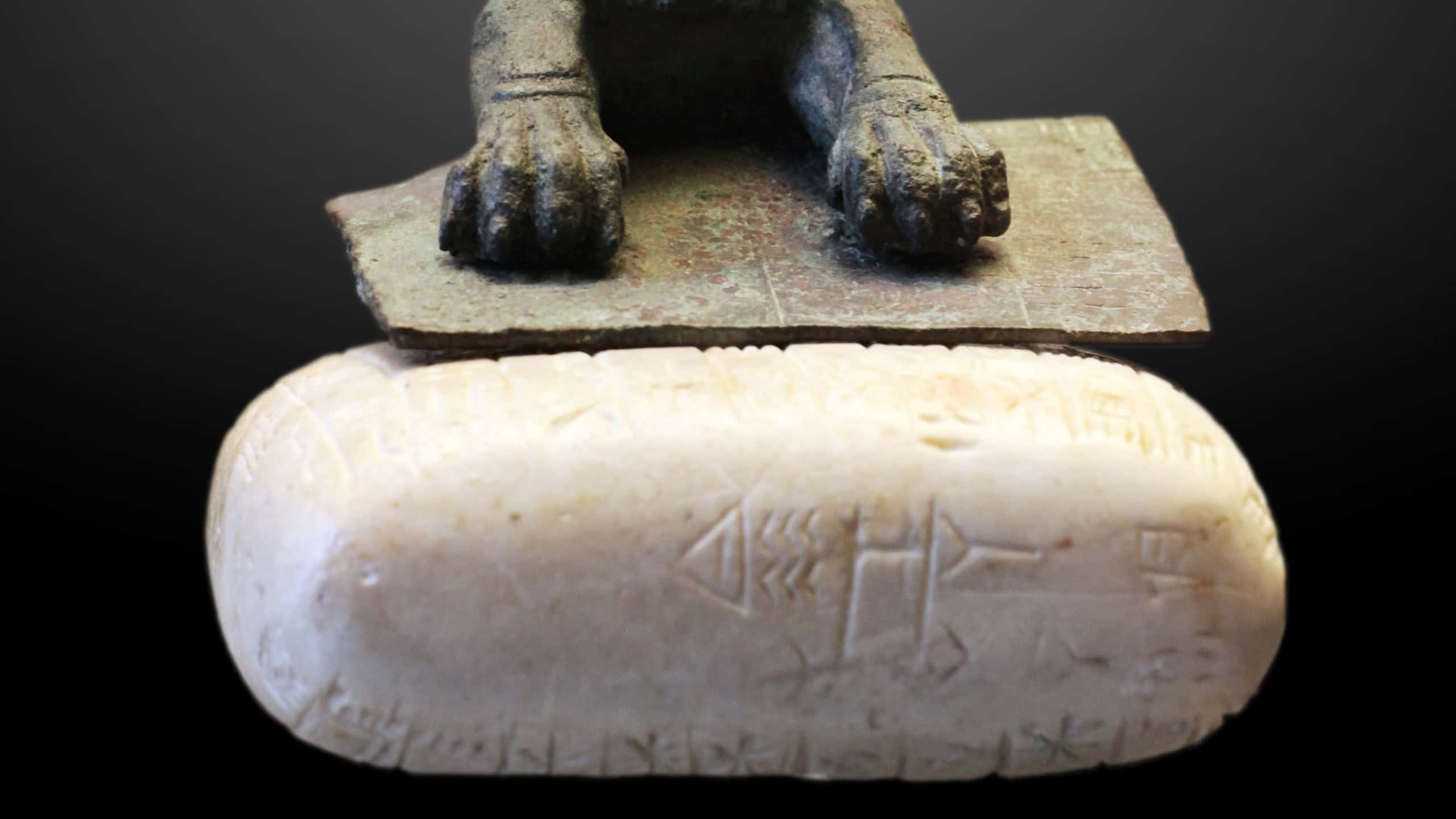
Family drama wasn’t limited to humans in Hurrian religion. No, their religion included stories of older and younger gods fighting over control of heaven. You know, standard religious stuff. Their stories crossed multiple generations.
Like with many other religions, their main god was the storm god, named Teshub. They also worshiped his wife, Hebat. Some of the most interesting tales include plots against Teshub and divine takeovers.
Urartu
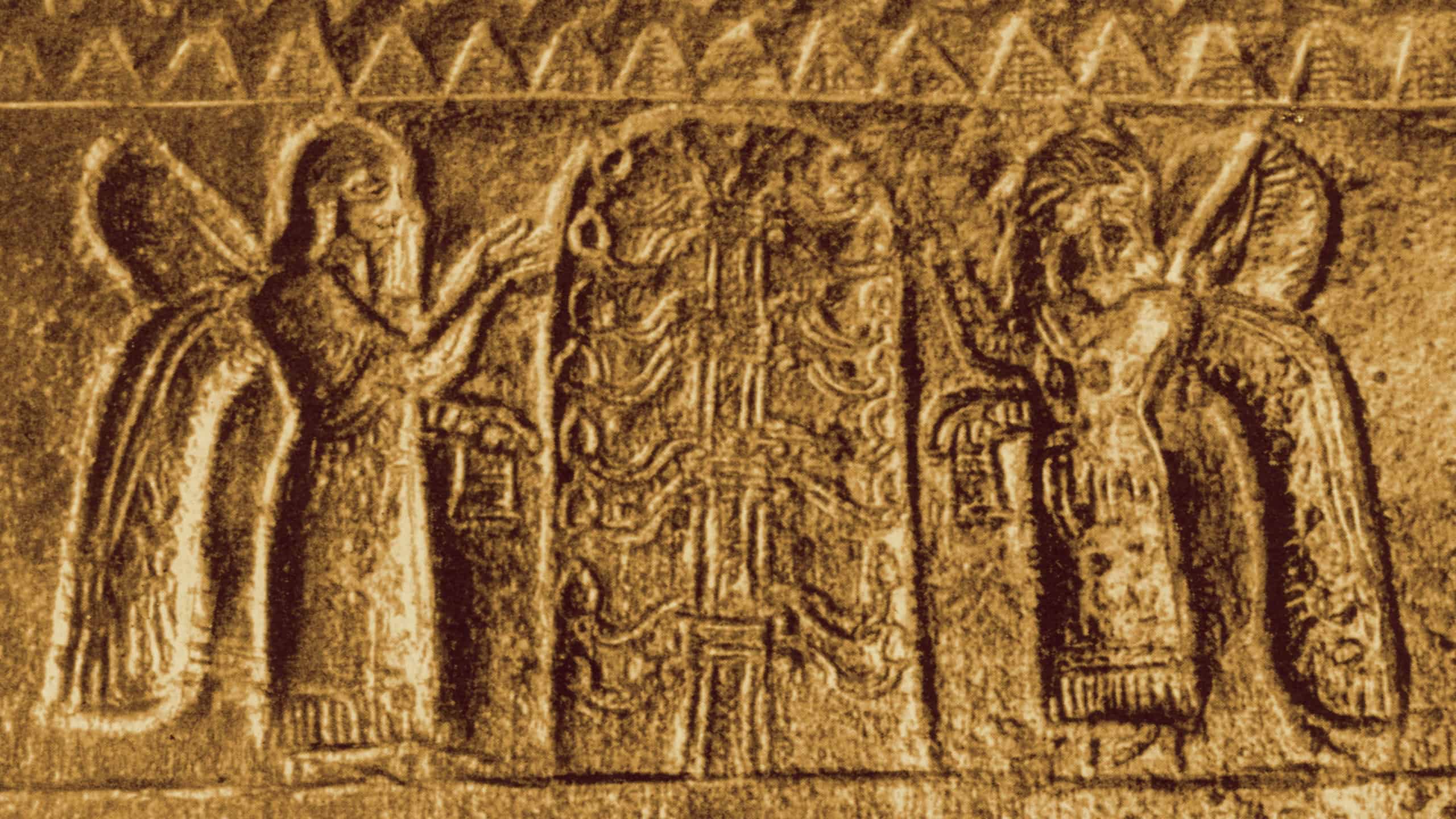
People living in eastern Anatolia and the Armenian Highlands believed in one thing and one thing only from the ninth to the sixth centuries BCE. It was a religion called the Urartu religion. Right in the middle of their worship was Haldi, along with, yes, you guessed it, a storm god. His name was Teisheba.
The sun god, Shivini, wasn’t too far behind. Anytime that the local kings were beginning their campaign inscriptions, they’d call on Haldi and dedicate things to him. Not just usual things, either; they dedicated shields, spears, and other weapons.
Elamite
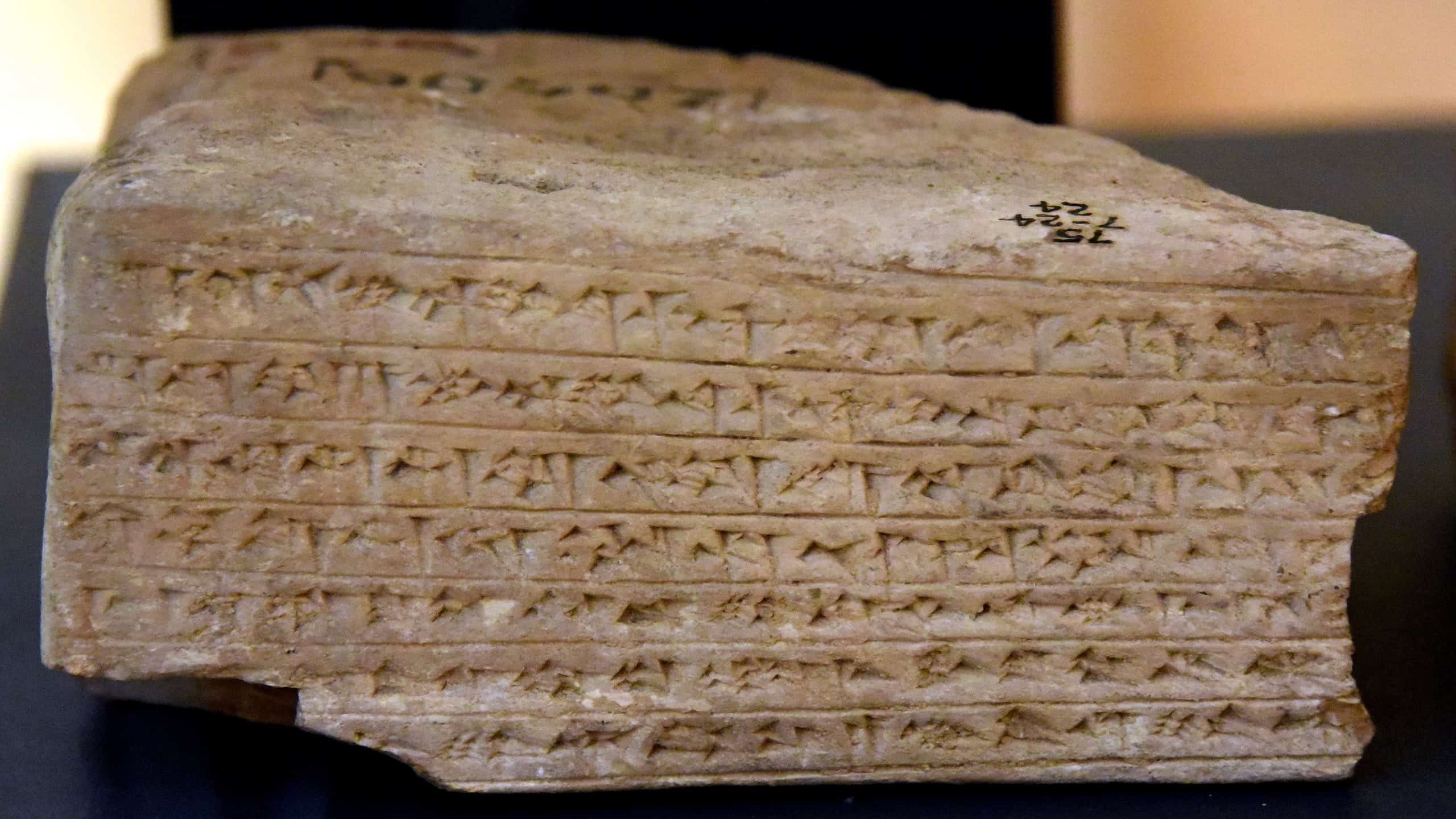
It’s kind of hard to figure out the Elamite religion because it changed from place to place across southwestern Iran. It began around the late third millennium BCE. The people in Susa worshiped a city god named Inshushinak, who was connected to kingship and the dead.
Down south, however, Kiririsha and Napirisha were a lot more important. That made things pretty difficult for the kings. Their solution was to build one complex for several gods, instead of having to pretend every region agreed. That was never going to happen.
Ugarit
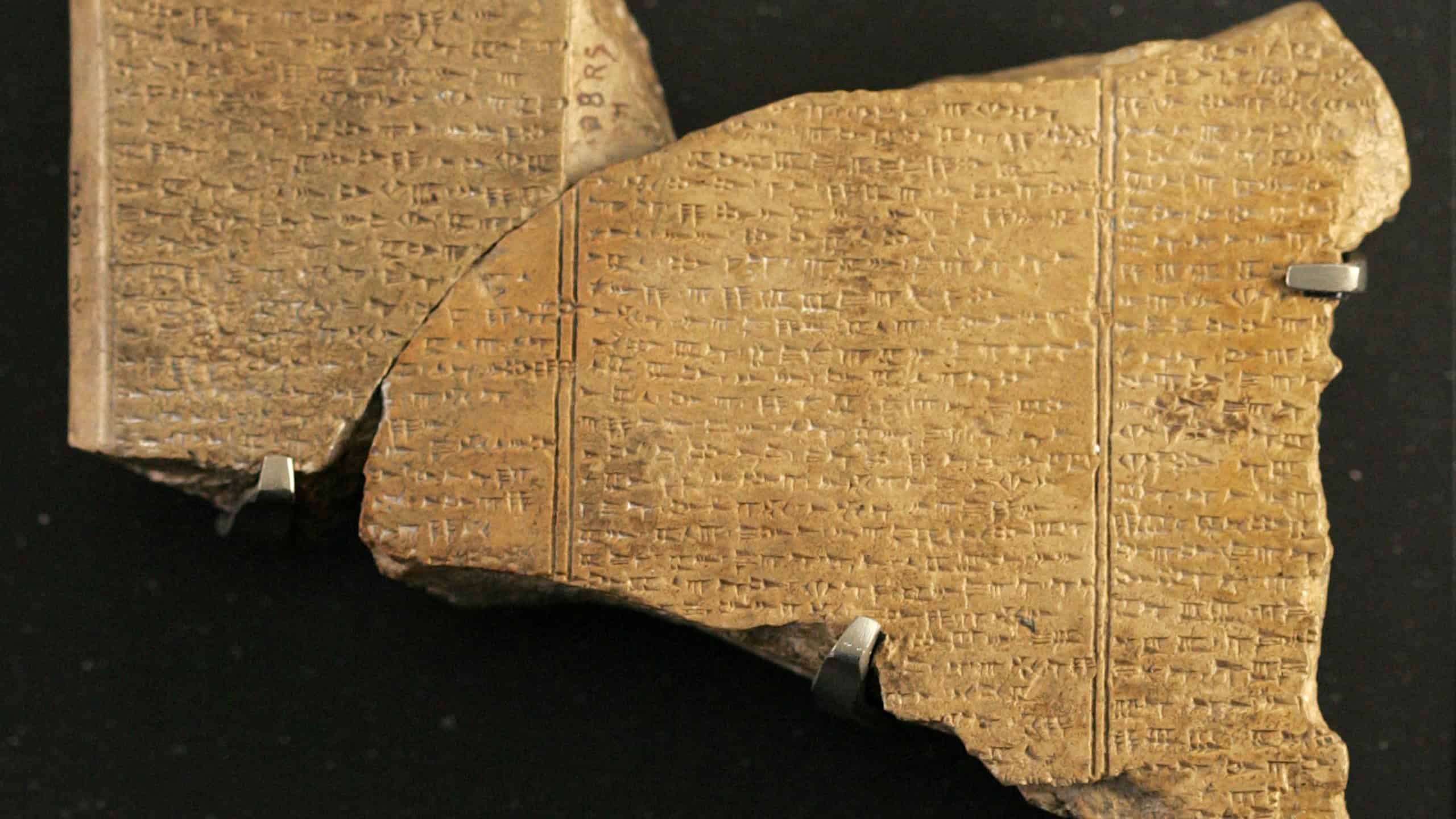
The Ugarit religion. It’s not one that most people have heard of today, but it was a pretty big deal in modern Syria from around 1450 to 1180 BCE. Believers in this religion gave names to a whole divine household, starting with El, the aging father figure. Athirat was his partner.
Then there was Baal, another storm god, and believers thought his rain fed the land. Part of the Baal Cycle involved Baal fighting Yamm, the sea god, and then Mot, the death god. They had a god for practically everything, and in fact, there were at least 200 of them.
Punic

Promises were really important to the Punic religion, and believers lived across many settlements in North Africa, Sicily, Sardinia, and Spain during Roman times. They used stone markers to record that a promise had been heard or answered.
They also had urns containing the cremated remains of infants, young children, and animals. Unfortunately, since the religion was so old, we’re not entirely sure of every ritual, and some pieces are hard for archaeologists to understand.
Nabataean
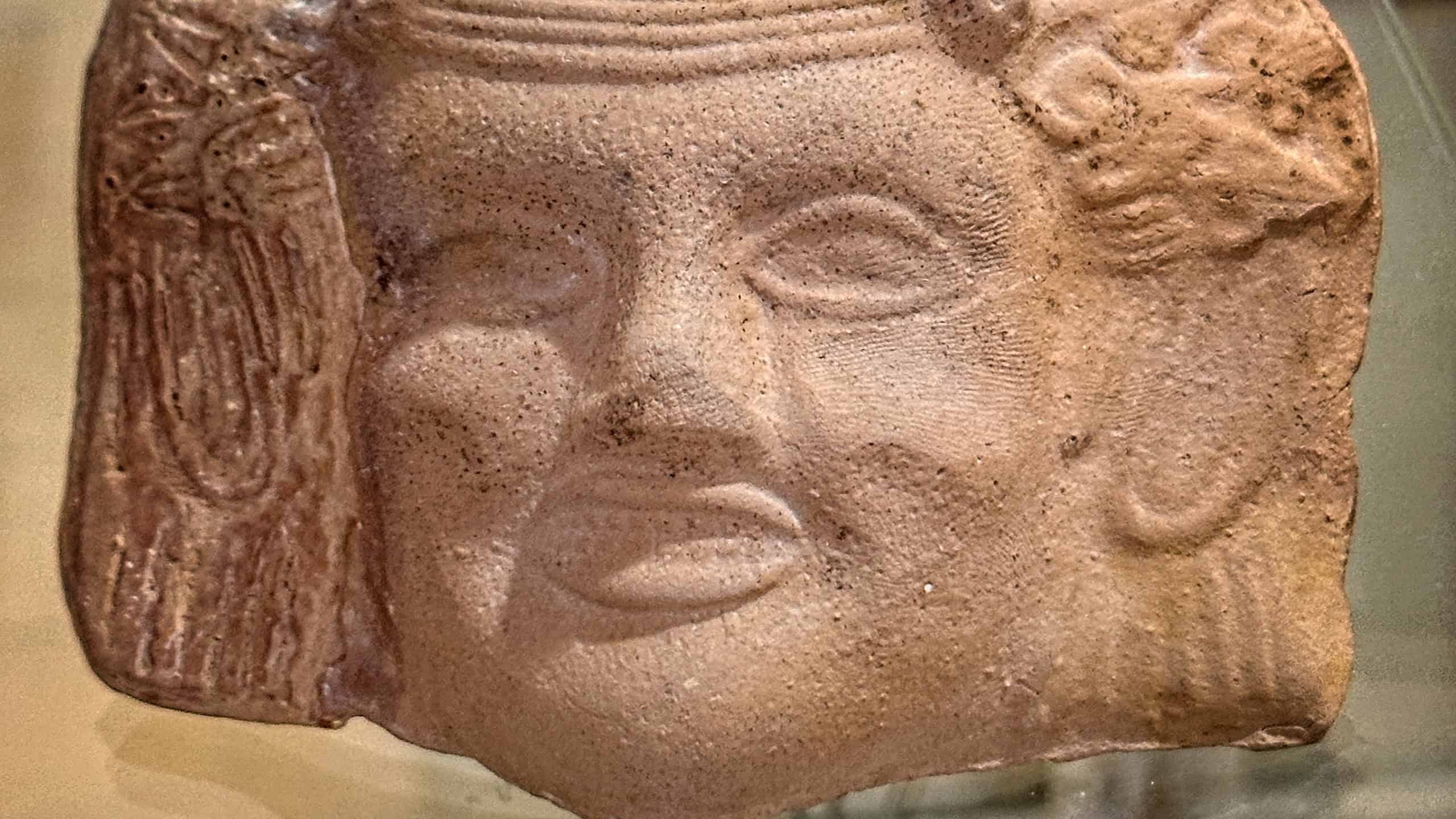
Most gods have faces. People who believed in the Nabataean religion didn’t think that. They worshipped plain upright stones called betyls, and Dushara was their main god. They were around at Petra and other settlements from around the fourth century BCE.
They had cults that mixed all sorts of traditions, including Arabian, Greek, Roman, Egyptian, and Syrian ones. For example, they linked Dushara with the Greek god Zeus, and al-Uzza with Aphrodite. They were big believers in mixing religions, clearly.
Palmyra’s gods
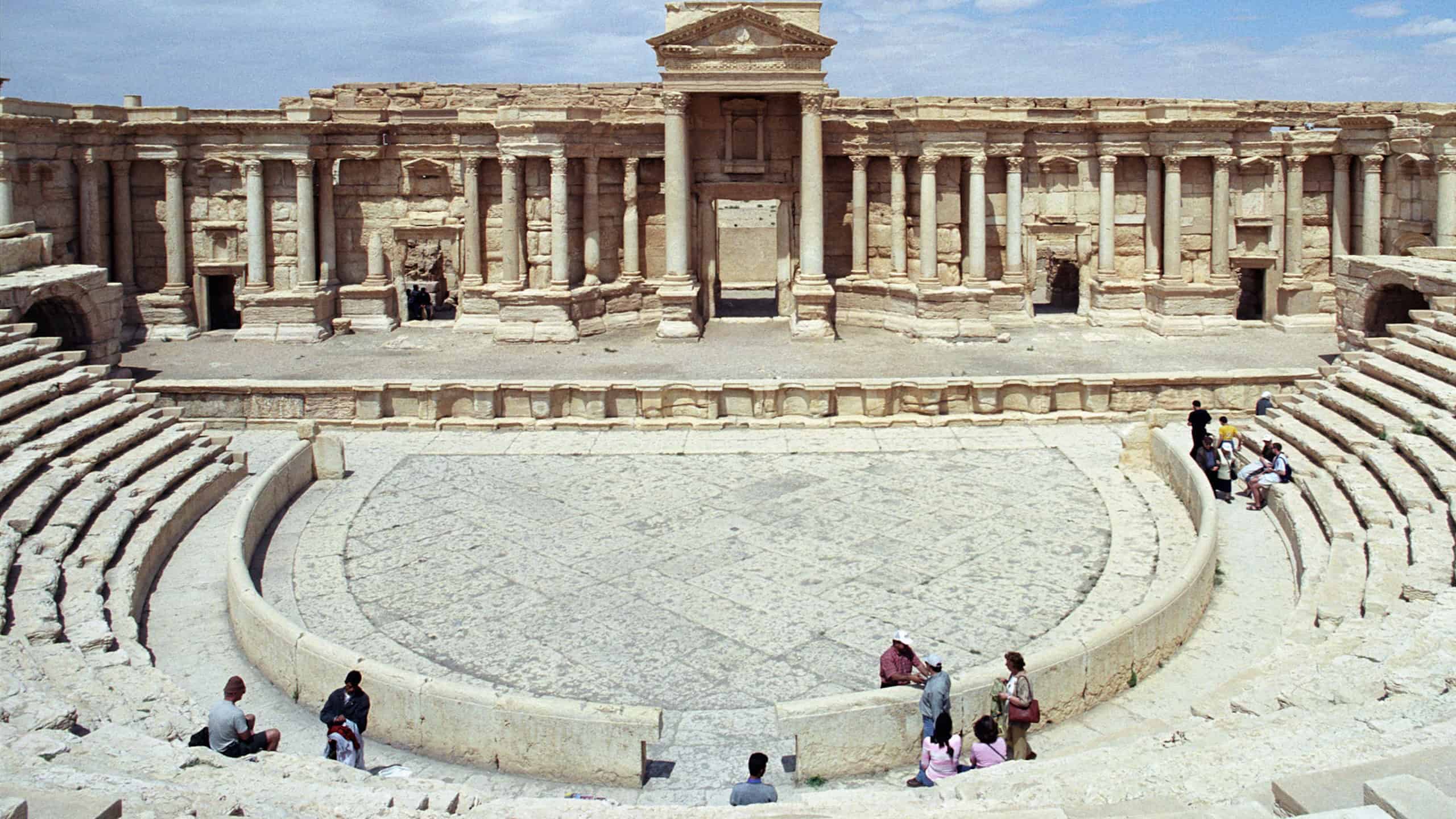
One desert city, and several major gods, that’s how the religion of Palmyra worked. They didn’t all belong to the same group, either, since the god Bel had a temple that was separate from Baalshamin’s.
Worshipers linked the gods Yarhibol, Aglibol, and Malakbel to all kinds of natural things. The spring, moon, sun, sacred groves, you name it, there was a god for it. Part of their worship involved incense altars and ritual banquets.
Etruscans

A sheep’s liver doesn’t seem like something all that religious. But not if you were an Etruscan priest. No, they believed it could carry a message from the gods, and they even had specialists who read the sacrificed organs. They also read lightning and bird flight.
According to their beliefs, the organ was divided into zones connected with different gods and areas of the sky. The major trio was Tinia, Uni, and Menrva, although the Etruscans weren’t afraid to borrow some Greek gods, either.
Phrygians
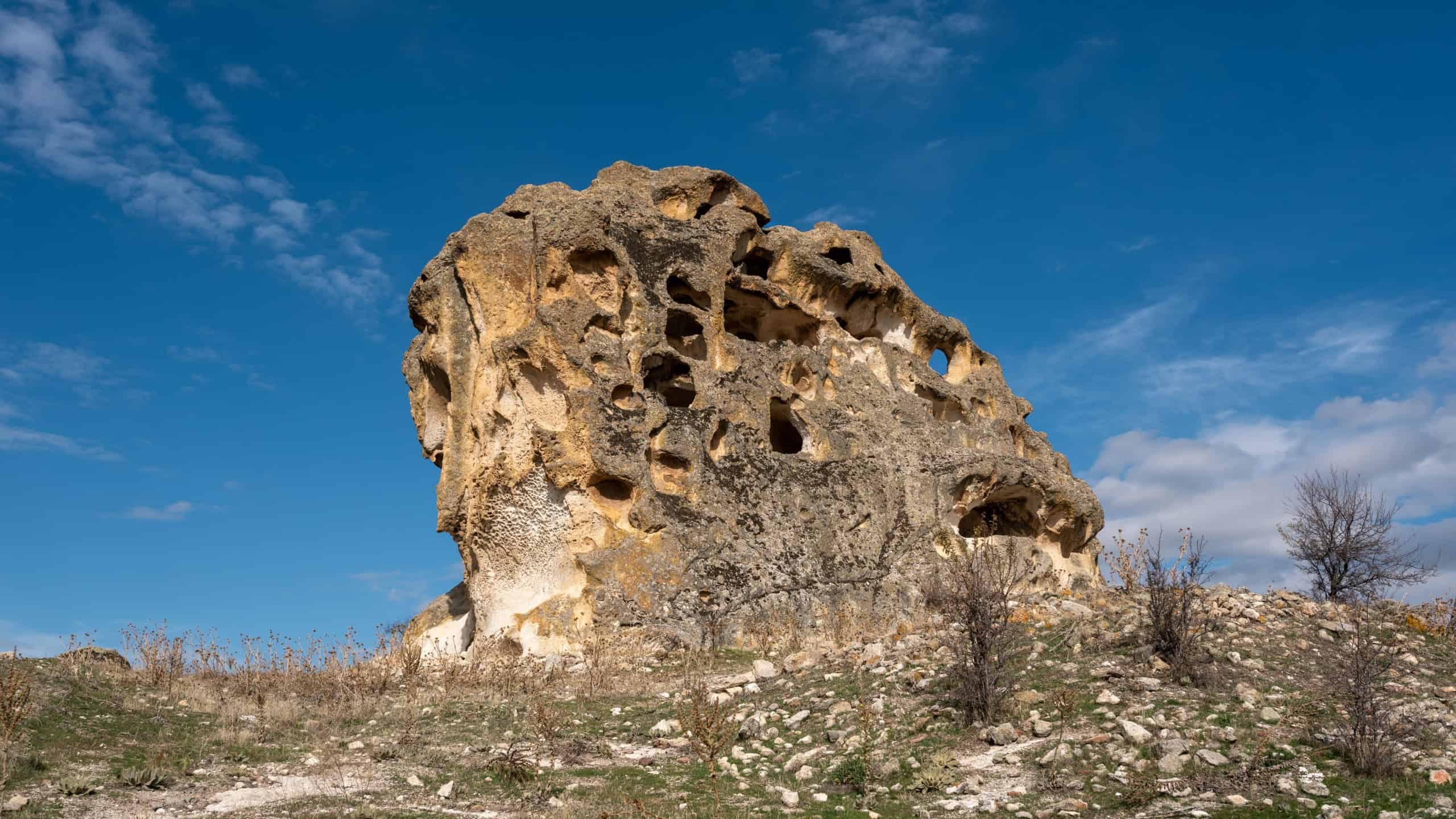
Not every kind of worship has to happen inside a building. Just look at the Phrygians, for example, they were around during the early first millennium BCE, and they carved huge shrine fronts. They carved these doorways into basically every cliff they could find.
Matar, the Mother, was at the center, and she actually inspired the Greeks and Romans later. They called her Cybele. The Phrygians connected Matar with things like cities, roads, gates, and borders. Kind of explains why they were so big on creating doorways, more or less.
Sources: Please see here for a complete listing of all sources that were consulted in the preparation of this article.


