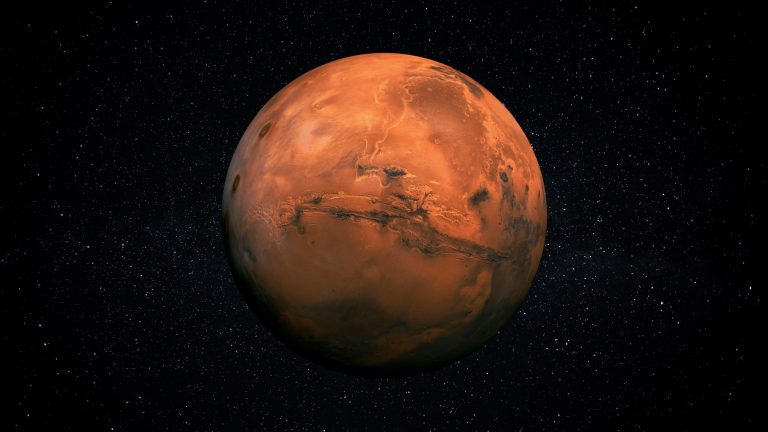

So many people sell Mars as the next great human destination, but there are a few things about it that might make you think twice about visiting.
Mars dust may be poisonous to astronauts
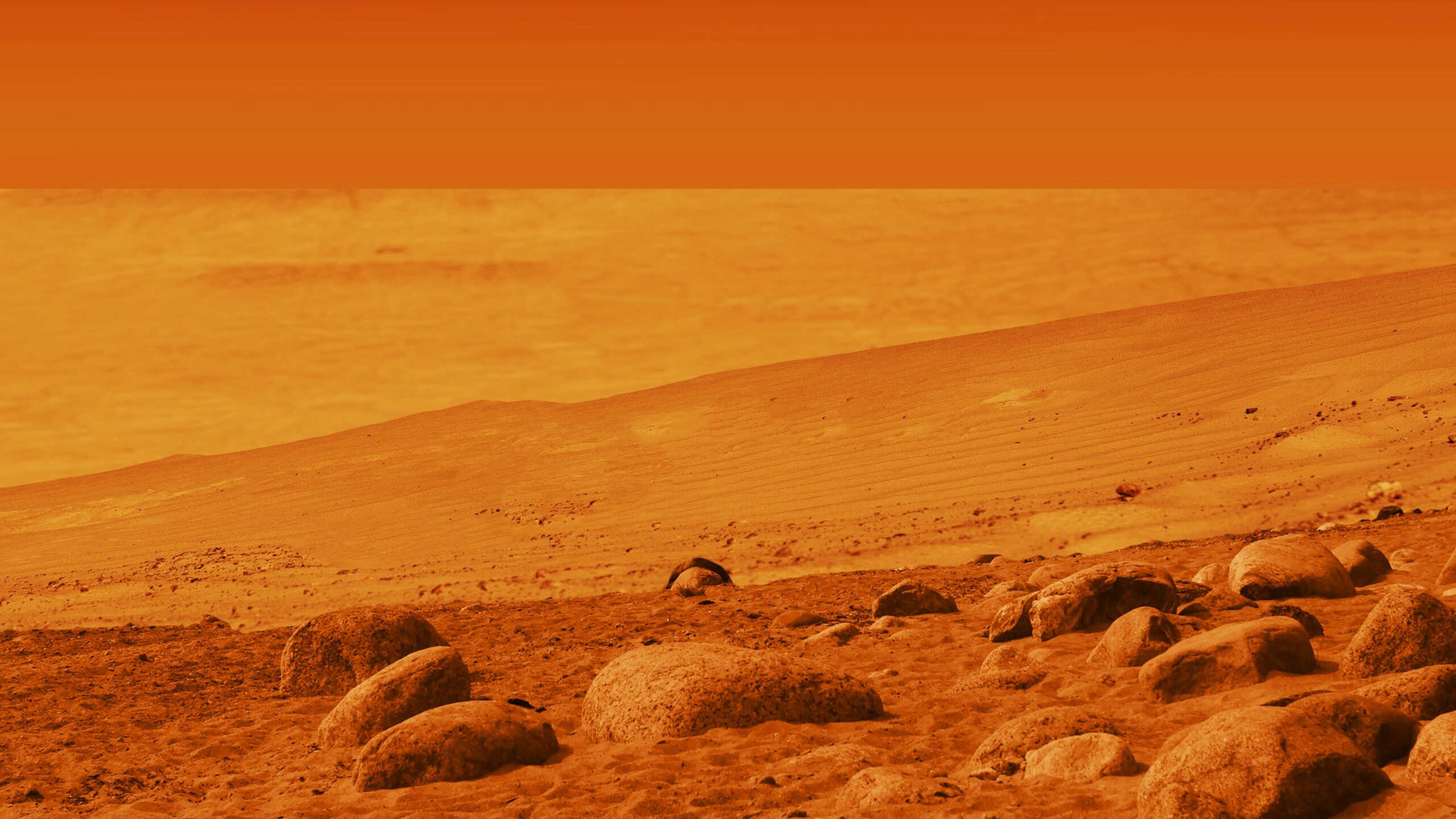
It’s no secret that Mars dust gets everywhere, and it sticks to basically everything it comes into contact with. That’s not a huge issue. What is a huge problem is what’s inside it, as Martian soil contains something called perchlorates.
These chemicals can affect your thyroid and could actually be seriously harmful if people breathe or swallow enough of them. The dust is also extremely fine, so it could get into your lungs. Not exactly the picture-perfect view of Mars that NASA tries to make us believe.
A Mars mission could exceed NASA’s normal radiation limit
Just traveling to Mars could be seriously dangerous because astronauts would have to spend months outside the protection of Earth’s magnetic field. All that space radiation could cause a lot of harm.
Astronauts would have to deal with galactic cosmic rays, for one. Shielding could help, yes, but it’d add more weight to the rocket, and that opens another can of worms. Astronauts might have to spend the whole trip exposed to invisible radiation passing through the spacecraft.
Astronauts would face five categories of danger together
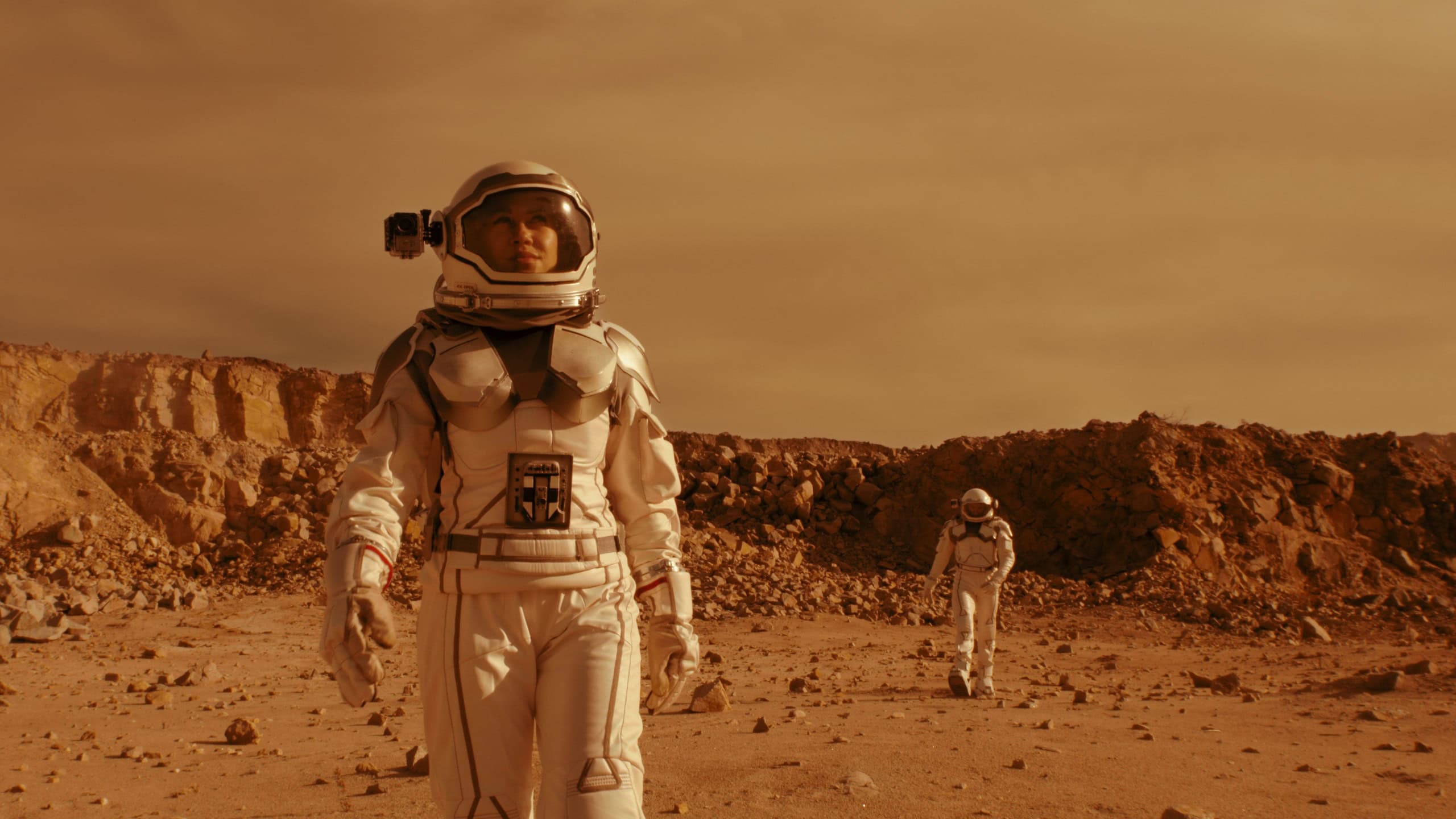
There are five kinds of dangers involved in deep-space travel. You’ve got radiation, isolation and confinement, distance from Earth, altered gravity, and hostile or closed environments. People on Mars would have to deal with all of those, lucky them.
They’d be living somewhere far from any medical help and in a cramped habitat. They have to deal with issues like weaker gravity and recycled air. It’s not like they could talk to Earth, either, since messages may take over 20 minutes to arrive.
NASA lost a spacecraft over two measurement systems
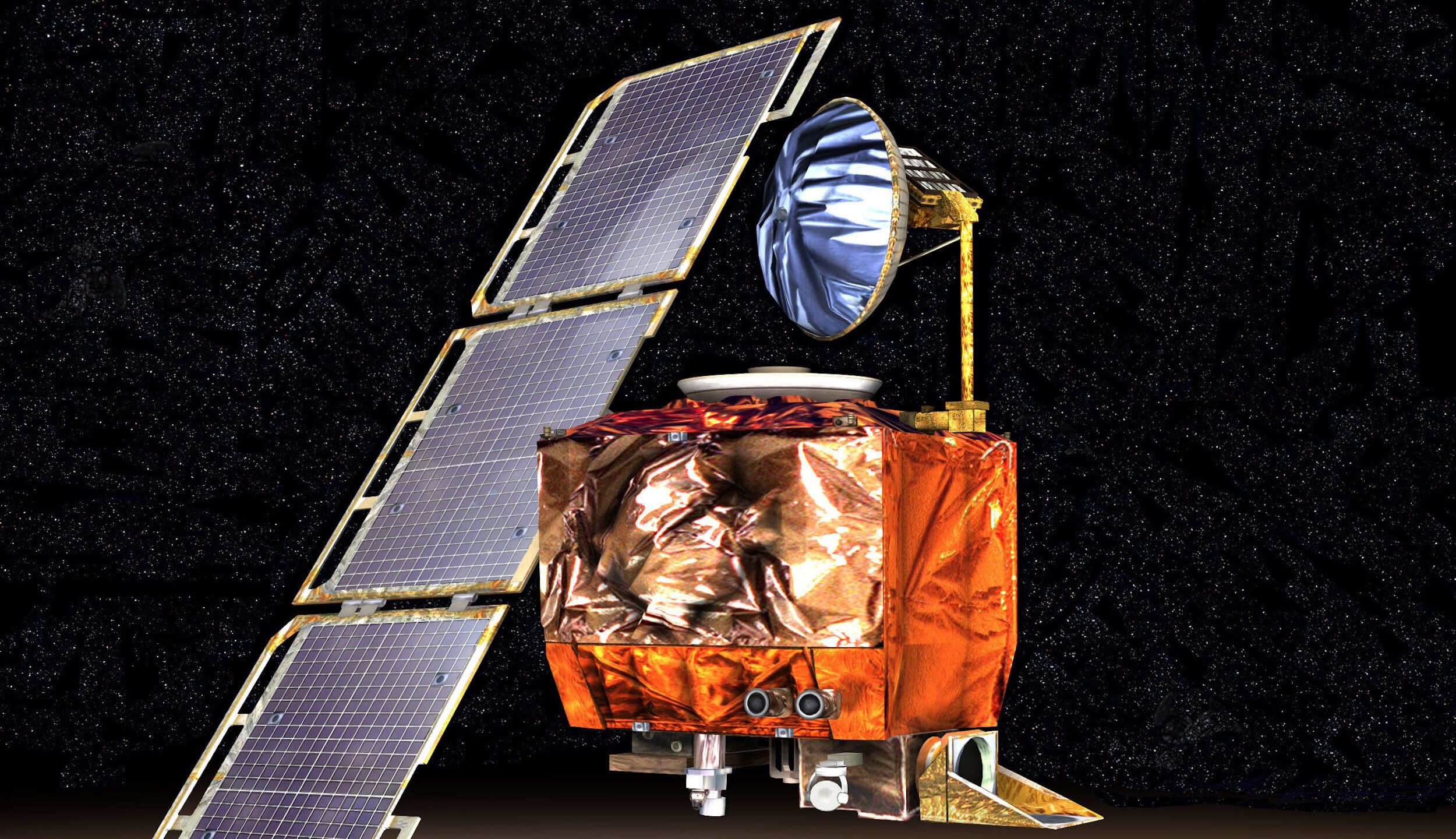
You might’ve heard of the Mars Climate Orbiter. It was a spacecraft that failed, completely failed, in fact, but not because of some wild space mystery. It was a simple human error. One team working on it used imperial units, and the other used metric ones, simple as that.
They sent the thrust data in pound-force seconds, but the navigation software was expecting it in newton-seconds. Big mistake. So big, actually, that the spacecraft went too close to Mars in 1999 and likely burned up or broke apart. The whole failed mission cost around $125 million.
Early experiments may have burned away Martian chemicals
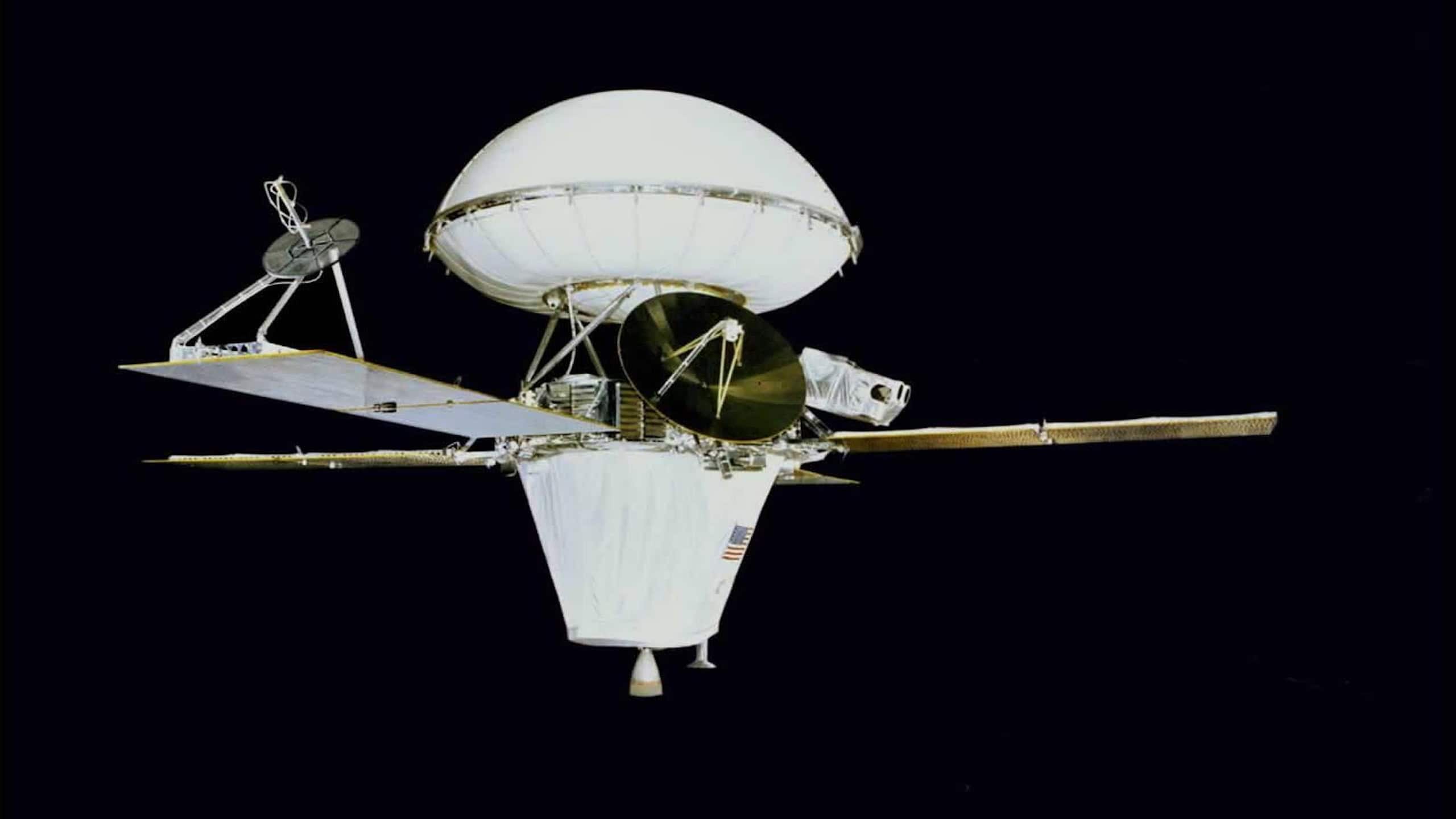
In 1976, the Viking landers tested Martian soil and heated samples, hoping to find organic chemicals. They didn’t find them. But what they did find were chlorinated compounds that were likely contaminated from Earth. Another lander discovered perchlorates in the soil years later.
Heating perchlorates may destroy organic material and create the same kinds of chlorinated chemicals that Viking detected. To put it another way, the experiment could’ve cooked the exact evidence it was looking for. Not exactly ideal.
Exposed liquid water wouldn’t last on most of Mars
Water. It’s no secret that Mars has channels and valleys, along with other features that look like old rivers. But that doesn’t mean we could just dump loads of water in them to give the planet running water. The atmosphere is way too thin for that.
Any liquid water on the planet would freeze or boil, maybe evaporate quickly. It’s possible that salty water could survive a little longer under certain conditions, but it wouldn’t be in a way most people expect. So no, you’re not going to have any outdoor pools on Mars any time soon.
Mars is colder than many pictures suggest
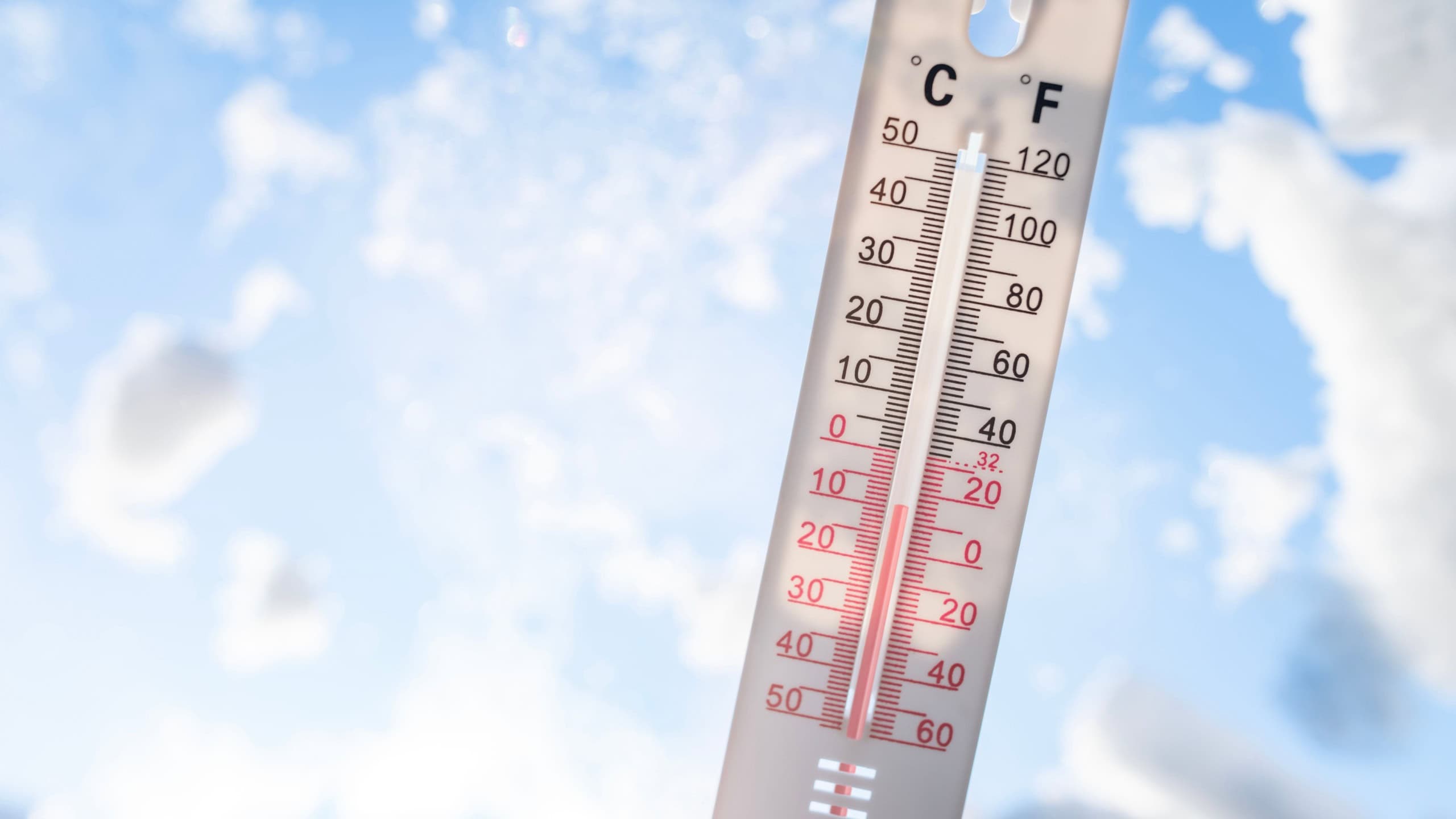
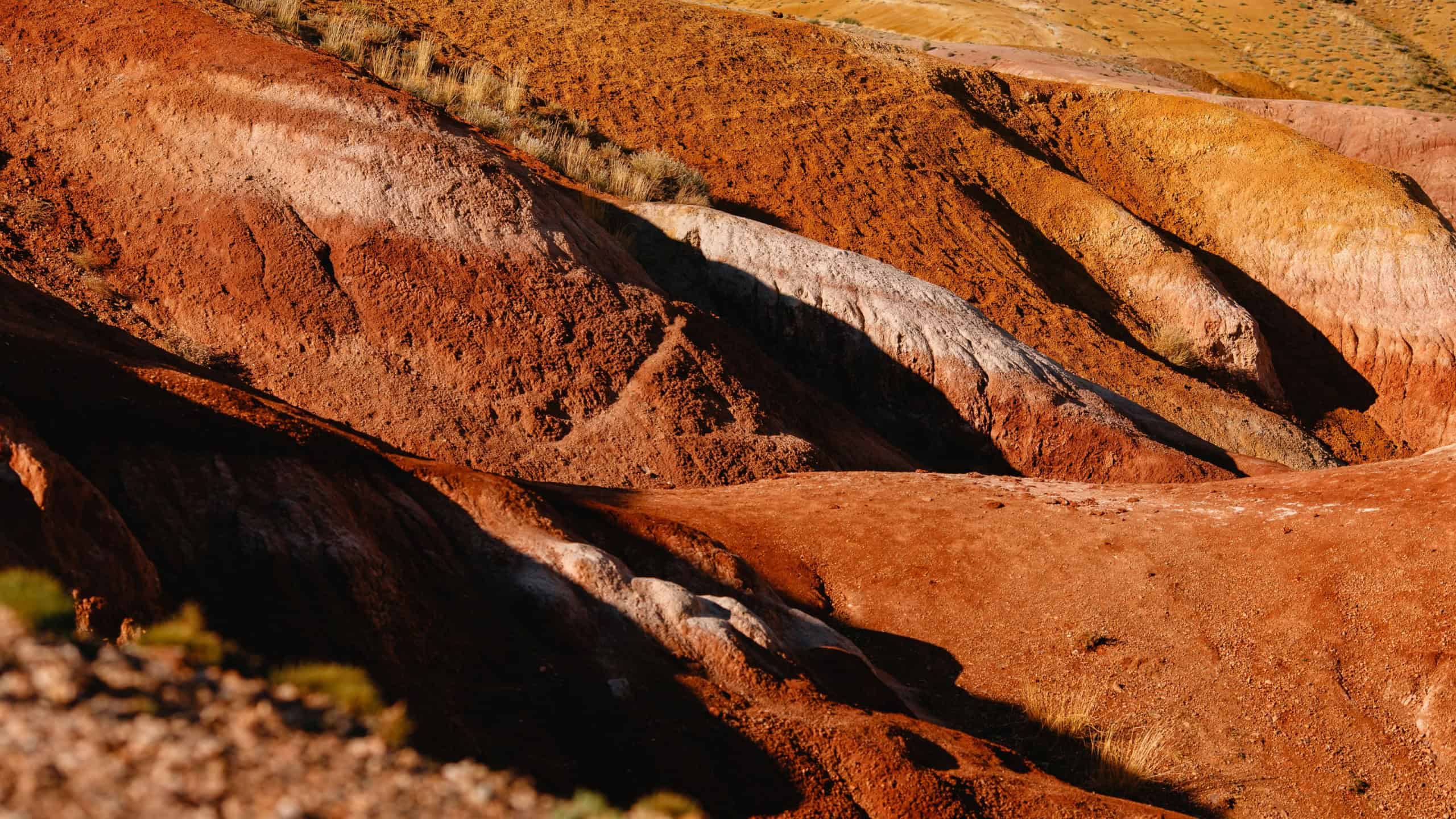
It’s easy to think that, with all that rocky ground and those orange skies, Mars looks a lot like Nevada. You might expect it to be just as warm. Just check the temperature, however, and you’ll find that the average surface temperature is roughly minus 85 degrees Fahrenheit.
The lows drop to around minus 225. Some of the sunnier areas do sometimes hit the 70s, yes, but it’s a different story once the Sun goes down. Then it’s bye-bye heat because the atmosphere is too thin to hold a lot of warmth.
Martian methane still hasn’t been properly explained
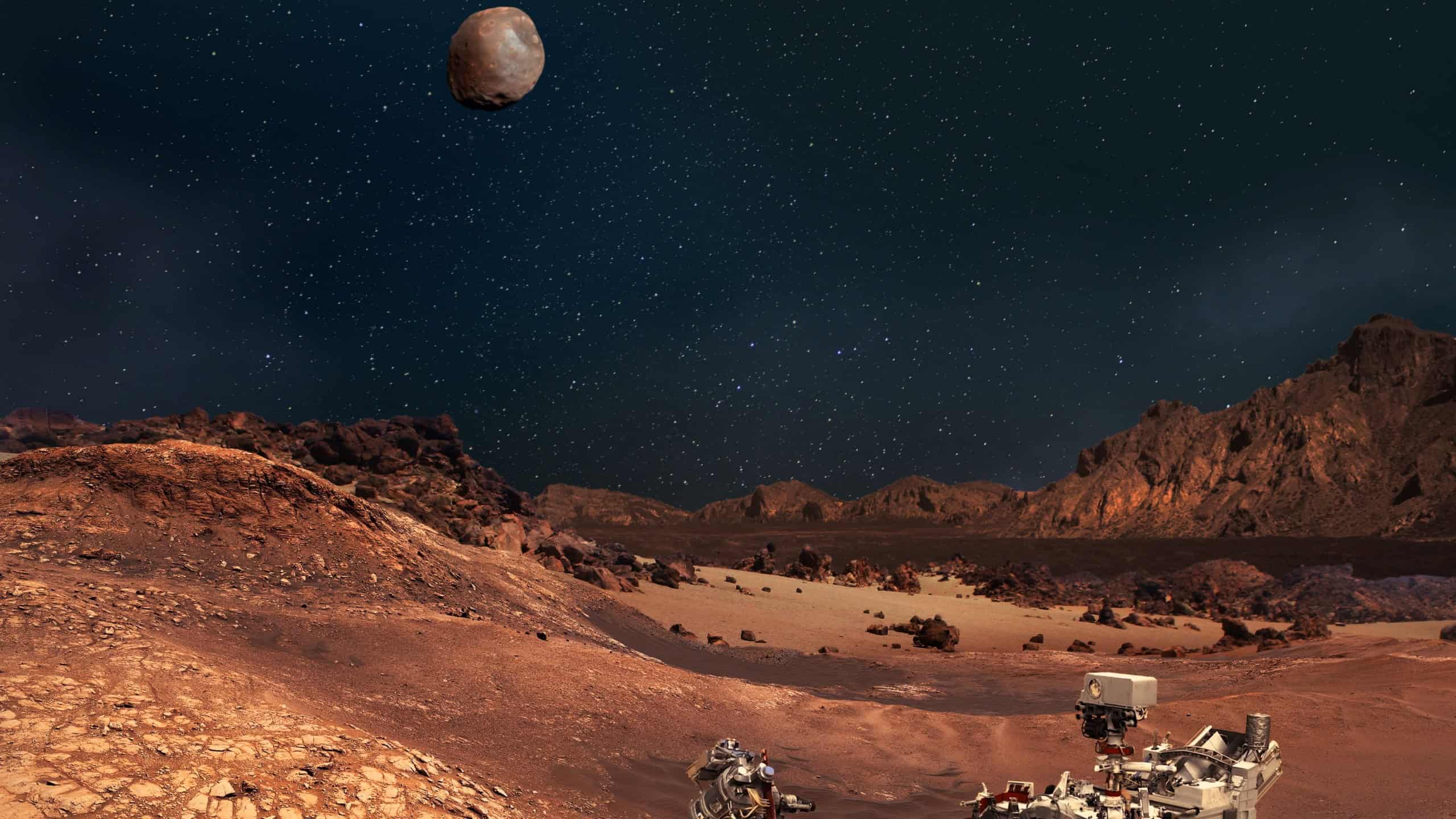
Methane is something that keeps appearing on Mars, and then disappearing again. The rover Curiosity picked it up in Gale Crater both as a steady background reading and in sudden bursts. It often comes from living things on Earth, so people get excited about finding it elsewhere.
But it’s not that simple. Rocks interacting with water can produce it too, and other rovers haven’t managed to find the same amounts higher up. We have no idea where the gas actually comes from on the red planet.
Mars-born children might be unable to tolerate Earth
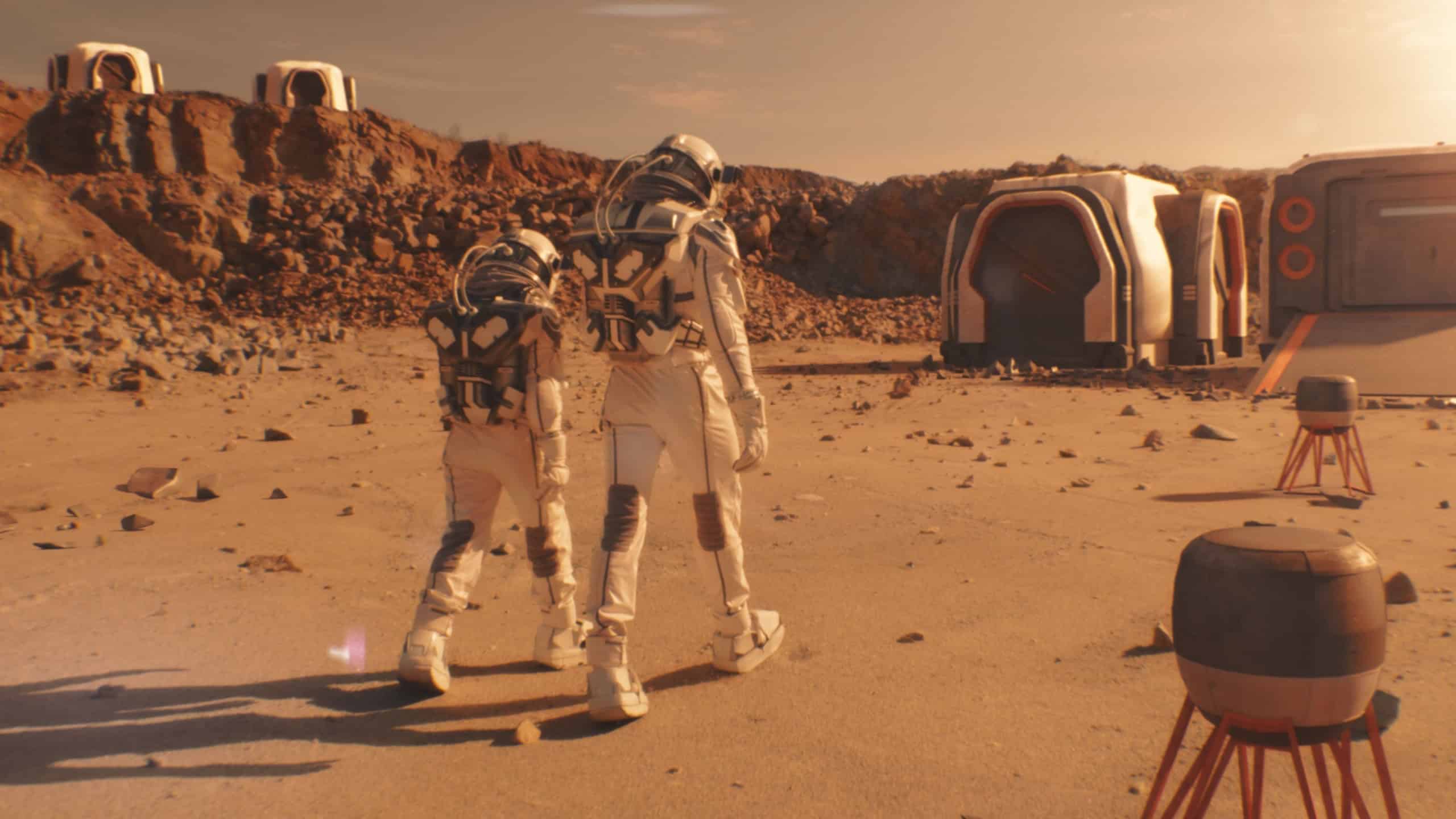
Mars is a planet where gravity is only 38 percent as strong as it is here. That might not seem that important, but think about it. All your bones and muscles are used to a stronger pull on Earth, while on Mars, they’d be used to something a little easier.
Coming to Earth would feel a lot more difficult for anyone born on Mars because they’d be carrying nearly three times their usual body weight. We could use exercise or medicine to help, sure. But that’s still pretty far off.
One Martian moon is slowly falling toward the planet
Phobos is one of Mars’s two moons, although not for much longer. It circles the planet once every seven hours and 39 minutes, and at the same time, the red planet is pulling it inward by about six feet every century.
That’s not very much on a human timescale, of course. After around 50 million years or so, however, it’s likely that Phobos will smash into the planet or break apart first. That’d leave Mars with a ring for a while, and give Phobos quite an ending.
Sources: Please see here for a complete listing of all sources that were consulted in the preparation of this article.
Seven facts that make history feel just a little less serious

It’s a lot harder to treat history so seriously when you see all of the ridiculous details and stories, which prove that, actually, the past was kind of funny.
Seven facts that make history feel just a little less serious


