

Marriage is a tricky thing, and for some women, it’s a political tool, but for others, it’s something to absolutely avoid at all costs.
Margaret of Anjou
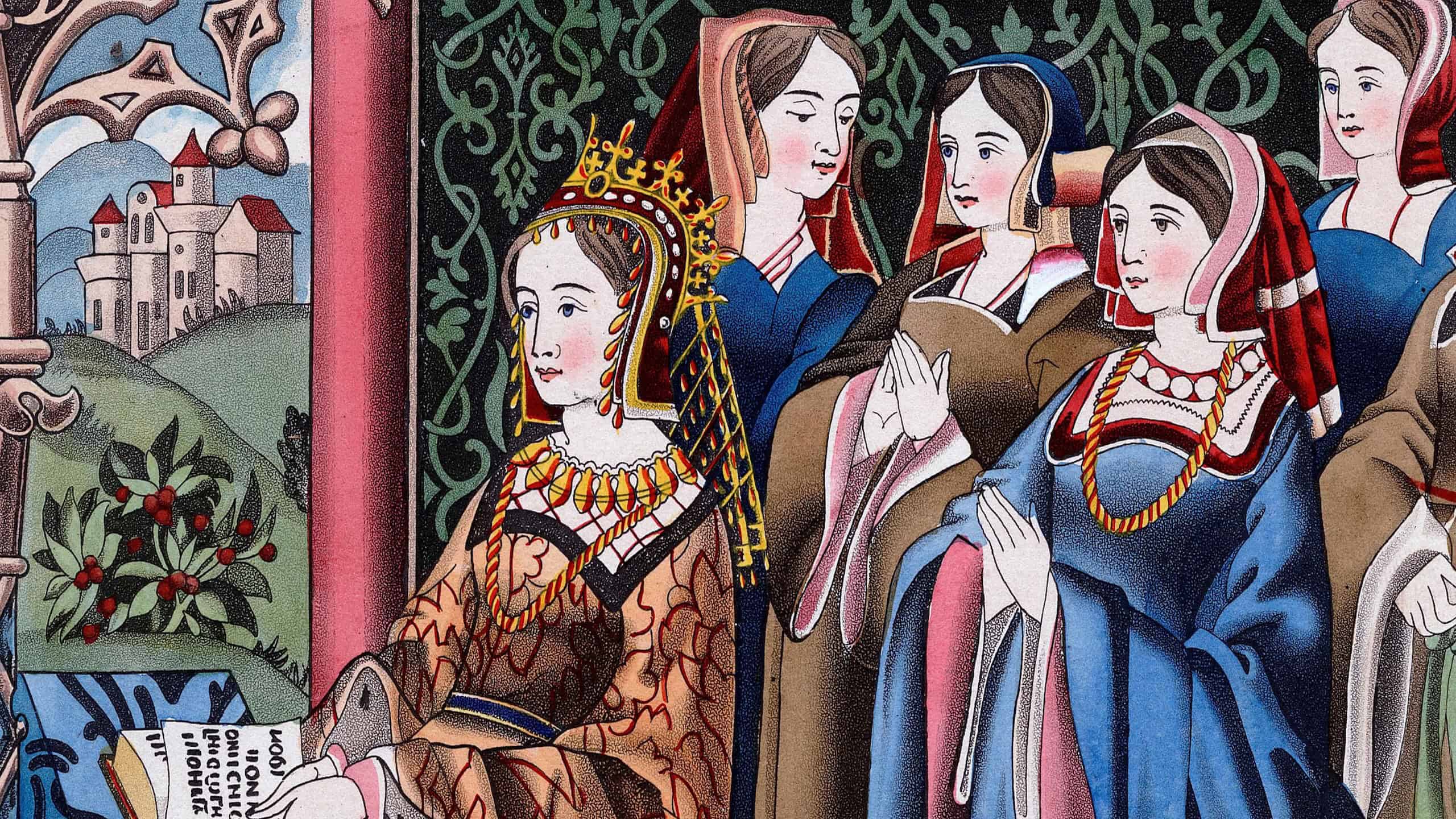
Margaret of Anjou did not arrive in England with the goal of leading a war. She came over from France in 1445 to marry Henry VI, a man who later began suffering from serious mental health problems. So, Margaret stepped forward.
She defended their son Edward’s claim to the throne and became the driving force behind the Lancastrian side during the Wars of the Roses. Yes, Margaret raised support and dealt with allies. She helped direct military action, too. Kind of incredible for a medieval queen.
Empress Matilda
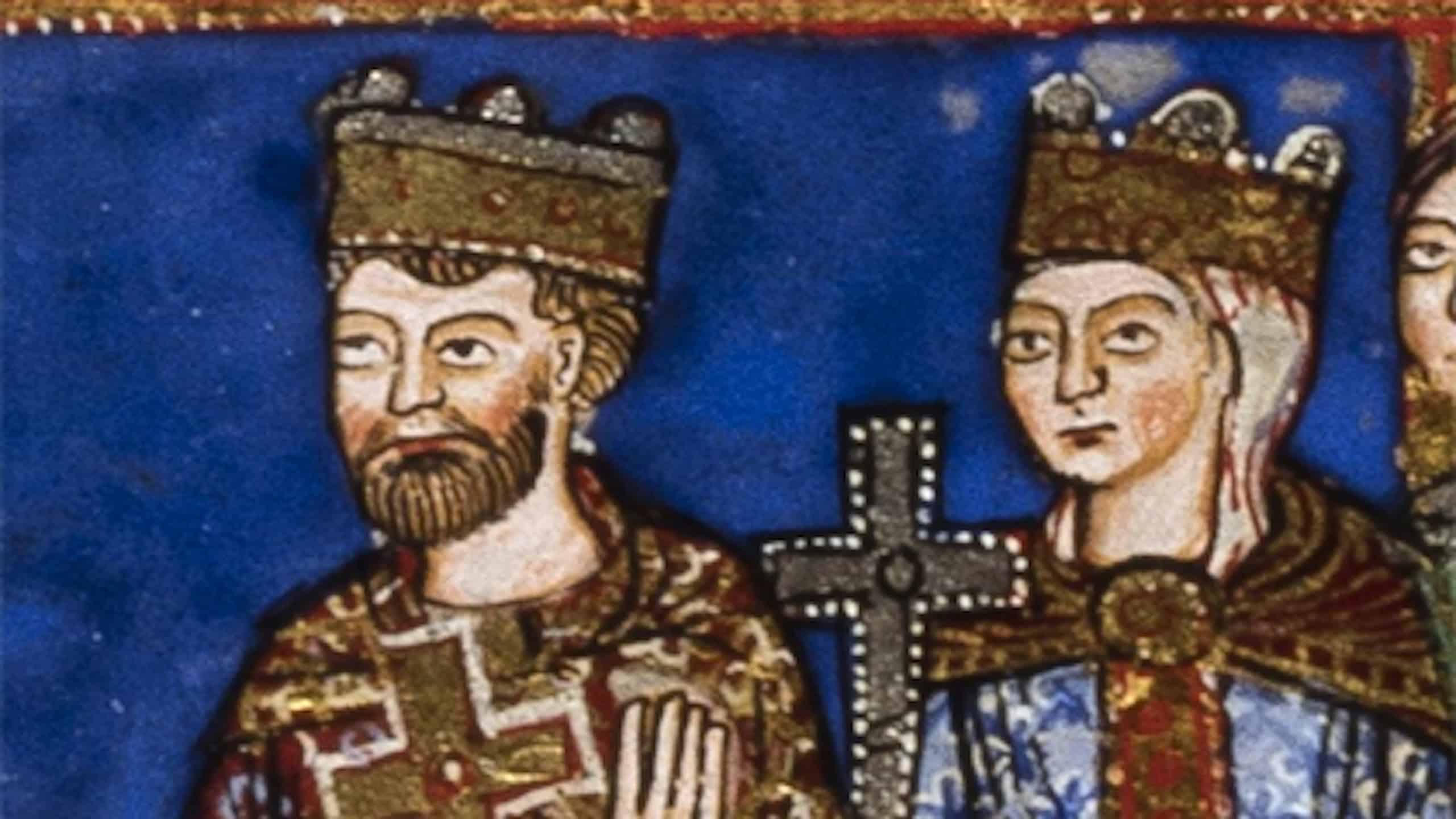
Empress Matilda knew all about the importance of marriage. Her first marriage made her an empress, after all, and her second one gave her the power to fight for England. She married Geoffrey of Anjou after it was arranged by her father, Henry I. She wasn’t thrilled about it.
But Geoffrey brought land and soldiers, along with access to Normandy, so she did it anyway. It was lucky she did. Henry died, and Stephen of Blois took the English crown. Matilda fought for England while Geoffrey pushed into Normandy. She used her marriage to give her claim to the throne some power, and create a dynasty to carry it forward.
Elizabeth Woodville
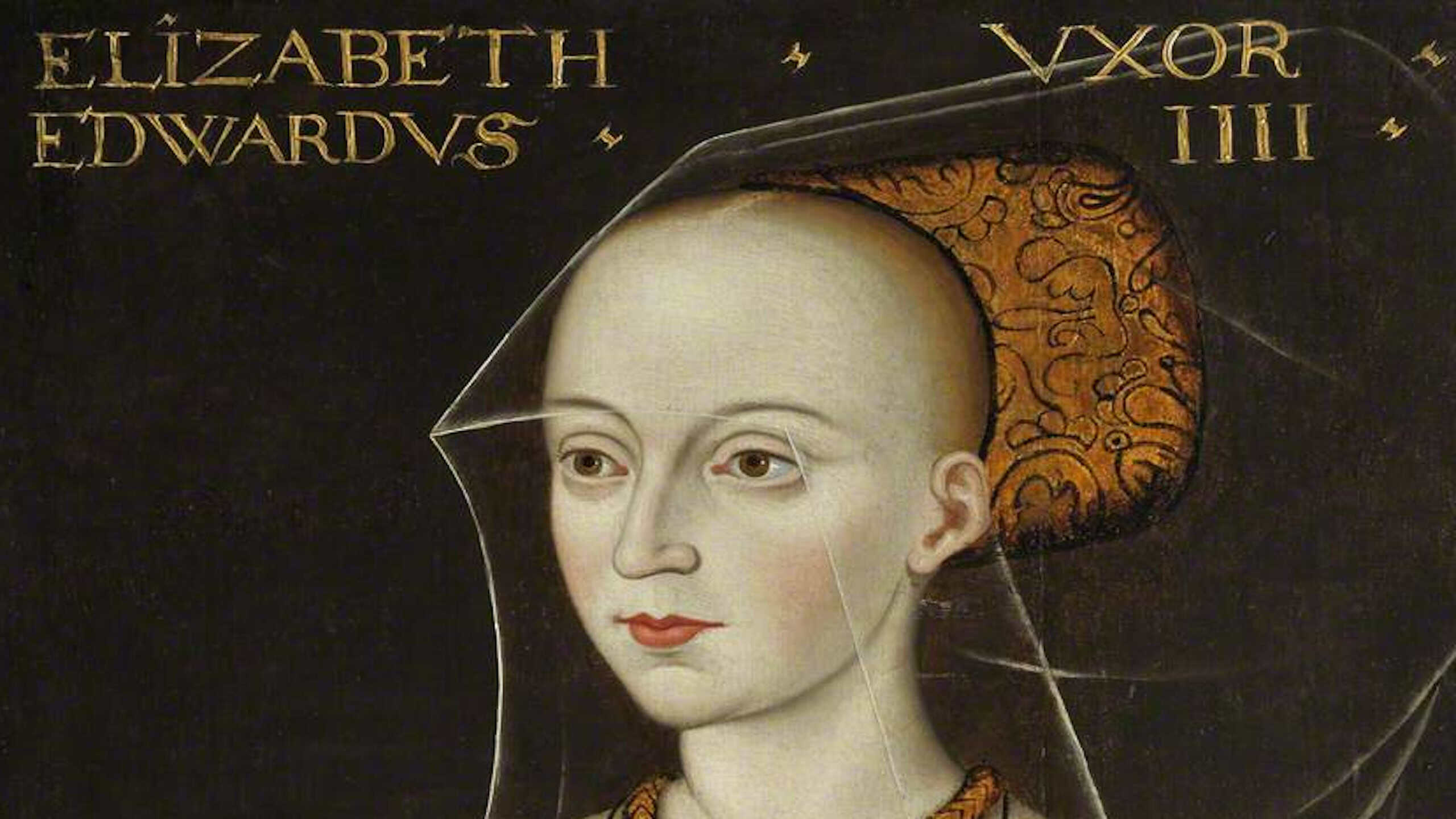
Even a secret wedding can go badly, just ask Elizabeth Woodville. Hers turned into a family takeover after she married Edward IV privately in 1464. She then appeared as queen at court once he revealed the truth, and used her marriage in her favor. Or, at least, her family’s favor.
It didn’t take long for Woodville relatives to start landing major marriages and positions in the English monarchy. Her sisters married noblemen, and her brother John married the wealthy Duchess of Norfolk. She’d used a secret marriage to secure royal connections for her relatives.
Zoe Porphyrogenita
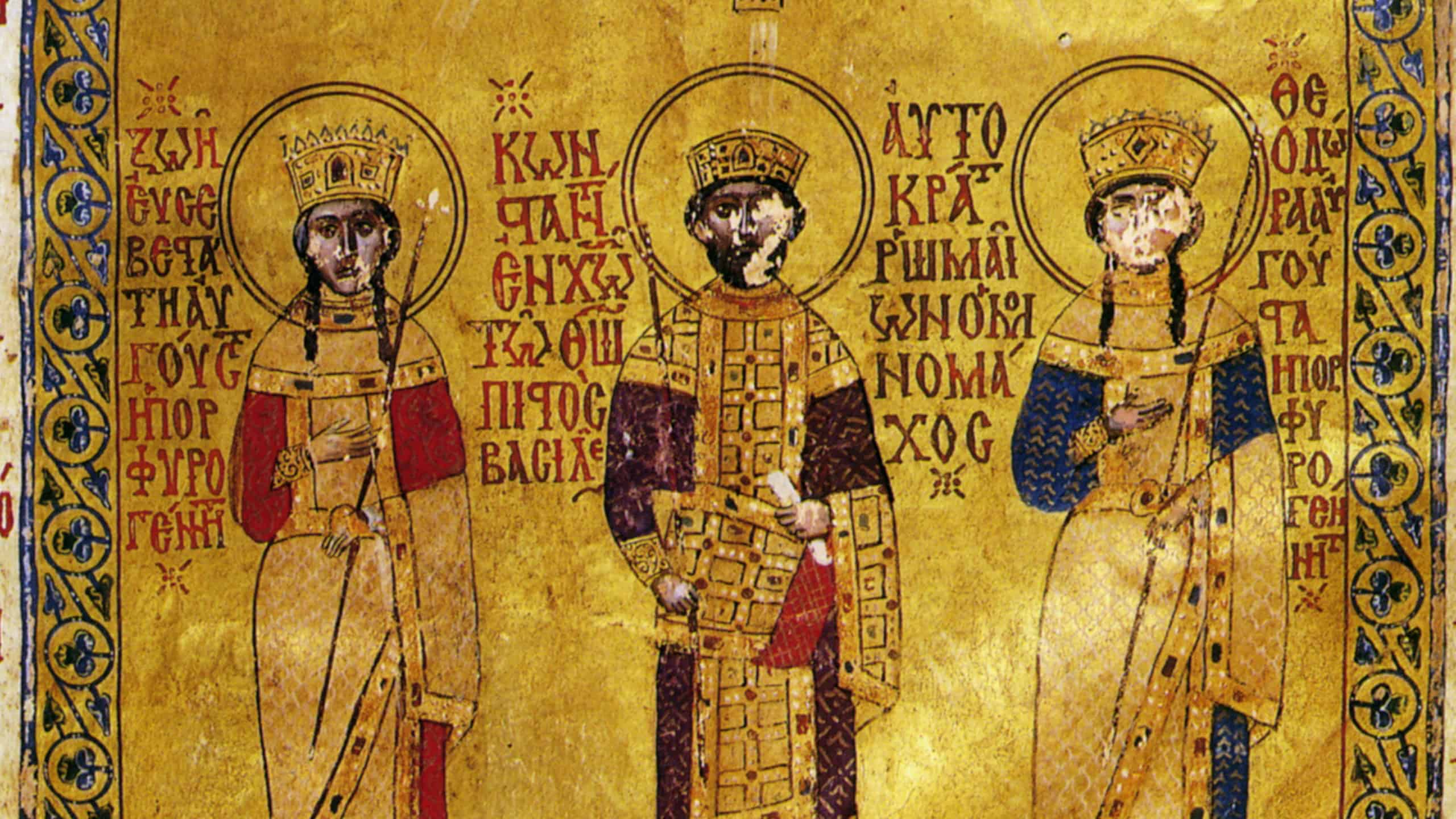
There was something very special about Zoe Porphyrogenita, and she knew it. She had a direct link to the Macedonian imperial line. Zoe used that connection for her husbands, starting with Romanos Argyros, whom she helped make emperor. She married Michael IV after Romanos died.
Michael also took the throne. It wasn’t all smooth sailing, though, because then came a brief exile, but then she returned. She married one more man, Constantine Monomachos, and he became Byzantine Emperor Constantine IX. Three marriages, three emperors, and one woman.
María de Molina

María de Molina’s marriage had issues right from the start, beginning with the fact that her husband, Sancho of Castile, was a close relative. They married in 1282 without getting proper papal approval. To nobody’s surprise, their rivals used that against their children.
They claimed the heirs weren’t legitimate because the marriage wasn’t real, so María spent years fixing the problem. Once Sancho died, she ruled for their young son Ferdinand IV before finally receiving papal authority, and then governed again for her grandson Alfonso XI.
Shajar al-Durr
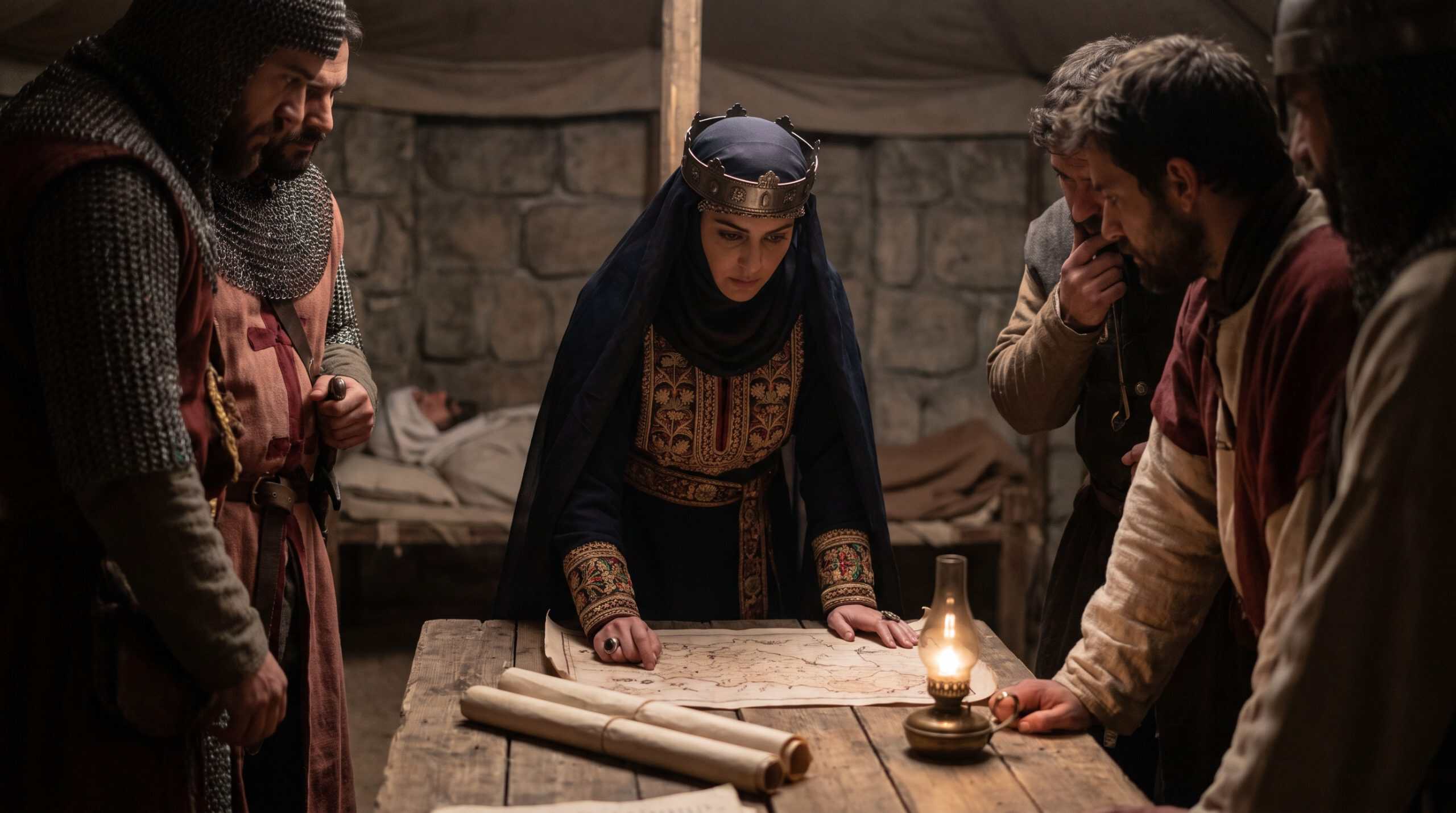
Shajar al-Durr was the wife of the Ayyubid sultan al-Salih Ayyub in modern-day Egypt. But tragedy struck when he died during the Seventh Crusade. Ever the strategist, though, Shajar kept the news secret until the military situation was under control.
She even ruled Egypt herself for a short while, until opposition to a female ruler forced her out. But Shajar wasn’t going to give up. No way. She married the Mamluk commander Aybak to legitimize her rule, then had him killed in his bath when he tried marrying someone else. Brutal.
Urraca of León

It seemed useful. The marriage between Urraca of León and Alfonso I of Aragon seemed to work. Urraca had inherited León, Castile, and Galicia, while Alfonso brought military strength and a crown of his own. But it was power itself, and their struggle to share it, that was the issue.
Alfonso wanted real control over her kingdoms. Urraca, of course, had no desire to be some kind of decorative queen in lands that she already owned. Instead of using her marriage to gain power, she stopped her marriage from taking her power.
Elizabeth I
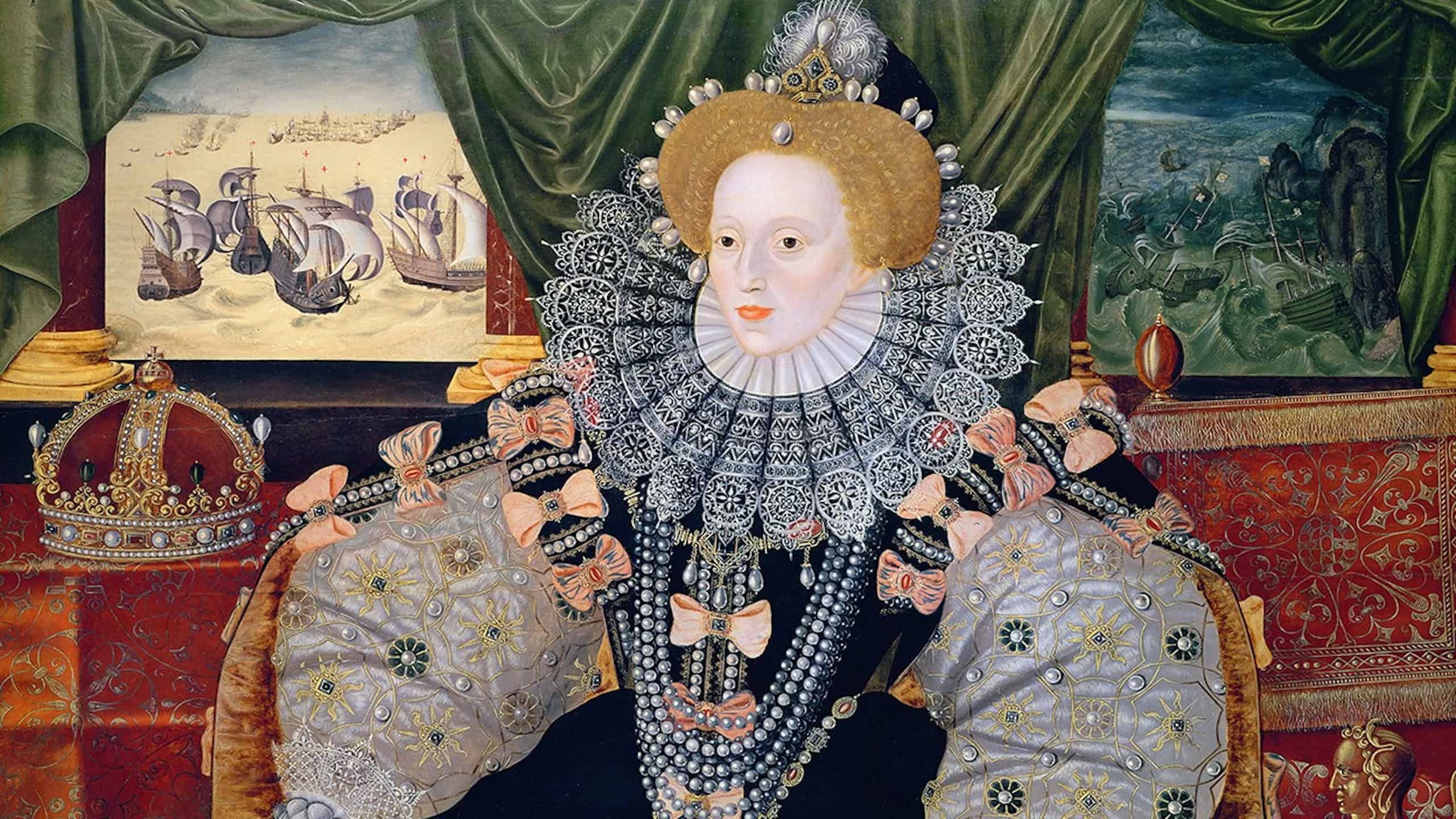
Now it’s time for those who refused marriage. Queen Elizabeth I didn’t have a shortage of possible husbands, as plenty of men tried to marry her. Foreign princes, English nobles, Parliament itself, you name it, they all wanted Elizabeth to get hitched. But she didn’t.
Yes, marriage could bring an heir and an alliance, but it’d place a man beside her with his own supporters and foreign interests. He’d have his own ideas about who should rule. Elizabeth didn’t want any of that, and while she kept negotiations alive for years, she never got married.
Christina of Sweden
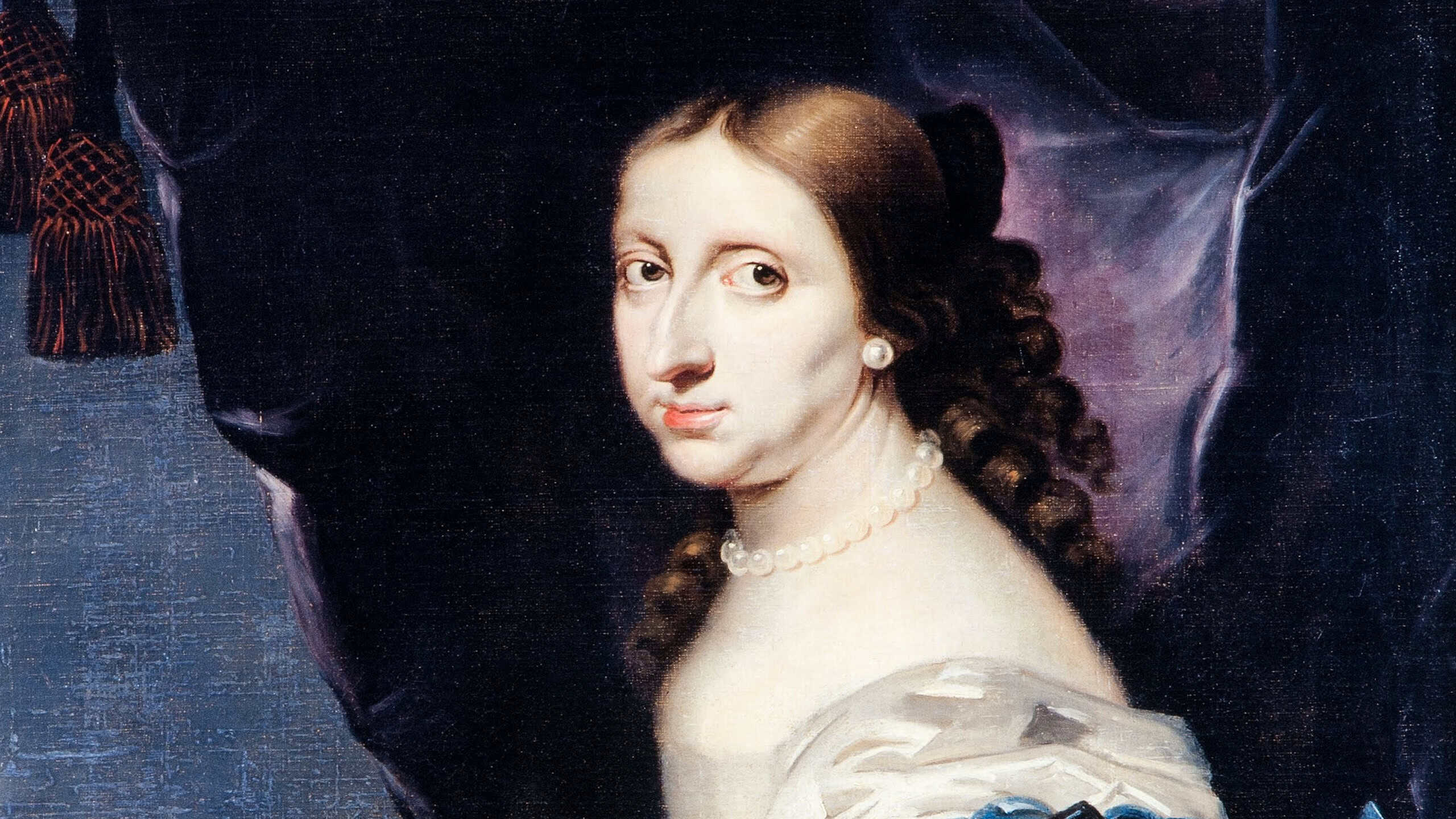
Christina of Sweden wasn’t the type of woman who was interested in becoming a royal wife or in producing the next king. Definitely not. She inherited the throne as a child in 1632, and then had to deal with years of pressure to marry as soon as she ruled for herself.
Christina wasn’t having any of it. She actually arranged for her cousin, Charles Gustavus, to become heir and abdicated in 1654. Christina gave up the crown and left Sweden before converting to Catholicism. She settled in Rome, preferring the whole arrangement to marriage.
Florence Nightingale
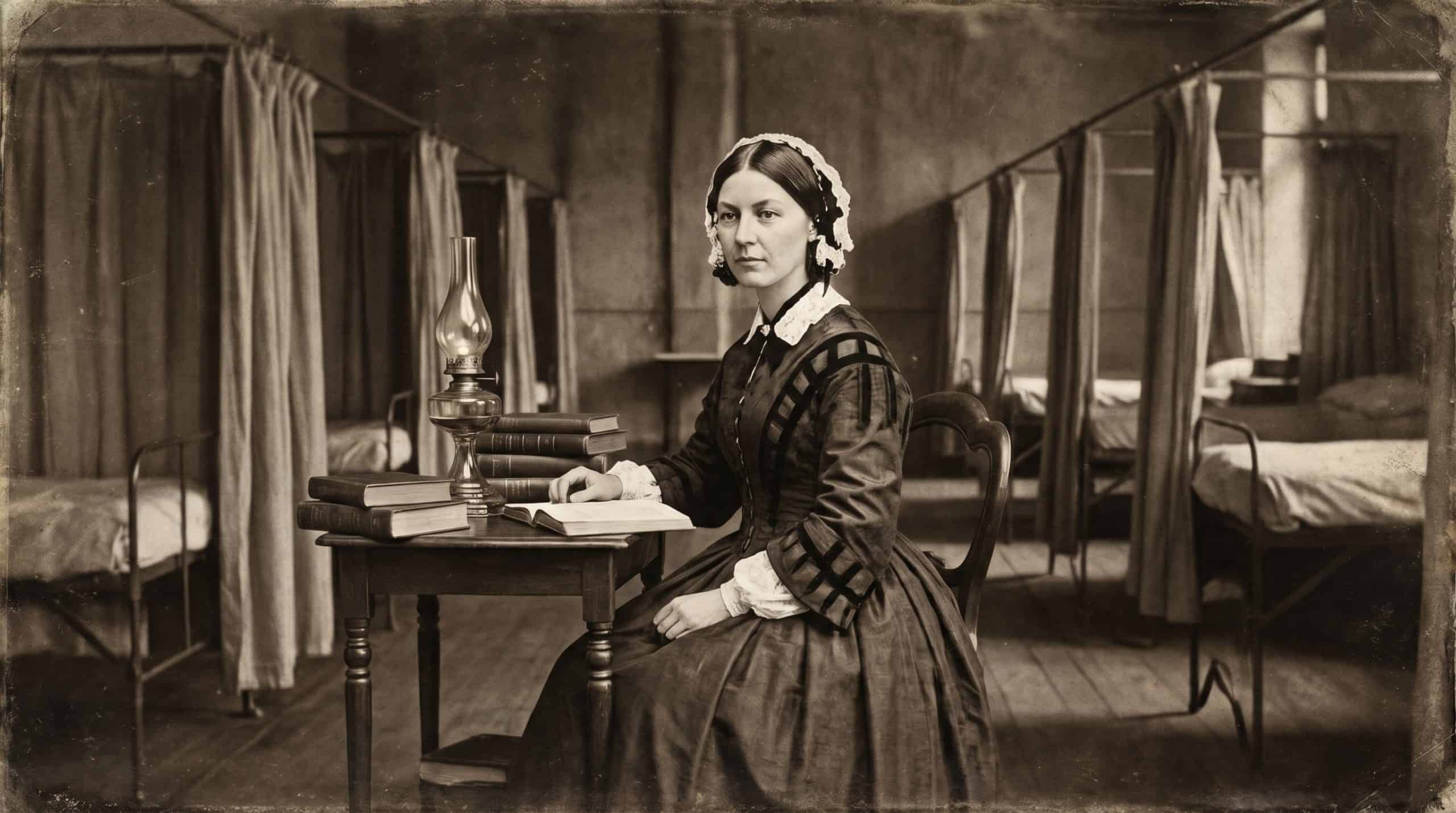
It would’ve been so easy for Florence Nightingale to choose a comfortable married life. Politician and poet Richard Monckton Milnes had pursued her for years, and the marriage would’ve pleased her wealthy family. But she stuck to her guns and said no.
As the founder of modern nursing, Nightingale was worried that marriage would take away her independence and time for nursing. It’s not like Victorian wives had endless freedom, after all. She refused Milnes’ proposals time and time again. Turns out, Nightingale was really dedicated.
Susan B. Anthony
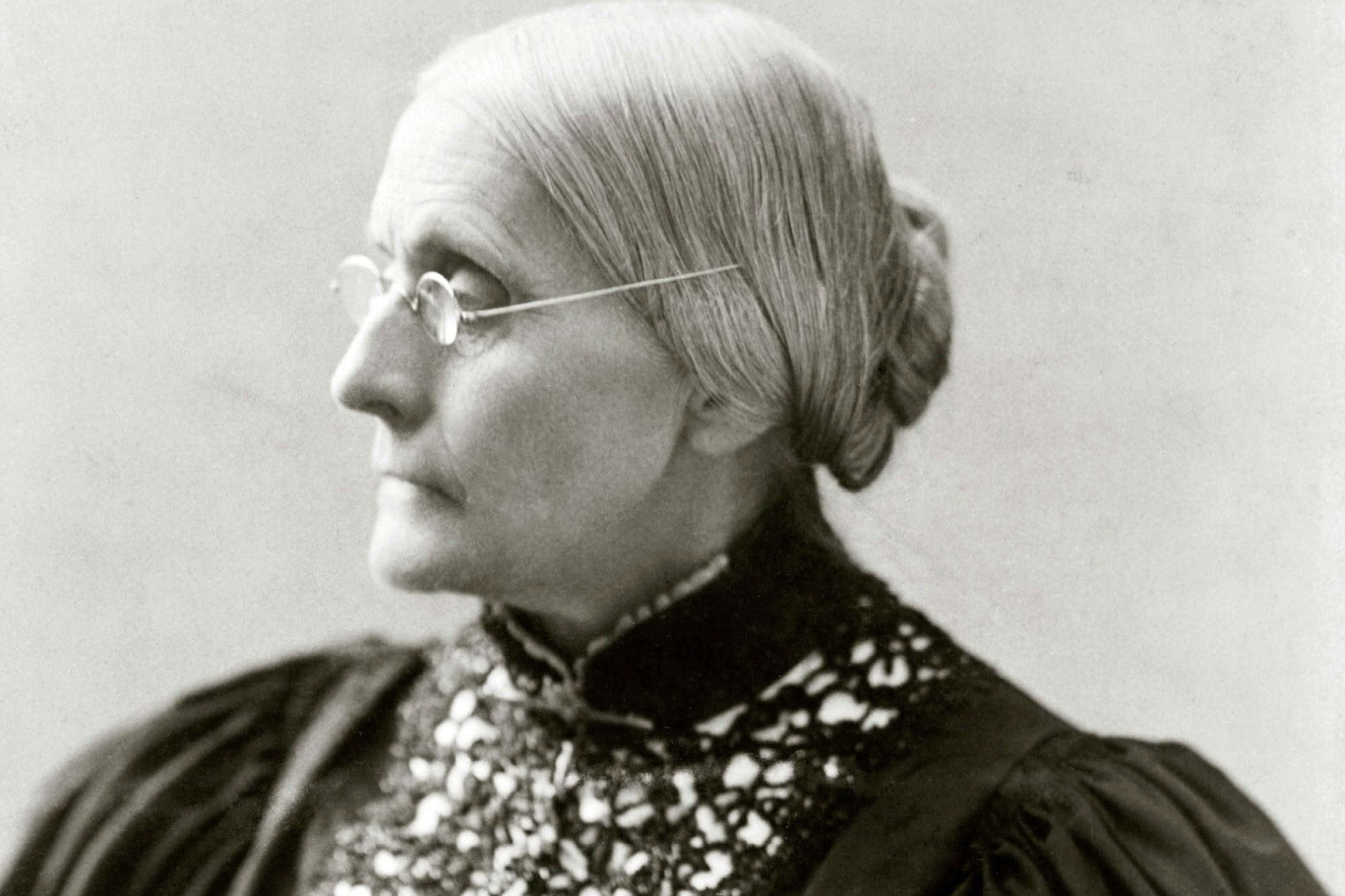
Women’s rights activist Susan B. Anthony wasn’t happy with the legal version of marriage available to American women in her time. So much so, in fact, that she refused to get married, because she saw how a married woman could lose all their power.
Their wages, property, and parts of ther legal identity would be handed over to her husband. Naturally, Anthony disliked that and campaigned to change those laws, despite receiving multiple proposals. She never married.
Louisa May Alcott
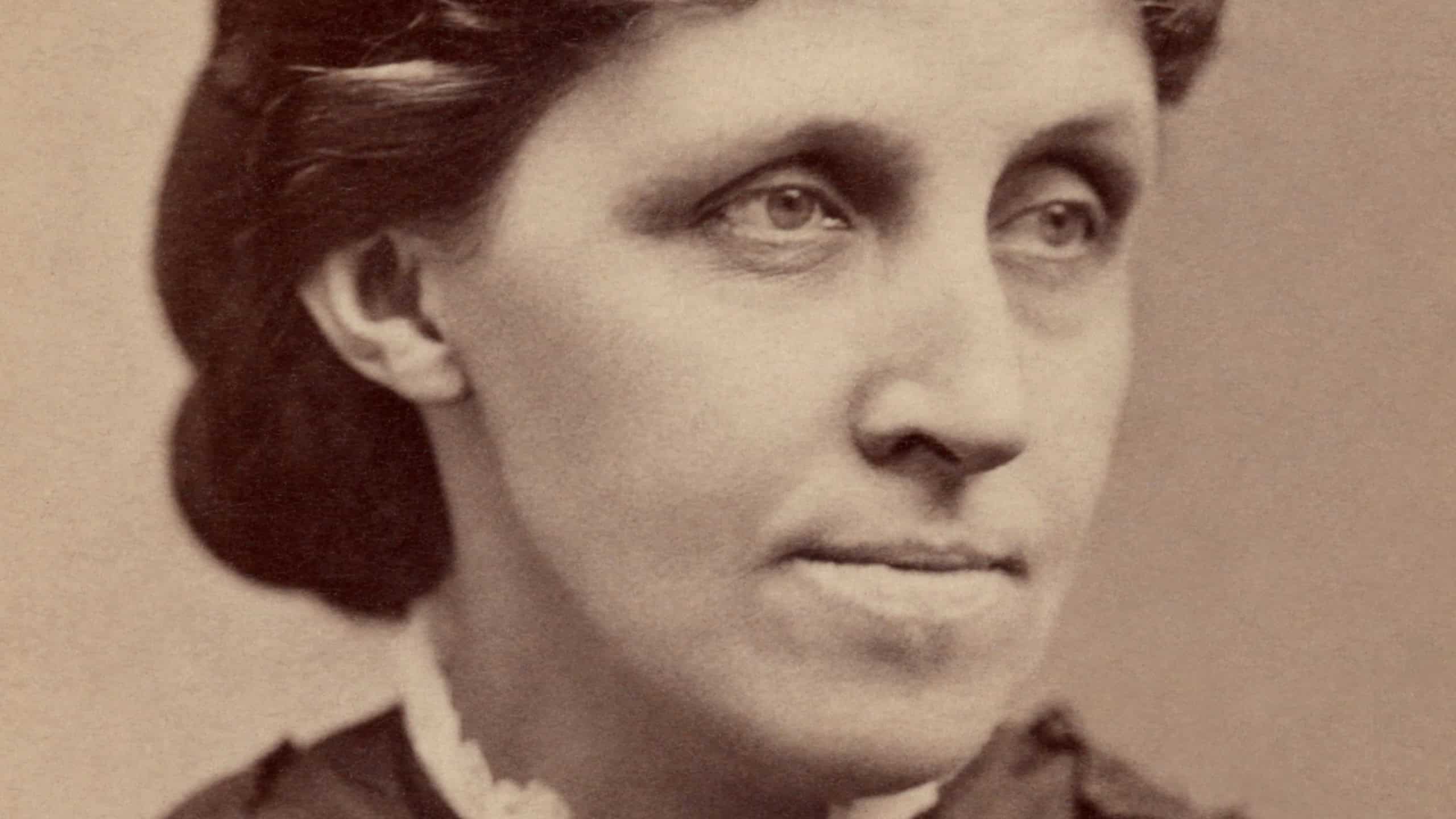
The fairytale happy ending of marriage didn’t really exist for Louisa May Alcott, and that’s part of the reason she refused to get hitched. She’d suffered for years due to family money trouble. That made paid work and independence feel way more practical than marriage.
Her novel Little Women became successful in 1868, and it gave her income of her own. She had no desire to hand her life over to domestic duty. In fact, Alcott called herself a ‘free spinster,’ and wanted the character of Jo March to stay unmarried, but her publisher pushed for a wedding.
Jane Austen
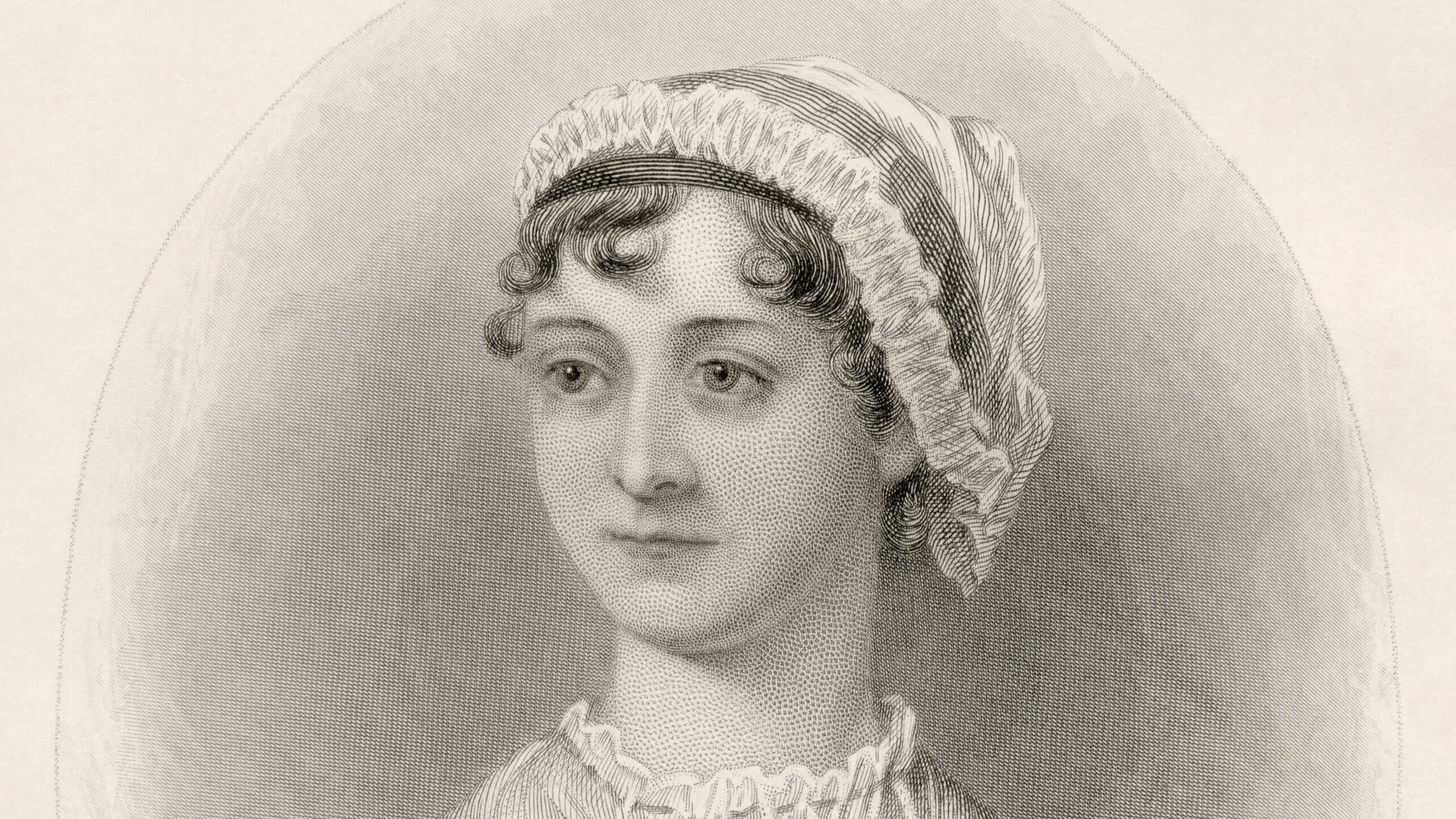
Writer Jane Austen originally said yes to Harris Bigg-Wither’s proposal in December 1802. But the very next day, she changed her mind. It’s not like it would’ve been a bad marriage or anything, he had money and land after all.
Marrying him would’ve given Jane and her family a seriously good future. Still, she withdrew her consent the next day and left the town of Manydown, England, soon after. Austen never explained why she’d turned him down, but the fact is, she never accepted another proposal.
Mary Cassatt
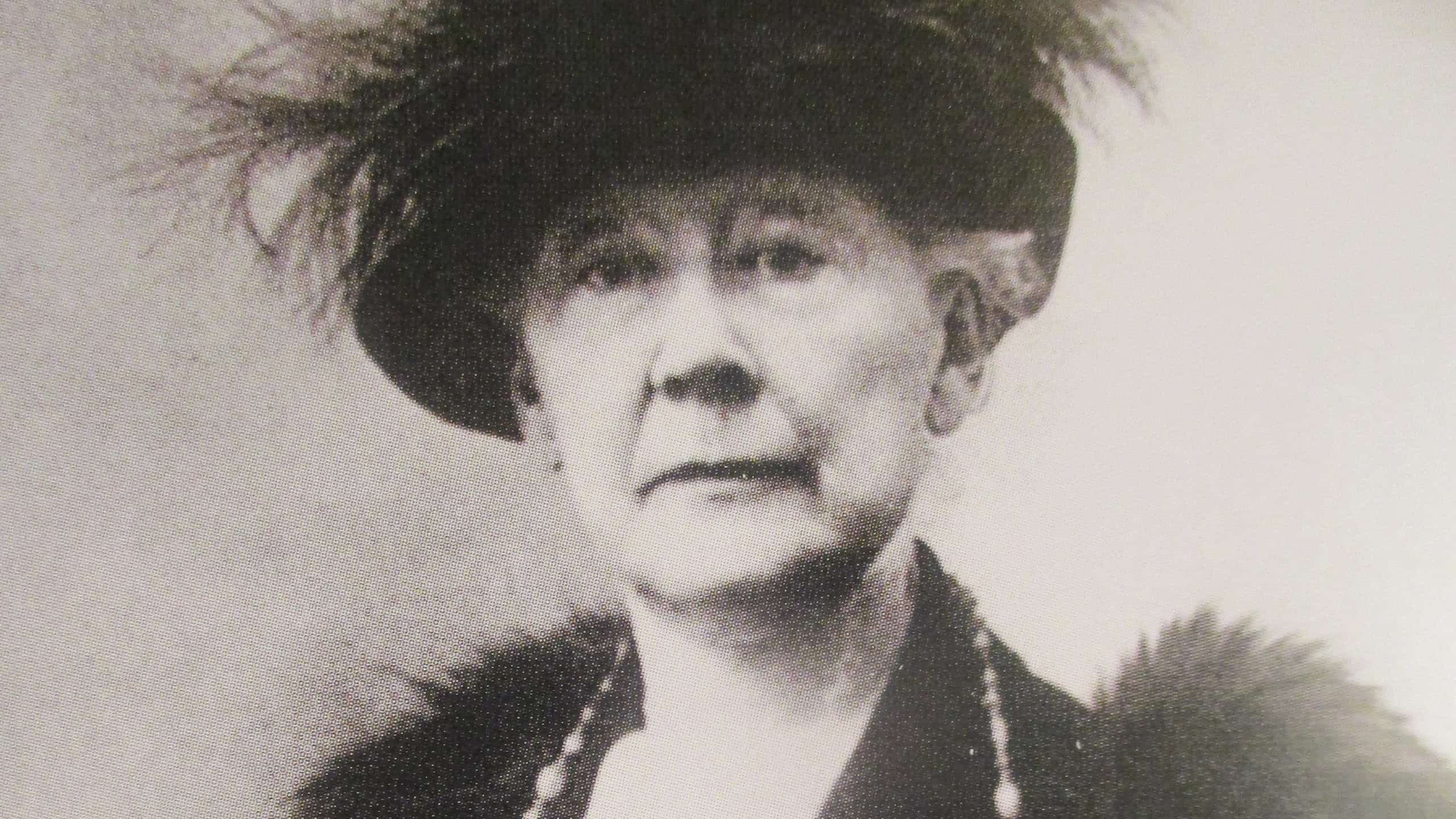
Painter Mary Cassatt had completed numerous pieces of art featuring mothers and children. Yet she herself wasn’t interested in that kind of domestic life. She was born in Pennsylvania in 1844, and she built her career in France, becoming closely connected with the Impressionists.
Cassatt saw first-hand how some women artists stopped working after marriage because the household came first and the studio came last. That wasn’t what she wanted. Instead, Cassatt remained a bachelorette so she could travel and run her own working life.
Sources: Please see here for a complete listing of all sources that were consulted in the preparation of this article.
15 historical moments that are strange, wild, and true
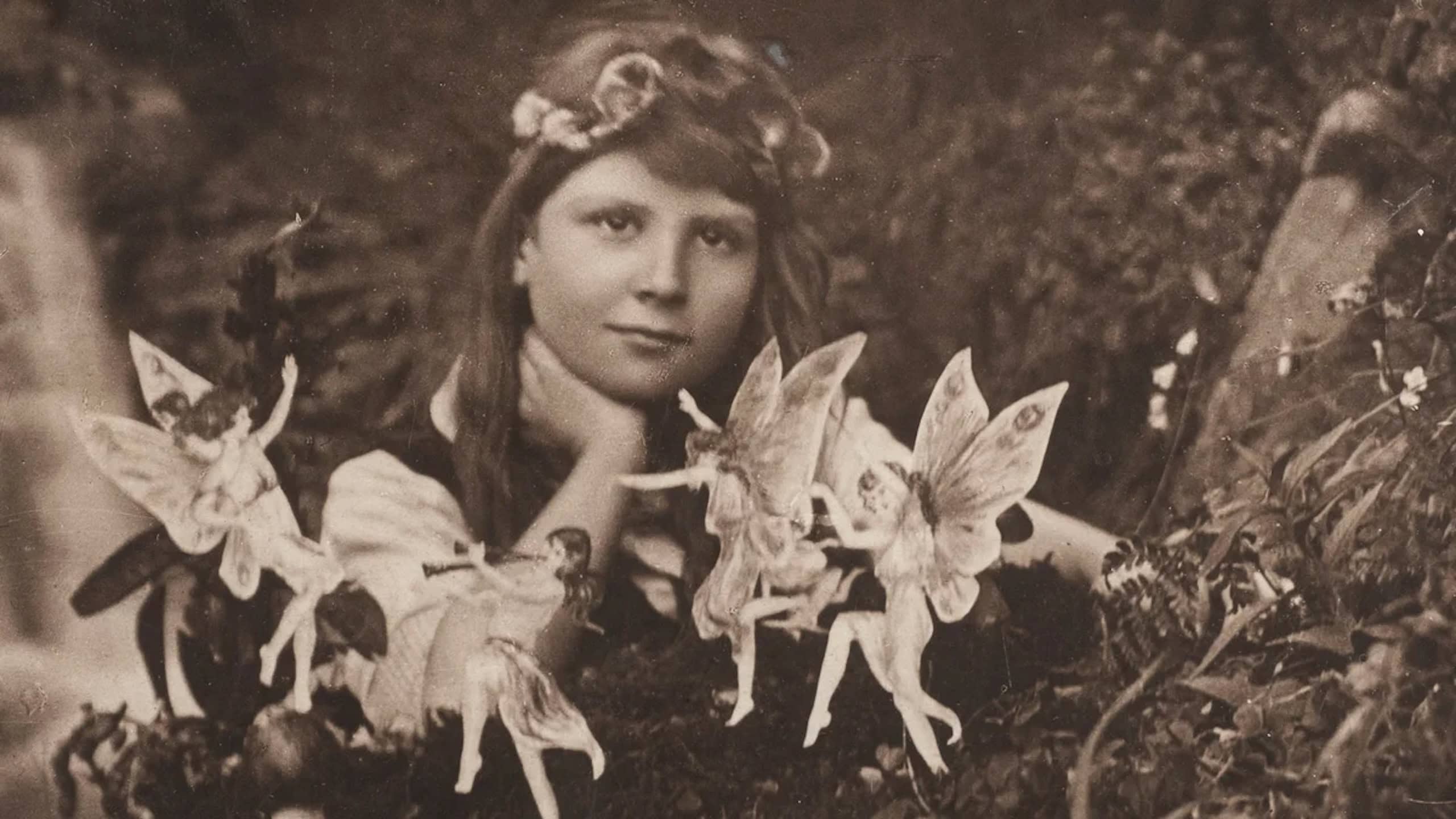
History’s already weird enough, but once you add in all the Moon people and supposedly haunted graves, it becomes a lot stranger.


