

Some portraits have an incredible ability to erase 30 years or add several inches of authority, while others are able to turn a single unfortunate feature into a centuries-long joke.
Elizabeth I
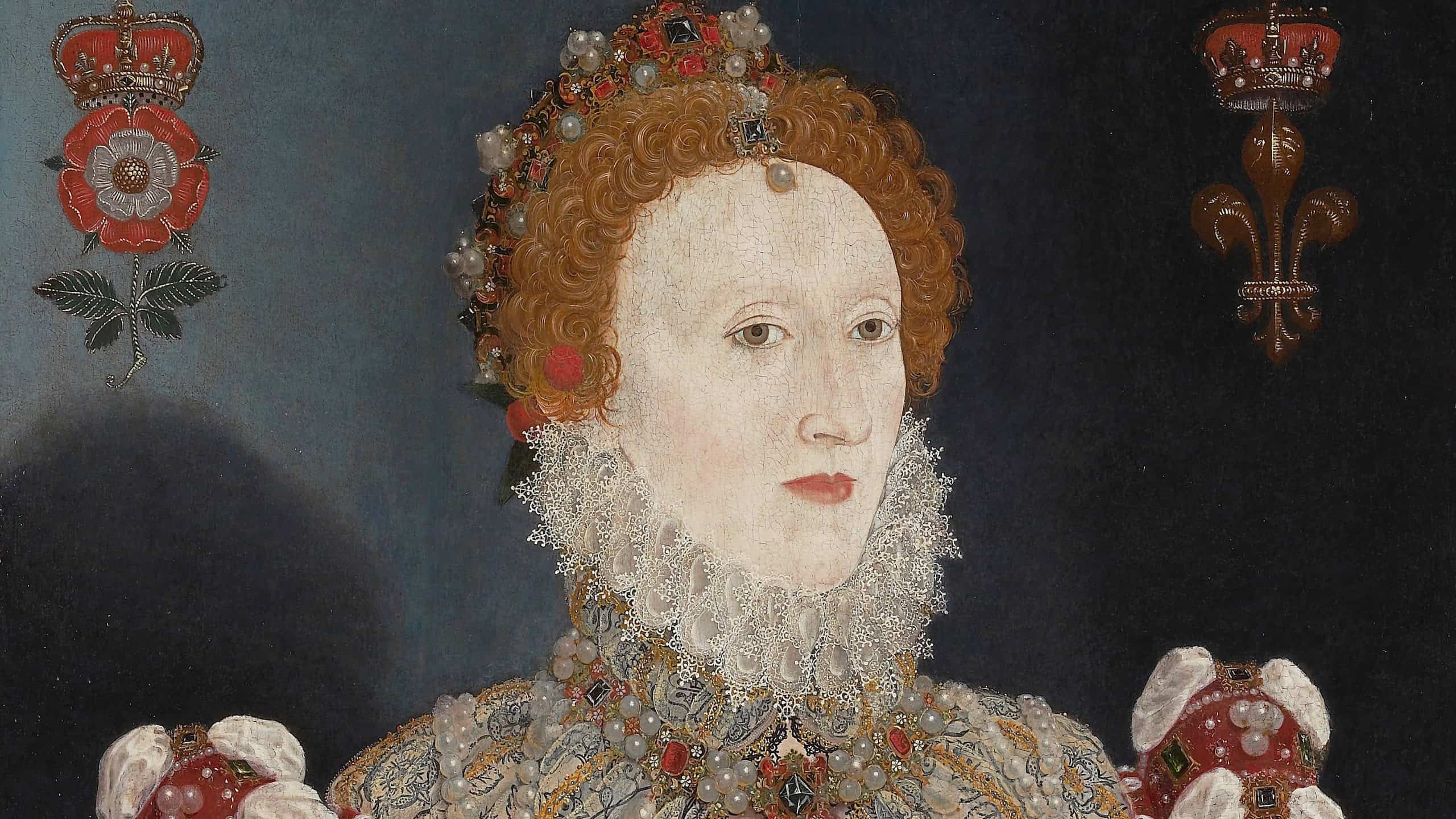
You wouldn’t have been able to tell that Elizabeth I kept getting older because her painted face didn’t show that. It was on purpose. Artists during the 1590s stuck to using a standard youthful likeness of her, known as the ‘Mask of Youth.’
It didn’t matter that the queen was in a new dress or dripping in different pearls. Her smooth skin and bright eyes stayed the same throughout. Yes, there were some early paintings that included wrinkles and thinning hair, but it didn’t take long for those details to disappear.
Henry VIII
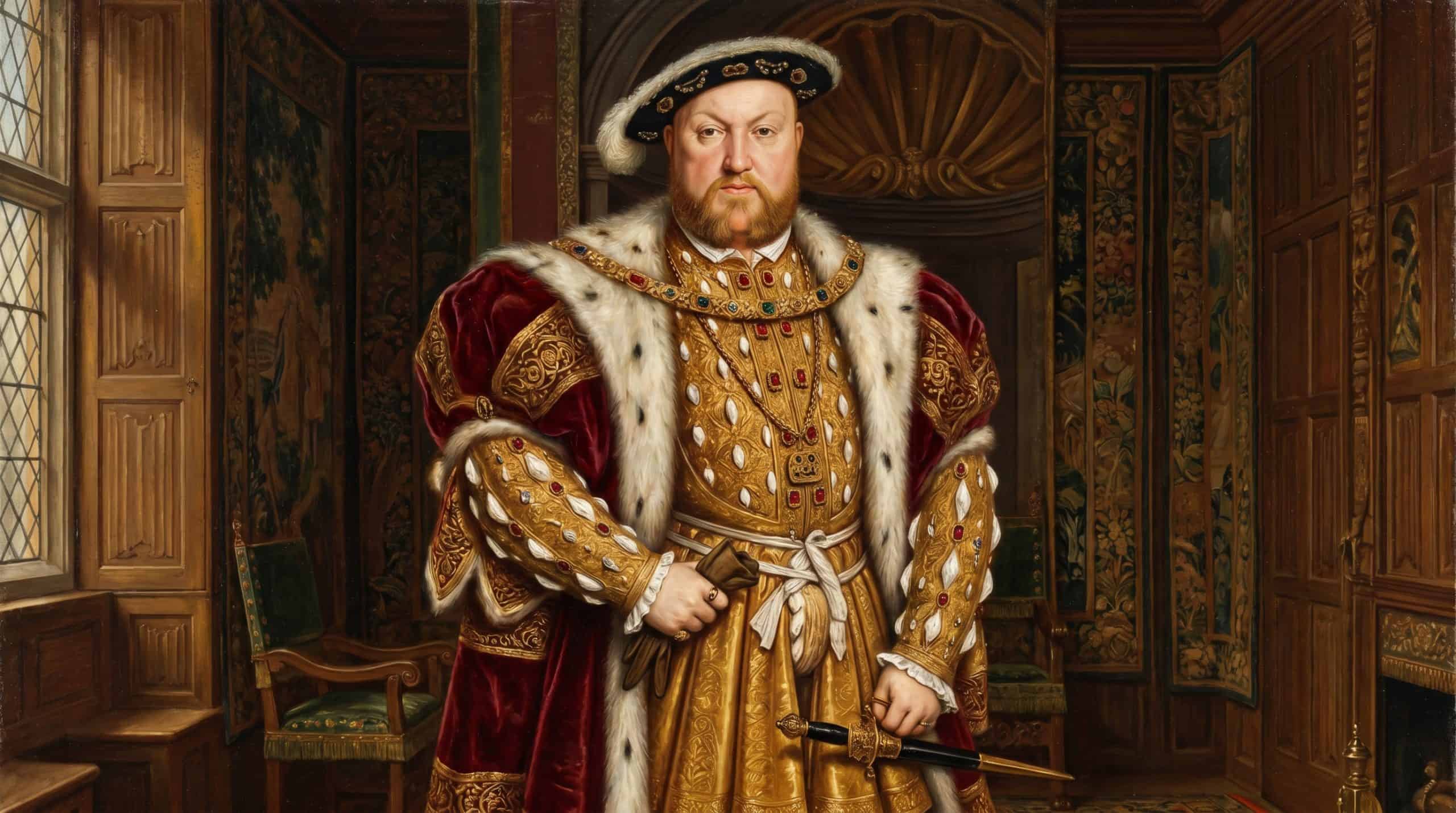
Rather than trying to make Henry VIII handsome, artist Hans Holbein decided to focus on something else. He tried to make Henry VIII seem huge instead. One mural features Henry looking at viewers head-on, with legs spread and shoulders widened by layers of clothing.
He also has his hands positioned over a very heavily decorated codpiece. Not exactly subtle. The mural was huge, too, so any visitors meeting the painted king would’ve been physically looking up at him. He was actually a lot shorter than the portrait makes him seem.
Isabella d’Este

Italian painter Titian had a difficult time ahead of him. He had to paint Isabella d’Este when she was 60 years old, yet without making that obvious. So he did the exact opposite. He painted a woman who looks nowhere near 60. She has smooth skin and dark hair, for one.
She also has the fashionable headpiece Isabella wore when she was much, much younger. It’s not like Isabella didn’t know that, though. The leading female Italian Renaissance figure requested a younger look, and joked that Titian had made her more attractive than she’d ever looked in real life.
Charles I
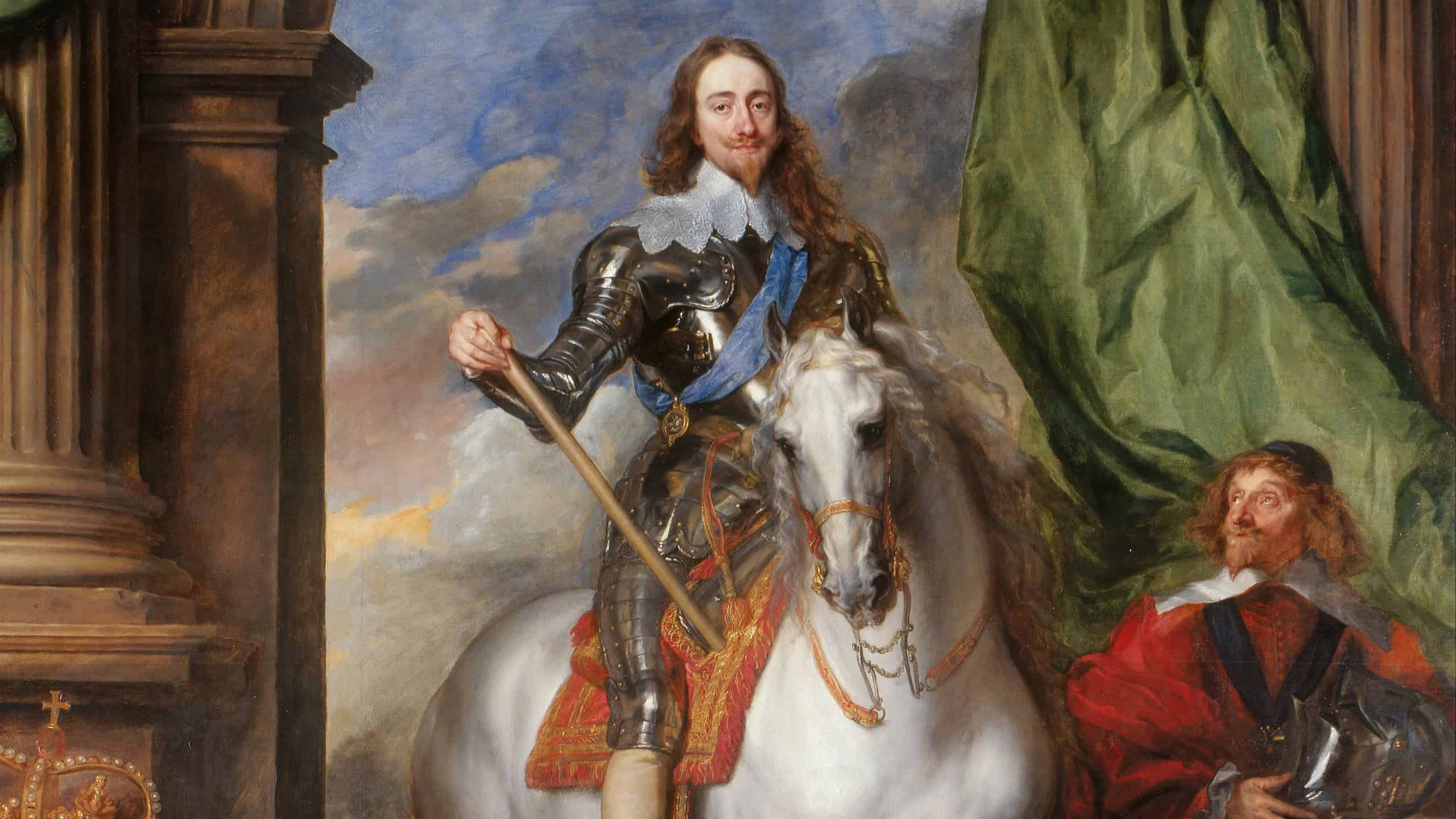
Charles I was a pretty short guy for a king, standing at just 5 feet 4 inches tall. But artist Anthony van Dyck worked around that quite cleverly by putting the king on a towering white horse. There’s a servant standing low in the corner and looking up at him, just for extra effect.
All that scale works in Charles’s favor, and that’s totally deliberate. The horse is enormous, and the canvas is enormous. Charles doesn’t seem especially short except, you know, he really was.
Napoleon
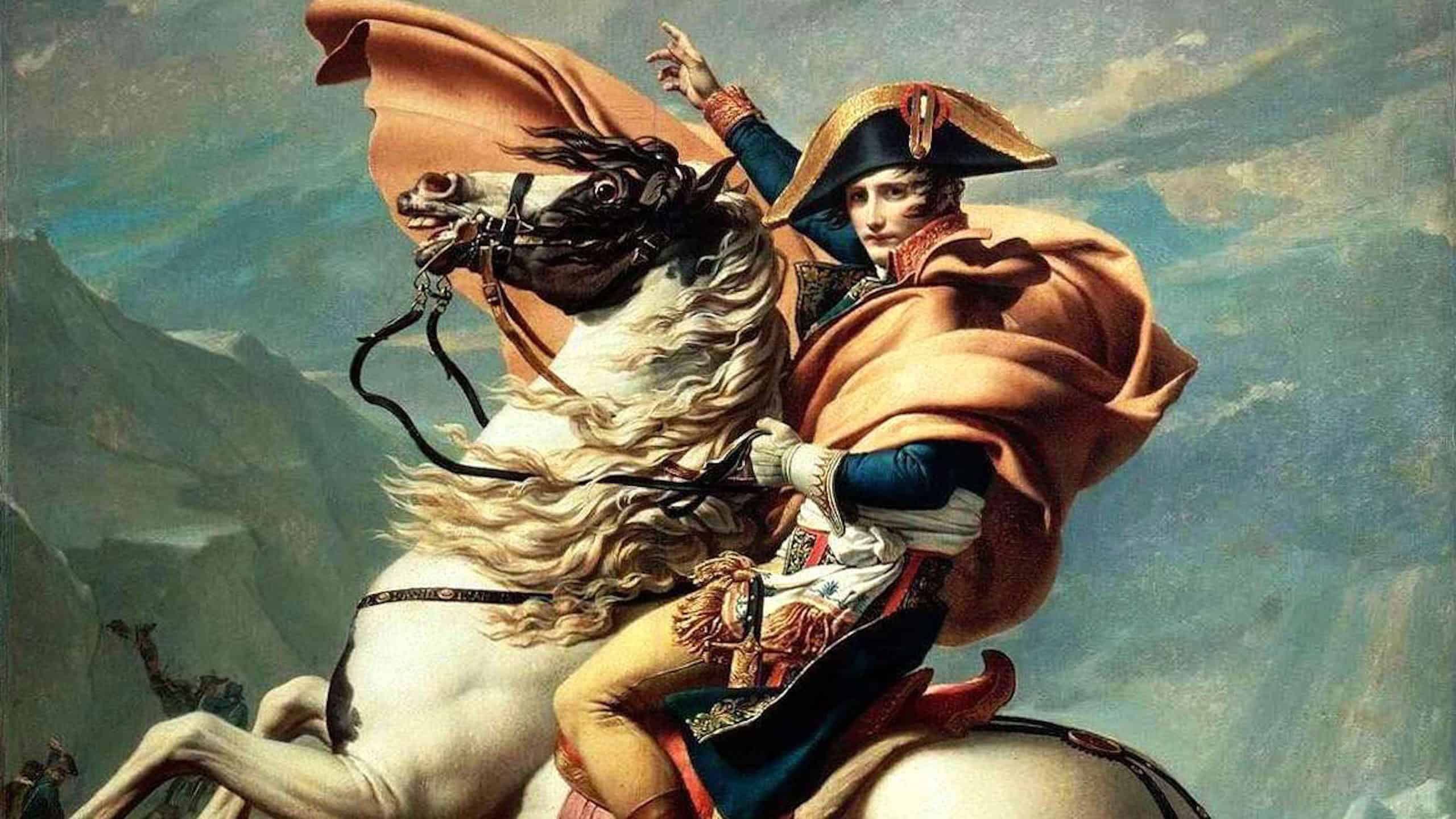
That’s not all for horses. The real Napoleon crossed the Great St. Bernard Pass on a mule in fairly decent weather, with a guide leading the way. That wasn’t good enough for painter Jacques-Louis David, though.
His painting gives Napoleon a powerful warhorse and a wind-whipped cloak, along with dark clouds. Napoleon’s also pointing a finger upward like he’s directing the way. That didn’t really happen. But really, a mule is nowhere near as impressive as a horse.
Mao Zedong
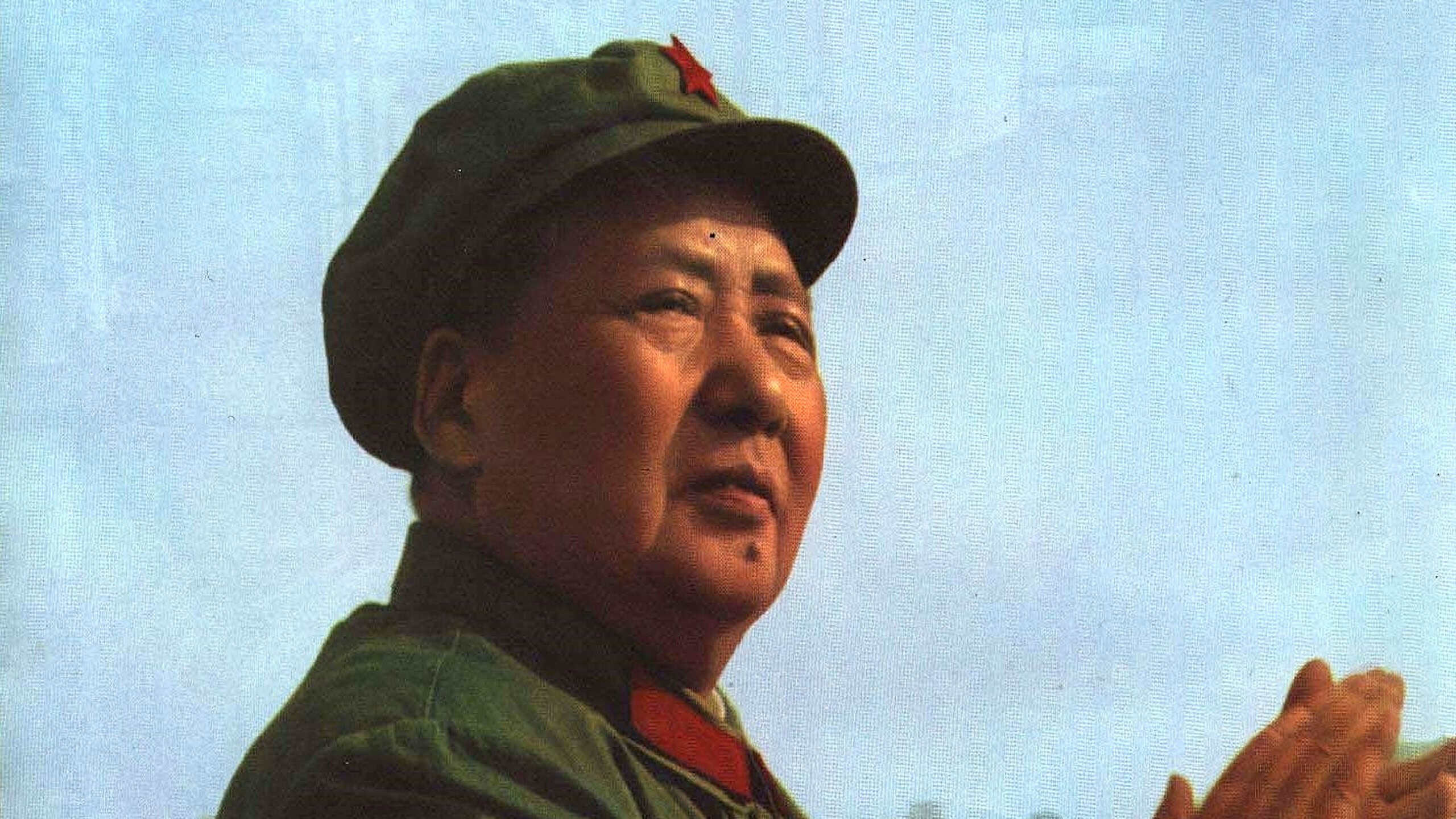
Have a look at official images of former Chinese Communist Party leader Mao Zedong during China’s Cultural Revolution. You might notice that time seems to run backward. He was already in his 70s by that point, with declining health and a weak physical appearance.
The paintings didn’t show any of that, however. The painters gave him a smoother face and darker hair, as well as a broader, more energetic body than his real-life self. They had to maintain a certain youthful image of him.
Richard III
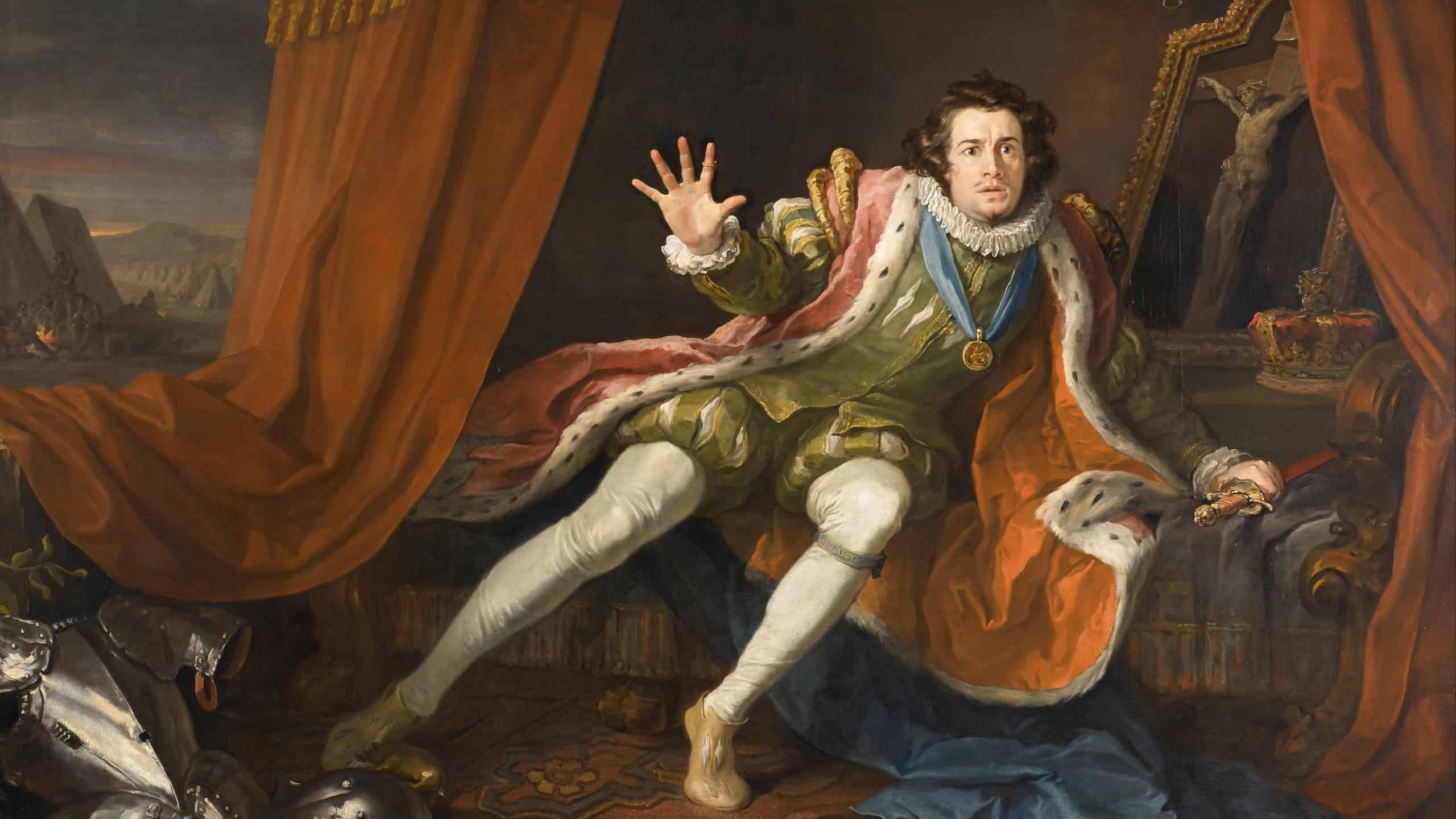
Now for the less glamorous ones. It’s true that King Richard III of England had scoliosis, but later painters made his condition look way worse than it was. One painting was actually edited to give him a raised shoulder over an earlier outline that was a little more even.
Another one gave him a shortened arm and a twisted shoulder. These paintings came after Richard died, during a time when people were already spreading nasty stories about his body. They wanted Richard to seem like a monster because, well, that’s what they thought he was.
Marie Antoinette
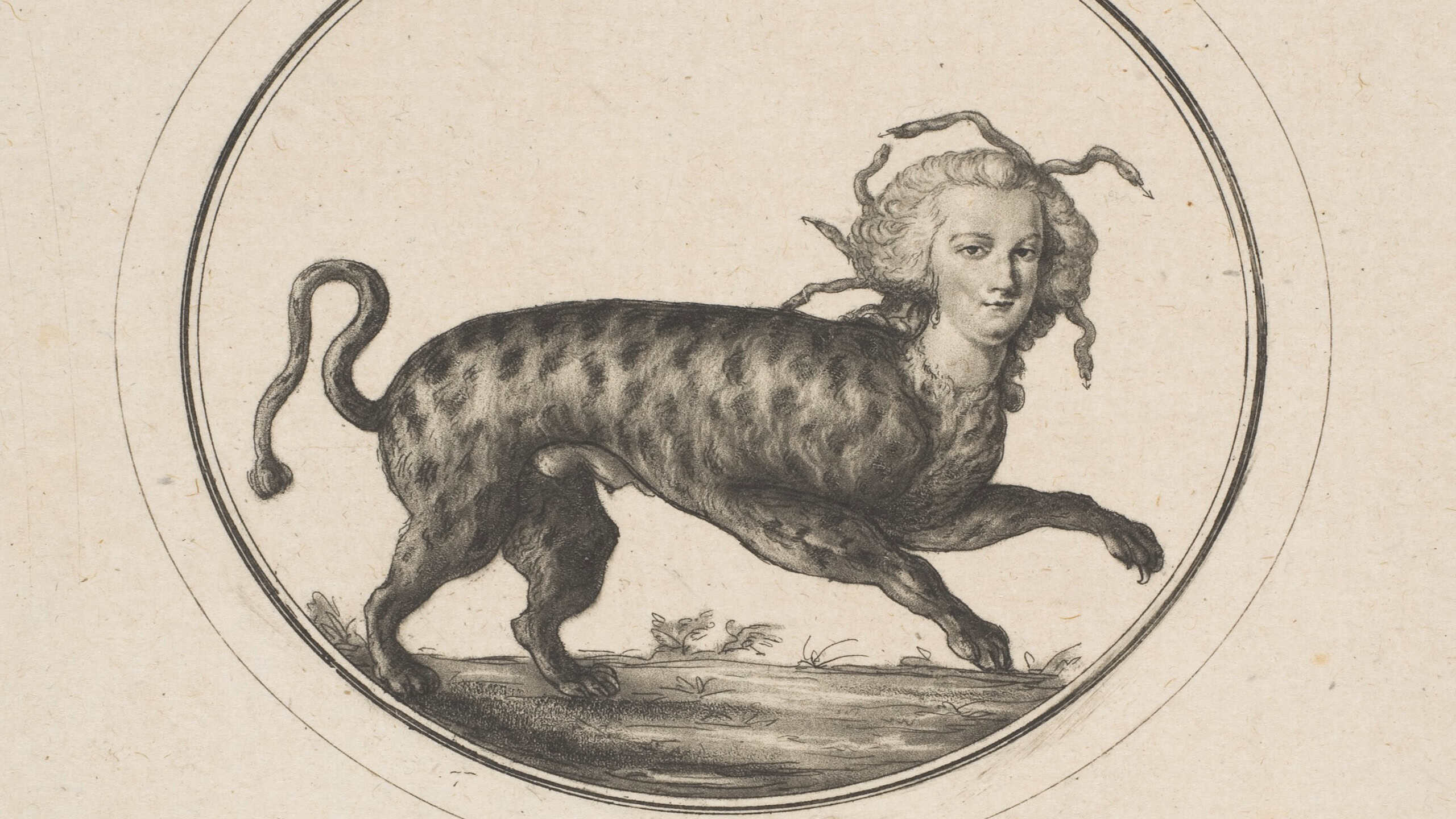
You’ll find official portraits of French queen consort Marie Antoinette looking very regal. The cheap revolutionary prints of her couldn’t be more different. Yes, they showed her as greedy and reckless. They tried to make her look like a foreigner who was plotting against France.
That negative image of Marie stuck. At least, it did among regular people, as cartoons were quicker to print than formal portraits, and much easier to pass around, too. The propaganda cartoons of her were utterly ridiculous, yes, but they did travel around remarkably fast.
Cleopatra VII
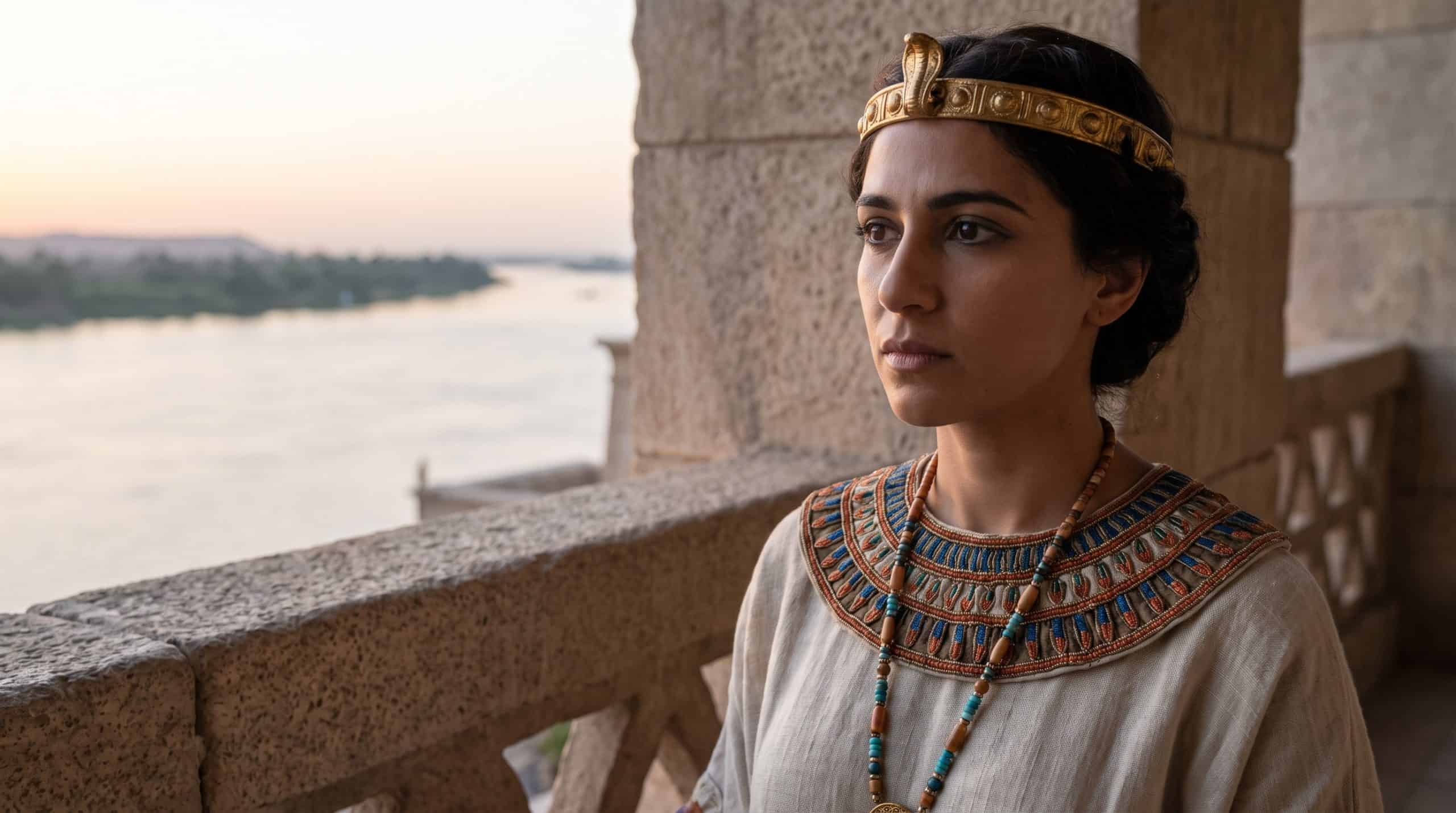
You can forget about the crown for a moment, because apparently, that’s what painters did with Cleopatra VII. She might’ve run Egypt and been incredibly intelligent. But all the painters cared about with her were silk sheets and pearls, as well as bare shoulders.
There’s also that famous asp. Portraits showed Cleopatra as a dangerous seductress, and these were mostly pushed by Roman emperor Octavian after he defeated her. Artists ran with that image for centuries after she died, removing more and more fabric each time.
Lucrezia Borgia
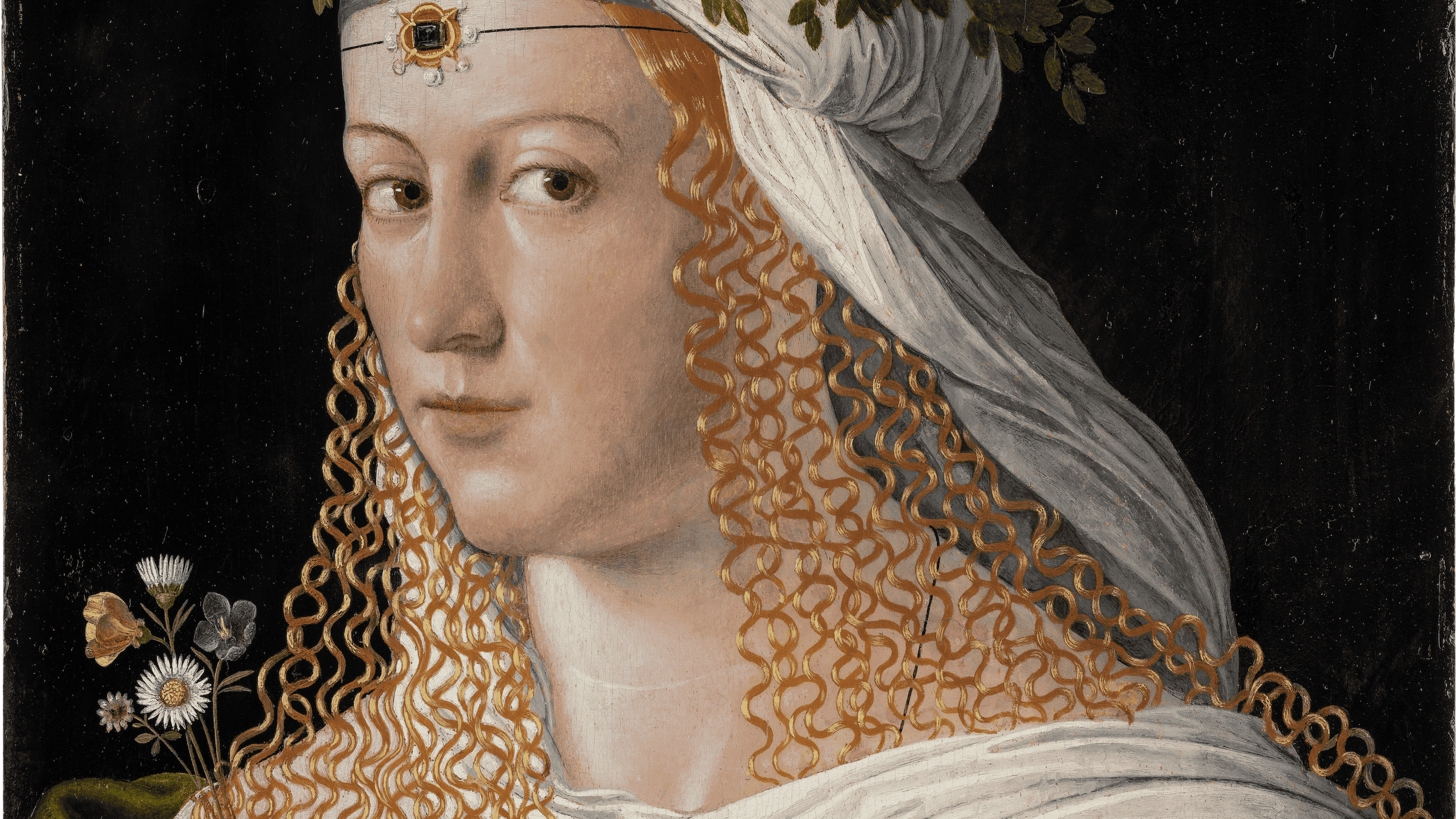
The weird thing about Italian noblewoman Lucrezia Borgia is that one of ‘her’ famous portraits might not even be of her. Yes, the painting shows a woman dressed as Flora, the Roman goddess, holding flowers in a loose white outfit.
People claimed that it was Lucrezia because they wanted to make the stories about her affairs and behavior seem a little more believable. But it’s not her. That half-dressed stranger somehow became ‘proof’ of rumors about Lucrezia, and that’s hardly fair.
William Pitt the Younger
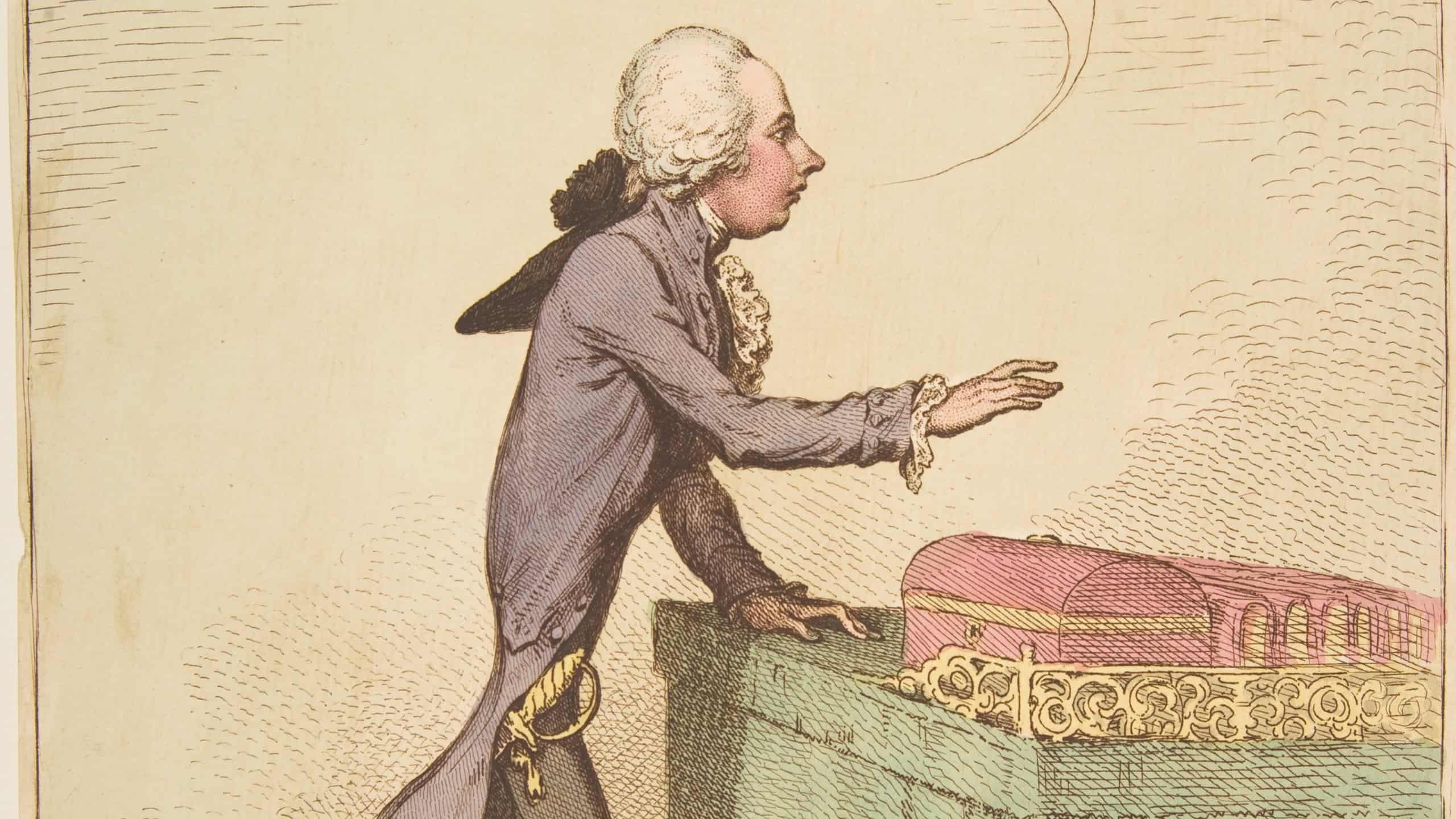
Artist James Gillray looked at former British prime minister William Pitt the Younger and decided that, actually, the man needed another few feet. Pitt was already quite tall and thin, yet drawings of him gave him matchstick legs and a pointed nose.
They made him look so thin that he appeared weak. There’s even one picture of him where his head sprouts like a mushroom from a crown. The goal was to make Pitt seem cold and greedy. They wanted him to seem detached from ordinary people, and honestly, it worked.
Charles James Fox
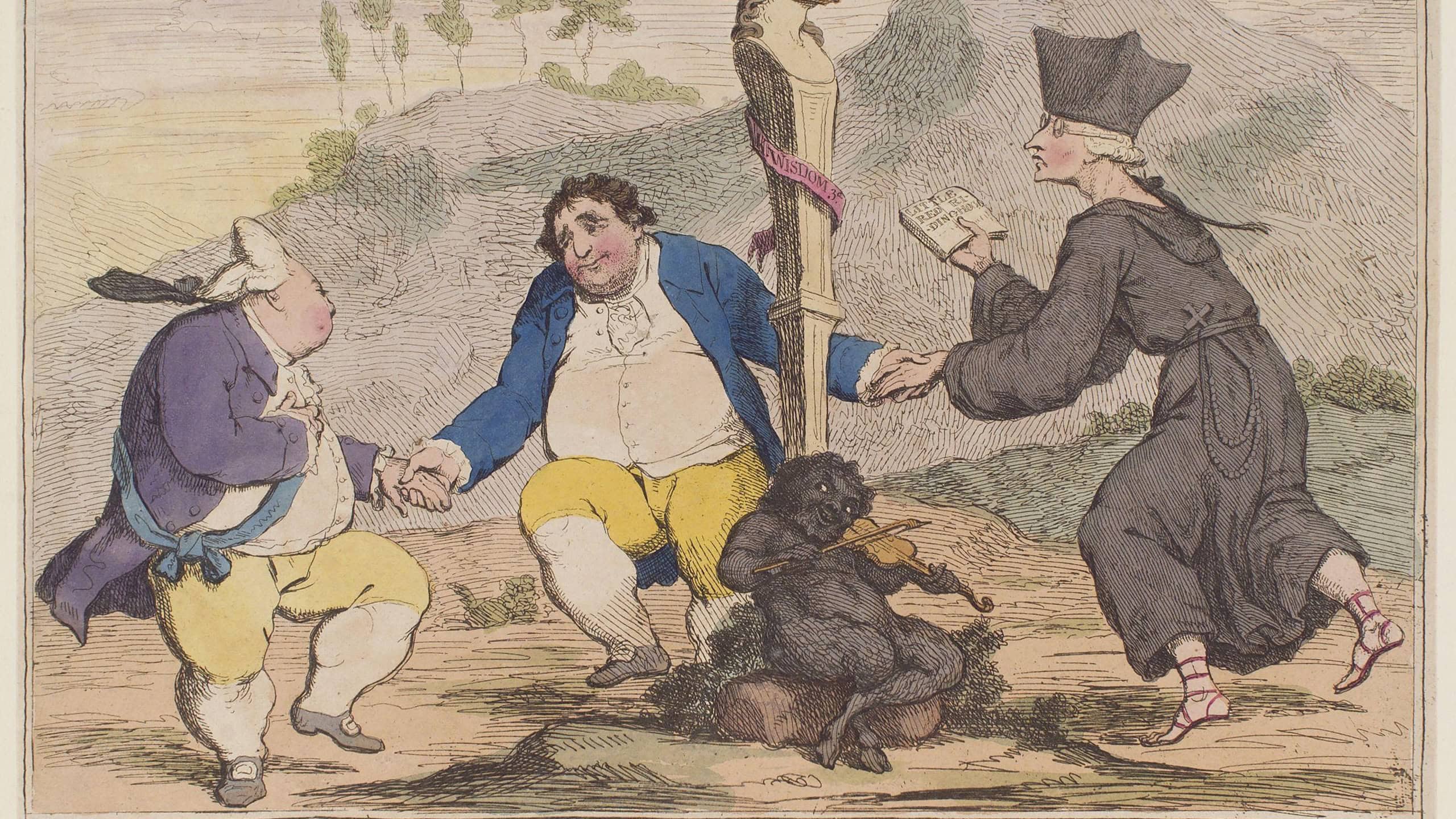
Cartoons of Charles James Fox made him a mass of hair first and a politician second. They made his heavy body look rounder, and his eyebrows bushier to give him a wild-man appearance. That’s not all, though. They gave him either an annoyed or hungry expression.
Sometimes it was both. He did have a large build and an untidy appearance in real life, so the pictures weren’t completely off-base. It’s just that the cartoonists didn’t stop going and kept making him look bad as part of the attack on the British politician.
Sources: Please see here for a complete listing of all sources that were consulted in the preparation of this article.
15 historical moments that are strange, wild, and true
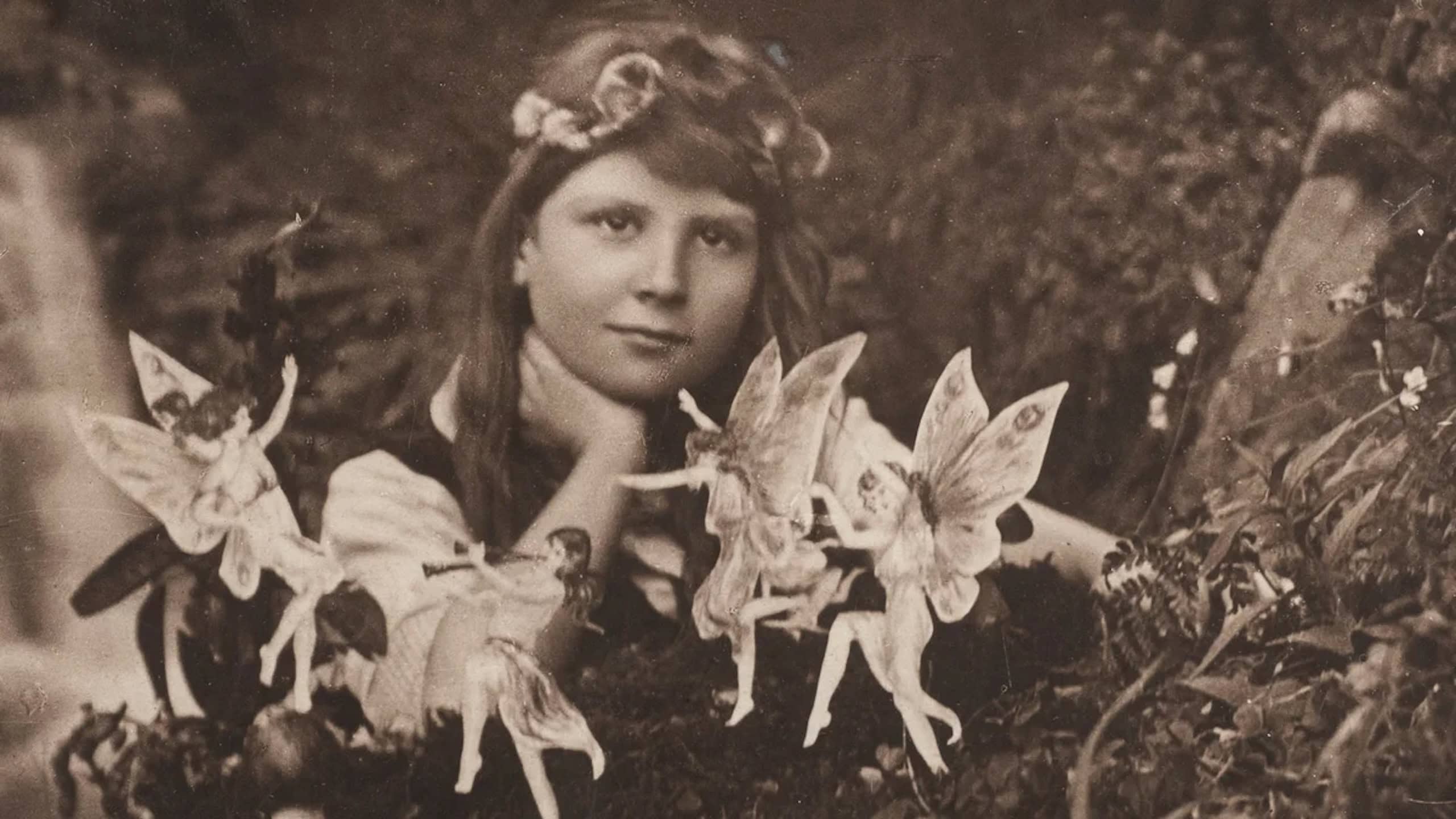
History’s already weird enough, but once you add in all the Moon people and supposedly haunted graves, it becomes a lot stranger.


