
History’s already weird enough, but once you add in all the Moon people and supposedly haunted graves, it becomes a lot stranger.
A headline with a telescope
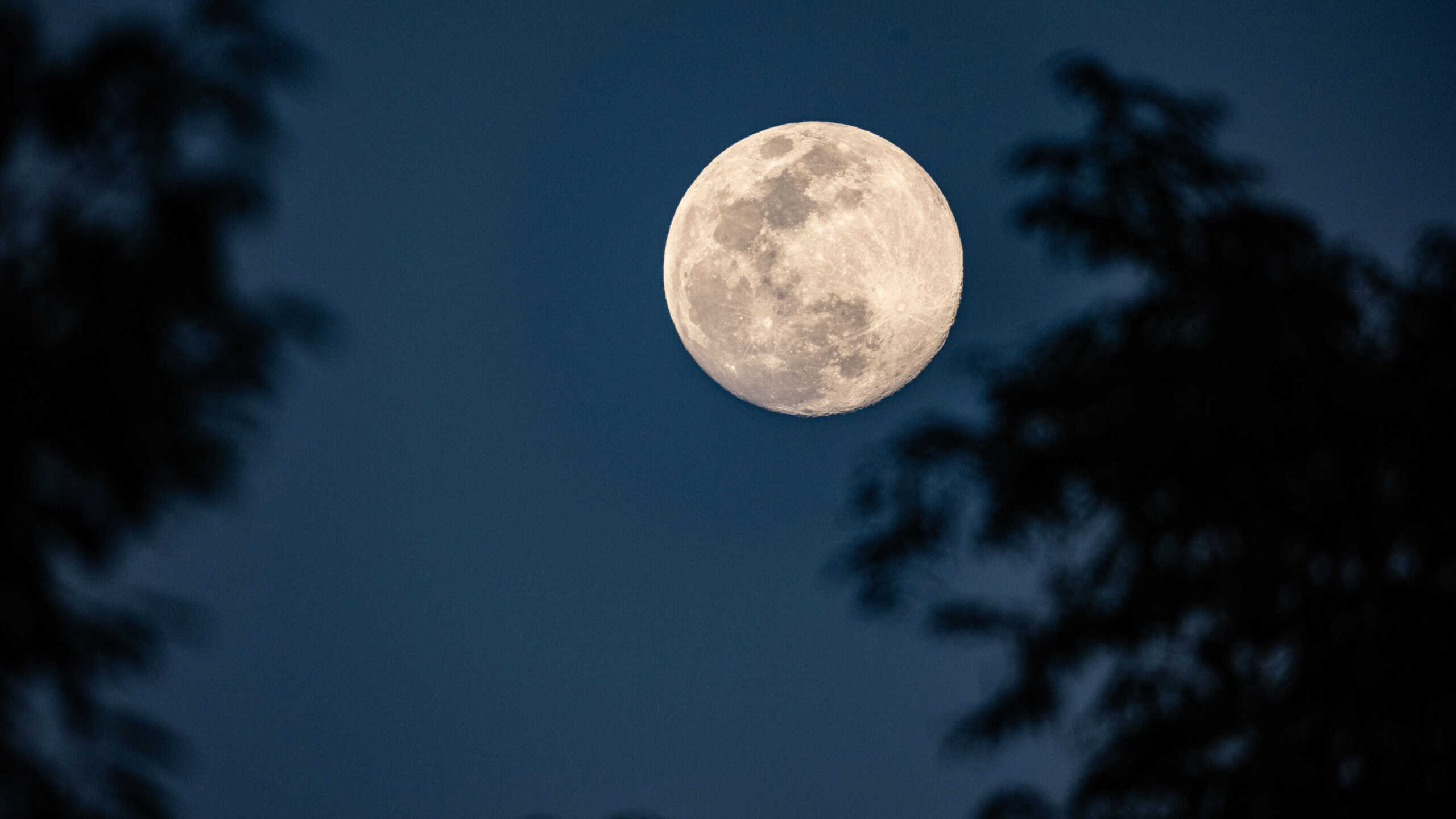
The year was 1835. People living in New York read a newspaper called The Sun and were expecting to learn the news, but they actually got quite a strange surprise. The newspaper claimed winged people had been discovered living on the Moon, along with blue unicorns.
That wasn’t all, though, because there were apparently temples, forests, and human-like creatures with wings, too. People at the time believed the story because it was in a newspaper, so they had no reason not to. It took the editors a month to reveal that it was all a hoax.
When July forgot its job

The summer of 1816 wasn’t one you wanted to be around for, mostly because it became known as the Year Without a Summer. Mount Tambora in Indonesia had erupted a year before, throwing ash into the atmosphere that caused weather around the world to change.
New England farmers had to deal with frost hitting their crops in May, while in some parts of the country, it began snowing in June, leading to huge food shortages. It actually forced many Americans to head west and start settling the Midwest, just to escape the poor weather.
A grave reopened in Rhode Island

Death was only the start of the drama for Mercy Brown, who passed away in Exeter, Rhode Island, in January 1892. Tuberculosis spread throughout her family, and since people didn’t really understand it at the time, they thought one of the dead family members was a vampire.
They thought it was Mercy. So, they dug up her body, burned her heart and liver, then mixed the ashes into a drink for Edwin, Mercy’s brother, because it would supposedly cure him. Surprise, surprise, it didn’t, and Edwin died two months later.
Tails on the counter

In 1902, Hanoi, Vietnam, had a serious rat problem, and French colonial officials decided they’d get the public to fix it. They told locals that if they killed rats and brought in their tails as proof, they’d get paid, simple enough.
But people realized they didn’t even need to kill the rats, they just had to cut off the tails and show them off. Some people even imported rat tails from elsewhere, while others bred rats so they could use their tails in the future. It became known as the Great Hanoi Rat Massacre.
A mask on the screen

November 22, 1987, was a weird night for anyone watching TV in Chicago. During the 9 PM news broadcast on WGN, someone hijacked the signal and showed a silent video of a person wearing a Max Headroom mask for around seventeen seconds.
Then, two hours later, WTTW was broadcasting an episode of Doctor Who when the hijackers struck again, this time for around ninety seconds and with audio. The FCC never managed to find the hijackers, and nobody ever claimed responsibility for it.
A pill for the sky
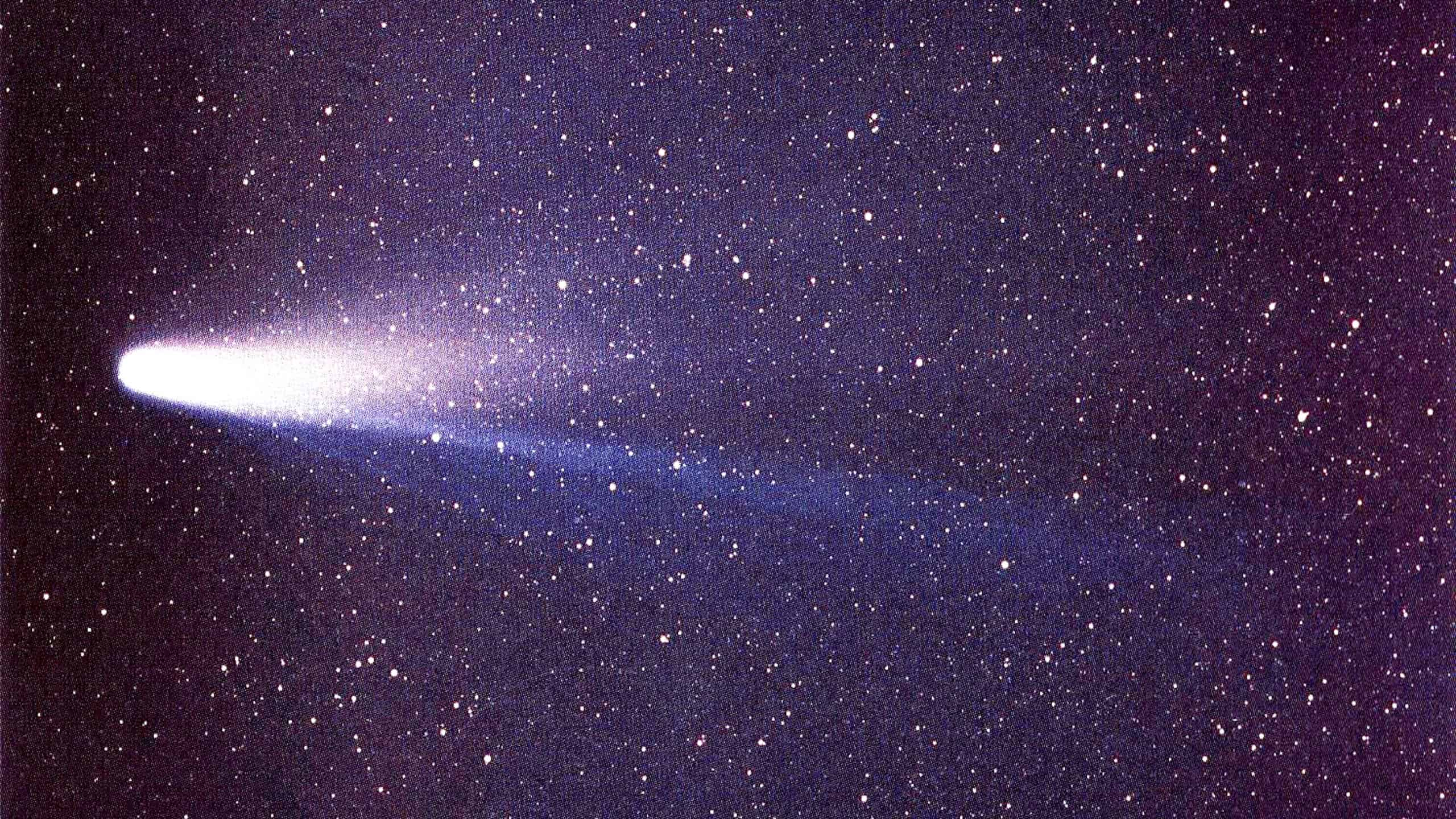
Halley’s Comet is probably the most famous comet of all time, and people in 1910 knew that, too. However, they feared the comet’s return after astronomers detected cyanogen gas in the comet’s tail, and they genuinely believed it would destroy all life on Earth.
So what did people do? They started selling anti-comet pills, anti-comet gas masks, anti-comet umbrellas, and even comet insurance for families of victims killed by the comet. Nothing happened, of course, and the comet flew past without incident.
Bread that turned the town strange

Breakfast became a serious problem for people living in Pont-Saint-Esprit, France, in August 1951, and it was specifically the bread that caused issues. A local bakery’s batches of loaves were making people sick, although not in the way you might expect.
People were hallucinating, including one man who became convinced he was an airplane and jumped from a second-story window. Some people had convulsions, and seven actually died as a result. The cause? Ergot, a kind of fungus that can grow on rye and create toxic reactions.
Fairies with hatpins
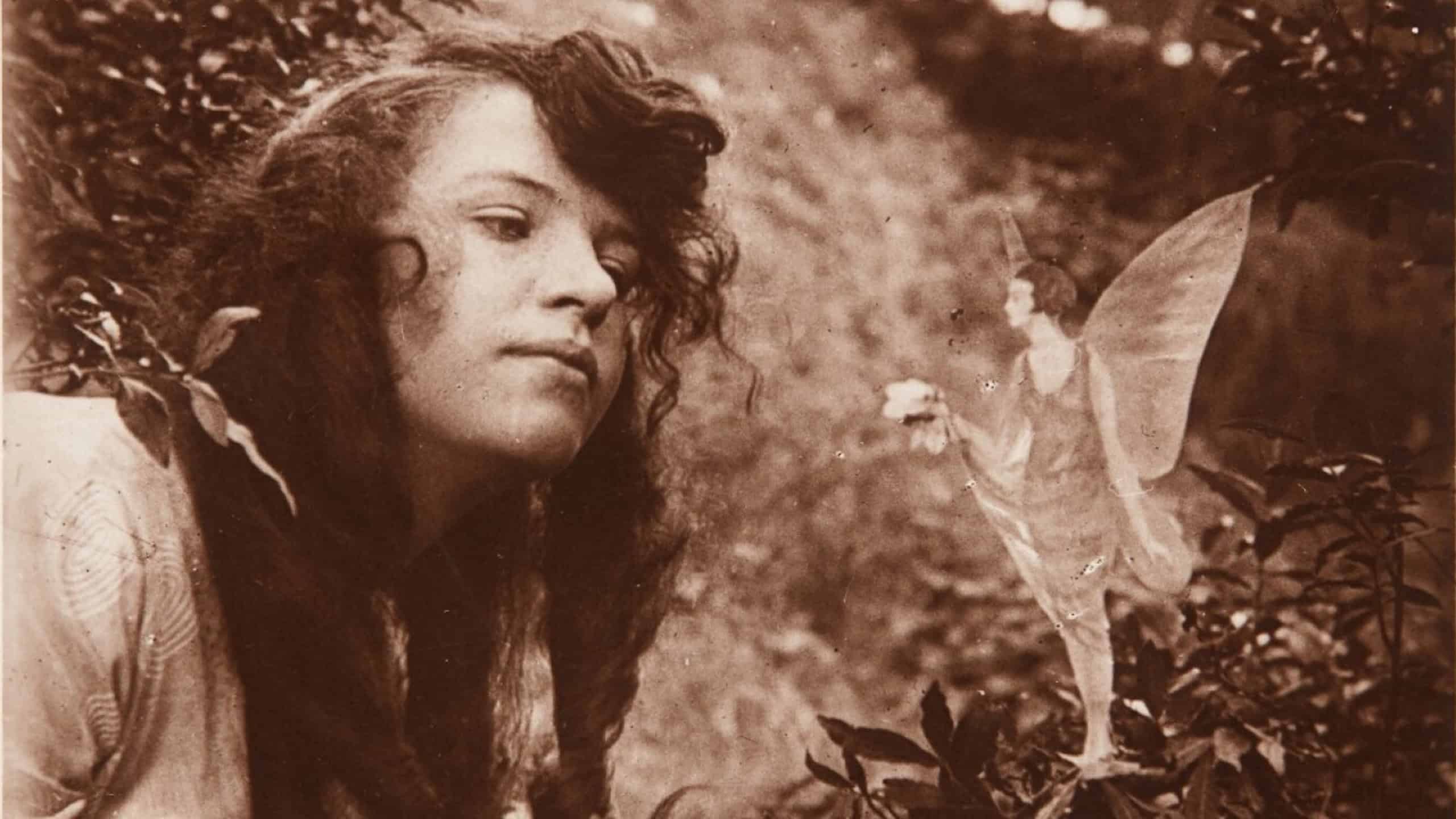
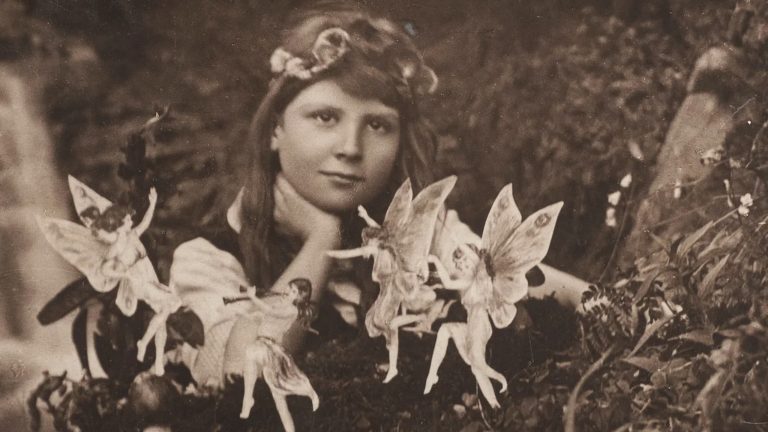
In 1917, two girls in Cottingley, England, decided they were going to pull off a prank, although it became much bigger than they could’ve expected. They used paper cutouts of fairies and held them in place with hatpins, then took pictures with them, claiming they’d met fairies.
People believed them, including the creator of Sherlock Holmes, Arthur Conan Doyle, who thought the photos proved supernatural creatures were real. It wasn’t until the 1980s that the girls admitted the pictures were fake.
A chair above Los Angeles

Traveling across the U.S. during the 1980s was pretty different from now, although Larry Walters took it one step further. He tied forty-two weather balloons to a lawn chair in San Pedro, California, and decided he was going to float across the Mojave Desert.
His idea worked a little too well and took him over 16,000 feet into the air, drifting near Los Angeles International Airport. He flew for around 45 minutes before using a BB gun to pop the balloons and come down. Most people would rather just take a flight.
A burial with extra cheese

One of the strangest moments happened in Ossineke, Michigan, on March 5, 1973, where there was a funeral for 30,000 frozen pizzas. The FDA had become concerned over botulism in canned mushrooms, forcing Mario Fabbrini’s company to recall its mushroom pizzas.
Fabbrini decided he’d have a ‘funeral’ for the pizzas, and the then-governor of Michigan, William Milliken, actually attended the event. Later tests found that there was no botulism in the mushrooms. What food did they serve at the funeral? Fresh pizzas, of course.
A very tight delivery
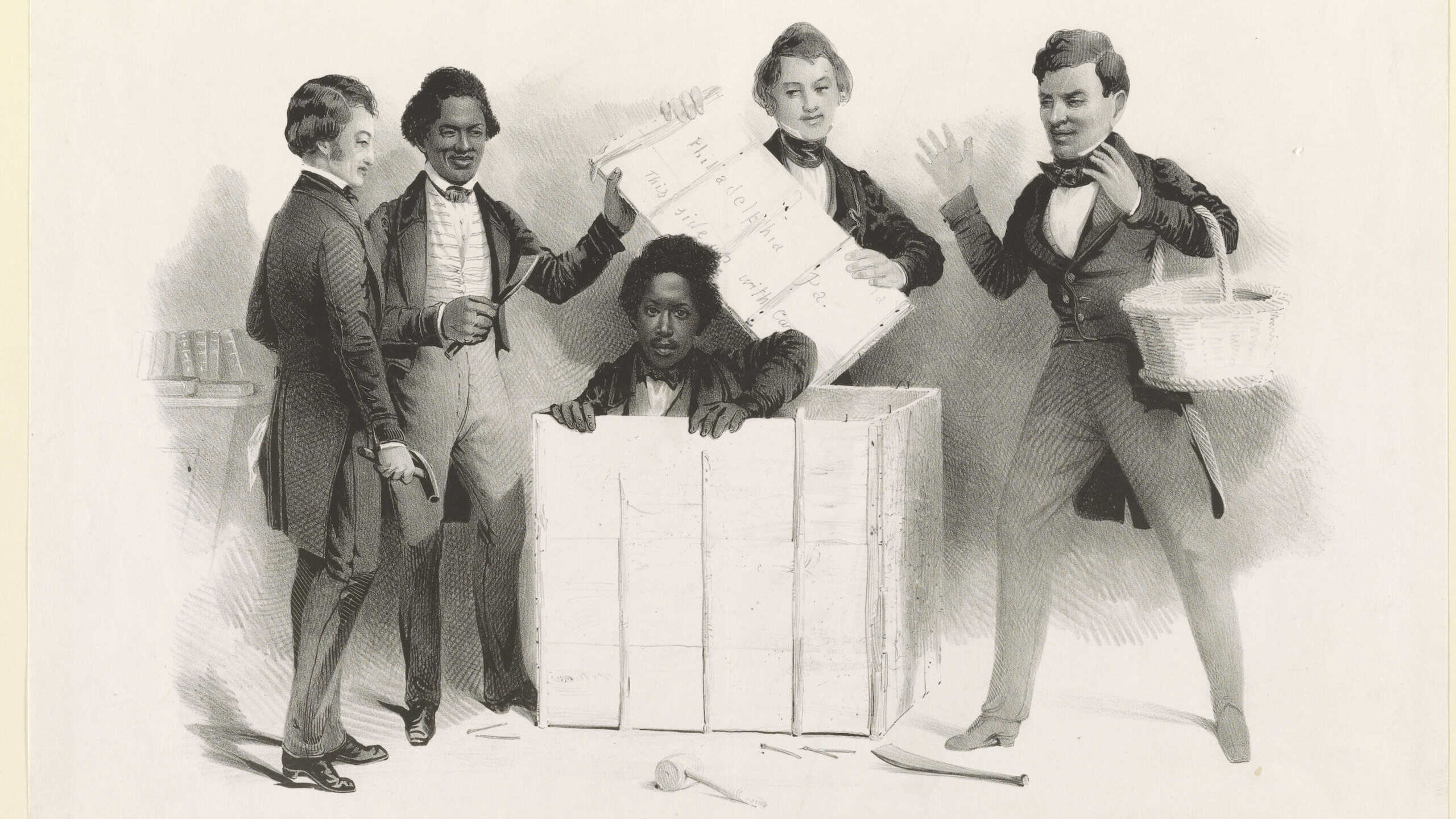
Henry Brown was a slave who, in 1849, decided that he was going to escape in a way that had never been tried before. He turned himself into cargo. Yes, Brown packed himself into a wooden crate in Richmond, Virginia, and had himself shipped to Philadelphia to meet abolitionists.
The entire trip took around twenty-seven hours, and the box itself was only three feet long, two-and-a-half feet deep, and two feet wide. Brown later became known as Henry ‘Box’ Brown.
A wall made of thorns

India was under British rule during the nineteenth century, and the British Empire put a salt tax on the people. They created the Inland Customs Line to stop people from smuggling salt. But this wasn’t your normal barrier or even a wall, it was just a giant hedge.
It was called the Great Hedge and was around 180 miles long during the 1860s, with patrols along the edge to stop anyone from getting in. The thorns became so thick that, apparently, neither people nor animals could get through.
A cabinet that played back
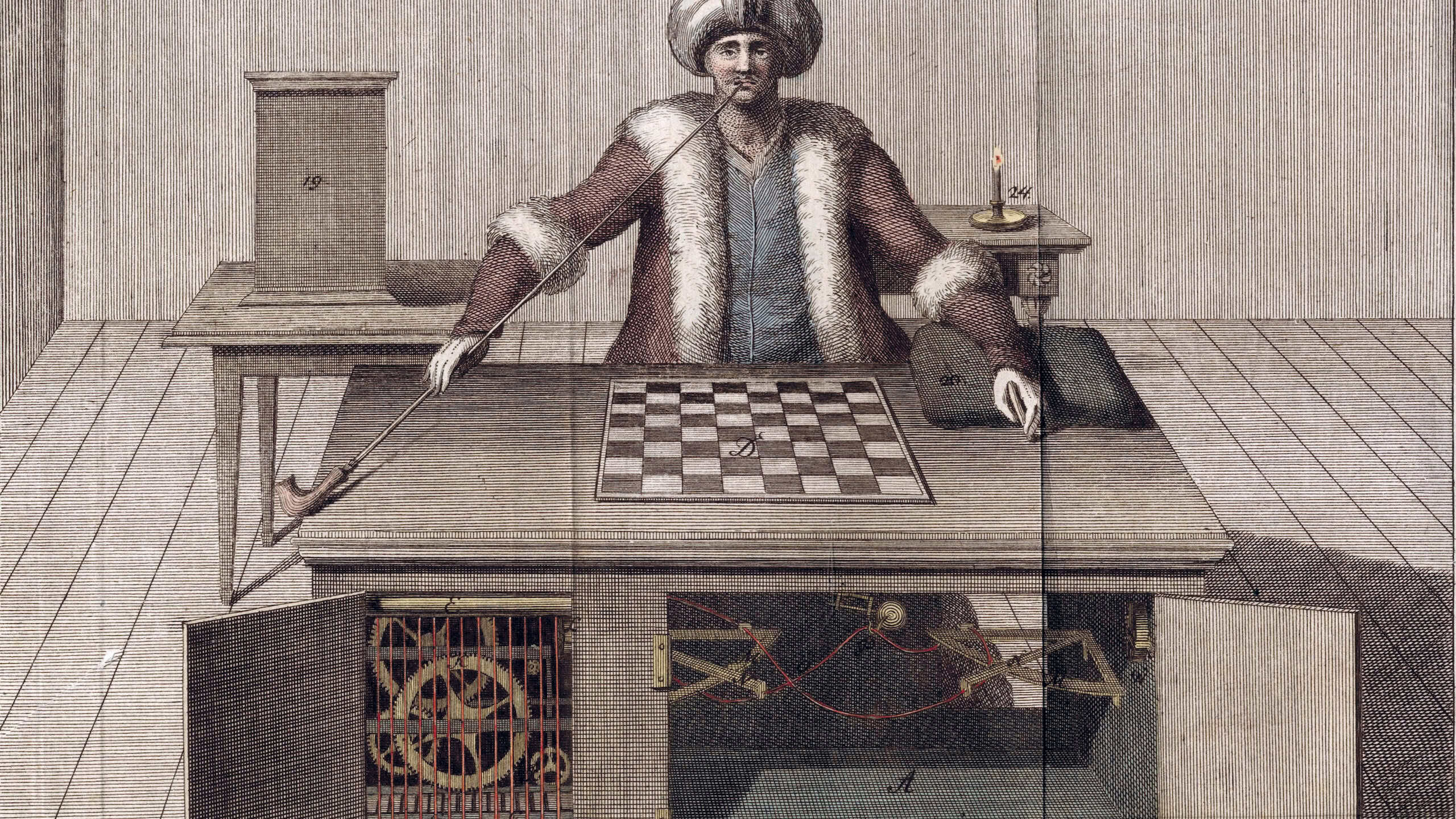
In 1770, a man named Wolfgang von Kempelen revealed what was supposedly a real, thinking automaton, or robot, named the Turk. The Turk played chess against famous people, including Benjamin Franklin and Napoleon, and many people thought it was an engineering marvel.
The Turk actually won a lot of the games it played. But it was all a lie. In 1857, the owner’s son revealed that the whole thing was fake, and a real chess player hiding inside the cabinet controlled the pieces.
Medicine from the dead

/Depositphotos.com.
There was a time when, in Europe, people genuinely believed that eating dead body parts would cure them of their sicknesses. Many European apothecaries sold medicines made from powdered skull, human fat, blood, and mummy material as treatment.
People bought them. Yes, they’d buy some ‘medicine’ made from powdered human skulls because they thought it would help cure their own head problems. The practice began around the eleventh century and didn’t stop until the very early twentieth century.
A country made of paper
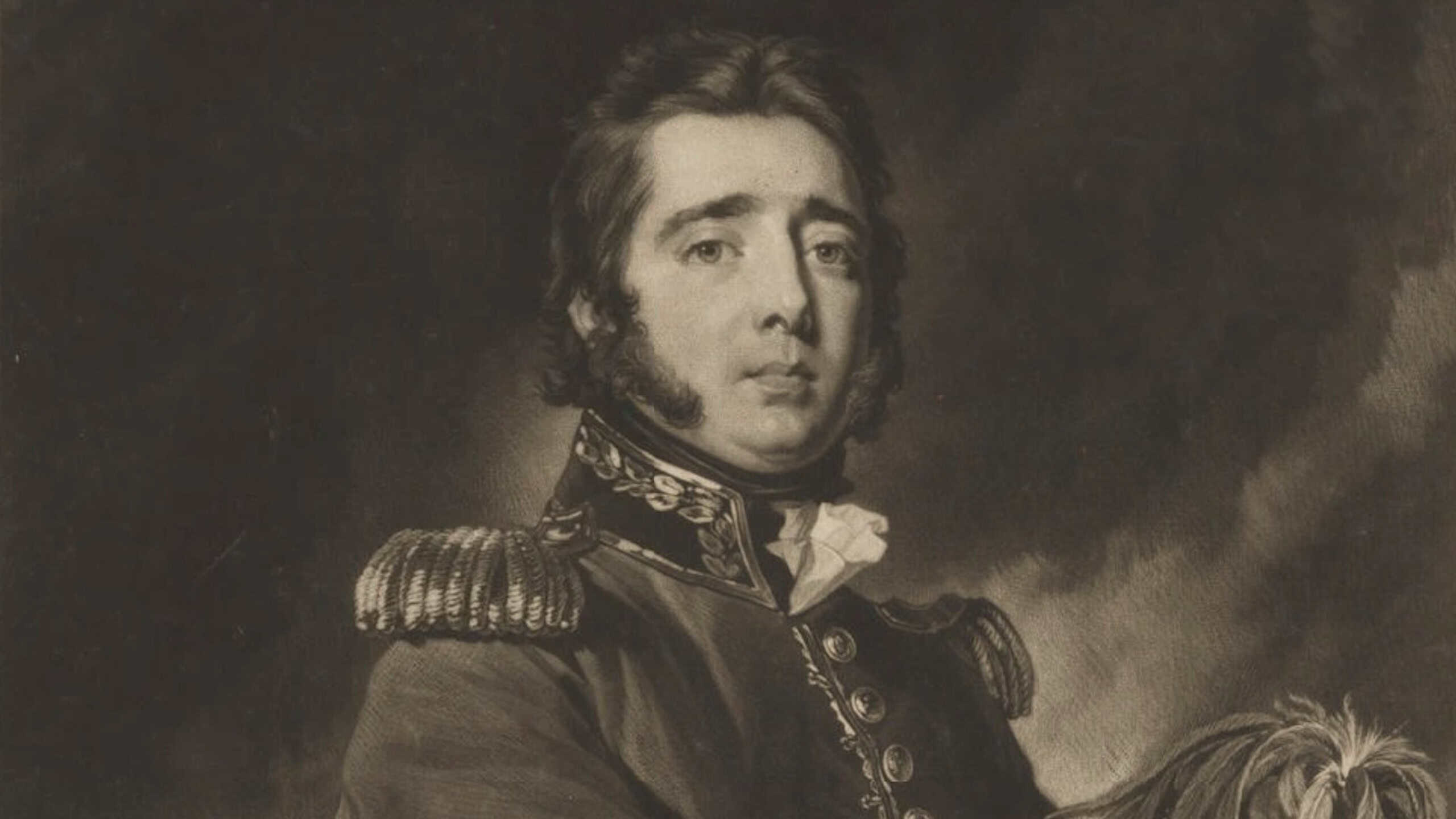
Gregor MacGregor was one of the world’s greatest con men. In the 1820s, he told people about a country in Central America called Poyais and sold land to them, claiming that it had towns, farms, roads, government offices, money, and lots of opportunities.
MacGregor went as far as printing land certificates and telling people that it was ready for settlers. They believed him. They bought the ‘land’ and headed for Poyais, only to find that the whole thing was a fake and there was nothing but rough coast, no proper settlements.
Sources: Please see here for a complete listing of all sources that were consulted in the preparation of this article.
Are you really a history buff if you don’t know these 13 facts?

History is so much more than royal families and wars, since there are actually some interesting facts that even some history buffs don’t know.
Are you really a history buff if you don’t know these 13 facts?

