

Historical breakthroughs are constantly shattering our perceptions of history and turning established beliefs upside down.
The L’Anse aux Meadows Settlement
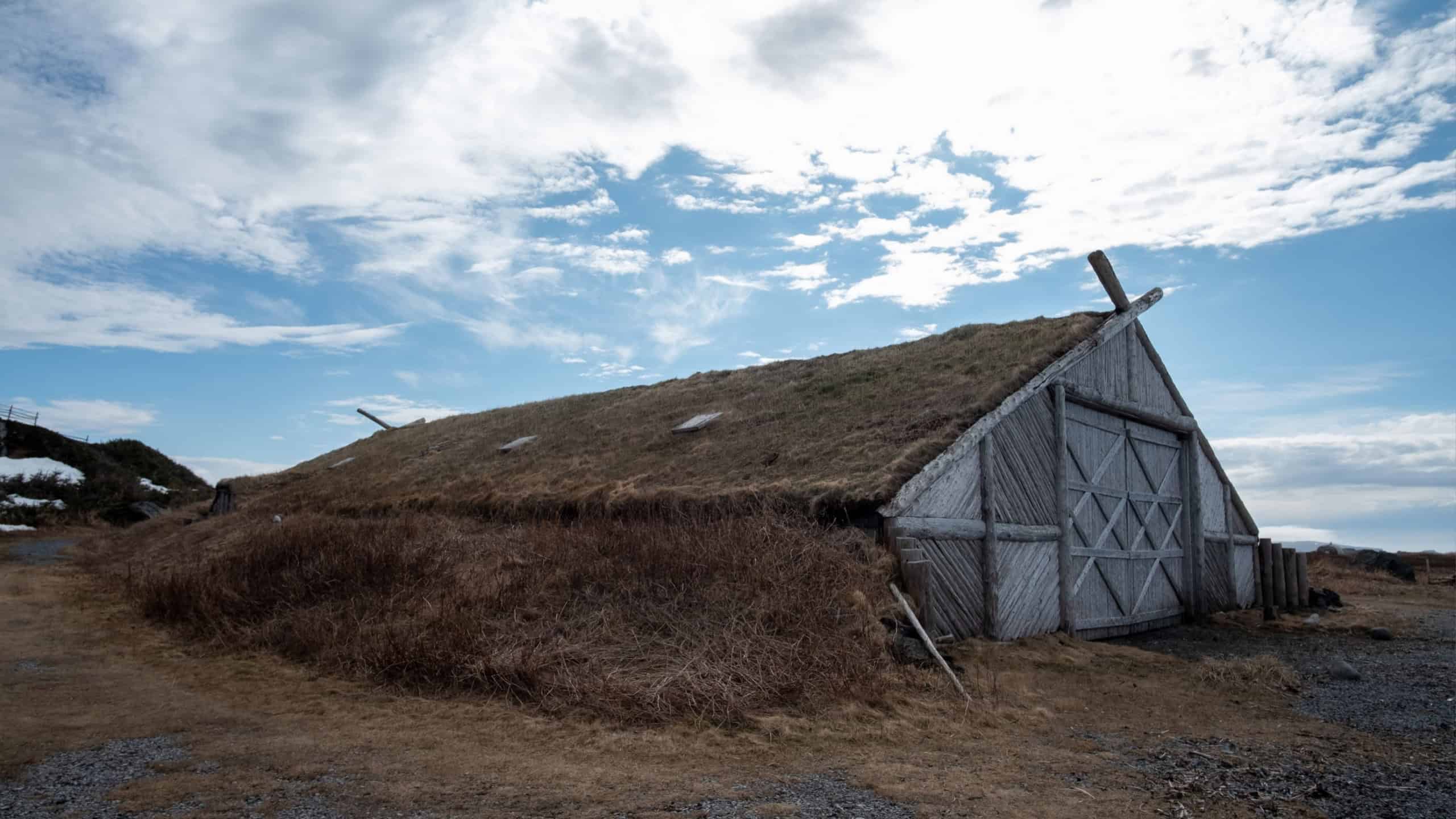
Textbooks for decades have taught students that Christopher Columbus was the first European explorer to set foot in the Americas in 1492. We thought we knew this for sure until 1960, when archaeologists discovered the remains of a Norse settlement at L’Anse aux Meadows in Newfoundland, Canada.
Archaeologists now know that Viking explorers had constructed a thriving settlement in North America around 1000 CE, nearly 500 years before Columbus would arrive.
The Göbekli Tepe Temple
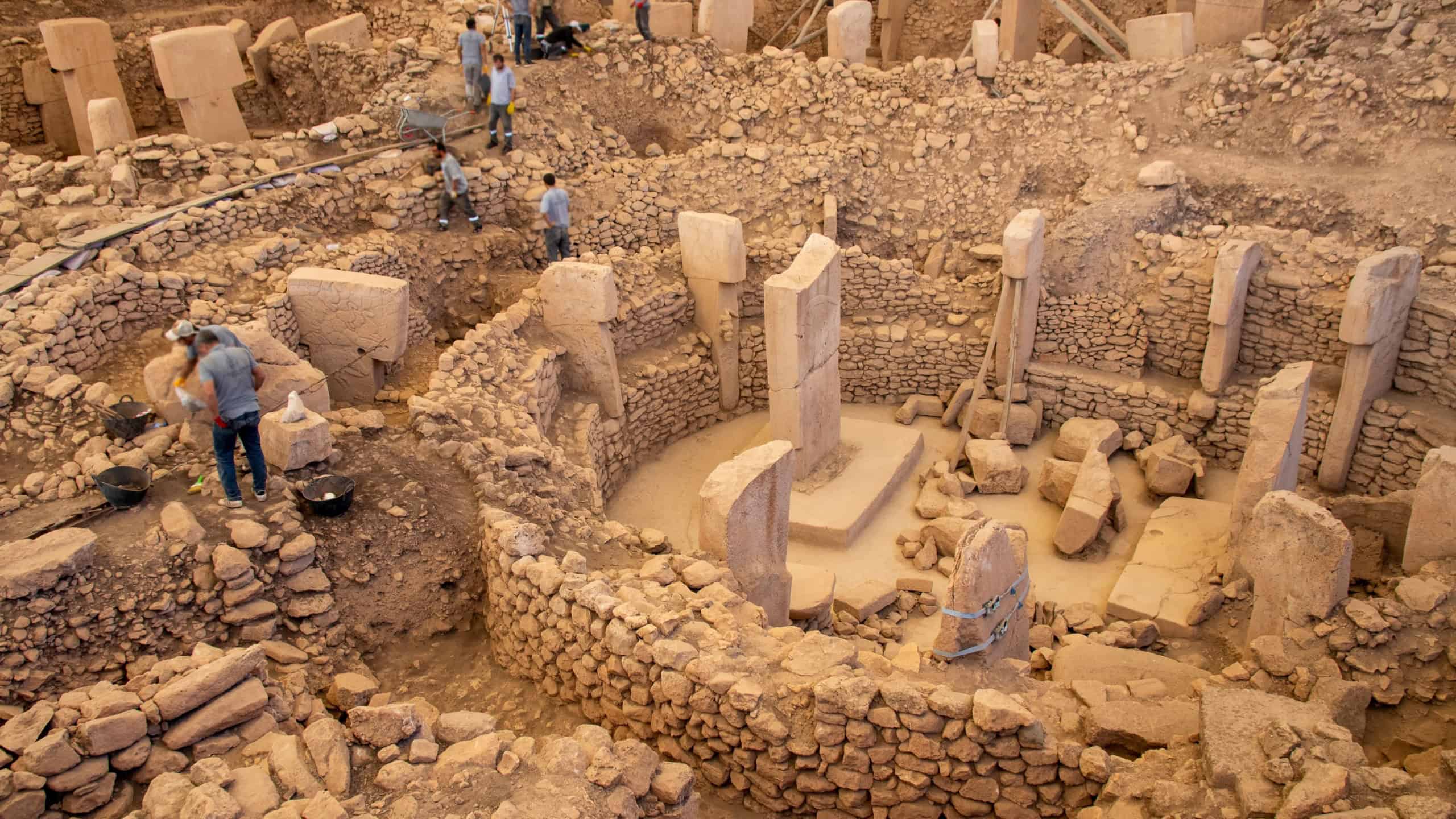
It was previously assumed that mankind developed agriculture first, then settled down into communities before they had the means to build large-scale religious monuments.
Archaeologists made a discovery at Göbekli Tepe in Turkey that turned this belief on its head. Built around 9500 BCE by hunter-gatherers, Göbekli Tepe is a complex stone temple that predates the development of agriculture by thousands of years. Agriculture hadn’t been developed yet, which means temples came before towns and cities.
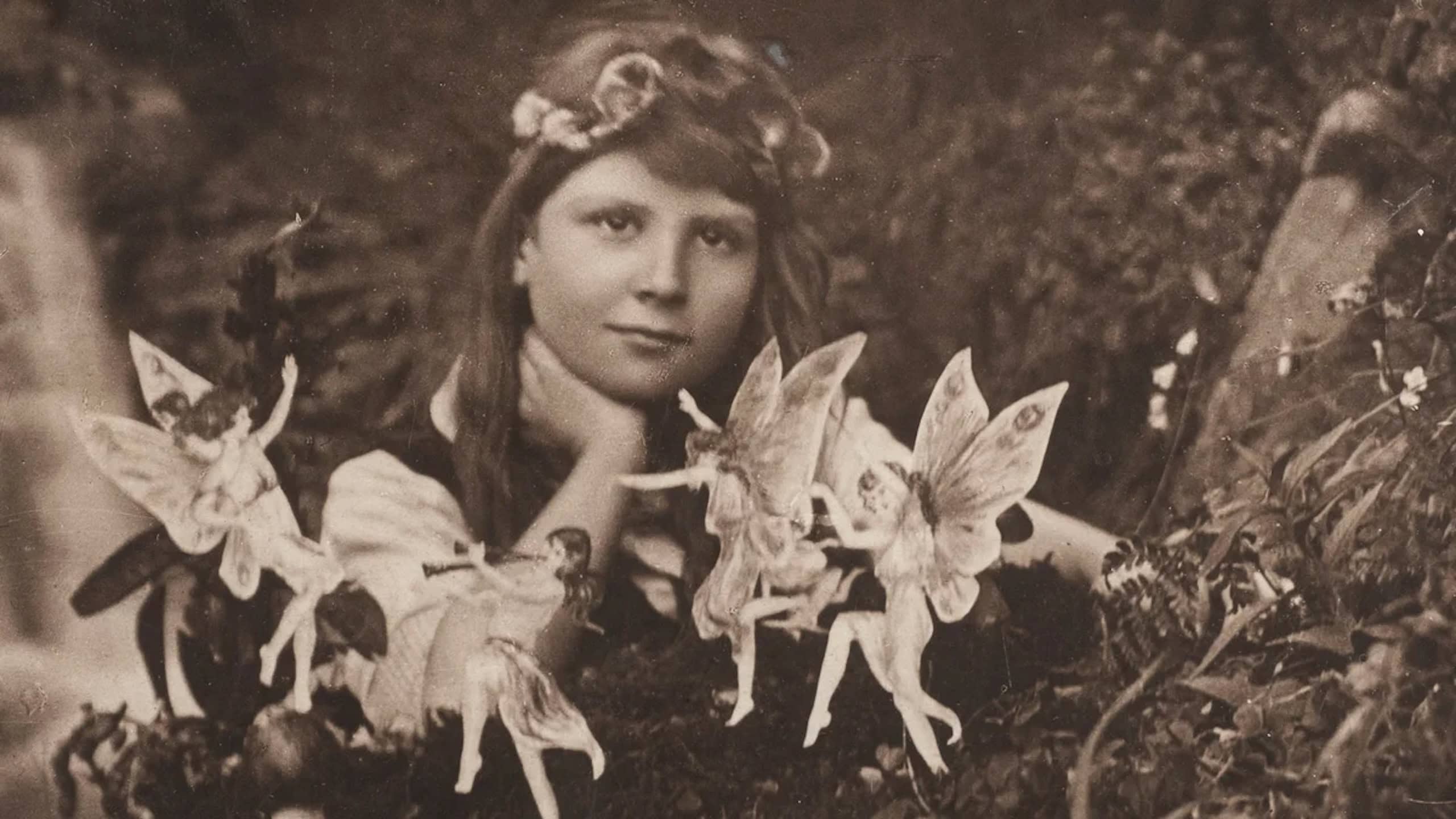
The Piltdown Man Hoax
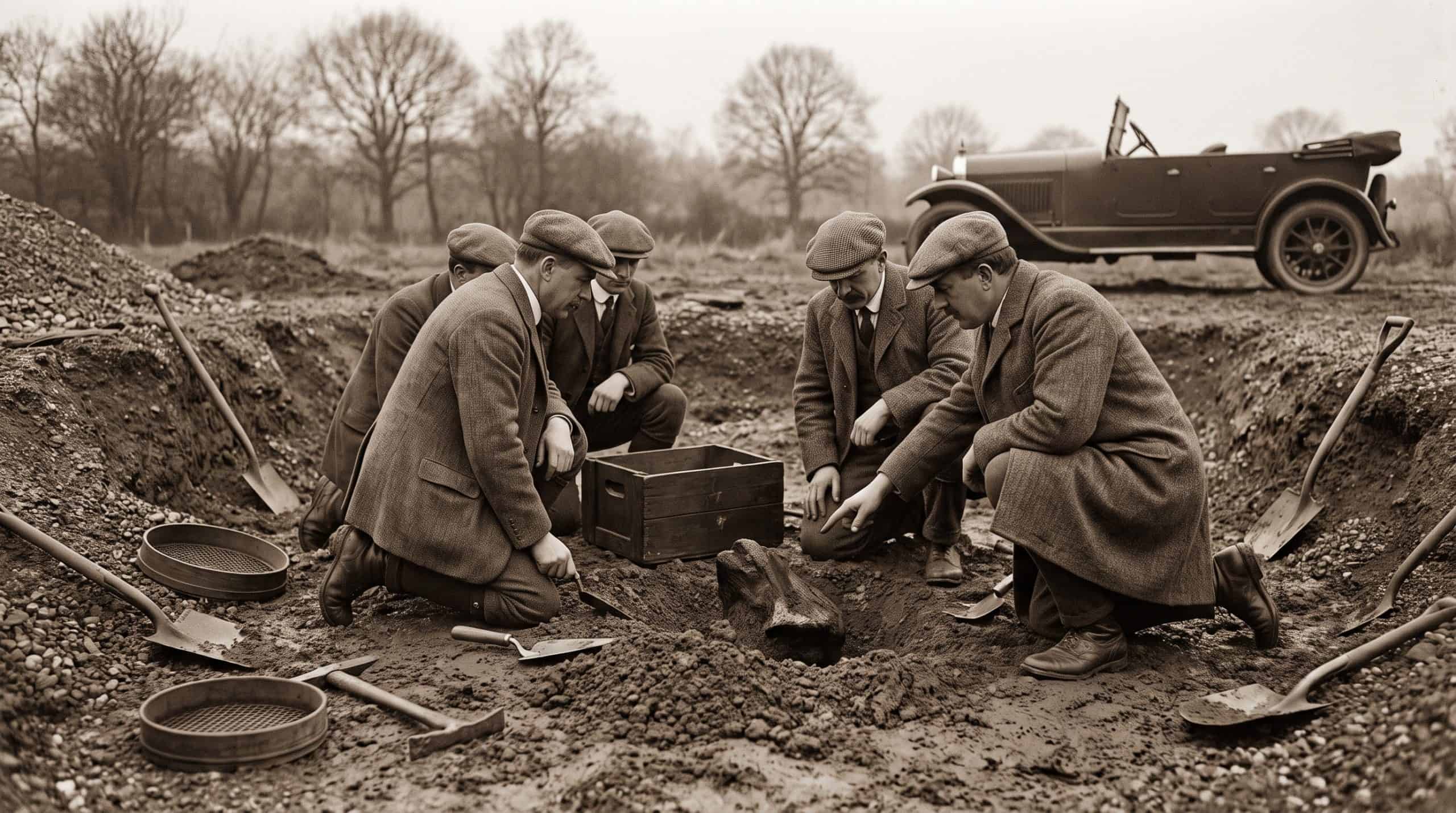
The discovery of a humanoid skull and jawbone in Piltdown, England, was met with acclaim in 1912. Top scientists announced it was the long-awaited evolutionary link between ape and man. This newfound proof of humanity’s origins also demonstrated that our development as a species began with a giant brain.
But in 1953, new chemical analysis showed the Piltdown Man was a complete hoax. An amateur fossil collector had stained a medieval human skull and affixed it to a ground-down orangutan jawbone.
The Antikythera Mechanism

For years, historians thought that complex precision gear-based technology would not reappear until the Renaissance, starting in the 14th century CE. They were proved wrong by a water-corroded lump of bronze recovered from an ancient Greek shipwreck. Named the Antikythera Mechanism, this device dates back to the 2nd century BCE. Its intricate gears were powered by a hand crank and used as an astronomical calculator. The device revealed the Greeks had knowledge of advanced mechanical engineering that would not reappear for another 1,500 years.
Homo Floresiensis
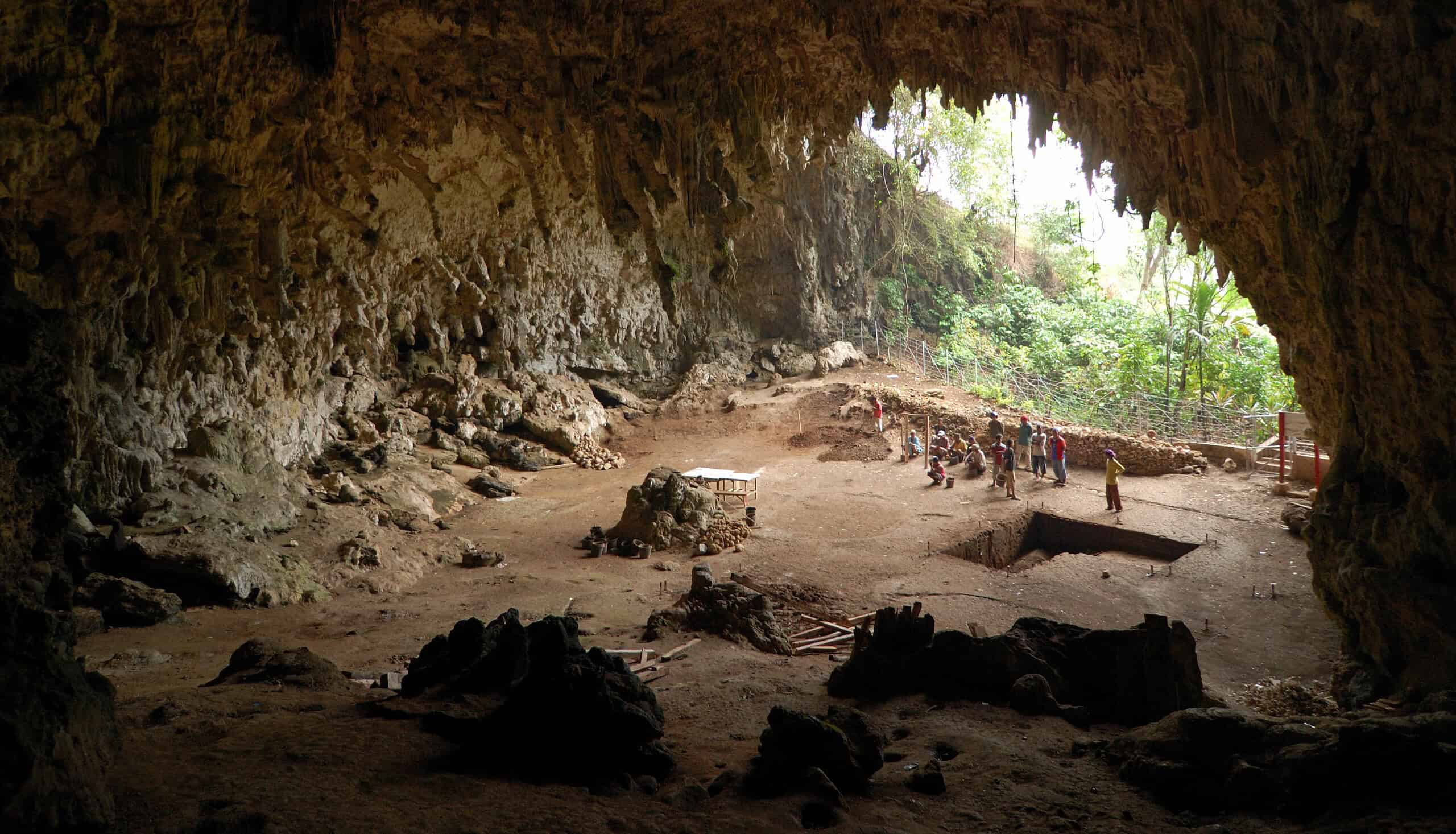
Anthropologists once believed human evolution happened on a tidy, linear timeline. They believed older, smaller species of hominids simply died out as larger, more intelligent homo sapiens came onto the scene.
We know now that this couldn’t be further from the truth. In 2003, the fossilized remains of an entire three-foot-tall human species were discovered on the Indonesian island of Flores. Homo Floidsiensis hung around until as recently as 50,000 years ago, which means they overlapped with modern humans.
The Neanderthal Genome
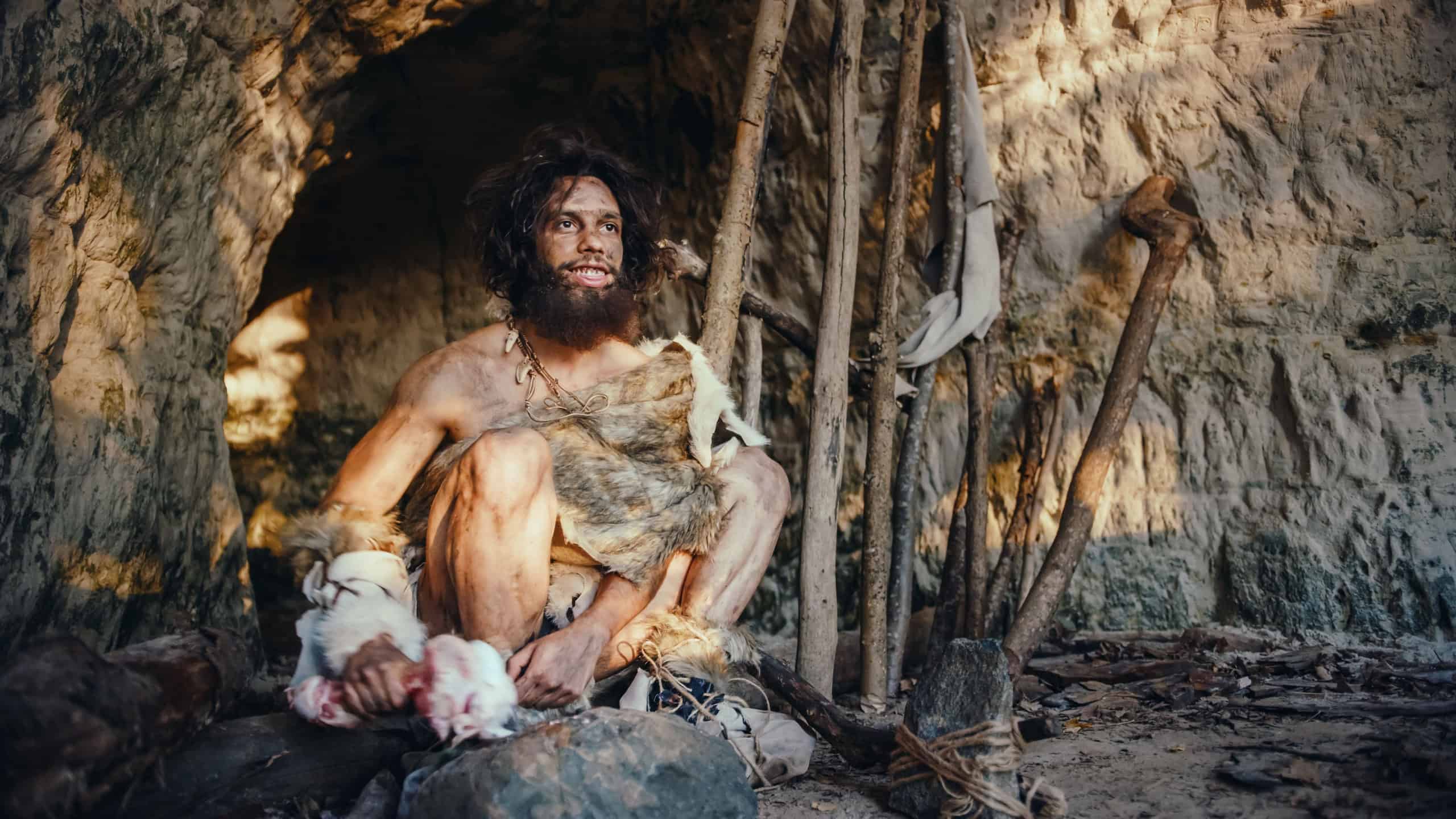
For many years, we imagined Neanderthals to be dumb, brutish cavemen completely overmatched and eradicated by smarter, more modern humans.
But when researchers mapped the Neanderthal genome from fragments of old bone in 2010, they discovered that almost every modern human outside of Africa has 1 to 2 percent Neanderthal DNA. Not only did Neanderthals not simply die out, but they were also sophisticated enough to integrate, live alongside, and interbreed with our direct ancestors.
The Vindolanda Tablets
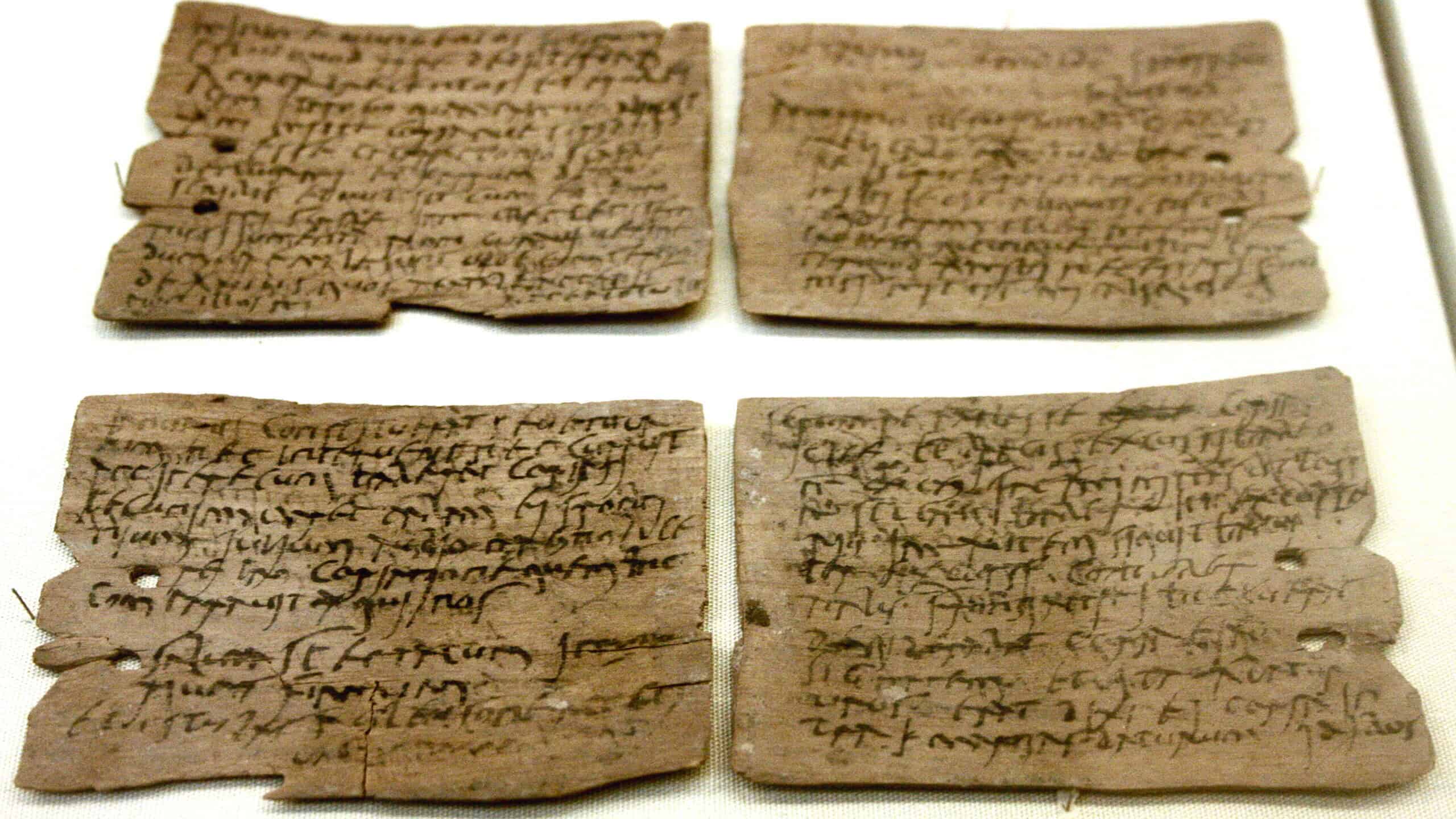
For years, Roman history was told from the top down, through the eyes of emperors and generals. Life on the northern frontier of the empire was thought to have been a harsh, rigorously militarized occupation.
When hundreds of thin, wooden postcards known as the Vindolanda Tablets were unearthed in the mud next to Hadrian’s Wall, they upended historians’ understanding.
Written on wood, the letters painted a picture of an extraordinarily literate, thriving domestic community. There, soldiers’ wives penned birthday invitations, soldiers pleaded home for warm socks, and civilians grouched about the weather.
The Denisovan Finger Bone
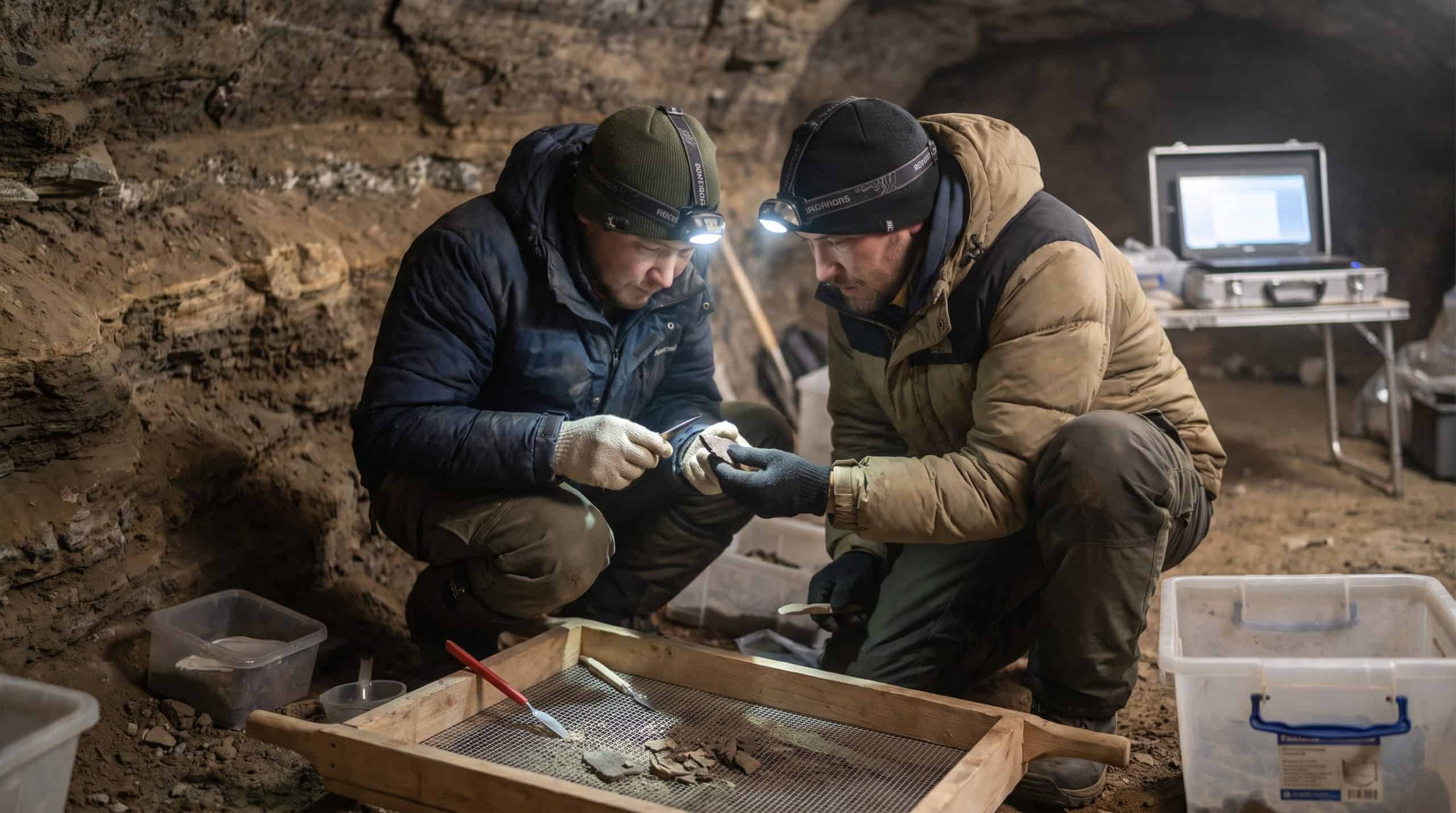
Researchers thought they understood human evolution’s family tree fairly well until they discovered a fragment of finger bone in a Siberian cave in 2010.
Scientists were able to extract DNA from the bone to show it belonged to an entire species of ancient human previously unknown to exist: the Denisovans. This one specimen showed that human migration out of Africa was much more complicated than previously imagined.
The Clovis Culture Myth
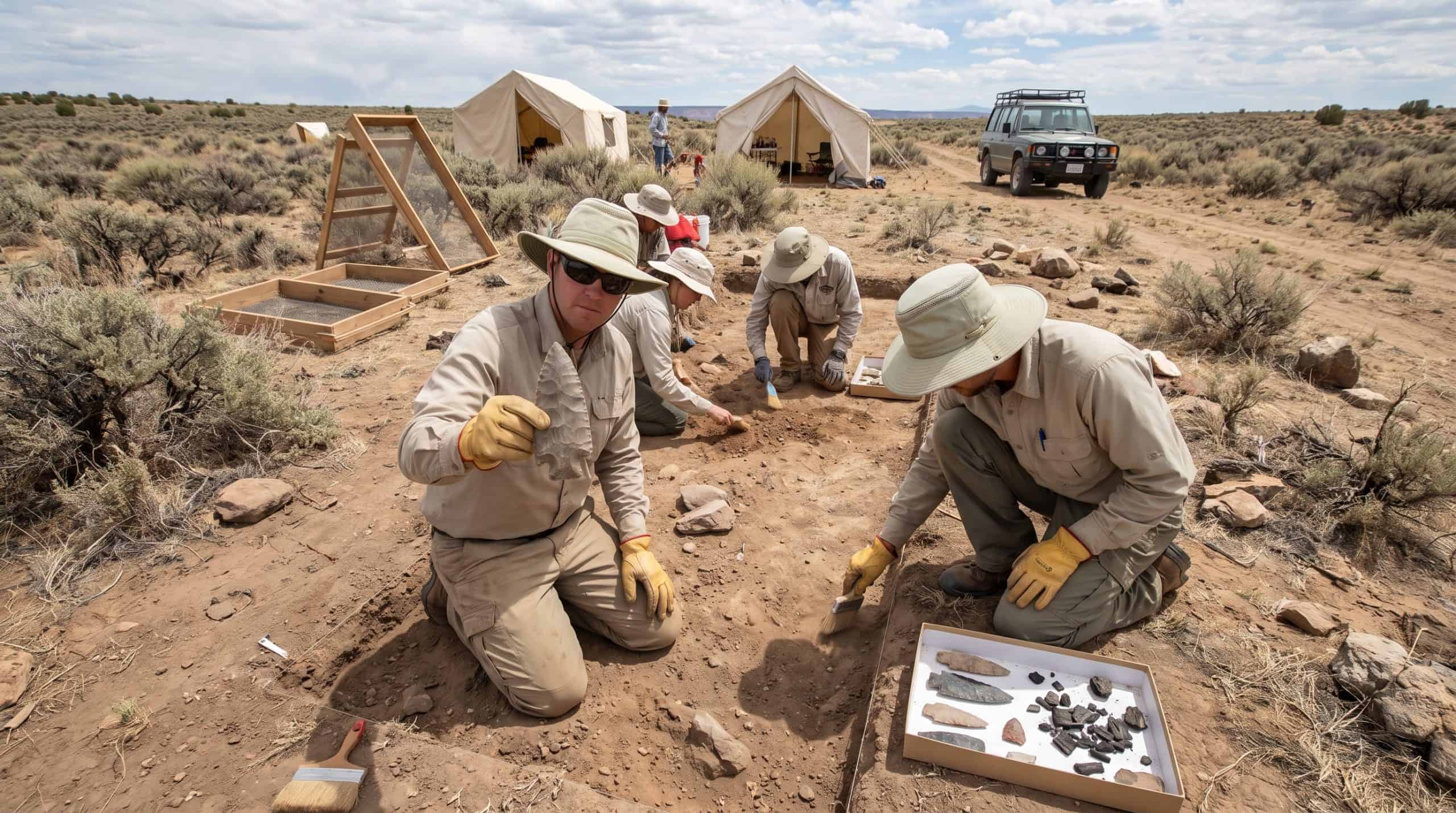
The “Clovis First” theory dominated American archaeology for decades with its insistence that the first people to arrive in the Americas had crossed over a land bridge from Siberia around 13,000 years ago. This once absolute rule has fallen as a slew of older sites have come to light all over the continent.
Recently discovered fossilized human footprints in New Mexico date back 21,000 to 23,000 years ago, extending the timeline of humans in the Americas back to the peak of the Last Glacial Maximum and totally debunking the previous theories of migration.
The Royal Tombs of Ur
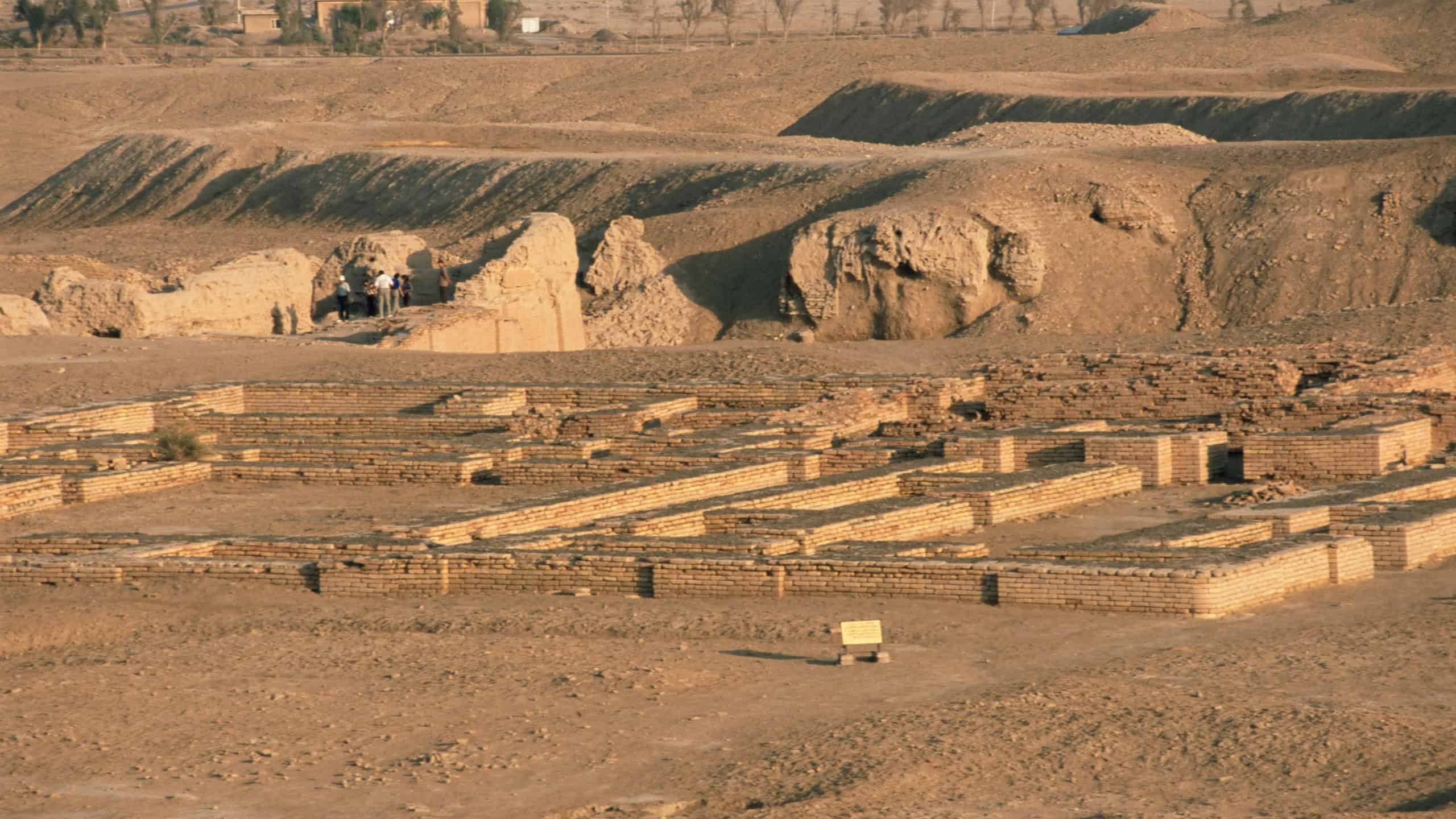
Historians in the early part of the 20th century often described ancient Mesopotamian civilization of Sumer as rigid and completely bureaucratic, concerned primarily with trade, farming and grain cataloguing.
The discovery of the Royal Tombs of Ur in the 1920s dispelled that notion. They unearthed objects of unimaginable wealth and brutality. Gold headdresses encrusted with jewels, detailed musical instruments called lyres, and large pits where whole courts of warriors and servants drank poison to follow their leaders in death.
The Dead Sea Scrolls

Prior to 1947, the earliest existing manuscripts of the Hebrew Bible only went back to the 10th century CE. Scholars could only speculate how much the text had changed, been edited, or corrupted over the previous few thousand years.
The Dead Sea Scrolls were accidentally found in a desert cave. They included biblical texts from as far back as the 3rd century BCE. Analysis of the texts demonstrated that they had been copied with incredible, near-flawless precision for over a millennium, ending centuries of heated scholarly debate.
Caral-Supe Civilization
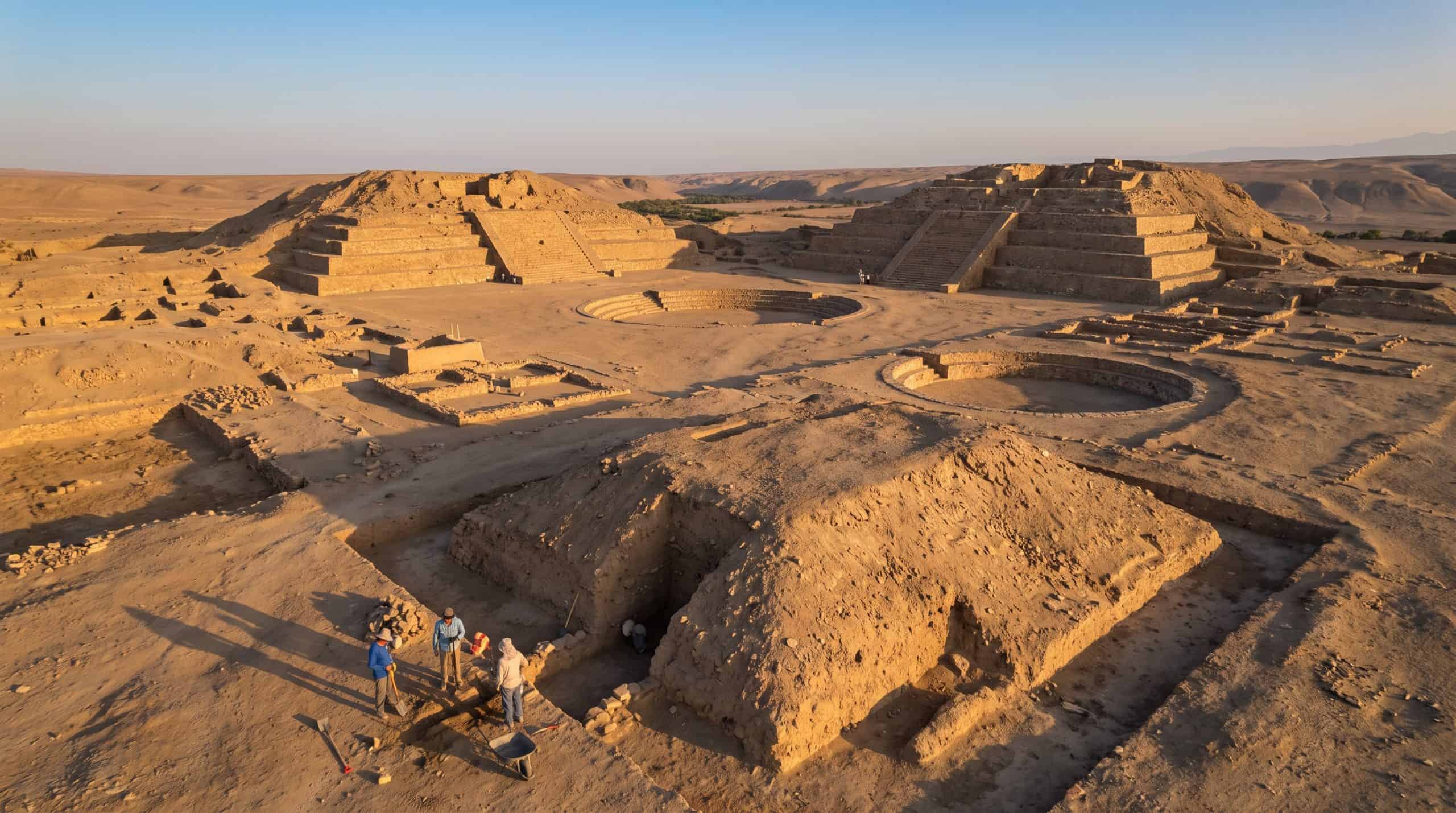
For years, historians believed that civilization first emerged only in the Old World (Mesopotamia, Egypt, and India) and that it took millennia longer to develop complex urban civilizations in the Americas.
Everything changed when archaeologists uncovered Caral-Supe in Peru. Radiocarbon dating placed the existence of a huge, flourishing metropolis filled with pyramids and plazas at around 3,000 BCE. America now had proof that complex and monumental urban centers developed at the same time as the Egyptian pyramids.
The Uluburun Shipwreck
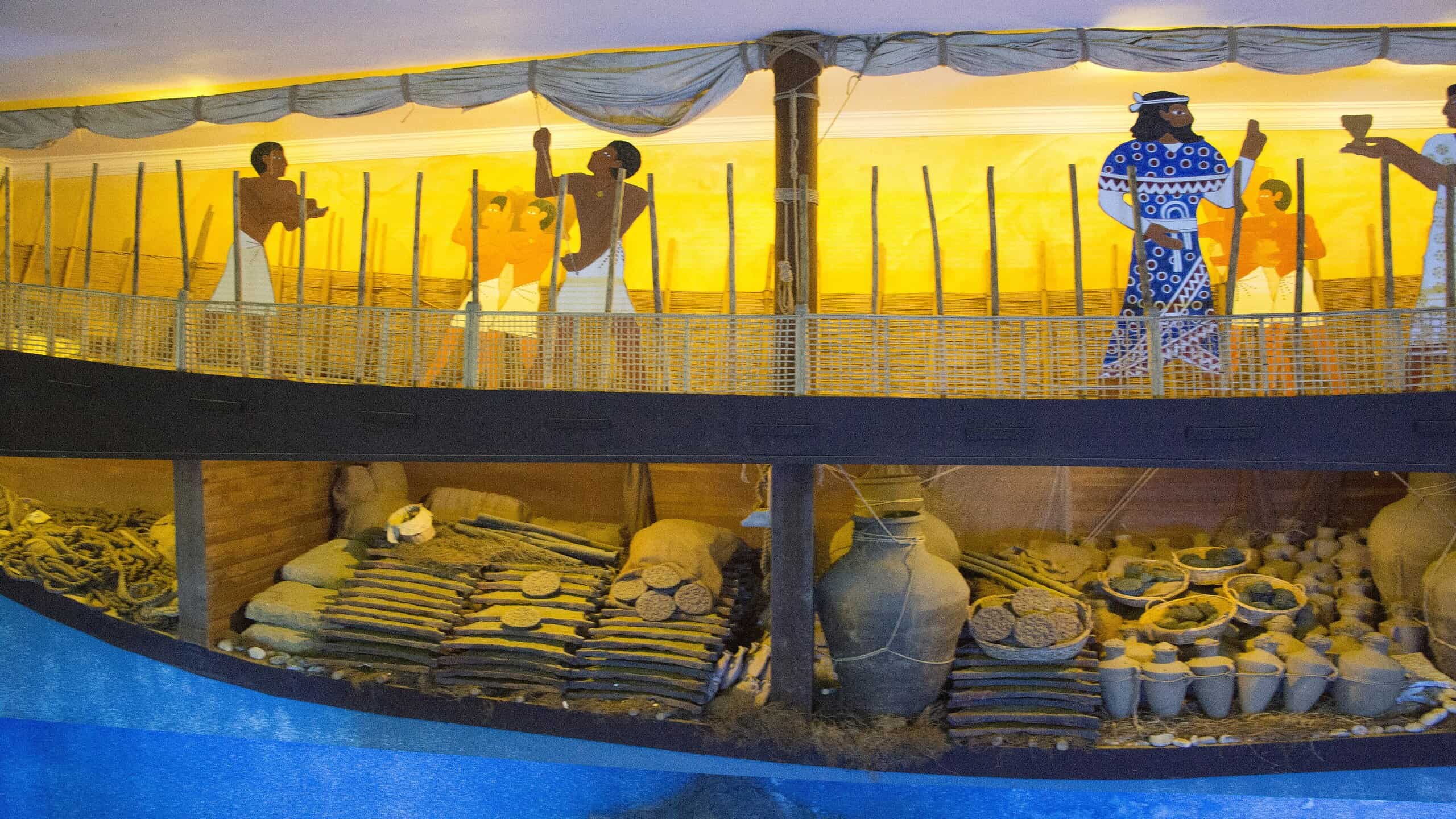
Ancient historians once believed that Mediterranean societies during the Late Bronze Age were independent and profoundly inward kingdoms that rarely communicated except when warring. Evidence from the 1982 Uluburun shipwreck off Turkey dramatically shifted historians’ perspectives.
This ship carried copper from Cyprus, tin from Afghanistan, glass from Egypt, and pottery from Greece. The ancient world was far more globalized and connected by a vastly complex, extremely interdependent international economy.
The Staffordshire Hoard
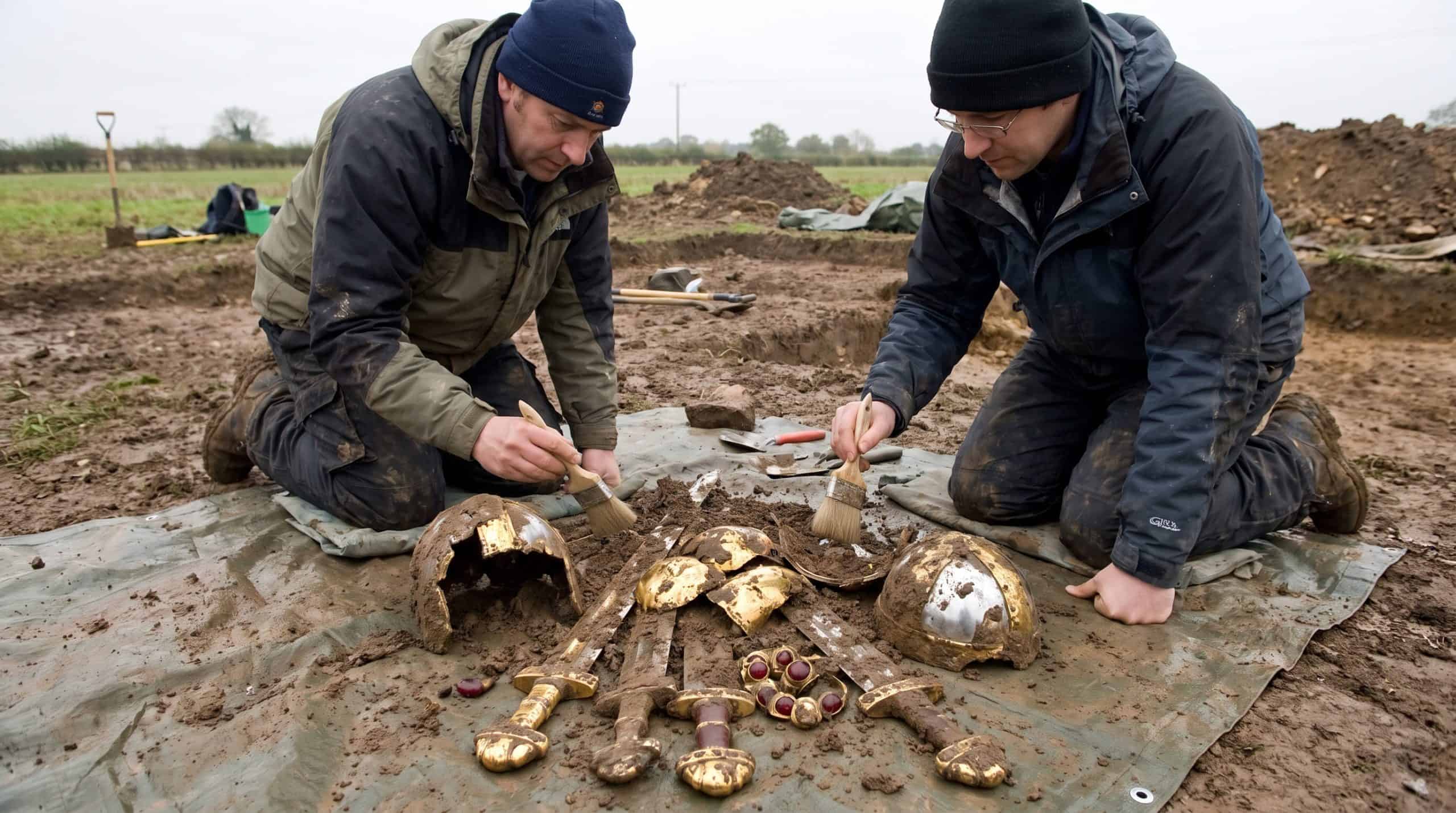
Anglo-Saxon England was often described by early historians as a dismal, backwards “Dark Age” that descended into cultural stagnation following the fall of the Roman Empire.
In 2009, the stereotype was broken by the discovery of the Staffordshire Hoard, the largest hoard of Anglo-Saxon gold ever discovered. The exceptional skill of the inlaid garnets, metalwork, and martial equipment revealed Anglo-Saxon society to have been home to an advanced, wealthy, and artistic upper-class.
The Birka Viking Warrior

For centuries, historians thought Viking raiders, military commanders, and elite warriors were typically male while women managed households at home.
Archaeologists in Birka, Sweden, uncovered a burial that disrupted those beliefs. For years, archaeologists assumed that a richly adorned 10th-century grave containing swords, arrows, shields, and two horses (sacrificed to accompany their owner in death) was the final resting place of a high-born male warrior. It was only when they extracted DNA from the deceased person’s skeleton that they realized the grave had actually been that of a biological woman.
Sources: Please see here for a complete listing of all sources that were consulted in the preparation of this article.
Like our content? Be sure to follow us.
15 historical moments that are strange, wild, and true
History’s already weird enough, but once you add in all the Moon people and supposedly haunted graves, it becomes a lot stranger.

