

Managing your blood pressure is more than reducing sodium; you have to provide your arteries with what they need to dilate.
7 foods that lower blood pressure – Hibiscus tea
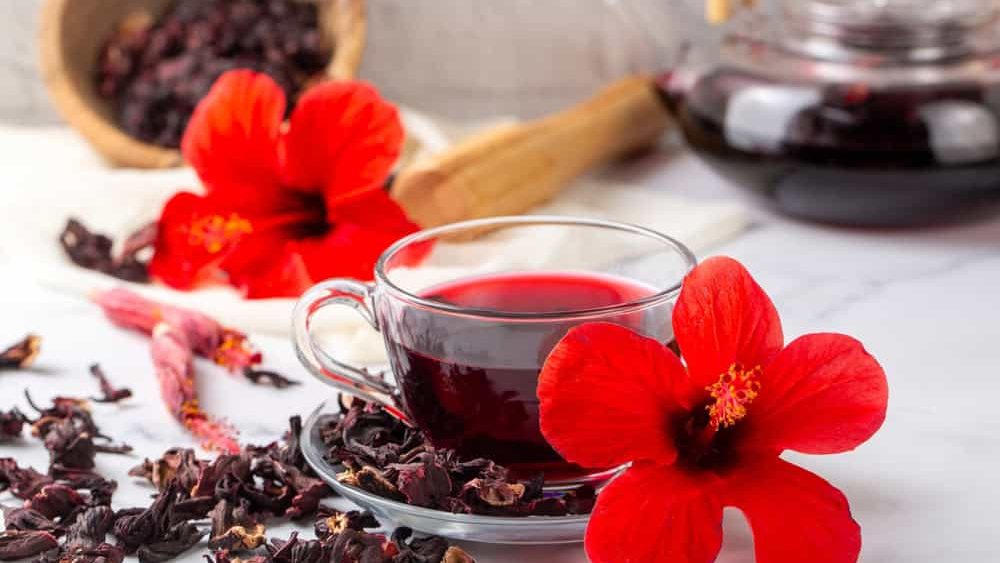
That bright red cup of hibiscus tea may do more than look pretty.
Hibiscus tea may help bring blood pressure down, especially in people with prehypertension or mild hypertension. In one randomized trial, 65 adults drank three cups of hibiscus tea a day for six weeks. By the end of the study, their systolic blood pressure had dropped by about 7 mmHg more than it did in the placebo group.
Hibiscus is rich in plant compounds with antioxidant properties, and these may play a role in its effects on blood vessels. Exactly how hibiscus affects blood pressure is still being studied.
Fresh kiwi
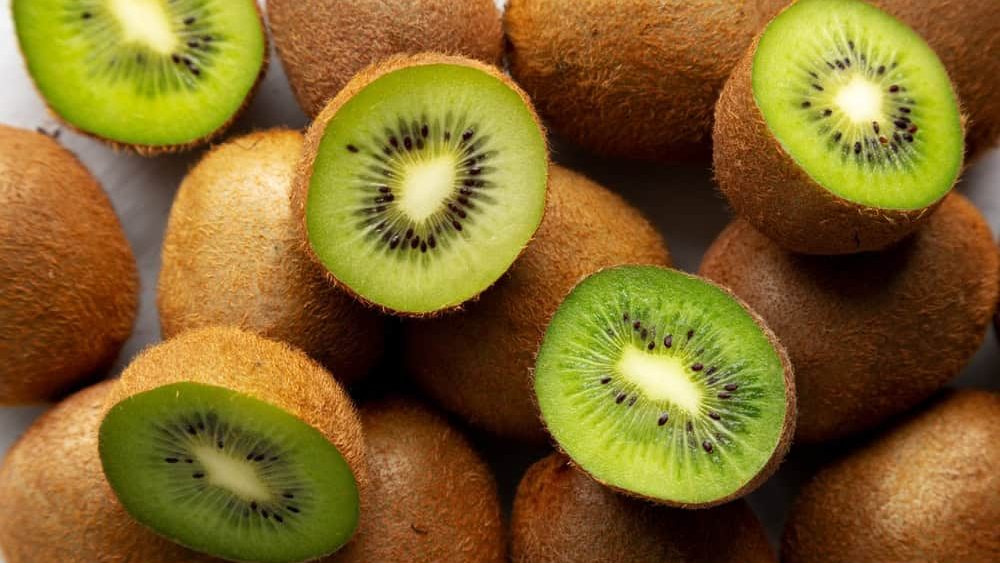
Kiwifruit is another fruit that has been studied for its potential effect on blood pressure.
In a randomized controlled study involving adults with moderately elevated blood pressure, people who ate three kiwifruits a day for eight weeks experienced a greater reduction in 24-hour systolic blood pressure than those who ate one apple a day.
Kiwi provides potassium, fiber, vitamin C, and other plant compounds. While researchers have proposed several possible explanations for its effects, it’s better to think of kiwi as part of a healthy dietary pattern rather than a food with one proven blood-pressure-lowering ingredient.
Pumpkin seeds
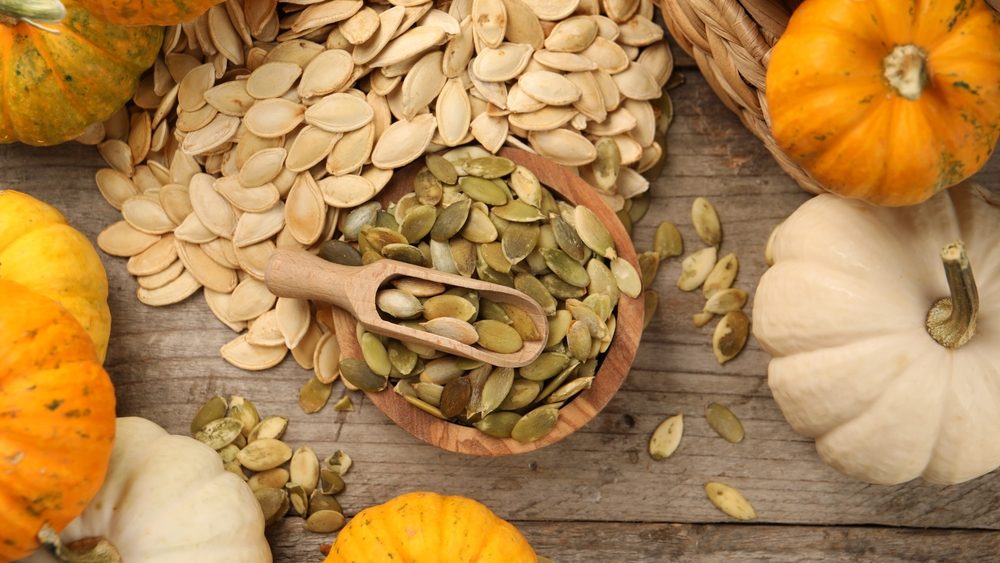
Magnesium allows blood vessels to function properly, which helps control blood pressure. Pumpkin seeds are one excellent source of magnesium.
Studies supplementing magnesium have shown that increased magnesium intake might cause a modest drop in blood pressure. However, this benefit may be stronger in those with magnesium deficiency. Plus, pumpkin seeds contain potassium, healthy fats, and many other nutrients.
Currently, there’s limited evidence to suggest that just munching on raw, unroasted pumpkin seeds, despite their magnesium content, will independently reduce blood pressure. Consider them part of an overall healthy diet.
And when you can, go for unsalted pumpkin seeds. The salted versions can negate your efforts of maintaining a healthy blood pressure.
Aged garlic extract
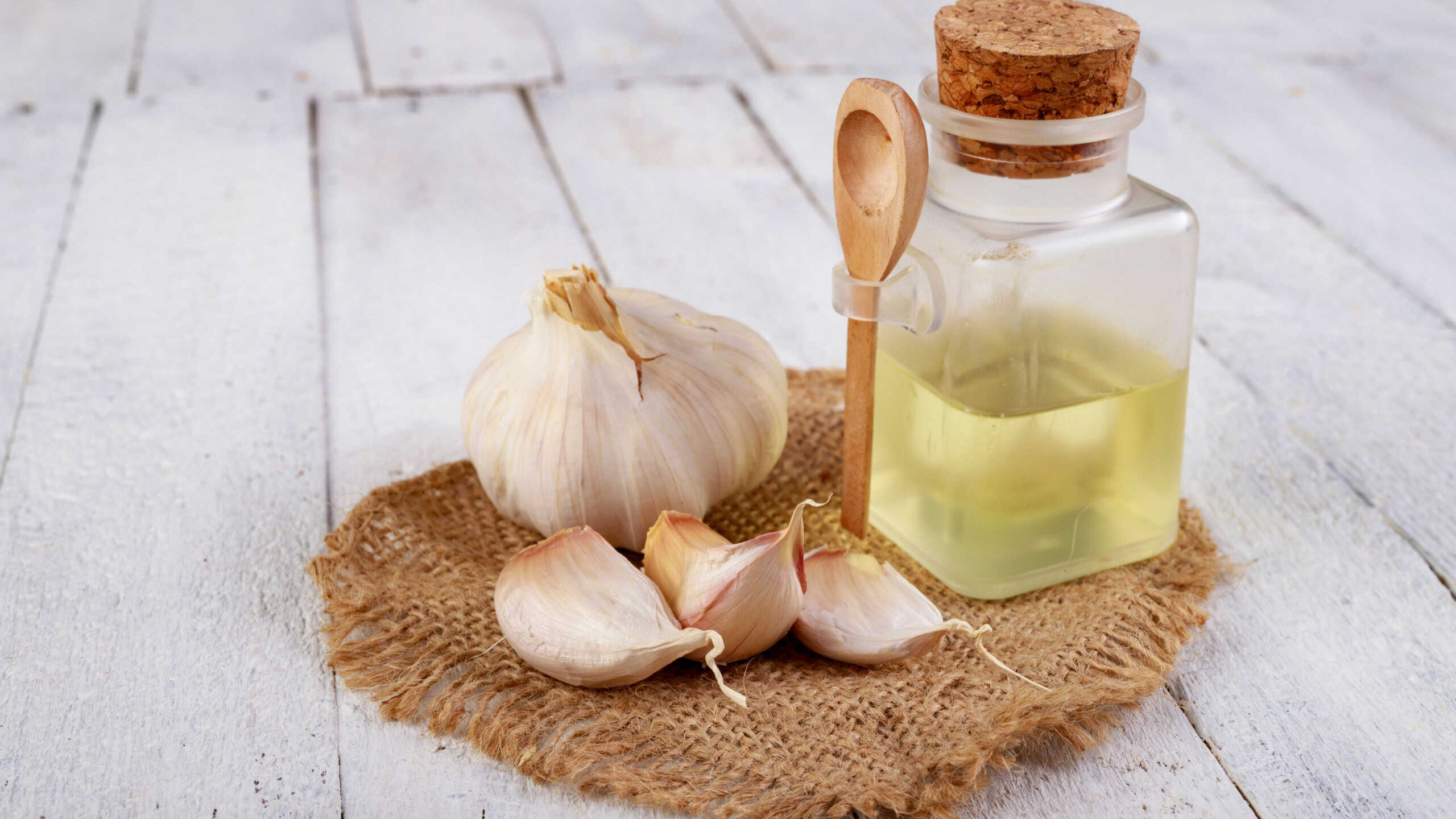
Garlic is not actually a spice, but it’s another well-studied food that appears to have beneficial effects on blood pressure. Much of the research has focused on aged garlic extract.
In the AGE at Heart randomized trial, a 12-week regimen of aged garlic extract led to an average systolic blood pressure decrease of approximately 5 mmHg in participants whose hypertension was previously uncontrolled, relative to a placebo group.
Research also indicates that aged garlic extract may help decrease arterial stiffness.
There are several sulfur-containing compounds in garlic, but researchers aren’t entirely sure how they factor into garlic’s cardiovascular effects. Until more is understood, it’s wise to avoid pinpointing a single explanation for garlic’s advantages.
Pistachios
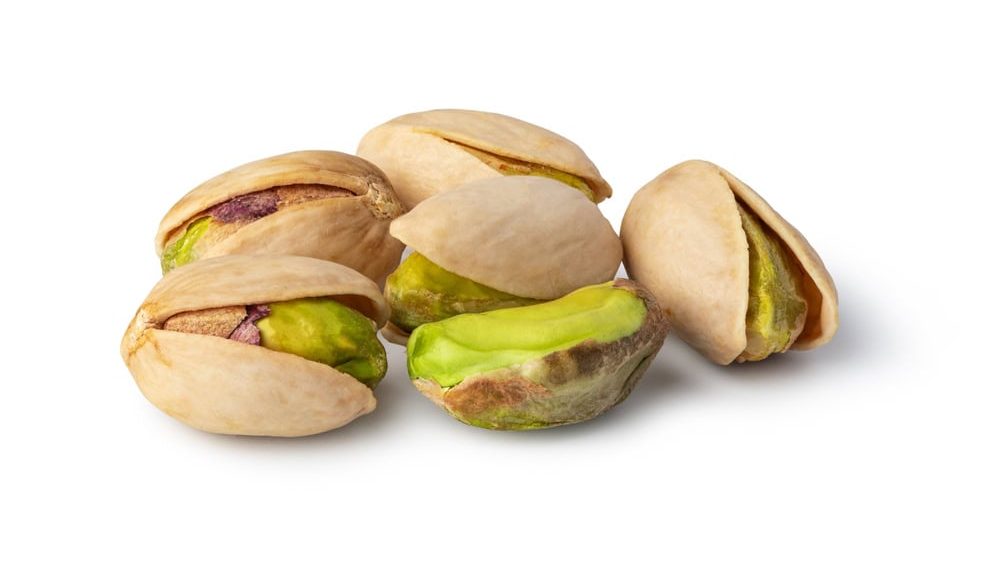
Pistachios might also be worth including in a blood-pressure-lowering diet.
A study on adults with dyslipidemia found that when they ate diets with pistachios, their systolic blood pressure dropped and their blood vessels responded differently to stress.
Like other nuts, pistachios contain potassium, magnesium, healthy unsaturated fats, and other plant compounds. The evidence for pistachios’ effects on blood pressure is promising, but the effect appears to be relatively modest. Rather than using pistachios in place of blood pressure medication, consider them as part of an overall healthy diet.
Pomegranate juice
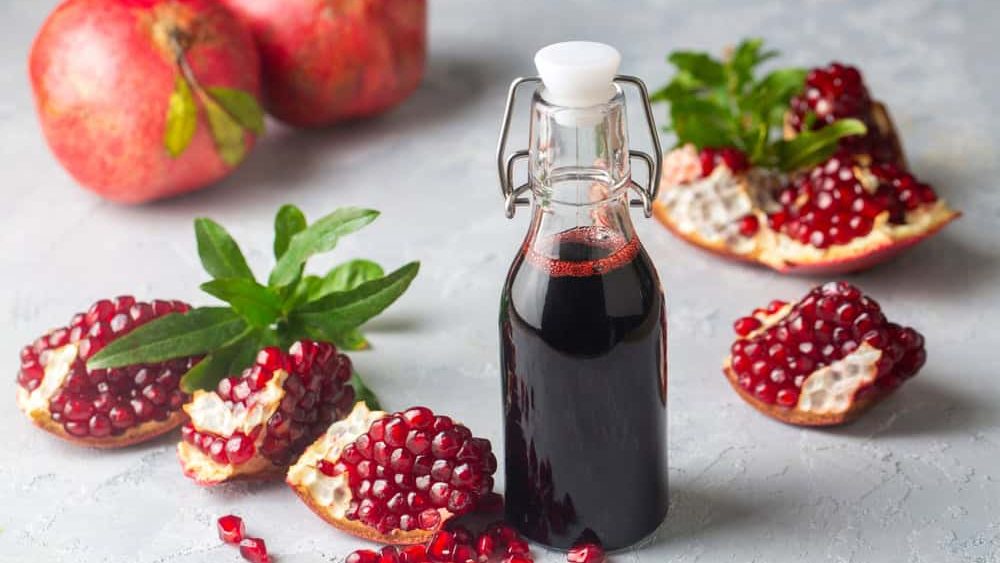
Several clinical trials have looked at pomegranate juice. It’s looking promising, with evidence suggesting a slight drop in blood pressure.
Researchers have found that consuming pomegranate juice reduces systolic blood pressure by a few mmHg. However its effect seems to vary from one study to another.
Pomegranates contain polyphenols and other plant compounds. Scientists think these may be responsible for effects on heart health. However, it is going too far to say that pomegranate juice can remove plaque from your carotid arteries or prevent it from building up. Studies suggest it might help shave a few points off your blood pressure.
If you enjoy pomegranate juice, drink 100% juice and limit your portion.
Beetroot juice
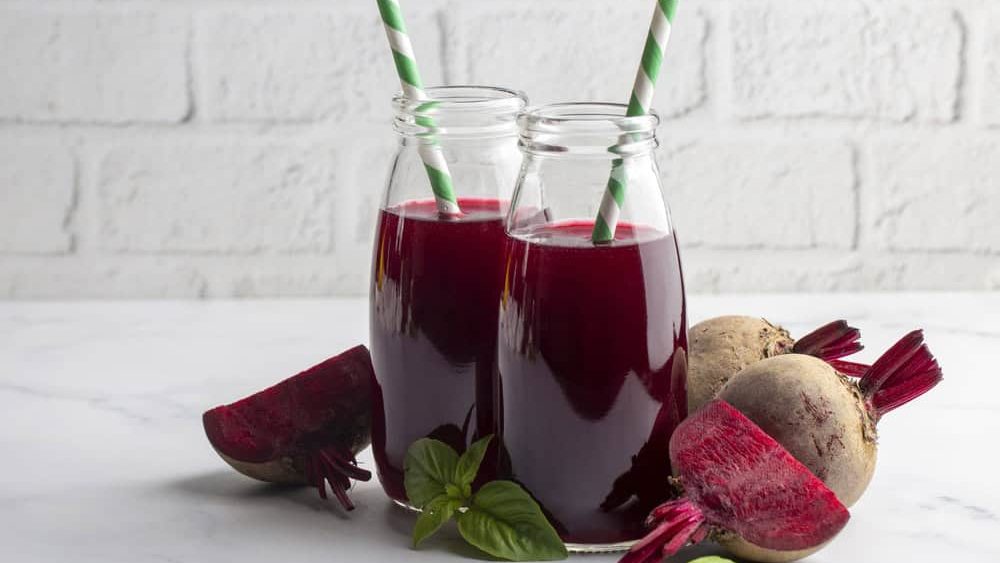
Beetroot juice is among the nitrate-containing foods that have been most studied with regards to blood pressure.
Your body can convert nitrate into nitrite. Then, your body transforms nitrite into nitric oxide. Nitric oxide can help your blood vessels relax. This dilation can affect blood pressure.
Beetroot juice has been shown to cause modest reductions in blood pressure in several meta-analyses of randomized trials that looked at it. The research doesn’t always agree 100%, but studies have shown that beetroot juice can lower blood pressure levels (specifically systolic blood pressure). And what you see in terms of changes can swing from one trial to the next, based on the dose and how long it’s taken.
Of course, that doesn’t mean you should stop taking your blood pressure medication in favor of beet juice. You can simply use it as one easy way to incorporate nitrate-rich foods and beverages into your healthy diet.
5 foods that spike blood pressure fast – Real black licorice
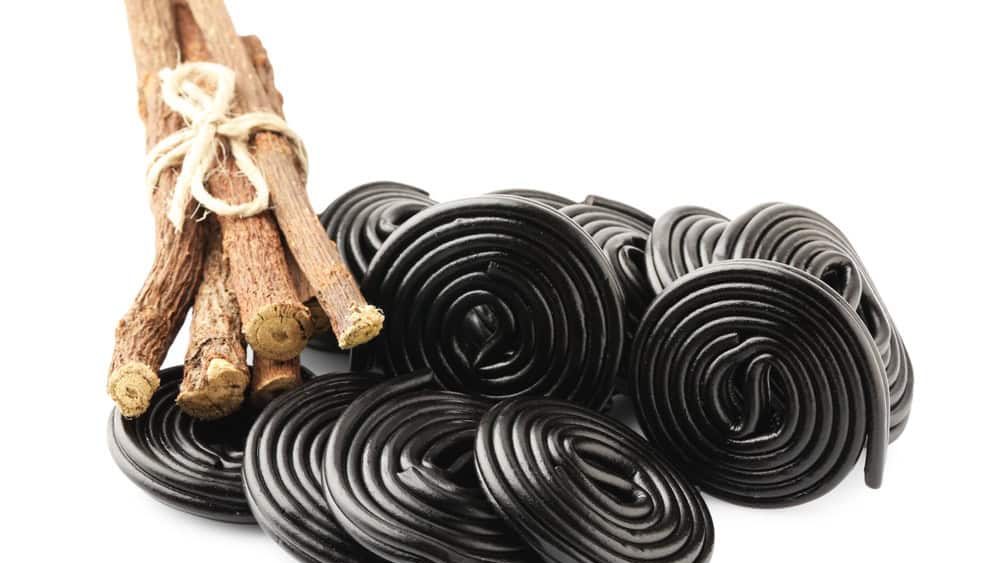
One food that you might not have suspected can actually affect your blood pressure: black licorice.
This problem is attributed to a compound found in licorice root called glycyrrhizin. If you eat it regularly or in large amounts, it can inhibit an enzyme crucial for managing cortisol levels. When this happens, your body may retain more sodium and fluid, lose potassium, and increase blood pressure.
Studies find that regular consumption of licorice was associated with a slight increase in systolic blood pressure of about 5.5 mmHg and about 3.2 mmHg in diastolic blood pressure.
That said, the exact dosage that will elevate blood pressure is contingent on both the quantity consumed and your personal susceptibility. So, it’s not accurate to say that a significant rise is guaranteed for everyone after only a few days of eating it.
If you suffer from high blood pressure, consider steering clear of real licorice root just to be on the safe side.
Processed and cured meats
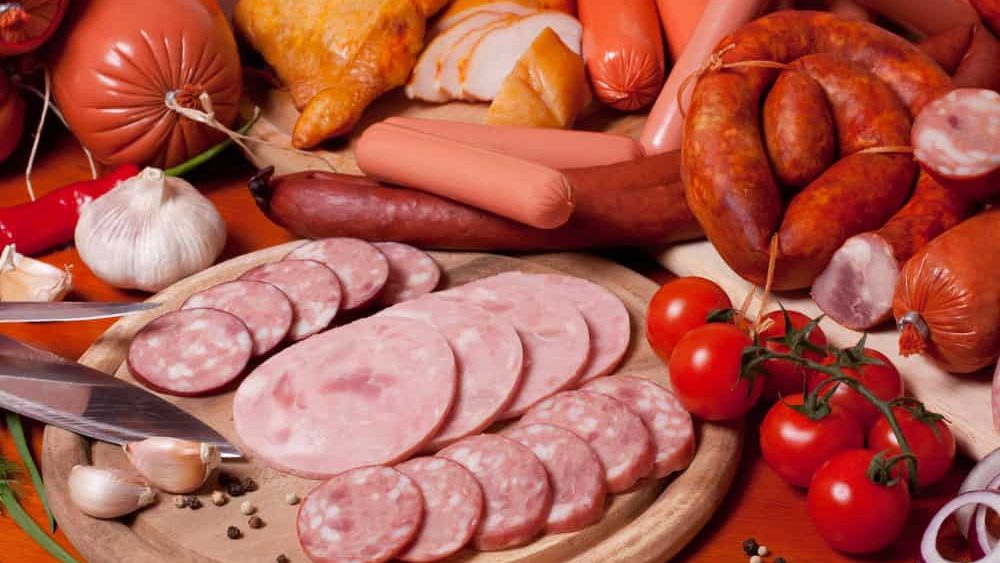
Processed meats like deli meats, cured meats, bacon, sausages, and others can be high in sodium.
Too much sodium in your diet causes higher sodium levels in your blood, signals your body to hold on to water, and raises your blood pressure.
Higher consumption of processed meat has also been associated with an increased risk of developing hypertension. It’s crucial to note, though, that this body of research indicates a correlation, not that processed meat universally leads to hypertension in all people.
While we don’t have enough data to prove that nitrates/nitrites found in processed meat will instantly cause your blood pressure to spike, sodium sure is. Moderation of these foods is best for this reason.
Canned soups and bisques
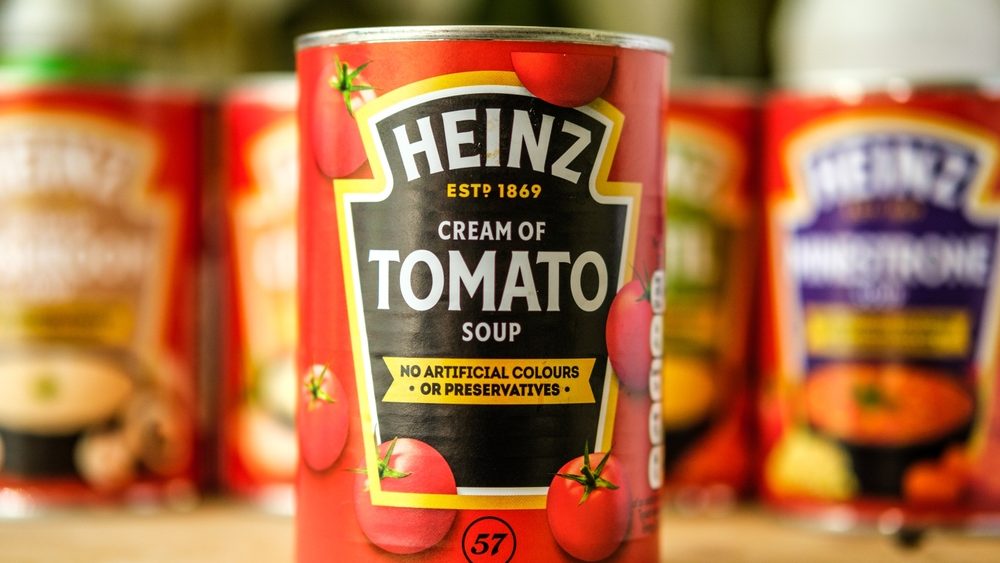
Consuming too much sodium causes high blood pressure , especially in salt-sensitive people. It’s been observed in studies that a high-salt meal can, for a short while, push blood pressure and blood sodium levels up.
It’s not really the MSG that makes canned soup so high in sodium. It’s the overall quantity of sodium contained in the soup itself.
Read nutrition labels and compare brands. It truly matters if you pick the low-sodium kind.
Energy drinks

Energy drinks contain ingredients that can temporarily increase your blood pressure, mainly caffeine and other stimulants.
Studies from clinical trials show that some energy drinks increase systolic and diastolic blood pressure for hours after consumption.
Guarana is an ingredient sometimes found in energy drinks. Guarana also contains caffeine, so don’t think of it as an entirely separate stimulant than what the label may list as caffeine.
And when you consume energy drinks, the rise in blood pressure could be more significant if you have a high sensitivity to caffeine. Or if you don’t drink/use caffeine regularly.
Fish sauce
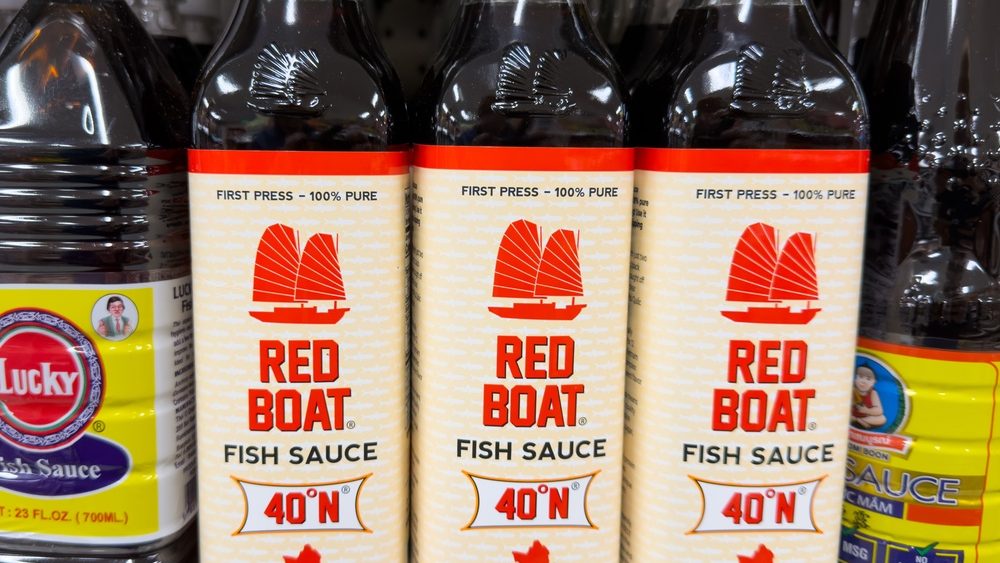
Fish sauce may contain a lot of sodium in just one tablespoon. One tablespoon may have as much as 1,000–1,500 mg sodium depending on the brand. It’s easy to use more than one serving of fish sauce without noticing and take in too much sodium.
Too much sodium in the diet can increase blood pressure, especially in salt-sensitive individuals. And this relationship between sodium reduction and blood pressure lowering has been well documented in large clinical trials.
Sources: Please see here for a complete listing of all sources that were consulted in the preparation of this article.
Like our content? Be sure to follow us.
13 weird foods only old people eat

The only people that keep these foods alive are grandparents who still thrive off of heavy, savory, gelatinous foods of the early 1900’s.
