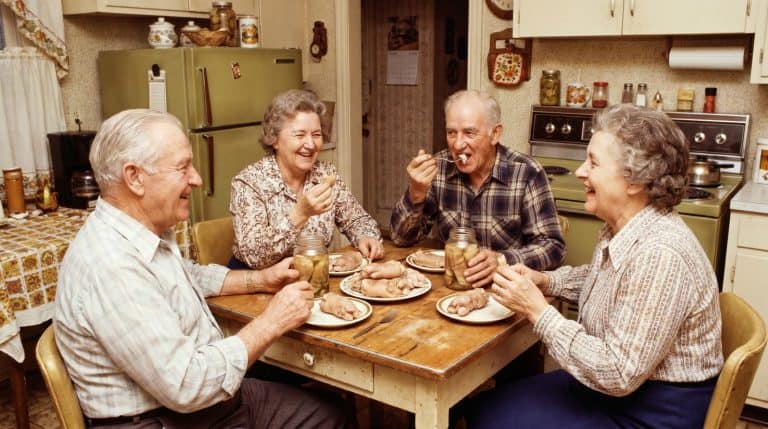

The only people that keep these foods alive are grandparents who still thrive off of heavy, savory, gelatinous foods of the early 1900’s.
Creamed chipped beef on toast
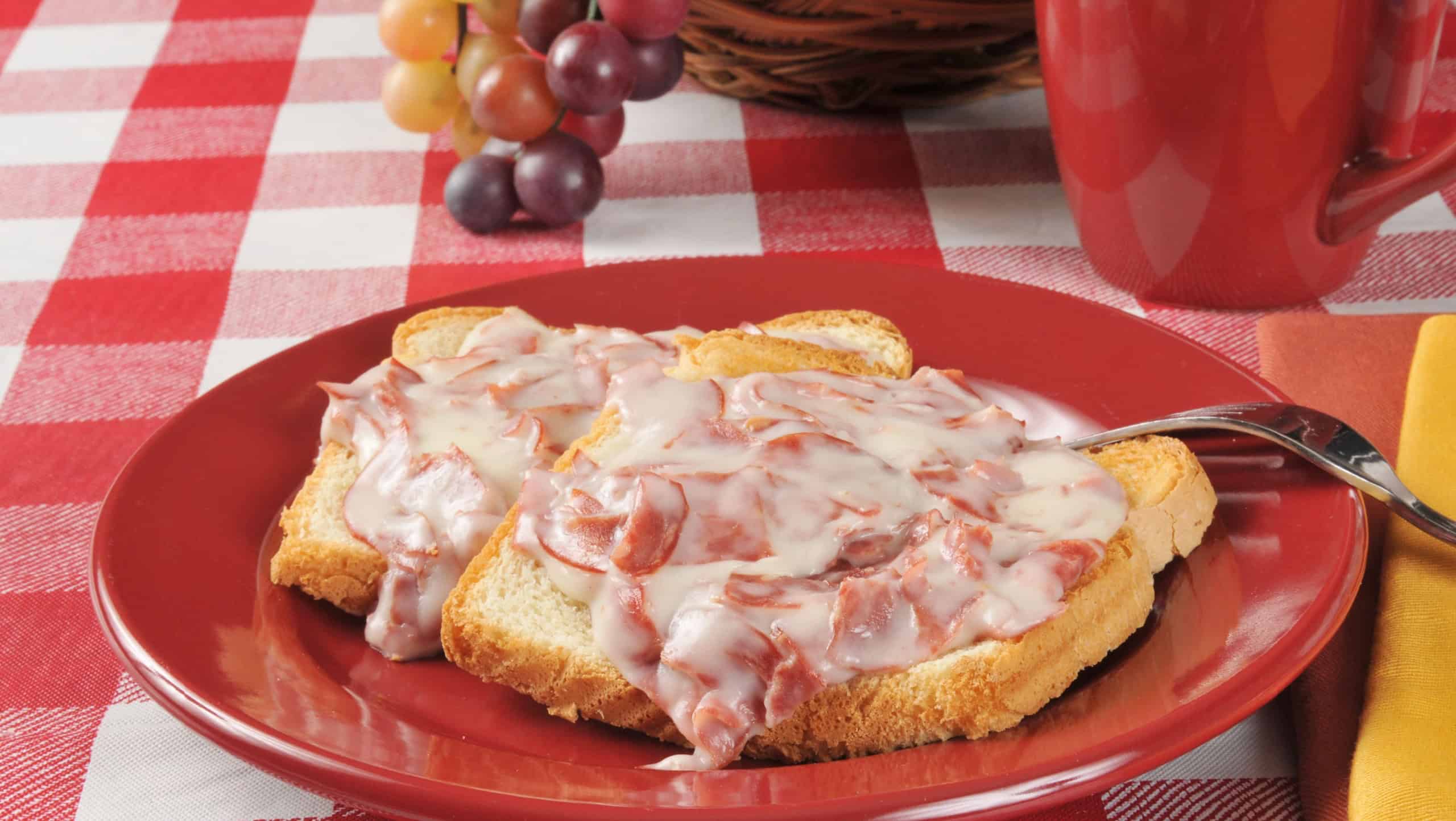
Better known by veterans as “Sh*t on a Shingle,” this breakfast favorite is made up of super thin slices of dried, salty beef, that have been rehydrated in a thick, white gravy made from flour and milk.
The salty gravy mix is ladled on top of white toast until the bread underneath becomes soggy and saturated.
This hearty dish, a product of wartime necessity due to its shelf-stable ingredients, appeals to older diners with its salty flavor and soft texture. Neither kids nor grown-ups are likely to pick this as a go-to dish.
Liver and onions
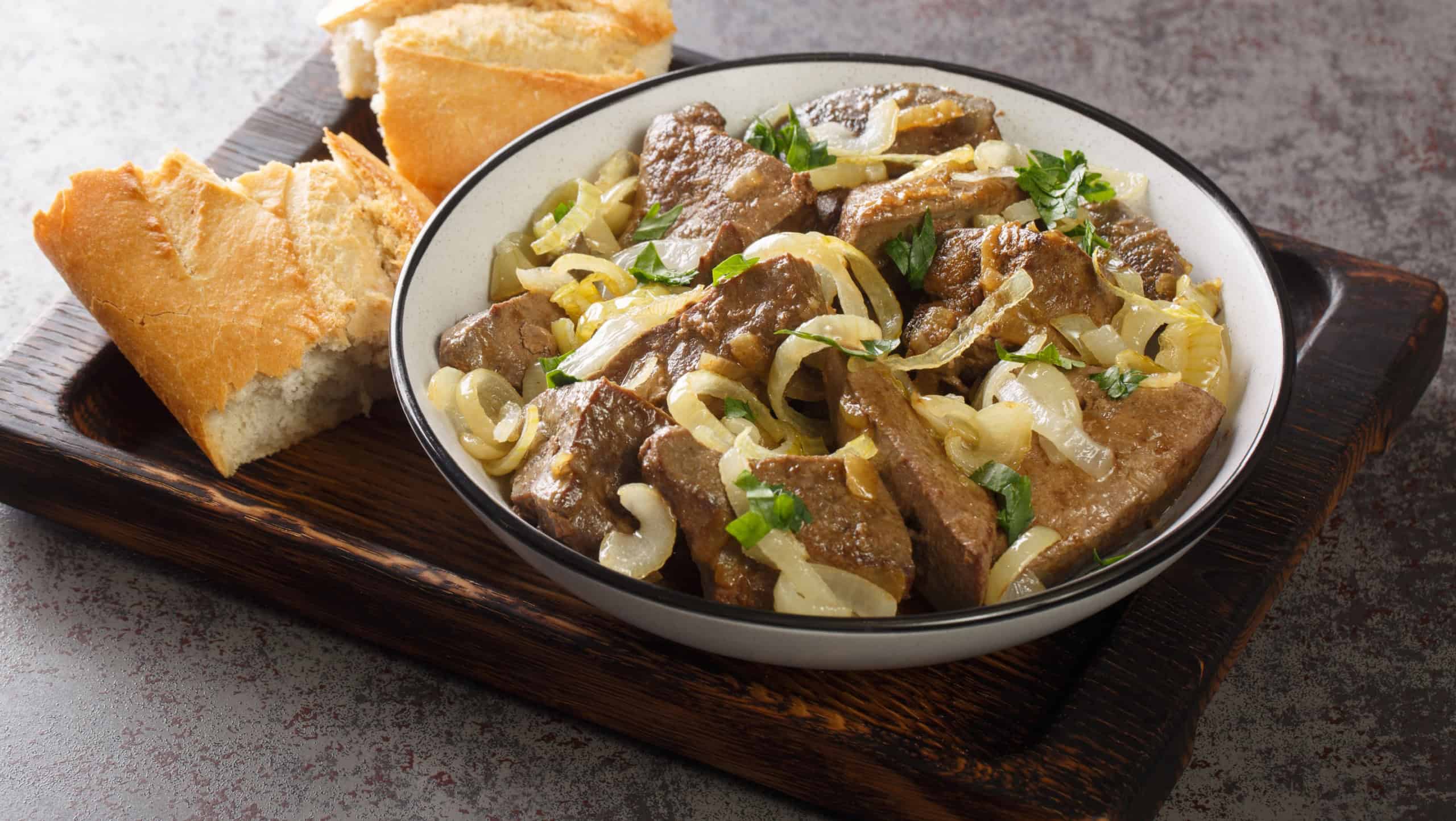
Ordering liver and onions off the diner menu these days will likely result in a confused glare from the server. Aside from oddly-shaped steak cuts, organ meats have largely been removed from the family dinner conversation.
You won’t find many foods with a texture quite like liver’s. That dense, gritty, metallic quality comes from all the iron within it.
Seniors, who grew up during a time when your doctor would highly recommend eating liver to treat your anemia, relish in that heavy onion aroma.
Tomato aspic
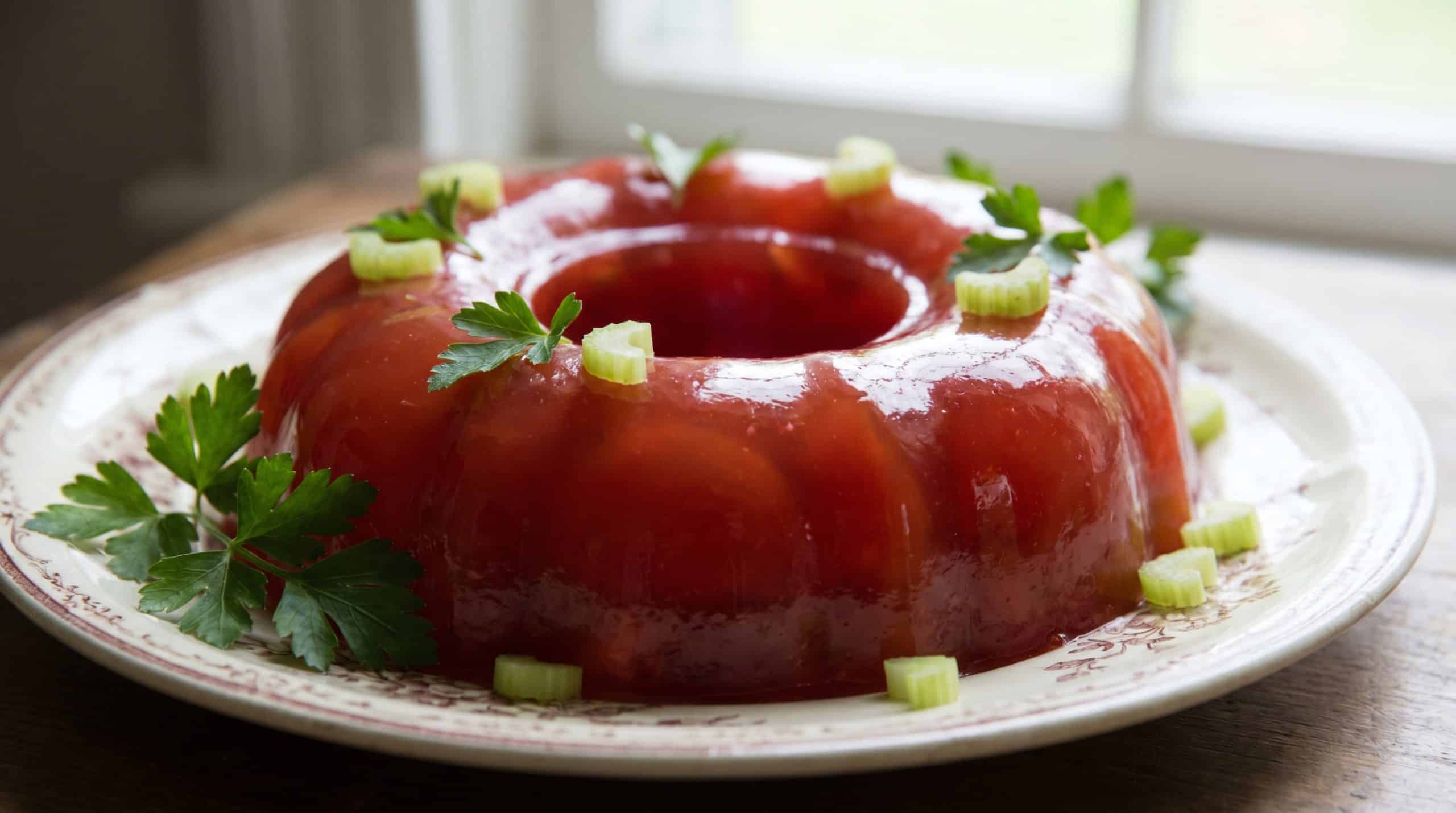
Tomato juice, unflavored gelatin, celery salt, and a touch of Worcestershire sauce combine to form this savory gelatin mold, which sets into a chilled, jiggly, transparent red ring.
Tomato aspic is traditionally served resting atop a ring mold filled with seasoned shredded lettuce (usually one solitary leaf of iceberg lettuce) and crowned with a dollop of mayonnaise. It’s the culmination of everything great about mid-century convenience cuisine.
For modern kids, gelatin pretty much exclusively means sweet, fruit-based desserts. But older generations grew up knowing that a cold, savory slab of tomato aspic is just a perfectly acceptable, refreshing side for your summer meal.
Head cheese
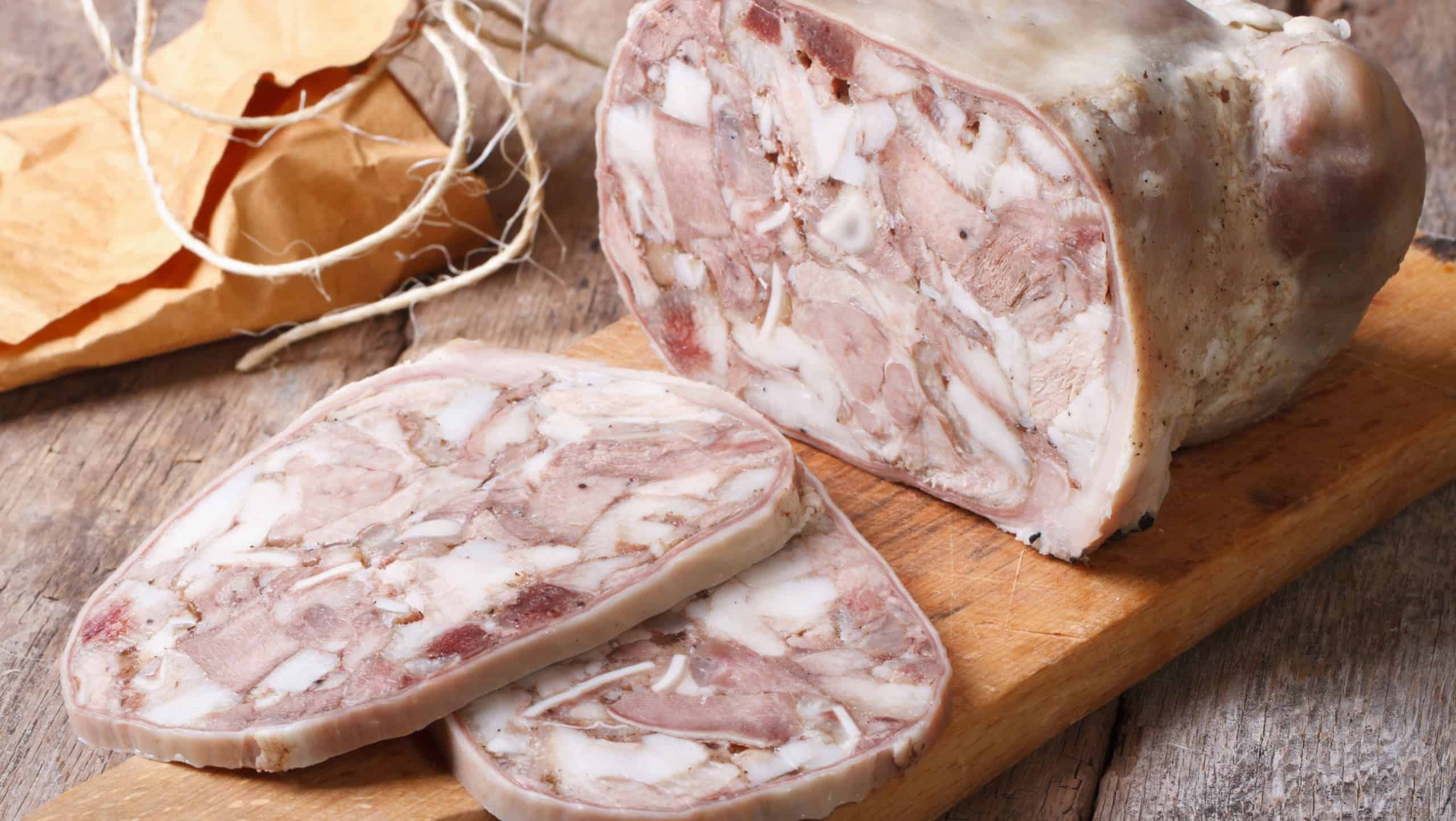
Despite what the name implies, this item contains zero dairy and is actually a cold cut terrine made from the meat of a calf or pig’s head.
The tongue, cheek, and snout are simmered together to release natural collagens, which set into a clear, firm jelly surrounding the chunks of meat once it is chilled.
Rooted in the traditional “nose-to-tail” cooking of the early 20th century where nothing could go to waste, it is still sliced thin and eaten on soda crackers by older folks who appreciate the savory, gelatinous mosaic.
Stewed prunes
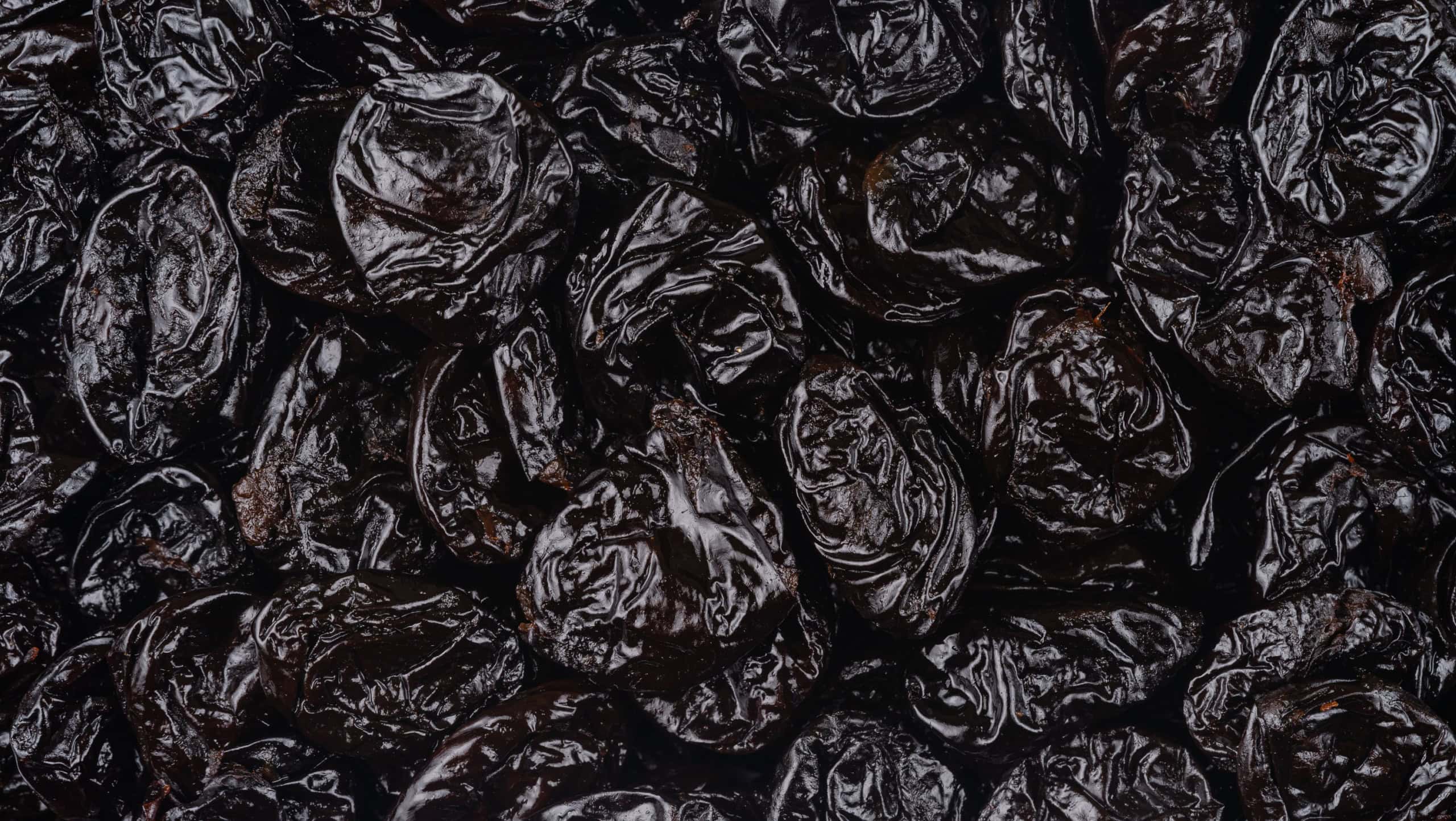
Retirement home breakfasts and grandparent pantries today are often incomplete without a bowl of wrinkled plums stewed gently in water, sugar, and a pinch of lemon peel.
The prunes turn soft and slippery and almost syrupy as they cook, tasting intensely sweet with molasses notes. Before fiber supplements or gut-health flavonoid gummies were household staples, stewed prunes were thought to be the answer to everything.
Many seniors still enjoy them daily, simply because it’s become an ingrained routine.
Pickled pigs’ feet

Pickled pigs feet are just what they sound like: pigs feet pickled in a pungent vinegar based brine mixed with salt and pickling spices. You can still find these gelatinous trotters resting in massive glass jars on dusty bottom shelves of antique grocery stores.
You’ll find yourself contending with plenty of skin, tendon, and small bones when you eat a pickled pig’s foot. The reward is a chewy, sour bite that will test how salty your mouth can taste.
It’s a nostalgic treat for older folks raised in rural areas where nothing from a slaughtered animal was ever discarded.
Limburger cheese and onion sandwiches
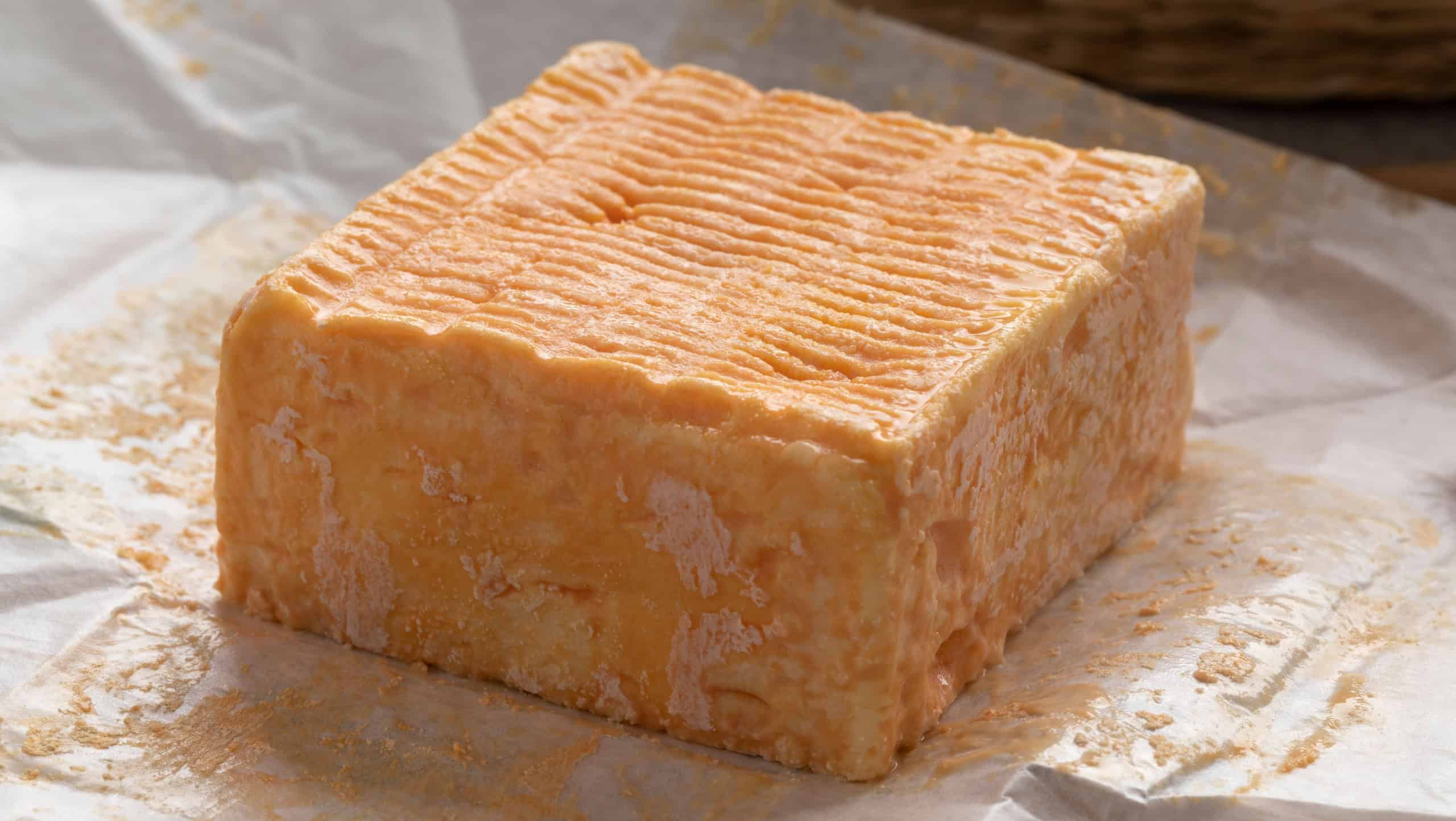
Two hearty slices of rye hold a bold mix of Limburger, sharp mustard, and fresh onion.
Limburger smells like a gym full of feet because it is literally made with the same type of bacteria that causes human body odor.
Youngsters shun its stench, but many older adults of European descent praise its strong, creamy and powerful flavor, and often eat it as a midday treat.
Cream of wheat with a pat of butter
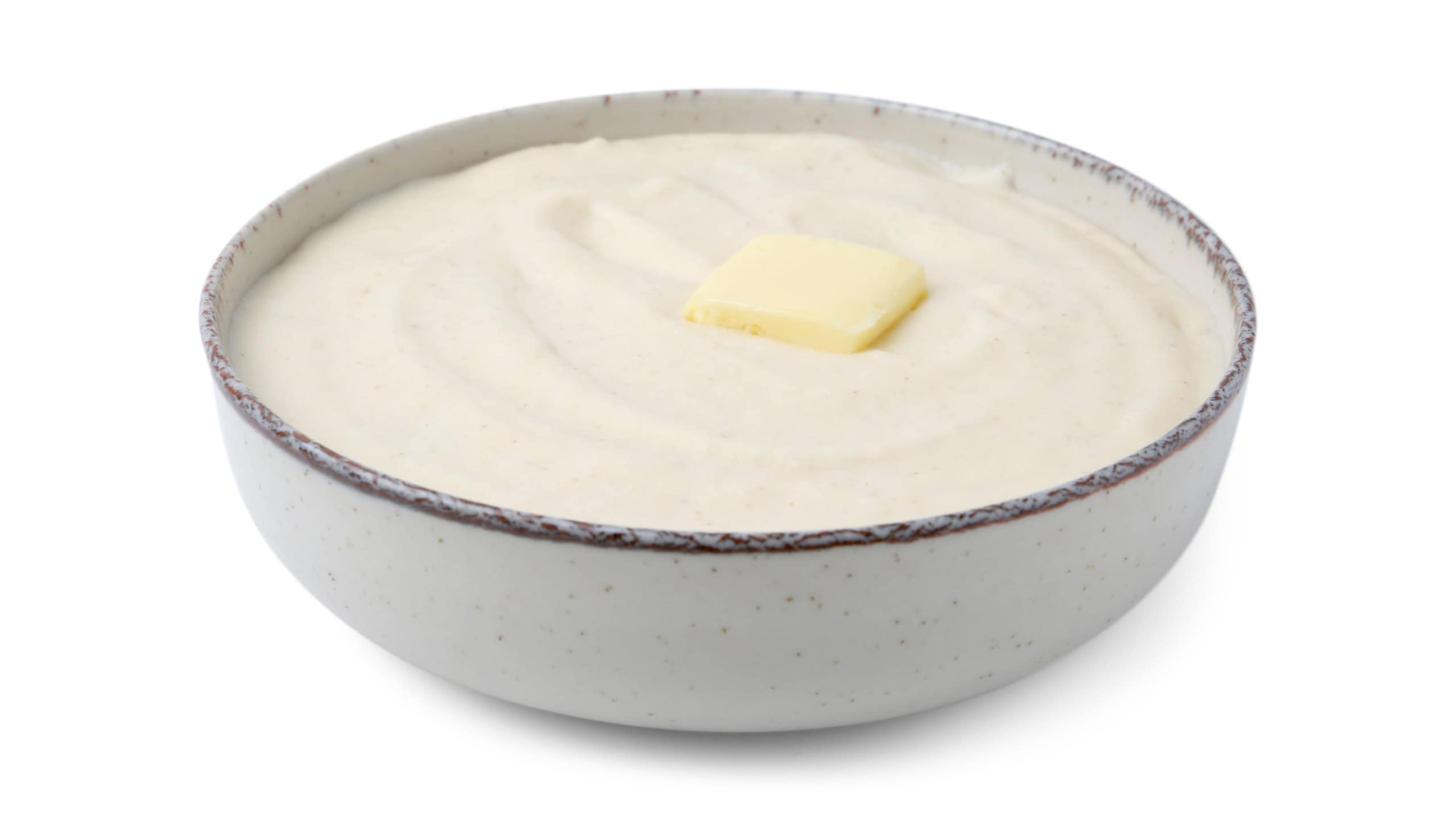
Forget today’s fancy granola, protein shakes, or avocado toast; many seniors still find comfort in a simple bowl of hot farina to start their day.
A mixture of wheat kernels ground into a flour and cooked with milk or water into a perfectly smooth and uniform paste, Cream of Wheat is comfort in a bowl.
Seniors prefer to finish off the dish by placing a solid square of butter in the center of the bowl, watching it melt into a pool of yellow and swirling it into the flavorless mush.
Under-the-sea salad
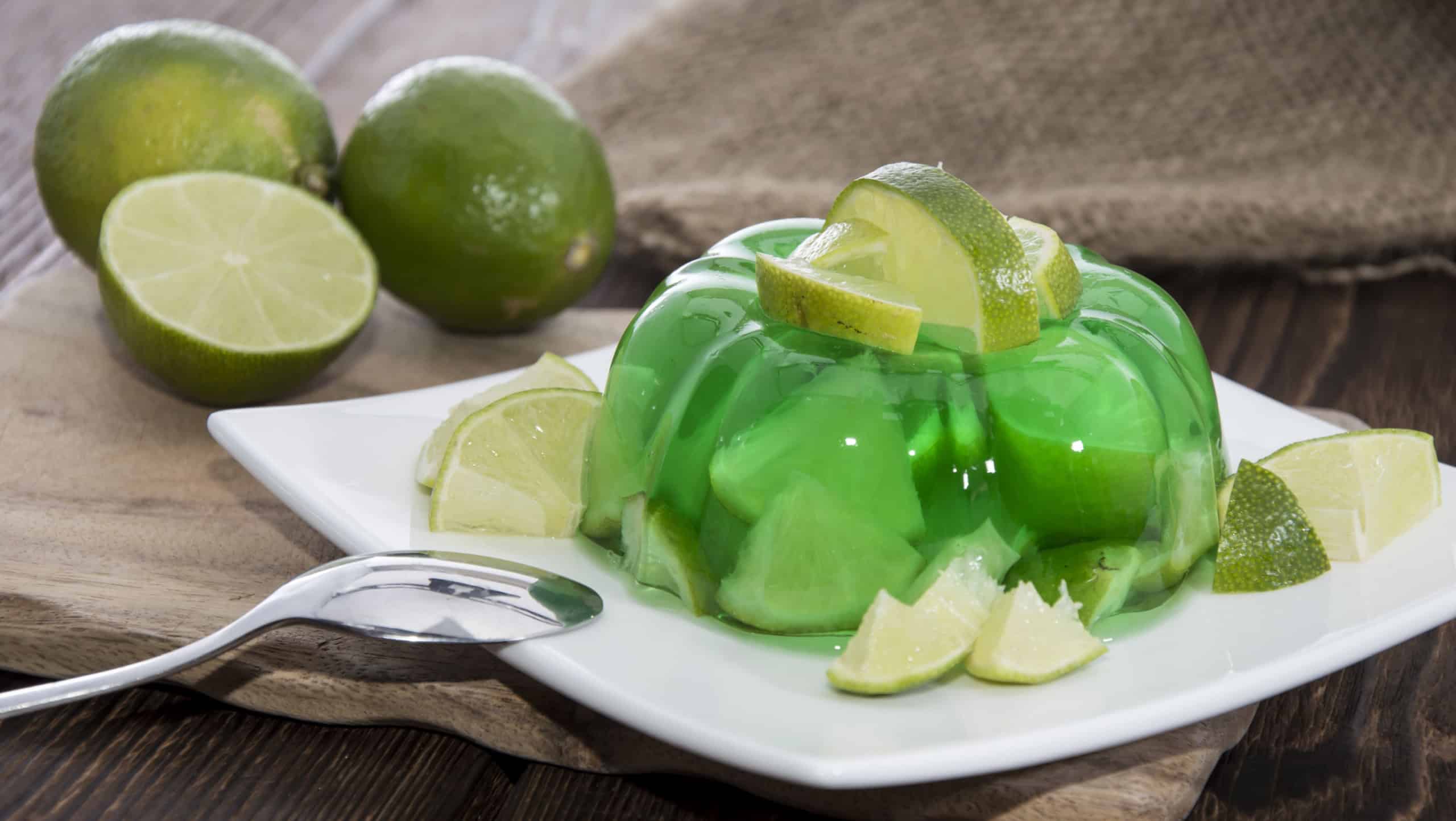
This lime Jell-O salad, prepared with canned pear juice, takes on a rather unsettling lime green hue and is flecked with small bits of cream cheese and canned pears.
Firmly chewy and oddly tangy, sweet, and creamy at the same time, it’s often found perched next to meat roasts at dinner.
This dish is kept alive by a group of older folks who remember it fondly from their post-WWII childhoods, when they saw stuffing sweet fruit into brightly colored gelatin as quite a creative move.
Pickled herring in sour cream
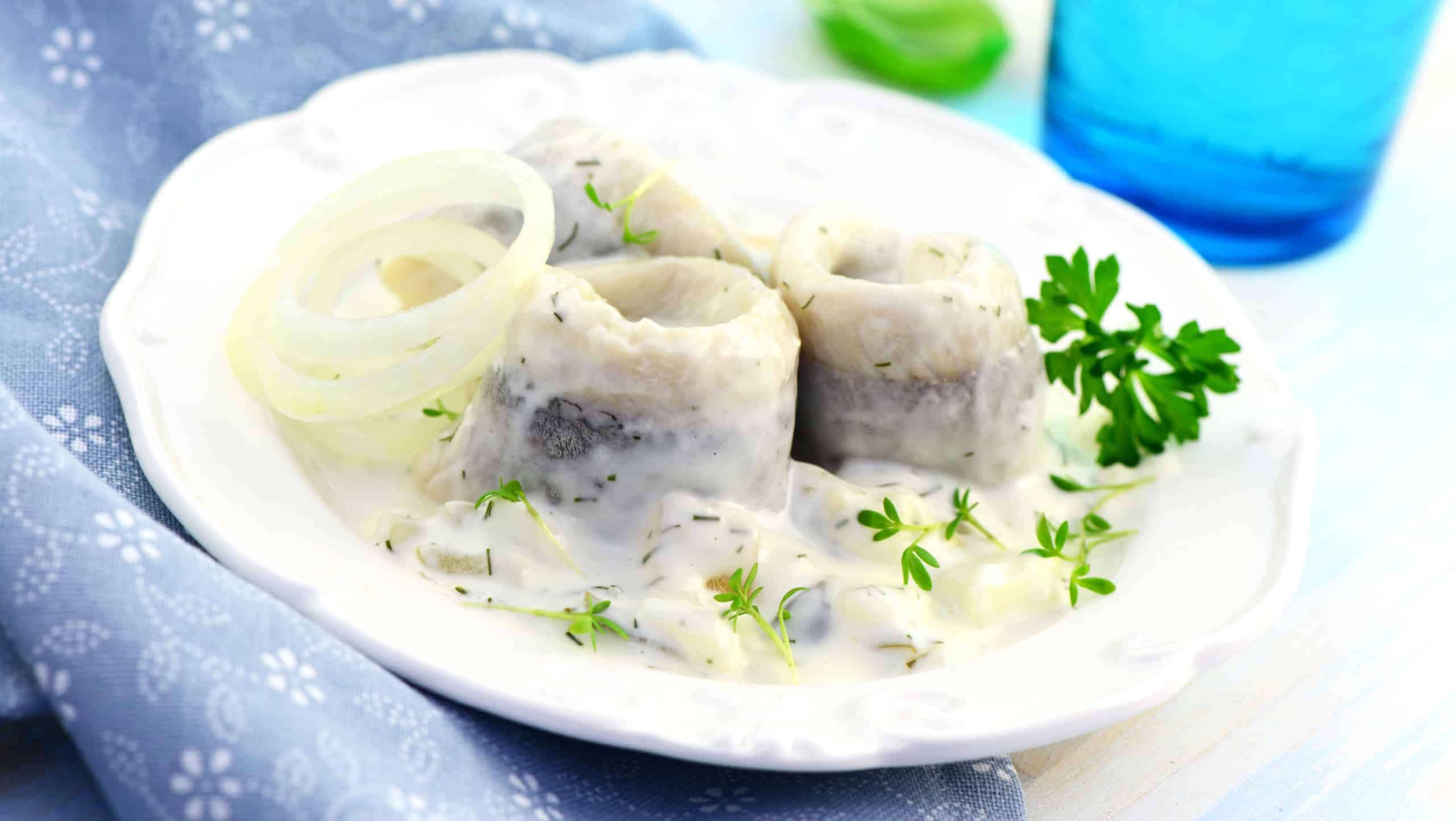
Within the jar, you’ll find small pieces of cured Atlantic herring swimming in a sour cream dressing that’s seasoned with vinegar, sugar, and fresh, thinly sliced onions.
The sour cream-based sauce is cold and acidic while the herring itself is fishy, firm and oily. And it’s definitely an acquired taste, with most modern American palates falling into either the love-it-or-hate-it camp.
It’s a classic on holiday tables and casual weekend platters, especially for older folks keeping Scandinavian, German, or Jewish culinary traditions alive.
Sardines on saltines
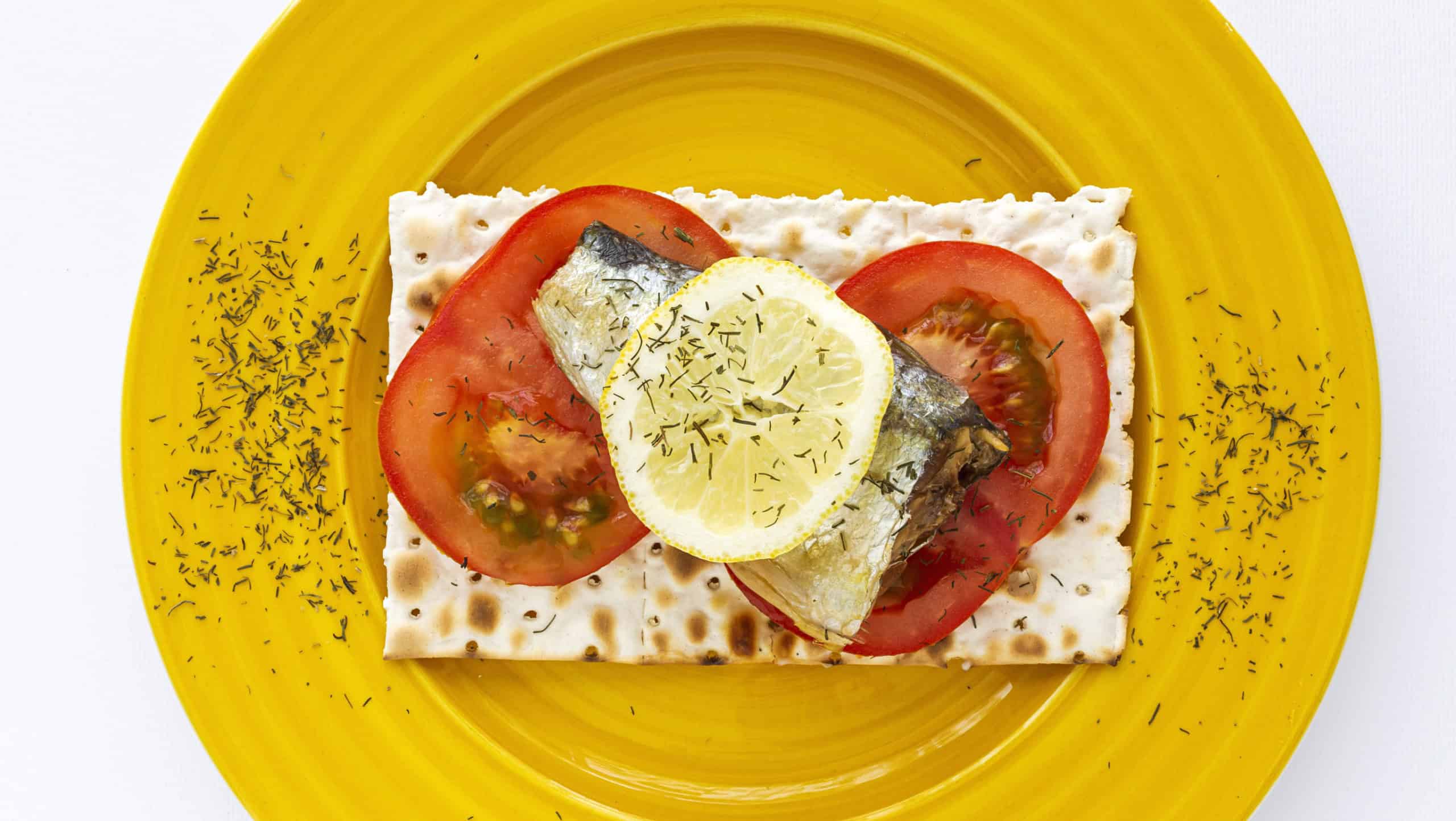
Opening a flat, rectangular tin of oil-packed sardines and carefully placing the small, whole fish on plain square crackers is a quintessential, elegantly simple lunch for many grandfathers.
And they eat them whole, yes, with bones and skin. They crunch down on the softened spine bones full of calcium and the silvery skin that adds texture along with concentrated salty oil brine.
Affordable during lean times and economical periods, this protein-packed snack surged in popularity and remains a constant in their meals.
Mince pie

Real mince pie isn’t just filled with raisins, apples, and spices. This authentic mince pie absolutely requires minced beef suet, which is that firm, uncooked fat from around a cow’s kidneys.
While the pie’s in the oven, the suet melts, infusing the dried fruit with a deeply savory beef fat that has a distinctively rich, greasy mouthfeel.
Store bought pies have long since substituted vegetable shortening for suet, but traditionalists still seek out or labor over the rich, heavy, meat-fat variety at Christmas.
Souse
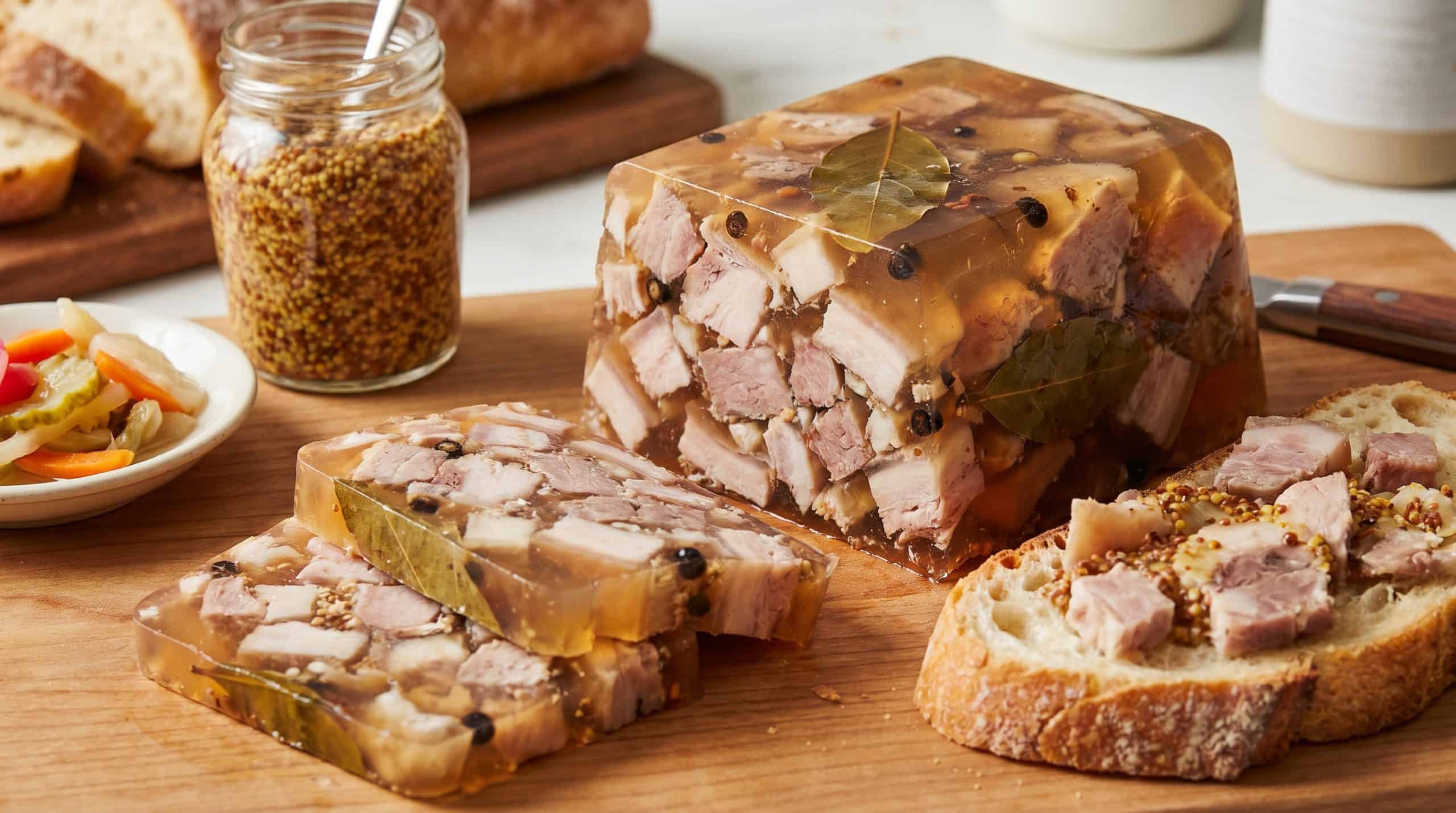
Somewhat similar to head cheese in its preparation but completely different in taste, souse is created by simmering pork trimmings with a generous amount of vinegar and pickling spices.
Bits of pork float within a clear, sour gel. Souse, a cold cut, delivers a taste that’s undeniably sour, peppery, and salty in a single, puckering bite. Boiled pieces of pork absorb the vinegar creating a sour hit with every bite.
Usually, it’s cut fresh at the deli and eaten chilled by older folks.
Like our content? Be sure to follow us.
15 “old people stereotypes” that are actually true

We humans are creatures of habit, but some routines are oddly universal among the elderly.


