

For every shared moment of humanity, there are some dark ones, some of which feel too evil to mention.
The Holocaust’s industrialized extermination camps
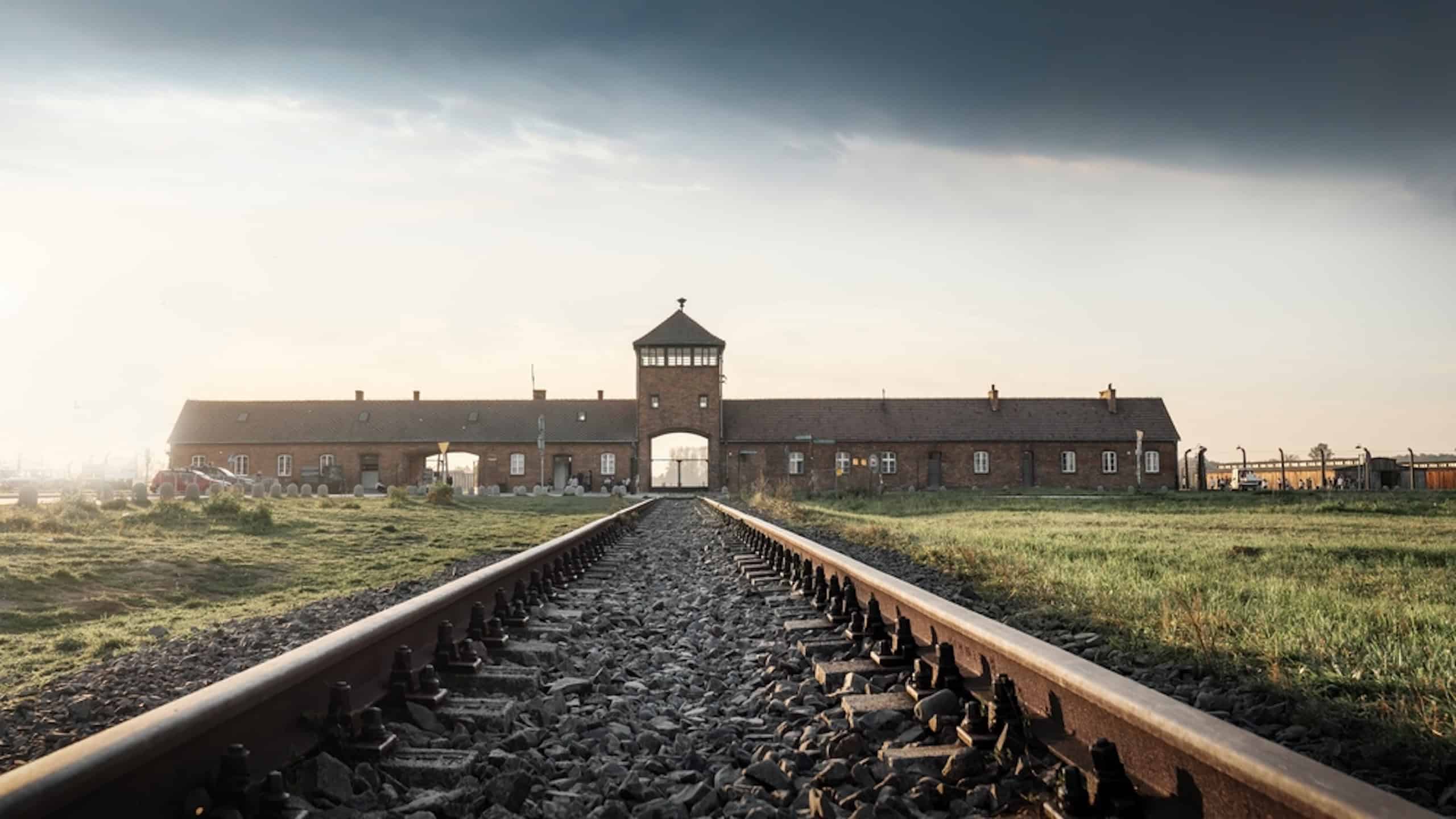
It shouldn’t be a surprise that the Nazi concentration camps are on here. Prisoners sent to these camps were often told they were being ‘resettled,’ and trains carried entire families into occupied Poland. Guards took their luggage and separated them.
They sent many of them straight to gas chambers. There were numerous extermination camps, and each of them saw a horrifying number of people being killed. Around 1.1 million died at Auschwitz-Birkenau alone in the five years it was operating. It was truly one of the most evil periods of all human history.
The Nanjing Massacre

Nanking, known now as Nanjing, was a Chinese city that fell to Japanese troops in December 1937. What followed wasn’t a single attack, but rather one that went on for weeks. It involved soldiers dragging civilians from homes and executing captured Chinese troops.
They looted buildings and set parts of the city on fire. Women and girls were also brutally assaulted in enormous numbers. Modern estimates put the number of deaths somewhere between 100,000 and 200,000, while approximately 20,000 to 80,000 women and girls were assaulted.
The destruction of Hiroshima and Nagasaki
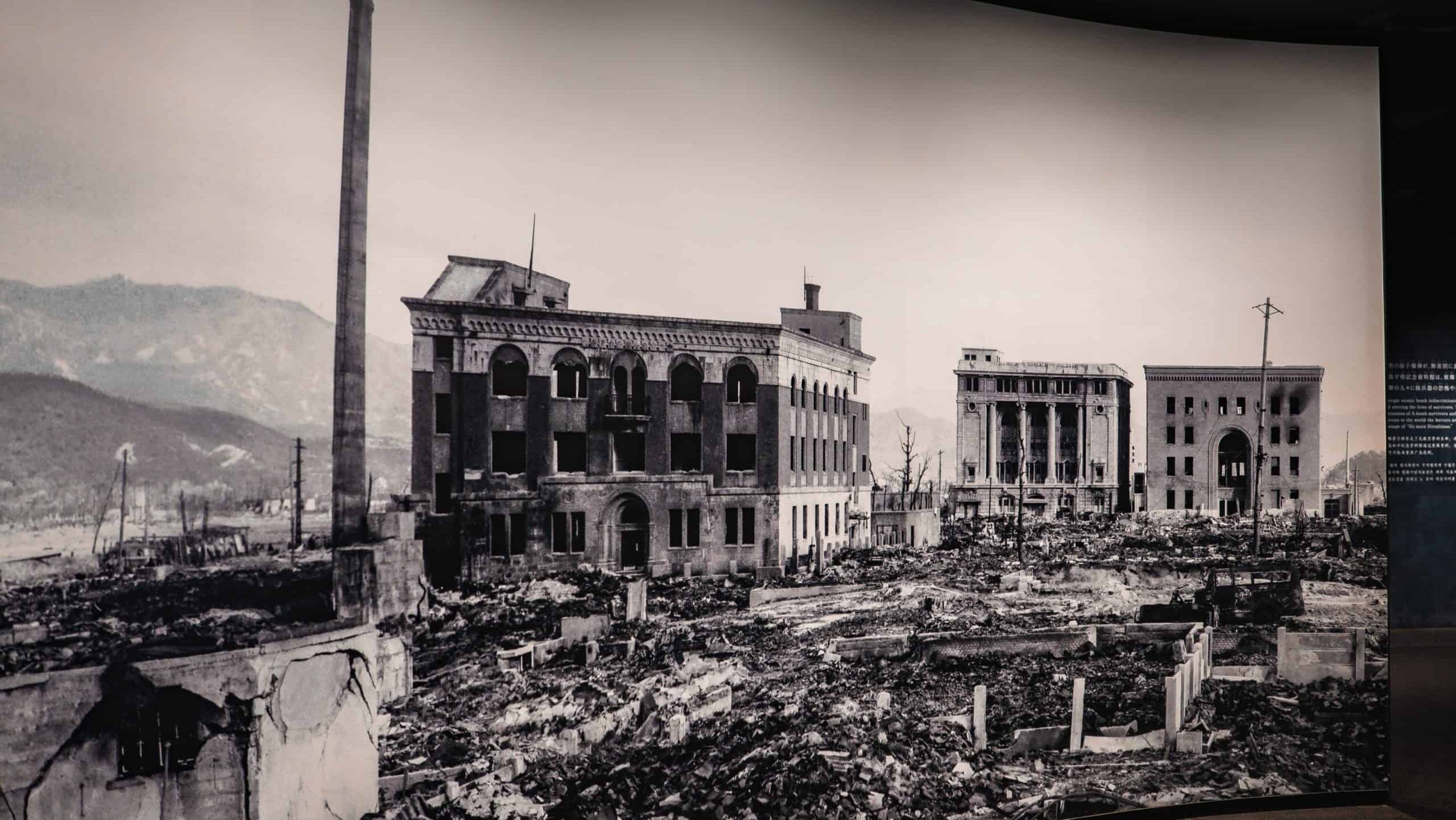
Japan also suffered its fair share of atrocities. The most famous of these were the Hiroshima and Nagasaki bombings. The first bombing happened at 8:15 on August 6, 1945, and the blast flattened most of the city of Hiroshima almost instantly.
Three days later, Nagasaki suffered the same fate at 11:02 a.m. Tens of thousands of people died right away, although things weren’t much better for the survivors. They suffered burns and radiation sickness afterward. To nobody’s surprise, Japan surrendered to Allied forces shortly after.
The Rwanda church massacres
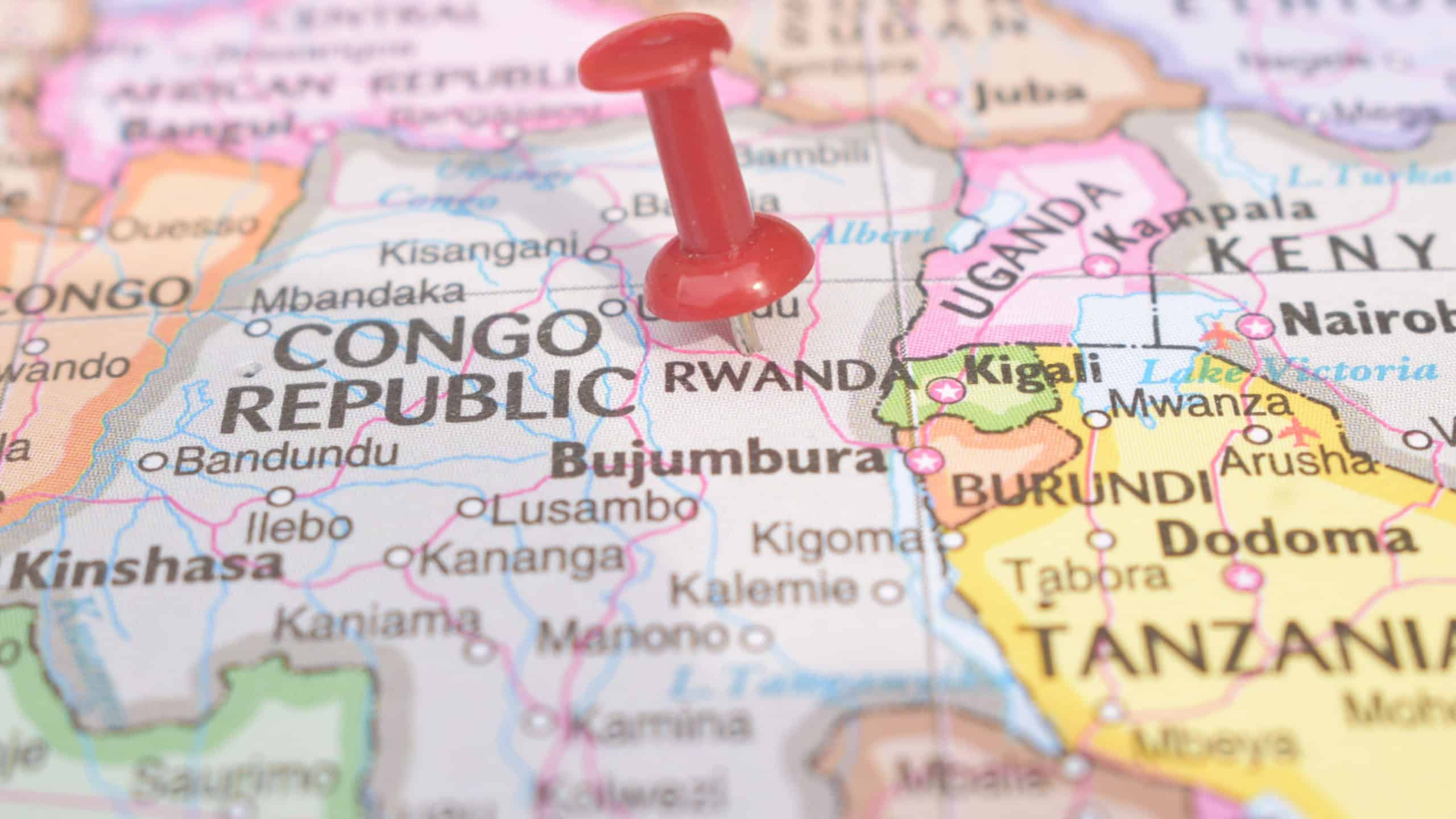
The churches were meant to be places of shelter during the 1994 Rwandan genocide for many Tutsi families. They became traps instead. The families gathered inside places like Ntarama and Nyamata because, during the earlier violence, churches were treated as safe spaces.
But the armed militias and soldiers didn’t see it the same way. They surrounded the buildings and attacked the people inside with all sorts of weapons, like guns and grenades. They even used machetes. Several hundred people were killed on April 15 at Ntarama, while thousands more died at Nyarubuye over several days. Nothing could protect them from the bloodshed.
The massacre at Wounded Knee

It didn’t start with a battle plan. No, the Wounded Knee massacre actually started because of fear over the Ghost Dance, a kind of Native religious movement. U.S. officials had begun treating it like a military threat, so on December 29, 1890, American soldiers surrounded a Lakota camp at Wounded Knee Creek.
They demanded their weapons. A rifle fired during the search, and soon after, everything broke apart. Troops answered with rifles and Hotchkiss guns, killing hundreds of Lakota people. Some of the people killed were shot while they were running through the snow.
The My Lai massacre
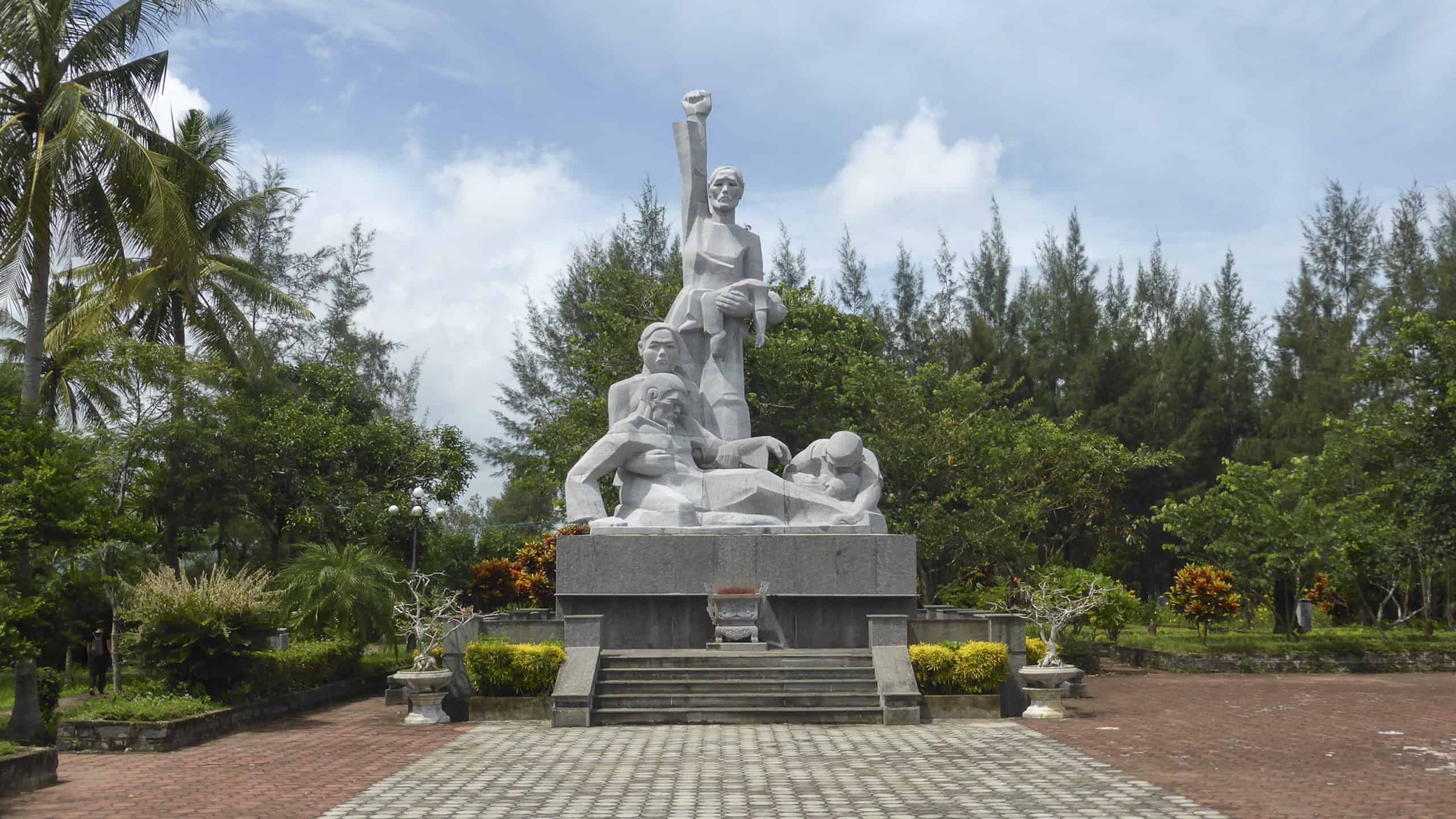
Charlie Company entered My Lai, Vietnam, on March 16, 1968, and they were expecting enemy fighters. But instead, they found a village full of civilians, including children and older people. The American soldiers didn’t care, however, and they started rounding residents up.
They then shot groups of them and killed others while they were still in their homes. In some cases, they set whole buildings on fire and assaulted girls and women. Over 500 civilians died in the massacre.
The Srebrenica massacre
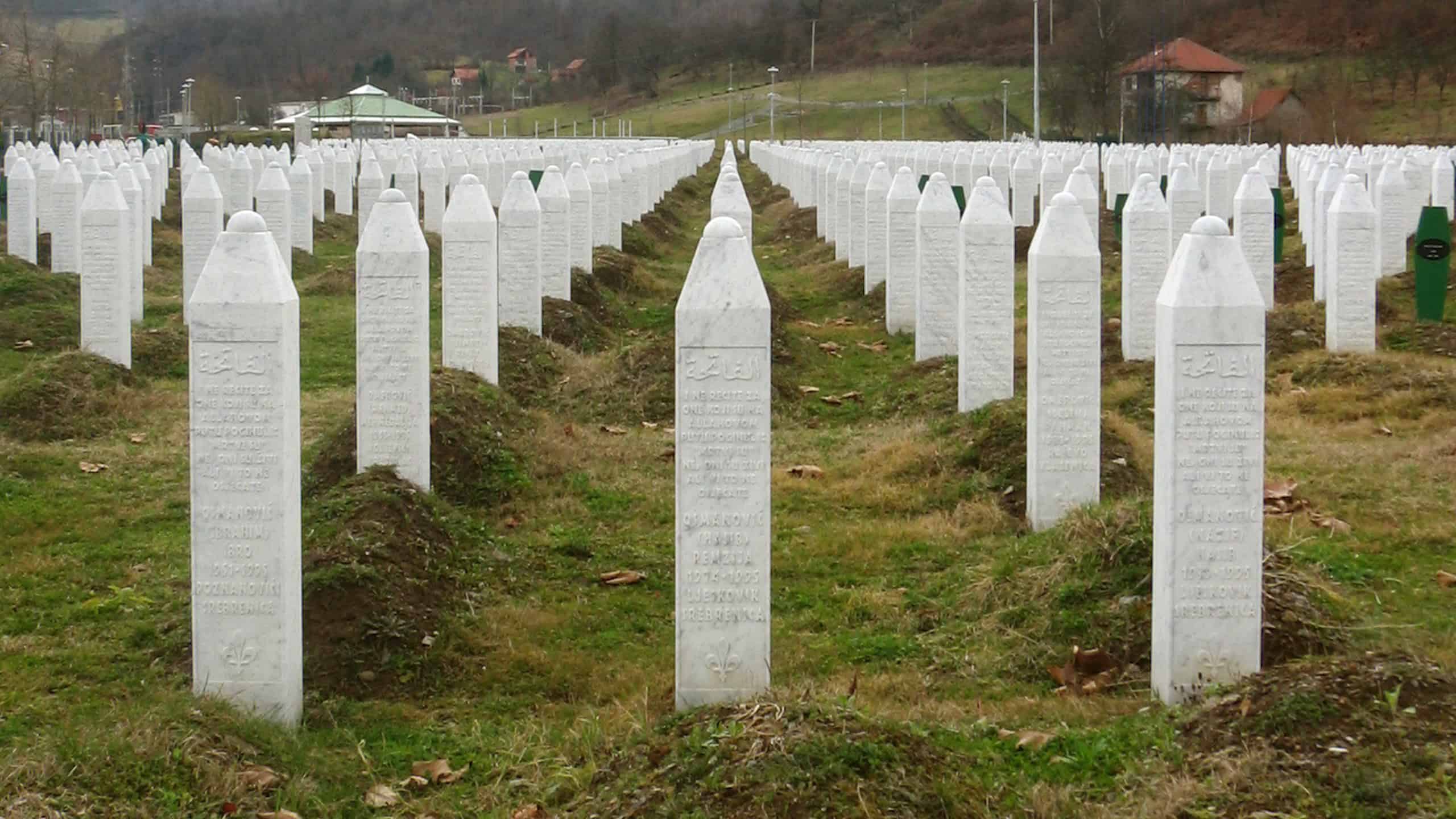
Srebrenica, Bosnia, was supposed to be a safe area, but it ended up being anything but. Bosnian Serb forces took the town on July 11, 1995, and split men and boys away from other groups of people. They took the male population to schools and warehouses.
They then shot over 7,000 of them at these killing sites. The victims didn’t even know peace in death, as their bodies were buried in mass graves and then later dug up. The troops moved them to hide the evidence. International courts ruled the massacre was genocide, and it truly was one of the worst kinds of atrocities.
Sources: Please see here for a complete listing of all sources that were consulted in the preparation of this article.
13 people in history who were betrayed by their closest allies
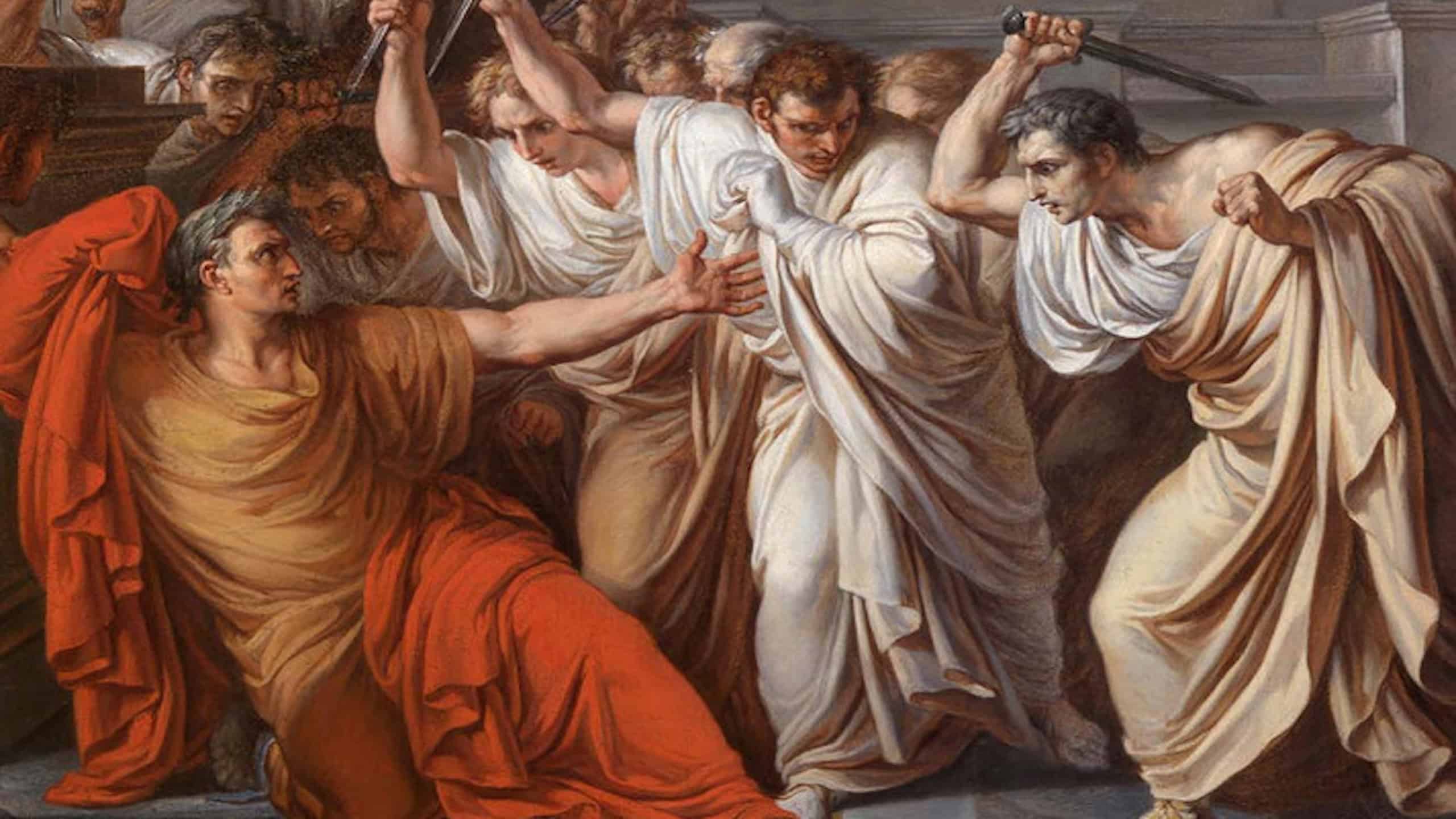
The ugliest betrayals in history are the ones that come from the people who were trusted the most, like relatives and other loved ones.
13 people in history who were betrayed by their closest allies


