

History has a weird way of completely changing based on a few tiny details that seemed so unimportant at the time, but ended up creating the world we know today.
Someone moved Hitler’s briefcase bomb to the other side of a table leg

July 20, 1944, was supposed to be a fateful day for Adolf Hitler. It was the day when Claus von Stauffenberg left his briefcase beneath a conference table at Hitler’s Wolf’s Lair. The briefcase contained a bomb that was meant to kill Hitler. But it didn’t.
Hitler was only saved because of an accident. Colonel Heinz Brandt thought the case was blocking his way, so he moved the briefcase a little. He’d moved it enough that the thick oak table support ended up between Hitler and the explosion. It took much of the force, and Hitler lived.
Fog made Hitler leave a building 13 minutes early

The briefcase bomb wasn’t even the first time fate saved Hitler. On November 8, 1939, he gave a speech inside Munich’s Bürgerbräukeller, not knowing that Georg Elser had hidden a bomb. It was going to explode during the Führer’s speech. Then the weather changed.
Heavy fog prevented Hitler from flying back as planned, so he shortened his appearance. That way, he could catch a train. He walked out at 9:07 p.m, and the blast came at 9:20. That’s right, thirteen minutes saved Hitler’s life, and the lives of many other top Nazi officials. If the bomb had killed who it was meant to, it’s possible WWII would’ve gone very, very differently.
A destroyer left a visible trail across the ocean

Wade McClusky had a serious problem on June 4, 1942. He was in an American bomber, and his aircraft was burning fuel. Japan’s carriers were nowhere in sight. But then, he spotted the white wake of a ship in the Pacific Ocean, and he decided to investigate.
Turns out, it was the Japanese destroyer Arashi moving fast after attacking the USS Nautilus. McClusky figured the boat was returning to the main fleet, so he followed it. He was right. His group soon reached the carriers, and American bombers hit Kaga, Akagi, and Soryu. The bombing helped America win the Battle of Midway, and eventually, the Pacific War.
A weather forecaster found a narrow break in the storm
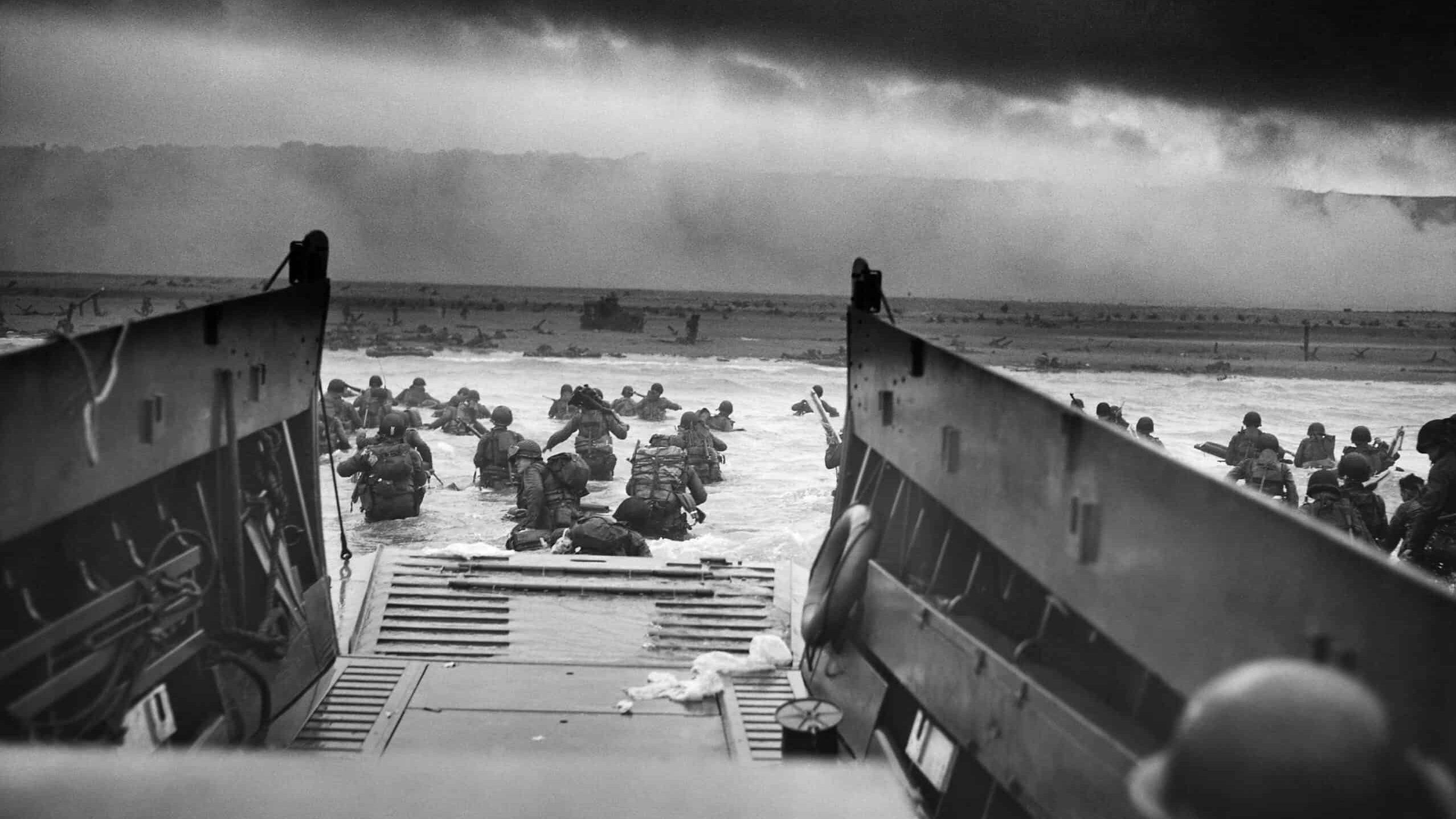
Early June 1944 didn’t seem the best time to plan the biggest sea invasion in history. The English Channel was rough, after all, and the skies were just as bad. But then Group Captain James Stagg noticed there was a short break in the weather for June 6, and Eisenhower took the chance.
They sent over 5,000 ships and 13,000 aircraft toward Normandy during that narrow window. It was a huge risk and one they almost didn’t take. Had they waited for the next suitable tide, the Allies would’ve faced even worse weather later that month, and that could’ve stopped the invasion entirely. The world could’ve looked very different if it weren’t for that brief gap.
A missing key left the Titanic’s binoculars locked away
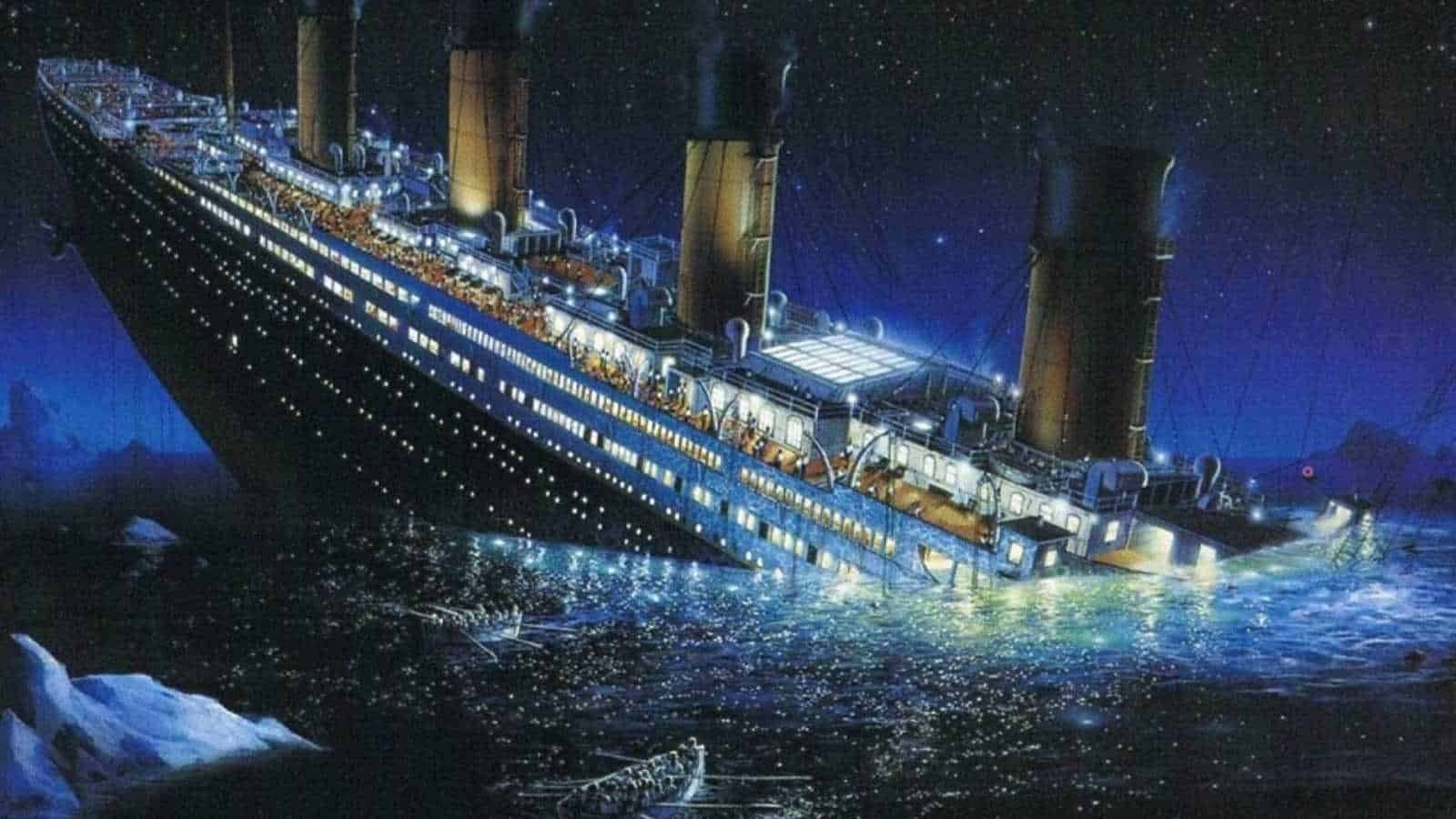
It’s true that the Titanic had binoculars aboard. The problem was, however, that the lookouts couldn’t use them because they were locked in a box. Second Officer David Blair had accidentally taken the key when he was removed from the ship before sailing.
Lookout Frederick Fleet only managed to spot the iceberg when he could see it with his bare eyes, and then he rang the warning bell. But it was too little, too late. Maybe if he’d been able to use his binoculars, he would’ve seen it sooner. Everyone on board would’ve survived.
A chocolate bar melted in Percy Spencer’s pocket

Percy Spencer wasn’t exactly trying to invent a new kitchen appliance or anything. No, he just happened to be working near a magnetron at a lab in Massachusetts in 1945. That’s when he noticed that a chocolate bar in his pocket had melted while he’d been standing near it. It got him thinking.
He tested the magnetron’s effect on other foods, including popcorn. That’s when he realized the radar equipment was producing heat, and he could use that. He filed a microwave-cooking patent shortly after. Without that melted chocolate bar, we might never have had microwaves.
The word ‘immediately’ opened the Berlin Wall
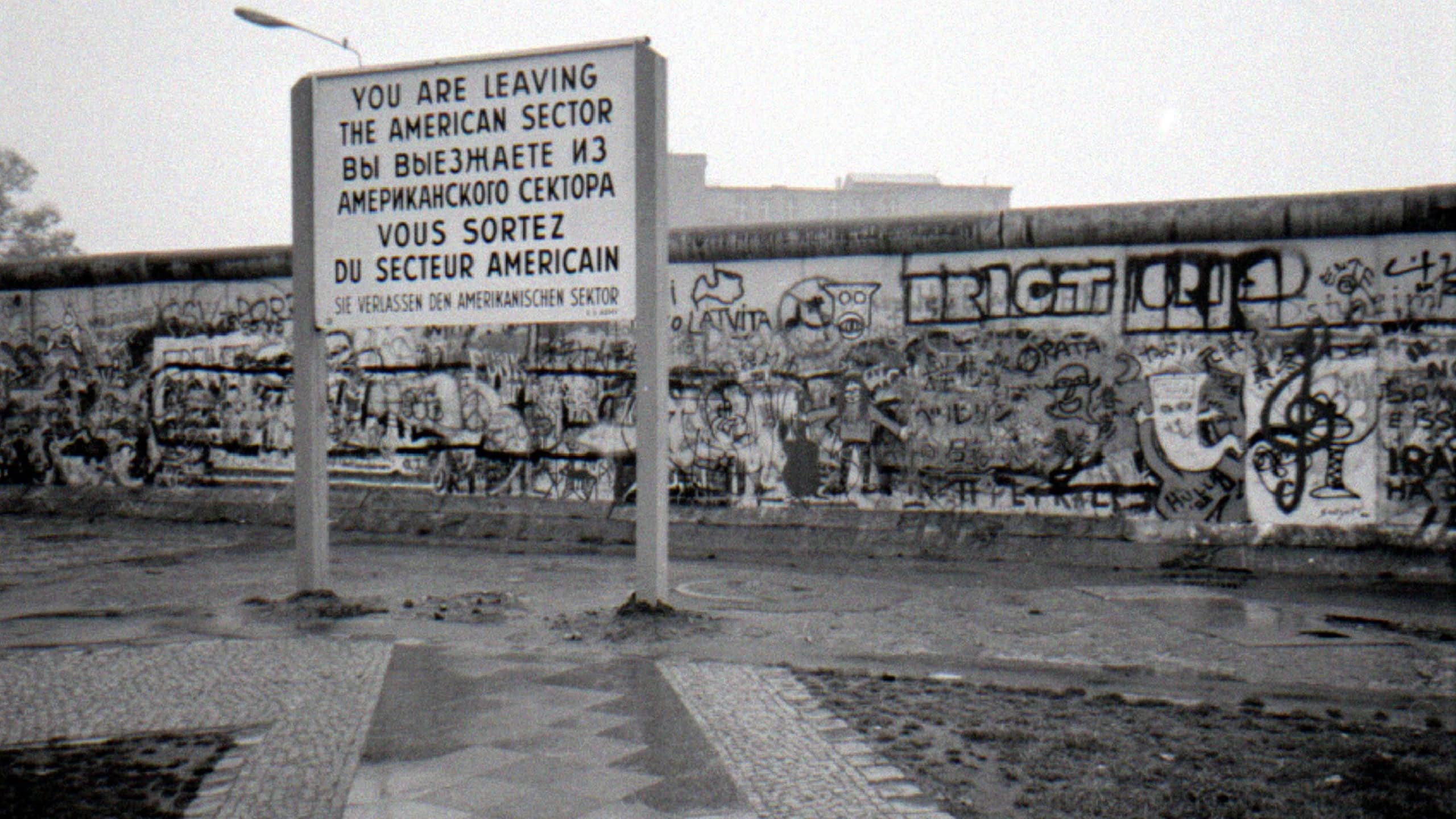
One word can do a lot of damage. Just ask former East German official Günter Schabowski, who was asked during a televised press conference on November 9, 1989, about the Berlin Wall. The interviewer asked him when new travel rules would begin.
Schabowski looked through his notes and said they applied ‘immediately, without delay.’ Except, that’s not how it was meant to work, it was supposed to be a slower process. Schabowski had improvised an answer. News spread fast. Thousands of people went to the checkpoints. The guards had no clear orders, so they opened the gates. The Wall’s control was basically over.
A patch of morning fog hid George Washington’s army
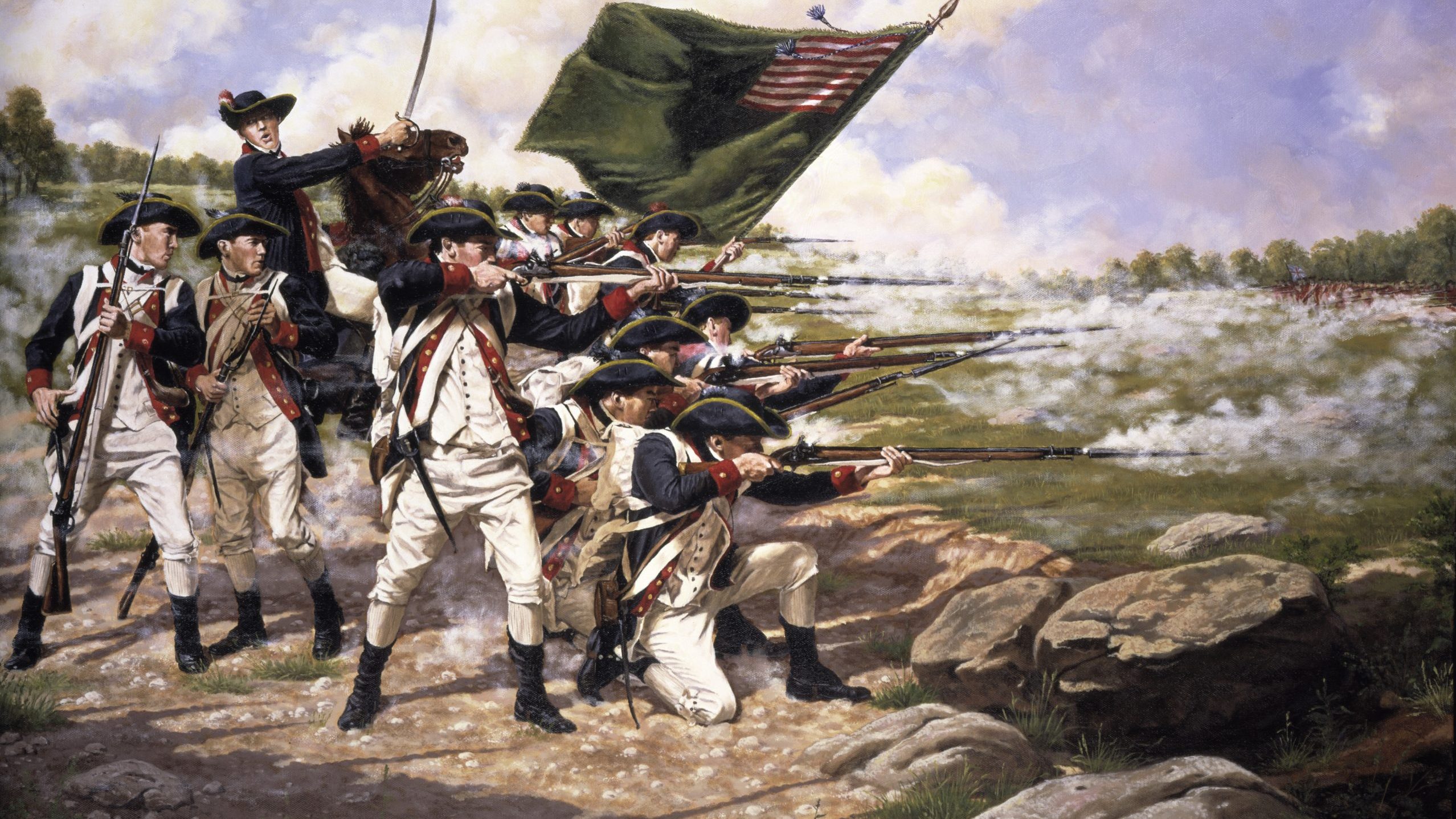
Washington’s army was in serious trouble after the Battle of Brooklyn in August 1776. The British forces were close, and there was practically no chance of escape. Then came a miracle. Thick fog appeared during the night of August 29-30 and hid the remaining soldiers.
The British troops couldn’t see them anymore, so Washington’s army took the opportunity to cross the East River and escape. They made it back to Manhattan by the time it lifted. The Revolution still had an army to fight with.
A Confederate officer lost three cigars wrapped in secret orders

Fast-forward to the Civil War, and Union soldier Barton W. Mitchell found three cigars lying in a Maryland field in 1862. The cigars should’ve been trash. But they weren’t, as they were actually wrapped in a copy of Robert E. Lee’s Special Orders No. 191.
The paper included a detailed explanation of how Lee’s forces were divided and where they were going to go. George McClellan now knew exactly where the Confederate units were headed. He sent troops there, and Lee’s push into Maryland ended. All because of some trash.
A horse stumbled in the dark and left Scotland without an adult king
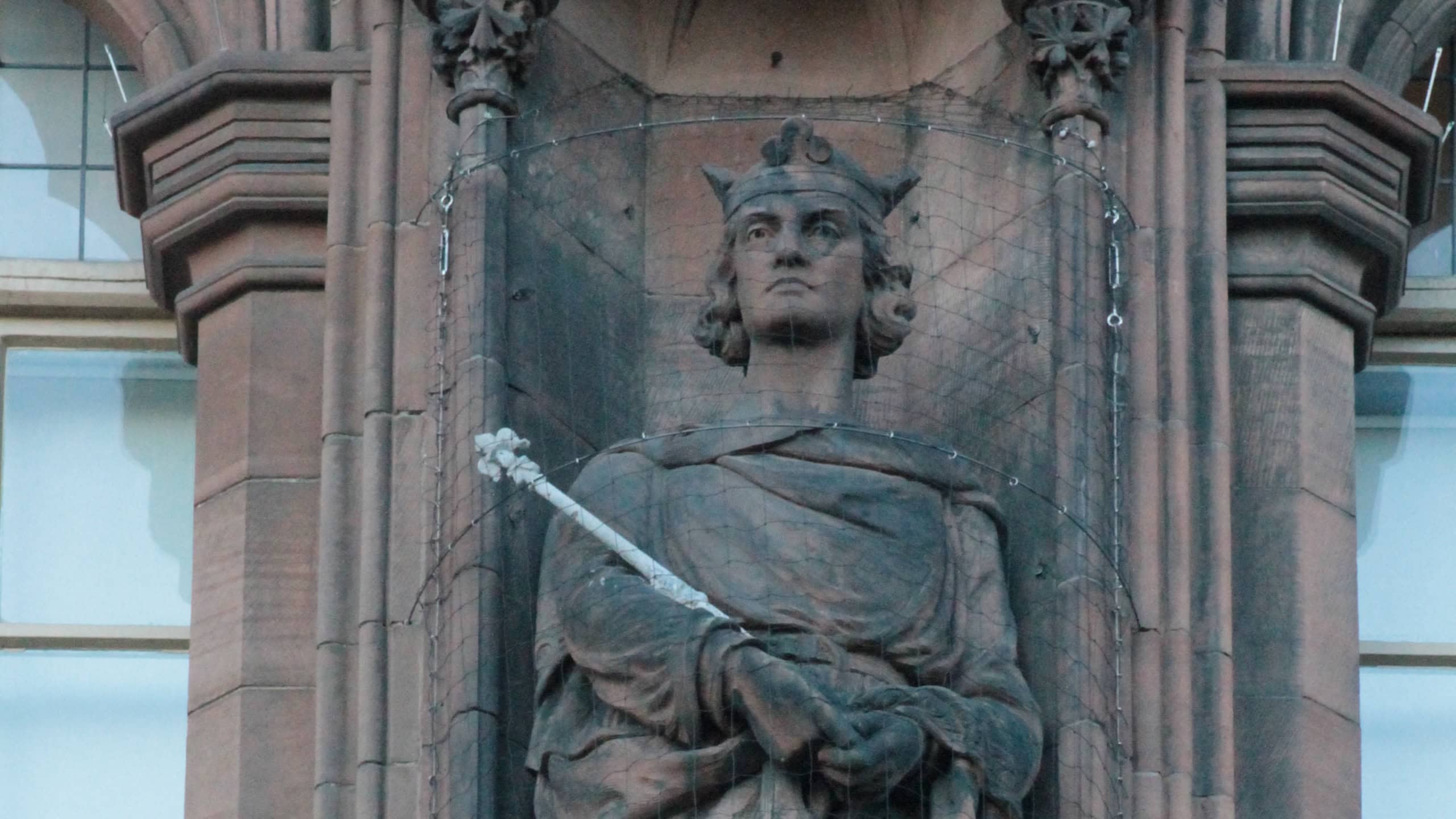
Riding through the dark is always a bad idea. It’s even worse during bad weather. King Alexander III of Scotland didn’t care, though, and he did exactly that on March 19, 1286. He ignored what his advisors told him. His horse stumbled during the journey near Fife, causing the king to fall down a steep bank and killing him.
That was a major problem for Scotland because Alexander’s children were already dead. The crown passed to his young granddaughter, Margaret, the Maid of Norway, but then she died in 1290 before reaching Scotland. What followed was a messy succession fight and the Scottish Wars of Independence. Had he listened to his advisors, it would’ve played out differently.
Sources: Please see here for a complete listing of all sources that were consulted in the preparation of this article.
13 people in history who were betrayed by their closest allies
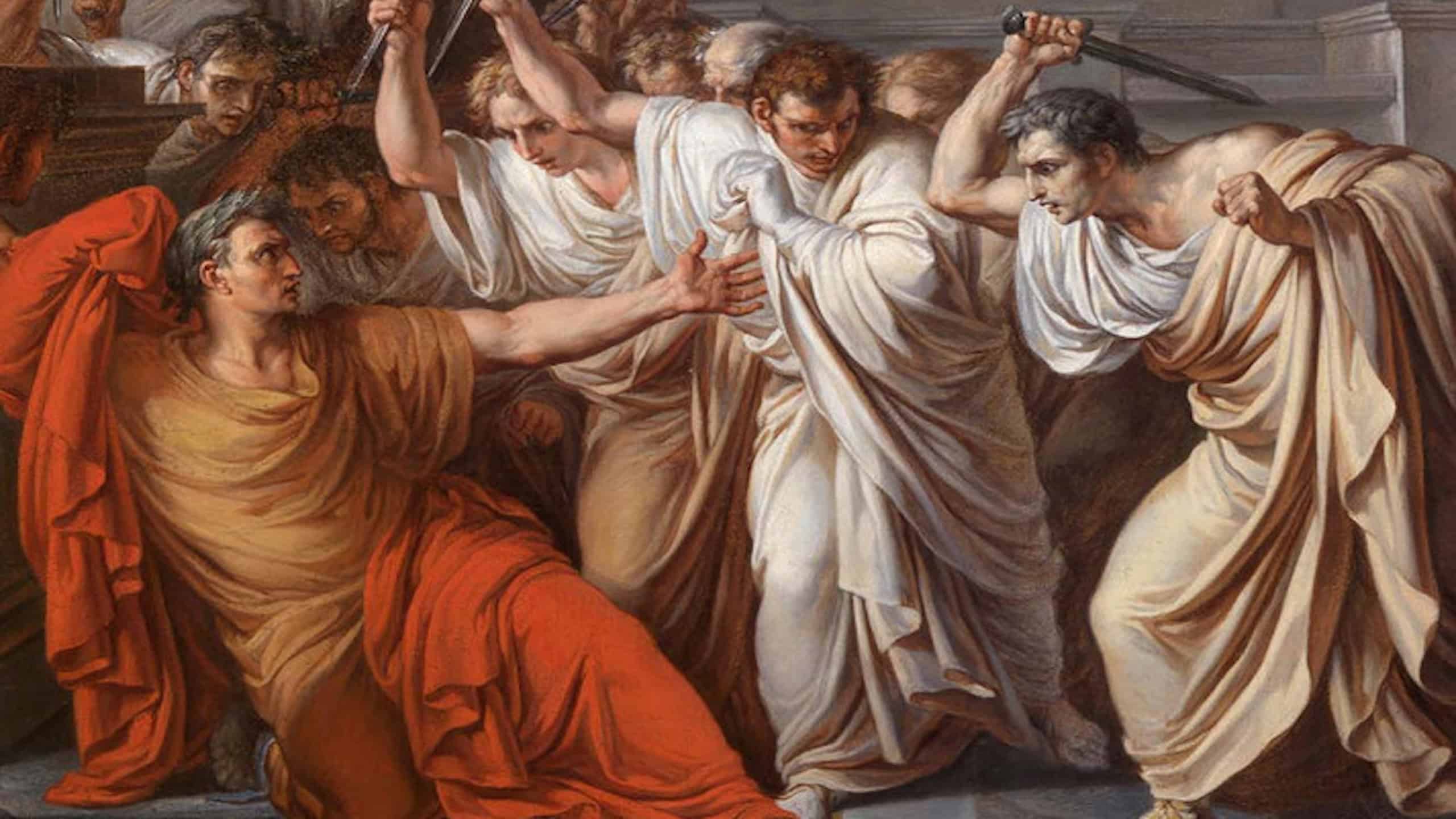
The ugliest betrayals in history are the ones that come from the people who were trusted the most, like relatives and other loved ones.
13 people in history who were betrayed by their closest allies

