

Men and women have been treated differently for centuries, to the point where they couldn’t even be executed in the same way, for some very strange reasons.
Executions were deliberately divided by gender

Let’s set the scene a little. The crime didn’t necessarily decide the execution method in medieval Europe, but rather, it was your gender. Look at late medieval Bruges, Belgium. Men convicted of serious crimes were usually hanged, while women were drowned or buried alive instead.
Other parts of the German-speaking world followed similar customs. It wasn’t exactly a strict rule that all Europeans followed. Nothing was organized like that back then. Still, it’s clear that many courts split punishments into male and female categories.
The practice was highly regional
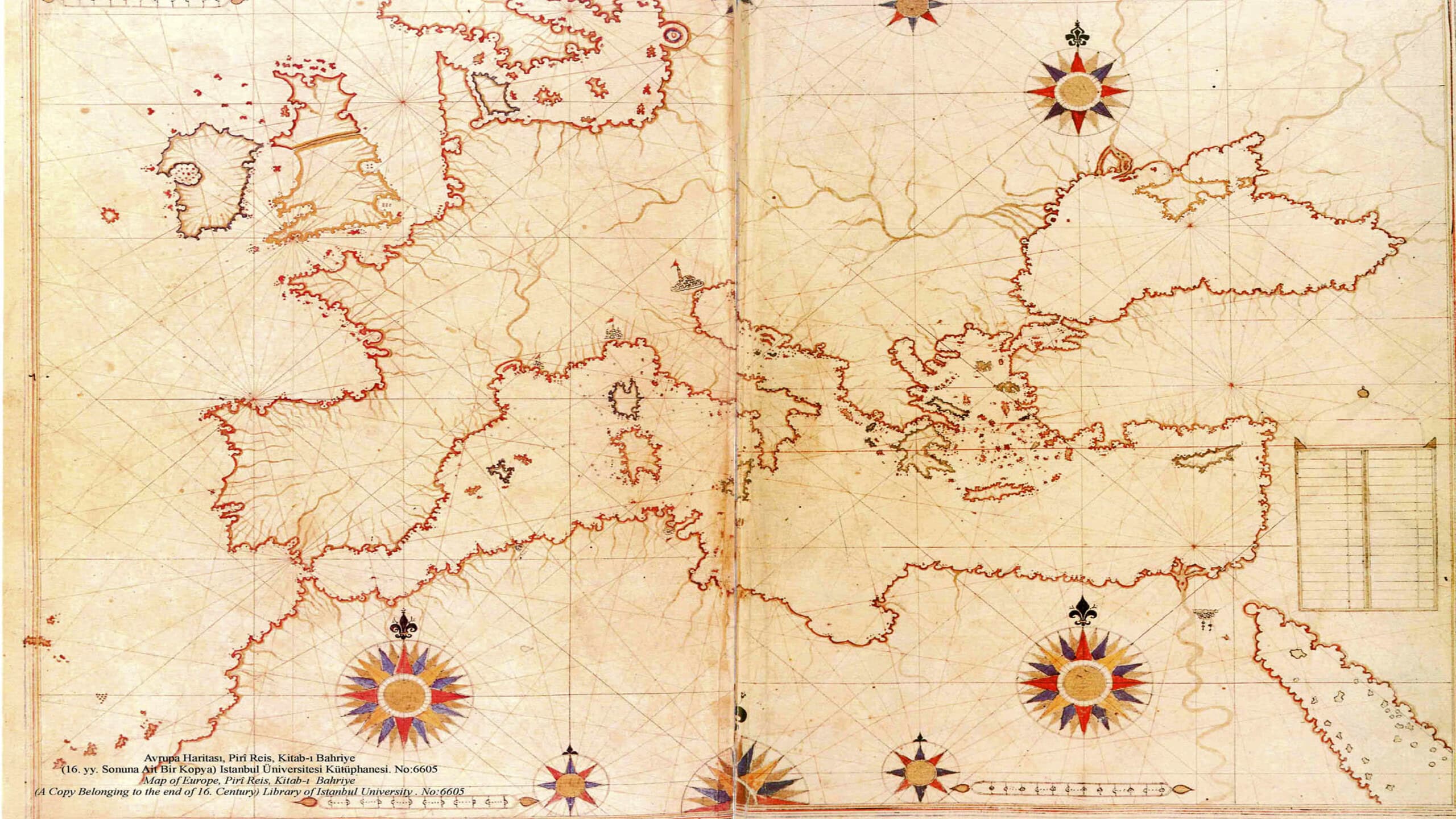
It’s important to remember that different countries have different rules. So did different cities. English executioners were more than happy to hang women for ordinary capital crimes, but save burning for treason or killing a husband.
Drowning was a more common punishment for women in parts of the German lands and the Low Countries, along with Scotland, Switzerland, Russia, and Iceland. It’s also true that one town would drown women, while the next town over decided to hang them.
Hanging was considered indecent for women

One of the main reasons for drowning was to do with indecency. Yes, that was still important, even during death. A woman who was hanged would be suspended above a crowd, with her skirts moving and legs visible. Spectators would be staring upward. Officials hated that idea.
They ironically thought that it would be improper, but carrying out a public execution apparently wasn’t. Hanging would expose a woman’s body in ways that clashed with their ideas about modesty. Men could be hanged, drawn, and quartered. Women were burned, or drowned.
Drowning could be presented as less mutilating

Another reason is that drowning left no chopped limbs or severed head. There were no bodies broken across a wheel, allowing officials to describe it as a less damaging punishment. It’s not like drowning was gentle or anything, though.
Medieval and early modern courts cared about what happened to the body after death as much as the death itself. They believed being cut apart or publicly displayed only added to your punishment. Being drowned, however, would kill you without visibly tearing up your body. They thought that it was cleaner for women.
Drowning concealed the condemned woman’s body

Being hanged means your body stays in full view, and even if nobody damages it, it’d remain there long after death. That was usually part of the punishment. Drowning, however, worked differently, as water hid most of what happens. It also hid what happens after.
Women could be placed in a sack or basket, maybe even a barrel, then put into a body of water. Their actual death would be hidden from view. There were some places that buried women alive, too. Because it seems that death was acceptable, but a visible female corpse was not.
Drowning belonged to a wider group of ‘female’ punishments

Drowning wasn’t the only way of killing a woman back then, though. It was one of many ‘female’ punishments, like burning and being burned alive. Sacking was another particularly brutal one, and it involved being sewn up into a sack with wild animals, then being thrown in water.
A lot of these penalties were connected with women more than men, although it wasn’t a blanket rule. Some men did get punished in these ways, too. It’s just that men were more commonly hanged or broken on the wheel, maybe quartered.
The condemned woman’s behavior mattered to the public ritual

What a woman did during her final minutes was very important. So important, in fact, that people judged those moments almost as closely as the crime itself. Was she quiet or did she pray? Did she confess at the right moment and walk steadily toward death?
Crowds paid attention to every detail and picked them all apart. They’d praise a woman who managed to stay calm, and they’d criticize a woman who argued or resisted. A smile was something they’d read as courage rather than fear. Women were expected to perform the ‘right’ kind of death while everyone watched.
Its disappearance did not represent growing respect for women
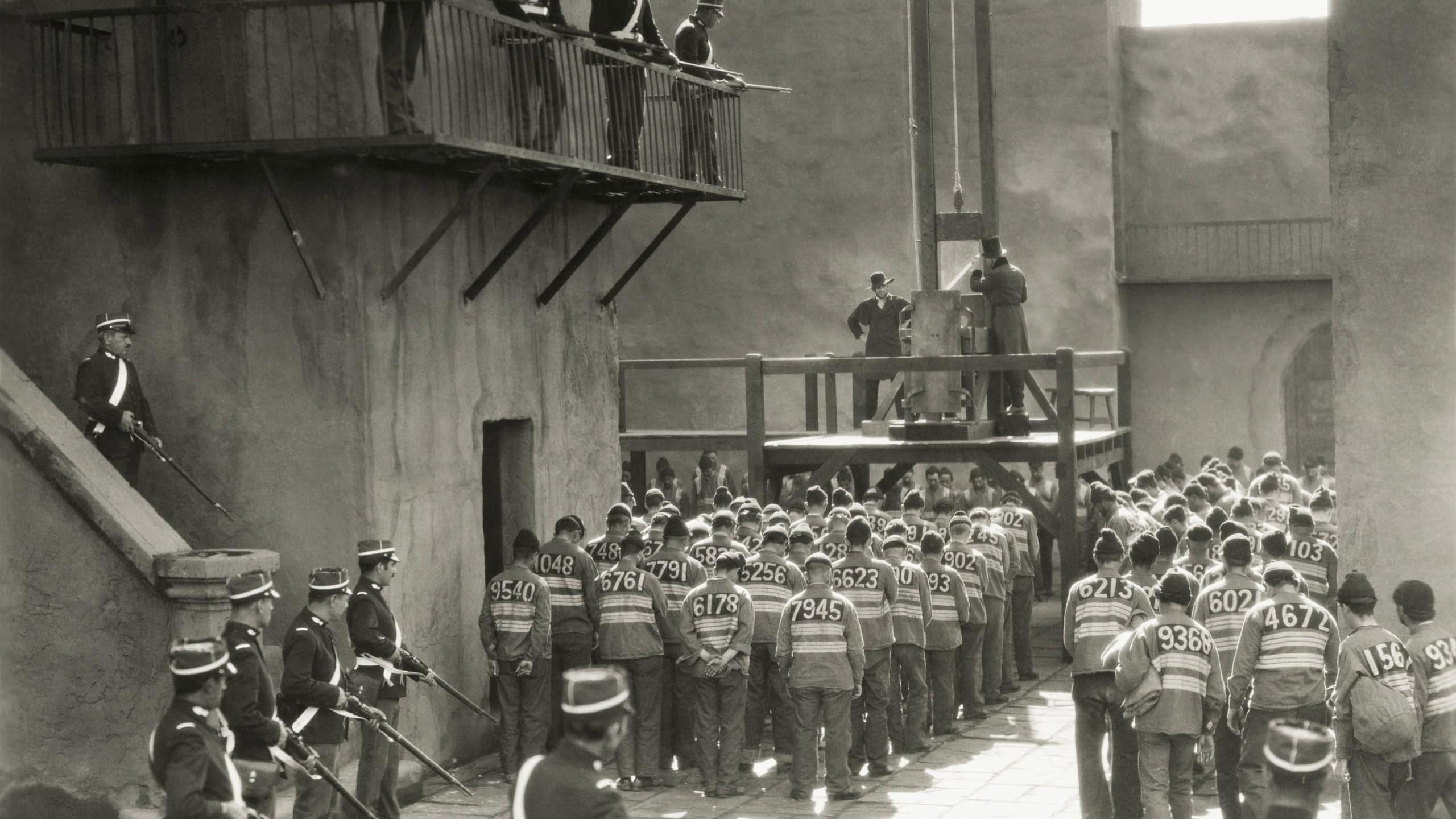
Drowning began disappearing as an execution method largely during the late 1700s and early 1800s. It was mostly because governments were moving toward standardized execution methods, like hanging or beheading.
That meant women were more likely to receive the same sentence as men. But don’t mistake that for progress. It definitely wasn’t. Women still had far fewer legal and political rights. Executions themselves were extremely invasive, as crowds inspected the prisoner’s clothes and bodies, right up to the end. The method became more equal, the treatment didn’t.
Sources: Please see here for a complete listing of all sources that were consulted in the preparation of this article.
10 of history’s most dangerous women

Whether it was through the armies that they controlled or their sheer personal cruelty, history’s most dangerous women sure had some deadly tales to tell.


