

Our parents had these standard phrases that were totally normal in their day but would really raise eyebrows now.
End of discussion

“Because I said so”
No questions were allowed past this magic sentence. You might inquire as to why you couldn’t stay out later, go to a certain place with friends or have just one more cookie. And your parent’s response would be four words that gave no reason at all. Many parents felt kids should follow what their elders said without arguing about every single choice they made.
But now, parents often feel the need to explain everything and teach their kids why certain lines couldn’t be crossed.
Toughen up

“Stop crying or I’ll give you something to cry about”
There are few other phrases from childhood that could dry tears quicker. Instead of reassuring a child who was crying, it basically told him or her that if they keep crying, something worse will come along. Earlier generations valued toughness and emotional restraint more, especially when raising boys.
Nowadays, parents are encouraged to teach their children to recognize emotions and work through them instead of viewing emotional outbursts as something bad.
Outdoor orders

“Go outside and don’t come back until dinner”
Saturdays were filled with disappearing on bicycles, roaming neighborhoods, visiting parks and wandering between friends’ houses for hours with minimal adult supervision. Parents sometimes didn’t know precisely where their children were.
Safety concerns and traffic have reduced that freedom in many communities today. Phones have also made parents used to always knowing where their children are.
No special menu
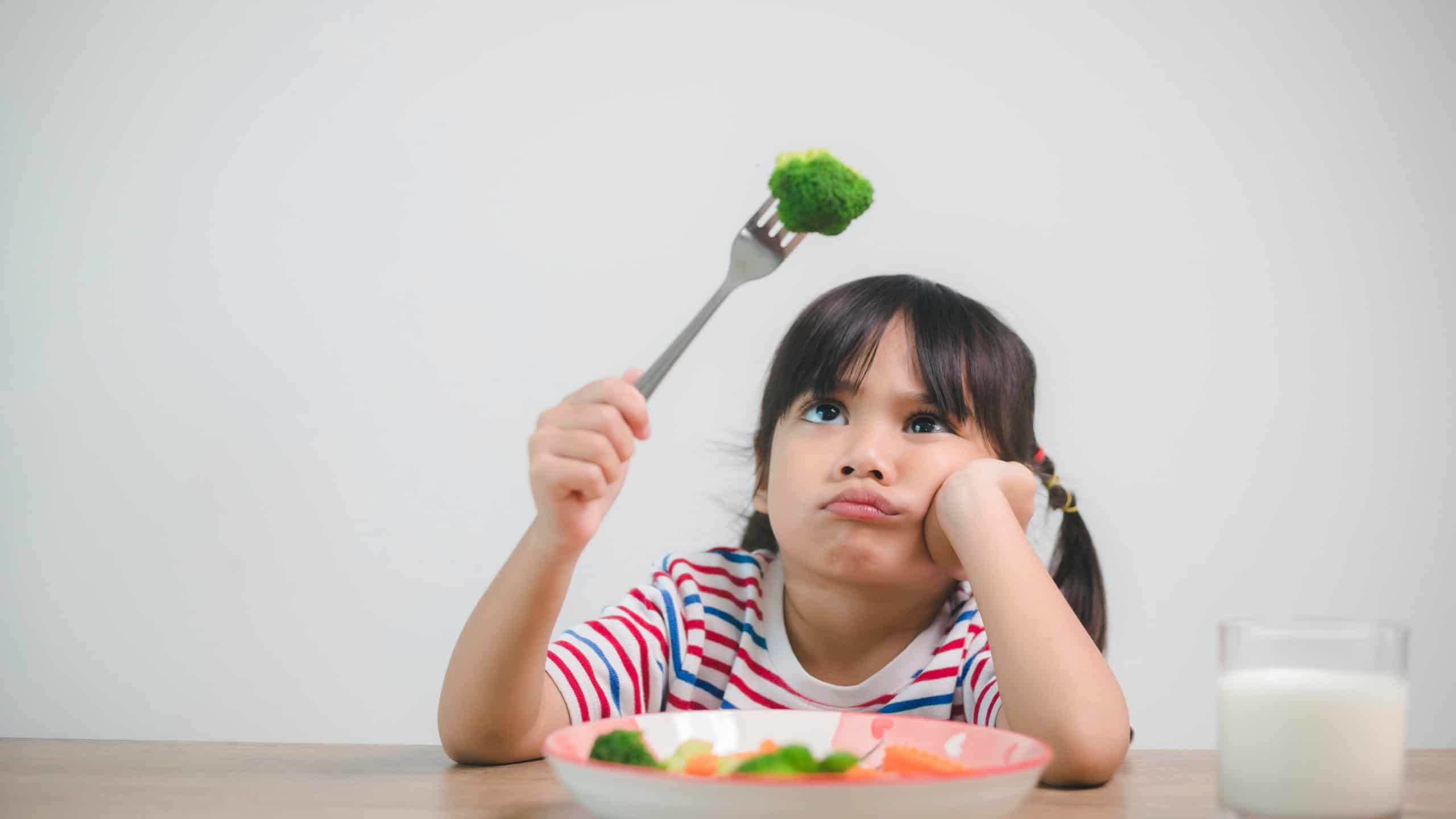
“You’ll eat what’s on your plate”
There wasn’t a backup dinner cooking because someone suddenly decided they loathed peas. Kids were supposed to eat what everyone else was eating, or at least stare mournfully at it until everyone else was done. Parents actually told their kids they had to clean their plates even if they weren’t hungry.
These days, parents are advised to help kids recognize when they’re hungry and when they’re full, making the battle to clean their plates a less common expectation.
Money doesn’t grow

“Do you think I’m made of money?”
Ask your parents for a new toy, pricey sneakers or another dessert at the store and you might have heard this question right away. Kids weren’t supposed to know how to answer because everyone knew the answer was no.
It was just a parent’s way of explaining that money was tight and just because you wanted something didn’t mean you could or should get it.
Parents today are likely to explain the ‘why’ behind certain financial decisions.
Learning the hard way

“You’ll know better next time”
Forgot your homework? Lost your lunch money? Left your jacket at school? Parents didn’t always run to solve the issue for their kids. Sometimes kids were just allowed to face the natural consequences and remember next time they didn’t want that to happen.
Even though today’s parents still emphasize responsibility, the constant connectivity means rescuing a child is now incredibly straightforward. You can snap a picture of that homework assignment you forgot and email it to your teacher in seconds.
Walk it off

“You’re fine”
For a scraped knee, you might have gotten a quick glance and two words of advice: “You’re fine.” If there wasn’t visible blood, something swelling or a broken bone, the expectation was often to get back out there and keep playing. Sometimes that taught kids toughness. Other times it ignored pain that deserved empathy.
Parents these days have a lot more access to medical and safety info at their fingertips. They’re less likely to assume everything is fine.
Children listen

“Children should be seen and not heard”
The saying dates back centuries before baby boomers were born, but iterations of the sentiment lingered on. Kids were told to be quiet when adults were talking, not interrupt, and avoid conversation amongst grown-ups. Talking back was seen as disrespectful.
Many families today welcome their kids’ input and conversation, so hearing that well-mannered kids should pretty much say nothing at all sounds archaic.
Wait for dad

“Just wait until your father gets home”
This statement can end your day right there. Some parents split duties in old-fashioned households by allowing one parent to be the bad guy. The thought of their return could haunt children for hours. Waiting for that parent to come home could feel like punishment itself.
Many parents today operate by team parenting, which makes the bad cop routine seem antiquated.
Everyone else is irrelevant

“If everyone jumped off a bridge, would you?”
You said that “everyone else” was going to a party or staying out late or had some trendy thing and your parents knew exactly what to say. That overly dramatic question was their attempt at teaching you that being popular was not a valid reason to do something. It sucked because there was almost no way to counter it.
Nowadays, kids have too much access to peers’ social lives. Parents have to explain the reasoning behind why the decision is dangerous and the repercussions of falling for peer pressure.
One warning

“Don’t make me come over there”
Glaring across the room at a child and saying those words could bring an activity to an immediate halt. Parents didn’t need to haggle, count down, or explain themselves repeatedly.
Sometimes just those words would be enough, though of course, the phrase implied a punishment to come if obedience wasn’t met. That’s one reason it can sound so nasty today, with more parenting advice stressing positive discipline that’s free of threats.
You’re not the boss

“As long as you live under my roof…”
This was typically the response given when teens wanted more independence or challenged some rule set within the home. If you were living in your parents’ house, you were to abide by their rules, whether it was about curfew, dating, chores, clothing or places you were allowed to go. Reminding your parents that your friend’s parents let them do something usually didn’t work.
Modern parents tend to negotiate boundaries with their children and allow more freedom as teens mature, making the antiquated “my house, my rules” mentality seem quite strict by comparison.
No private taxi

“You’ve got two good legs”
Need a ride somewhere within walking or biking distance? The answer may have been a reminder that you already had transportation attached to you. Parents didn’t always have the ability to drive kids from a friend’s house to practice to the store to an activity and back.
Children walked or biked or rode buses or figured out how to get themselves there.
One day you’ll understand

“You’ll thank me when you’re older”
Kids almost never believed this during the time it was uttered. It most often came after some unpopular edict, discipline, chore, or denial that parents swore would be better for the child somehow. Sometimes adulthood proved mom or dad right; sometimes the adult child vehemently disagreed.
Regardless, it was the ultimate parental trump card because you couldn’t prove them right or wrong for about 20 years.
Kids today are less likely to fall for this.
Boredom is your problem
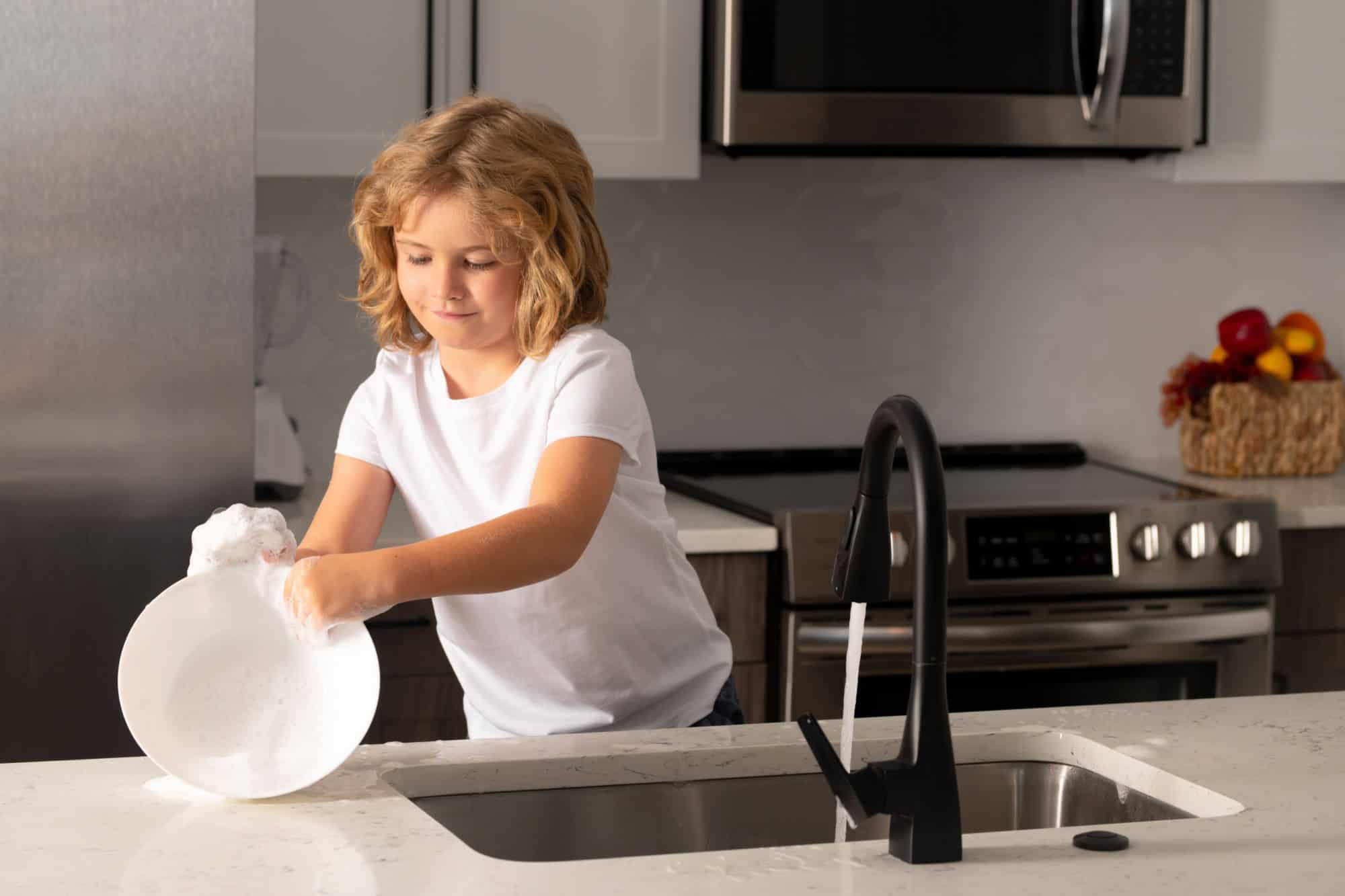
“Only boring people get bored”
Saying to your parent you were bored was dangerous because they might assign you chores. Kids had to entertain themselves because adults didn’t schedule fun for them. They made forts, read books, roamed around outside, colored or bothered siblings until something fun occurred.
Living in a world of limitless entertainment-on-demand today, the concept of just finding something to do seems revolutionary.
Like our content? Be sure to follow us.
15 words your grandparents used that we don’t hear anymore
Don’t mistake these for old-fashioned slang; these words represent common objects and daily activities from not too long ago that have faded away since your grandparents used to say them.

