

We all have secrets that we hold onto, but some people held onto theirs for decades, right until they were on their deathbed and ready to tell the horrifying truth.
The backyard finally gave up its secret
Larry Webb spent years claiming that he had absolutely no idea what happened to Susan Carter and her 10-year-old daughter, Natasha ‘Alex’ Carter. The pair had disappeared from Beckley, West Virginia, in August 2000. In April 2024, Webb was taken into custody over their disappearance.
But then, he suffered a medical episode while in prison, and he completely changed his story. Webb suddenly admitted to killing Susan during an argument over missing money. He then killed Alex because she’d witnessed the whole thing. Webb detailed exactly where he’d buried the pair, and investigators later discovered their remains were exactly where he said they were, on his own property.
The freezer crossed the country

Geraldine Kelley’s children grew up without a father, and their mother told them that he was killed in a car accident. She said that John Kelley, the father, stepped in front of a car while he was drunk and died. They believed her.
Then, in November 2004, Geraldine was on her deathbed due to terminal breast cancer, and that was when she eventually told her daughter what had really happened. Geraldine shot John in the back of the head and then left his body in a freezer in a storage unit. Police visited the unit in Somerville, Massachusetts, and found John’s remains inside an unplugged freezer. She’d traveled the country with it.
One last account from the caller

Paul Michael Stephani was dying of cancer in 1997. It took until then for investigators to finally get the answers they’d been hoping for. Previously, Stephani was known to call the police after attacks around Minneapolis and St. Paul. He sounded so emotional and distressed on the phone that he got the nickname, ‘the Weepy-Voiced Killer.’
But police couldn’t find anything concrete matching him to the crimes. Towards the end of his life, however, he admitted to killing Kimberly Compton, Barbara Simons, and Kathleen Greening. He also confessed to attacking two other women. It was quite an important confession, as police had originally ruled Greening’s death an accidental drowning.
The accusation came first
Willie Edwards Jr. was a 24-year-old Black truck driver who was killed in Alabama in 1957. The police unfortunately had no leads on his killer, as his body was too badly decomposed when it was discovered. They finally got a breakthrough 30 years later. Henry Alexander was dying of lung cancer in 1992, and he told his wife Diane about the crime.
He admitted that he’d accused Edwards of making a pass at a white woman. The Ku Klux Klan then got involved and forced Edwards to jump from the Tyler-Goodwyn Bridge, killing him. Alexander had known what had happened all along.
Two days remained
Michael Lee Wilson confessed the truth just two days before he was scheduled to be executed for a separate murder. On January 7, 2014, Wilson admitted to firing the shots that had killed 19-year-old Karen Summers. The murder took place during a 1994 drive-by shooting. That fact alone was horrible enough.
But then came the revelation that two other men, Malcolm Scott and De’Marchoe Carpenter, had been in prison the entire time for Summers’ murder. They’d been behind bars for 20 years. Wilson said they weren’t even in the car at the time, and after he was executed, the pair was eventually released.
Twelve years followed a false story

Wayman Cammile Jr. was in prison when, after 12 long years, the woman who accused him finally revealed the truth. Her name was Alice Mock. She was 76 and dying of cancer. Mock called over her neighbor Evelyn Burns in 1986 and revealed that the 1975 r**e allegation she’d made against Cammile wasn’t true.
Mock said that what really happened was that the pair of them had been drinking together, and then she invited him inside. She then waited until he passed out to rob him. But rather than tell the truth, she accused him of r**e so he wouldn’t discover the theft. Cammile took a plea deal to avoid a much longer sentence. He walked free shortly after Mock’s confession.
Thomas Randele had another name
Thomas Randele’s family knew him as a Massachusetts car salesman, loving husband, and caring father. In 2021, he was dying of lung cancer when he told them the truth. Thomas Randele didn’t exist. No, his real name was Theodore John Conrad, and he was a former bank teller from Cleveland who had disappeared in 1969.
He’d stolen $215,000 from Society National Bank and then started a new life in another state. Conrad had kept the lie going for over 50 years. You might brush it off as the ramblings of a dead man, but investigators later conducted their own tests and found he was telling the truth.
The biker changed his story

There’s one thing to know about the Paul Branch story, and that’s that his account has never been proven. Still, the confession alone is chilling enough. Amy Billig was a 17-year-old girl who vanished from Coconut Grove, Florida, in March 1974. Branch, a Pagans motorcycle club member, had previously said she was alive.
But when he lay dying in 1996, Branch gave a very different explanation and said that Amy had been taken to a biker gathering. She’d been assaulted and drugged until she died of an overdose. Branch said the biker gang disposed of her body in the Everglades, although to this day, her body has never been found.
A 1946 killing returned in Canada
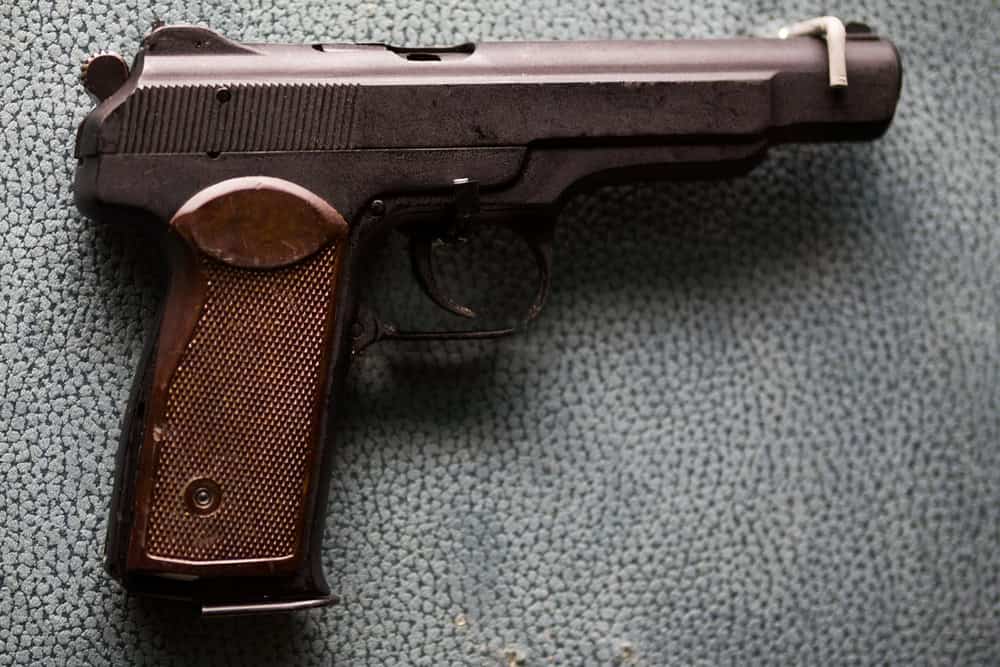
An unknown British man gave a confession that came 70 years too late. He was 91 years old at the time and living in Canada, suffering from terminal cancer. He walked into a police station and confessed to killing a woman outside London’s Blue Lagoon nightclub back in 1946, although he couldn’t initially remember her name.
The man said he’d shot her with a Russian-made wartime pistol following a financial dispute. To nobody’s surprise, British detectives traveled to Canada and showed the man old photographs of cold cases fitting that timeframe. He picked out a woman named Margaret Cook. Authorities tried to have him sent to the UK, but their attempts failed.
Four words reopened an old question

You might’ve heard of something called the Tylenol murders. In 1982, seven people died around Chicago after taking Tylenol capsules that had been laced with cyanide. The case has never officially been solved, and for years afterward, people have continued to speculate. Then came 2023.
Daniel Raymond Drozd’s son, Joseph Cibelli, said his dying father had confessed to the murders. He’d allegedly sat up in bed in front of his sons and said, ‘Cyanide pills. I did it.’ Cibelli did go public with the claim, but the police have never officially confirmed that Drozd was responsible. It’s a creepy confession either way.
The witness took back his testimony
André Desbiens had a story that kept Yves Plamondon in prison for over nine years. He’d previously testified in court that Plamondon was responsible for the murder of Claude Simard and that he’d seen the whole thing take place. His story changed in 1995 when he was dying.
Desbiens went back on what he’d previously said and claimed that, actually, Plamondon had nothing to do with Simard’s murder. Desbiens confessed that he himself was responsible, along with another man. Despite Desbiens’s confession, Plamondon wasn’t released until 28 years after his conviction, in 2013.
The denial ended before execution
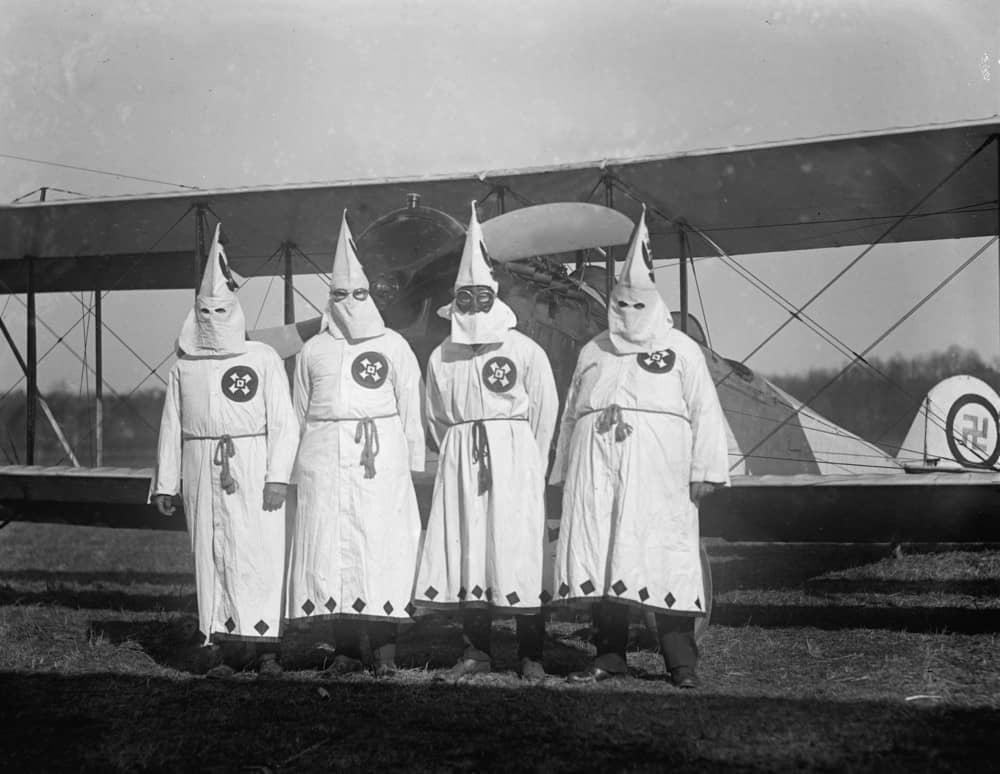
Ku Klux Klan member Henry Francis Hays had only two days left to live when he confessed to Rev. Bob Smith. He finally stopped denying that he’d murdered Michael Donald in 1981. It wasn’t a huge surprise, though, as Hays had already been convicted of abducting and killing the 19-year-old in Mobile, Alabama.
But he’d denied it the whole time. In June 1997, however, Smith said Hays broke down during a private meeting and talked for around 40 minutes about how he’d killed Donald. Hays allegedly said he’d abducted, beaten, strangled, and eventually hanged Donald. Hays was executed shortly afterward.
Bundy started naming more victims
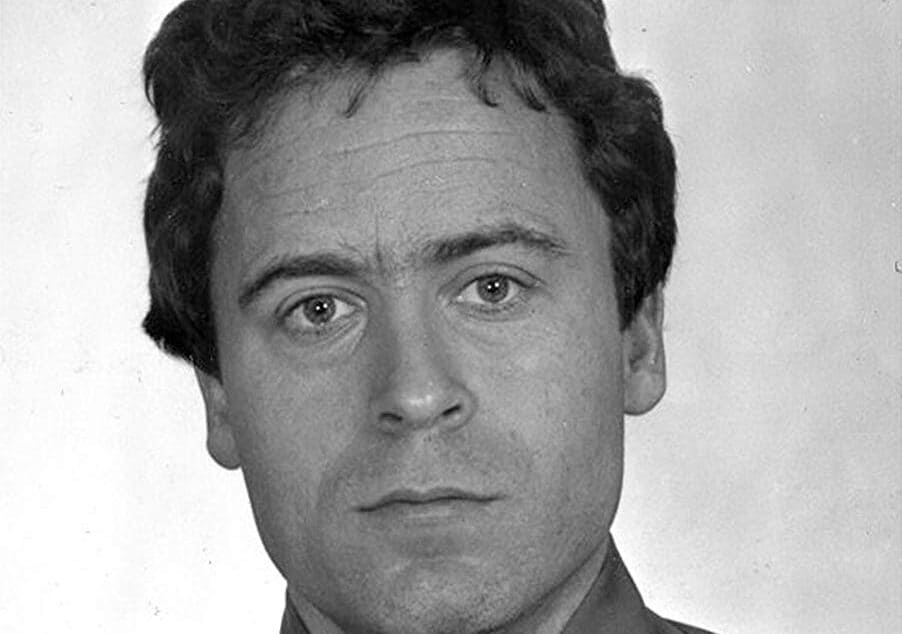
Ted Bundy began saying some things in January 1989 that only disturbed investigators even more. The infamous serial killer was already scheduled to be executed on January 24 when he began talking about previously unknown killings.
He confessed to murdering women in Washington, Utah, Colorado, Idaho, and other places, including killings police weren’t previously aware of. He also gave clues to where their remains actually were.
Sources: Please see here for a complete listing of all sources that were consulted in the preparation of this article.
Discover what these 10 celebrities said on their deathbeds

Some final words can be strange, some final words can be normal, but all of them are ones that we’ll remember for a long time to come.

