
Don’t mistake these for old-fashioned slang; these words represent common objects and daily activities from not too long ago that have faded away since your grandparents used to say them.
Mimeograph

Before your teachers or bosses used computers and fancy laser printers to make copies, they used this machine.
Your grandparents would type a document on a handheld machine that produced a wax stencil. They would load the stencil onto a drum covered in ink, and then crank the handle to press the paper against the inked drum.
Documents made on these machines smelled very distinctive because of the alcohol-based solvents used. That smell will trigger memories of grade school or office jobs for anyone who grew up around or worked during the mid 1900s.
Mimeograph machines (and the word) were made commercially extinct by the late 1970s when dry-erase photocopying became commonplace.
Darning Egg

Before affordable disposable clothing was invented from industrially mass-produced textiles, socks and wool sweaters didn’t become trash just because they had a hole.
Grandmothers kept an oddly named household tool called a “darning egg” in their sewing basket to mend clothes by hand.
Slippery and made from a hard wood, stone, or porcelain, this egg-shaped item was inserted into the foot of the sock beneath the hole. This pushed the material tight and stiff for easy sewing, and the needle could weave a tidy patch of intersecting threads over the hole.
Because modern synthetic blends are so cheap to replace and so tricky to mend, this practical household item and its familiar name have largely disappeared from our homes.
Phosphates
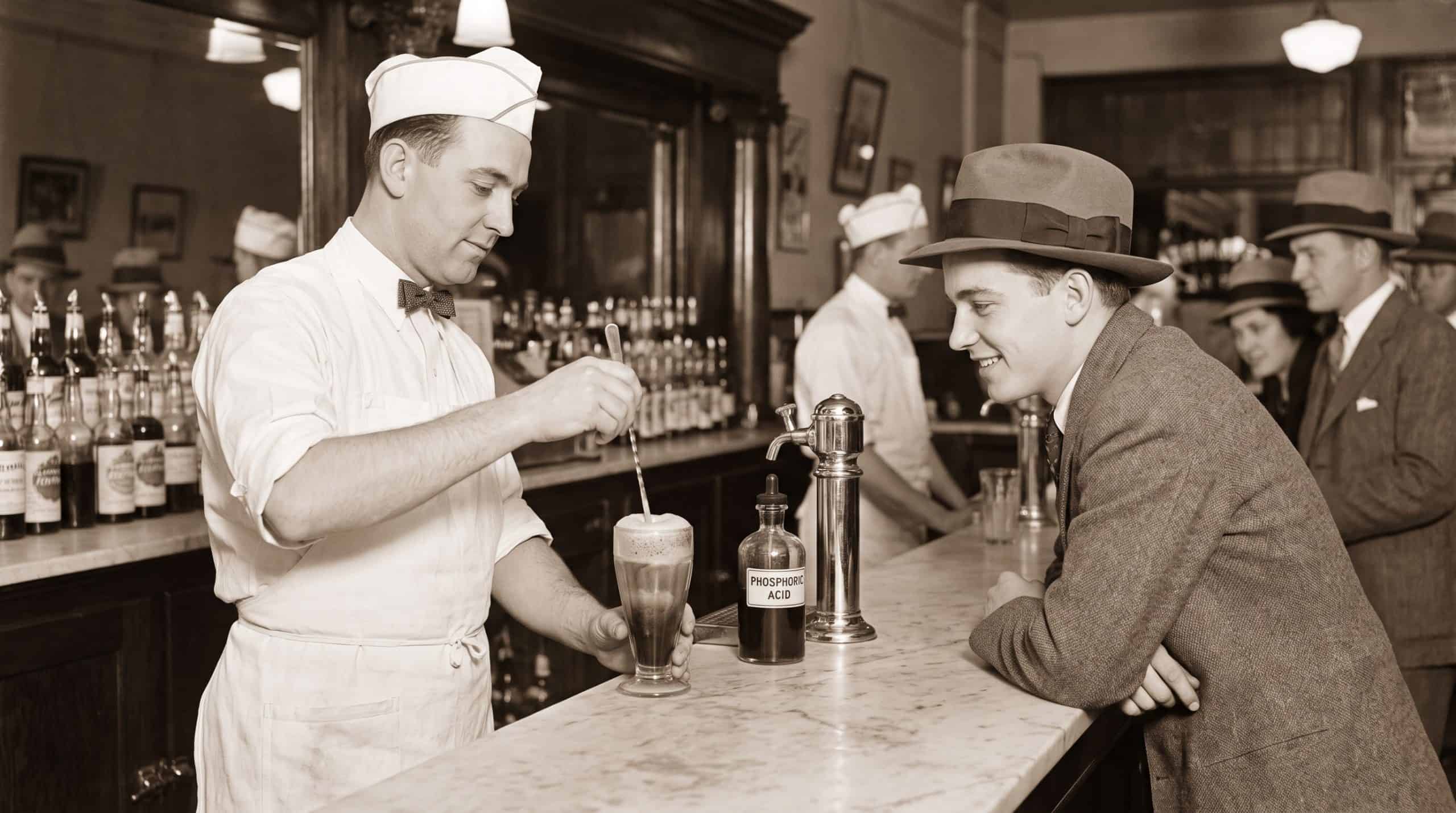
If your teen grandfather asked you to join him at the store for a cool drink back in the 1930s or 40s, he wouldn’t order a cola, he would order a phosphate.
Instead of using just flavored syrup and carbonated water like a regular soda, a phosphate was made with flavored syrup, carbonated water and a few dashes of liquid phosphoric acid. The phosphoric acid gave the drink a biting, tart and sour edge.
Phosphates were extremely popular throughout North America as the unique flavor was like nothing else prior to big-time bottling companies dominating the soft drink industry.
When fast-food joints bulldozed independent soda fountains out of business in the 1960s, that tangy, bubbly drink and its name vanished.
Percolator
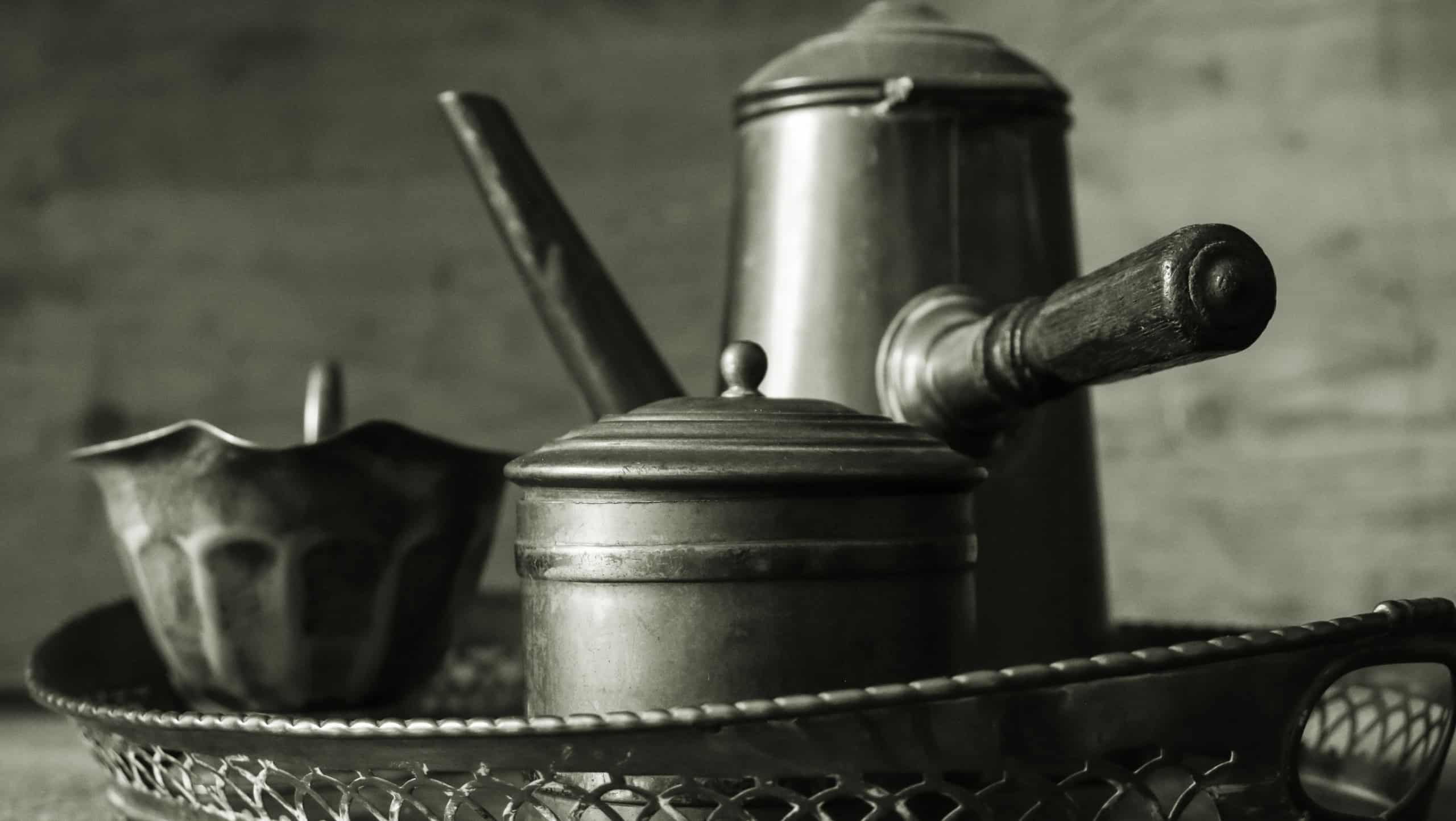
Before kitchens everywhere were filled with pod machines and electric drip brewers, you could hear the percolator before you could smell it. The bubbling, gurgling sound of a percolator was the soundtrack of the morning routine.
These stovetop coffee pots, called percolators, brew by forcing boiling water up a central tube and then letting it cascade back down onto coarse coffee grounds in a metal basket, all thanks to gravity. And this cycle repeats until the coffee is done brewing.
It would fill the house with a truly magnificent coffee scent, even if it often ended up scorching the brew if you forgot about it.
As electric drip coffeemakers, with their gentle heating and single-pass brewing, started gaining traction in the 1970s, the word largely faded from everyday kitchen talk.
Ice apron

Long before the invention of the electric home refrigerator in the early 1900s, household ice blocks had to be delivered to your home once per week by heavily perspiring workers dressed mostly in an heavy duty tool known as an ice apron.
Heavy waterproof canvas or even tough leather was used to cover the worker’s entire back and shoulders, protecting their clothing from ice sweat as they carried fifty pounds of solid ice into your home.
Ice had to be physically placed into your kitchen icebox right off of the delivery man’s shoulder, so wearing an apron was essential for keeping his shirt from rotting away.
Households didn’t require delivery of giant ice blocks once electric refrigerators hit the market in the 1930s and 1940s, forcing the ice apron into extinction.
Chautauqua

For your grandma living in a small rural town at the turn of the century, to get a little cultured, entertainment and education, they anxiously awaited Chautauqua week.
A gigantic, very corporate-like traveling extravaganza would pull into town and set up miles of giant tents. For one week the townspeople would be treated to live classical music, plays, political speeches, and lectures.
Teddy Roosevelt even deemed it “the most American thing in America” because it delivered culture to rural towns before there was radio or TV.
When the Great Depression hit, affordable radios made the Chautauqua traveling tents obsolete seemingly overnight.
Coal scuttle
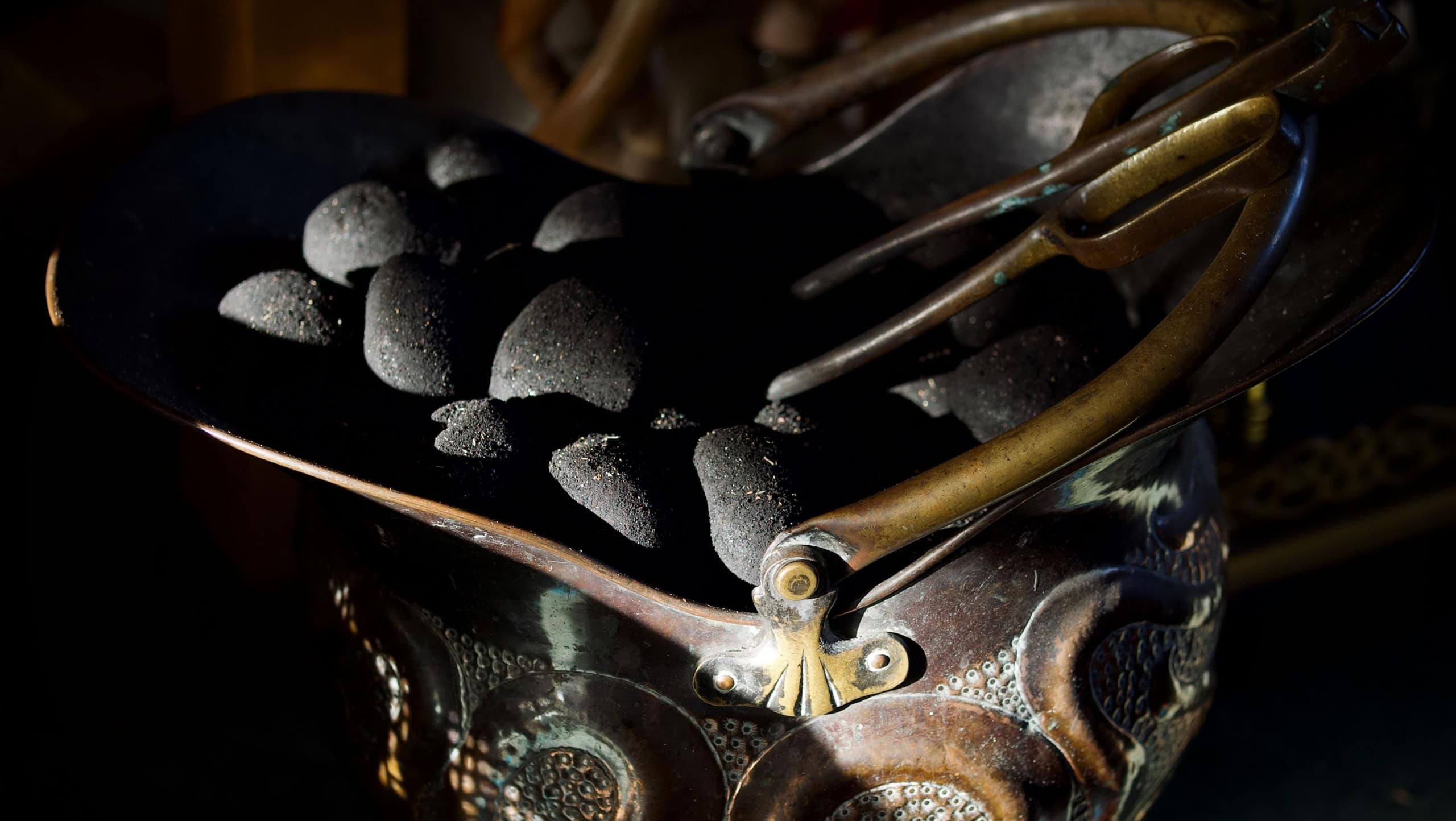
In older homes where there was not yet central natural gas or electrical heating, one had to keep a coal scuttle very close to the stove in order to keep the house warm.
This meant a special heavy metal bucket, usually designed with a wide scooped lip and angled bottom for facilitating carrying and pouring raw coal into the furnace or fireplace.
Its design made it possible for one person to tip the bucket and slide the heavy hunks of coal into the fire door without dumping dust everywhere on the clean kitchen floor.
Once residential housing switched to automatic, convenient heating after WWII, the heavy iron buckets were hung on walls as planters or discarded.
Oilcloth
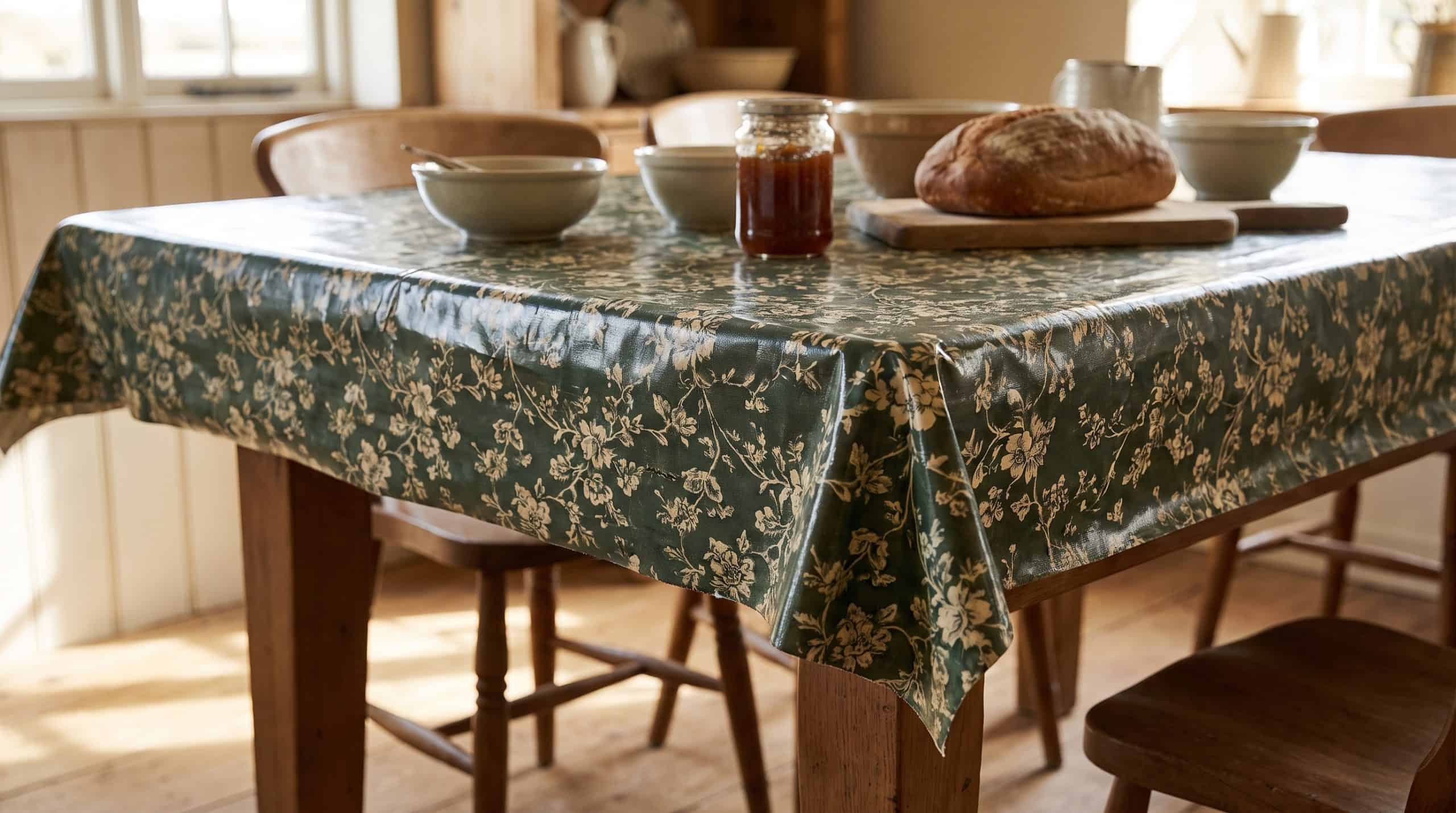
Before chemically derived vinyl and plastic laminates made wipeable kitchen surfaces possible, grandmothers covered their tables and shelves with cotton or linen oilcloth.
Heavily manufactured by soaking coarse woven fabric with multiple layers of boiled linseed oil, oilcloth became stiff, waterproof, and stain resistant. In working-class kitchens, oilcloth was commonly employed to tidy up after messy food prep using only a damp cloth, thus shielding the underlying wood from grease and stains.
Flexible, inexpensive petroleum-based plastics manufactured later in the 20th century replaced oilcloth entirely. Its name lives on only in vintage cookbooks.
Scrimper
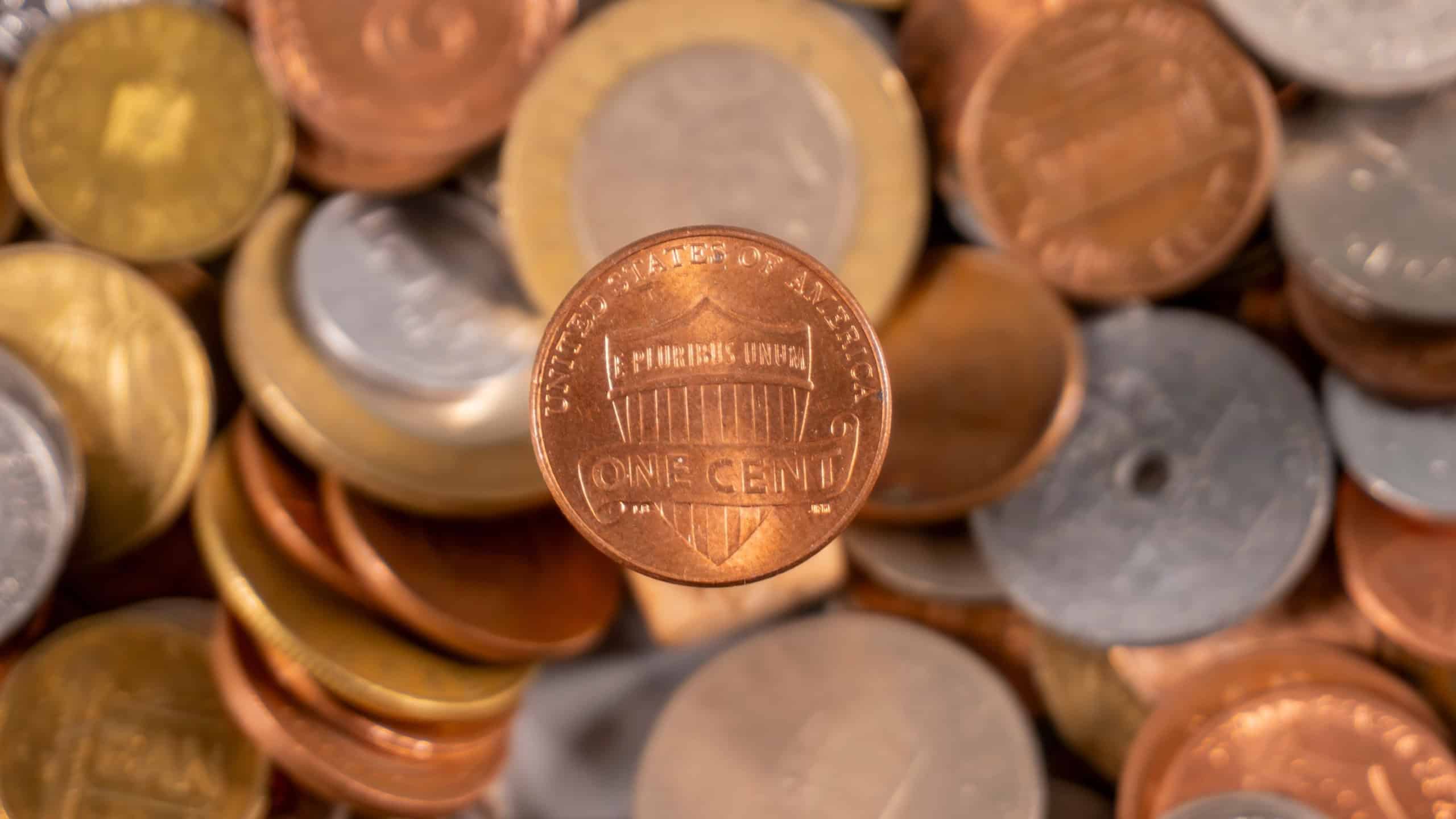
If someone who lived in an older home was ultra-cheap with money when they went out of their way to stretch every penny, they weren’t called cheap or stingy. They were a “scrimper.” When used as a noun back then, it came from an older definition of the verb to skimp.
This term referred to a person who practiced extreme self-denial, going the extra mile in managing household expenses on a daily basis. A person who scrimped might have saved tiny soap slivers for later use or cut up an old garden hose to reuse the string.
It was a cutting, yet descriptive word that wasn’t quite frugal enough to describe that certain mindset. Think of every euphemism you could think of for cheap and you’ll understand the mindset of generations who lived through world war and the depression.
Antimacassar

Did you ever spot delicate lace squares adorning the tops of chair backs and arms in vintage family snapshots? Those were antimacassars.
It originated as an actual public health campaign during the height of Victorian England. Every man wore Macassar oil in his hair. It was a thick, plant-based goo that permanently stained sofas and settees.
The small towels went where the head would sit so they could be yanked off and washed regularly, preventing devastation to furniture.
It hung around as a senior’s term for years after hairstyles evolved, eventually fading out when furniture fabrics became simpler to maintain.
Milliner
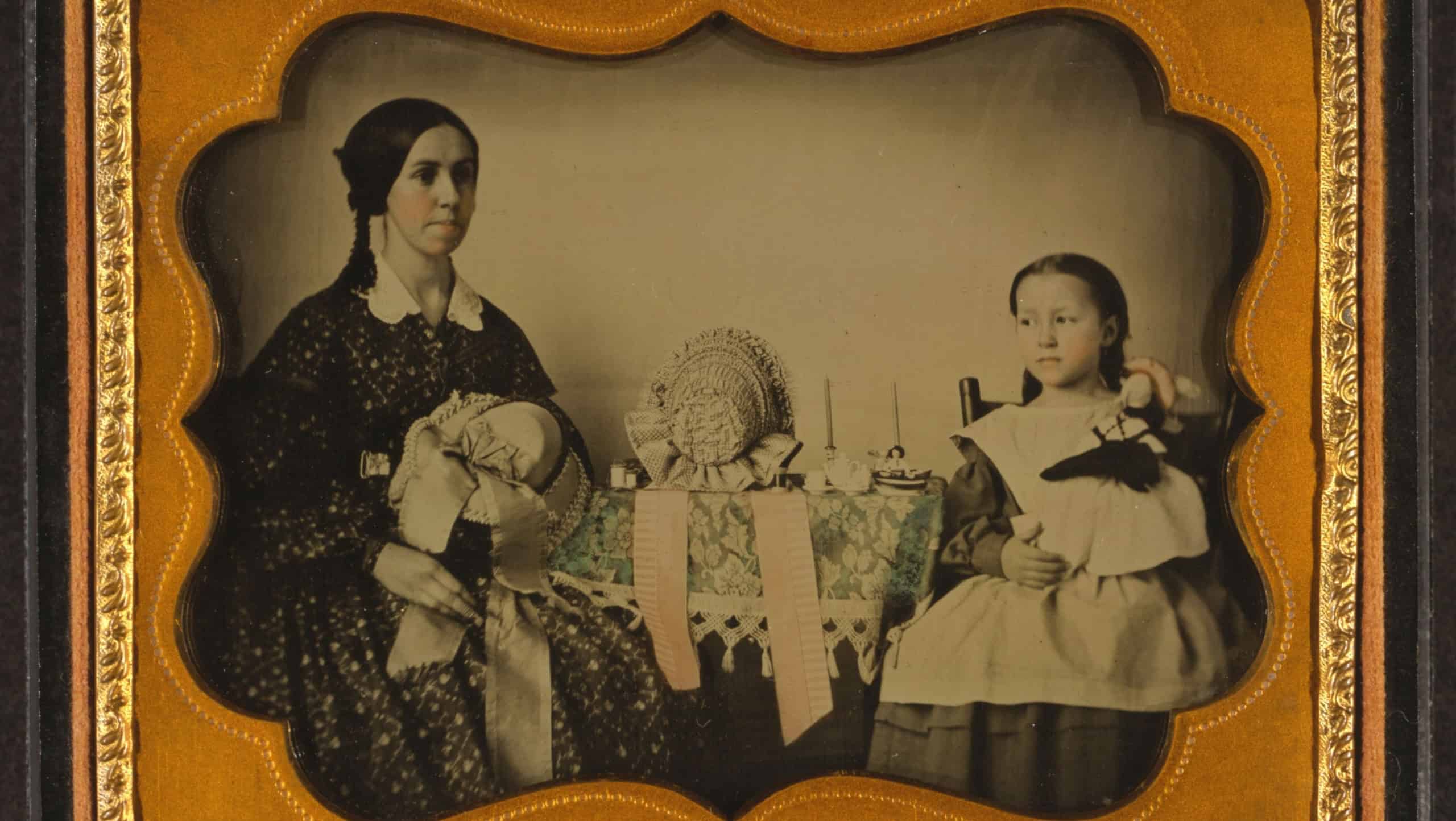
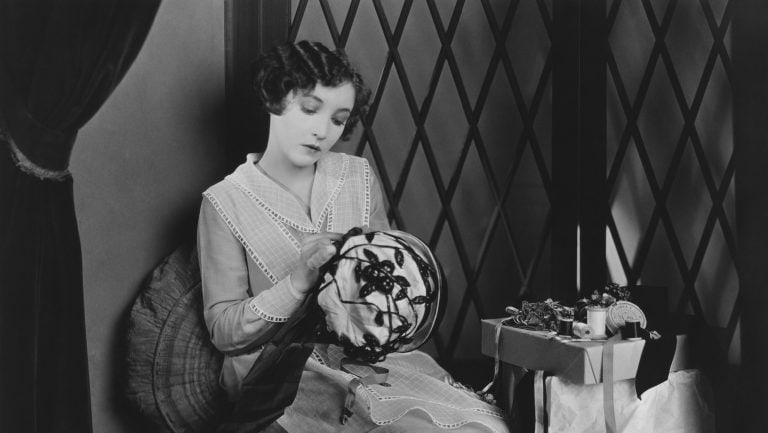
When a woman in your grandmother’s day wanted to purchase a fancy new hat to wear for Sunday church or a wedding, she didn’t pick it off the rack at Macy’s. She went to a “milliner.”
It was an extremely specialized and respected artisan profession, focused solely on designing, creating, and fitting women’s hats. Back in the first half of the twentieth century, a woman wouldn’t dream of going out without a hat, making her local milliner’s shop a crucial part of her style.
The entire profession collapsed overnight in the 1960s when cultural norms around the world changed and women began going completely hatless, wiping both the trade and the term off of Main Street.
Soda Jerk
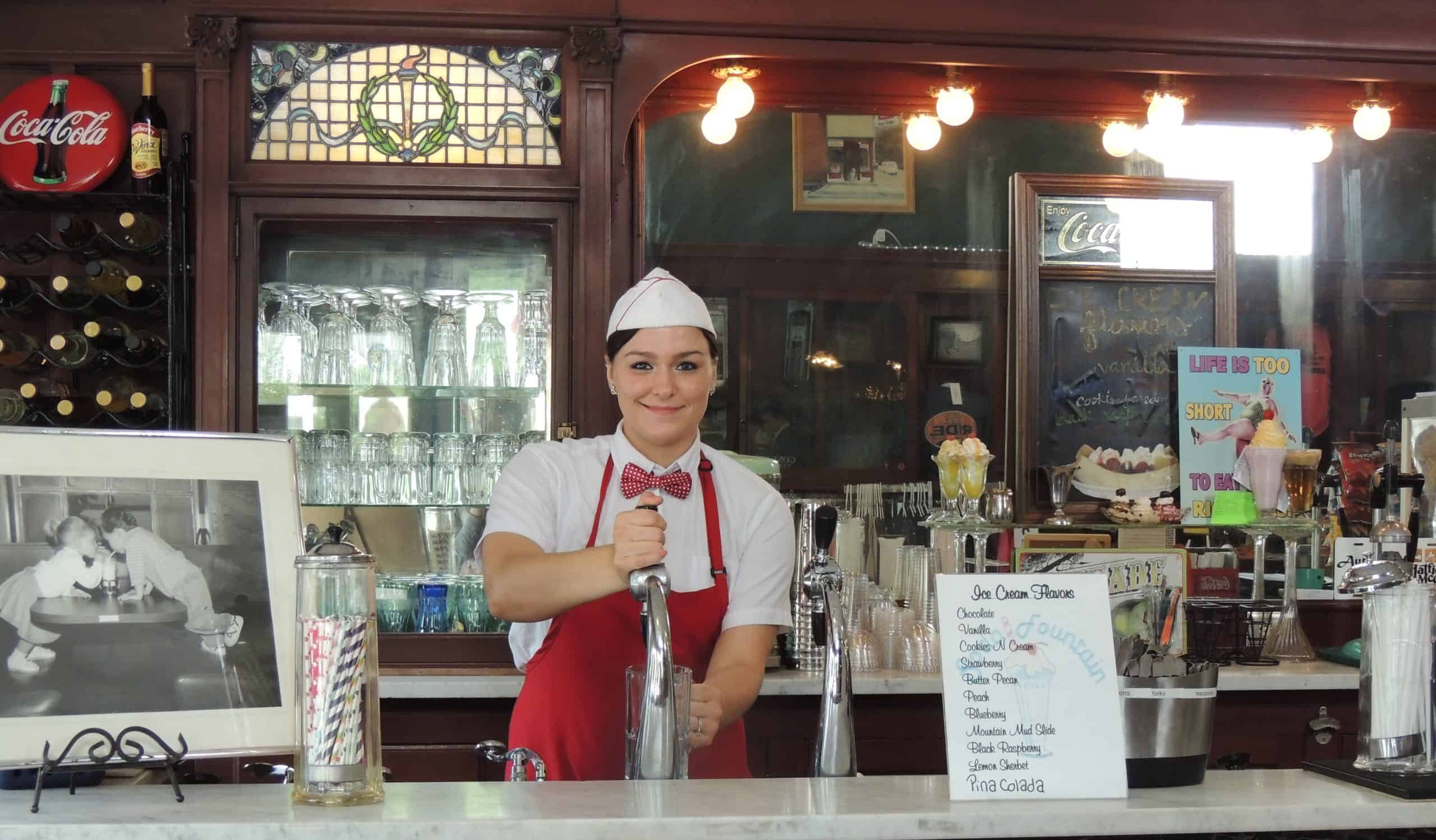
Long before today’s coffee shop baristas were fussing with espresso machines, the neighborhood pharmacy had its soda jerks.
The term referred to the distinct hard jerk required by the thick glass, curved handle on the carbonated soda fountain used to mix ice cream sodas and malts.
The teenage boys (and some girls) who manned the marble soda fountain counter were without a doubt the coolest people in town during the 1940s and 1950s as they whipped up frosty treats and entertained friends in their bustling, low-rent diner booths.
They were soon put out of business by the drive-in hamburger fast food joints and with them went those gloriously-specific job descriptions.
Galoshes
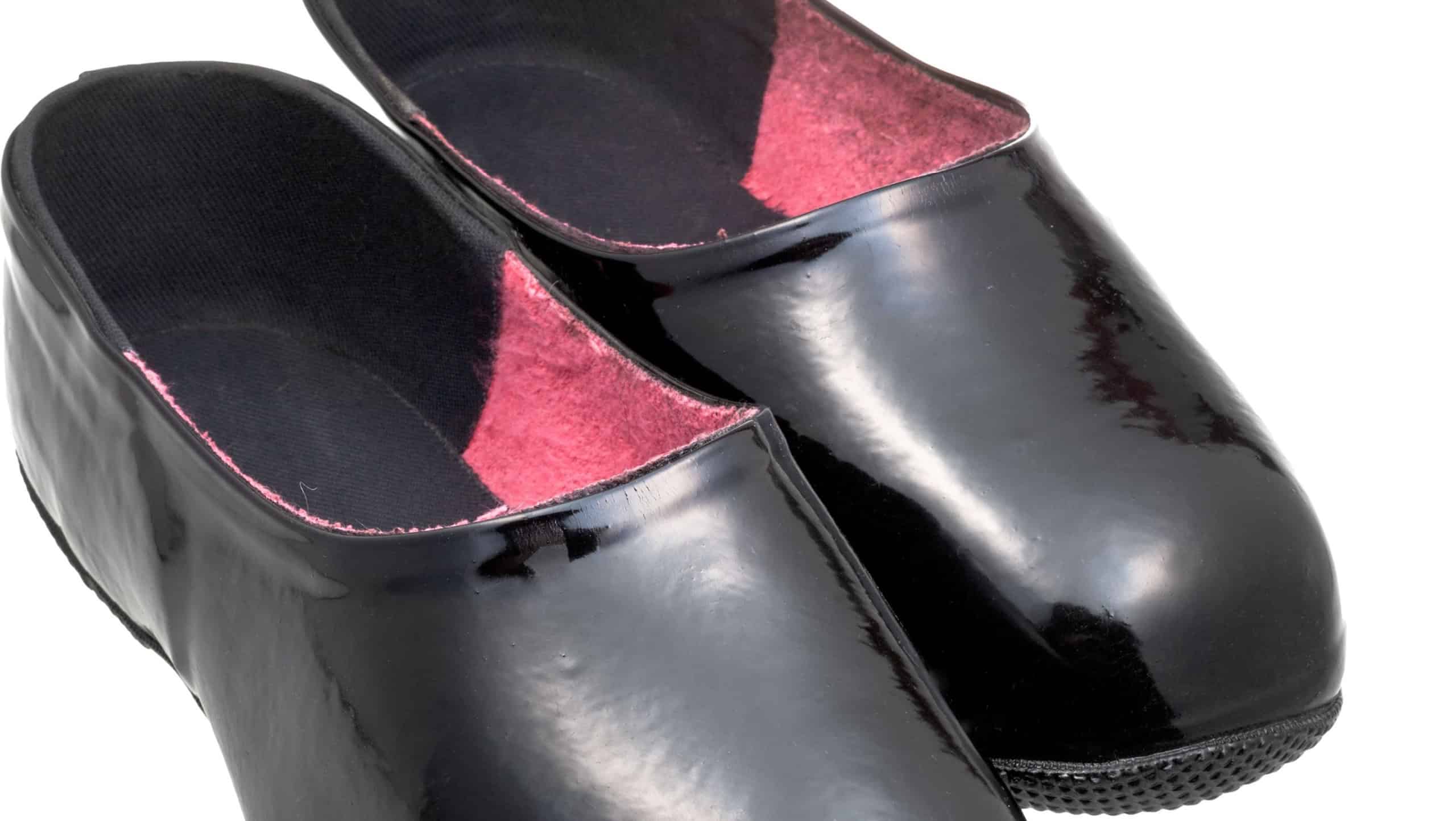
As soon as rain turned to slush or winter snow fell upon the ground, your grandparents would sternly remind you to shove your galoshes on over your feet before heading outdoors.
Galoshes were clunky rubber overshoes that were made to be slipped tightly over a person’s regular leather dress shoes in order to protect them from moisture and/or road salt.
Modern rain boots and winter boots are typically self-contained, but galoshes were only outer coverings. They commonly had large, metal buckles or front zippers that clanked together as you walked.
Once most shoes became made from sturdy, weather-proof synthetics, the bulky rubber shoe became useless for everyday travel.
Telegram
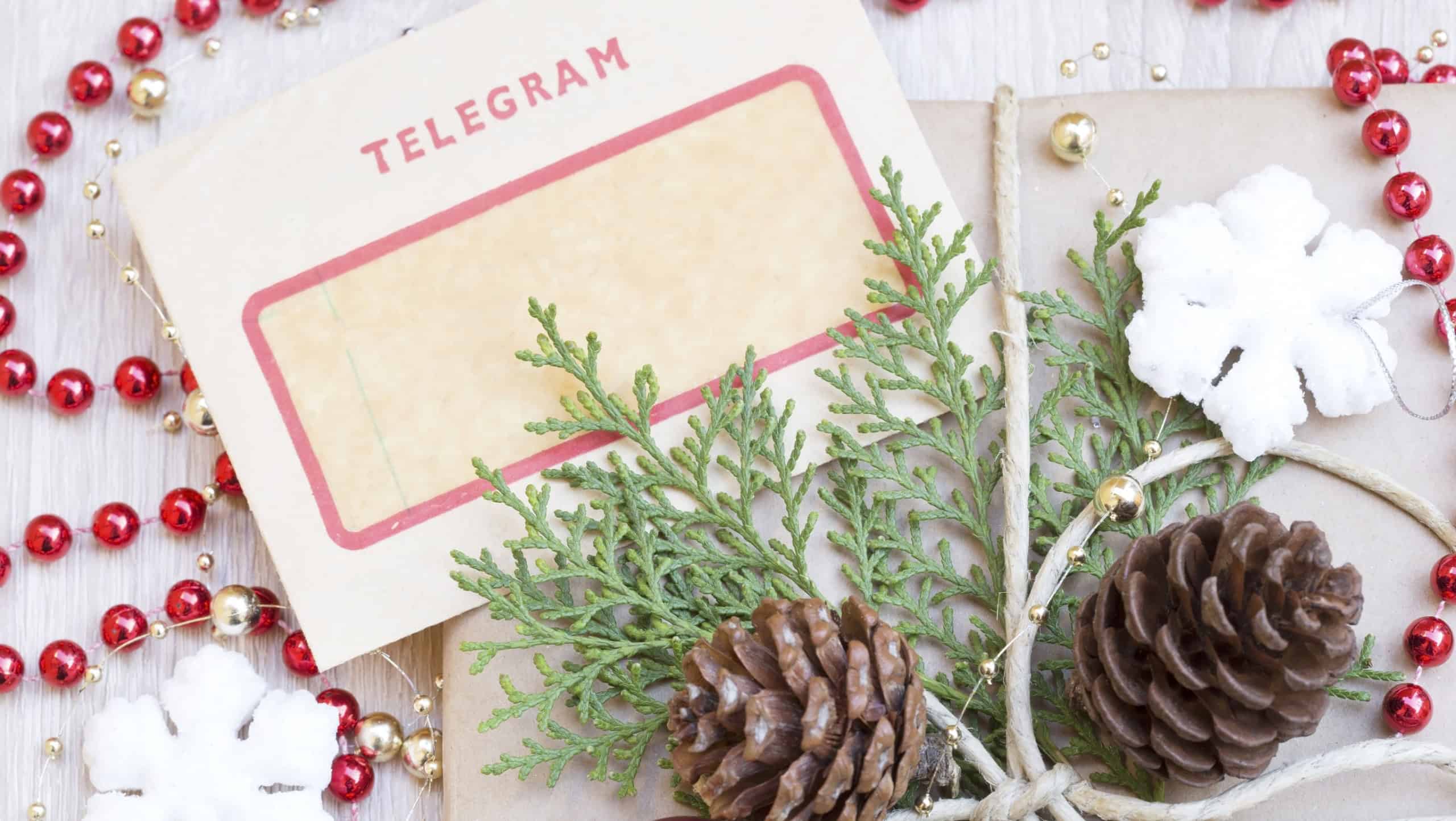
If there was a critical situation or huge family news that couldn’t possibly wait for regular mail, your grandparents would have sent a telegram.
Essentially this involved heading down to your local Western Union office and having a clerk bang out your message over literal wires using Morse code, where it would be printed out at the other end and delivered by a person on horseback.
It required users to write in short, choppy phrases with unnecessary punctuation ruthlessly stripped out, because you were charged for every single word you used. Telegram went extinct after widespread affordable long-distance phone service became available following WWII.
Knickerbockers
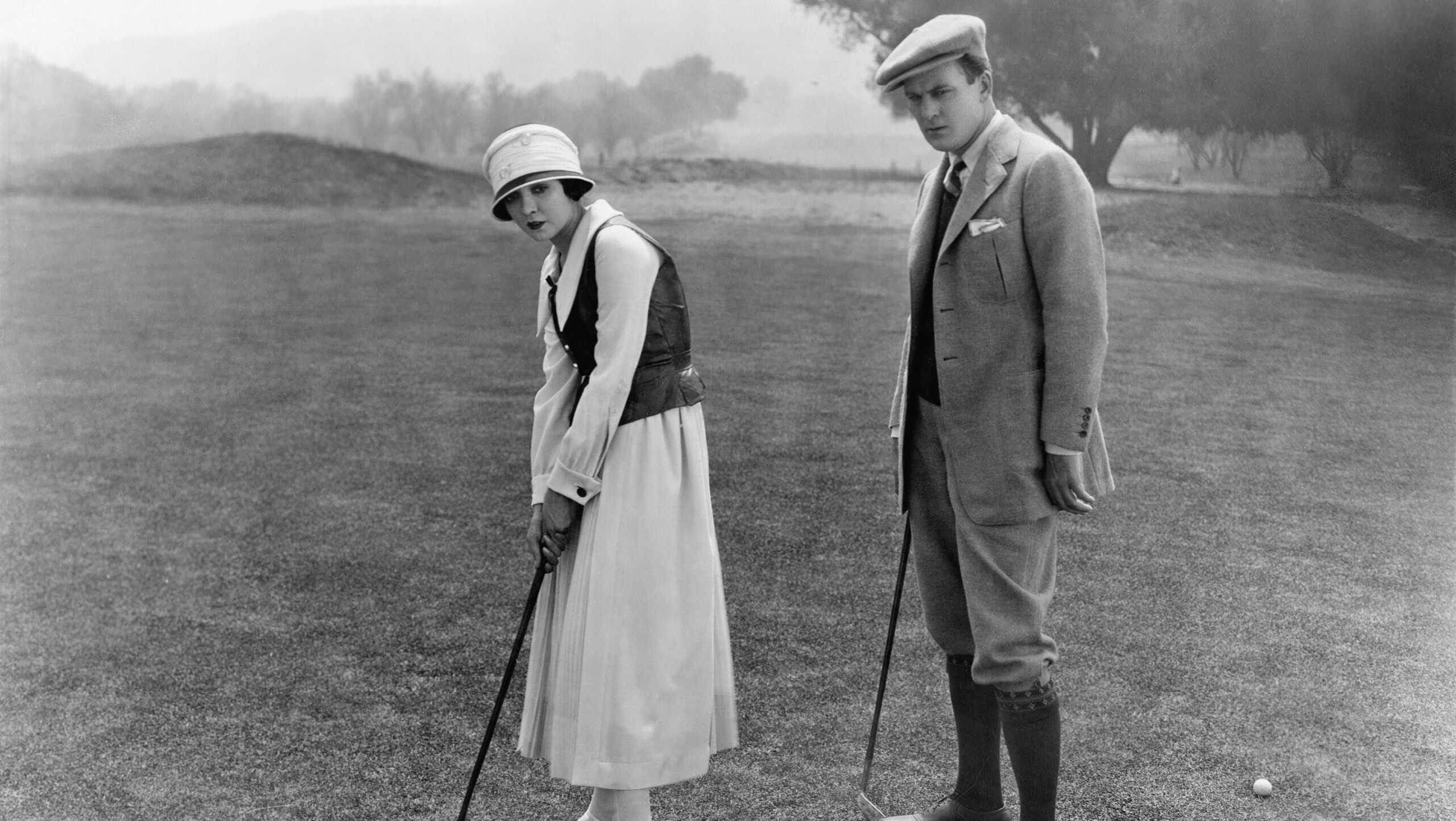
Boys did not wear modern casual shorts or standard-cut denim jeans as everyday attire before their teenage years throughout the early- to mid-twentieth century.
Instead, boys sported knickerbockers, which were roomy trousers that fastened snugly beneath the knee, paired with thick wool socks pulled up to keep their lower legs cozy.
Boys wore them until they hit their mid-teens when they were allowed to wear adult-length trousers in public for the first time.
With clothing styles becoming much more casual and uniform after World War II, this distinct clothing tradition faded away, and the term itself ended up being just the name of a New York basketball team.
Sources: Please see here for a complete listing of all sources that were consulted in the preparation of this article.
10 breakfast foods your grandparents loved but you’ve probably never tried
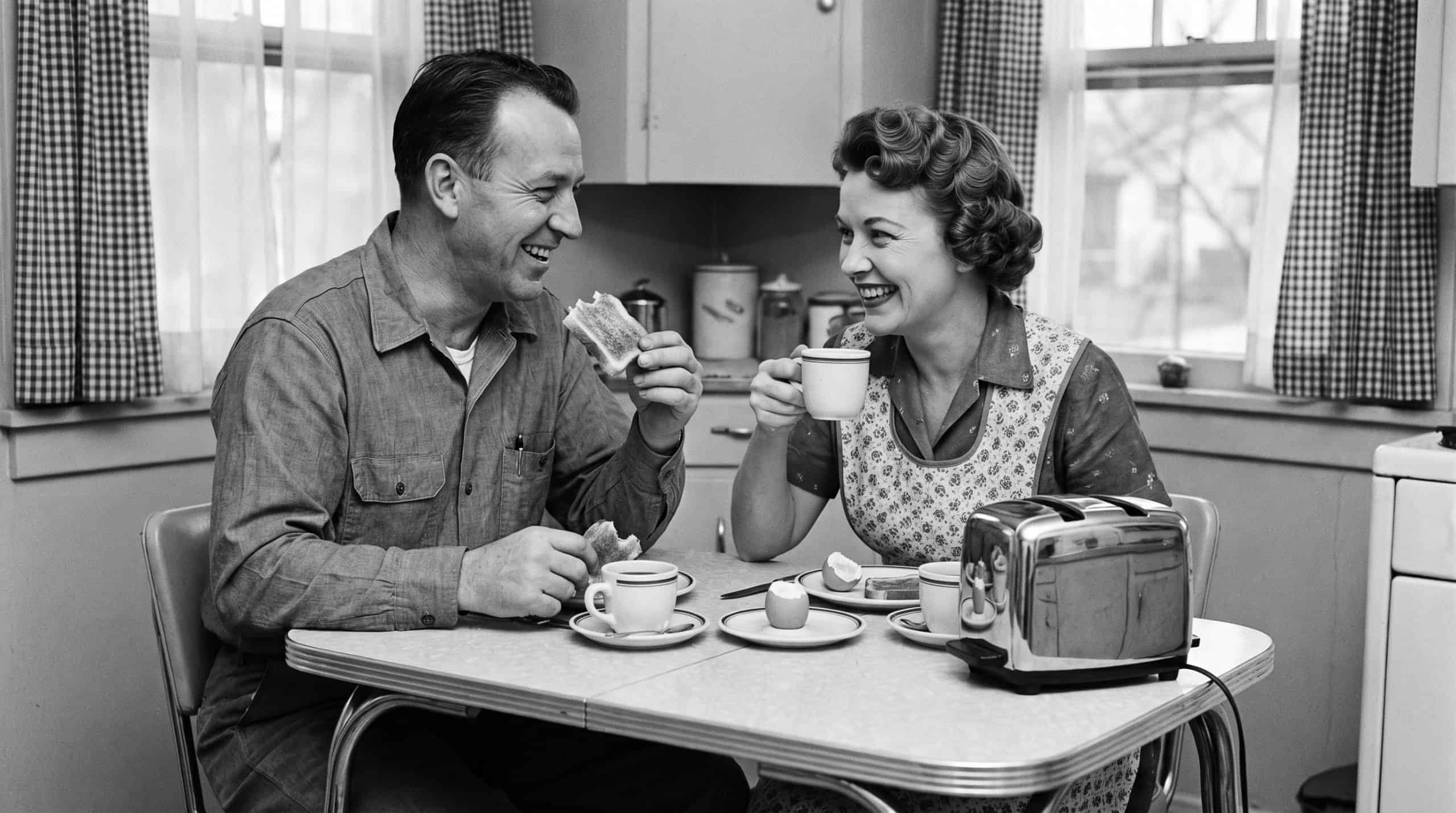
Your grandparents grew up eating these for breakfast, but no one makes them anymore.
10 breakfast foods your grandparents loved but you’ve probably never tried


