
A lot of us are taught a story about Jesus’s mother that’s way more polished than the reality, and as it turns out, her life was a lot stranger and rougher than you might realize.
A name that traveled
Her name, for one, wasn’t really Mary, as that sort of name didn’t exist in the local language. It’s more likely that her name was closer to Miriam or Maryam, especially since the Greek texts call her Mariam and Maria.
The English translation is Mary, yes, but that doesn’t mean it’s what people called her at the time. She even has different names in Islam, like Ma’suma, Mustafia, Qānitah, and many more.
Two small birds

There’s a pretty important moment after Jesus was born that not many people focus on. Luke mentions how Mary and Joseph bring ‘a pair of turtledoves or two young pigeons’ to the Temple, and that’s a pretty telling offering because it lets us know about her financial status.
These birds were what people who couldn’t afford a lamb would give. At least, according to Leviticus. We can read between the lines and understand that Mary was likely from a very poor family.
A day with sore hands

Mary would’ve lived a very difficult life at the time, not just because she was poor, but because of how Nazareth was. It was a place with around a few hundred people, some simple homes, not much else.
A normal day for Mary?
That’d mean hauling water and grinding grain, then cooking, cleaning, and washing. It’s highly unlikely she wore a blue robe or anything because that would’ve been too much for her simple chores.
A question in the room

Luke’s version of Mary isn’t what people expect, either, because she’s not shown to be a woman who simply stands there. No, she directly asks the angel Gabriel questions when he tells her she’ll give birth to Jesus. She even gets a speech.
That might not sound like much, but it shows that she wasn’t simply a passive person in the Bible, and she was someone who was willing to speak out, willing to express herself. Most people think she was only a bystander in the whole story.
Someone came to get him
Families. We all have them, and we all have awkward moments with them. Mary was no exception. There’s a moment in Mark 3:21 when Jesus’s family hears about what’s happening, so they go out to restrain him. They believe he’s ‘out of his mind.’
It doesn’t take long for his mother and brothers to step out, suggesting that the pair of them were the ones who thought Jesus was losing it. Maybe Mary thought her son was losing his mind and tried to take charge of him? That’d make her a lot more active, too.
A different plan
Look at Matthew’s version of Mary, and you might notice something quite scary about Mary’s life. She was pledged to Joseph and was found to be pregnant before they lived together, so Joseph planned to divorce her.
Betrothals in those days were a lot stronger than modern engagement, and in fact, they had legal weight. People in those days saw any kind of sexual wrongdoing by a betrothed woman as adultery, and the punishment was stoning. Ouch. Mary was under real threat.
An ending left offstage
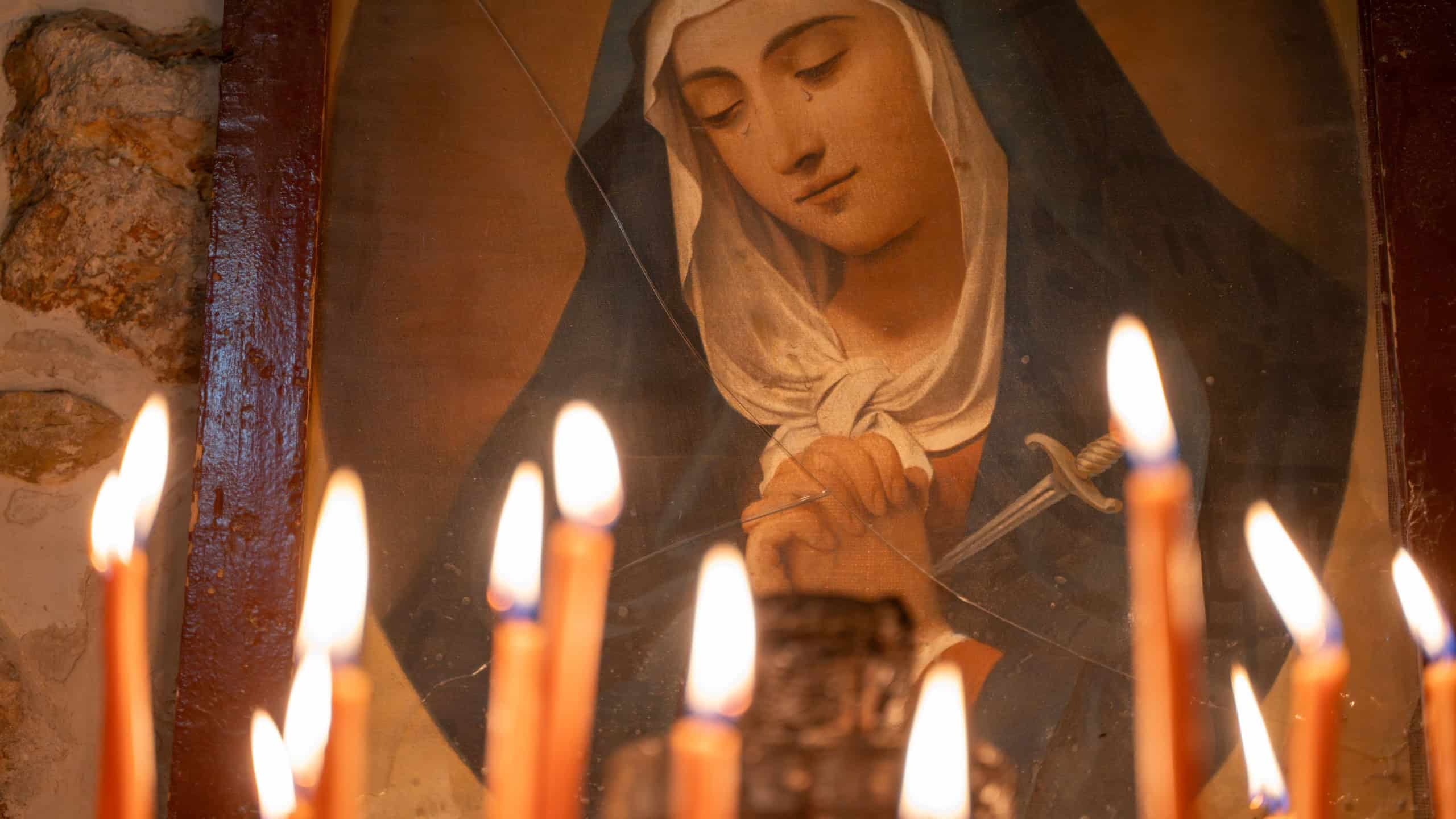
You’d think that, as the mother of Jesus, Mary would have many things written about her. But no. The New Testament doesn’t really say much about what happened to her, apart from her being with the believers after Jesus’s ascension in Acts.
She prays with the apostles, prays with other women, prays with Jesus’s brothers, and then nothing else. She doesn’t get a final speech or any kind of mention regarding what actually happened to her. Mary just disappears from the page.
Not from a Christmas card
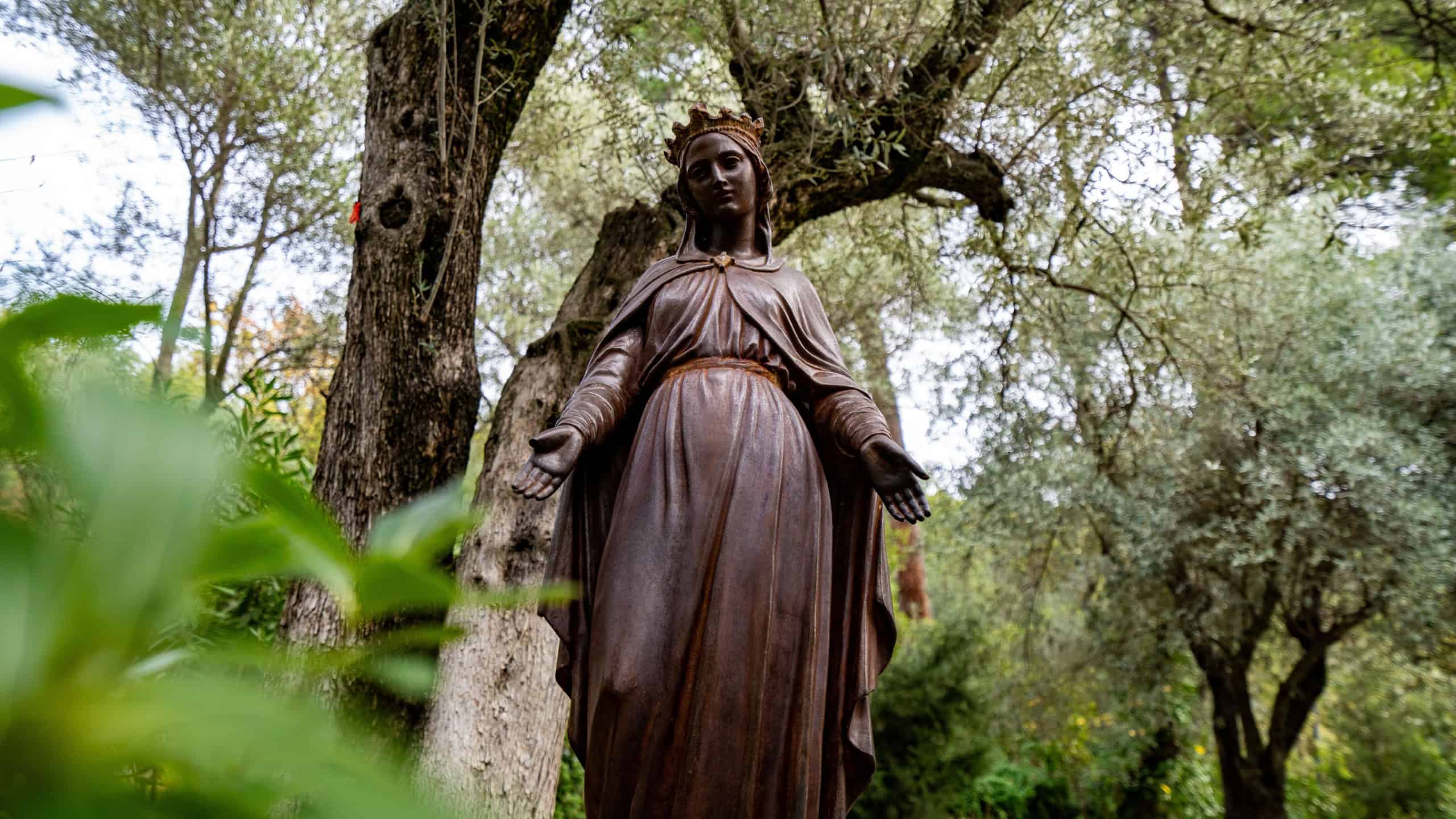
The paintings show Mary as a soft, European-looking figure. They’re wrong. She was a woman living in Nazareth, after all, so she wasn’t anything like most illustrations we have of her today. We also can’t forget the importance of her religion.
She was a Jewish woman living in a Jewish village, meaning that a lot of the food practices and customs she lived out day-to-day would’ve been Jewish, too. The idea of her being a Christian woman couldn’t be further from the truth.
Back home again
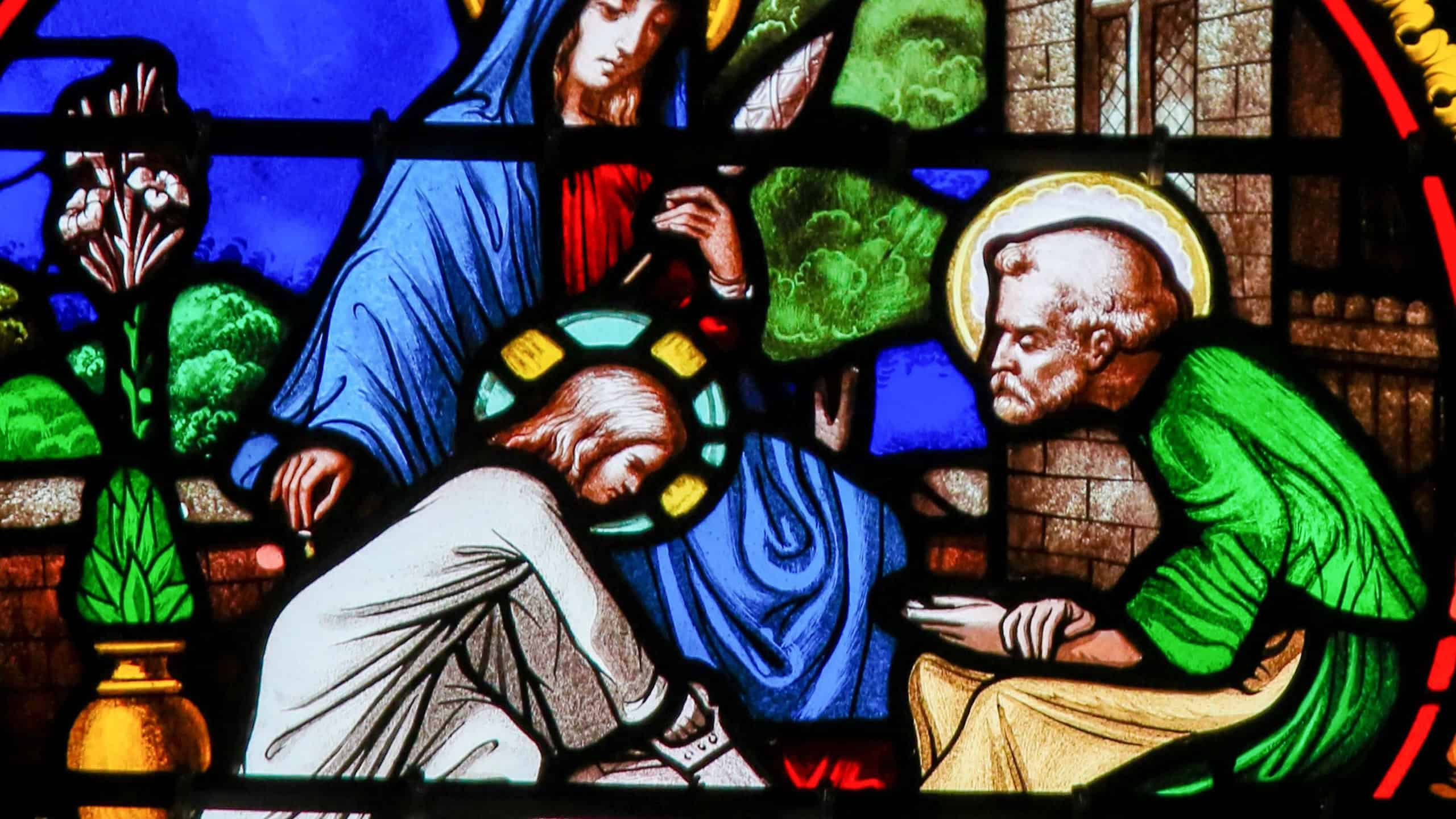
So many people assume that Joseph was the head of Jesus’s household because he was a man. The Bible suggests something different, however, and the most telling part is in Luke 2:51. In this section, Jesus is found in the Temple and taken back to Nazareth, his home.
It’s during that moment that Luke talks about Jesus being obedient, or subject, to Mary and Joseph. That’s right, not just Joseph, Mary too, meaning that she actually had some power over her son, and was kind of an equal with Joseph.
Words mostly spoken aloud
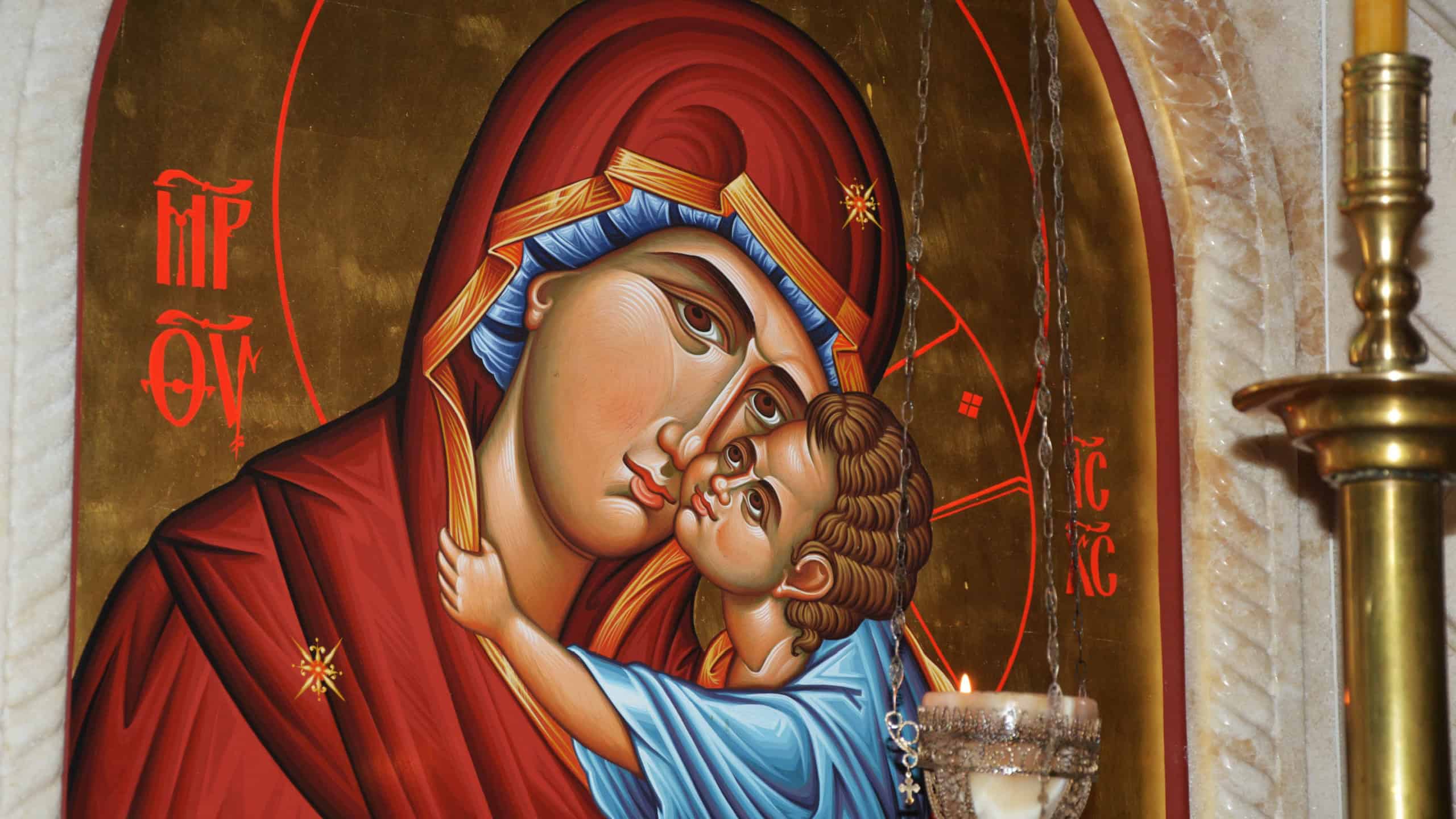
It’s completely possible that Mary could read a few words, but it’s highly unlikely that she was able to read a lot. Literacy rates weren’t exactly high in first-century Palestine, for one, and historians estimate total literacy rates were around 3 percent. It was even lower in the villages.
That’s not even taking into account how much lower women’s literacy rates were. It doesn’t mean Mary was completely clueless or anything, it’s just that all those prayers, songs, and family readings weren’t something Mary would’ve read. She would’ve only heard them.
Sources: Please see here for a complete listing of all sources that were consulted in the preparation of this article.
10 remarkable facts about Mary, the mother of Jesus
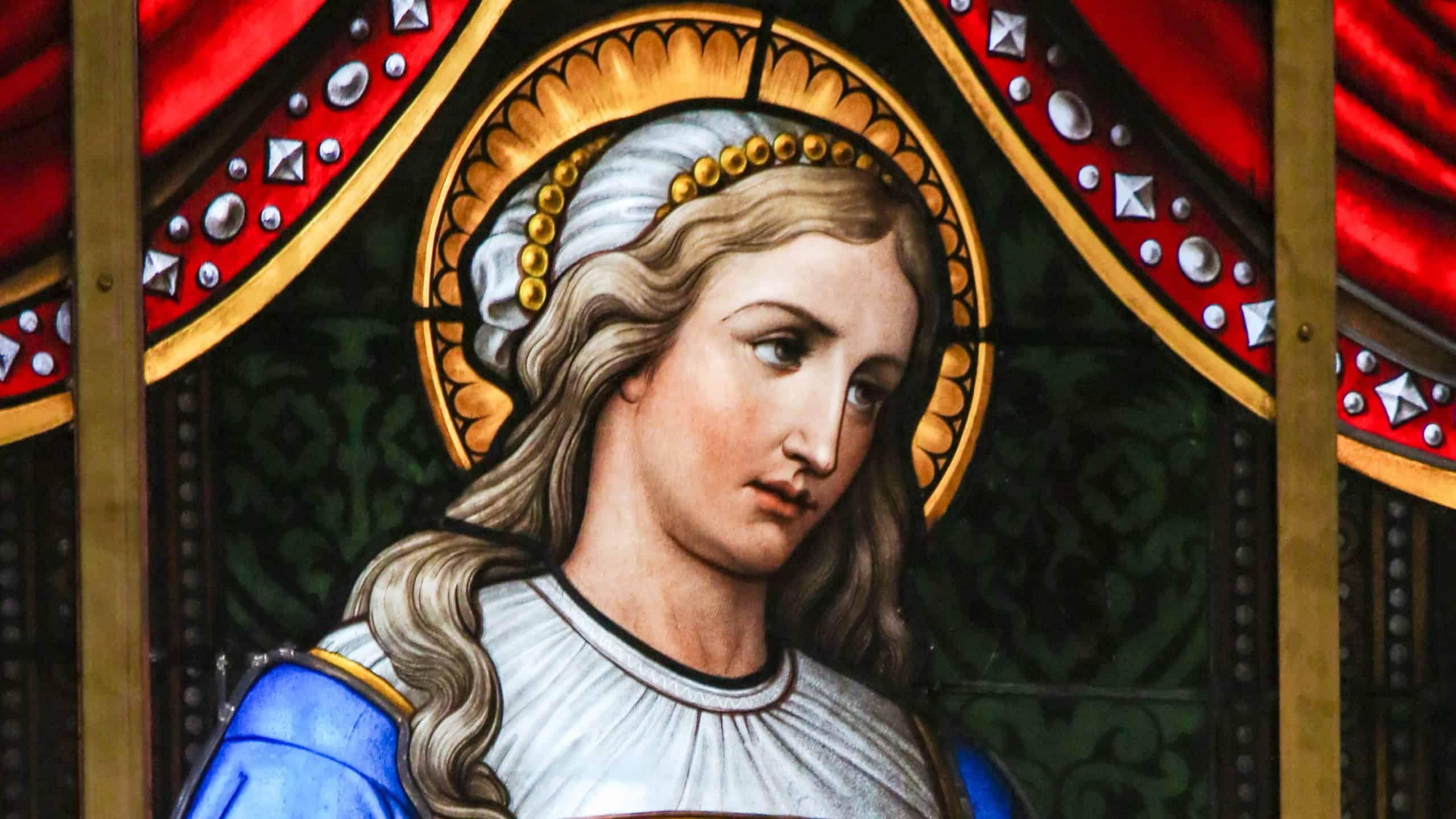
Mary’s easily one of the most important people in all of biblical history, and here are ten remarkable facts about her that you may not know.


