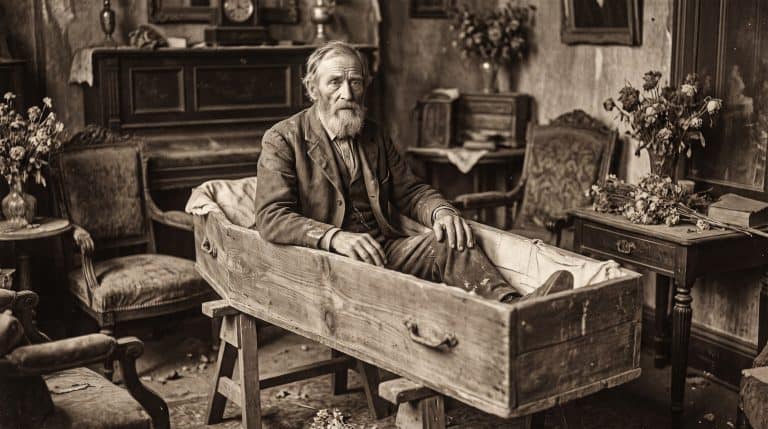

Believe it or not, there have been people throughout history who have successfully faked their own deaths.
Philip St. John Wilson Ross

When news traveled through a small village in England in 1955 that their church minister had drowned while vacationing, villagers cried the tragedy. His wife hosted the funeral and his congregants mourned the loss of a wonderful leader.
In 1957, someone from his former church was vacationing in Switzerland and saw the preacher walking down the street with his secret mistress.
He had fraudulently caused his own death to leave his wife and job without going through a scandalous divorce.
Francisco Paesa
This clever Spanish spy was involved in an international multi-million-dollar government fraud scandal in the mid-1990s.
Realizing that the authorities and some very bad hombres were looking for him, Paesa staged his own fatal heart attack in Thailand in 1998. He purchased a death certificate and bribed Spanish media outlets to run obituaries announcing his death so that his foes would leave him alone.
His ruse succeeded until 2004, when reporters located him living lavishly as an undercover arms merchant.
Jerry Balisok

An American professional wrestler and felon, Balisok was wanted on serious fraud charges in the late 1970s. However, in 1978, Balisok pretended to be one of hundreds who died in the Jonestown Massacre in Guyana.
He convinced the FBI he’d perished in the massacre, and with so many unclaimed bodies, the authorities assumed he was dead and dropped his case.
For a decade, he carried on under a different identity, only to be apprehended by authorities for an unrelated offense and have his fingerprints taken.
Violet Charlesworth
British con artist, Violet Charlesworth tricked investors into giving her their money in 1909 by telling them she was about to inherit a massive family fortune. Many agreed to give her large sums of money, trusting her to pay it all back.
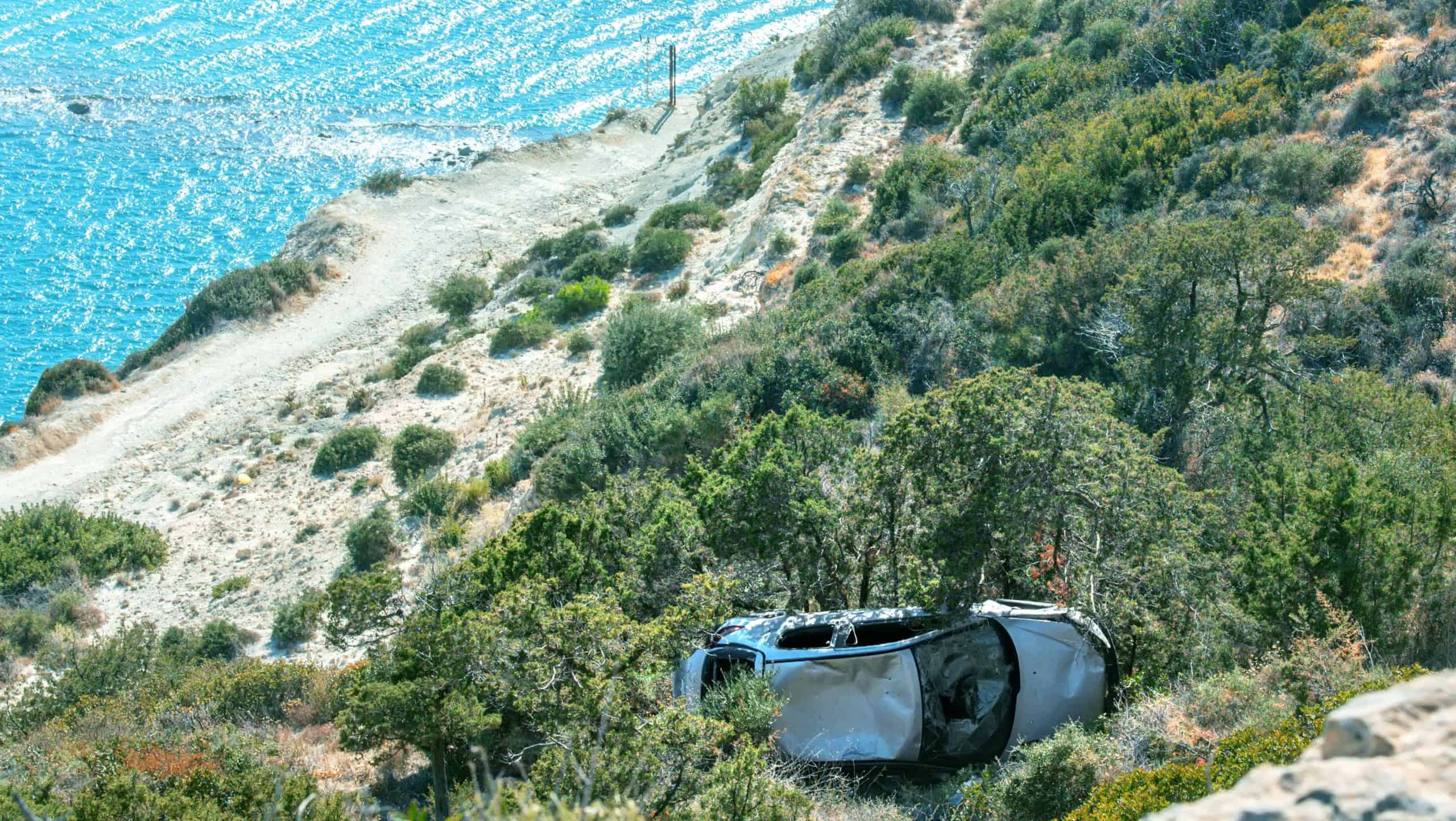
When investors started to question her and demand their money back, she decided she needed to disappear. Driving along the coast of Wales, Charlesworth drove her vehicle off a cliff. Her family informed authorities that they watched her drive over the cliff, killing herself.
Her plan didn’t work out. Many suspected her crash was faked and less than a month later she was found alive, relaxing in a fancy hotel in Scotland. Her supposed death hadn’t hidden her actions, and her deception eventually caught up with her.
Aleksandr Uspensky
In 1938, a senior official in Soviet secret police discovered that he was on Joseph Stalin’s list of people to be executed.
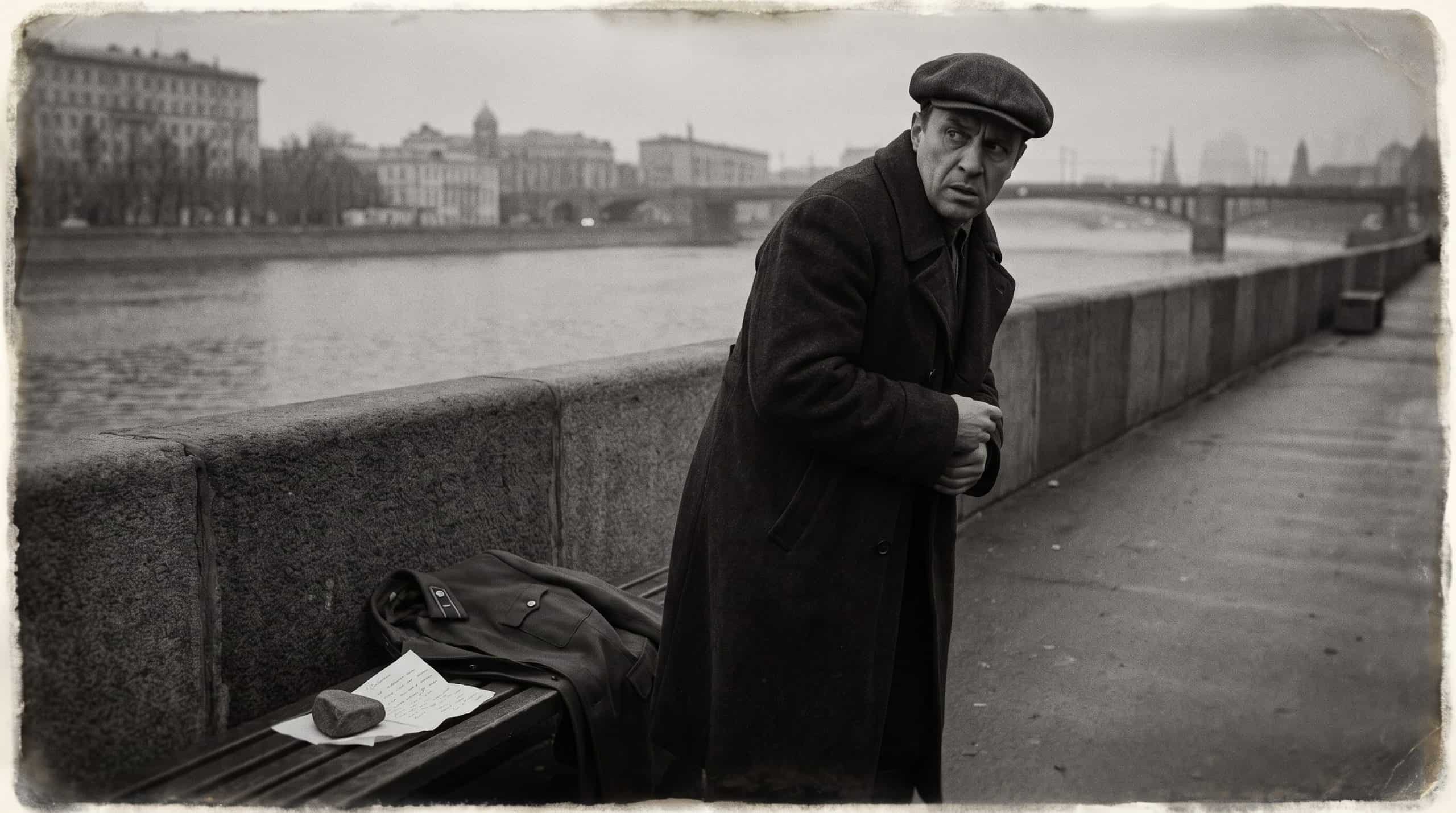
To escape his fate, he shed his uniform and left it with a suicide note by the Arbat River in Moscow, staging his own drowning before slipping away to Siberia as a poor laborer with forged documents.
The Soviet authorities were not convinced by the suicide theory, pursued him for a year, then arrested and shot him in 1939.
Horst Kopkow
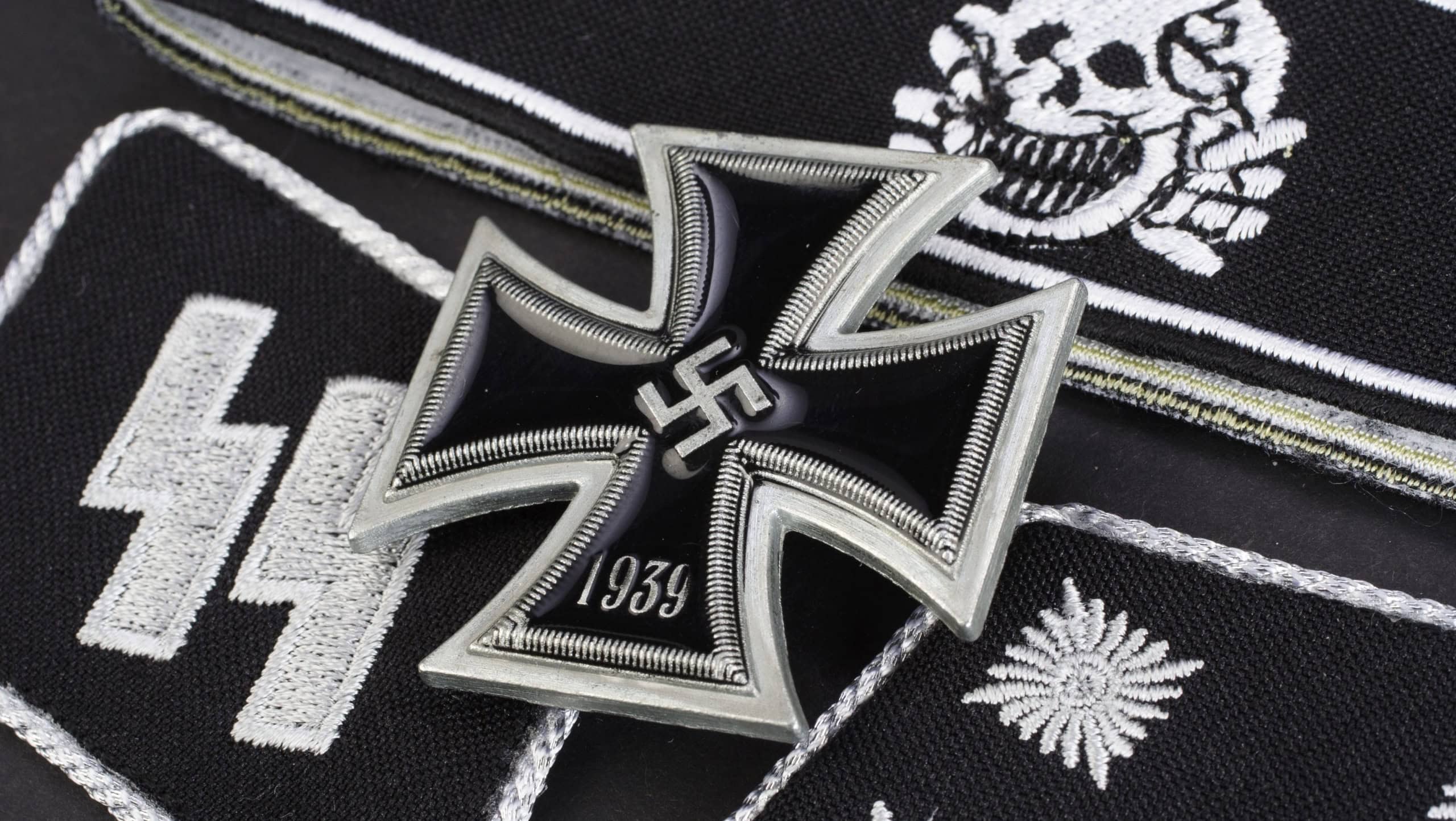
Horst Kopkow was an officer of the Schutzstaffel (SS) of Nazi Germany during World War II. Kopkow was responsible for hunting down members of the resistance, and he was associated with the arrests and deaths of multiple British spies operating behind enemy lines.
Kopkow was detained by British intelligence after the war. Rather than immediately putting him on trial, authorities decided that Kopkow knew too much about Soviet spy networks to simply turn loose. During the early stages of the Cold War, his expertise became quite valuable to them.
Reportedly suppressing evidence of his survival to avoid negative attention, British intelligence spread rumors that Kopkow had died of illness in 1948. Using a new identity, Kopkow sidestepped war crimes prosecution and began working for West German intelligence, where he stayed until his death.
Robert Lenkiewicz

British artist, Robert Lenkiewicz spent much of his life studying death and people’s responses to it. Always wondering what happened to someone after they died, Lenkiewicz set about finding out with an interesting experiment.
At one point in 1981, Lenkiewicz talked one of his rich friends into convincing newspapers that he had suddenly died. Once reporters started to run with the story, Lenkiewicz went into hiding in a secret room in his friend’s house.
From there he spent days reading newspaper obituaries about himself and listening to radio announcers pronounce him dead. After letting the story run its course for a few days Lenkiewicz sprung his little secret.
He told everyone that he was in fact still alive and hadn’t died at all. It had all been an experiment to see how people psychologically responded to the death of someone.
C. J. De Garis
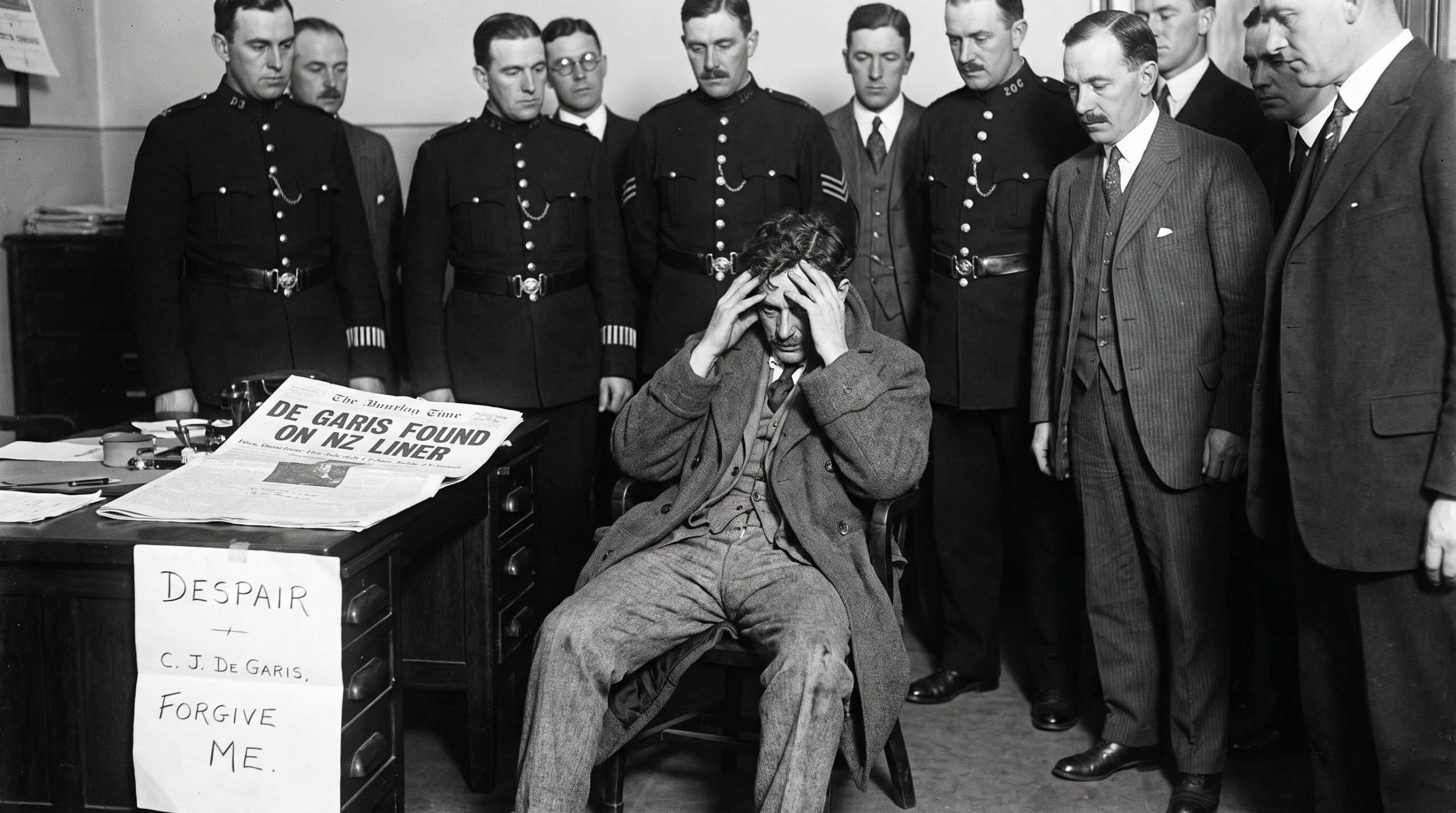
De Garis was an Australian businessman, pilot and theatre producer who headed up a large financial empire that collapsed completely in the mid-1920s.
Near Melbourne in 1925, he walked off and abandoned his clothes and a note confessing his despair.
The police mounted an extensive eight-day search until a keen-eyed passenger on a vessel heading to New Zealand happened to spot him. Upon the ship’s arrival in port, he was apprehended and brought back to Australia, utterly humiliated.
Raymond Grady Stansel

An American drug smuggler, Stansel was arrested by police in 1974 with over twelve tons of mar**uana.
While awaiting a trial that would undoubtedly have landed him in prison for life, Stansel vanished during a deep-sea fishing trip. He convinced the courts that he had fallen overboard and drowned, and his case was closed by a judge.
Forty years later in 2015, an elderly man perished in a car accident in Australia, and it turned out his fingerprints belonged to Stansel, who’d spent all those decades teaching scuba.
Timothy Dexter
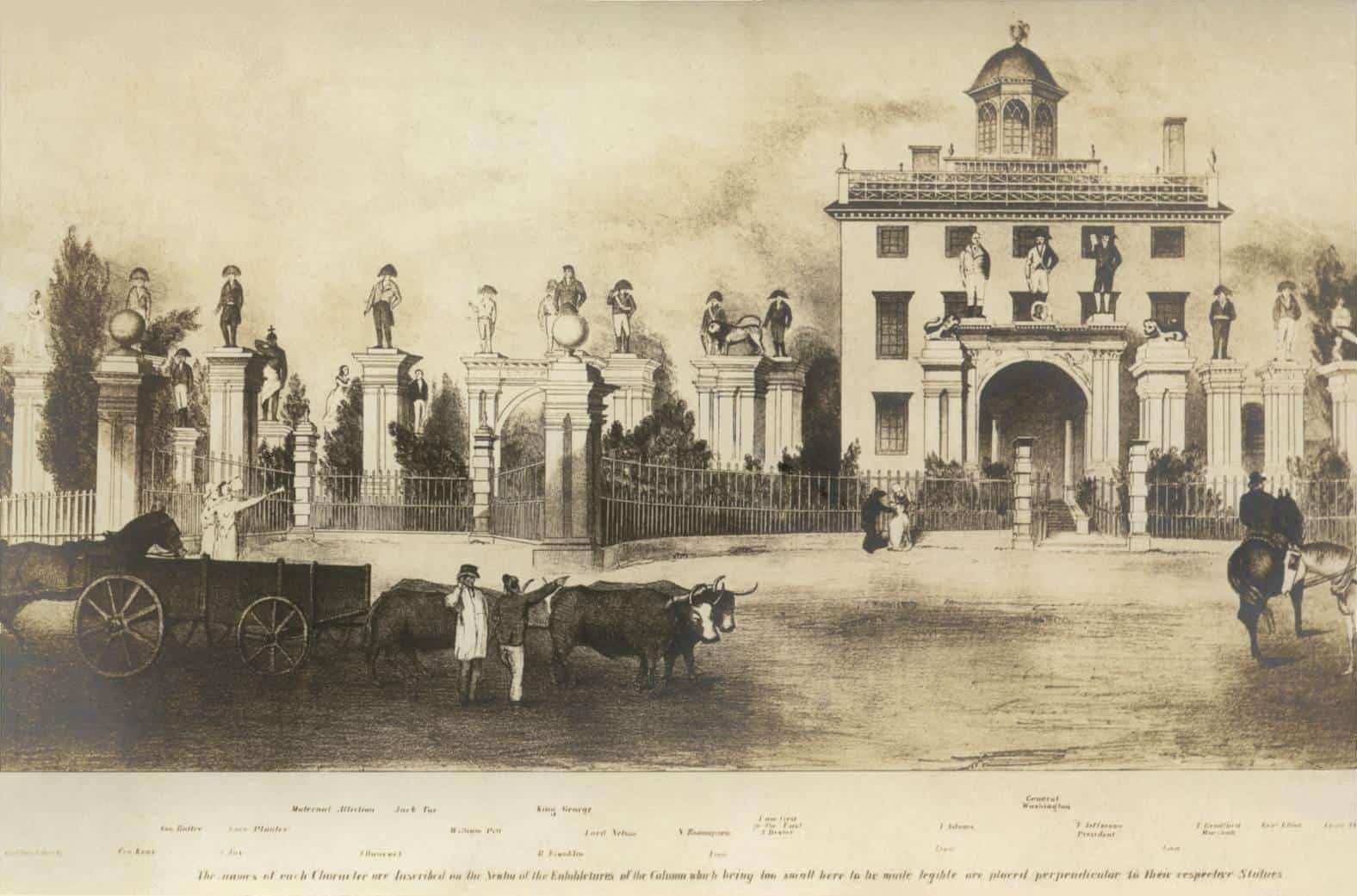
A wealthy businessman born into poverty in the late 1700s, Dexter became famous for amassing his wealth through extremely eccentric investments.
He was the target of frequent ridicule by his wealthy peers, something that hurt Dexter’s feelings and made him crave validation of how others viewed him.
In 1800, he hired his own family to pretend to throw him an expensive funeral at his home attended by thousands.
Peeking from his basement hideout, Dexter seethed when he saw his wife wasn’t putting on enough of a show of grief, prompting him to burst out and blow the whole charade.
David Friedland
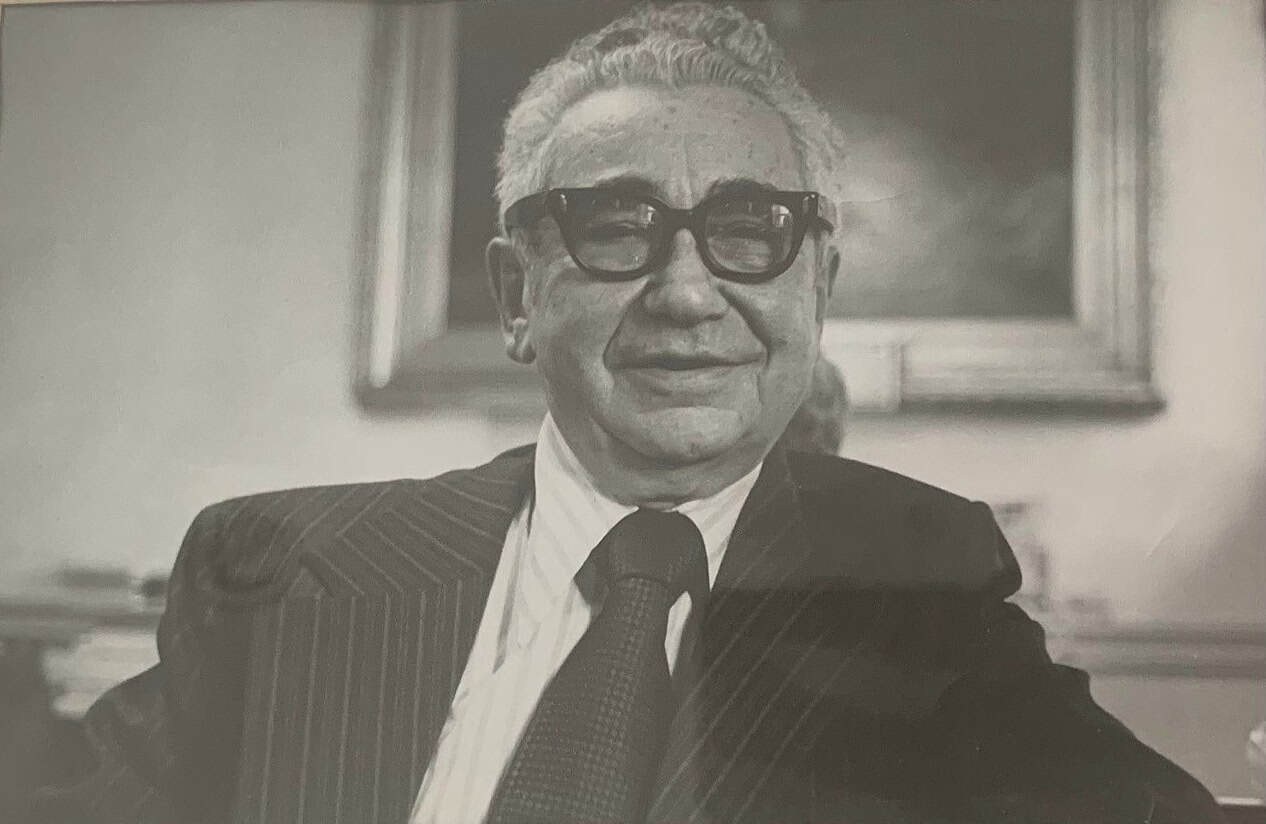
Former New Jersey state senator, David Friedland was looking at spending the next several decades behind bars when he was charged with illegally receiving kickbacks from a union pension fund.
Instead of accepting his fate, Friedland chose to flee from justice. During a scuba diving trip in the Bahamas, Friedland staged his own drowning and vanished.
While many accepted Friedland’s death as fact, federal authorities refused to close the book on the case. They kept him on their wanted lists at all times, operating under the assumption that Friedland was still alive.
Authorities were right to think so. In 1987, Friedland was located living in the Maldives Islands. He had found his place in paradise, starting his own resort there. He also managed to open his own chain of scuba diving shops.
Unfortunately for Friedland, his new-found lifestyle allowed him to be easily located.
Ken Kesey
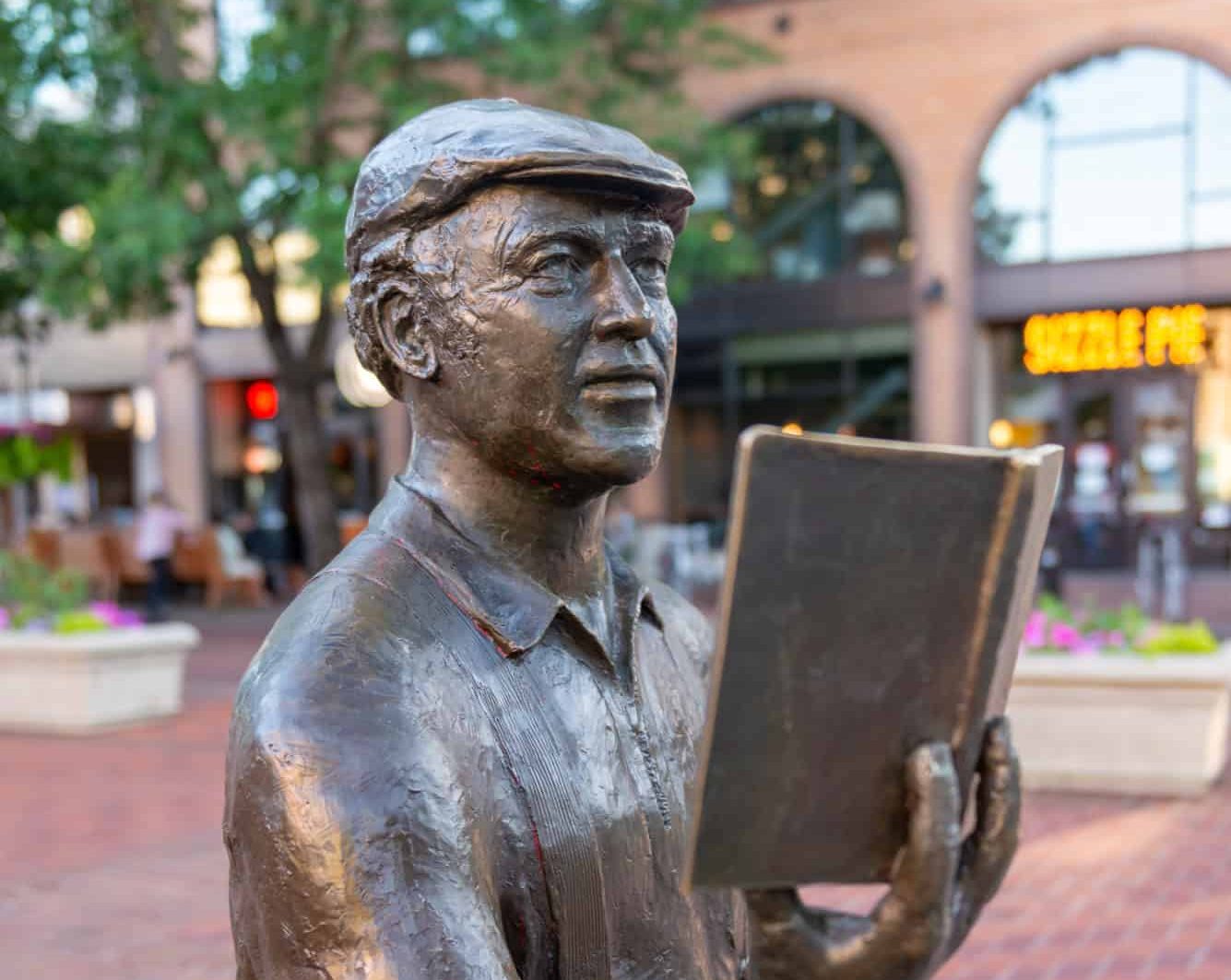
This well-known American writer penned One Flew Over the Cuckoo’s Nest and was deeply involved with the 1960s counterculture.
In 1965, Kesey was arrested twice for possession of mar**uana and faced mandatory jail time that he sought to avoid at all costs. With assistance from his friends, he abandoned his truck atop a California cliff with a grand suicide note in an attempt to fool authorities.
He fled to Mexico in the trunk of his friend’s car and lived in hiding for eight months, then re-entered the U.S. illegally until he was caught by the FBI.
Arkady Babchenko

In 2018, the shocking story spread that Russian journalist Arkady Babchenko had been shot dead in his home in Ukraine. Photos circulated online showing him lying on the floor, covered in blood.
But that wasn’t the biggest shocker. One day later, Babchenko walked into a news conference, alive. Journalists who had announced his death stared in disbelief.
Ukraine’s secret service had helped him stage his own death with pig’s blood in an elaborate sting to catch mercenaries who were conspiring to kill him.
Sources: Please see here for a complete listing of all sources that were consulted in the preparation of this article.
Like our content? Be sure to follow us.
11 of the most dangerous women in history
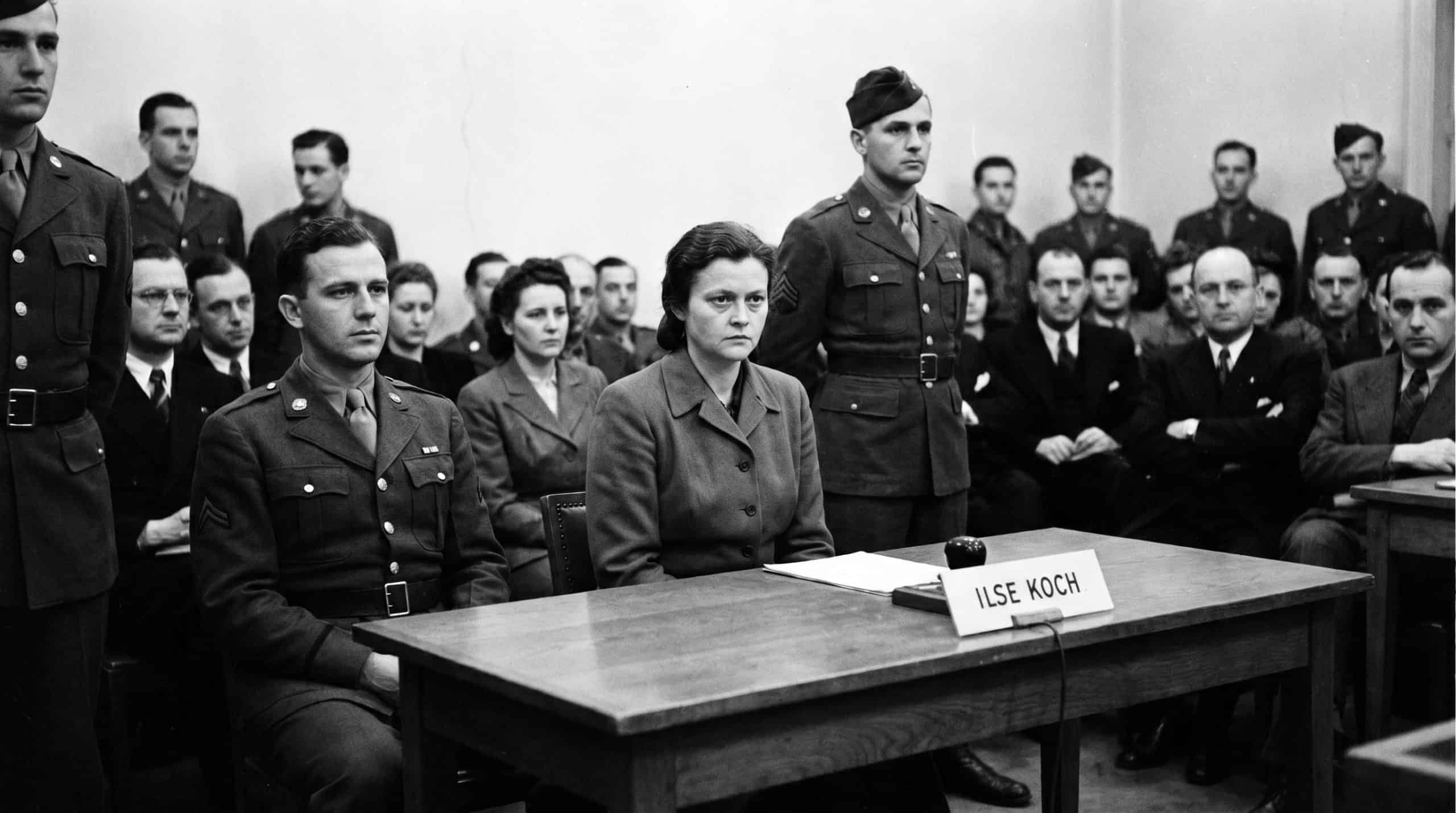
Some famous names come from battlefields, and some famous names come from incidents that you really don’t want to be a part of.


