

Every family has its fair share of arguments, but some royal families managed to turn broken marriages and sibling rivalries into the whole country’s problem.
King Stephen of England

Stephen was someone who inherited England in a bit of a different way. He just took the throne. Yes, Henry died in 1135, and the throne was supposed to go to his daughter and Stephen’s cousin, Empress Matilda. But Stephen crossed to England to take the throne himself.
He took the crown and forced everyone else to choose a side, with the effects of that choice dragging on for nearly 20 years. Castles changed hands and nobles switched loyalties. Entire regions collapsed before, finally, Stephen agreed Matilda’s son Henry could succeed him.
Henry II

It’s not exactly nice hearing that your wife and three sons have joined forces against you. That’s exactly what happened to King Henry II of England in 1173. His eldest son had already been crowned, but he basically had no actual authority. So he plotted against his father.
Eleanor of Aquitaine, the younger Henry’s mother, backed the rebellion. Richard and Geoffrey, the other sons, joined in as well, so did other foreign rulers. Somehow, royal family problems became an international affair, and Henry II managed to win.
Edward II

Losing your marriage is bad enough. Losing your kingdom along with it is even worse. Queen Isabella of England became annoyed over King Edward II’s dependence on the nobleman Hugh Despenser. Edward wasn’t happy and seized her lands while reducing her household.
But Isabella wasn’t going to take that lying down. So, she stayed in France, joined forces with the exiled Roger Mortimer, and returned to England in 1326 with troops. It didn’t take long for the royal government to fold. A failed marriage had somehow turned into an invasion.
Charles VI

By the late 1300s, King Charles VI of France became too unwell to rule, so his relatives moved in to figure out who could govern France for him. It ended up being a whole lot of drama. Charles’s brother Louis, Duke of Orléans, fought with their cousin John the Fearless, Duke of Burgundy.
John dealt with it all by arranging Louis’s murder in 1407, and then the royal court broke into Armagnac and Burgundian camps. They seized cities. They killed rivals. Eventually, Burgundy worked with England because France already had an enemy outside its borders.
Richard III
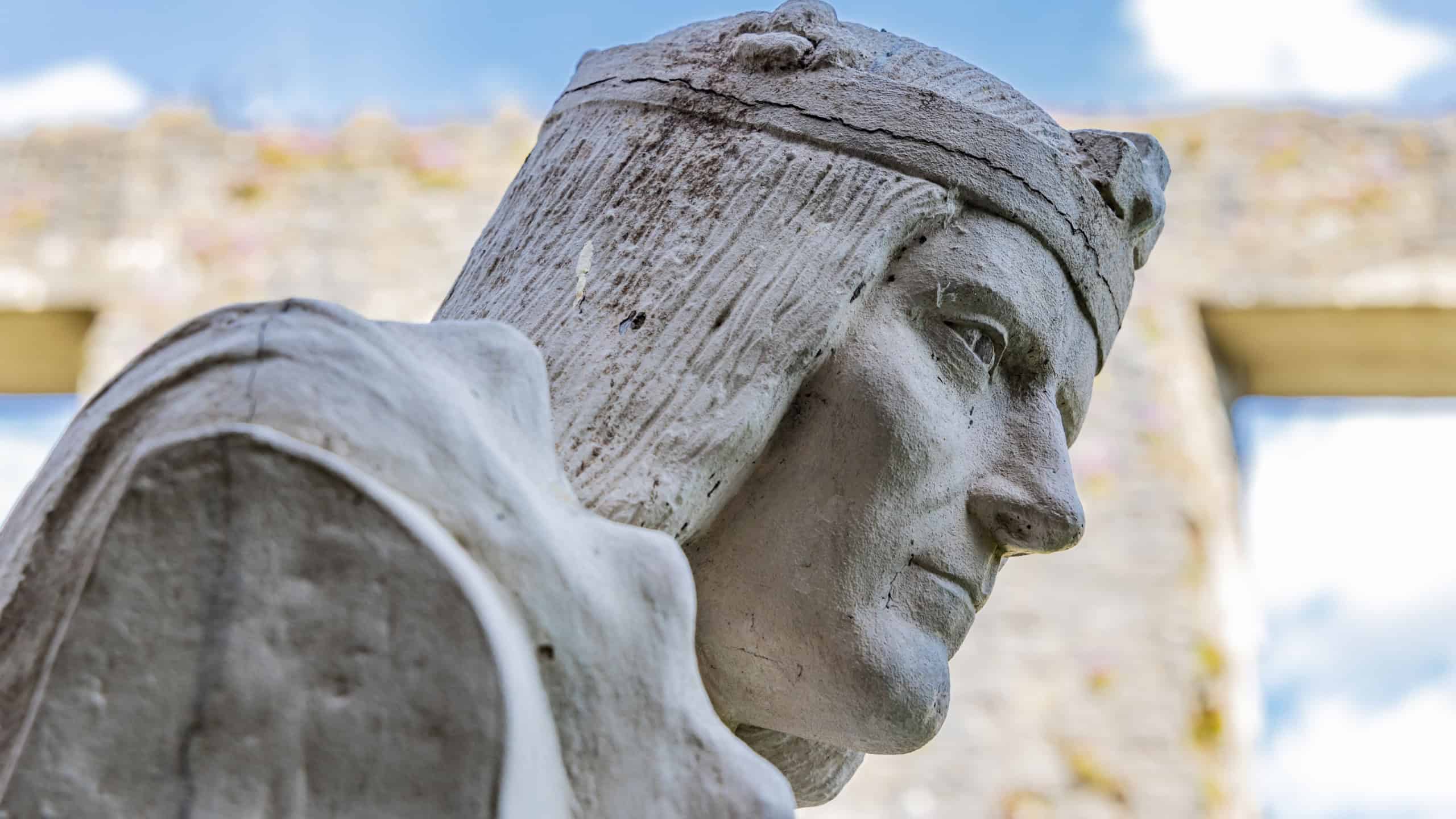
Edward V was only 12 when his father died, and he was next in line for the throne. He never reached his coronation. His uncle, Richard, took custody of him and arrested members of the boy’s mother’s family. Richard placed Edward and his younger brother in the Tower of London.
That wasn’t the end of it, however, as Richard claimed both boys were illegitimate. Kind of convenient, as it meant Richard had a clear path to the crown. The princes vanished soon after. Whatever happened to them is a mystery, but their disappearance led to all kinds of political drama and rebellions.
James II

Most English Protestants assumed James II’s heir to the throne would be one of his Protestant daughters. They were happy with that. Then, in June 1688, James’s Catholic wife gave birth to a son, meaning England now faced the possibility of a continuing Catholic royal line.
That single birth led to a succession crisis. Several leading figures invited William of Orange, James’s son-in-law, to take the throne, so he landed with an army. James fled. But then Parliament offered the crown to Mary and William anyway, so it was all kind of pointless.
Charles II
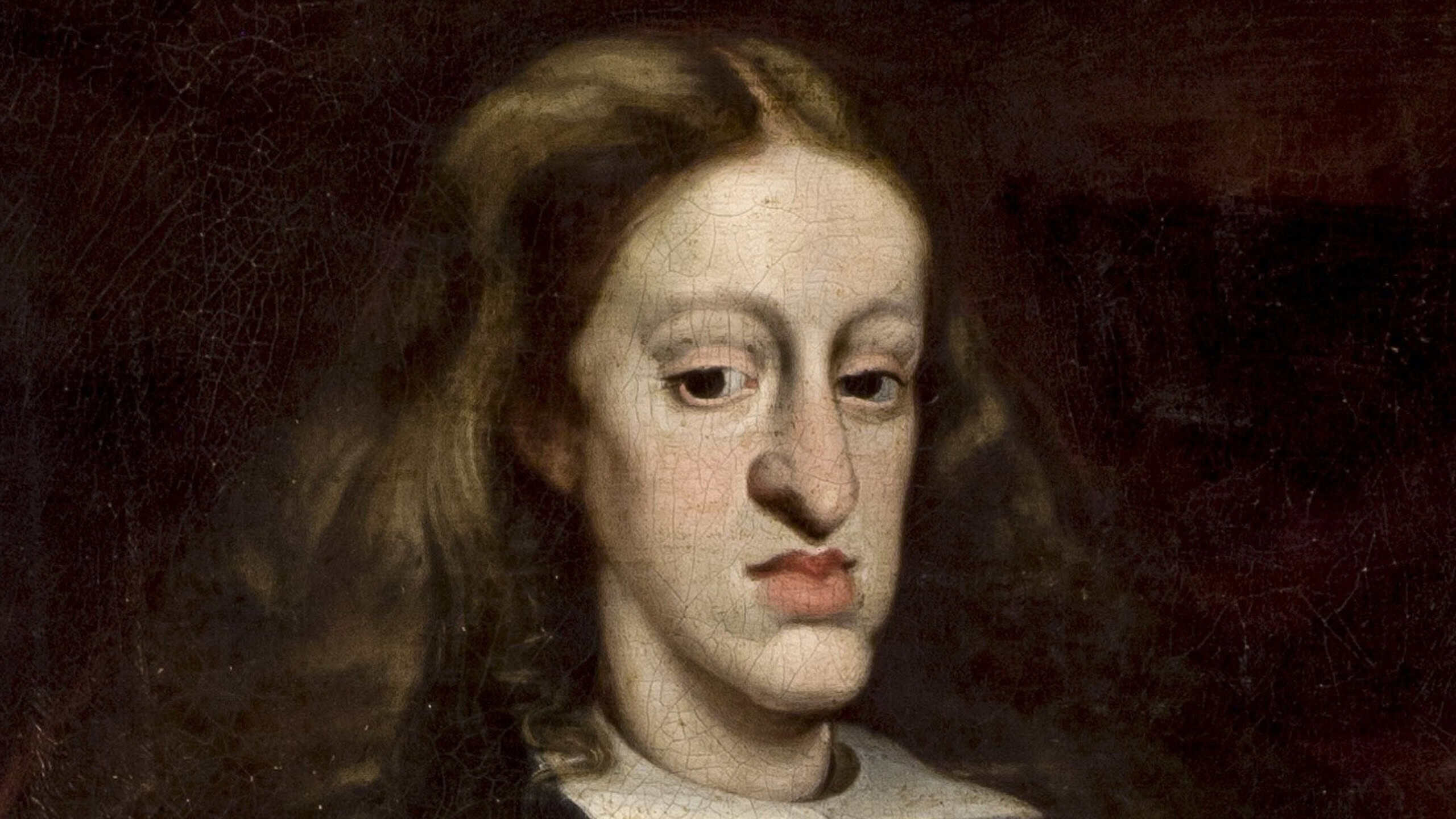
Two marriages, poor health, and no children. That was Charles II of Spain’s life, and the lack of an heir became all of Europe’s problem. In fact, officials were already discussing how to divide the Spanish Empire before he’d even died, it was that big of a problem.
Charles rejected their plans. He named Philip of Anjou, Louis XIV’s grandson, as heir to everything. Charles died in 1700, but rival powers refused to accept his plan. Europe plunged into war the following year as countries fought over one enormous family inheritance.
Ivan IV

One strike from Ivan IV in 1581 was all it took to eventually lead to the Time of Troubles. Ivan IV of Russia struck his eldest surviving son, Ivan Ivanovich, during an argument, and the younger man died several days later. Big trouble.
Now, Russia had lost the adult heir who’d been most prepared to rule. Ivan died in 1584, and the throne passed to Fyodor, his less capable surviving son, who later died with no heir. Their dynasty ended in 1598, and then began years of chaos, aka the Time of Troubles.
King Saud

The trouble with Saudi Arabia’s government in the 1960s was that it’d become stuck between King Saud and his brother, Crown Prince Faisal. They disagreed about spending and state finances. Above all, they disagreed about who was really supposed to run things.
In 1958, Saud gave Faisal broad authority and then reclaimed it later. He watched Faisal resign in 1960. The whole thing led to ministries and royal relatives splitting around the brothers, with Faisal eventually returning as prime minister in 1962.
King Milan

Some marriages involve arguments. Others involve battles over entire lands. King Milan I and Queen Natalie’s marriage became a fight over Serbian politics and their son, Alexander. Milan supported close ties with Austria-Hungary, while Natalie leaned toward Russia.
In 1888, Milan pressured the authorities into giving him a divorce without the proper legal grounds. Natalie, of course, refused to accept it. They soon argued over where she could live and whether she could see Alexander, while political groups gathered around each parent. Natalie was later exiled.
Crown Prince Dipendra

June 1, 2001, proved to be a deadly day for Nepal’s royal family. They gathered for dinner on that day, and by the end of the night, King Birendra, Queen Aishwarya, and several relatives were dead. The culprit was Crown Prince Dipendra, who then turned the gun on himself.
Weirdly enough, Dipendra survived the shooting and was left in a coma, but he still became king after his father died. He never regained consciousness and died three days later. His uncle, Gyanendra, inherited the throne, and that led to the Nepalese Civil War.
Isabella I

Henry IV of Castile died in 1474. Then he left two women claiming his crown. One of these women was his half-sister Isabella, while the other was his daughter, Joanna. But Isabella refused to sit by. No, she declared herself queen before the argument was even settled.
Joanna’s supporters answered by arranging for her to be married to her uncle, King Afonso V of Portugal, who invaded Castile. France backed Joanna, too. The disagreement over the throne soon became a full war, ending with Isabella ruling and Joanna entering a convent.
Miguel I

They had a plan. As awkward as it was, Miguel was going to marry his niece Maria II and serve as regent, following Portugal’s new constitution. But Miguel came back from exile in 1828 and threw that arrangement aside by dissolving the constitutional system.
He chose to take the crown for himself instead. Maria’s father, Pedro, then returned to Europe, beginning the War of the Two Brothers. It lasted until 1834, when Miguel lost and left the country.
Louis the Pious

Louis the Pious couldn’t catch a break. Each time he adjusted the family inheritance, another son was ready to reach for an army. It started with his first division, which favored Lothair, Pepin, and Louis the German. Then his second wife, Judith, had Charles.
Louis began choosing some land for the new boy, fair enough, really. But it was a mess, politically speaking, and his older sons rebelled. They switched alliances and forced him from power, restored him, and fought again. It was one long family argument spread across the Frankish Empire.
Sigismund III Vasa

In 1592, Sweden got a king. He mostly lived elsewhere. Yes, Sigismund III already ruled Poland-Lithuania and remained Catholic, so it’s no surprise the Swedish kingdom didn’t quite trust him. His uncle, Duke Charles, took charge while he was away.
Charles got support among Swedish Protestants, and their followers actually began occupying castles. They fought in Sweden and Finland until Sigismund returned with troops in 1598. He lost. A year later, he was deposed, and Charles eventually took the crown himself.
Sources: Please see here for a complete listing of all sources that were consulted in the preparation of this article.
13 royals who hated each other

No matter how polished royal families look from the outside, they still have feuds and arguments like the rest of us.


