

We’d like to believe the best romances fail due to intense drama or sudden upheaval, yet more often than not, the culprit is simply Father Time.
Tsar Alexander II and Princess Catherine Dolgorukova
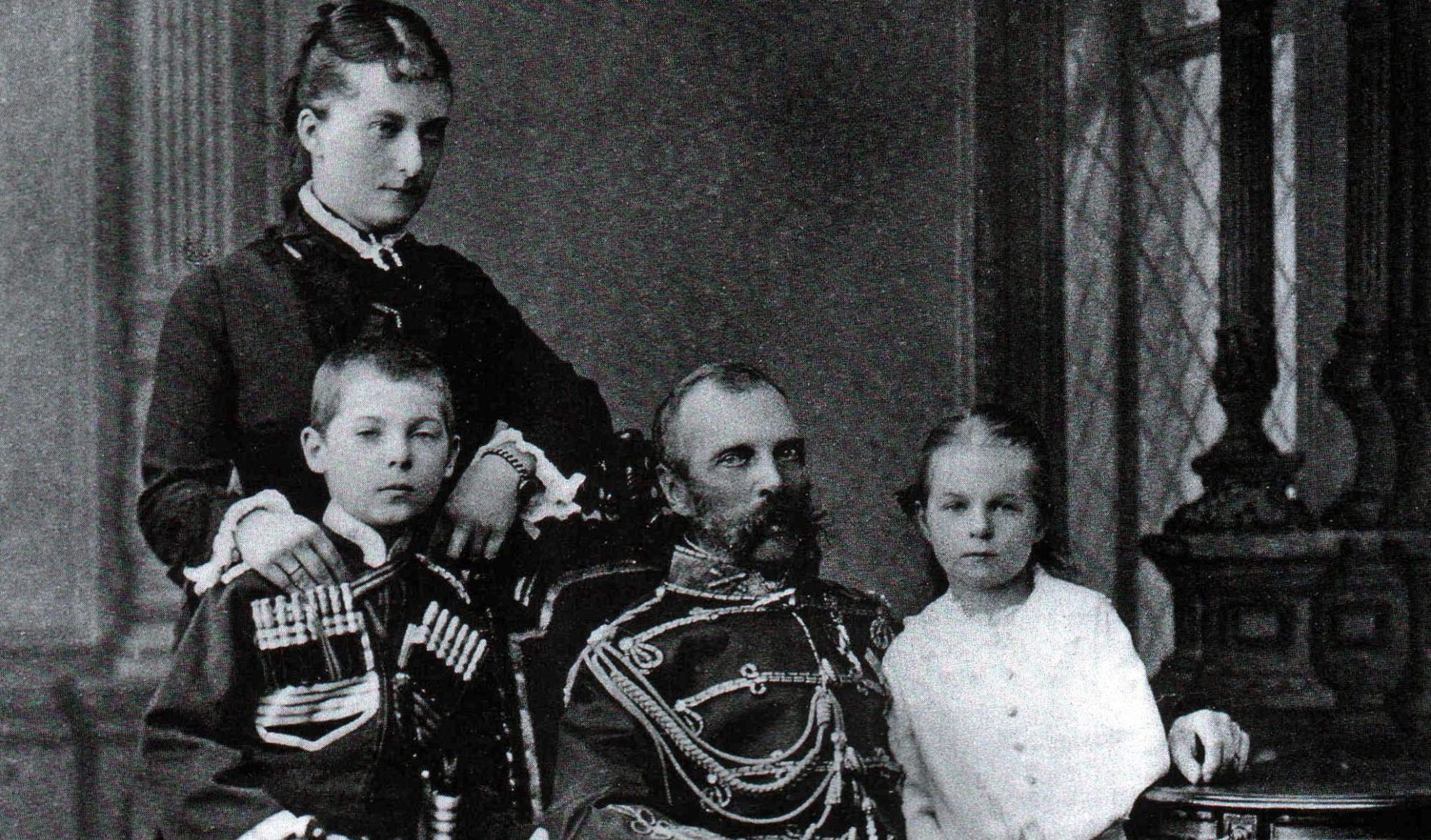
Long-hidden secret lovers of the Imperial Court, Tsar Alexander II finally wedded his mistress Catherine after the death of his wife, the Empress. He deeply loved her, legitimized their children together, and was preparing to officially crown her as Empress of Russia herself.
On March 13, 1881, he signed the draft of the “Loris- Melikov” proposal allowing a constitutional monarchy for Russia which would have guaranteed Catherine’s safety and status for all time. He set the documents on his desk before leaving his office to review the royal guards that morning.
Later that afternoon, Alexander was mortally wounded on the streets of St. Petersburg by a terrorist’s bomb. If the Tsar hadn’t died and had officially announced the upcoming reforms, everything Catherine had worked for would have been secure; instead his reactionary successor banished her from politics and forced her into exile immediately upon his death.
John Keats and Fanny Brawne
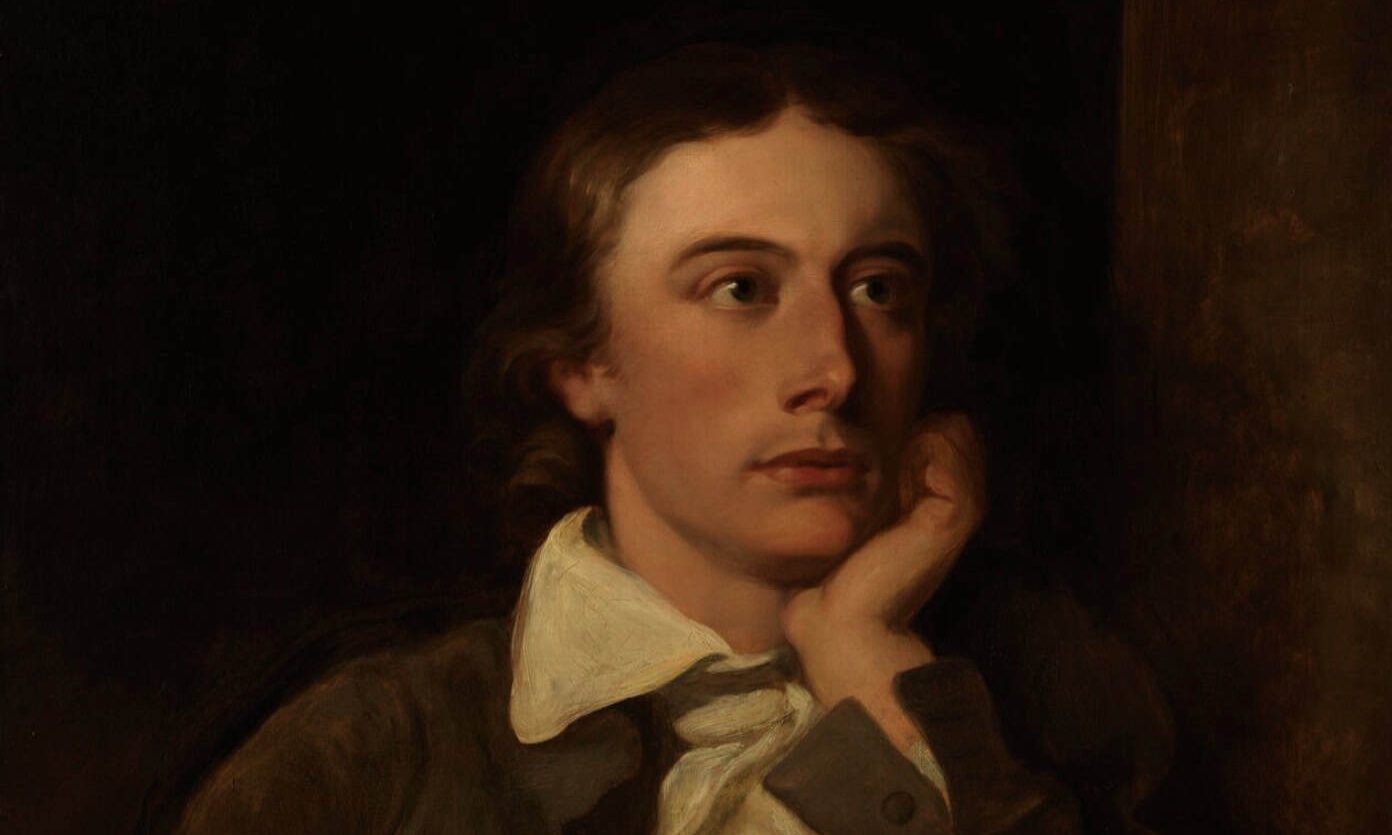
In 1818, the young Romantic poet found himself utterly smitten with Fanny Brawne. Their romance soon blossomed into an intensely romantic, secret engagement.
Keats had fallen in love, but he couldn’t afford to marry Fanny. Instead, they delayed their nuptials and Keats threw himself into his writing, striving to publish enough to make a living.
Right when his work was becoming successful and his talent was flourishing, he became infected with tuberculosis. The very same lung sickness that had already taken his brother.
Doctors warned Keats that London’s damp winter air would be fatal, prompting his move to Italy in September 1820. His final months were spent apart from Fanny, with the grim certainty that he’d never lay eyes on his beloved again.
Rome was where Keats met his end in February 1821, at the tender age of twenty-five. He was so troubled by their separation that he refused to read the letters Fanny had sent him before he died, leaving them stacked on his chest when he was buried.
Empress Elisabeth of Austria and Emperor Franz Joseph
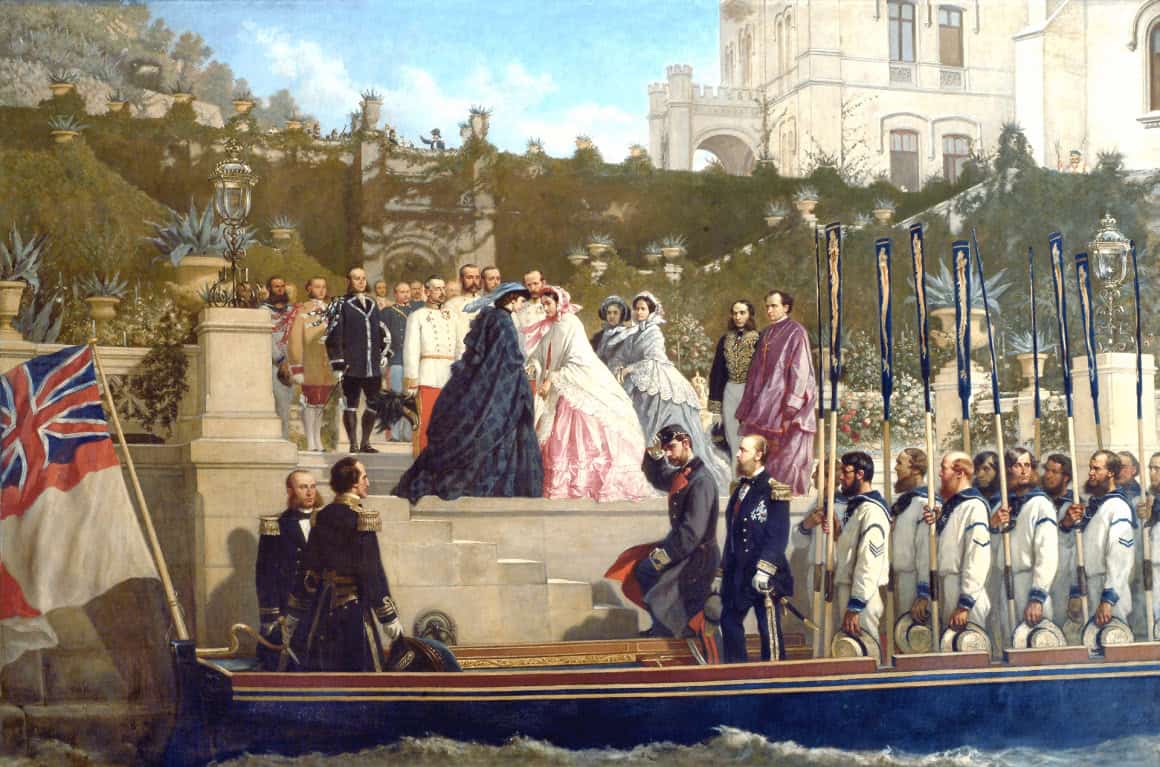
Back in August 1853, Emperor Franz Joseph of Austria was all set, thanks to his mother’s planning, to wed Princess Helene of Bavaria, known for her quiet demeanor and extensive training.
But as fate would have it, Helene’s spirited fifteen-year-old sister, Elisabeth (“Sisi”), ended up tagging along with her parents on their yearly summer getaway to Bad Ischl. Franz Joseph fell madly in love with Sisi and proposed marriage almost immediately, throwing his mother’s political intentions out the window.
Still a teenager and not quite ready for the suffocating, harsh customs of the Imperial Viennese court, Sisi was wed too soon into a precarious royal role. The union became a heartbreaking disaster, leaving Franz Joseph bound to his governmental responsibilities while his wife ran from court into psychological depression for the rest of her life.
Lord Byron and Countess Teresa Guiccioli
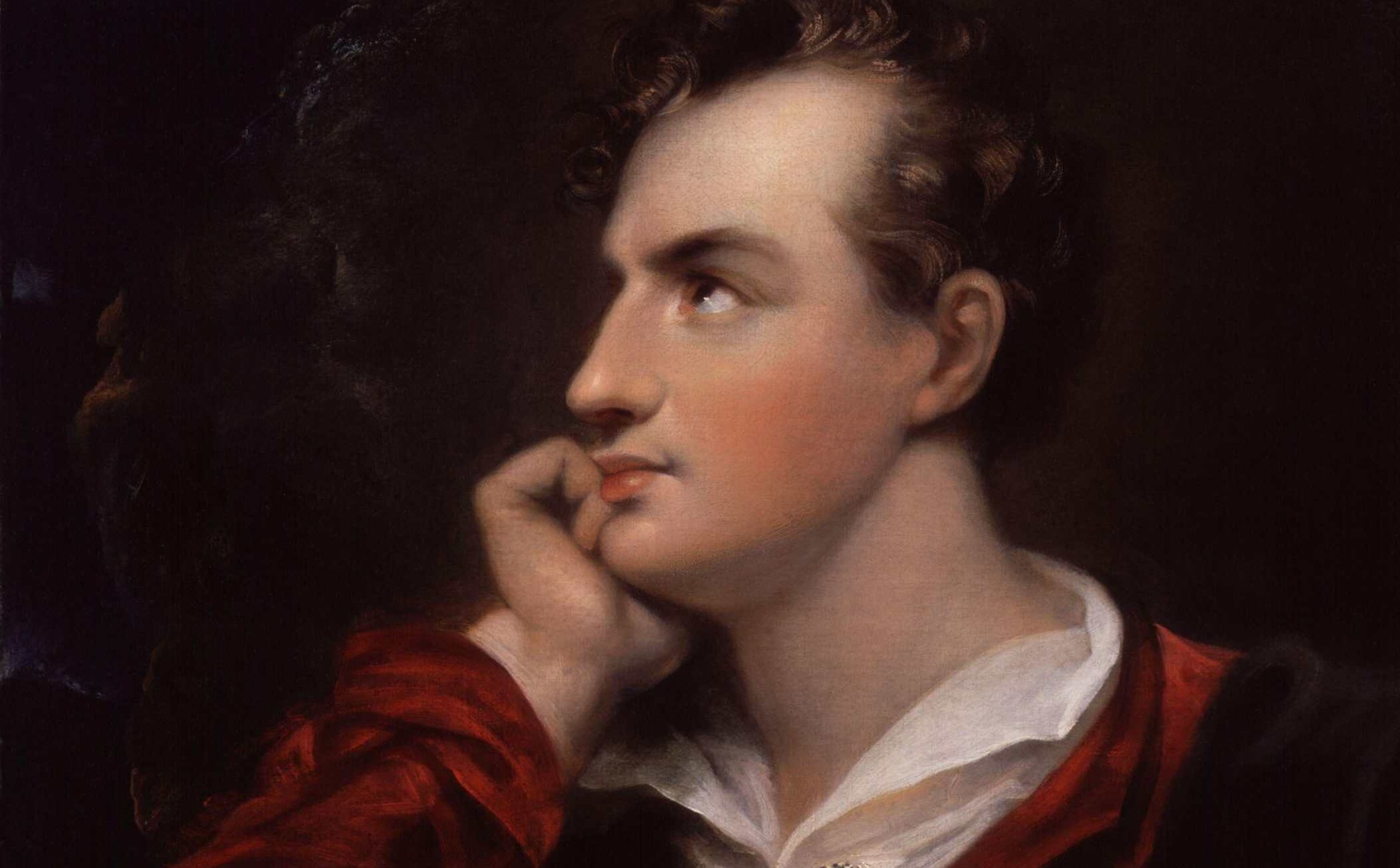
It was in Venice back in 1819 that the notorious British poet Lord Byron first met and became enamored with Teresa Guiccioli, a nineteen-year-old married Italian noblewoman.
This relationship would become one of his tumultuous life’s most stable and true. Teresa successfully petitioned the Pope for an official separation from her husband in July of 18l9. The pair lived openly together in Ravenna and Genoa starting in August of 1820, planning to quietly start a life together.
However, their peaceful domestic life was put to an abrupt halt by the outbreak of the Greek War of Independence. Byron, looking to redeem his image while fighting for the cause, left for Greece in July of 1823 to fight the Ottomans.
Unfortunately, he succumbed to a fever in Missolonghi, Greece in April 1824, never making it back to Teresa.
Camille Claudel and Auguste Rodin

In 1883, French sculptor Camille Claudel entered Auguste Rodin’s workshop, becoming his student, muse, and lover. Rodin and Claudel carried on a passionate intellectual relationship which inspired some of Rodin’s greatest works.
But Rodin had become entangled with his companion of many years, Rose Beuret, whom he would not divorce out of tradition and guilt. Claudel waited many years for Rodin to pick her, but unfortunately, his increasing prestige was peaking around that time.
Rodin was internationally renowned by then, with heavy political influences in his works. He could not risk divorce and having his new amour outshine him. Claudel grew tired of being overshadowed and waiting for Rodin to commit, and ended their relationship in 1892.
The breakup left Claudel shattered and unable to secure independent commissions, ultimately resulting in a breakdown and lifelong institutionalization.
Sir Walter Raleigh and Elizabeth Throckmorton

Sir Walter Raleigh was one of Queen Elizabeth I’s favorite gentlemen of the court, receiving many knighthoods, land grants, and political prestige in the early 1590s.
But in secret, Raleigh’s heart was lost to Elizabeth “Bess” Throckmorton, a lady-in-waiting to the Queen. Raleigh and Bess married in late 1591 after she became pregnant with their child.
Sadly, Queen Elizabeth I wasn’t at all pleased when her courtiers tried to keep romances, let alone secret offspring, under wraps from her. Rumors of the pregnancy and eventual marriage reached the Queen in June of 1592 and she was livid.
Raleigh was stripped of all his titles and the happy couple was booted straight into the Tower of London. Their devotion to one another endured until the end, yet Raleigh’s standing was irrevocably damaged by the unfortunate timing of their relationship.
Robert Schumann and Clara Wieck
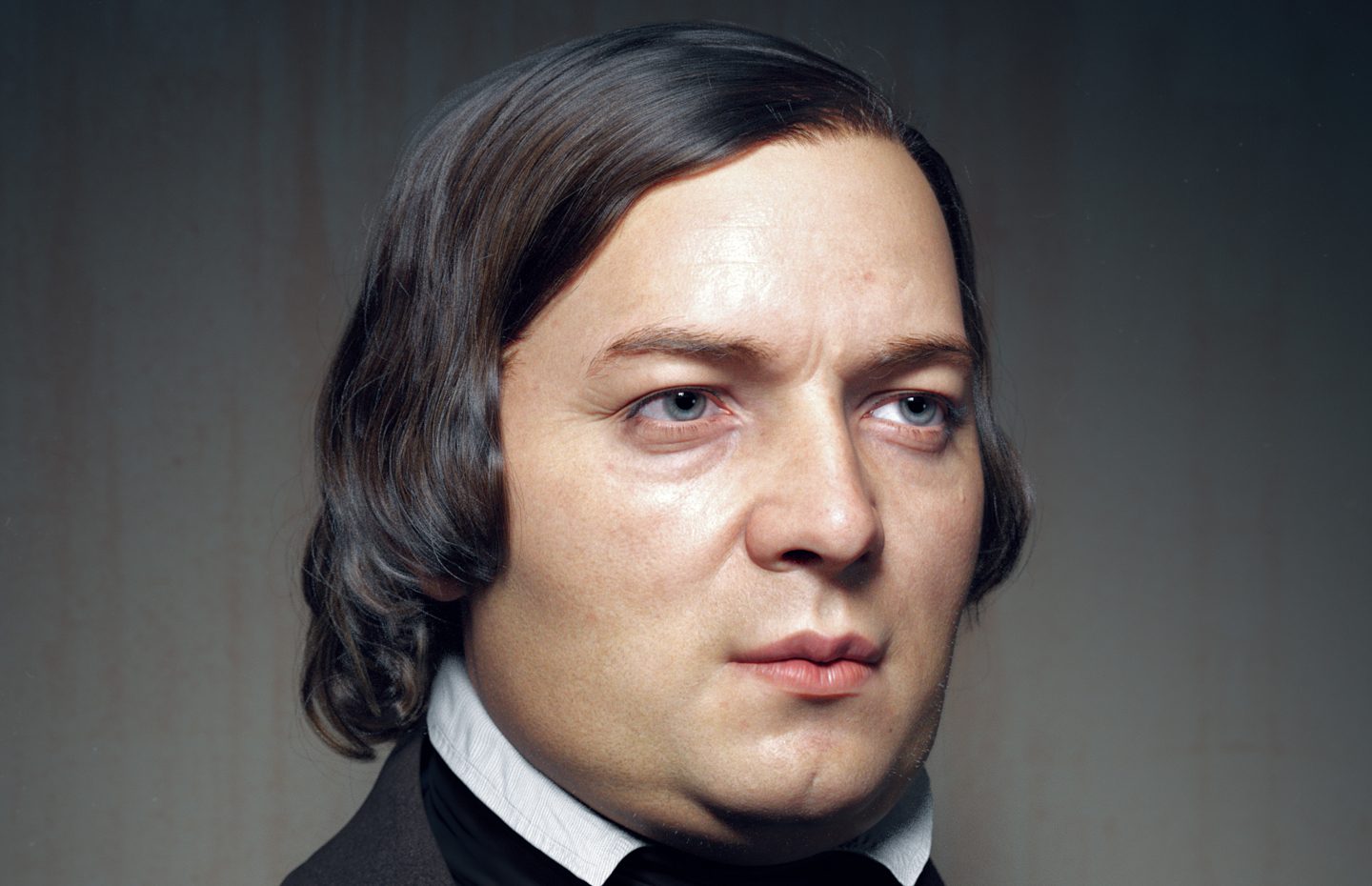
Composer Robert Schumann fell in love with pianist Clara Wieck, but she had a very controlling father, Friedrich Wieck, who hated Robert and would not allow them to date, much less marry.
Friedrich had raised Clara to be an international child-prodigy sensation and considered Robert a lazy, amateur journalist who would never amount to anything. Clara and Robert had to sue her father in 1839 for the legal right to marry without his approval.
With the court’s ruling in their favor, they tied the knot in September 1840, launching a radiant era of shared musical creation. However, their happiness was not to last: ten years later, Robert began slipping mentally, descending into crippling psychosis.
In 1854 he attempted suicide and was admitted to an asylum by way of his own request, where he died two years later.
Pierre Curie and Marie Skłodowska-Curie

Marie Skłodowska came to Paris as a poor Polish student. Her acquaintance with the celebrated physicist Pierre Curie began in 1894.
They married in 1895 after realizing they shared similar interests in science. Together, they worked in a damp shed to isolate radium and polonium. They also won the Nobel Prize for Physics in 1903.
It wasn’t until 1895–1905 that Pierre and Marie began receiving funding, university positions, and actual laboratories where they could work comfortably. However, on April 19, 1906, tragedy struck.
While stepping out across the street on a rainy day, Pierre slipped on the wet pavement. He was hit and killed by a horse-drawn wagon. Marie Curie was completely devastated and had to continue their work alone.
Katherine Philips and Anne Owen

17th-century Anglo-Welsh poet Katherine Philips fell in love with a woman named Anne Owen. She would later refer to Anne Owen as “Lucasia” in her most renowned poems.
Katherine and Anne Owen became inseparable and formed their own circle of writers, where they promised to love each other for all time. In May of ’62, Anne married Marcus Trevor, a prosperous Welsh gentleman, before moving to Ireland.
Katherine was heartbroken at the thought of losing Anne and wrote many desperate poems begging her to stay. Barely having time to grieve over her love’s departure, Katherine died of smallpox after arriving in London to begin her writing. She was 32. They never wrote to each other again.
Mary Wollstonecraft and Gilbert Imlay
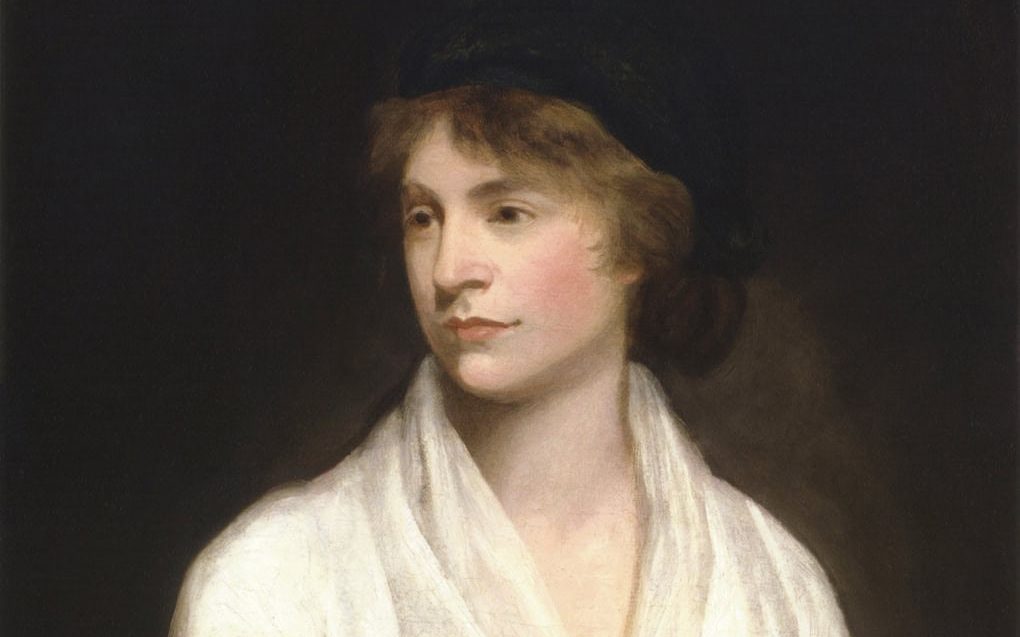
Radical feminist writer, Mary Wollstonecraft became acquainted with American businessman Gilbert Imlay while she was living in Paris during the French Revolution in 1793.
Scared that she would be imprisoned as a British national after Britain declared war on France, Mary signed her name in the marriage records at the American embassy so she could be protected by his surname.
Imlay and Wollstonecraft soon became romantically involved, welcoming their daughter Fanny into the world together. However, Imlay was a shrewd businessman whose interests lay entirely in profiting from Britain’s wartime trade blockades, showing little regard for revolution or romance.
Slowly Imlay began spending more time away from Paris going on business trips to London and Scandinavia, leaving Wollstonecraft to fend for herself against societal ostracism, revolutionary intrigue, and single motherhood during the Reign of Terror.
Wollstonecraft was left heartbroken after she reunited with Imlay in England in 1795, only to find he had found a new lover despite her endless devotion to him.
King Eric XIV of Sweden and Karin Månsdotter
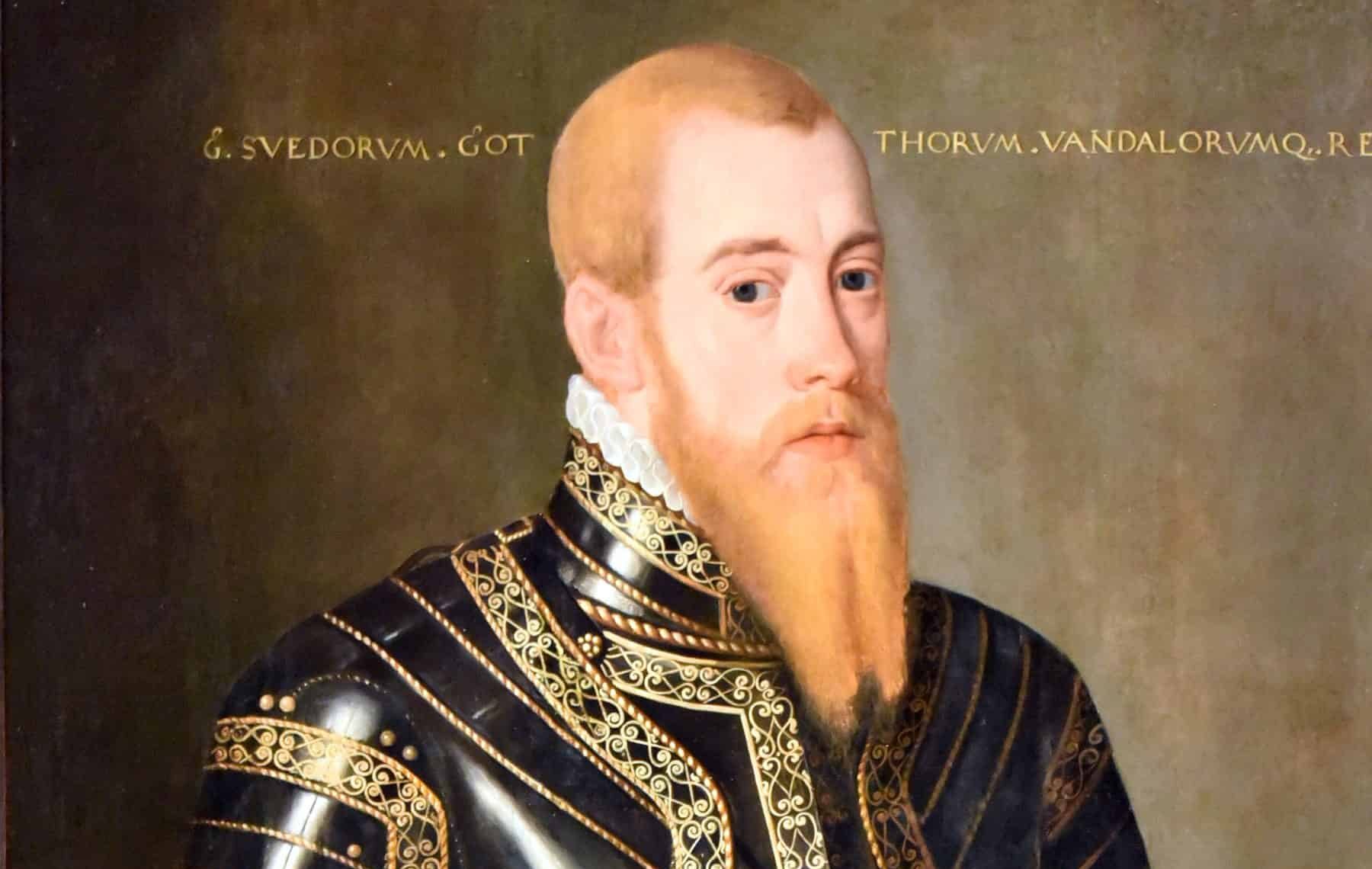
To the horror of his aristocratic subjects, King Eric XIV of Sweden fell in love with Karin Månsdotter in the 1560s.
She was only a lowly kitchen maid who served ale and snacks in Stockholm, and later became a lady-in-waiting to the King’s sister. But Eric cared not for tradition or appearances: He wanted to marry Karin and bring her up in status to be his Queen.
In July of 1568 he did just that, giving her a public wedding befitting her new station and having her crowned Queen the day after. Eric acted upon his rebellion at the worst possible time: His mental health was slipping and his once-powerful brothers were concocting a rebellion against him.
Nobles could not abide the idea that a common peasant woman was placed above them in status; just two months after her crowning (in September of 1568), Eric was deposed by his brothers, thrown in prison, and separated from Karin for life.
Charles Parnell and Katharine O’Shea
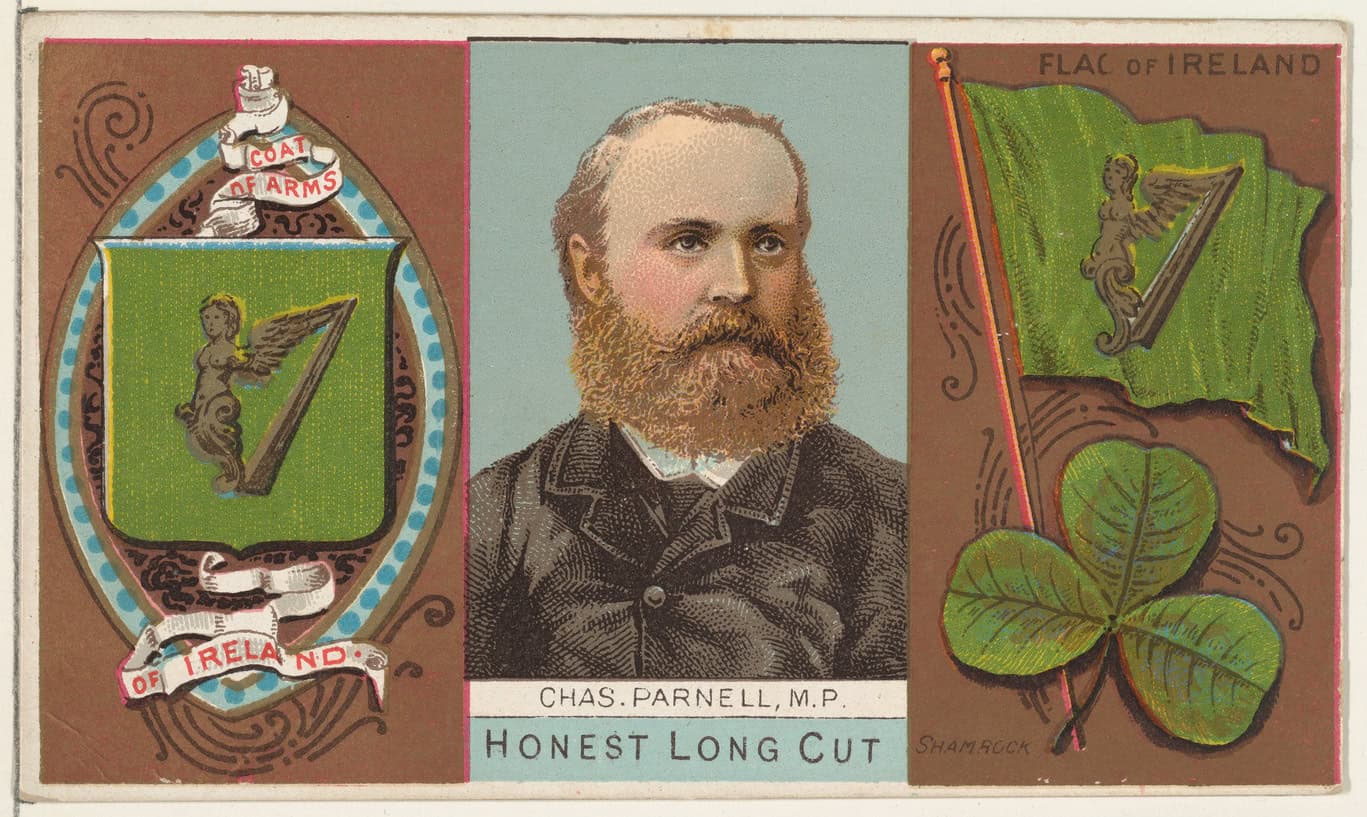
Charles Stewart Parnell dominated the Irish Parliamentary Party towards the end of the 19th century, on the verge of delivering Home Rule to Ireland.
He carried on an open secret affair for ten years beginning in 1880 with Katharine “Katie” O’Œhea, wife of a party dissident, Captain William O’Œhea.
Katie and Charles lived together secretly, had three children, and awaited Katie’s rich aunt’s death so that Katie would inherit enough money to petition for an uncontested divorce. Her aunt held off until 1889, however, and the ensuing family fight over her will caused the embittered Captain O’Œhea to file for divorce in December of 1889.
Their divorce was highly publicized and hit newspapers just as an Irish Home Rule bill was being debated in Parliament. Parnell was ostracized from his leadership role and his life’s work fell apart. His health finally gave out in October 1891, worn down by the constant political struggles.
Lady Jane Grey and Lord Guildford Dudley

In May of 1553, Lady Jane Grey, a mere sixteen years old, wed Lord Guildford Dudley in a union their families had meticulously arranged to secure continued Protestant authority in England.
Having little choice in the matter, the couple grew to sincerely care for each other over their short time together. Weeks after their wedding, the frail young King Edward VI died and Jane was placed on the throne by power-hungry counselors.
Known to history as the “Nine Days’ Queen”, Jane was swiftly overthrown when Mary I mustered national support.
The young lovers were imprisoned in the Tower of London. They spent the last few months of their lives in separate cells within the Tower and were executed on the same morning, February 12, 1554.
Dante Alighieri and Beatrice Portinari
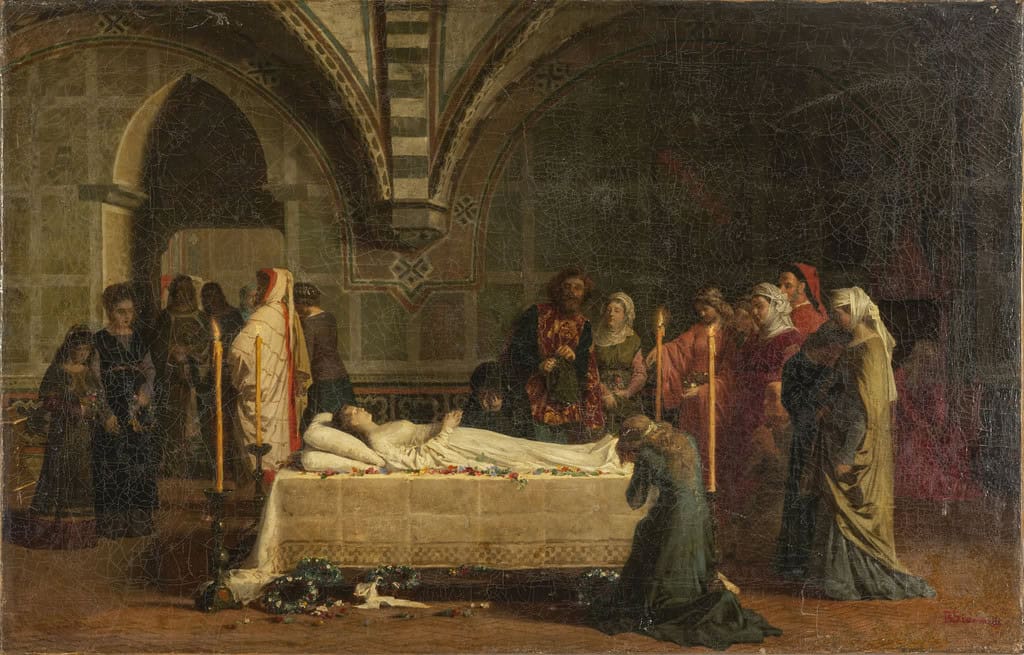
From a young age, the poet Dante Alighieri found himself smitten with Beatrice Portinari. The two spent their childhoods in Florence, Italy and Dante only got sporadic glimpses of Beatrice as they grew up.
Beatrice was Dante’s muse, fueling his most profound poetic creations. She was the ultimate muse who also guided him through Heaven in his epic poem, The Divine Comedy.
However, Dante and Beatrice never spent significant time together. Both were married off as children to other families for political gain. Beatrice unexpectedly died on June 12, 1290 at the age of twenty-four.
Dante mourned her for the rest of his life, and Beatrice served as his inspiration in his poems and other writings. Political rivalries in Florence in 1302 resulted in Dante’s permanent banishment from the city, severing his ties to his beloved Florence and any tangible connection to Beatrice’s memory.
Sources: Please see here for a complete listing of all sources that were consulted in the preparation of this article.
Like our content? Be sure to follow us.
13 historical facts that will totally mess with your sense of time

You might not realize it, but quite a few parts of history sit a lot closer together than they should have any right to, and it’s enough to seriously mess with your mind.
13 historical facts that will totally mess with your sense of time


