
No matter how polished royal families look from the outside, they still have feuds and arguments like the rest of us.
The locked-away queen
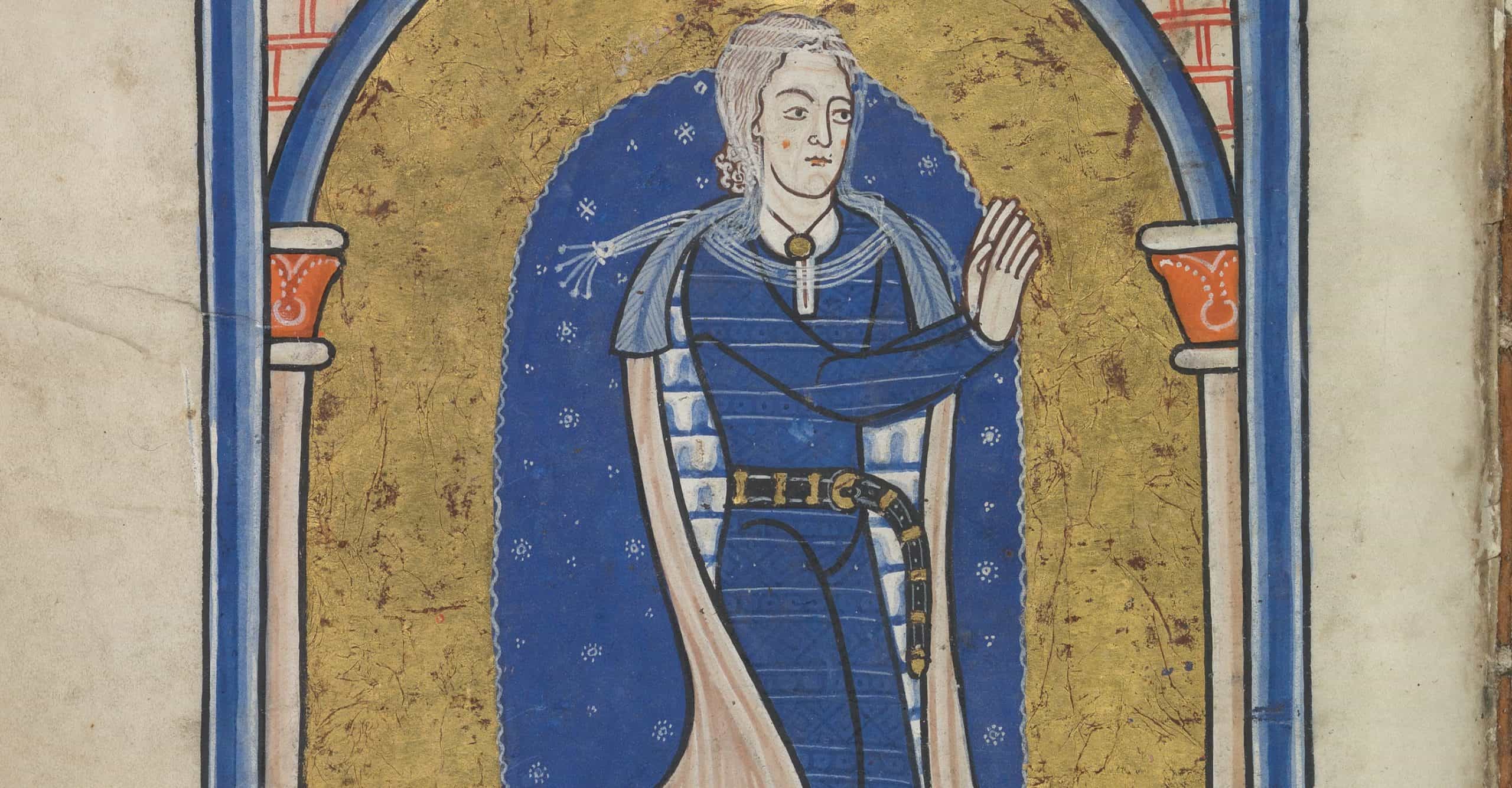
England’s Henry II and Eleanor of Aquitaine were married, but it certainly wasn’t a happy relationship. It got so bad that they needed castles to separate them. Eleanor backed their sons’ attempts to rebel against Henry in 1173, and she tried to flee to Louis VII’s lands.
However, Henry’s forces managed to capture her. Henry was willing to forgive his sons, but he wasn’t so keen to treat his wife the same way. He actually imprisoned her for several years. Perhaps they should’ve tried marriage counseling.
A return with soldiers

Queen Isabella of France returned to England in 1326 after a long absence, ready to meet Edward II. It wasn’t a happy reunion, though. She came back with armed support, including the likes of Roger Mortimer, to remove her husband from the throne. She succeeded.
Isabella’s forces executed one of Edward’s favorites, Hugh Despenser the Younger, and then captured the king himself. They forced him off the throne. It was a tense marriage that ended with a political takeover, so a bit more than your regular marital conflict.
The crown changes hands
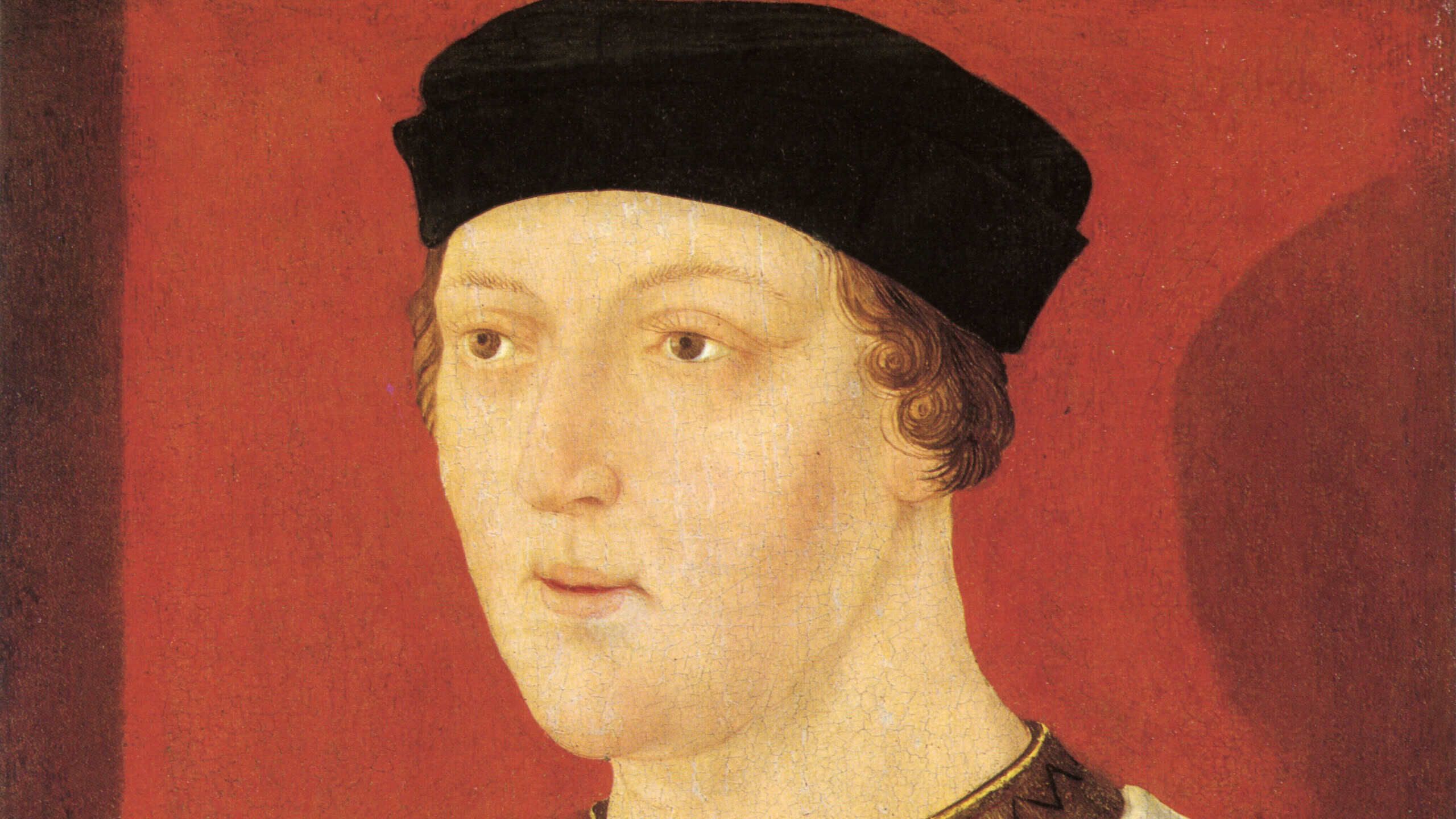
Third cousins Henry VI and Edward IV really disliked each other. So much, in fact, that their hatred toward each other became part of the Wars of the Roses. Edward defeated Henry VI’s side and then took the crown in 1461.
Later, he imprisoned Henry in the Tower of London, although Henry did manage to become King of England very briefly again from 1470 to 1471. Edward forced him back into the Tower, where he died shortly after.
The older brother outside
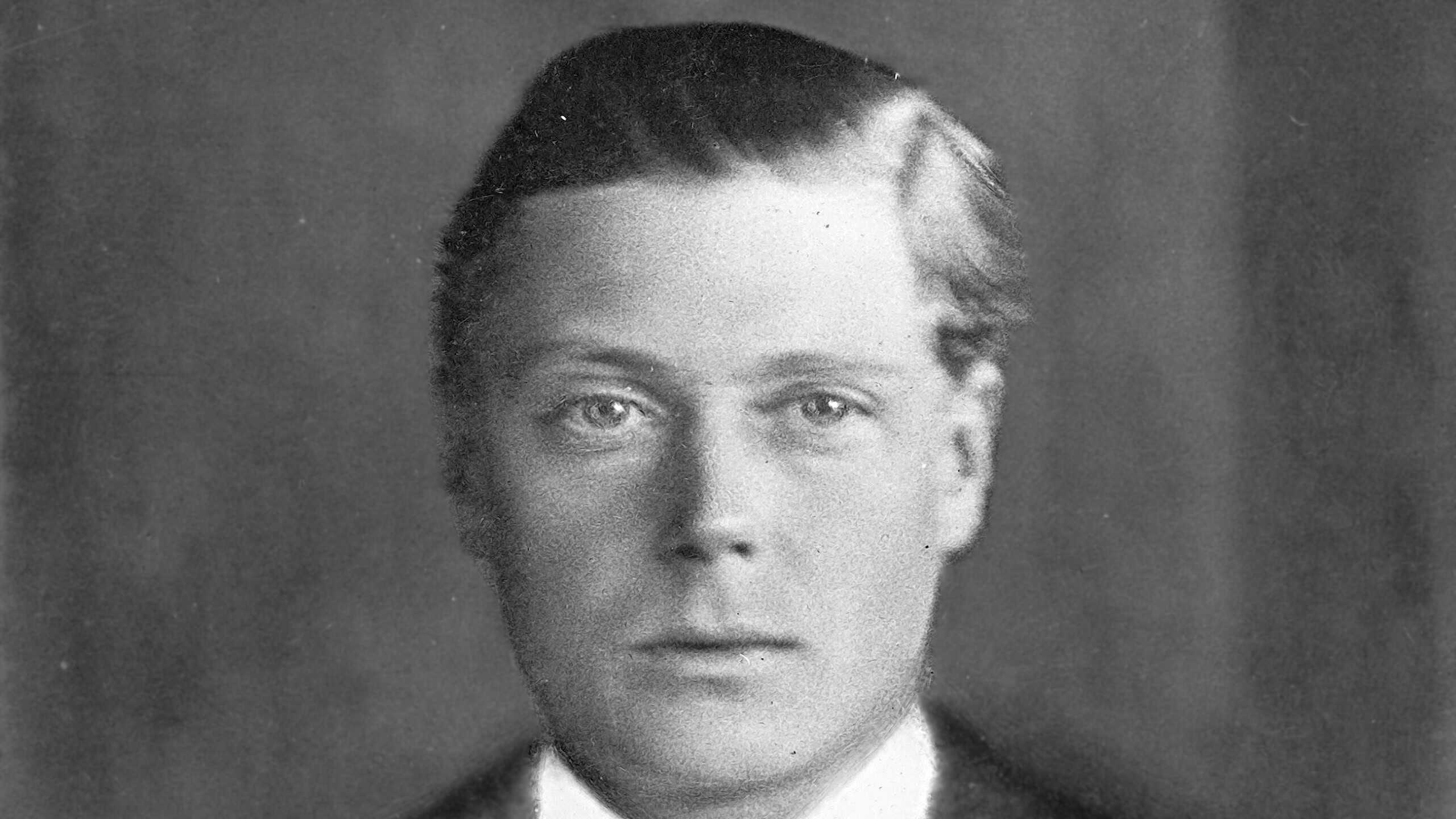
Let’s skip forward to a slightly more recent feud. In 1936, Edward VIII gave up the British throne, although he wasn’t exactly finished with royal life. His younger brother became George VI and had to deal with the consequences, including all the pressure of being a royal leader.
But Edward kept trying to stay involved. He wanted his wife, Wallis Simpson, to get royal status, and he eventually got part of his wish. She became Duchess of Windsor, although she was never given the title of Royal Highness. George wouldn’t let that happen.
The woman at the center
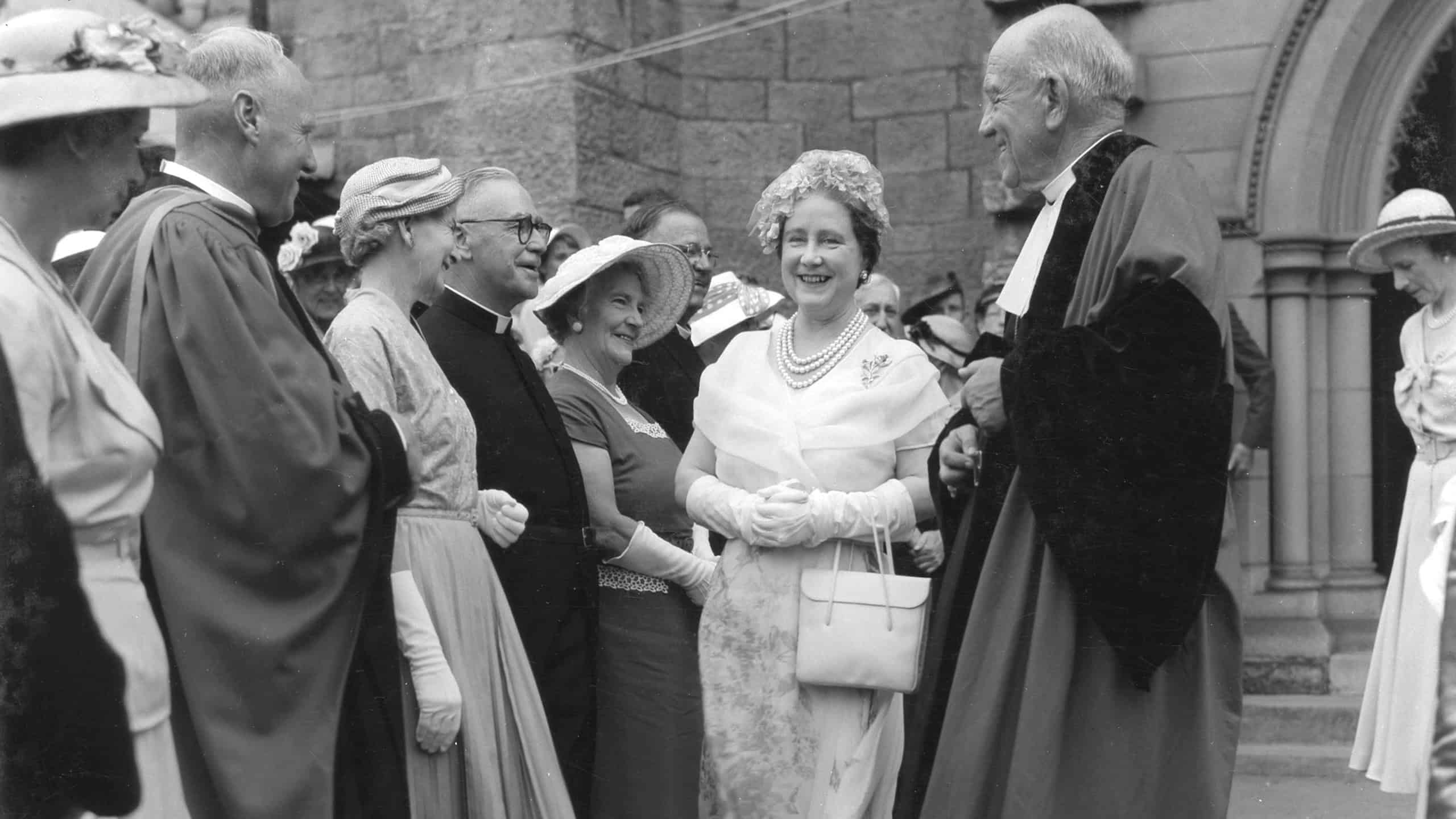
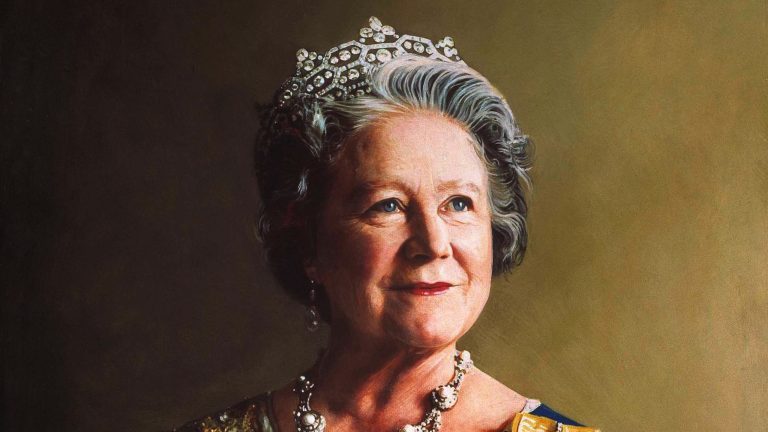
That’s not the end of the story, though. The Queen Mother, known back then as Queen Elizabeth, disliked Edward VIII for his decision to step down, but not for the reasons you might expect. No, she was annoyed that he forced her shy and stammering husband to step up.
The Queen Mother believed that the strain hurt him, and she felt that Edward’s treatment of George was unfair. Can you blame her? Edward got the life he wanted with Wallis, but George had to suffer the crown and war years, with very little rest. It was a pretty sore point for her.
Six months on the throne

Not every royal marriage is a love story. Russia’s Catherine the Great and Peter III were proof of that. By the time Peter became emperor in 1762, he had grown tired of Catherine’s influence, and she genuinely believed he was going to remove her because of that.
So she acted first. The guards in St. Petersburg supported her, and Peter was forced to abdicate, leaving the throne for Catherine. He died a few days later at Ropsha. It was hardly a fairy-tale marriage.
The cousin in custody
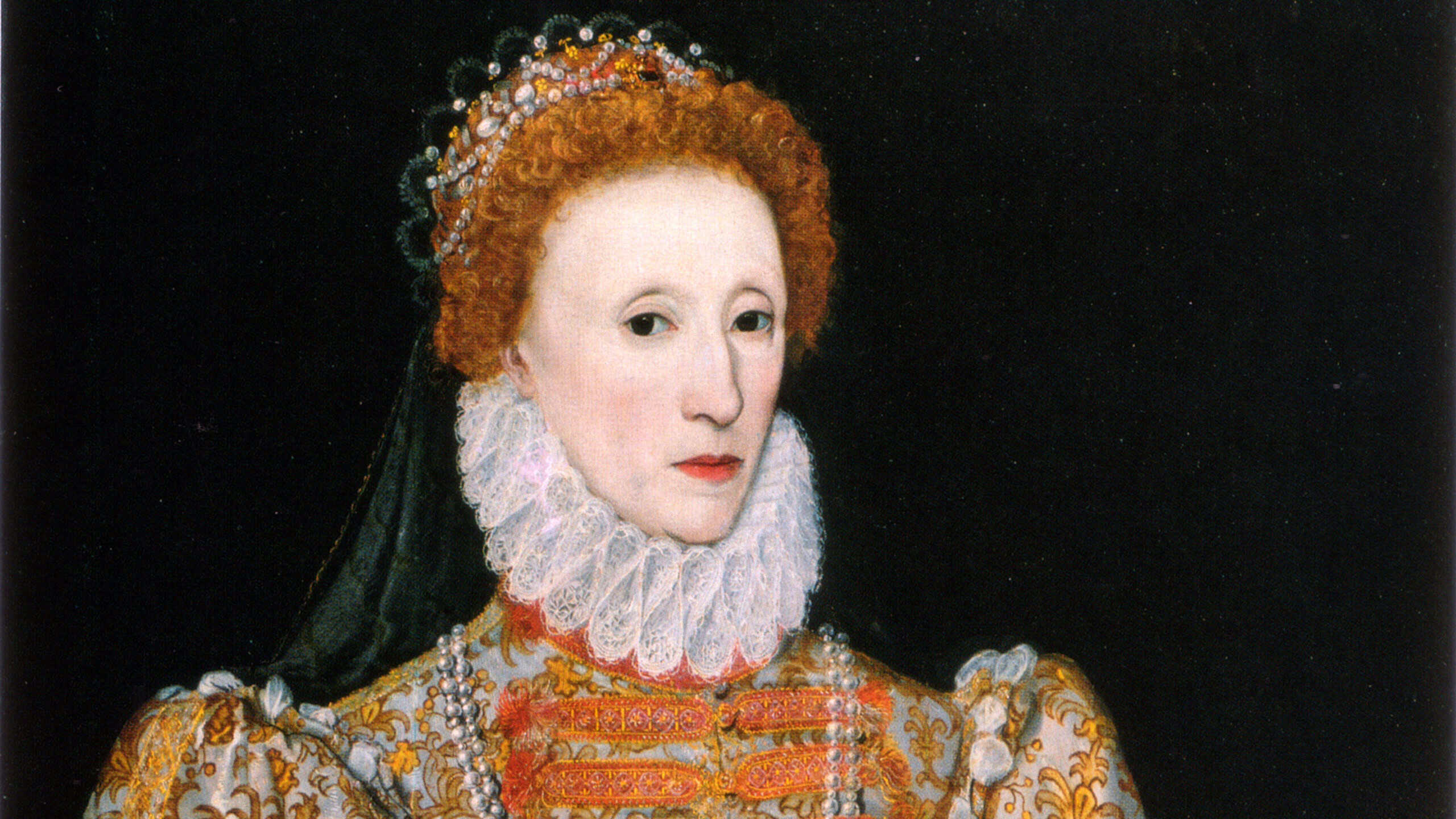
Family conflict is difficult for anyone to deal with, including royals. Elizabeth I and Mary, Queen of Scots, were royal cousins, yes, but they represented two different futures for England. Mary spent years in custody after fleeing to England in 1568.
While she was there, there were many alleged Catholic plots to take the throne from Elizabeth. Mary got blamed for a few of them, fairly or not, and it forced Elizabeth to take action. Elizabeth signed Mary’s execution warrant in 1587. Talk about family drama.
The box in the courtyard

Fathers and sons aren’t safe from family problems, either, and King Yeongjo of Korea and Crown Prince Sado are a great example of that. Sado’s mental health problems worried his father. So much so that Yeongjo thought his heir was a danger, and he ordered his execution.
But not in the normal way. He ordered that Sado be locked inside a rice chest on a hot summer’s day, and to nobody’s surprise, he died after being in there for eight days. It makes our regular family arguments look pretty small in comparison.
The son who ran

Peter the Great was a man on a mission. What was it? To create a new Russia, although not everyone in his family agreed with that, including his son, Alexei. Alexei feared Peter so much that he escaped to Vienna. Peter tried to get him to return, even promising him a pardon.
Alexei believed him and came back. But a pardon doesn’t mean peace, and Peter actually had his own son tortured, believing that Alexei was trying to take the throne from his father. Peter sentenced his son to death, and Alexei died in prison.
The brother on the elephant

Most brothers care for each other. But the Mughal throne didn’t allow for much of that. Dara Shikoh and Aurangzeb had the same parents, but their father, Shah Jahan, favored Dara over his brother. Apparently, Dara was more educated, more polished, and more visible in the court.
Aurangzeb was colder and more disciplined. Shah Jahan became ill, and the rivalry between the brothers exploded. Aurangzeb defeated his brother. He forced Dara to ride on an elephant through the town to embarrass him, and then he had him executed in 1659.
The lack of conversation

The marriage hadn’t even warmed up yet. However, Britain’s George IV had already decided that he hated Queen Caroline and was apparently annoyed by her even during their 1795 wedding. Their daughter, Princess Charlotte, was born shortly after. George IV called it quits.
The couple separated, and George spent many years trying to keep his wife at arm’s length, trying, and failing, to divorce her. The conflict was so bad that, while Caroline was living in Italy, George refused to tell Caroline that their daughter died shortly after childbirth.
The blame at court

Time for another failed royal couple. This time, it’s Alfonso XIII and Queen Victoria Eugenie of Spain, who got married in 1906 in Madrid. They had a son together named Alfonso. But, in 1907, he was diagnosed with hemophilia, which Alfonso seemed to blame his wife for.
The disease was passed through her family, after all, and two of their sons had it. Alfonso XIII saw Eugenie as the cause of their sons’ health issues, and their relationship turned sour.
The province he took

Life was already difficult enough for Maria Theresa in 1740. She’d only just inherited the Habsburg lands, modern-day Austria, when Frederick the Great of Prussia decided that, actually, he wanted a piece of that land, known as Silesia.
Surprise, surprise, he became Maria’s biggest enemy during her reign. He did try to propose to her when they were young, but Maria saw him as a thief instead of a smart royal. She hated him for it. The pair had a bitter rivalry until the very end.
Sources: Please see here for a complete listing of all sources that were consulted in the preparation of this article.


