

Dogs and humans go way back. We’ve lived side by side for thousands of years. But along the way, we picked up a lot of wrong ideas about them. Some came from films. Some from old sayings. Some from advice that sounded good but wasn’t true. These myths shape how people see their pets. And that can cause trouble. Let’s clear the air with 15 common dog myths that owners still believe.
Featured Image Credit: Shutterstock.
A wagging tail always means happiness

A wagging tail: a child runs up to stroke the dog, confident it is friendly. But that tail is stiff. The body is tense. This is not happiness. This is a warning. Tail language is complex, joy is only one part of it. Correct interpretation keeps both people and dogs safe.
Dogs feel guilty when they look ashamed

That face. The averted eyes. The flattened ears. Looks guilty, huh? It’s not guilt. It’s reacting to your anger. Dogs don’t think about what they did. They just respond to you right then.
You should always eat before your dog to show dominance
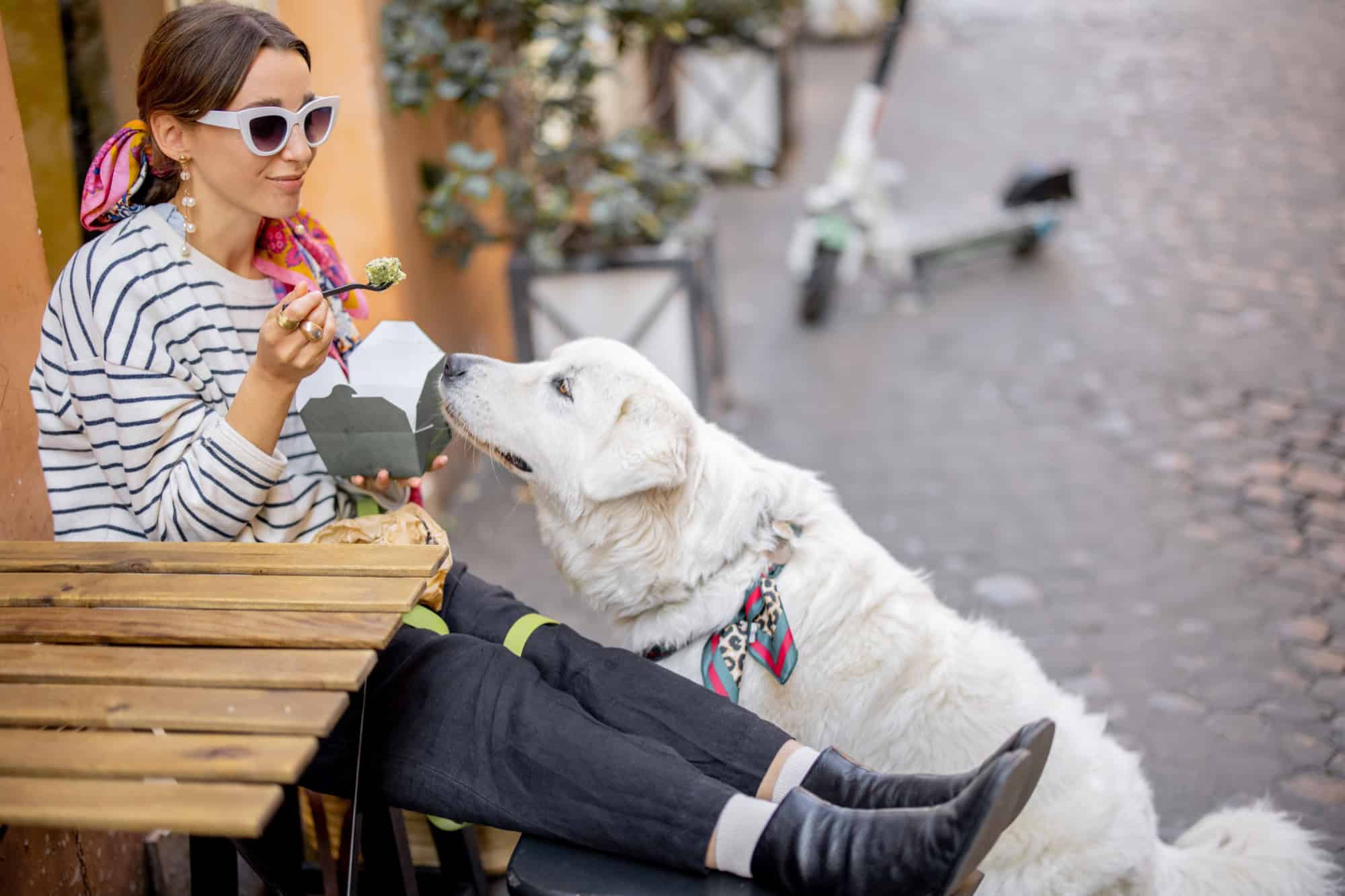
You may have heard people say the old adage: “Eat before your dog so they know who’s boss.” Truth is, your dog is not thinking that way. They do not view mealtime as a dominance issue. Your kindness and consistency are what really means more to them than who eats first.
Letting dogs on furniture makes them spoiled

You plop down at the end of a long day, and your dog jumps on the couch beside you. Some people might call that “spoiling” your pet. The truth is, it’s pure relaxation and affection. The couch doesn’t make them polite – you do, with the rules you enforce.
A dog that growls is being mean

Growling is often misinterpreted as aggression. However, it is a form of communication. Dogs are telling us when they are stressed or uncomfortable. To take that voice away is to silence their need to keep things safe. A growl is a sign to back off, not a challenge to battle.
Playing tug-of-war encourages aggression
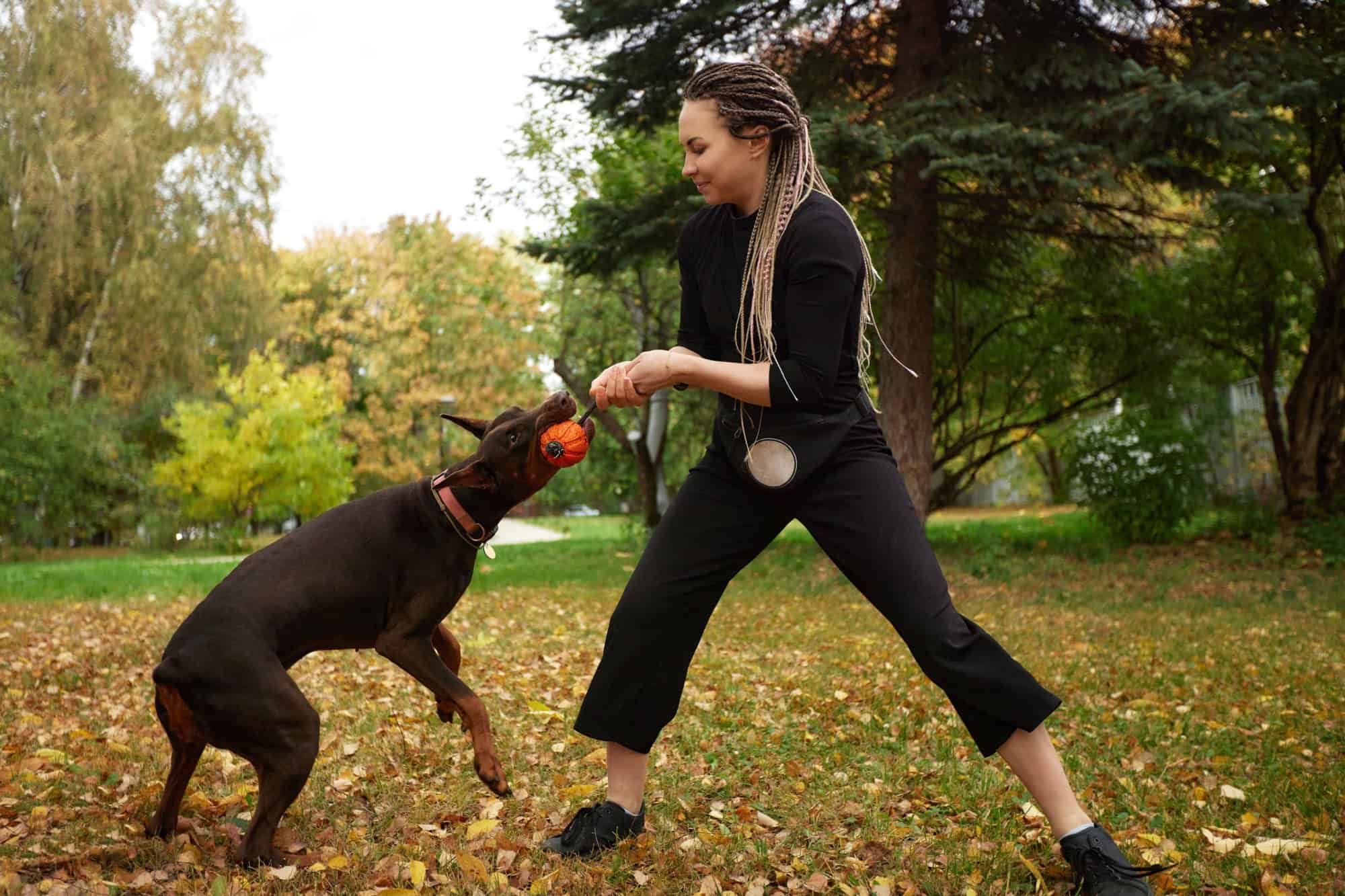
I’ve heard some folks say tug makes your dog aggressive. Wrong. Tug can actually increase confidence, mentally stimulate your dog, and deepen the relationship. The only danger is if you let it get out of hand. Just a bit of structure will turn it into a good release.
Dogs misbehave to “spite” their owners

Your dog chews the couch after you leave? It’s not payback. Dogs don’t plot against their owners. It’s usually as simple as too much energy, anxiety or loneliness. Dogs don’t seek revenge.
Old dogs can’t learn new things

This myth ages dogs too early and doesn’t recognize what they can still do. Like people, dogs should be mentally stimulated all their lives. Training exercises their brains, builds relationships, and provides purpose well into their golden years.
Dogs who bark a lot are always aggressive

Bark. Bark. Bark. Territorial? Playing? Warning? Bored? Sound alone doesn’t tell the whole story. Read the body, read the context.
Dogs naturally know how to walk on a leash
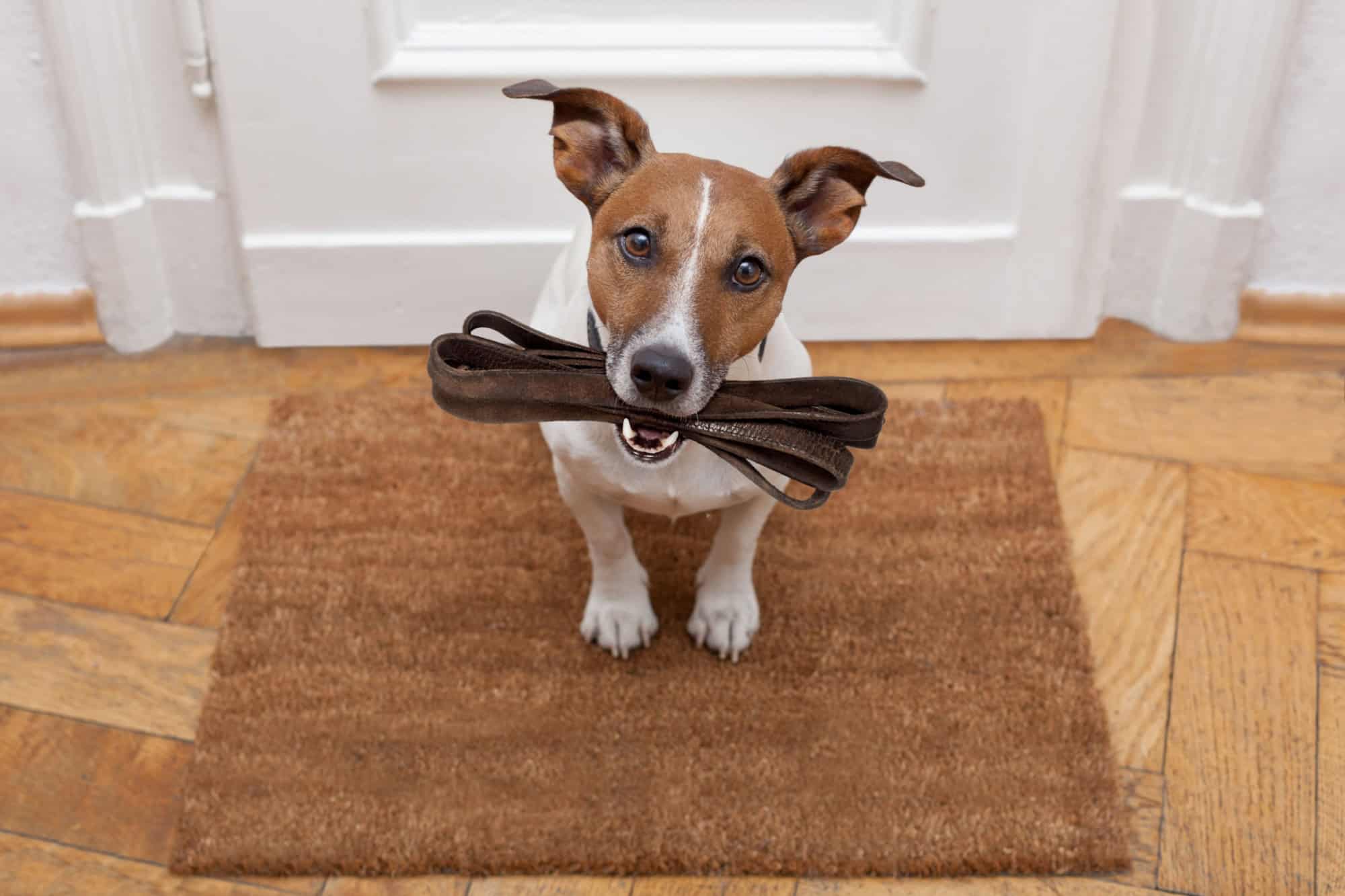
Clip leash on. Get ready to leave. Oh, the madness. Dogs don’t come programmed to behave on walks. Pulling? Totally normal. But calm, unresisted walking takes training and patience.
Belly-up posture means the dog wants belly rubs

Rolling on the back doesn’t always mean they want rubs. Dogs will sometimes expose their belly as a submissive or stressed signal. It may mean “leave me alone” instead of “please pet me.” Check the rest of the body before going in for a belly scratch.
Dogs who sleep a lot are always lazy

This myth comes from comparing dogs to human habits. We value constant activity, so extra rest looks like laziness. But dogs are wired differently. Their bodies demand more recovery, making long naps a sign of health, not sloth.
Dogs will always “work it out” among themselves
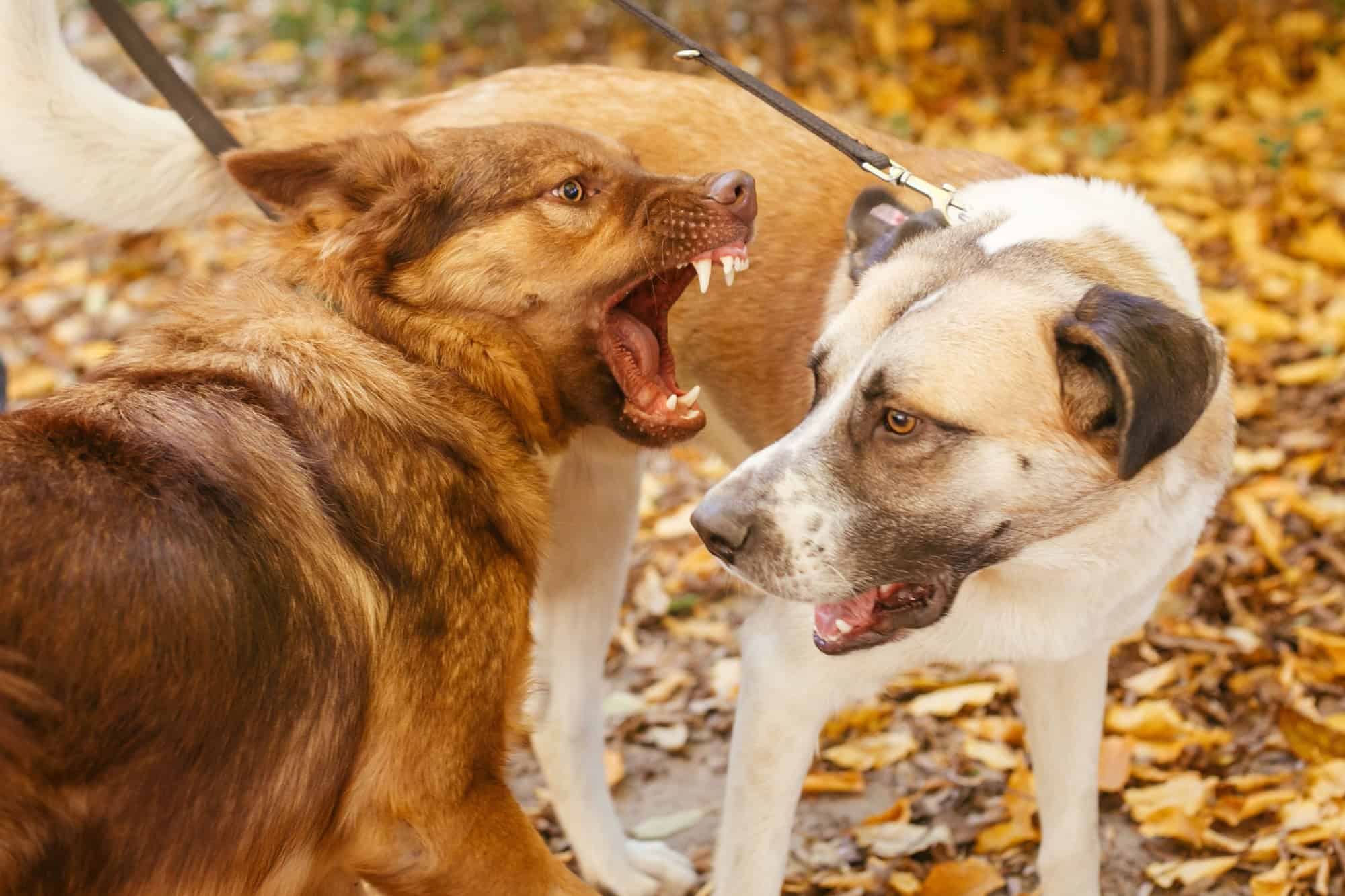
Allowing dogs to “sort it out” is not always safe. Not all dogs have the social skills needed to work through conflict. In the absence of intervention, minor squabbles can quickly escalate into a fight.
A dog who ignores commands is being stubborn
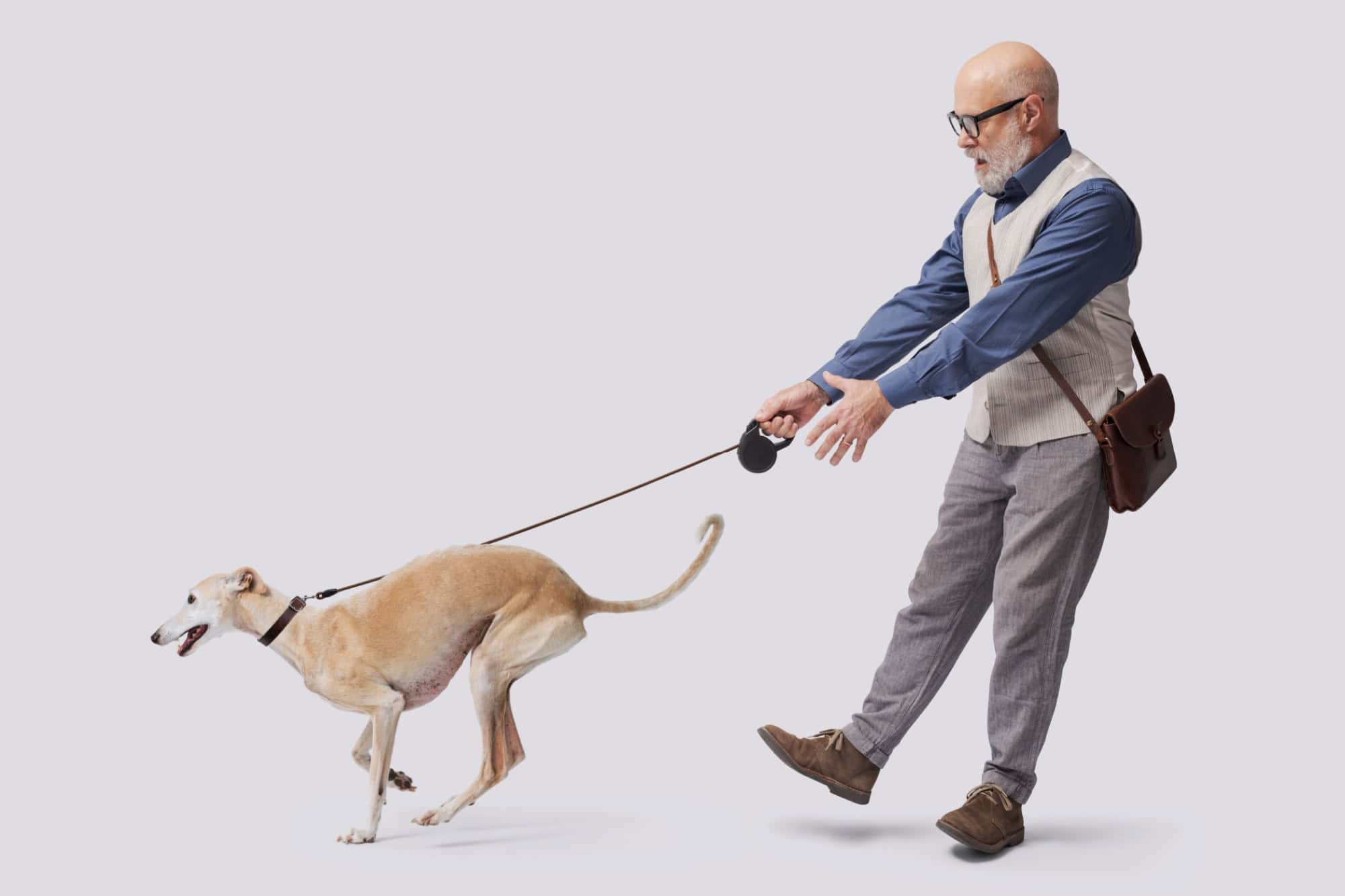
You ask your dog to sit and he doesn’t. “He’s being stubborn” you think to yourself. Not quite. Perhaps he doesn’t know what to do. Perhaps he’s too distracted by his surroundings. Perhaps he’s feeling anxious. Dogs don’t misbehave on purpose, they just have off days.
Rescue dogs are always damaged or aggressive
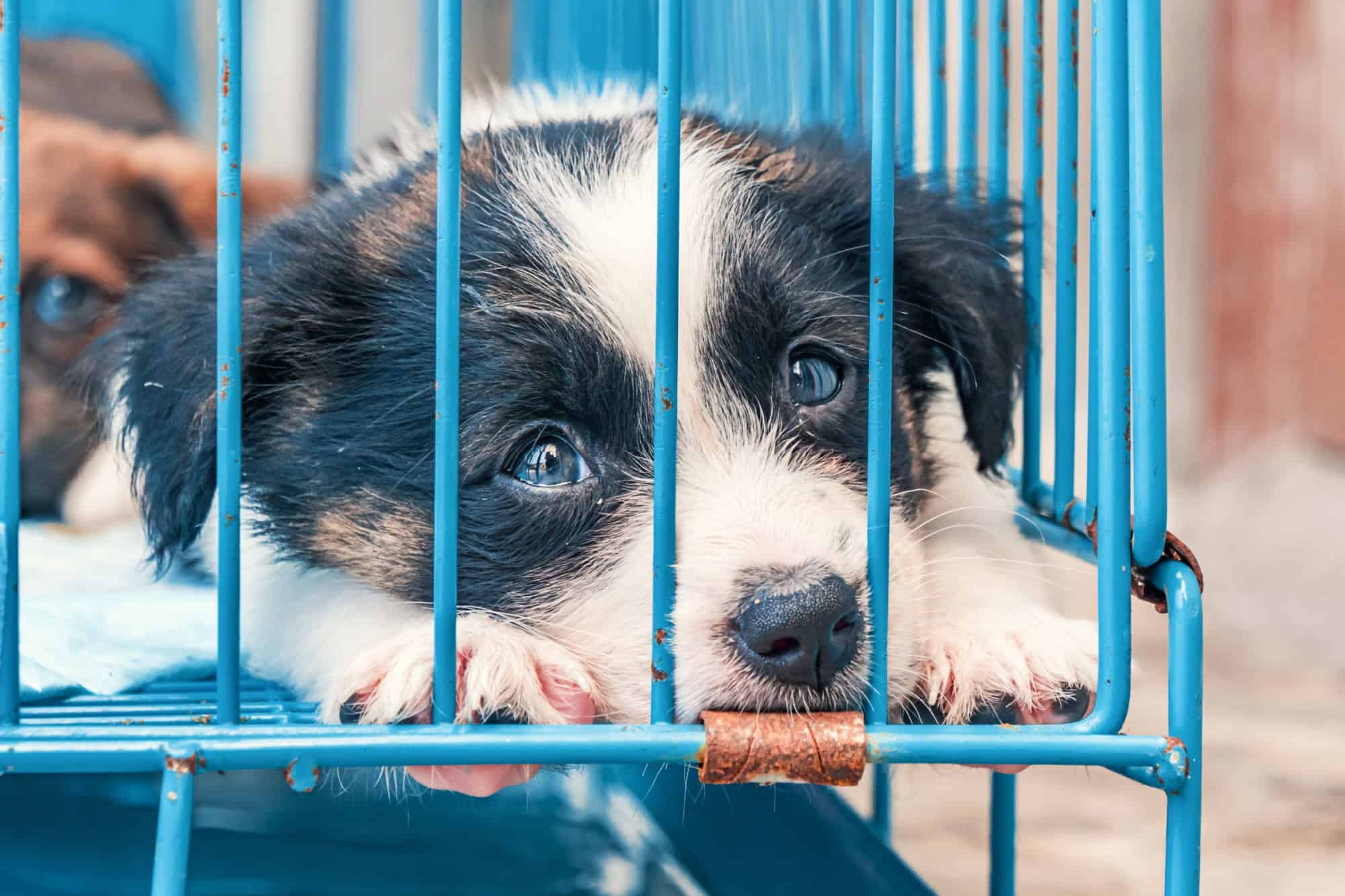
This myth is unfair to all rescue dogs. Each dog is an individual. They have their own story. They might have some baggage, sure, but not all baggage is trauma. A lot of dogs that have been through it will grow into the most loyal companions you’ll ever find.
Sources: Please see here for a complete listing of all sources that were consulted in the preparation of this article.
Like our content? Be sure to follow us.