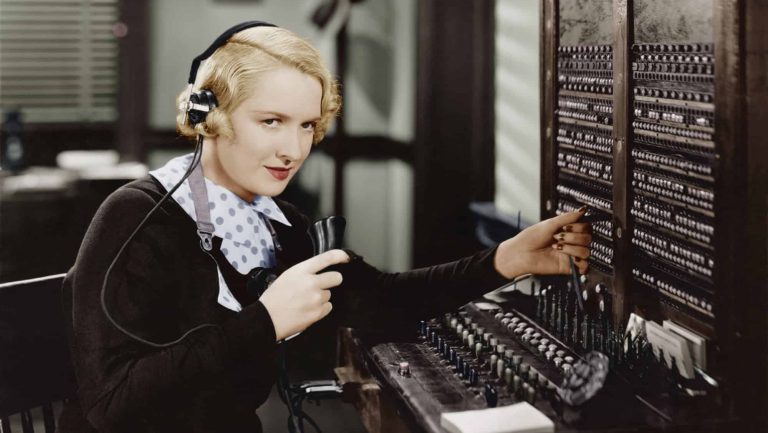

While you might think it’s hard waiting for a text back, imagine a world without cellphones. Some people don’t have to because they remember it. It was a time when getting ahold of someone involved guessing whether they were even near a phone, where every call & note took planning.
You needed the right number & coins for a payphone. You also needed stamps in a drawer. Anytime that you missed someone’s call, that was just too bad because you’d be waiting hours or even days before hearing back. Let’s find out more.
Featured Image Credit: Shutterstock.
Key takeaways
You’ll learn about:
- The steps people took to reach someone before mobile phones
- How landlines, party lines, operators & long-distance billing actually worked
- What payphones & the postal system added to the process
- How answering machines & pagers changed things
Fewer places to reach people

Phones were once tied to walls instead of pockets & for decades, not every home even had one. In 1960, 20% of households were still phone-free. By 1980, that number had dropped to about 7%. Yet it wasn’t until around 2000 that phones in homes became nearly universal.
Unless someone was near their house or office phone, you were out of luck until they showed up again. It was just too bad.
In plenty of small towns, neighbors shared the same “party line,” which meant you could literally pick up & hear someone else’s conversation. Calls also had to go through operators for a long time, even though automatic switching started rolling out in the 1920s. But it didn’t fully take over until the mid-20th century.
In other words, calling didn’t exactly involve a direct dial. It was more like a request, short wait & then, if you were lucky, a connection.
Minutes and money
Calling outside your area wasn’t cheap, either. The phone companies metered every minute & the price was high enough that people would think before talking too long.
Some families waited until evenings or Sundays when rates were lower. Unfortunately, international calls were even worse, with costs only beginning to drop in the 1980s & ‘90s, once competition shook things up.
Finding numbers took work

Whenever you needed someone’s number, you couldn’t just search for it. Nope. Instead, you had different options:
- Go through the big white pages book on your kitchen counter
- Keep your own little address book up-to-date
- Call directory assistance & pay their fees
Each step involved effort…and sometimes an extra phone call just to get the right phone number.
Coins and time limits
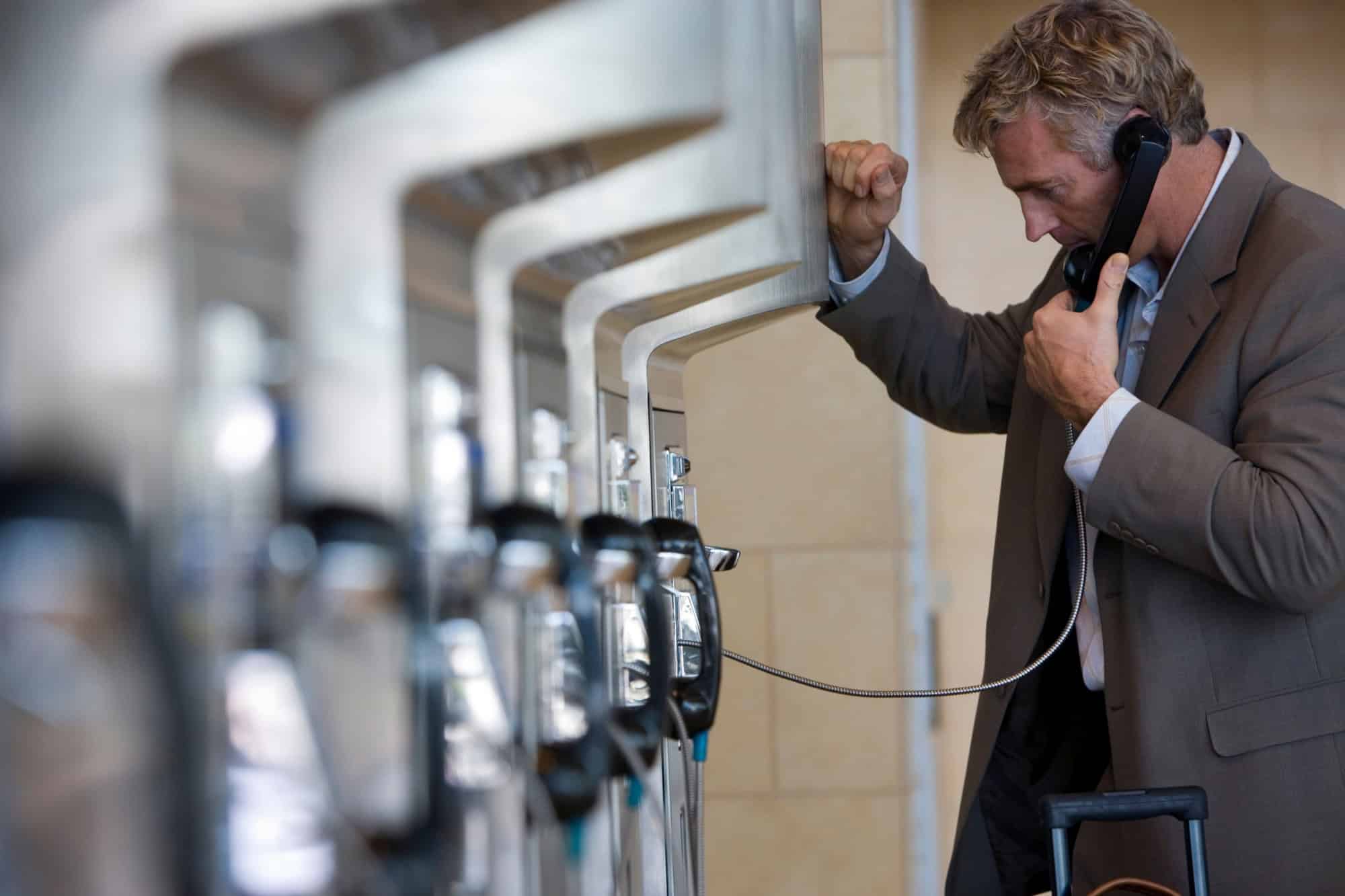
Heading out of the house involved memorizing numbers or carrying a slip of paper with you. And when you needed to call, you had to track down a payphone & feed it coins. You had to hope the line wasn’t busy.
At their peak in the late 1990s, the U.S. had over 2 million payphones. People began moving towards cellphones at that point, so payphones quickly became less common.
Interestingly, letters never disappeared, even after phones spread. A First-Class stamp in 1974 cost 10¢ & by 1999 it was 33¢. That’s not exactly expensive. But it still required planning in terms of envelopes & stamps, as well as a trip to the mailbox. This was how people kept ties strong before phones.
Early telephone use skewed business-first
In the early years, most phones were business tools instead of something just for chatting. In 1895, rural areas made up over half the U.S. population but had only about 3% of subscribers. Studies show that about 90% of the early users were businesses. As such, phones were designed for transactions, rather than staying in touch with friends.
New technology

The 1970s & 80s brought answering machines into living rooms. As such, if you weren’t home, at least people could leave a message, although the machine wasn’t exactly instant. You had to get back & rewind the tape before playing it through. Once the tape filled up, that was just too bad.
Pagers later took off in hospitals & certain jobs, with doctors & nurses using them well into the 1990s. However, pagers didn’t let you talk. They just beeped, then you had to find a landline or payphone to respond, which was handy, yes, but definitely half a solution.
By the late 20th century, calling became cheaper, especially long-distance, and more homes had their own private lines, too. That made it easier to reach people directly. Of course, you still had to deal with the basics of landlines & scheduling, as well as location, so it wasn’t all that easy.
Real freedom didn’t kick in until mobile phones came along. Staying connected wasn’t impossible in the past. It just took a whole lot more effort.
Sources: Please see here for a complete listing of all sources that were consulted in the preparation of this article.
Like our content? Be sure to follow us.


