It’s a warm Sunday afternoon in the 1900s & the Yankees are in town, so you’re itching to catch a ballgame. Too bad. The cops might shut it down. You can’t grab groceries or get a haircut, as the law prevents this, too. “Sunday laws,” also called blue laws, controlled practically everything.
Why did these laws exist & what happened if you broke them? What happened to change them? Let’s find out.
Featured Image Credit: Shutterstock.
Key takeaways
You’ll learn:
- Which activities Sunday laws restricted & how these rules were written
- Why lawmakers adopted Sunday laws in the first place
- The importance of “works of necessity and charity”
- The penalties for breaking the rules.
- How states loosened or repealed major parts of these laws
What were “Sunday laws”?

Sunday laws were exactly what they sound like. They were rules that made Sunday a day off, whether you wanted it or not, and some states banned shops from opening. Others cut off trains or outlawed baseball. Many did all of the above.
Usually, the wording came down to, “no work, no trade, no amusements,” unless it was considered a “work of necessity or charity.” That meant hospitals & utilities could stay open, along with churches. Your options were slim beyond that.
What did they control?
The list of things they shut down on Sundays went way beyond shopping. They included:
- Retail shopping
- Baseball
- Transportation
- Alcohol sales
- Odd extras
Stores had to close, plain & simple. It didn’t matter whether you sold something small like shoelaces because you could be fined.
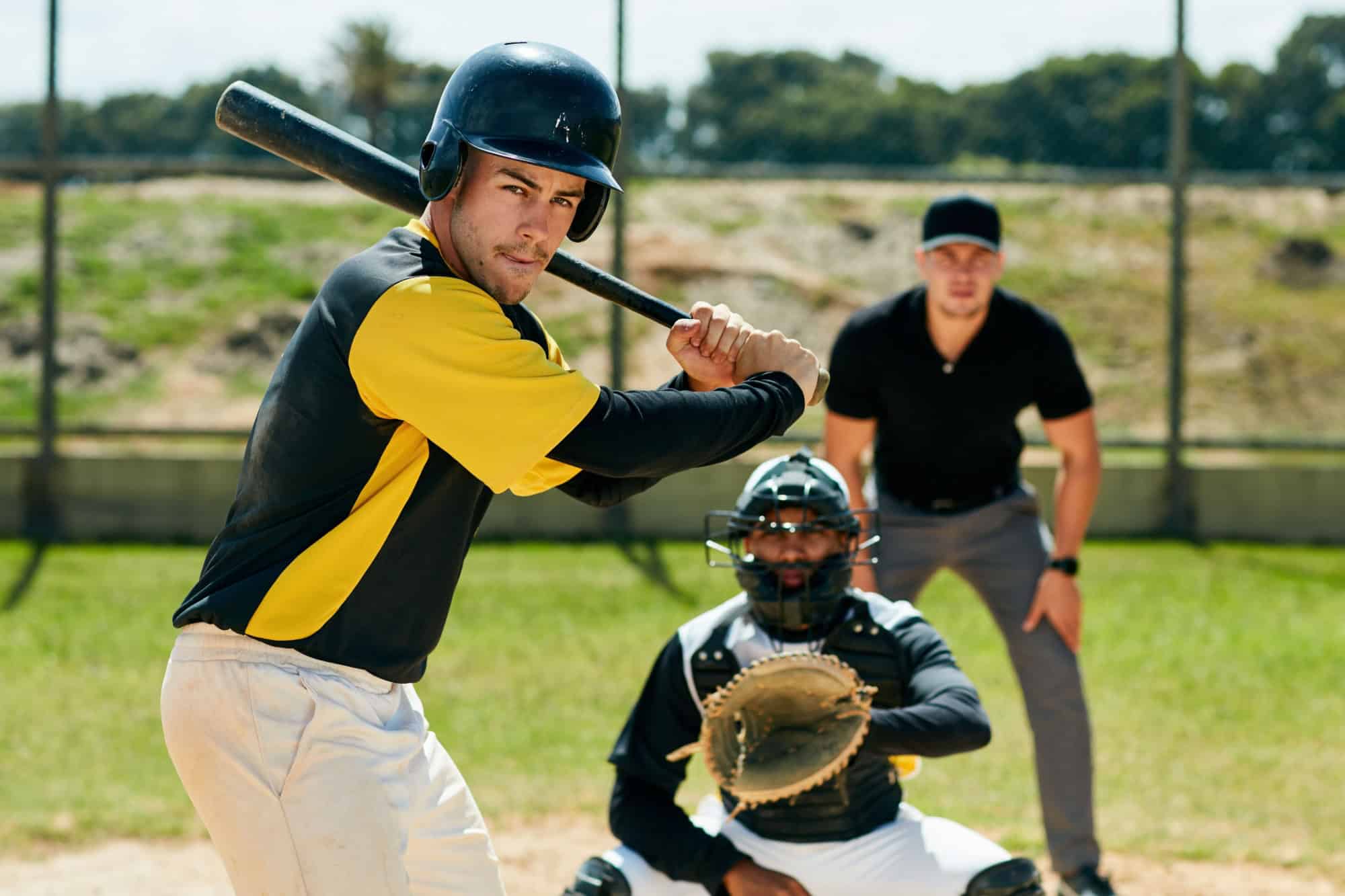
Professional baseball teams weren’t allowed to play for pay on Sundays in lots of states. In 1917, players for the Giants were arrested at the Polo Grounds, with New York only legalizing Sunday games in 1919. Massachusetts held out until 1929. It took Pennsylvania to have a 1933 referendum before fans in Philly could watch a Sunday game.
Over in Georgia, it was illegal to run freight trains on Sundays & the case went all the way to the Supreme Court in 1896. They upheld the law. In some states, they included barbers & theaters in the ban. A shave or a matinee? That couldn’t happen on Sundays, so you just had to stay hairy & bored.
What happened if you broke the rules?
Unfortunately, the consequences were more than a simple slap on the wrist.
In Massachusetts, each sale on a Sunday could count as a separate violation & included fines that grew for those who kept breaking the rules. Baseball players & managers were actually arrested mid-game. Railroads that ran freight on Sundays in Georgia risked prosecution. That’s why the Supreme Court stepped in in the first place.
Yes. People paid for ignoring these laws. Literally.
What exactly did the Supreme Court say in 1961?
In McGowan v. Maryland (1961), the Court said Sunday laws were legal as long as they weren’t framed purely as religious. They doubled down with other cases the same year, including Two Guys from Harrison–Allentown v. McGinley, Braunfeld v. Brown, and Gallagher v. Crown Kosher Super Market. They were different states but had the same result. Blue laws could stay.
That ruling set the tone. It didn’t matter that they were originally religious, as the Court ruled that the modern version gave people a day of rest.
When were the laws lifted?

The Sunday rules eventually began feeling out of step. By the middle of the 1900s, people wanted to shop when it suited them, not just six days a week, and stores complained they were losing money. Workers in jobs with odd schedules said the bans didn’t really make sense anymore. Lawmakers were stuck in the middle.
The rollbacks didn’t happen overnight. Each state took some time to repeal the laws…if they ever did. Baseball was one of the first cracks in the wall, as we’ve already learned. Texas finally scrapped its massive blue-law retail list in 1985.
Liquor rules fell much later in other states. They didn’t disappear in Colorado until 2008, while it took Minnesota until 2017.
A big snag was the uneven enforcement. Some counties took the bans seriously, while others barely bothered, so a store in one town had to shut its doors while the same chain just across a county line stayed open. It just didn’t make sense.
Local votes changed people’s minds, too. Pennsylvania had a system where residents could decide by ballot whether to allow things like Sunday sports or shows after a certain hour.
But some rules still exist. In Bergen County, NJ, the malls stay closed on a Sunday, while in states like Texas, car dealers still have to pick either Saturday or Sunday to stay closed.
It’s patchy, but it’s clear that there’s been less & less control as the decades rolled on.
Sources: Please see here for a complete listing of all sources that were consulted in the preparation of this article.
Like our content? Be sure to follow us.