

Their public careers made them famous, but their hidden lives made them unforgettable.
Hedy Lamarr
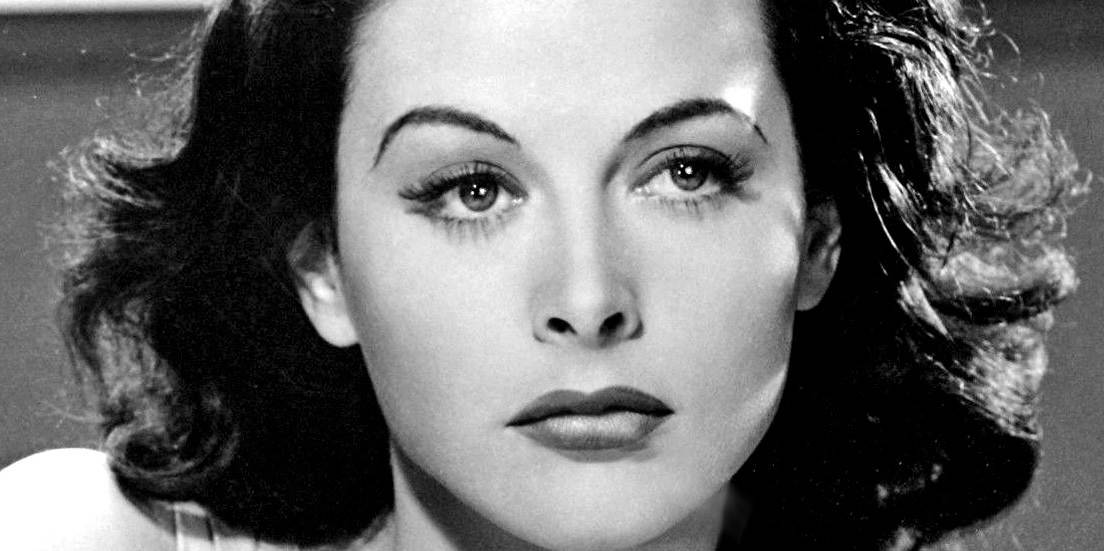
Acclaimed as MGM’s most gorgeous golden era film icon, in her spare time Hedy Lamarr tinkered in her basement. With the help of avant-garde composer George Antheil, she patented a frequency-hopping radio system in 1941 that prevented radio-controlled torpedoes from detection by adversaries.
Although it wasn’t until many years later that the patent was picked up by the U.S. Navy, her invention of spread-spectrum set up the foundation for Wi-Fi, Bluetooth, and GPS we use today.
Roald Dahl
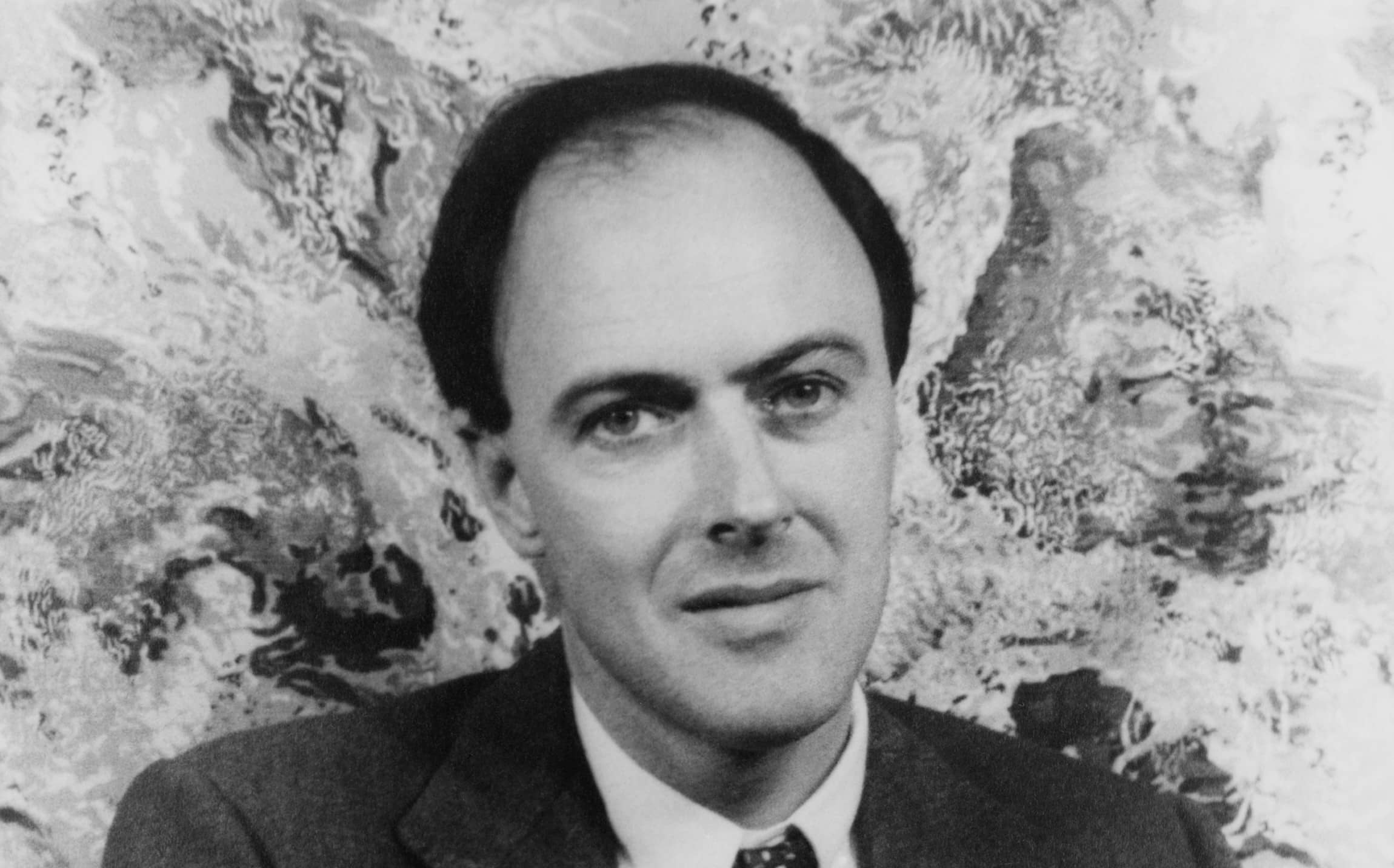
Before writing famous children’s stories such as Charlie and the Chocolate Factory, Roald Dahl was a fighter pilot for the RAF during World War II, but was injured, which forced him into an office job.
In 1942, Dahl was stationed in Washington, D.C., and recruited by the secret British Security Coordination (BSC). Dahl gathered political secrets, society gossip, and insider information from powerful American diplomats and politicians
Sir Christopher Lee
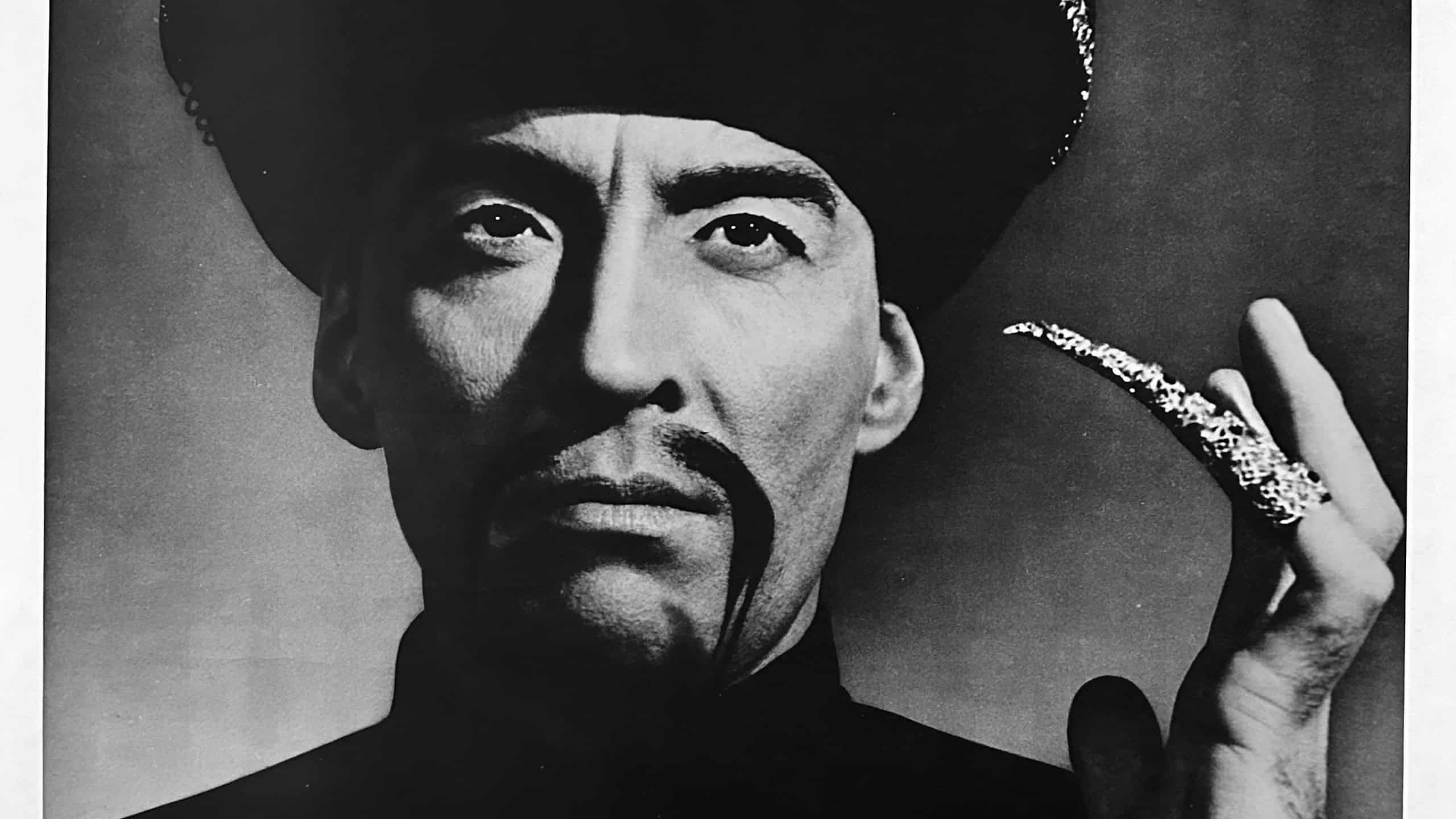
Known best for roles such as Dracula, Saruman, and Count Dooku, Sir Christopher Lee lived an interesting real life of his own. During World War II, Christopher Lee was an RAF Intelligence officer who spoke several languages.
Lee was attached to several squadrons in North Africa and Italy, running target intelligence and liaising with Allied forces. Later, Lee was placed with the Central Registry of War Criminals and Security Suspects to assist in tracking down escaped Nazis.
Josephine Baker
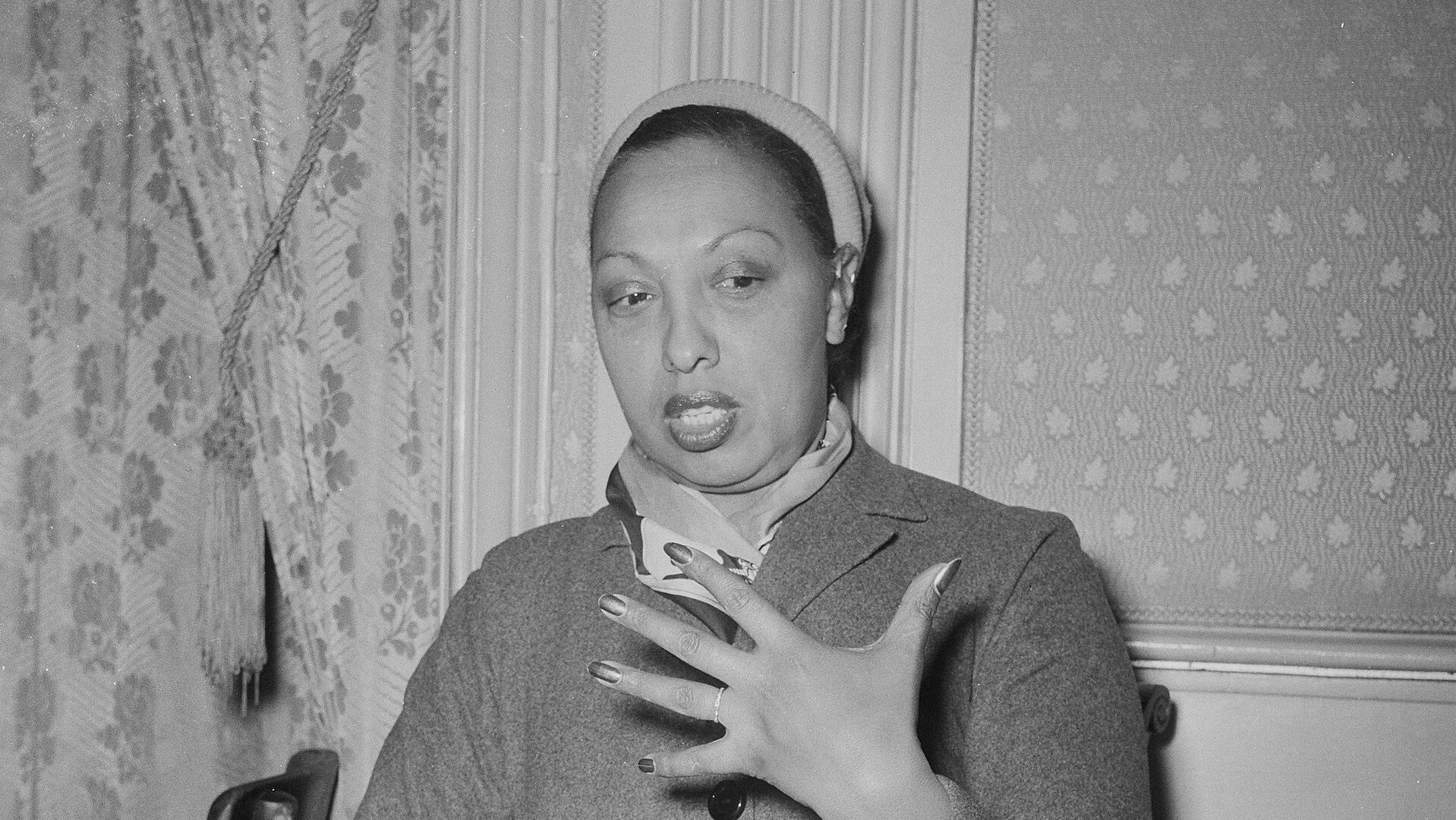
The internationally renowned African American dancer and singer entertained audiences in Paris during the 1920s and ’30s. During World War II, she spied for France while using her status as a celebrity entertainer.
Recruited by French military intelligence (Deuxième Bureau), then working for the Free French Resistance, Baker smuggled secret messages, photos of Axis airfields and troop deployments written in invisible ink between countries, concealing them in her sheet music and apparel.
Julia Child

Julia Child served for the Office of Strategic Services (the precursor to the CIA) during World War II, before she became a household name for teaching French cooking through her cookbooks and television shows.
With top-secret security clearance, Child worked under OSS Director William J. Donovan as a chief researcher and helped develop a shark repellent that was used to keep sharks from triggering underwater explosives targeting German U-boats.
Benjamin Franklin

Best known as a Founding Father, diplomat, and scientist, Ben Franklin was also a secret intelligence expert. Franklin ran espionage networks while serving as a diplomat in Paris during the American Revolution.
He arranged undercover arms purchases, spread propaganda, directed American privateers, and fed false information to neutralize a large British intelligence network that sought to undermine him.
Virginia Hall
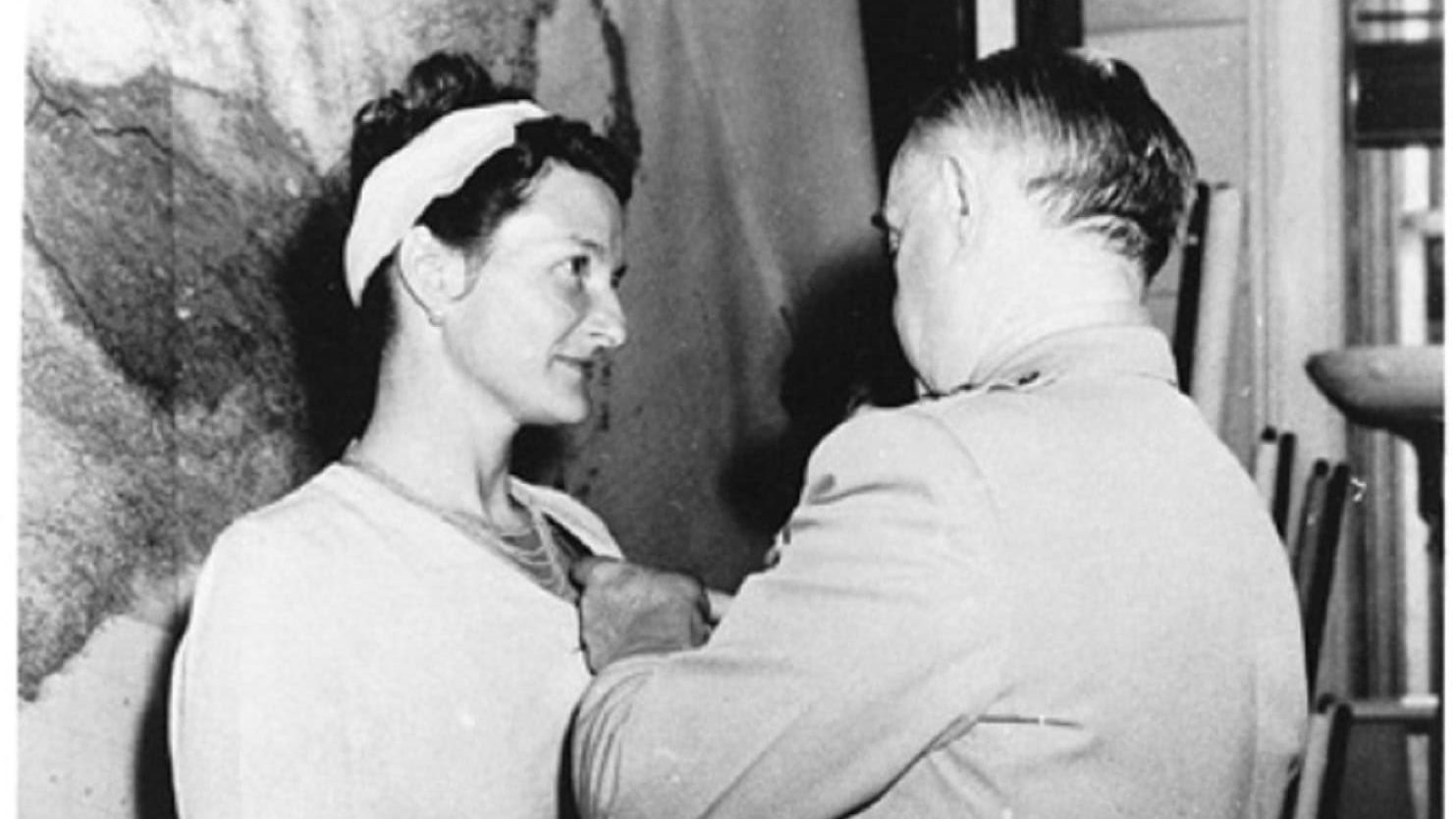
An American who lost her lower left leg in a hunting accident, Virginia Hall was considered by her colleagues to be just a mild-mannered clerk working in a diplomat’s office. In truth, she was one of World War II’s most successful spies working undercover in Nazi-occupied France first for the British Special Operations Executive (SOE), and later the American OSS.
Nicknamed “The Limping Lady” by the Gestapo, she ran resistance cells, marked landing fields, set up safe houses, and supported sabotage efforts before the invasion on D-Day.
Sir Arthur Conan Doyle
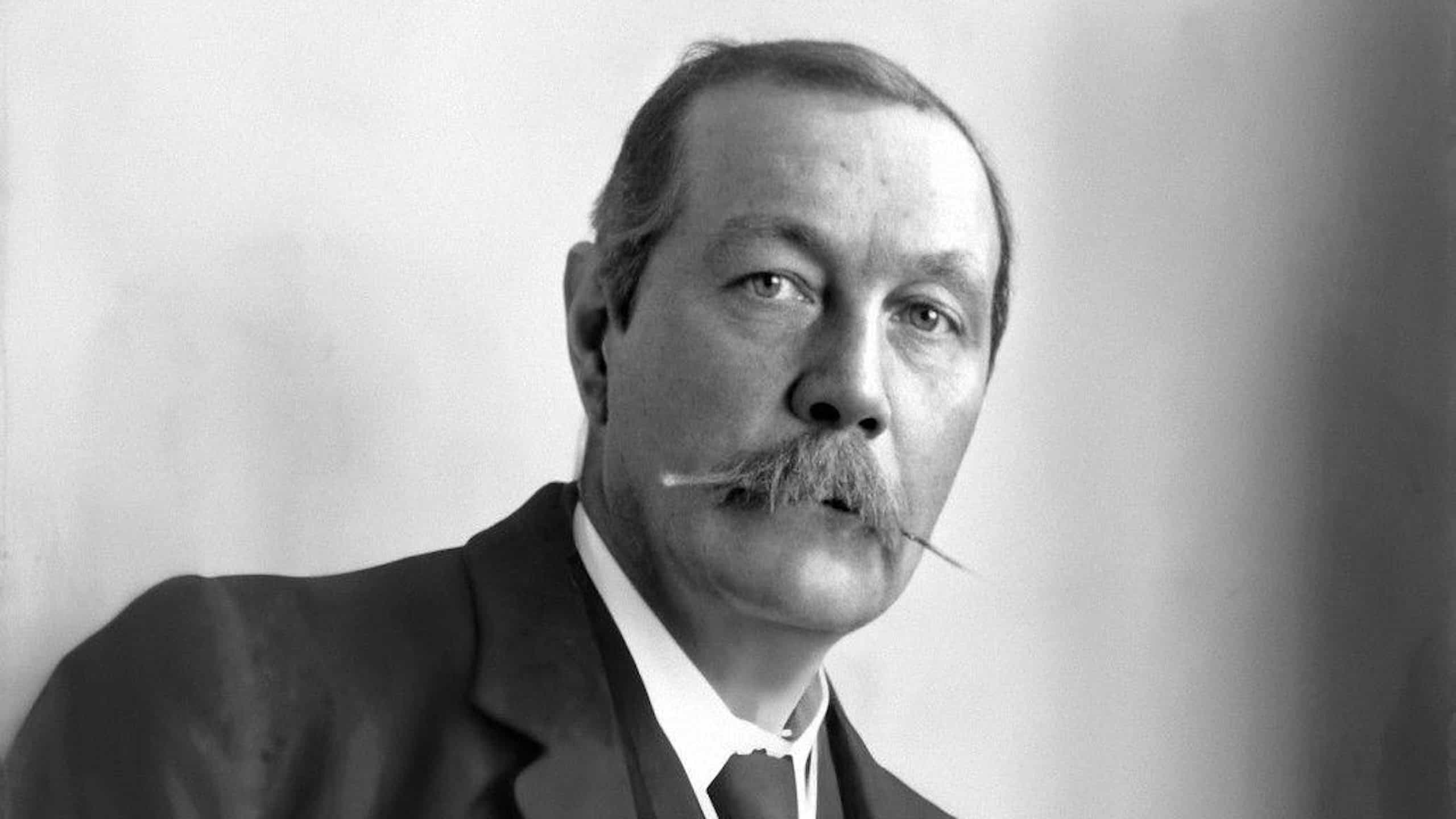
Sherlock Holmes’ author often tested his legendary character’s powers of deduction against actual crimes. Sir Arthur Conan Doyle privately investigated several famous court cases, quietly re-analysing material evidence and witness statements to reveal multiple severe police miscarriages of justice.
Doyle exonerated two wrongly convicted criminals, George Edalji and Oscar Slater, contributing to the establishment of the Court of Criminal Appeal in Britain.
Ian Fleming
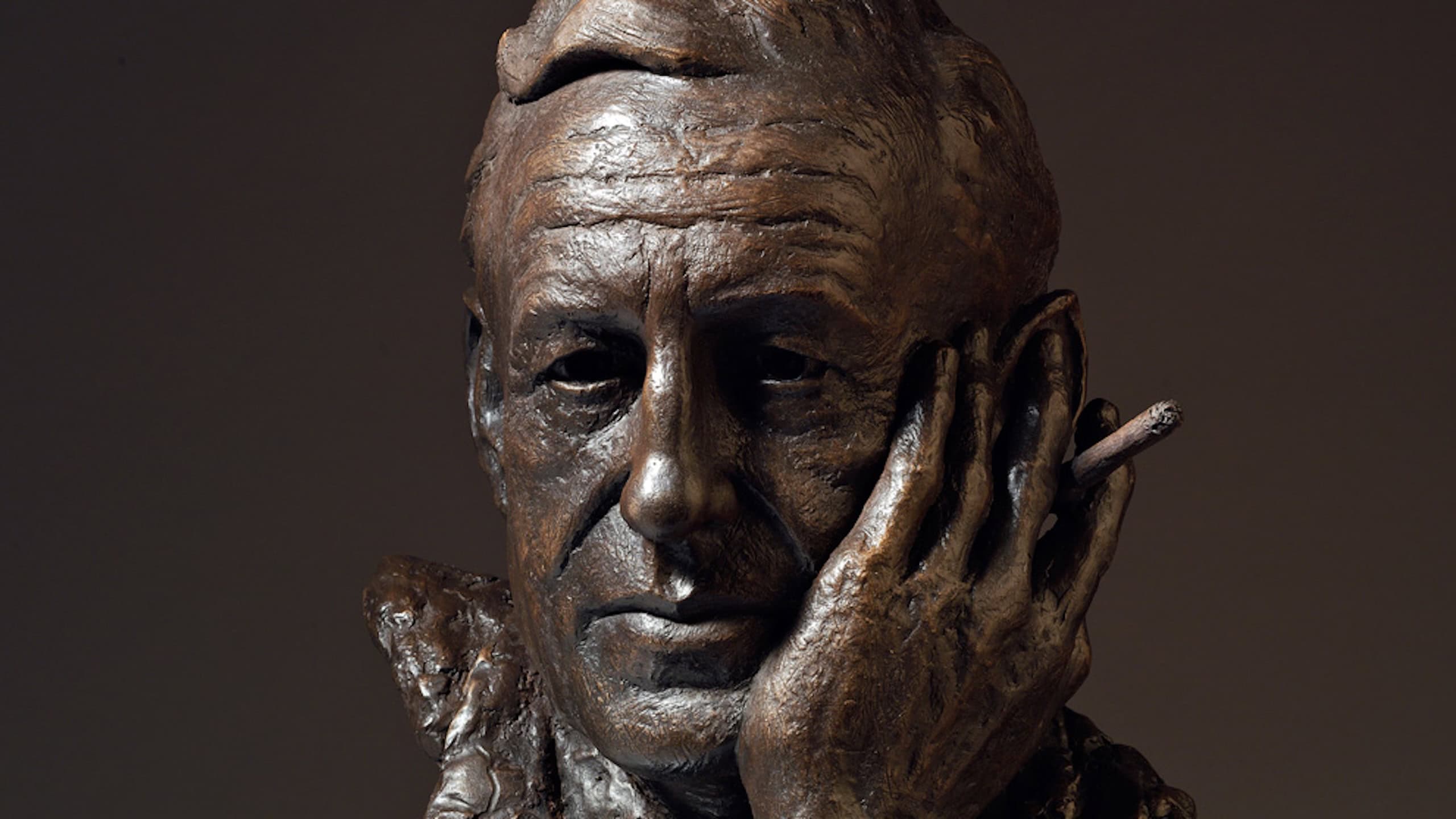
Ian Fleming worked as a personal assistant to Britain’s Director of Naval Intelligence, Rear Admiral John Godfrey, during World War II, before writing the James Bond series.
Fleming, who held the wartime rank of Lieutenant Commander, wrote intelligence briefing papers, planned deceptions (famously providing the synopsis for Operation Mincemeat), and was one of the founders of 30 Assault Unit, an intelligence commando team charged with capturing enemy code books and equipment.
Moe Berg
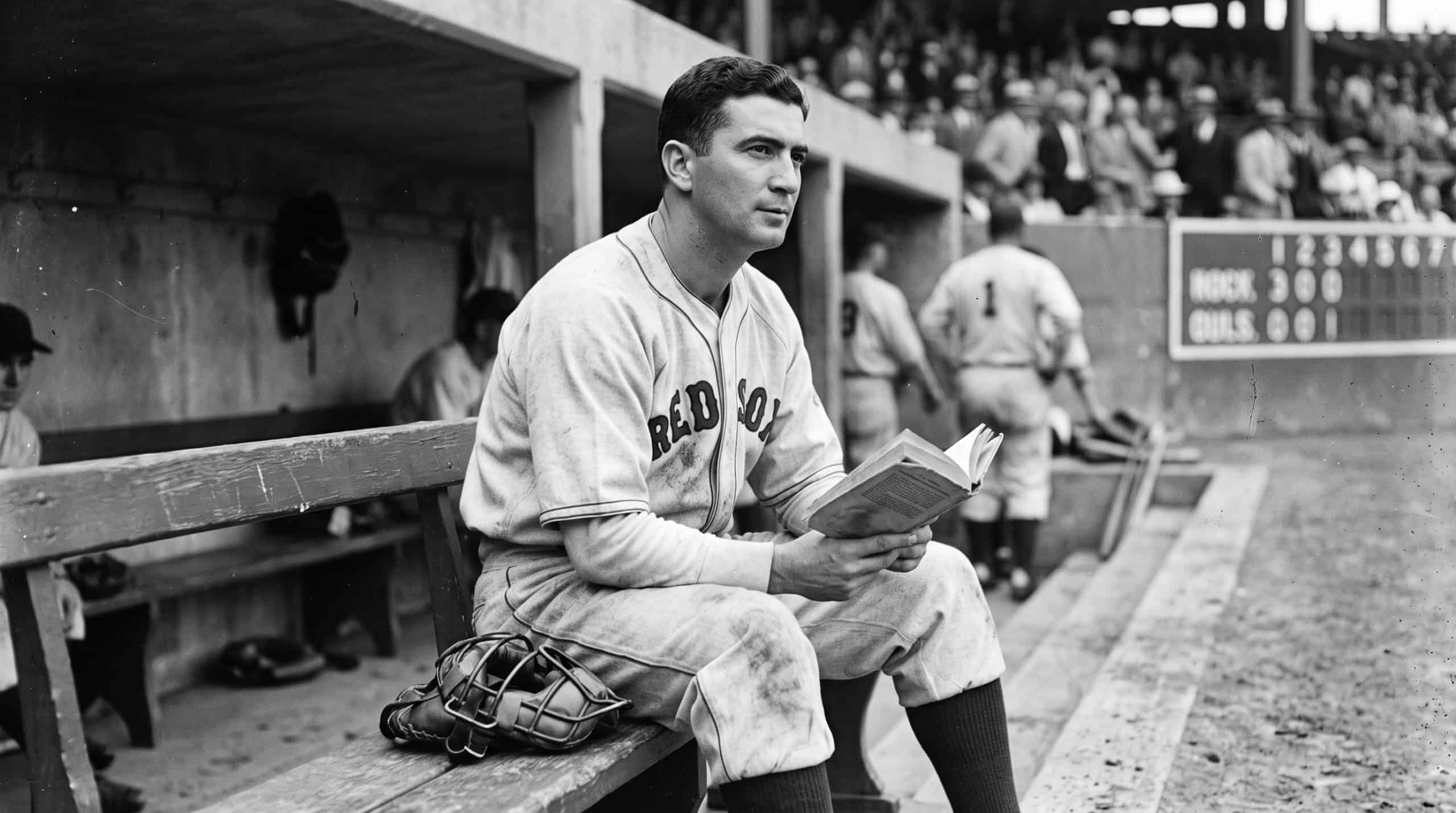
Moe Berg was a Major League Baseball catcher who played for 15 seasons for teams including the Brooklyn Dodgers and Boston Red Sox. He was known primarily as a polyglot scholar.
Unknown to many, Berg worked as an OSS agent. Berg was deployed to Europe during World War II. During the war, he once attended a lecture given by German physicist Werner Heisenberg in Switzerland in 1944, under orders to kill Heisenberg if Berg believed Germany was about to succeed in building an atomic bomb.
Graham Greene
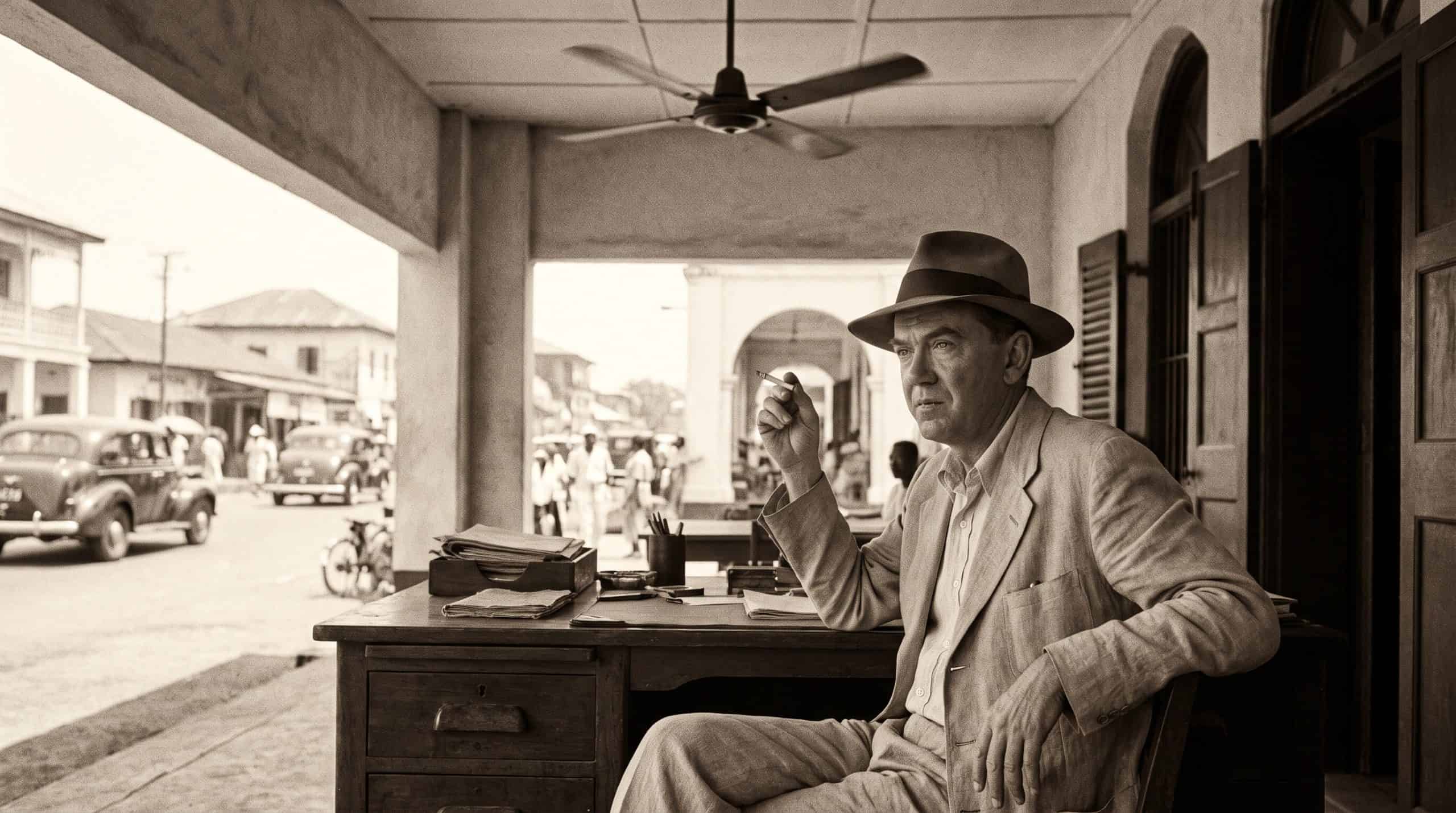
One of the most famous novelists of the 20th century, Graham Greene based his thrillers in part on his experiences as a spy. Greene was recruited by Britain’s Secret Intelligence Service (MI6) during World War II and posted to Freetown, Sierra Leone, reporting on German activity in West Africa.
His superior was Kim Philby. Greene kept unofficial connections with British intelligence throughout his life, sending in reports from around the world.
Kim Philby
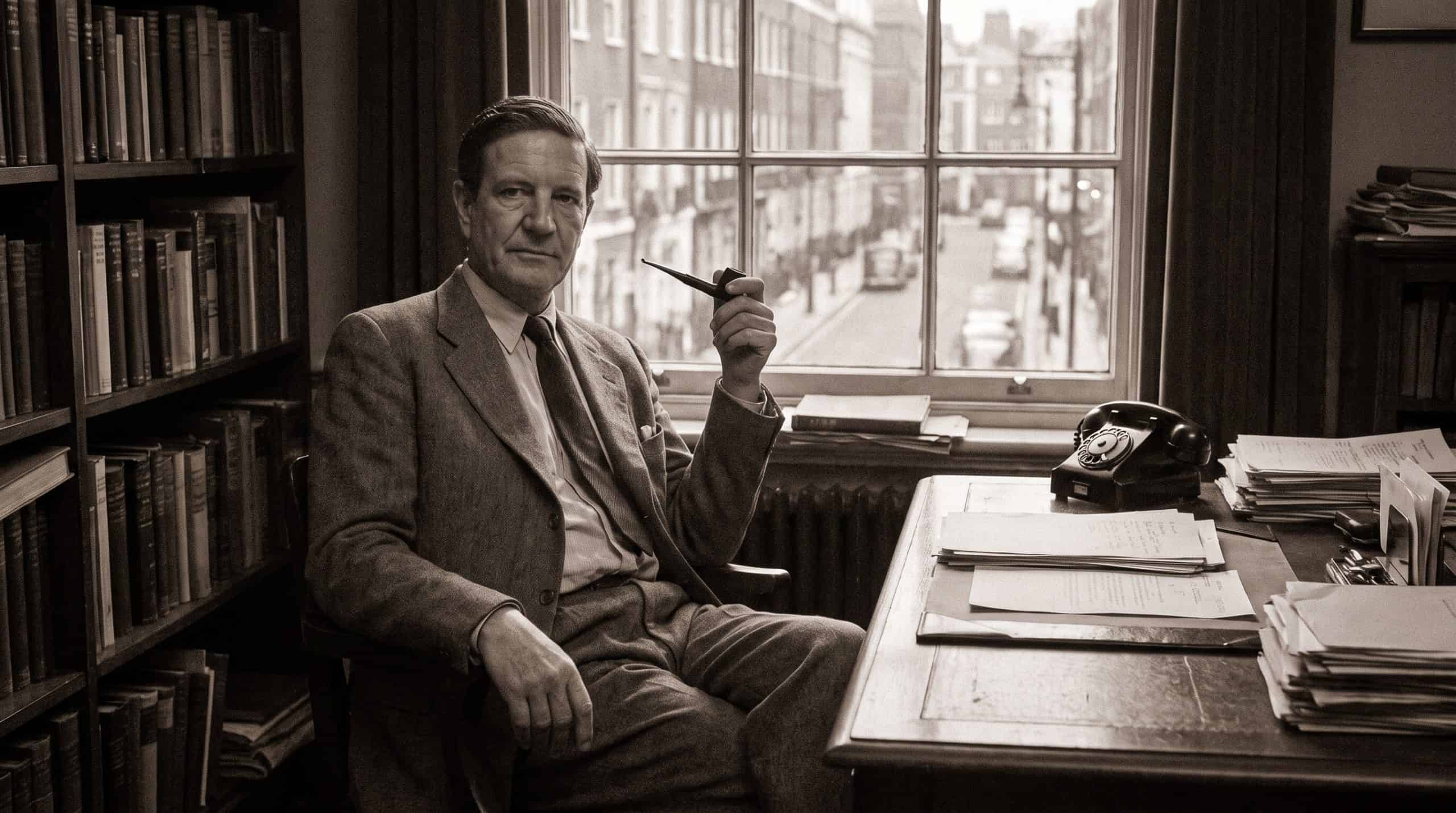
Kim Philby was considered by the British establishment to be a senior MI6 agent, diplomat, and head of anti-Soviet counterintelligence who was destined to become the spy agency’s next director.
In fact, Philby was a senior member of the Soviet spy ring known as the “Cambridge Five,” who were all recruited in the 30s. Philby passed along secrets of Allied military operations and entire networks of agents straight to the KGB, resulting in the deaths of scores of Western agents before defecting to Moscow in 1963.
Samuel Morse
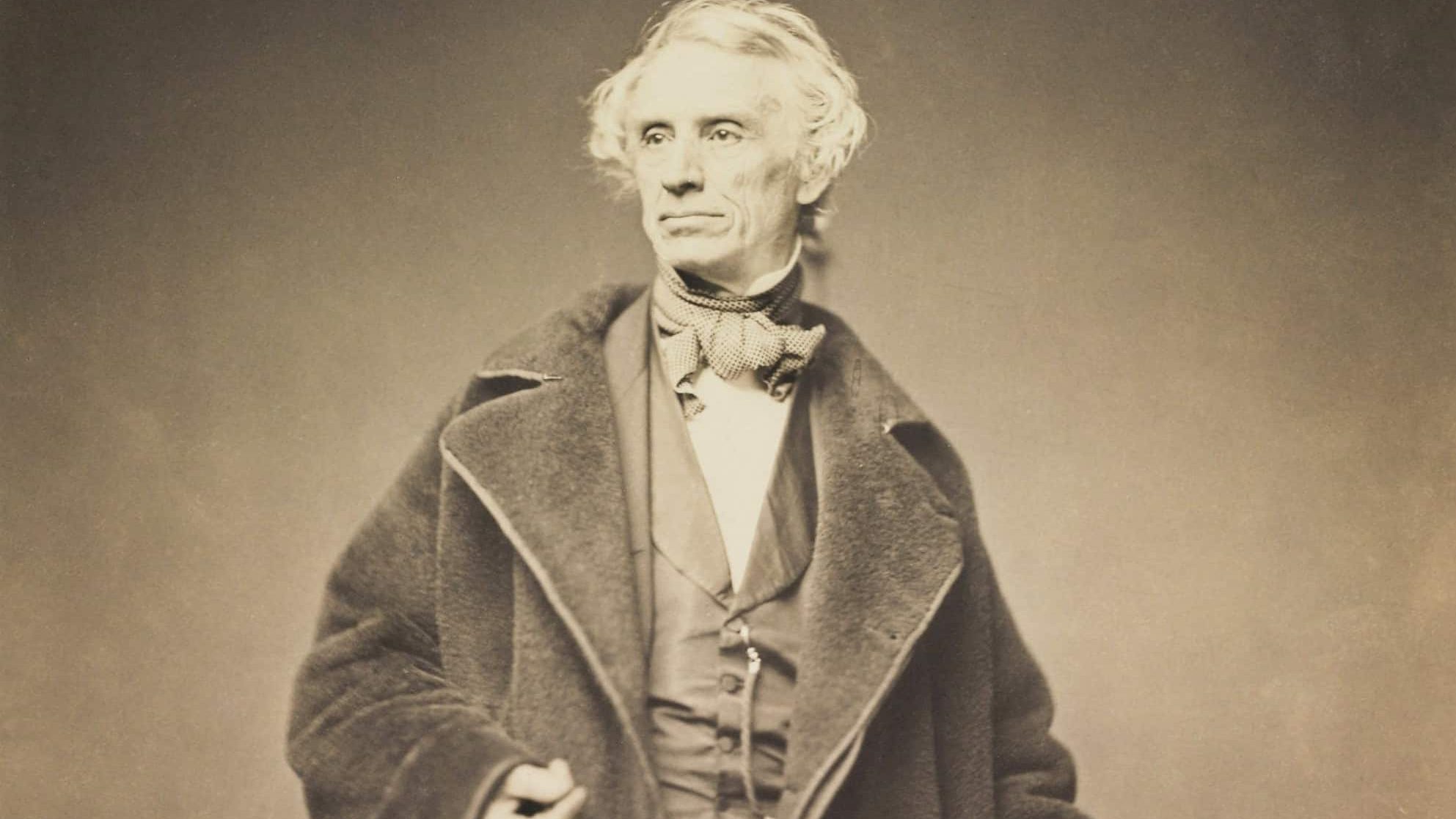
Known today worldwide for his co-invention of the telegraph and Morse code, Samuel Morse lived his younger years as a painter and severe political fanatic.
He authored fiery nativist articles as “Brutus,” claiming there was a Vatican plot to take over the United States. He used his notoriety and early fame to co-found nativist political parties and ran twice for Mayor of New York City on an anti-immigration ticket.
Audrey Hepburn

Although famed for her elegance on screen, Hepburn grew up during World War II in Nazi-occupied Holland. Hepburn danced in underground recitals (zwarte avonnen) as a teenager to raise money for the Dutch Resistance and shelter Jews.
Hepburn endured malnutrition during the Dutch famine of 1944–45, which stunted her growth.
T.E. Lawrence (Lawrence of Arabia)
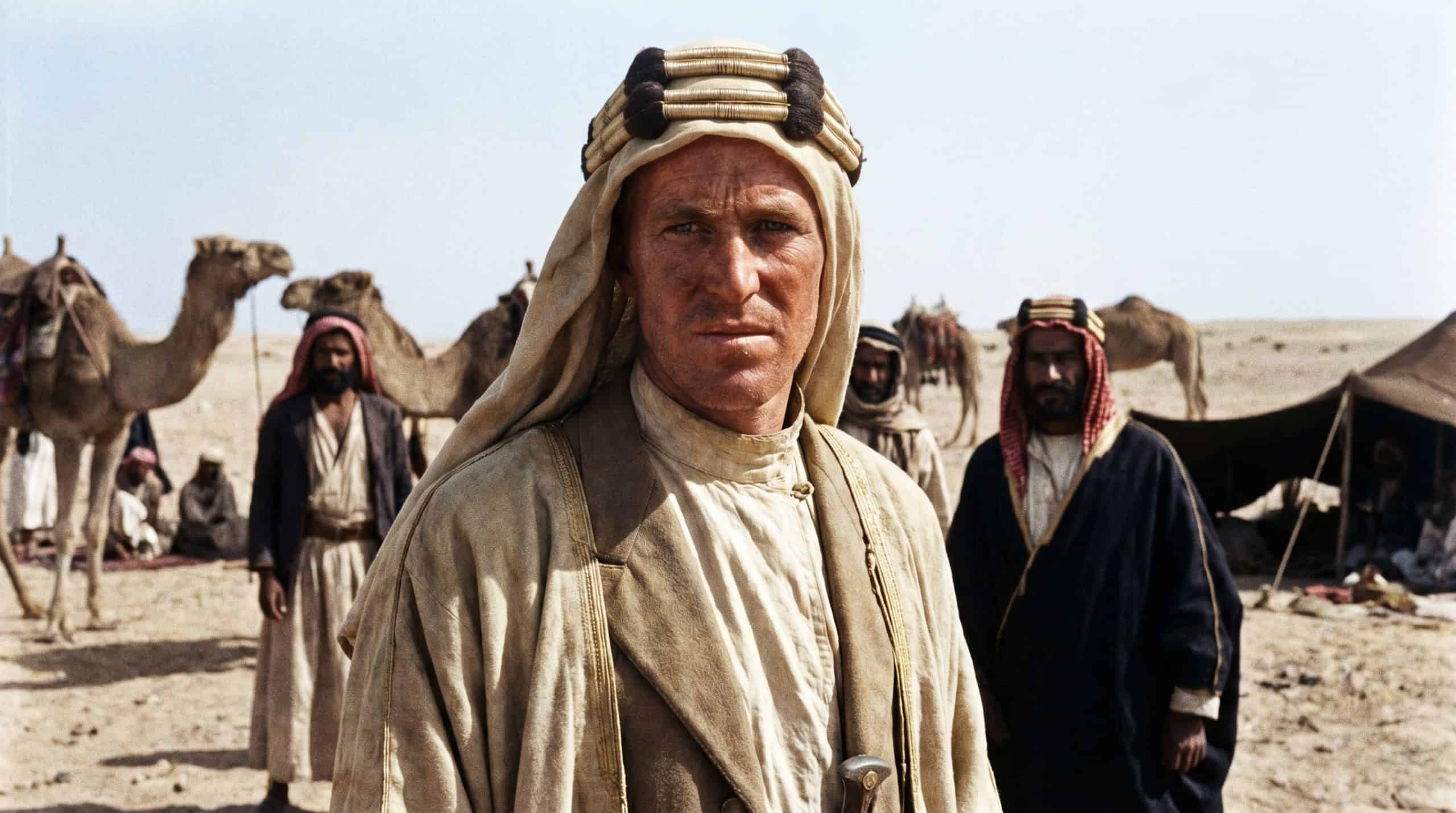
Regarded as a celebrity after the highly publicized Arab Revolt of 1916–1918, Lawrence could not get comfortable with the public attention and desired privacy.
He joined first the Royal Air Force under the name “John Hume Ross”, and later the Royal Tank Corps as “T.E. Shaw”, living in simple military barracks as a normal low-ranking airman by day and secretly revising his memoir Seven Pillars of Wisdom by night.
Sources: Please see here for a complete listing of all sources that were consulted in the preparation of this article.
Like our content? Be sure to follow us.
The 15 most hated actors in Hollywood history

Some actors receive hate after criminal cases, some receive it after the things they’ve said, and as for others, it’s because they took on a role that went very badly.

