

Most deaths come with mourning, but there have been quite a few that have actually led to cheering and street parties because people had been waiting years for the news.
Benito Mussolini
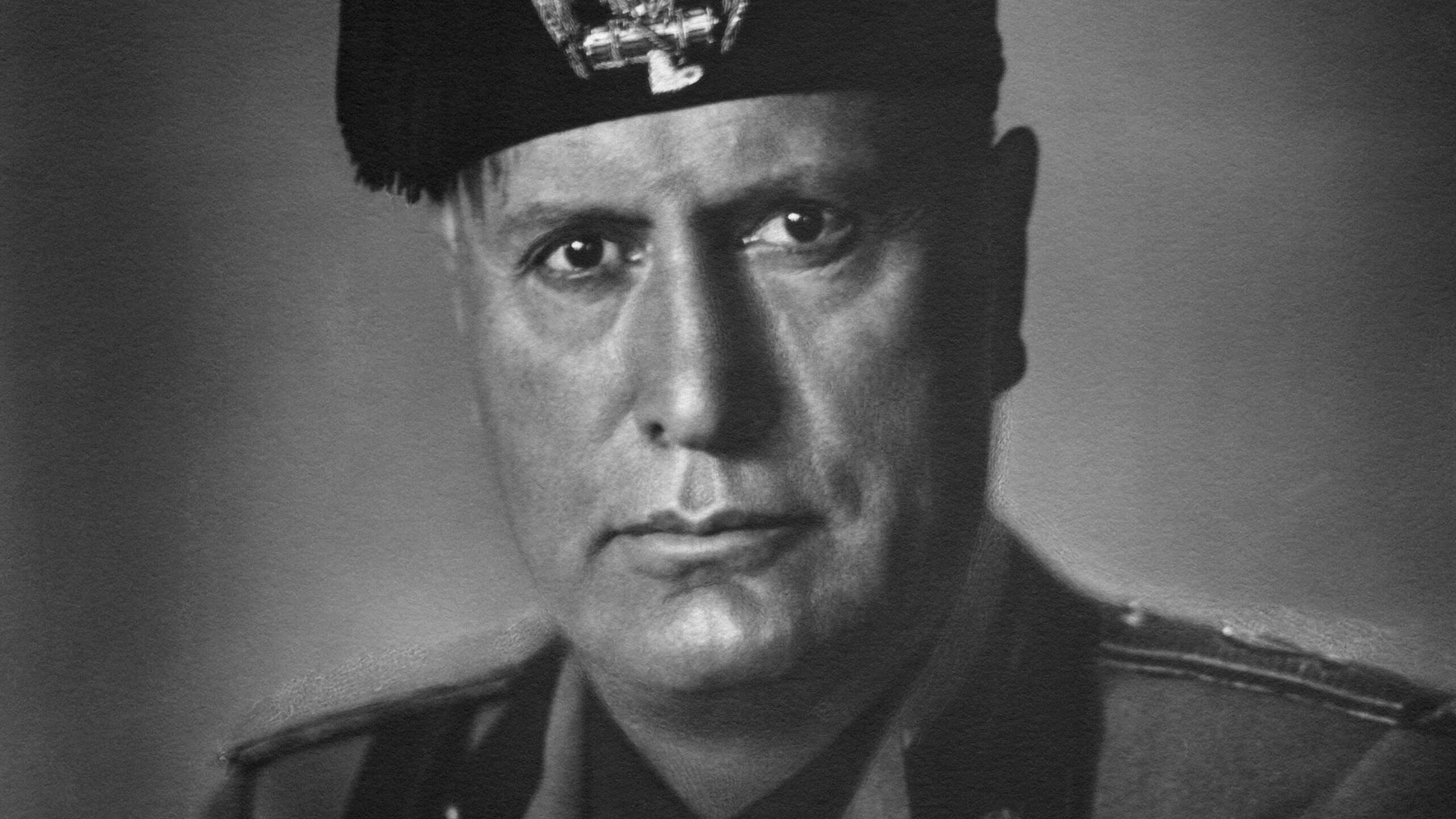
Italian dictator Benito Mussolini was caught near Lake Como on April 27, 1945. He was trying to escape with retreating German soldiers, but then a member of the Italian Resistance shot him and his mistress, Clara Petacci. That’s when the celebrations started.
The Resistance took their bodies to Milan’s Piazzale Loreto. It wasn’t a totally random choice, as fascists had previously displayed 15 executed resistance members there. Now it was Mussolini’s turn. Crowds kicked the bodies and spat at them. They were very happy he was dead.
Osama bin Laden
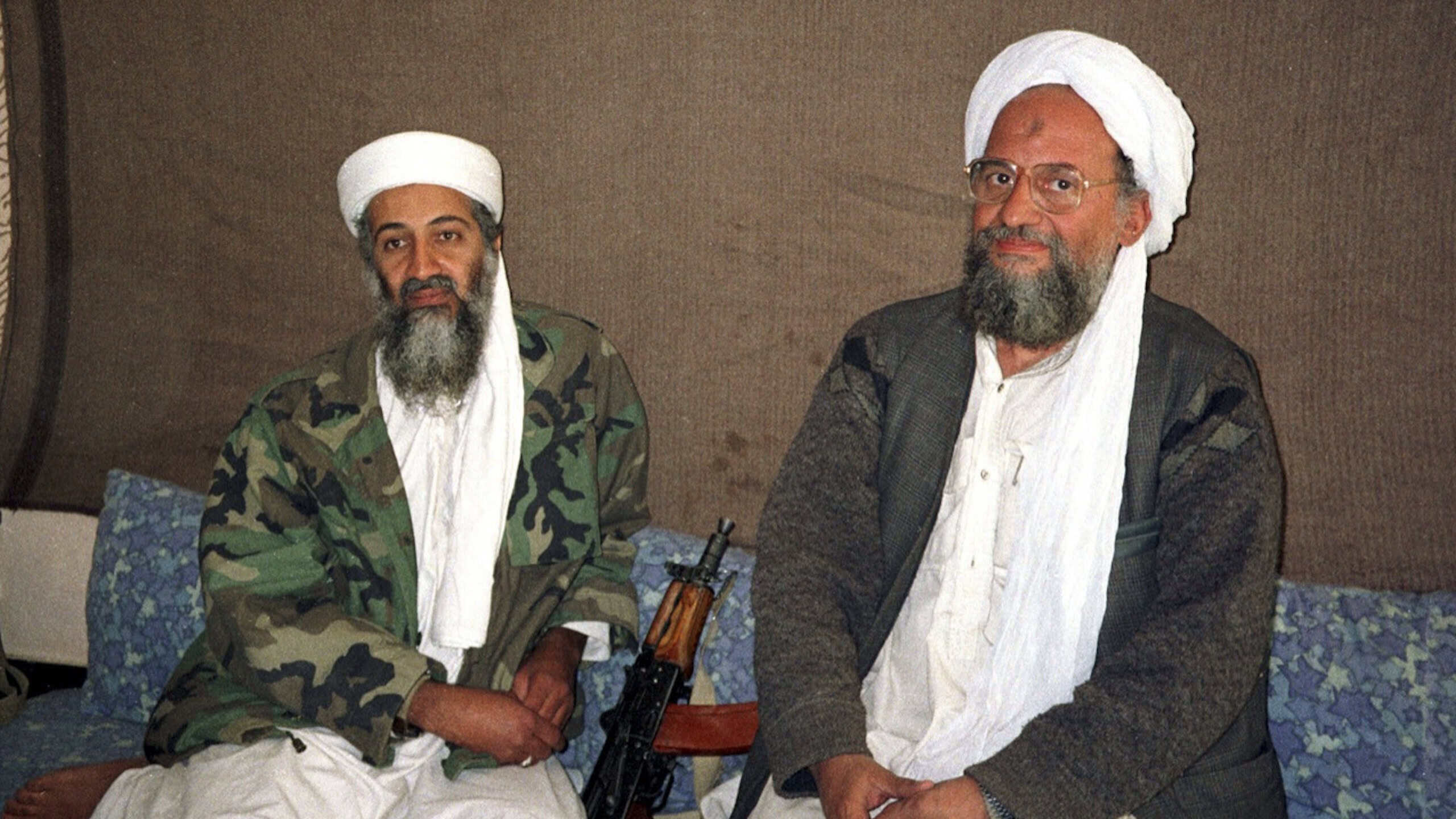
It was late on a Sunday night when the announcement came through. Osama bin Laden, leader of the terrorist group al-Qaeda and the mind behind the 9/11 attacks, had been killed. U.S. forces led a raid on his compound in Pakistan on May 2, 2011, then found and killed bin Laden.
Thousands of miles away, in America, crowds gathered near the White House waving flags and singing. It was a pretty touching moment for New Yorkers in particular. Hundreds of them visited the former World Trade Center site and climbed street signs. Some sprayed champagne, some chanted, but overall, it was clear that people were celebrating his death in any way they could.
Muammar Gaddafi
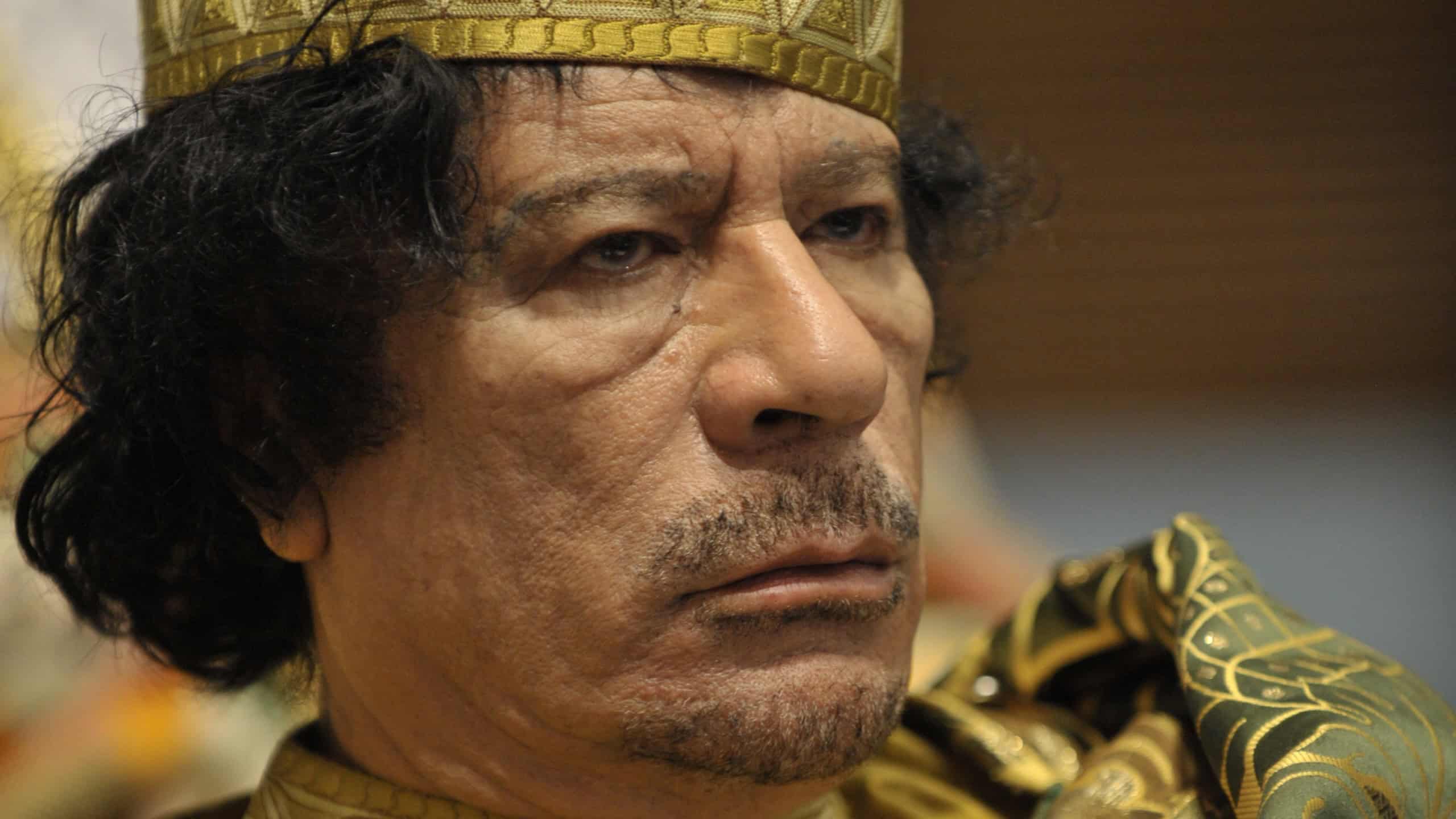
The Arab Spring of 2011 was a time when many Middle Eastern and North African countries overthrew their leaders, and what happened in Libya was a great example. The people there fought back against Muammar Gaddafi. He’d ruled the country for 42 years.
Finally, people decided enough was enough, and they caught him as he tried to flee the country. The exact details of his death are a bit murky. Still, one thing was clear, and it was the people’s joy that Gaddafi was dead. They filled Tripoli’s Martyrs’ Square and waved Libya’s new flag while also dancing.
Nicolae Ceaușescu

Christmas Day should be a time of celebration. It was, in Romania in 1989, although not for the usual reasons. That was the day that Romanian leader Nicolae Ceaușescu and his wife, Elena, were killed. They’d tried to leave the country after his government collapsed, but were caught.
They were quickly put on trial on December 25 and executed by firing squad that same afternoon. Many Romanians had already begun celebrating when the dictatorship fell. His death only made them happier, especially since people could finally celebrate Christmas again after years of communist restrictions.
Saddam Hussein
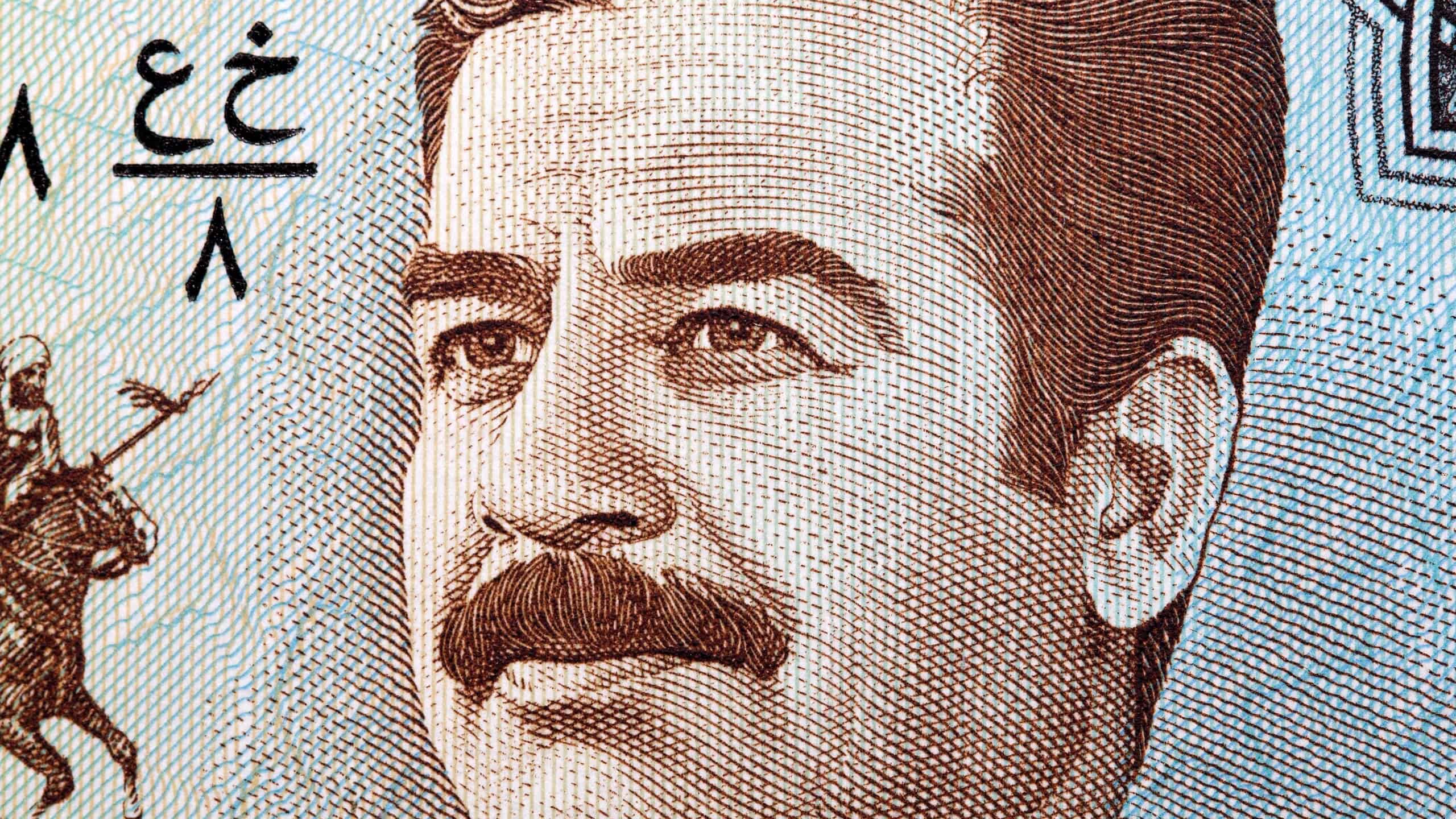
Most of Baghdad hadn’t even started the day yet on December 30, 2006. Yet by sunrise, Iraq’s former leader, Saddam Hussein, was dead. An Iraqi court hanged him after he was convicted of killing 148 Shiite Muslims in Dujail, Iraq.
To nobody’s surprise, a lot of Shiite Muslims began celebrating after his death. They danced in the streets and beat drums while also firing guns. The celebrations took place across the world, including Iraqi immigrants in Detroit because they thought it was good news he was gone.
Maximilien Robespierre
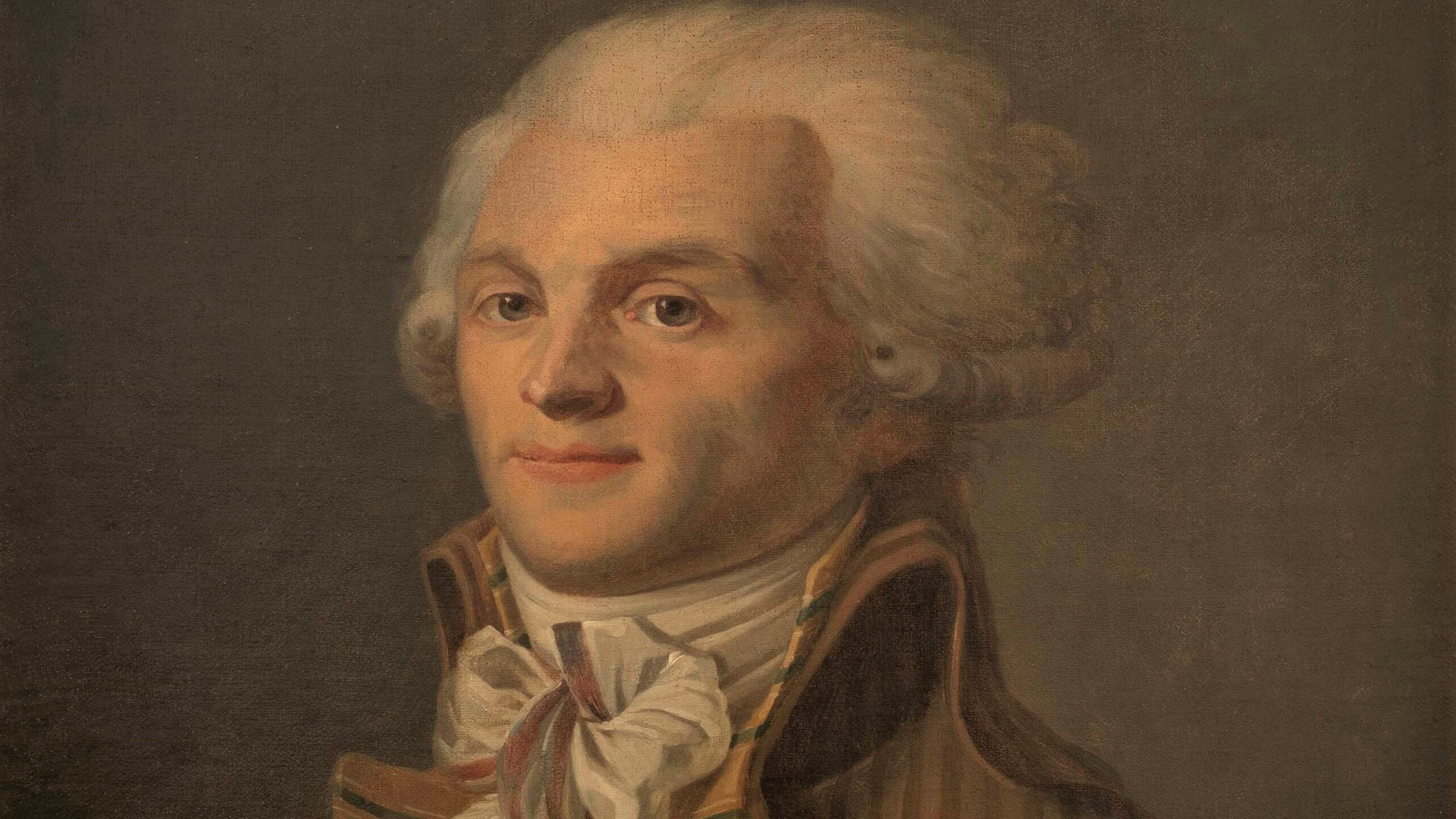
France was a scary place to be in the 1790s, whether or not you were part of the French Revolution. One of the most important people in the Revolution, Maximilien Robespierre, knew all about that. He’d been arrested on July 27, 1794, and was shot, although he survived.
He was then taken to the guillotine the next day, along with 21 supporters. They were led through the streets, and spectators cheered. He was then executed at the Place de la Révolution. His death was met with long, loud cheering from the crowd.
Marie Antoinette
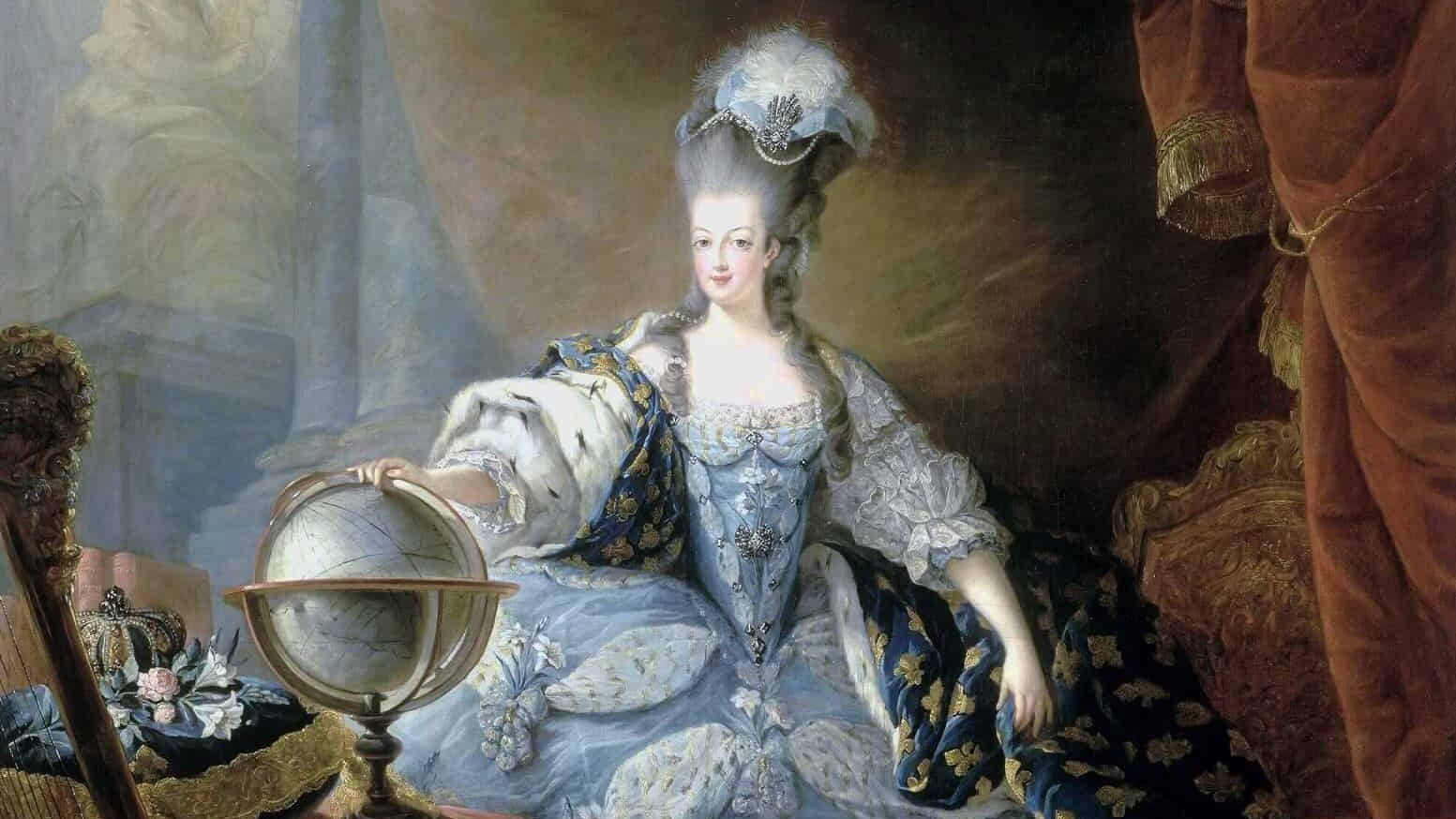
Former French Queen Marie Antoinette went through something similar the year before. She was led through Paris on October 16, 1793, and was meant to be seen by the people, especially since she was put in an open cart. They deliberately chose not to put her in a closed carriage.
Antoinette had her hands tied behind her the whole time. The crowds watched as she was taken to the Place de la Révolution and guillotined shortly after noon. The executioner lifted her severed head afterward, and that’s when the people celebrated. They actually began shouting, ‘Long live the Republic.’ Pretty gruesome stuff.
Emperor Tiberius
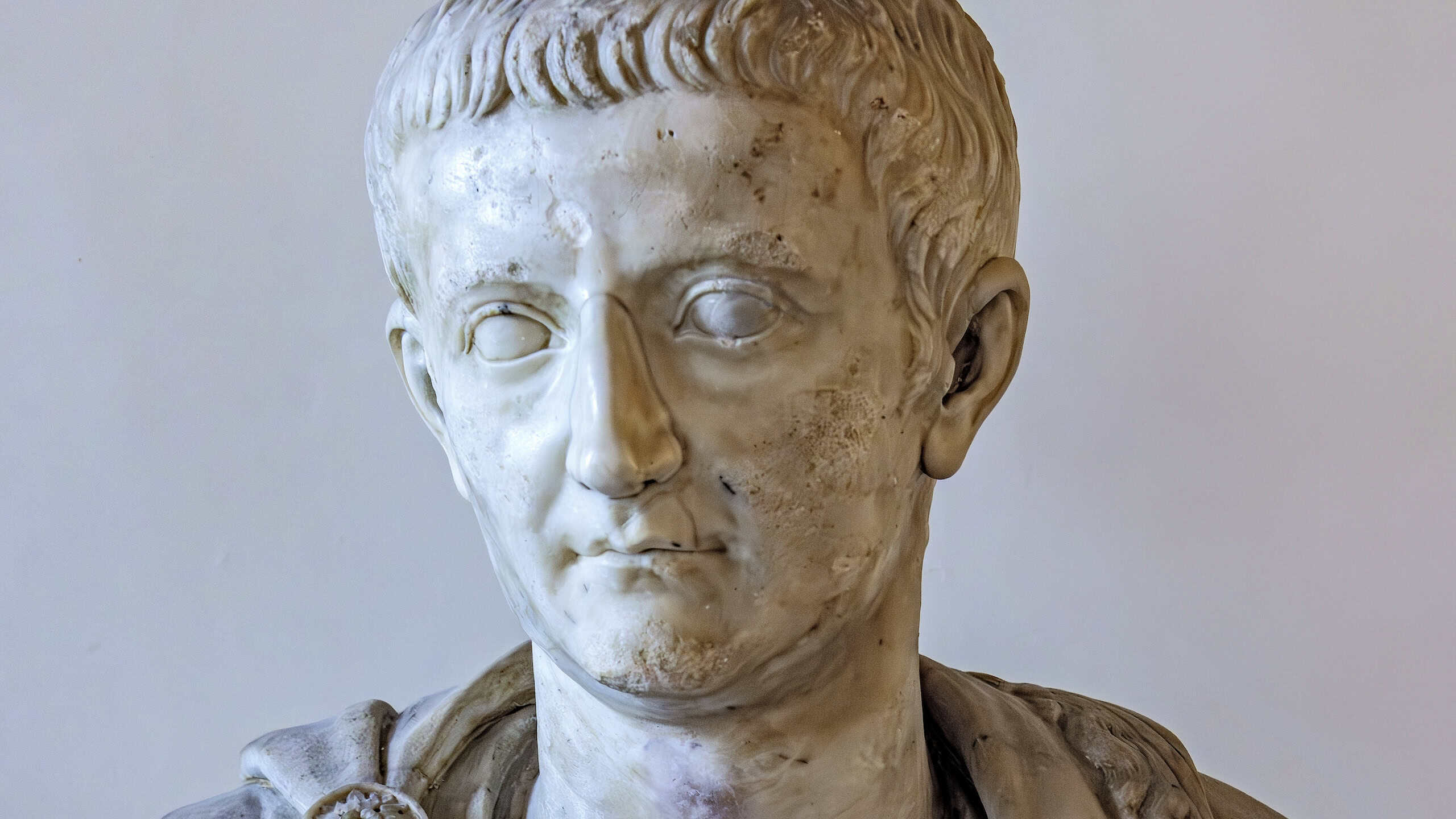
Roman emperor Tiberius died on March 16, AD 37, and the people called for his body to be thrown into the Tiber. They really couldn’t stand him. There were also rumors he wasn’t dead. Yes, some ancient accounts say he briefly recovered before attendants smothered him.
Others said he might’ve simply passed away. We just don’t know. What we do know, however, is that many people were keen to celebrate his death and didn’t want him to have a grand funeral. Some said they wanted to drag his body through the city because they hated him that much.
Emperor Vitellius
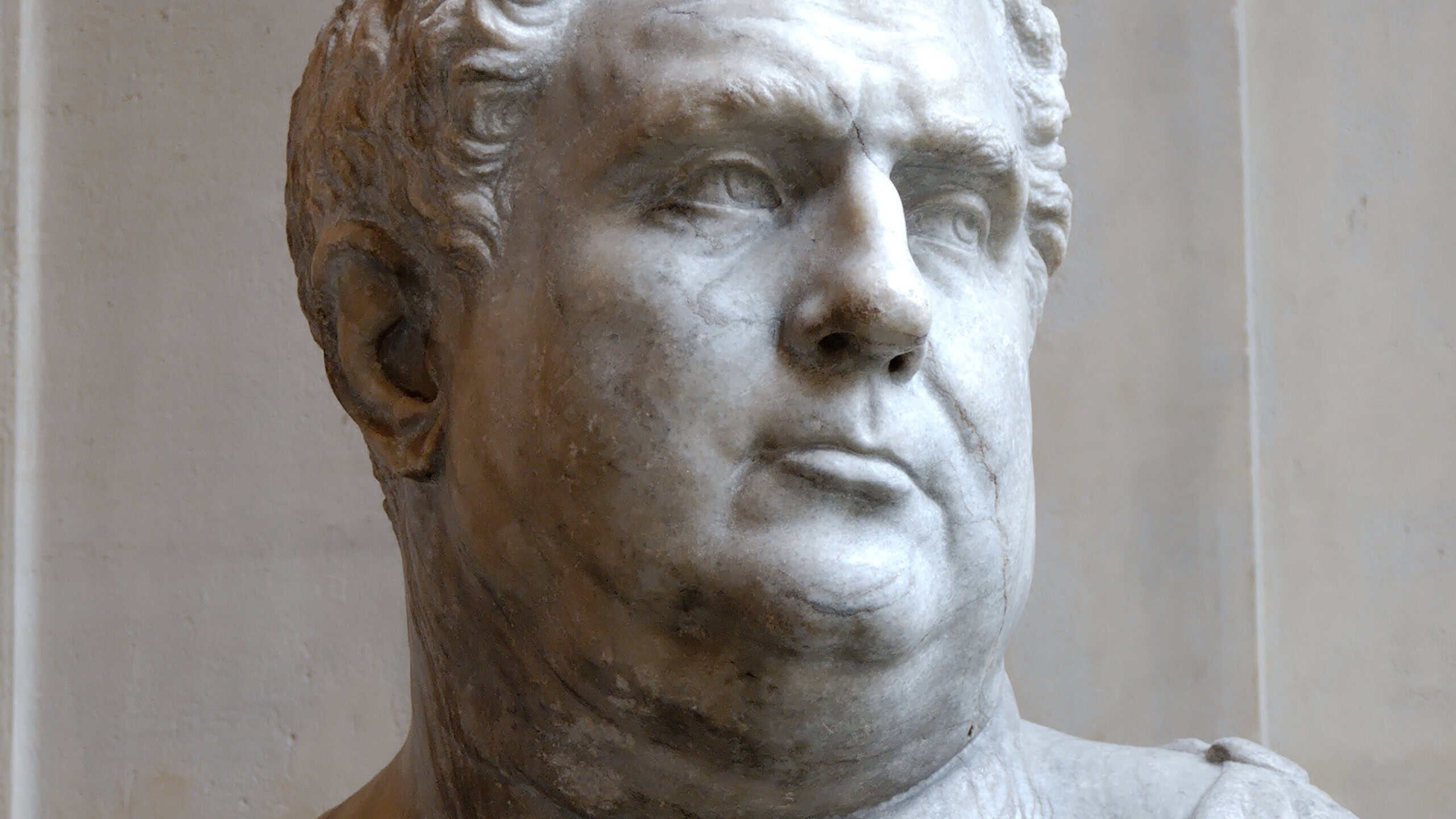
Emperor Vitellius was another Roman emperor, and like Tiberius, some people were very happy he died. He’d tried to disappear inside the imperial palace in December AD 69. But enemy soldiers still found him. They tied his arms and put a rope around his neck, to start with.
Then they hauled him through Rome, and the crowd joined in by throwing filth at him while also yelling insults, especially about his eating habits. He was killed near the Gemonian Stairs and his body dumped into the Tiber. It was quite the spectacle.
Margaret Thatcher
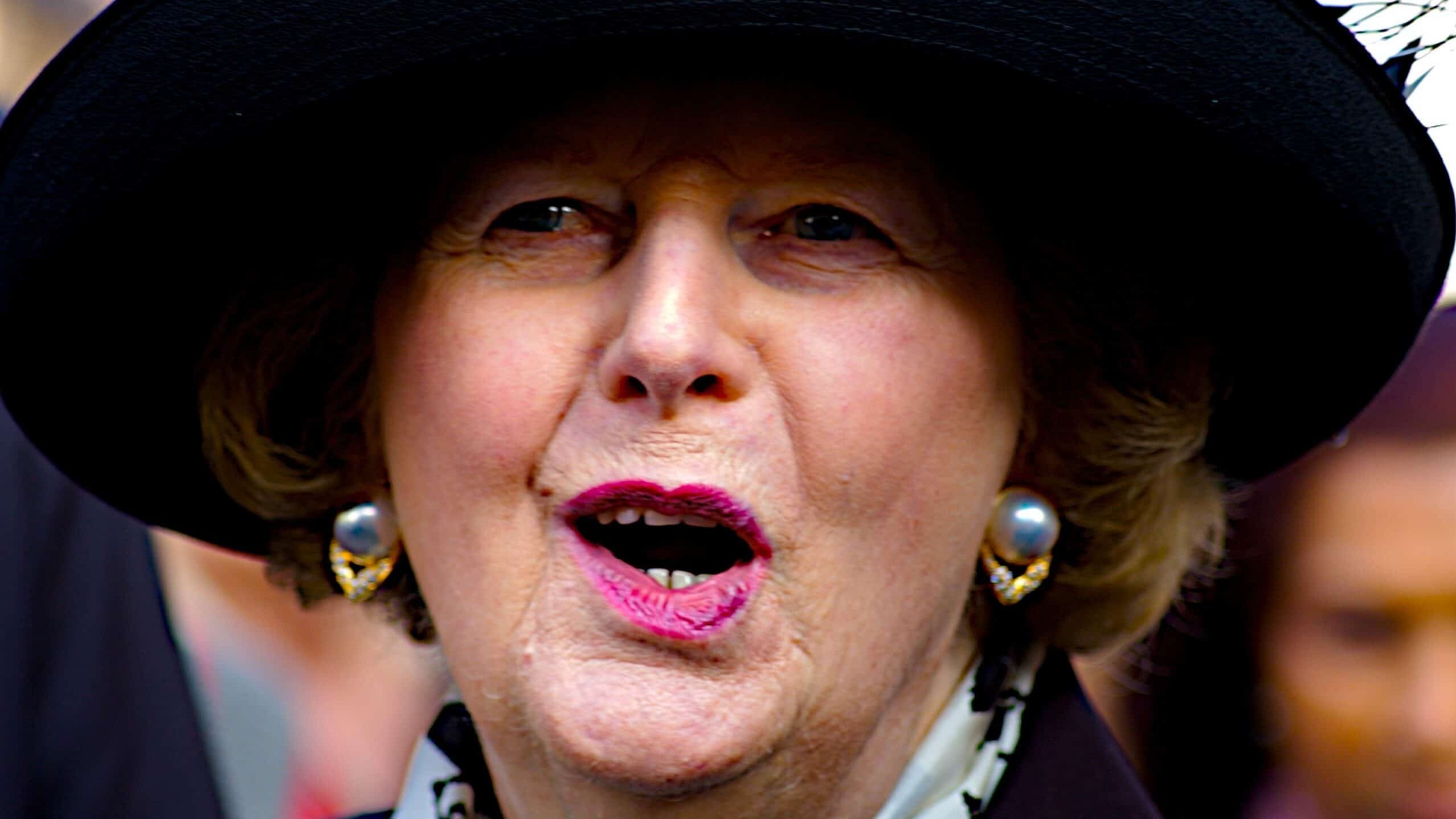
Unlike some of the other leaders, former British Prime Minister Margaret Thatcher didn’t die because of a revolution or anything. No, she died on April 8, 2013, following a stroke. People still celebrated all the same. Several hundred people danced and drank in Brixton.
Other former mining towns celebrated her death because they were angry that she’d closed the pits there. Unemployment had been a major problem under her rule. Not everyone celebrated, of course, but there were a large number of people who did.
Sources: Please see here for a complete listing of all sources that were consulted in the preparation of this article.
Ten evil historical figures people don’t talk about enough
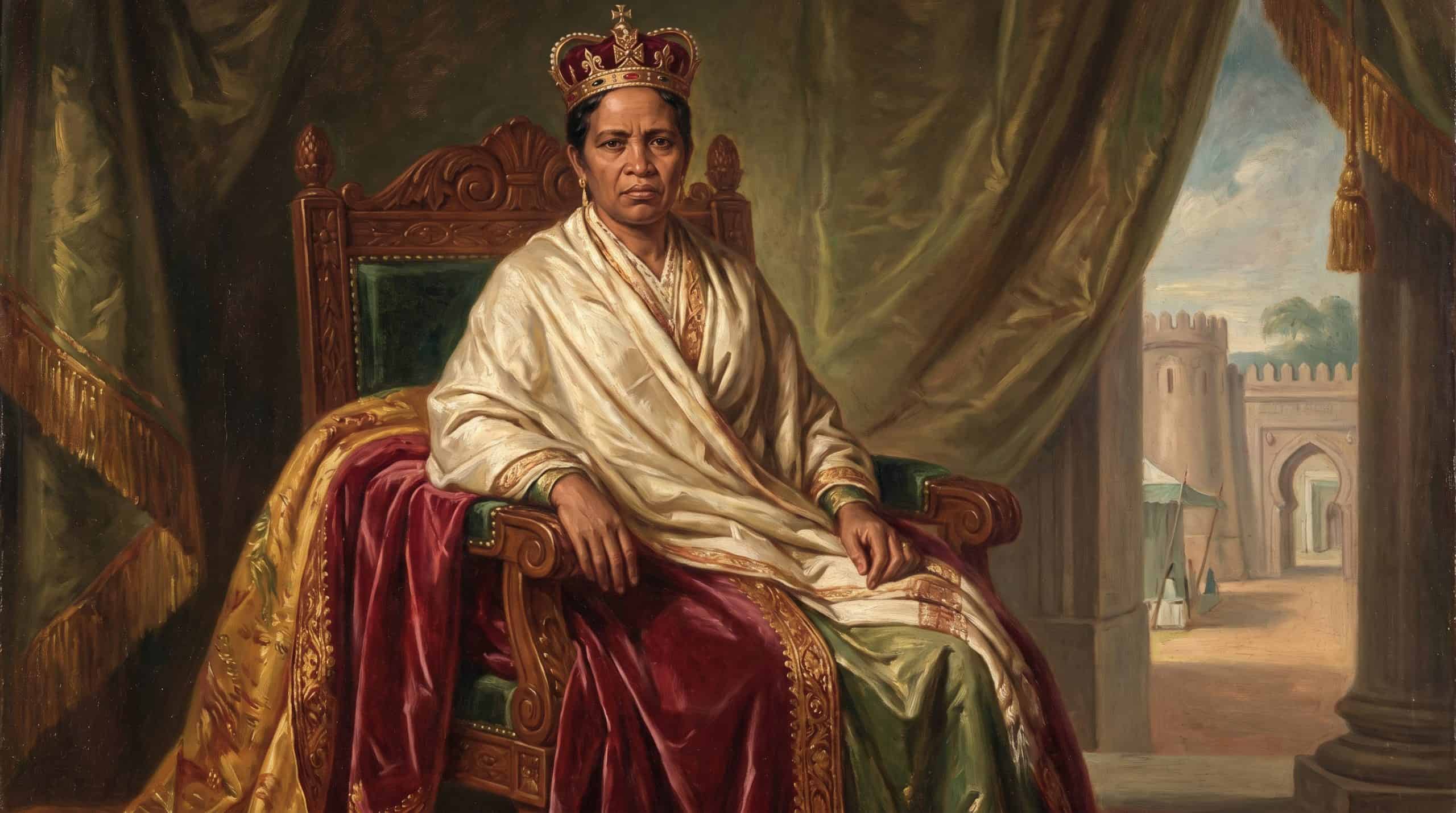
We all know who Hitler and Stalin are, but these ten killers committed just as many atrocities.

