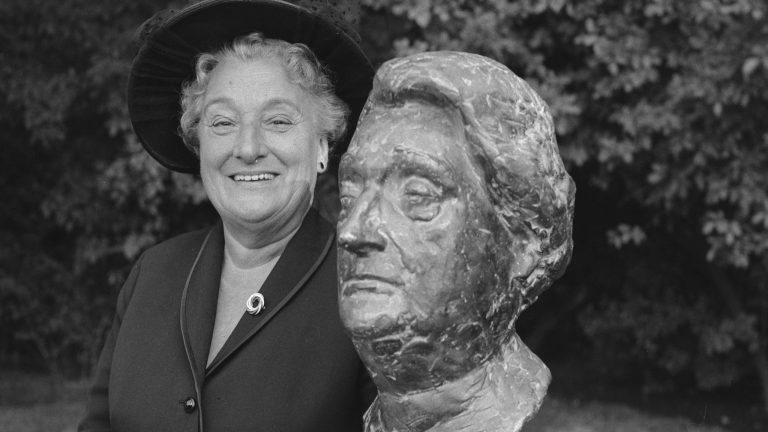

These people changed medicine and rescued thousands of people, completely changing the course of history, yet they’re barely remembered for their brave actions.
Ona Šimaitė
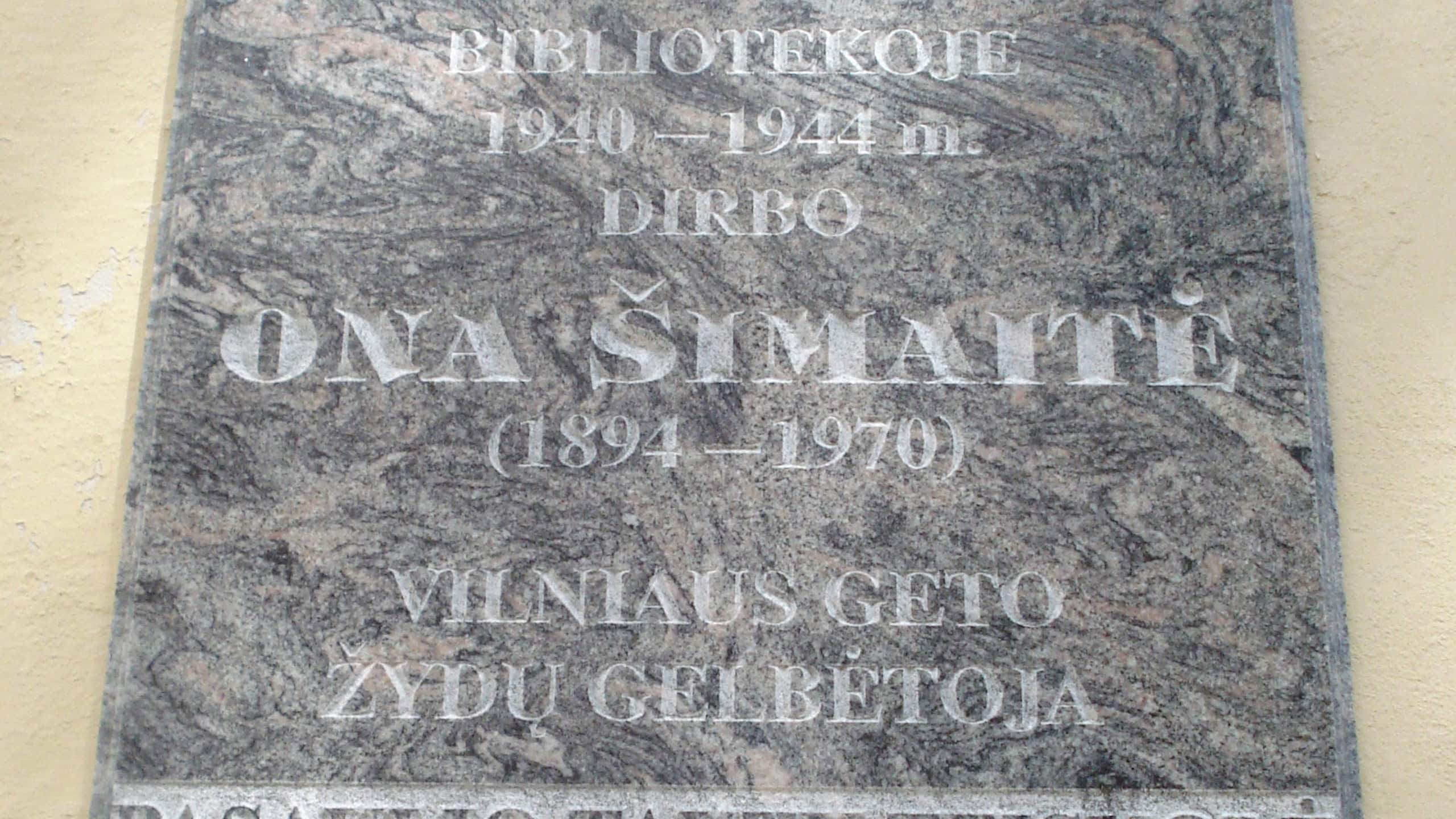
You probably don’t think of overdue library books as being anything useful. Ona Šimaitė saw them differently. She used them as an excuse to enter the Vilnius Ghetto in Lithuania. But really, she was using those visits to smuggle in food and medicine, as well as letters.
She also snuck in forged papers to help people get out of the ghetto and away from the Nazis. The Nazis, however, caught on, and they arrested her. The Gestapo tortured her before sending her to Dachau, a concentration camp. She survived. She was an incredible woman with incredible bravery, yet most classroom history lessons don’t mention her.
Feng-Shan Ho
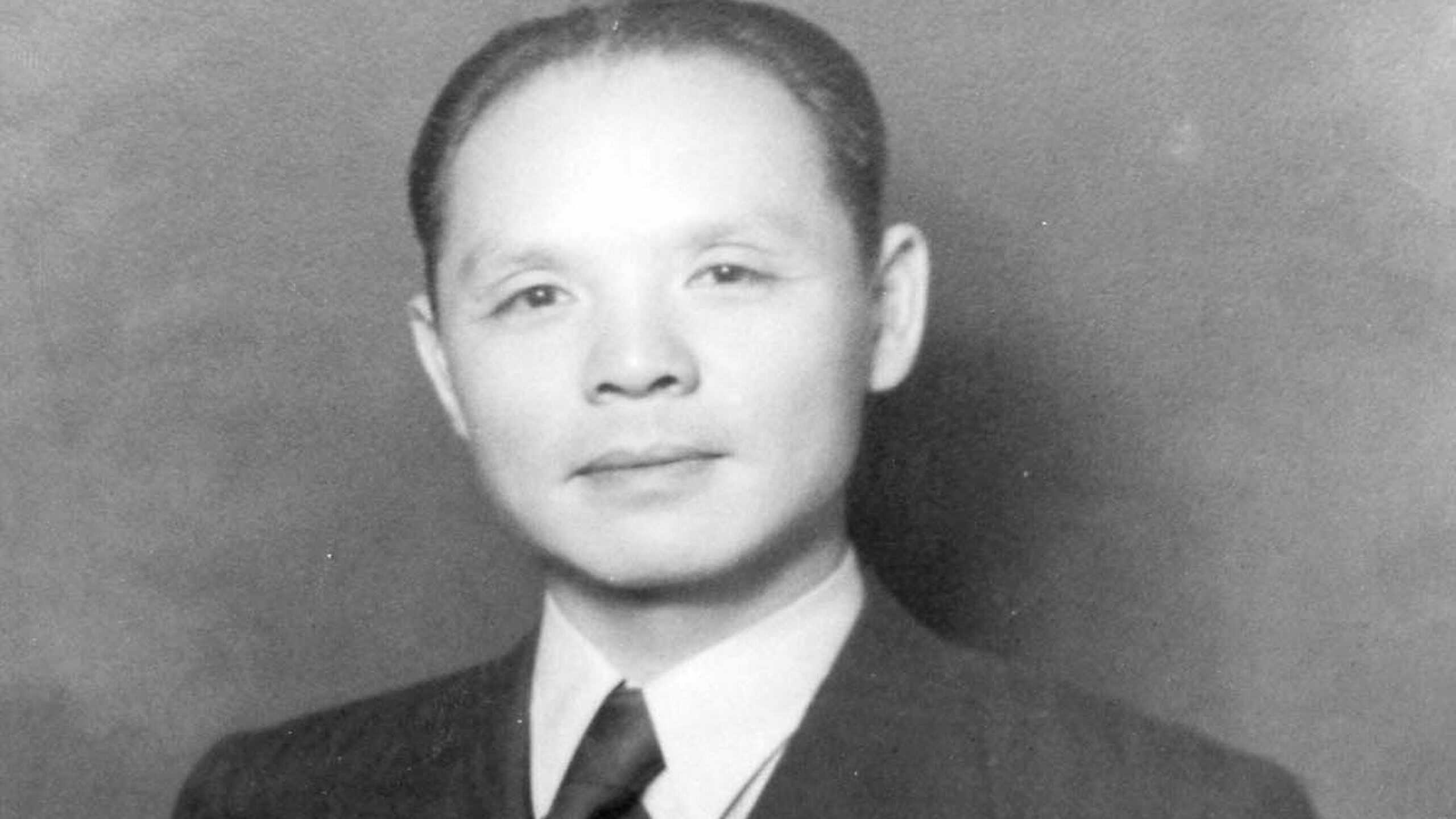
He was supposed to follow orders. As China’s consul-general in Vienna, Austria, Feng-Shan Ho was supposed to follow orders, but he refused. He chose instead to keep issuing visas to Jewish families who were trying to escape the Nazis. His superiors told him to stop.
It got to the point where the Nazis actually took over the consulate building, yet Ho didn’t care. He continued giving visas elsewhere. He listed the refugees’ destination as Shanghai, and that gave them the paperwork they needed to leave Europe. What a guy.
Maurice Hilleman
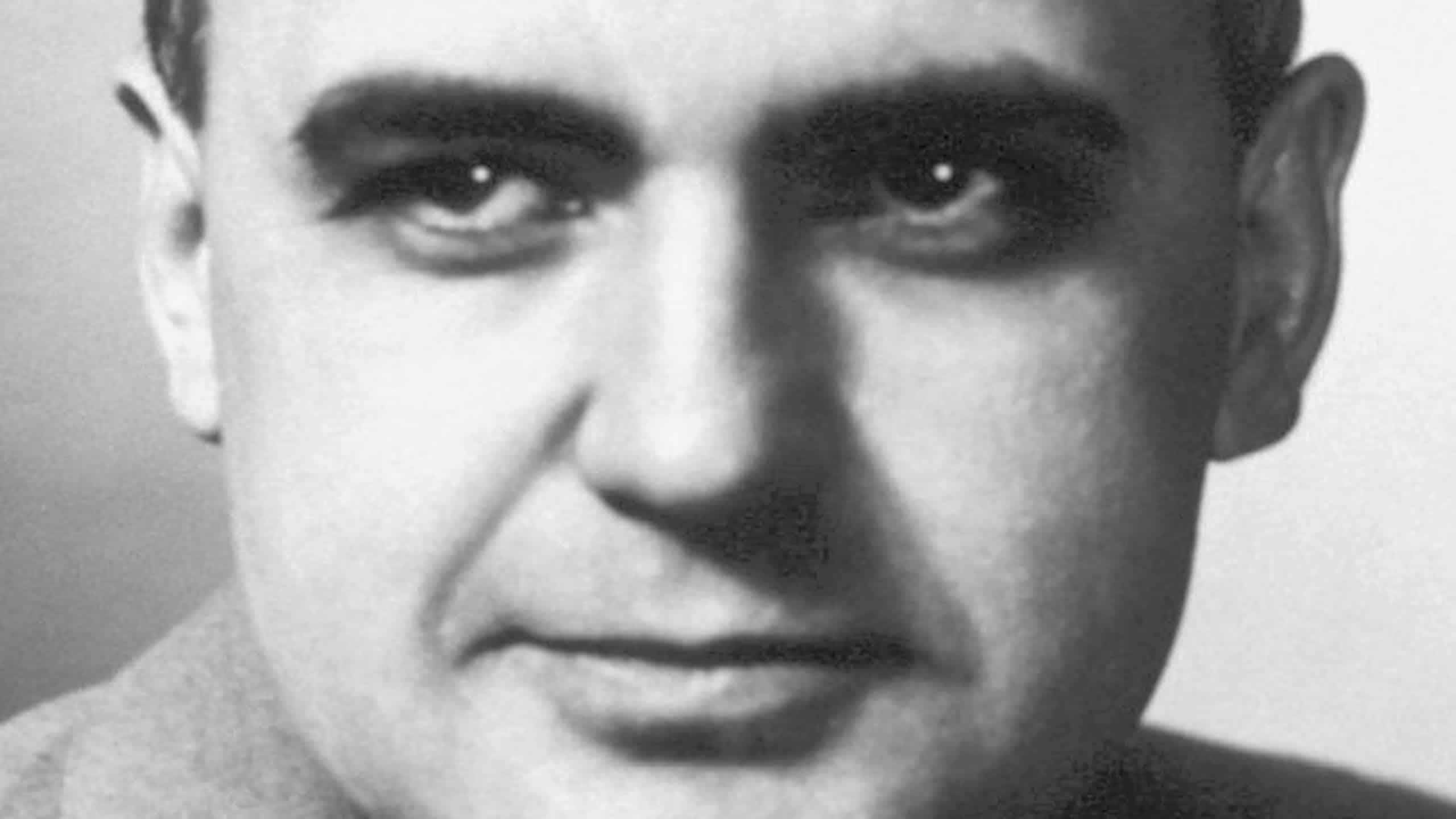
We have many people to thank for childhood vaccines, but there’s one man who doesn’t get the praise he deserves. His name was Maurice Hilleman. He helped to create more than 40 vaccines, including ones for measles, rubella, hepatitis A, hepatitis B, and mumps.
He actually began creating the mumps vaccine at home in 1963, after his daughter Jeryl Lynn got sick. Hilleman swabbed her throat and isolated the virus. He then developed a vaccine from it. Hilleman’s work saved millions of lives, but it’s usually people like Edward Jenner and Louis Pasteur who get remembered.
Alice Catherine Evans
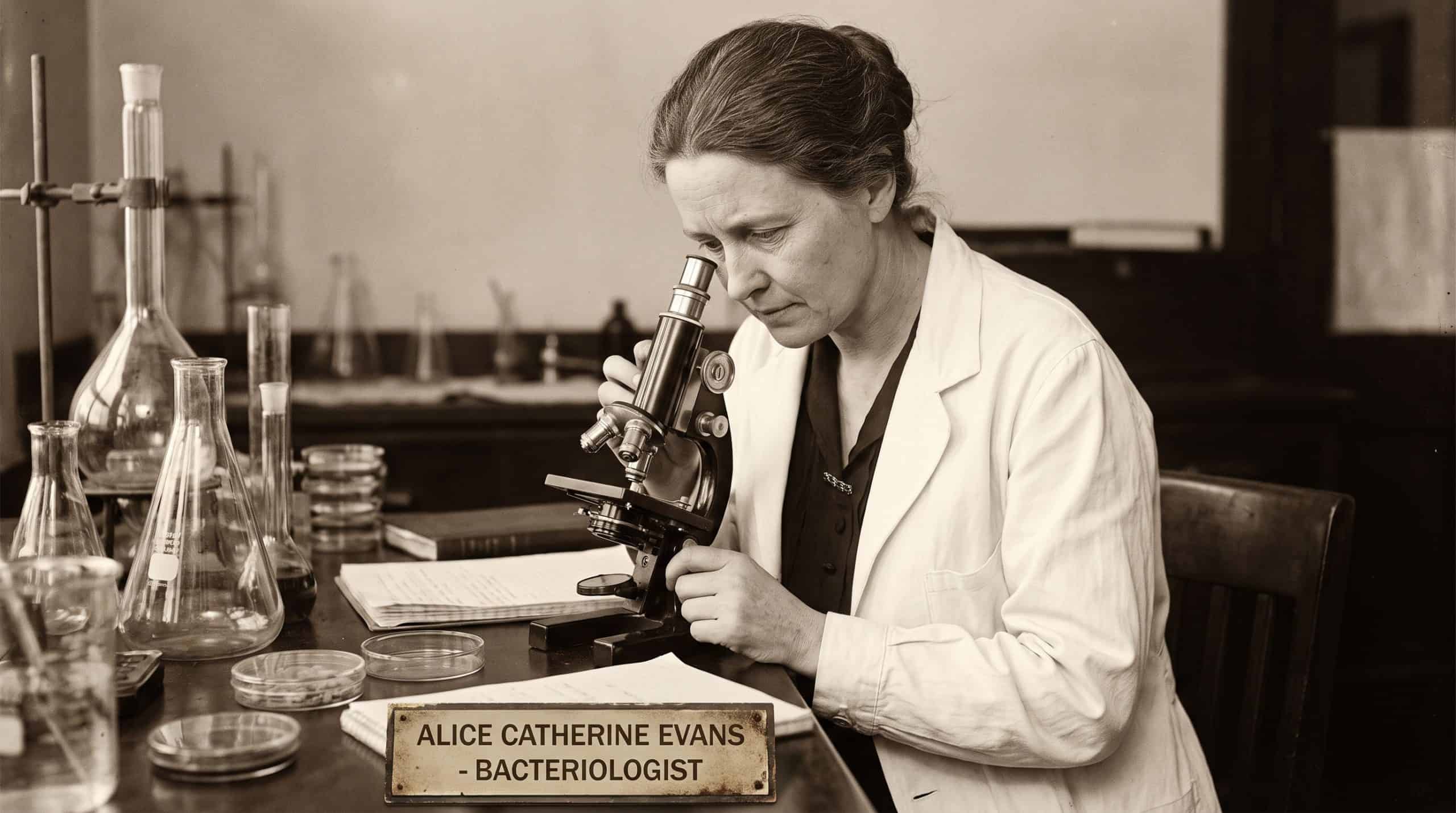
There was a problem with the milk. Alice Catherine Evans noticed it while she was working for the U.S. Department of Agriculture, yet nobody else seemed to. Evans realized that the bacteria causing cattle to have miscarriages could also make humans sick. It was present in raw milk.
So many experts dismissed her, mostly because she didn’t have a medical degree or doctorate. There was also the fact that she was a woman in the early twentieth century. But she was right, and her research helped to support wider pasteurization. It’s thanks to her that we can safely enjoy a glass of the cold stuff today.
Truus Wijsmuller
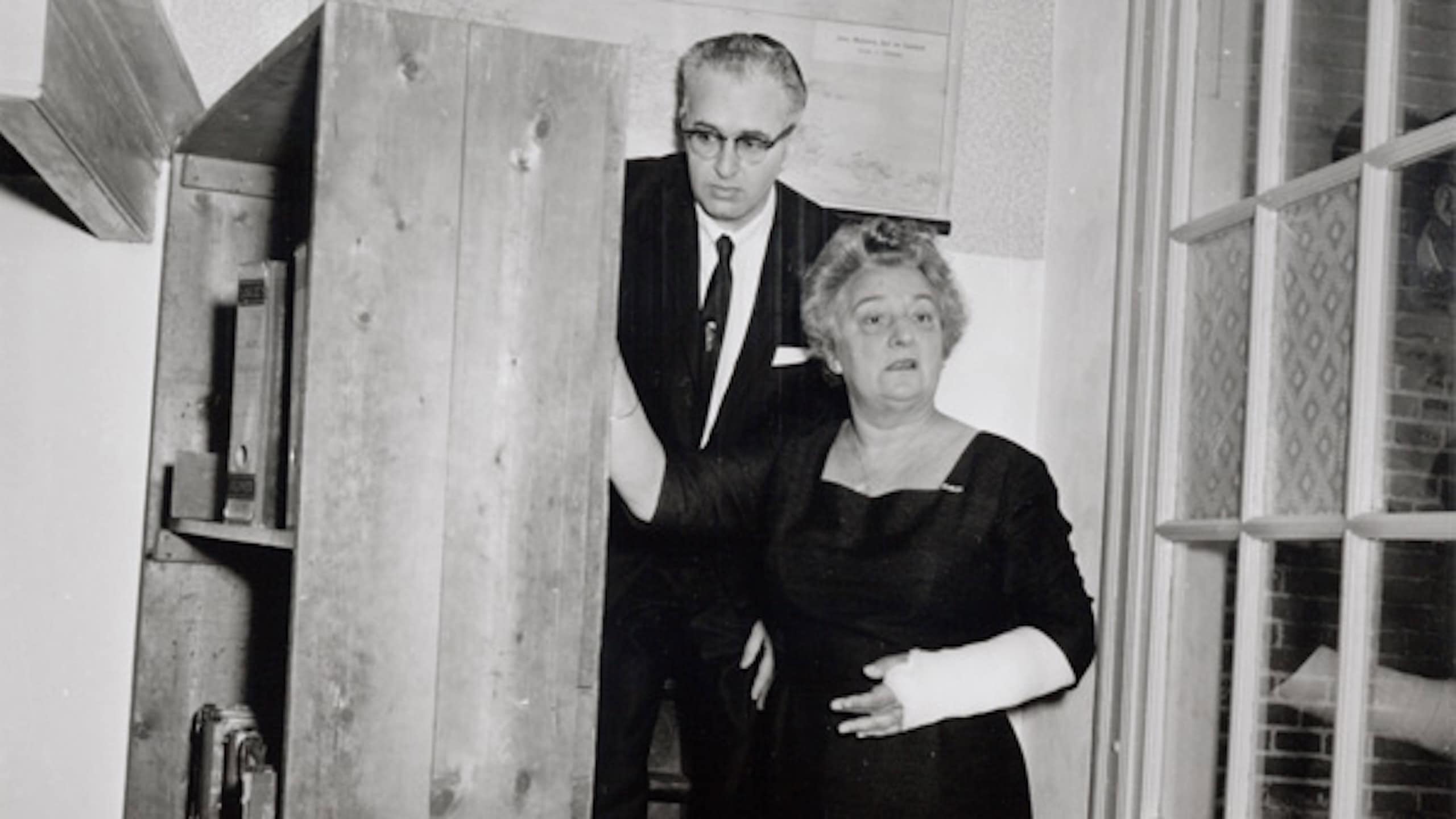
Meeting a Nazi Party official like Adolf Eichmann sure was terrifying. Truus Wijsmuller did it anyway. Somehow, she met him and managed to get permission to remove 600 Jewish children from Vienna, although it came with a catch. She only had five days to do it.
Still, Wijsmuller did it, and in December 1938, she got the children onto a train and out of Austria on time. She continued to help by organizing transports through the Netherlands to Britain. Wijsmuller eventually sent more children from the Netherlands when the country surrendered on May 14, 1940, and is credited with saving thousands of lives.
Wu Lien-teh

Doctors in Manchuria, part of modern-day China, were facing a plague outbreak in 1910. They’d tried everything they could, but they couldn’t seem to stop the disease from spreading. Enter Wu Lien-teh. He performed an autopsy on one of the dead bodies and realized the disease spread through the air.
That was pretty revolutionary back then. He pushed some measures that sound quite familiar, like masks and isolation, along with travel limits. He also ordered the cremation of infected bodies trapped by frozen ground. It’s a fact, Lien-teh figured out how to stop diseases from spreading over a century before the COVID-19 pandemic.
Alice Ball

Alice Ball didn’t invent the treatment for Hansen’s disease, it already existed. What she did was invent a better way to give it to people. Doctors had tried using chaulmoogra oil in the past, but the problem was that swallowing it caused nausea. Injections were painful and poorly absorbed.
But 23-year-old Alice Ball managed to find a way to turn the oil into better injectables that the human body could actually absorb. She sadly died at the age of 24, just before publishing her work. The president of her college, Arthur Dean, continued using the method and didn’t credit her at first. The Ball Method went on to save thousands of lives around the world.
Viktor Zhdanov
Viktor Zhdanov had some pretty ambitious goals in 1958. He wanted to eradicate smallpox worldwide, and that was something that seemed impossible. He proposed it anyway at the World Health Assembly in Minneapolis.
The Soviet virologist argued that there needed to be a coordinated global vaccination campaign. The assembly surprisingly supported his proposal, and the World Health Organization stepped up the vaccination program in 1967. Smallpox was officially declared eradicated in 1980.
Alice Hamilton
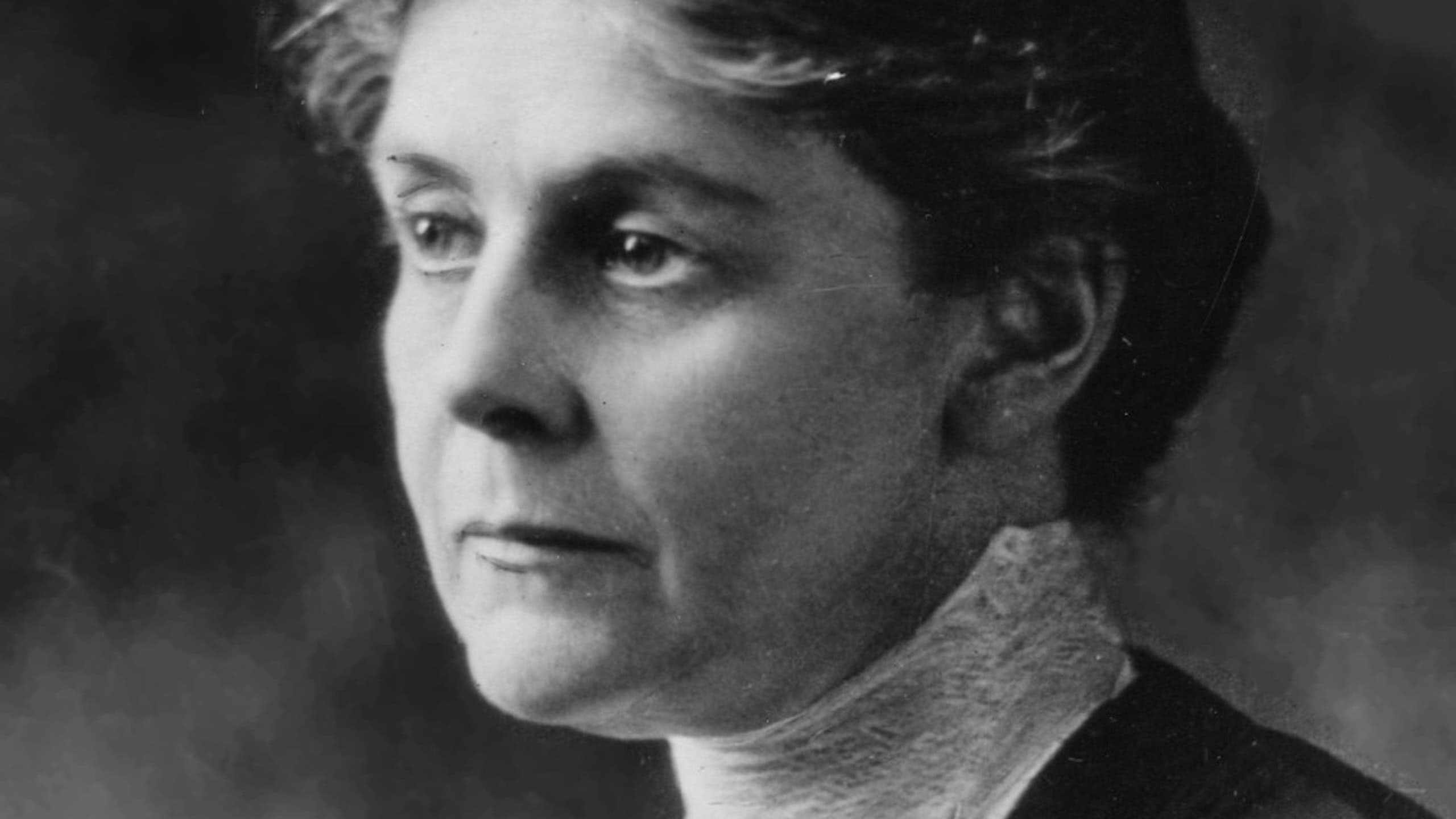
Workers were getting sick across America, and nobody could find out why. Alice Hamilton was told to investigate. She wanted to know what the workers were breathing and touching. She went into factories to speak directly with laborers, and noticed some connections.
Symptoms like tremors and wrist drop usually came before someone would unexpectedly die. Turns out, they were being poisoned by things like lead and mercury. Hamilton was one of the first people to realize that. She saved millions of lives by making that connection.
Charles Hamilton Houston

You might’ve heard of Thurgood Marshall, a man who helped challenge segregation in schools in the case of Brown v. Board of Education. But you might not have heard of Charles Hamilton Houston. Houston actually laid a lot of the groundwork for the landmark case.
He trained lawyers at Howard University School of Law to take segregation apart in court, rather than just argue against it in speeches. Yes, one of those very students was Marshall. Houston sadly died four years before Brown and never got to see the impact his work had.
Richard Lewisohn

Blood transfusions are a lot easier today than they were in the past, and it’s thanks to Richard Lewisohn that they’re possible. He worked at Mount Sinai Hospital in New York during a time when blood transfusions were a lot harder.
There was no way of stopping the blood from clotting. That is, until Lewisohn figured out in 1915 that a small amount of sodium citrate would stop that from happening, without making it unsafe. Blood could now be collected in advance and used later. It led the way to blood banks. But Lewisohn’s name barely gets a mention outside of medical journals.
Carlo Urbani

Most doctors in Hanoi, Vietnam, thought that a patient had a nasty case of the flu. But Carlo Urbani disagreed. He looked closer and felt something was off, leading him to warn the World Health Organization in February 2003. He said the hospital should isolate patients.
He encouraged stricter infection controls. It might seem like nothing, but it actually bought health officials time to identify that the disease was SARS, not the flu. They managed to slow its spread as a result.
Sources: Please see here for a complete listing of all sources that were consulted in the preparation of this article.
13 people in history who were betrayed by their closest allies
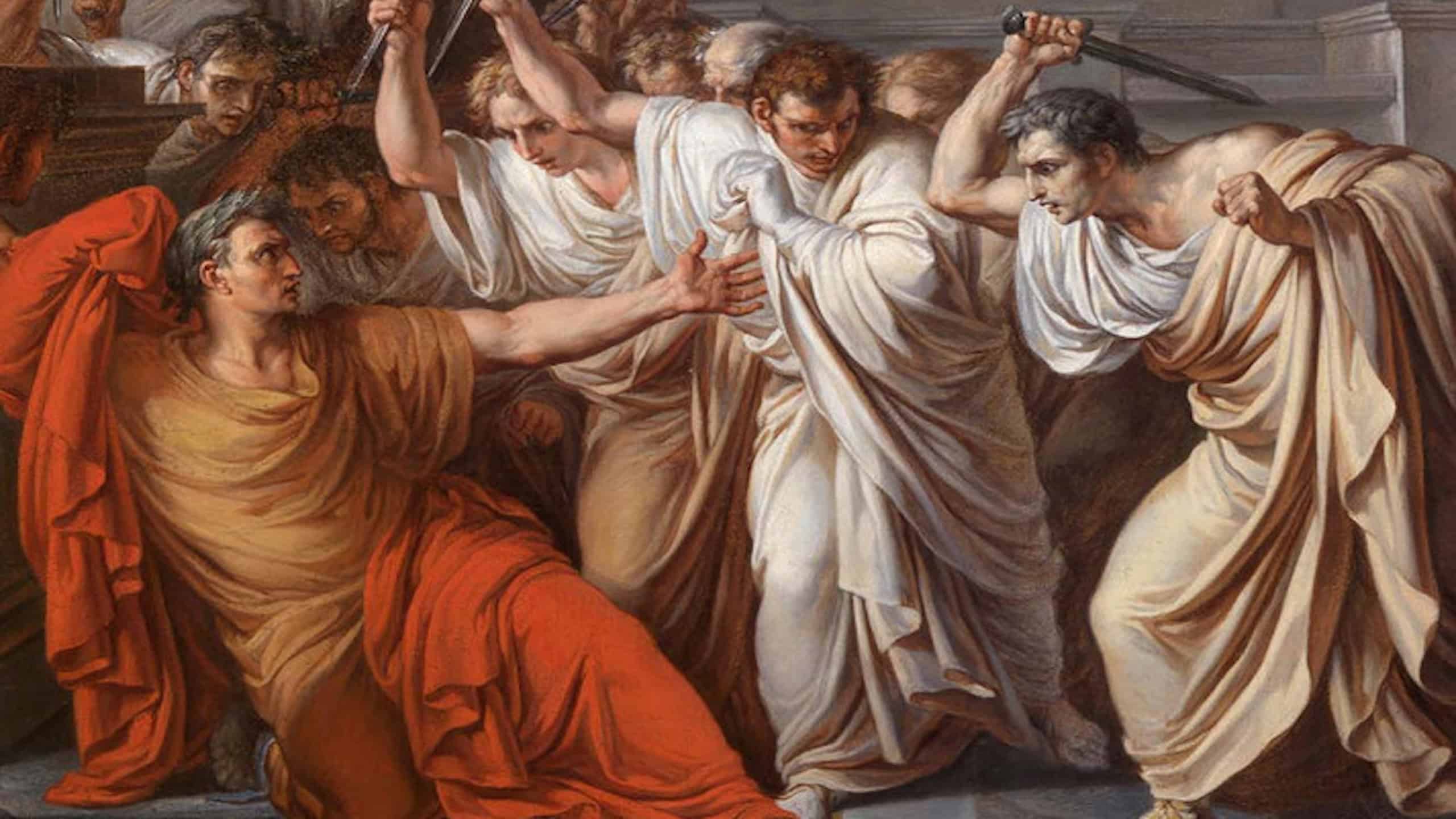
The ugliest betrayals in history are the ones that come from the people who were trusted the most, like relatives and other loved ones.
13 people in history who were betrayed by their closest allies


