

If you think history is boring, these unusual historical figures might just change your mind.
Timothy Dexter
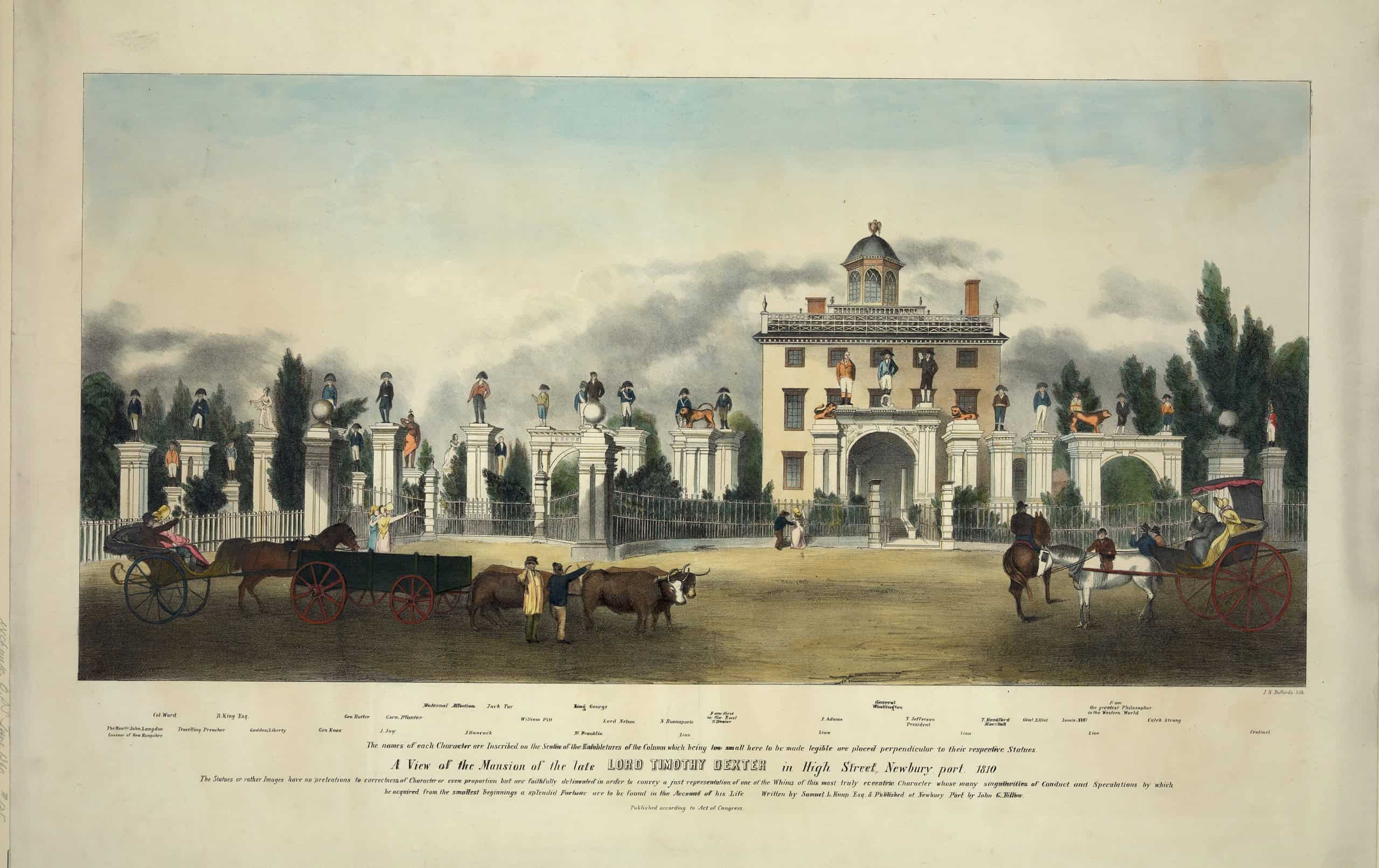
An 18th-century American businessman, Dexter became insanely rich by consistently making the most ridiculous investments which fortuitously turned out profitable. When enemies jokingly encouraged him to ship coal to Newcastle in England (a city known for its coal), his ship did in fact sell out because the miners were on strike.
He once pretended to be dead to see who would show up to his funeral, then beat his wife for failing to appear miserable enough.
Chevalier d’Éon
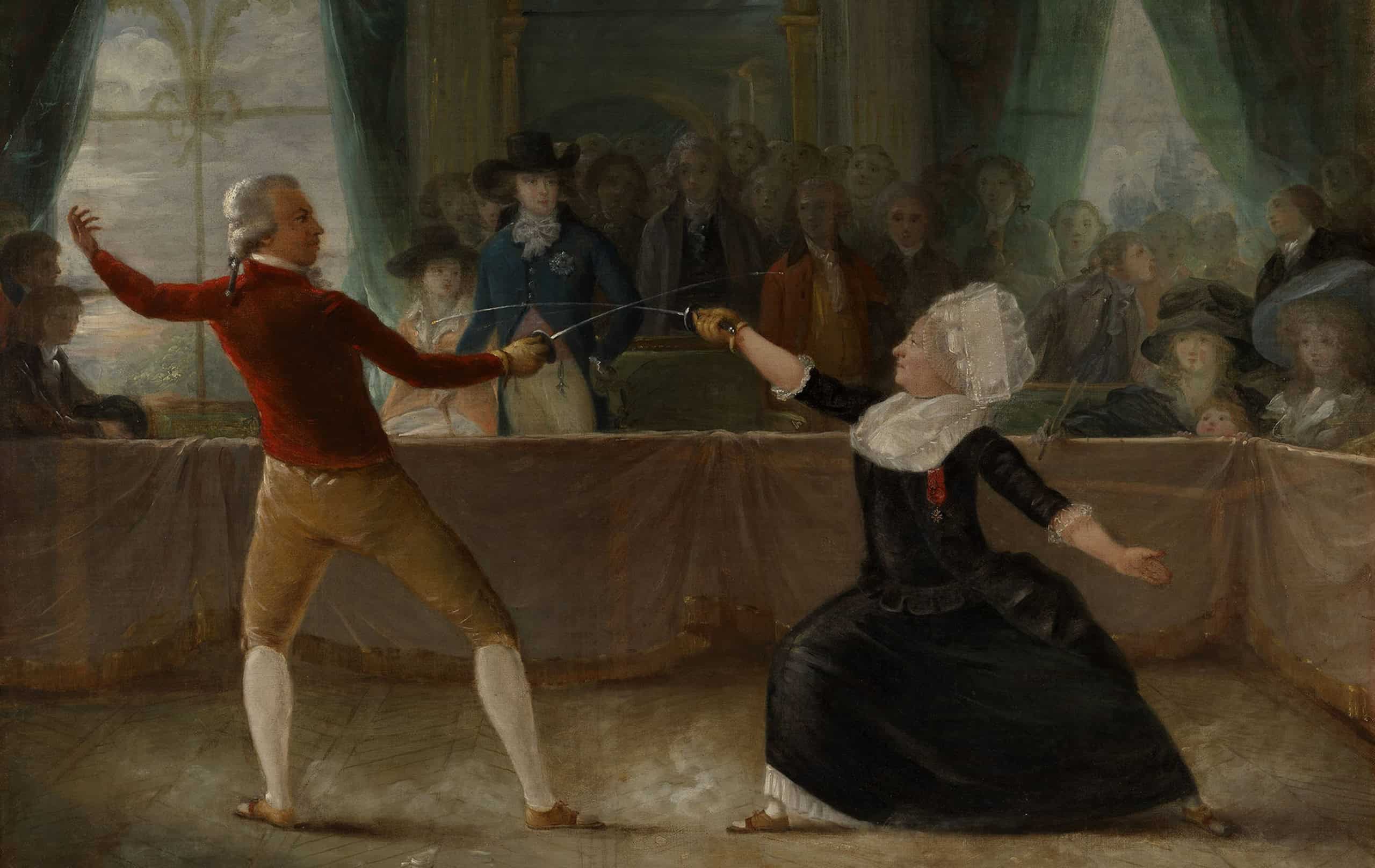
This 18th-century French diplomat, soldier, and spy publicly lived the first half of their life as a male and the second half as a female.
Éon successfully infiltrated the Russian court as a woman for King Louis XV, fought in the Seven Years’ War, and participated in public fencing tournaments in full dress. When he died, doctors discovered that d’Eon was biologically male.
Joshua Norton
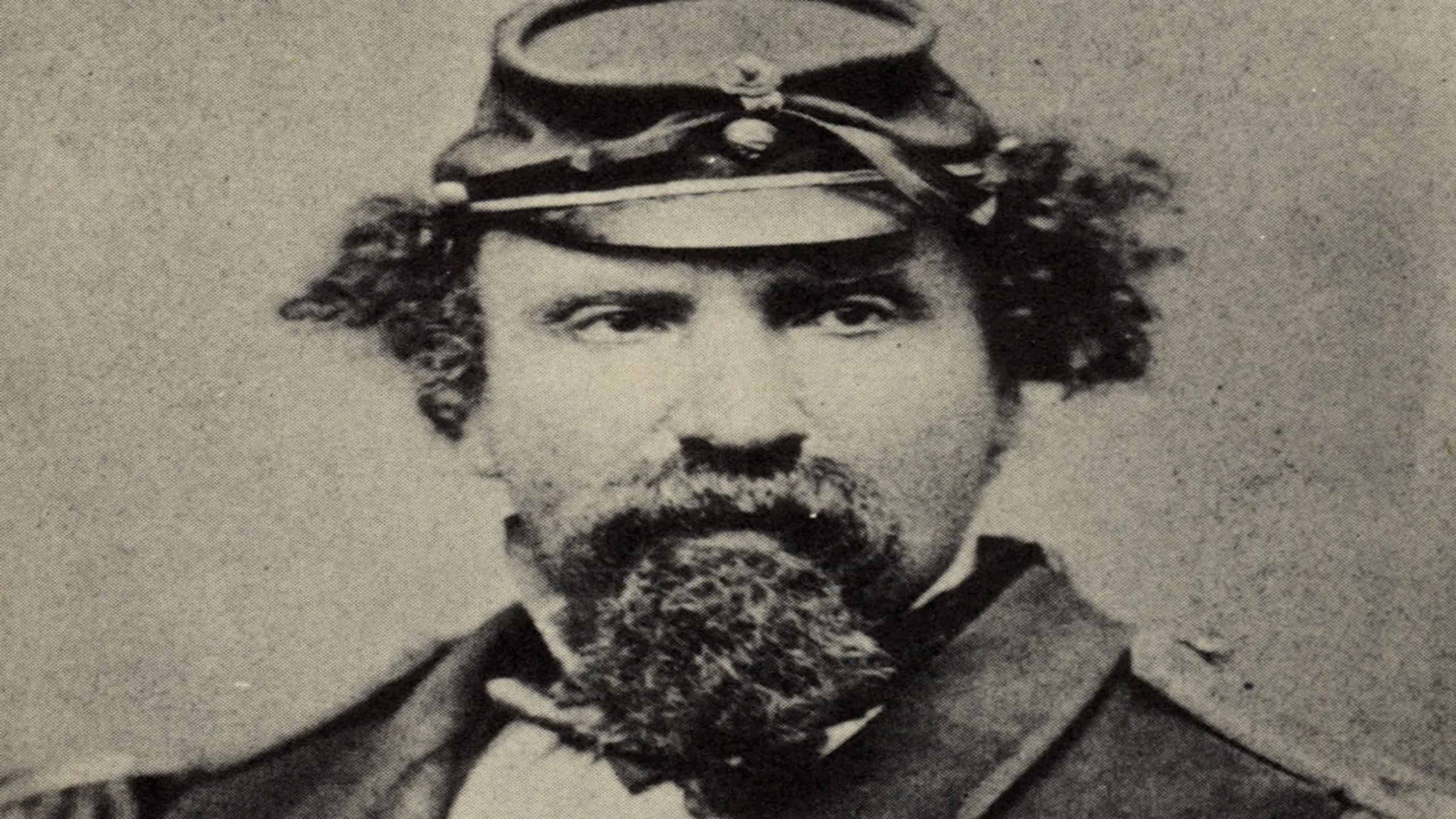
In 1859, this formerly prosperous San Francisco merchant proclaimed himself “Norton I, Emperor of the United States”. He later styled himself “Protector of Mexico.”
However, San Franciscans celebrated his madness, allowing him to print his own money, dine free at upscale restaurants, and inspect streetcars. When he died in 1880, more than 10,000 people attended his funeral to pay their respects to San Francisco’s favorite ruler.
Yasuke
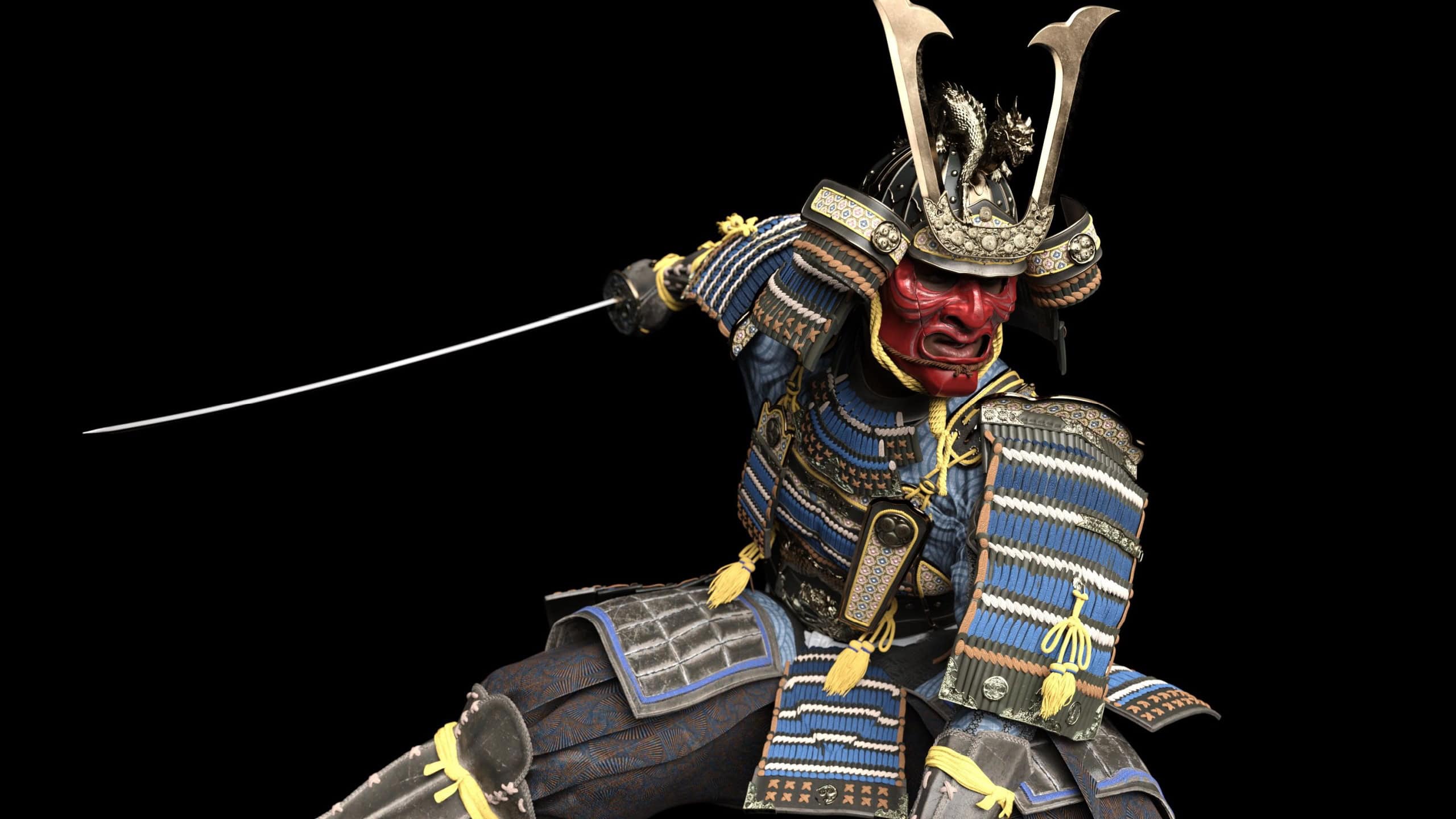
Yasuke was an African who traveled to Japan in 1579, serving under an Italian Jesuit missionary. He was brought to the attention of Oda Nobunaga, then the most powerful lord during the Sengoku period, due to his height and strength.
Nobunaga hired him for his personal service, making him the first recorded foreign-born samurai. Yasuke learned how to speak Japanese, fought with Nobunaga in numerous battles, and was by his side at Honnō-ji when Nobunaga committed ritual suicide after being betrayed by one of his generals.
Emperor Elagabalus
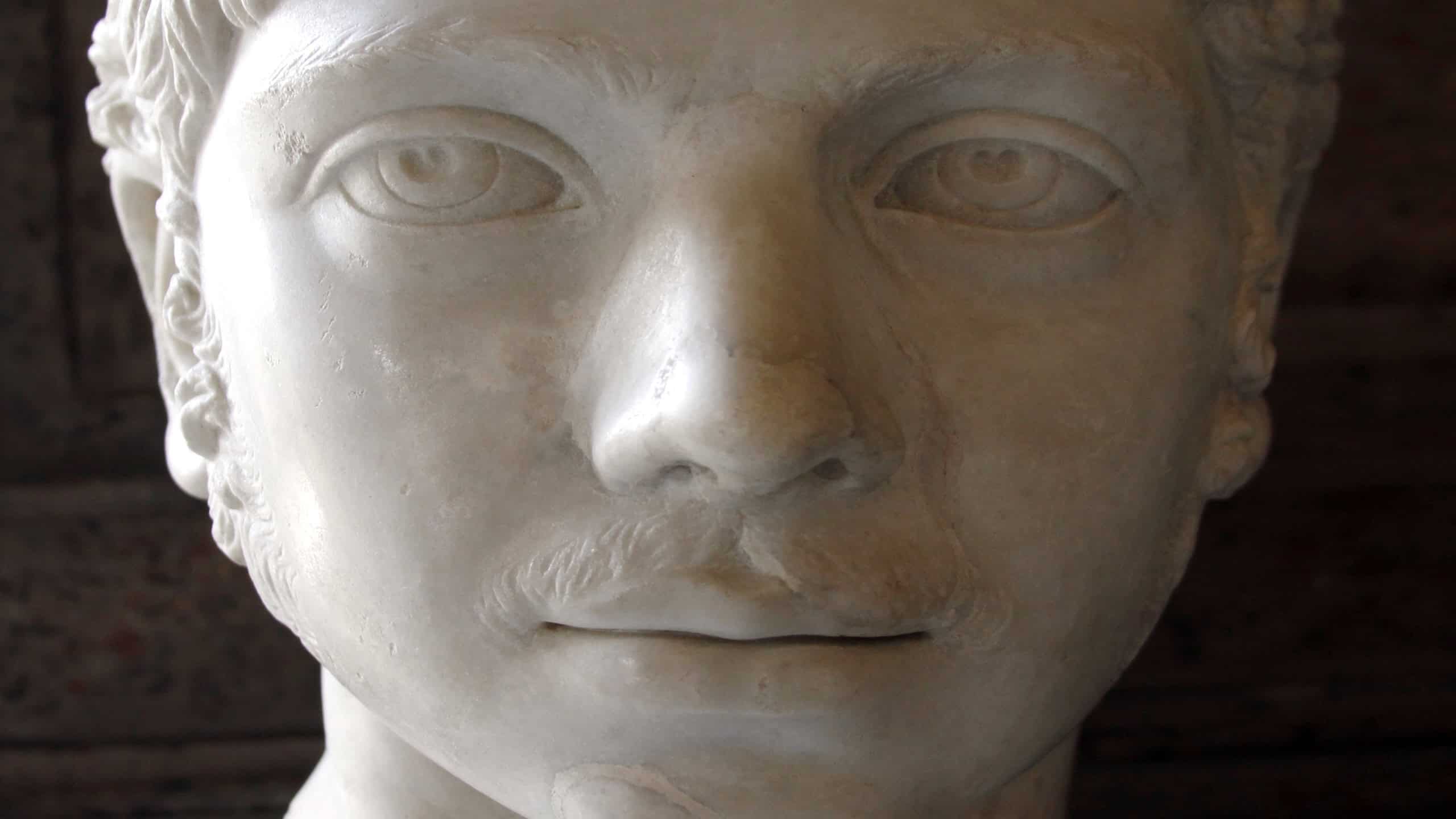
Ascending to the Roman Empire at the age of 14 in 218 AD, Elagabalus angered Romans by elevating a Syrian sun god over Jupiter. Elagabalus released lions into dinner parties and tossed live snakes into crowds asunder.
It’s even said he promised a hefty reward to anyone who could successfully change his sex. Four years and hundreds of scandals later, Elagabalus was murdered by the Praetorian Guard at age 18.
Tarrare
Tarrare lived in 18th-century France and had a grotesque appetite as a result of some unknown illness or disorder. French military doctors wrote about him in their journals.
He could ingest live kittens and puppies, snakes, eels, and large quantities of raw meat whole. He never put on weight but gave off immense heat and smell.
When he was suspected of eating a hospital’s missing 14-month-old baby after he was brought there to be examined, he was chased out and exiled for life.
Gregor MacGregor
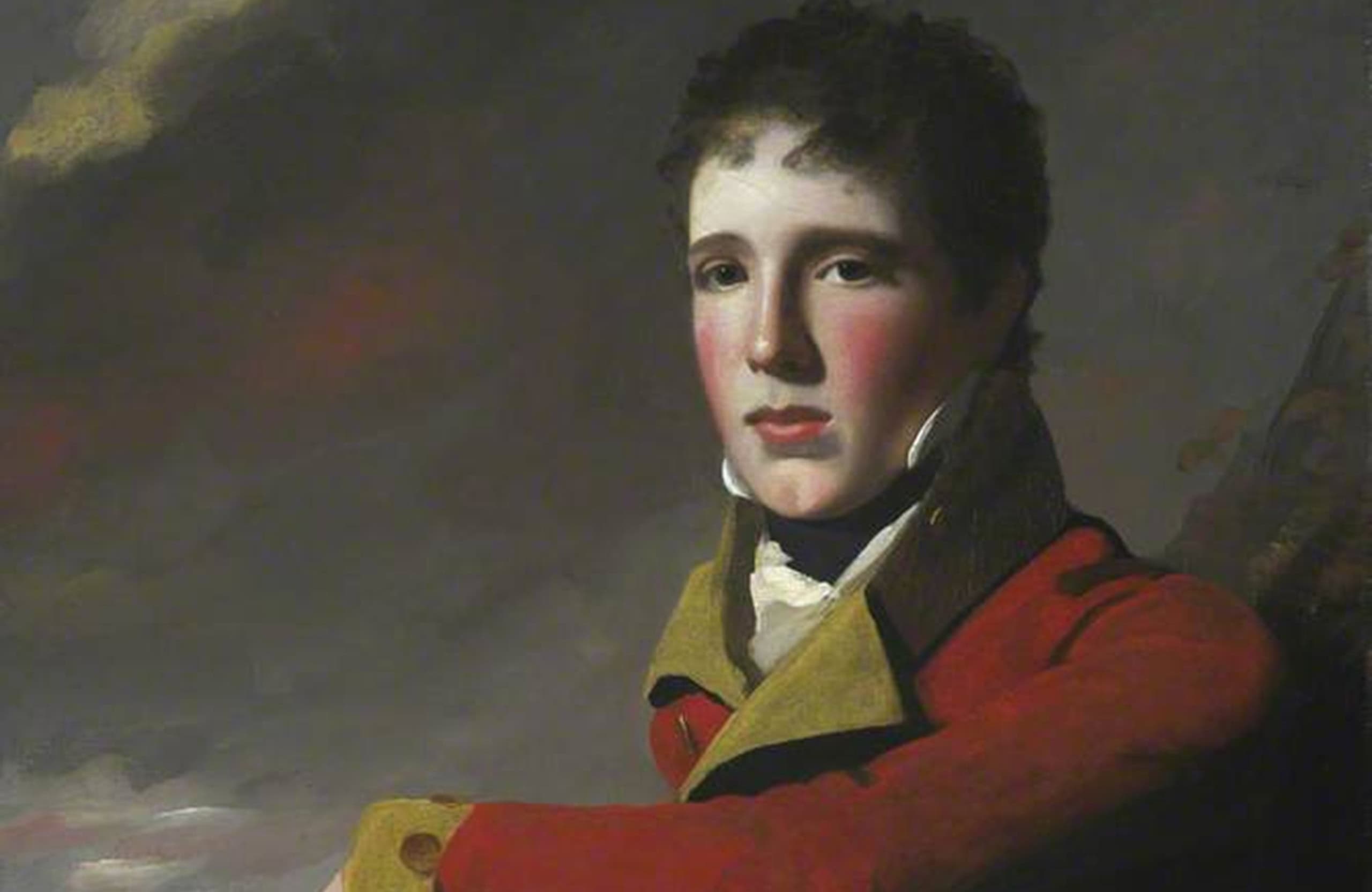
This Scottish soldier from the 1800s perpetrated one of the largest and most complex real estate fraud schemes ever conceived. He created an entirely false Central American nation called “Poyais”, complete with guidebook, currency, and governmental system.
Hundreds of investors were defrauded into buying land in the fake country. Two boatloads of hopeful British colonists made the voyage across the Atlantic, only to die of disease and starvation in the jungles.
Josephine Baker

Josephine Baker was an American-born superstar who rose to fame in Paris in the 1920s. Known for her famous banana dance and jazz performances, she used her fame to combat Nazi Germany when they invaded and occupied France in 1940. Josephine was contacted by the French Resistance to help with intelligence.
Using her tour circuits and famous parties as a cover, she relayed information about Axis troop movements, airfields, and diplomats back to her contacts in the Resistance. She wrote her notes in invisible ink on her sheet music or tucked them inside her underwear because she knew the Nazis wouldn’t bother to search a celebrity like her. For her brave efforts in espionage, Josephine Baker was awarded the Croix de Guerre.
Jeanne de Clisson

Popularly known as “The Lioness of Brittany,” Jeanne de Clisson was a wealthy 14th-century noblewoman who turned pirate after King Philip VI of France executed her husband, Olivier IV de Clisson, for treason in 1343. After selling off her estate to acquire three war galleys, Jeanne painted her ships all black with red sails and set sail to terrorize French shipping as the famed “Black Fleet.”
Ransacking merchant ships and French war vessels for over ten years, she would personally assault French sailors with her battle axe, sometimes leaving one or two alive to spread the news of her vengeance upon the King.
Mad Jack Churchill

WWII British officer John “Mad Jack” Churchill entered combat wielding a Scottish broadsword, a longbow, and a set of bagpipes. Churchill killed a German soldier in France in 1940 with his longbow, the last documented instance of a longbow kill in modern warfare.
Churchill once responded to criticism for fighting with outdated weapons by saying “any officer who goes into action without his sword is improperly dressed.”
Adrian Carton de Wiart

Shot in the face, head, stomach, ankle, hip, leg, and ear in three wars, this Belgian-born British Army officer kept returning to fight. Dubbed “The Unkillable Soldier”, he also survived crashing twice in planes, chewing off his own fingers when a surgeon refused to amputate them, and escaping from an Italian prisoner-of-war camp by digging a tunnel.
In his memoirs, regarding his gruesome injuries and years of continuous warfare, he once stated, “Frankly I had enjoyed the war.”
St. Olga of Kyiv
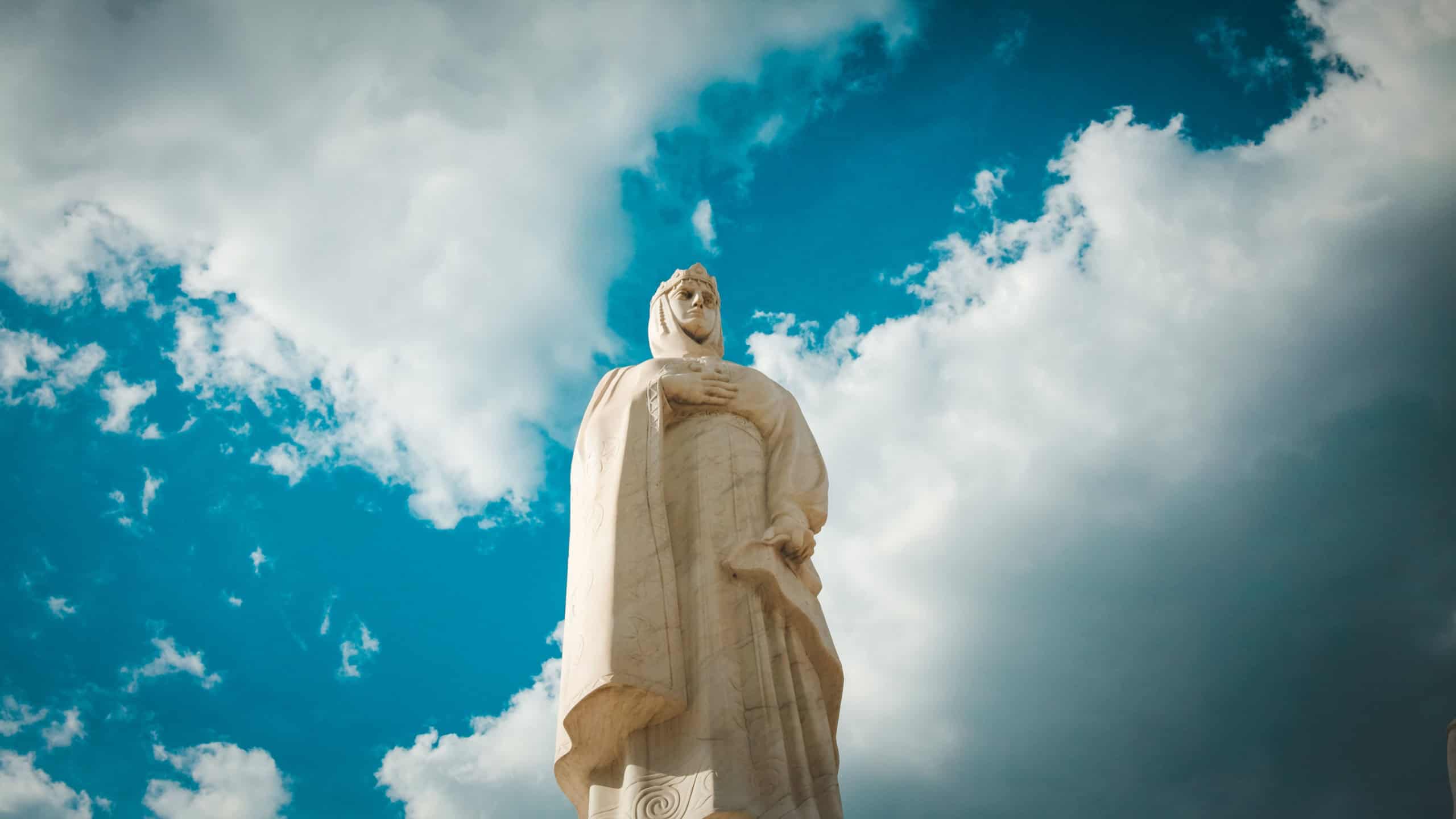
After her husband Prince Igor was killed by a rival tribe called the Drevlians in 945 AD, Princess Olga took revenge in horrific fashion.
She ordered Drevlian ambassadors buried alive, burned their noblemen in a bathhouse, and had thousands of men killed at a feast to honor Igor. Her armies also razed the Drevlian capital, completely ending their political independence.
Thomas Cochrane
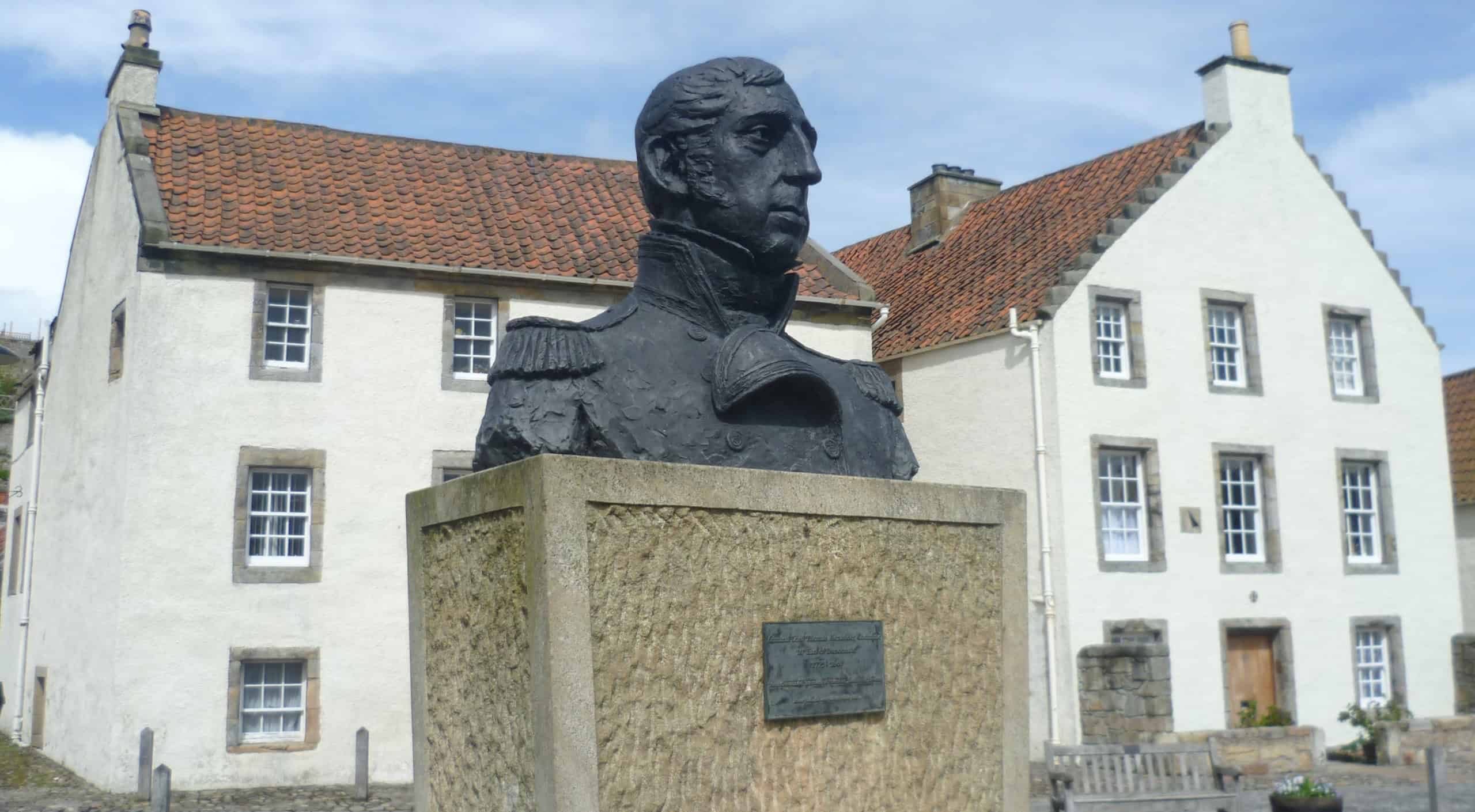
Bold and aggressive, this British sea captain of the 1800s was called Le Loup des Mers (“The Sea Wolf”) by Napoleon Bonaparte. He defeated overwhelmingly larger fleets through ingenious psychological warfare, trickery at night, and fiery ships.
After being disgraced in a stock market fraud scandal in London, he built and captained navies by himself and helped Chile, Brazil, and Greece each gain their independence.
Carl Tanzler
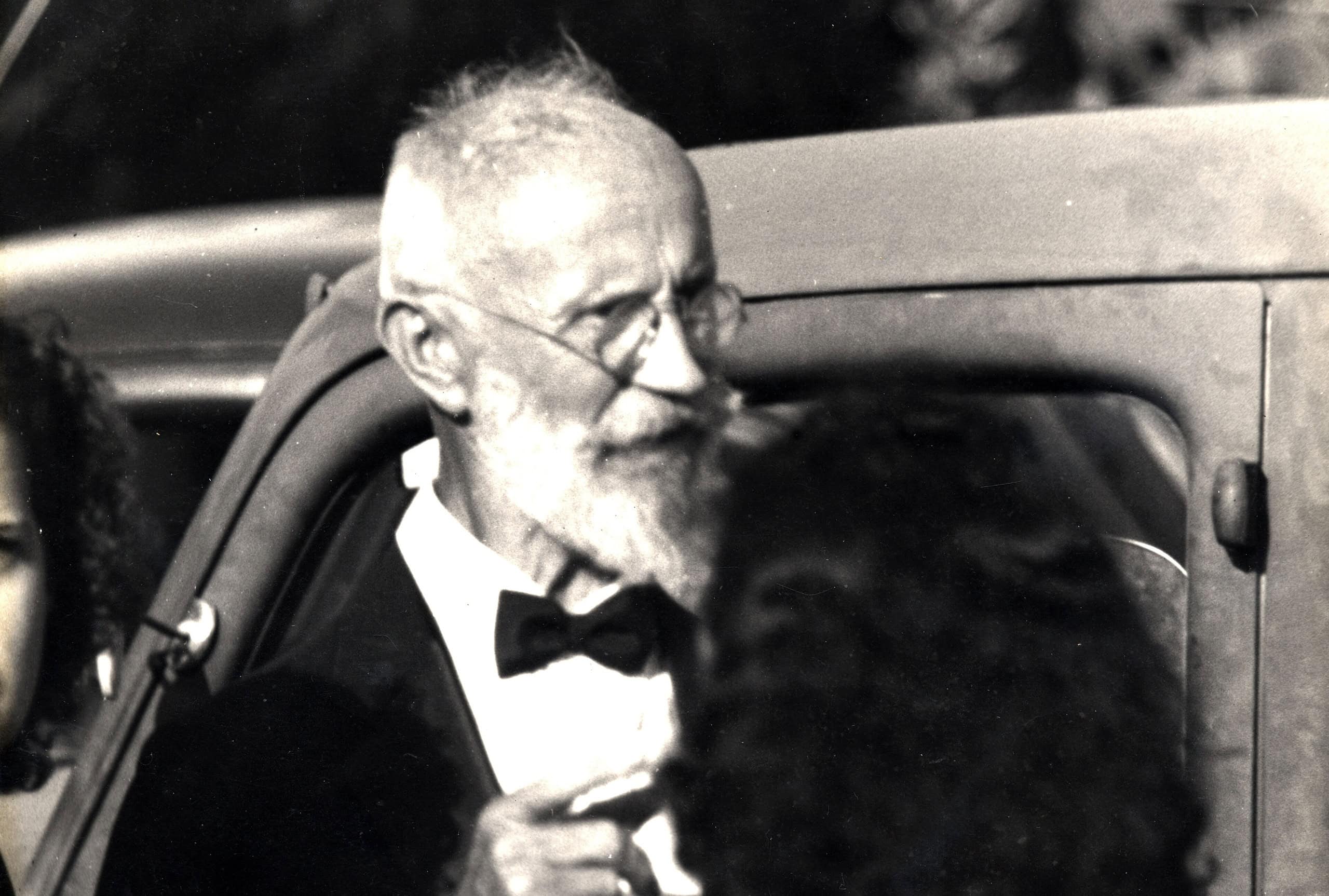
In the 1930s, this German-born radiology technician in Florida began fixating on Elena Milagro de Hoyos, a Cuban-American tuberculosis patient. Two years after her death and burial, Tanzler exhumed her corpse from her mausoleum and transported it to his home.
Tanzler mummified the corpse with wire, wax, glass eyes and perfume. He spent seven years with her corpse before being discovered. Tanzler narrowly escaped jail time because the statute of limitations on grave robbing had passed.
Bass Reeves

Born into slavery in 1838, Reeves fled to Indian Territory (now Oklahoma) during the Civil War, living with the Cherokee, Creek, and Seminole peoples until he knew their languages and wilderness expertise like his own. In 1875, he became one of the first black deputy marshals west of the Mississippi River, patrolling the lawless frontier for thirty-plus years.
He was credited with capturing over 3,000 criminals (including his own son, whom he arrested for murder). Reeves often dressed in extravagant disguises like hobos, cowboys, and farmers to elude outlaws who hunted him, all whilst never being shot in a life-threatening way.
Sources: Please see here for a complete listing of all sources that were consulted in the preparation of this article.
Like our content? Be sure to follow us.
12 historical figures that don’t get enough hate

Some of history’s worst individuals are well-known, but then there are those whose historical reputations have been so polished that the uglier parts barely get mentioned.

