

School used to be a completely different place. Students sat at their desks studying courses we don’t see anymore, lessons designed for a world long gone. The curriculum focused on teaching students abilities that held importance to both contemporary society and its leadership. Some were practical, some were cultural and some now feel downright weird to us.
Let’s have a look at some of those subjects that reflect how different school has become over the years.
Featured Image Credit: Shutterstock.
Elocution

Elocution was once very popular. Students had to stand up in front of their class and learn how to speak clearly, how to manage their voice, and how to sound confident. It was as much about presentation as speech. It’s now been incorporated into English or drama lessons, rather than being taught on its own.
Shorthand

Imagine students scribbling symbols across their notebooks as fast as they could. That was shorthand. The skill aided secretaries, journalists and anyone who needed quick notes. The development of computers and voice recording technology has brought traditional shorthand to the brink of extinction.
Domestic science
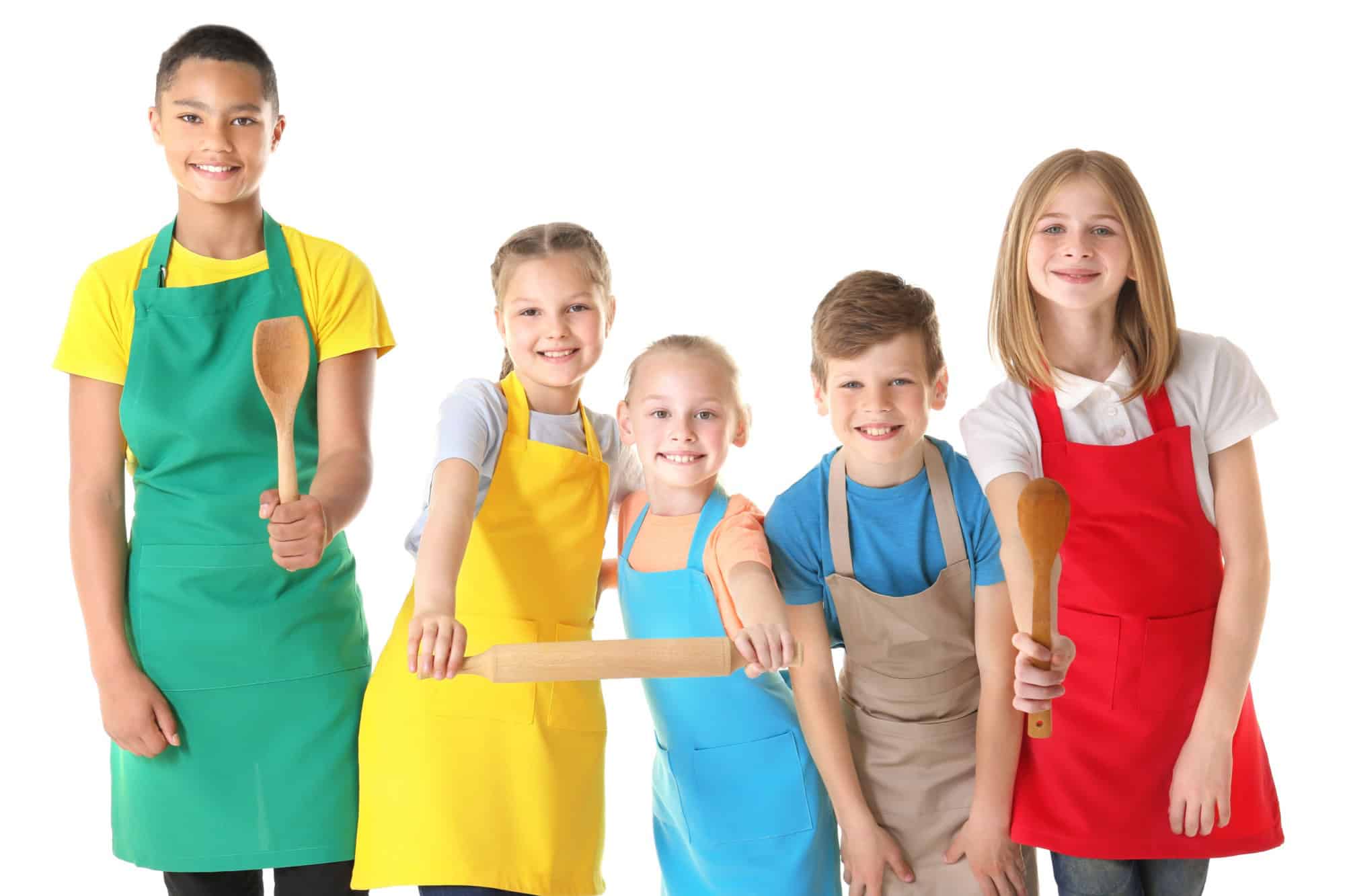
It was more than home economics. Domestic science covered nutrition, cleanliness and running a household scientifically. Lessons: how to plan a meal, what germs were and budgeting. In modern schools this subject became a broad health or family studies before being lost entirely.
Mechanical drawing

Mechanical drawing demanded accuracy. Kids used rulers, compasses, triangles to draft blueprints by hand. It prepared the way for engineers and builders. Computers do the work now. And that knowledge feels ancient and lost.
Needlework
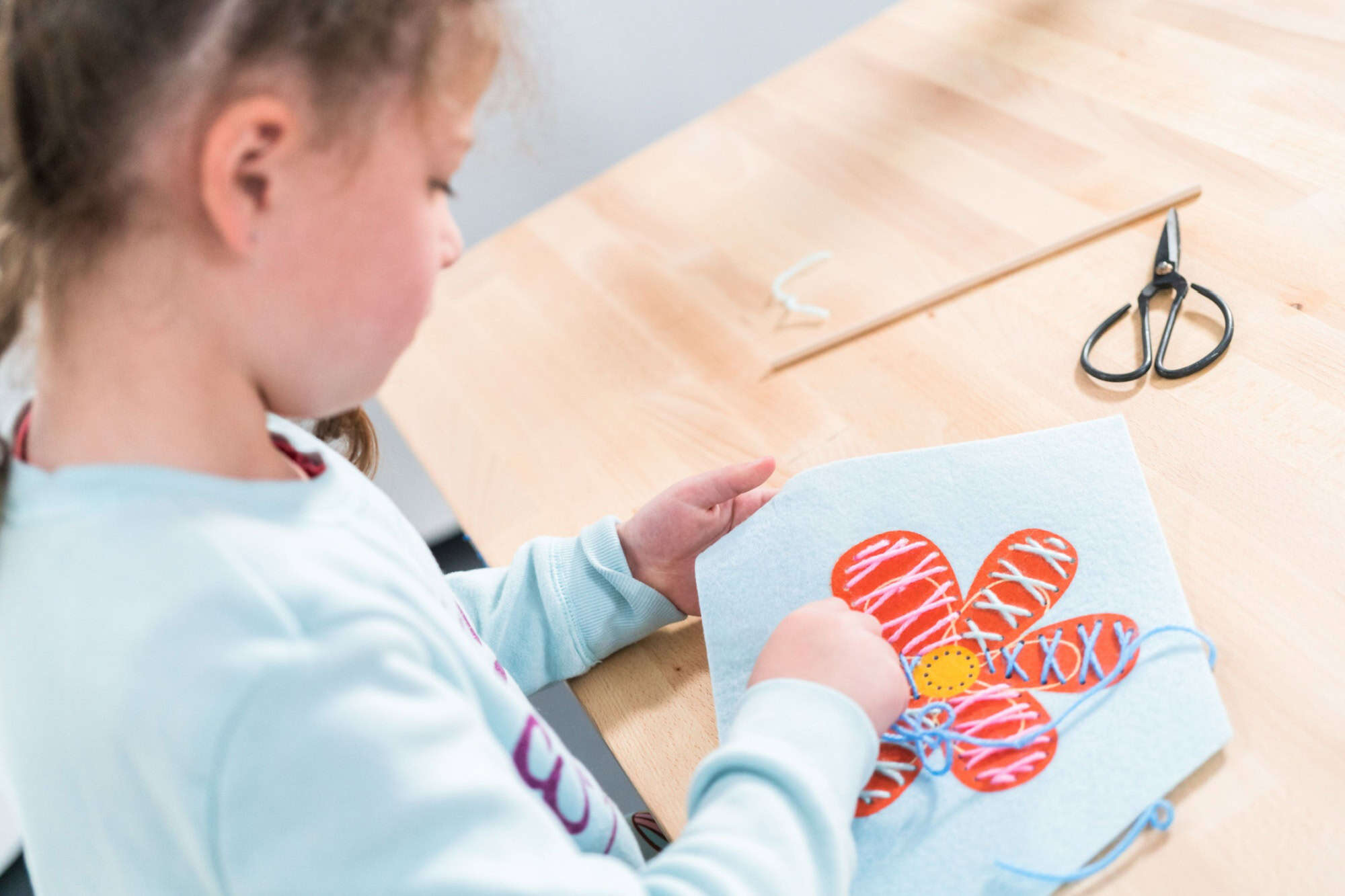
There was a time when children were taught to thread needles and sew patterns in school. Needlework required skill and patience, and it was practical. It’s mostly lost now, with the art classes rarely involving sewing.
Agriculture studies

Once upon a time, farming was a serious topic in rural schools. Children studied soil, crops, and care of animals. It was just as important as reading or math. As urbanization spread, these courses largely vanished from general education.
Wood carving
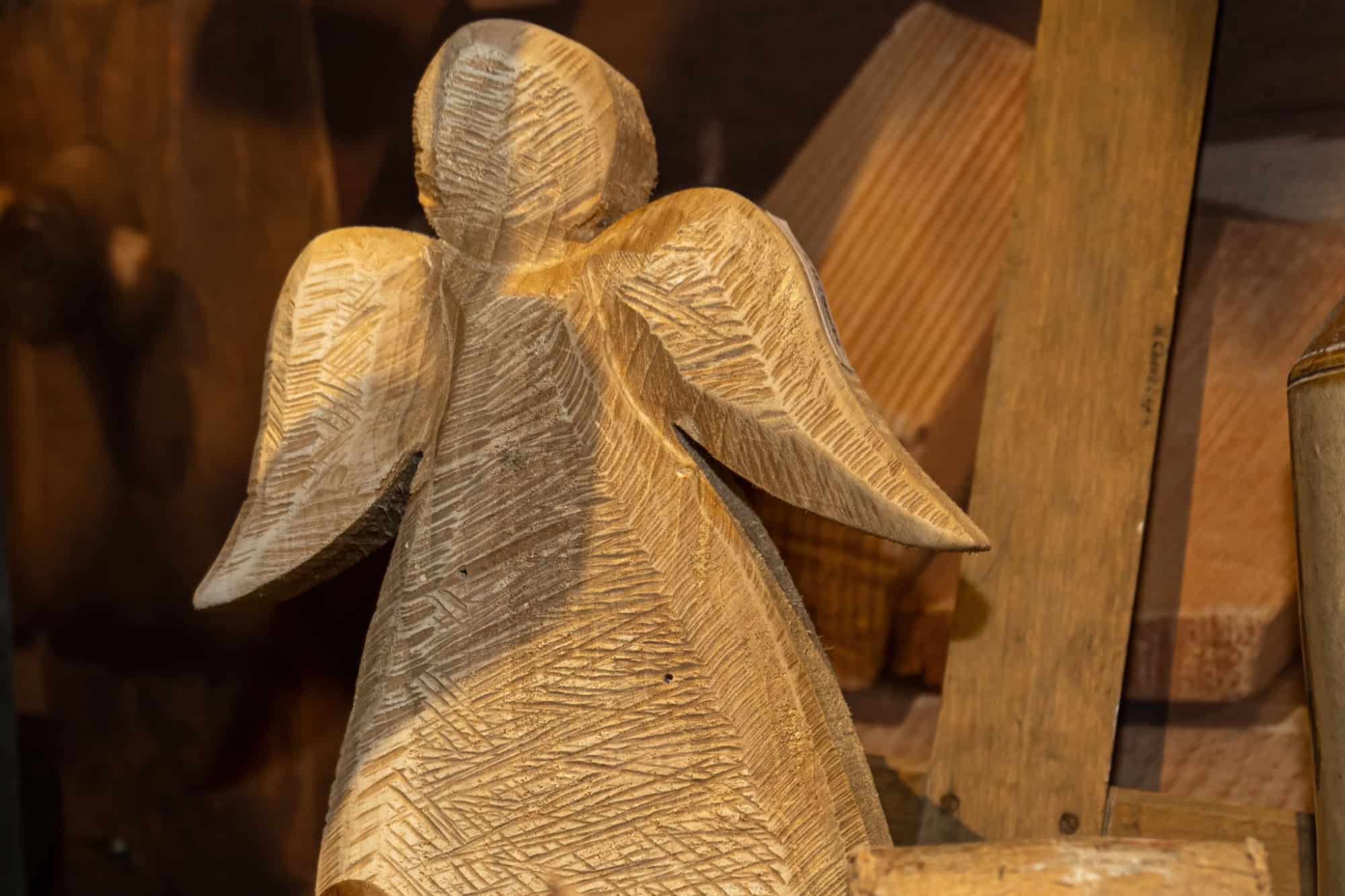
Not the same as woodshop, carving was finer and more artistic. Kids were shown how to shape wood with chisels and knives into patterns, utensils, or little figures. It involved skill, patience, and design. Safety fears and a waning interest in crafts drove this subject out.
Bookkeeping

Bookkeeping was an important subject. Students had to manually write out ledgers. Then they’d balance figures and review principles of business. These days, it’s taught as part of a business course.
Military drill

Some schools had drill training. Particularly in the early 20th century. Kids had to line up in neat rows. They marched and perfected military style discipline. Some schools even issued wooden rifles for kids to hold during drills.
Classical languages
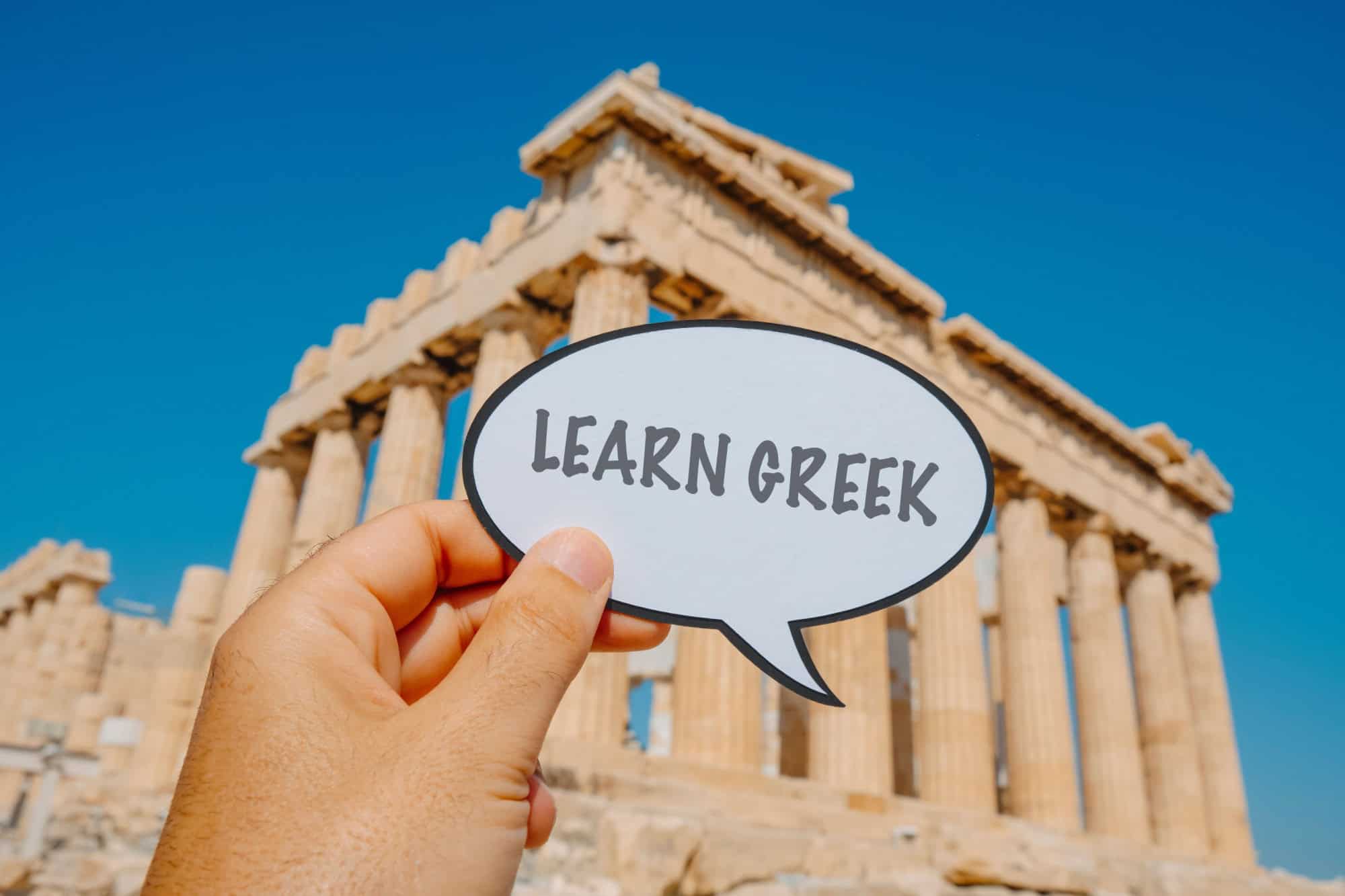
Latin and Ancient Greek are classical languages. The pedagogy of classical languages typically involved translation, learning grammar, and analysis of texts. Classical languages courses have since been phased out of curricula as electives with little use outside of education.
Geography drawing
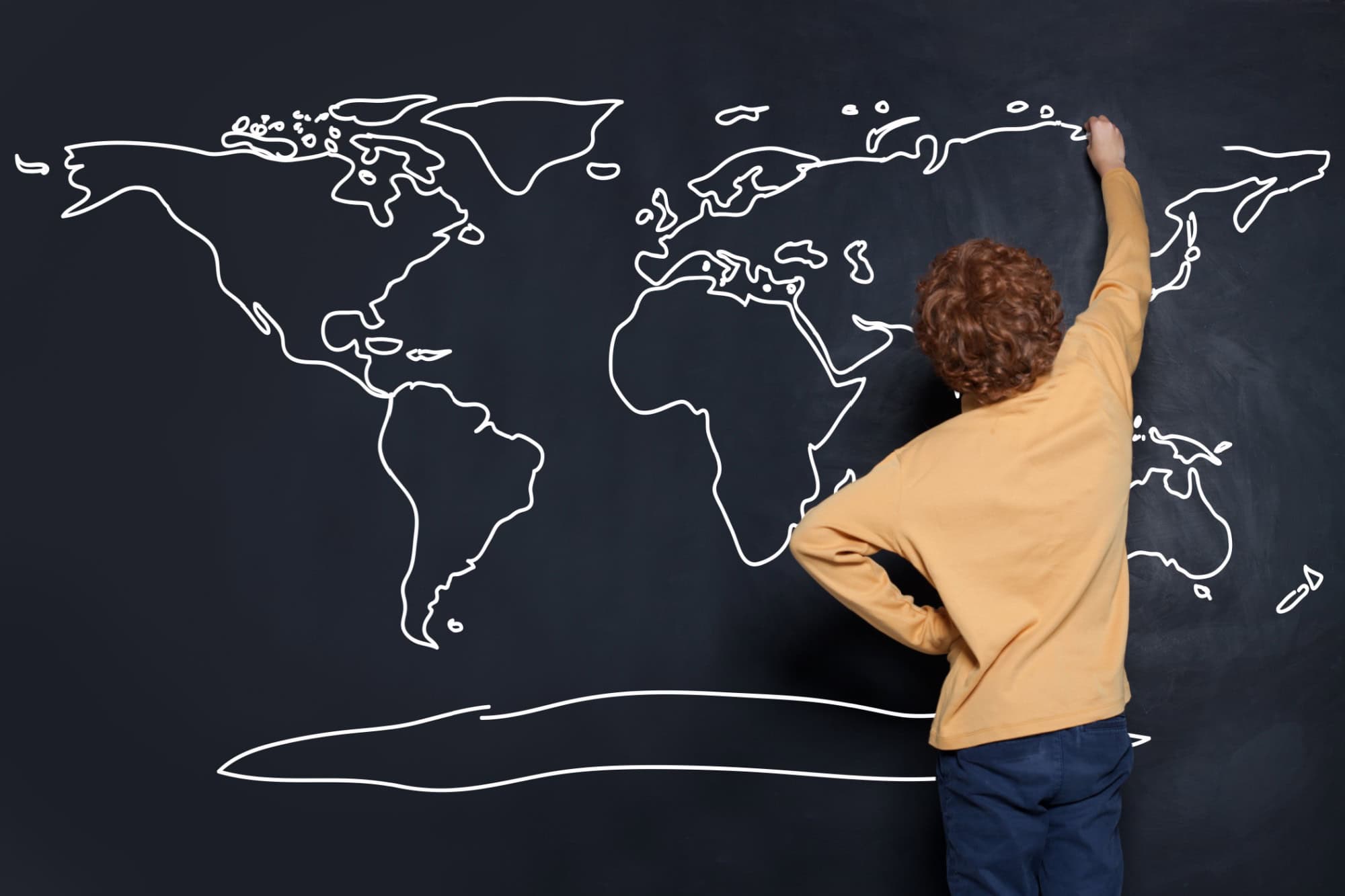
A geography class used to mean learning how to draw maps by hand. Kids had to trace the rivers, mountains and boundaries with care. It made them think deeply about the sense of space. With our digital maps, we don’t need this now.
Etiquette lessons
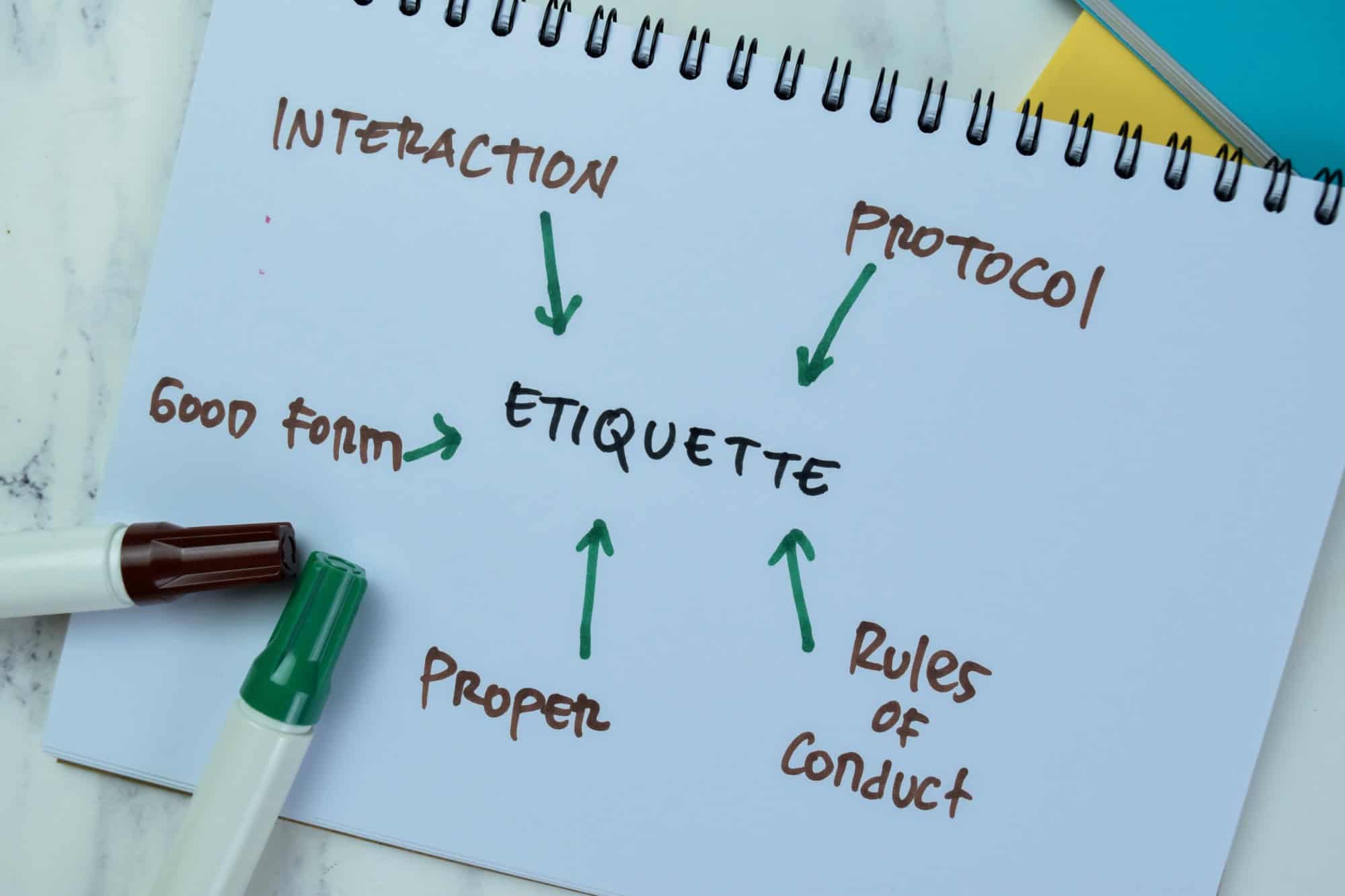
Schools used to teach manners. Children would learn to greet people, lay a table, and speak politely. It was all for preparing them for society. Manners are now mostly taught at home these days.
Calisthenics

Calisthenics involved very little running around. Children in rows obeyed each command in perfect synchronization. They lifted arms, bent bodies, all together. Schools later replaced it with more athletic sports-based PE.
Sources: Please see here for a complete listing of all sources that were consulted in the preparation of this article.
Like our content? Be sure to follow us.


