

Laws change all the time, and looking back, some of the old ones feel almost unbelievable. Things we now consider completely normal used to be serious offenses in some places. We dug through some history books and weird law archives and found a handful of rules that people used to get in real trouble for breaking. So here are some public behaviors that were once illegal in the U.S., but now they’re just odd stories from the past.
“Ugly laws” – being disabled in public

From the late 19th century through the 1970s, some U.S. cities passed shocking laws that prohibited citizens with any visible disabilities or deformities from being out and about in public. Called “ugly laws,” they were intended to remove people “unsightly” to society, and they caused generations of discrimination.
Playing music in public without a permit

Street performers didn’t always have a warm welcome in big cities like New York. It was illegal to play an instrument or sing in public without a city permit at the start of the 20th century, and offenders risked arrest or a fine.
Public school speech protests

Student protests, even peaceful ones on school grounds, were seen as disruptive and illegal in the early 20th century. But students resisted, and by 1969 the U.S. Supreme Court in Tinker v. Des Moines decided that students have free speech rights in public schools.
Playing Dominoes or cards on Sundays

In some Southern states, even casual games like dominoes or cards were banned on Sundays. These laws came from religious traditions that wanted Sundays kept free of “frivolous” activities. By the late 20th century, these bans were mostly repealed, and game night became safe again.
Women wearing pants in public

Women were arrested for wearing pants in public in the 1800s and early 1900s because it was illegal and a form of “cross-dressing.” In 1938, a woman in Los Angeles was brought before a court for the misdemeanor of wearing slacks. By the 1960s, as the women’s movement grew, the laws slowly faded away.
Speaking out against war

Open public criticism of the government, the war, or the draft was illegal during World War I under the Espionage and Sedition Acts. People risked arrest for giving a public speech or distributing anti-war pamphlets.
Dancing close to a partner

In the 1920s, a backlash against dances considered “too intimate” swept some parts of the U.S. Laws were passed against couples dancing too closely in public dance halls, and owners risked fines or arrest for allowing it.
Wearing a one-piece swimsuit

Swimmer Annette Kellerman was arrested in 1907 in Boston for wearing a one-piece swimsuit. At the time, women’s swim costumes covered the legs, arms, and most of the torso. Her arrest caused a public uproar, and laws were eventually changed.
Public dancing on Sundays

Many states once had strict “blue laws” that banned dancing in public on Sundays. Even a simple family outing to a restaurant with live music could result in fines if someone got up to dance. Over time, these rules faded away, though a few towns kept them surprisingly late into the 1980s.
Holding hands or kissing in public

Small public displays of affection between couples were seen as scandalous a hundred years ago. Even the simple act of kissing in a park or holding hands on a public bench could result in fines or a court appearance. By the 1960s, society’s mores on public romance had changed, and the rules mostly disappeared.
Black and white people sitting together
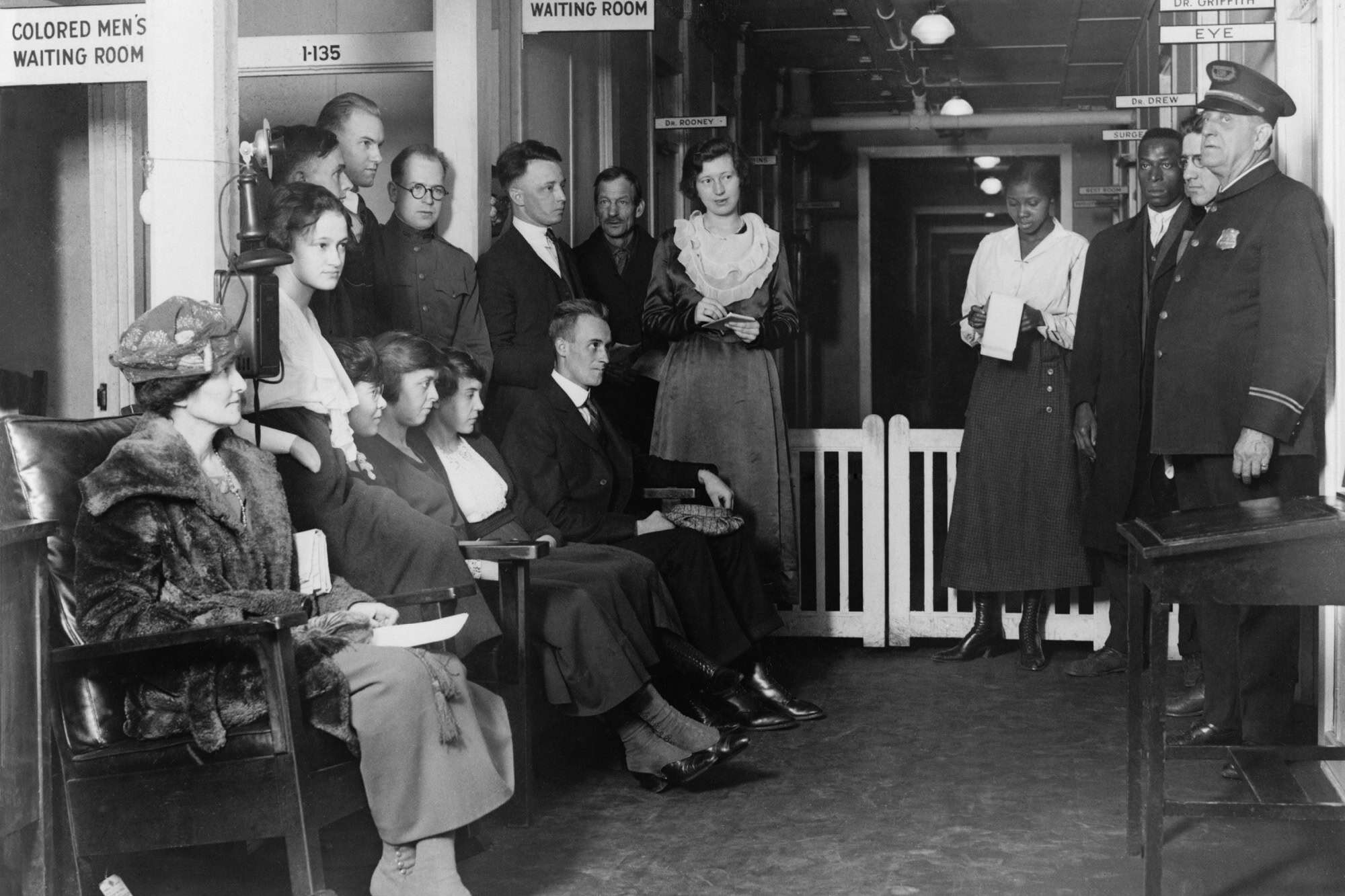
Before the Civil Rights Movement, segregation laws forced Black and white citizens to sit separately in public buses, restaurants, and theaters. Fines and arrest, or even violence, were common punishments for breaking the laws.
Teens dancing without adult supervision

Citizens under the age of 18 were banned from public dancing in towns like Cleveland, Ohio in the 1950s and 60s, unless with a parent or other adult. The anti-rock and roll authorities thought it would lead to “immoral behavior.”
Loitering without a clear purpose

At one time, simply standing or sitting in public with no obvious reason could get someone arrested. These vague laws were often abused to target homeless individuals or teenagers hanging out in groups. Courts eventually struck many of them down for being unfair and overly broad.
Sources: Please see here for a complete listing of all sources that were consulted in the preparation of this article.
Like our content? Be sure to follow us.


