

Mustard gas was one of the ugliest weapons of the early 20th century. And it actually ended up creating a medical breakthrough that we still use to treat cancer patients today, aka chemotherapy. The truth is, it all came from battlefield injuries & one man at Yale who received the first infusion. Let’s find out how something so terrible could end up saving millions of lives.
Featured Image Credit: Shutterstock.
What doctors saw after World War I

In 1919, two American physicians, Edward & Helen Krumbhaar, published a study of soldiers who’d died after mustard gas exposure. But their autopsies showed something rather unusual. They found that the soldiers’ bone marrow had stopped producing white blood cells, which usually help to fight off infections. Instead, the marrow was basically empty & fatty.
How mustard gas affected white blood cells

The physicians found out that the soldiers had extreme leukopenia (low white cell counts). That explained why they couldn’t fight off illnesses after gas attacks, suggesting that this deadly gas did more than simply burn lungs & skin. It seemed to target the body’s blood-making machinery.
The U.S. invested in mustard agent research during World War II

A few decades later, during World War II, the U.S. government’s Office of Scientific Research and Development (OSRD) & the Army’s Chemical Warfare Service poured money into studying mustard agents. Why? Because they wanted antidotes & a better understanding of toxicity. They were also hoping for a medical application of the gas.
Yale researchers studied nitrogen mustard in secret

This is where the Yale School of Medicine came in. Pharmacologist Alfred Gilman & physician Louis Goodman were contracted to study nitrogen mustard, although it was kept secret under wartime censorship. Originally, they performed tests on rabbits to see how the blood changed & found that nitrogen mustard shrank the tumors.
The first human treatment at Yale
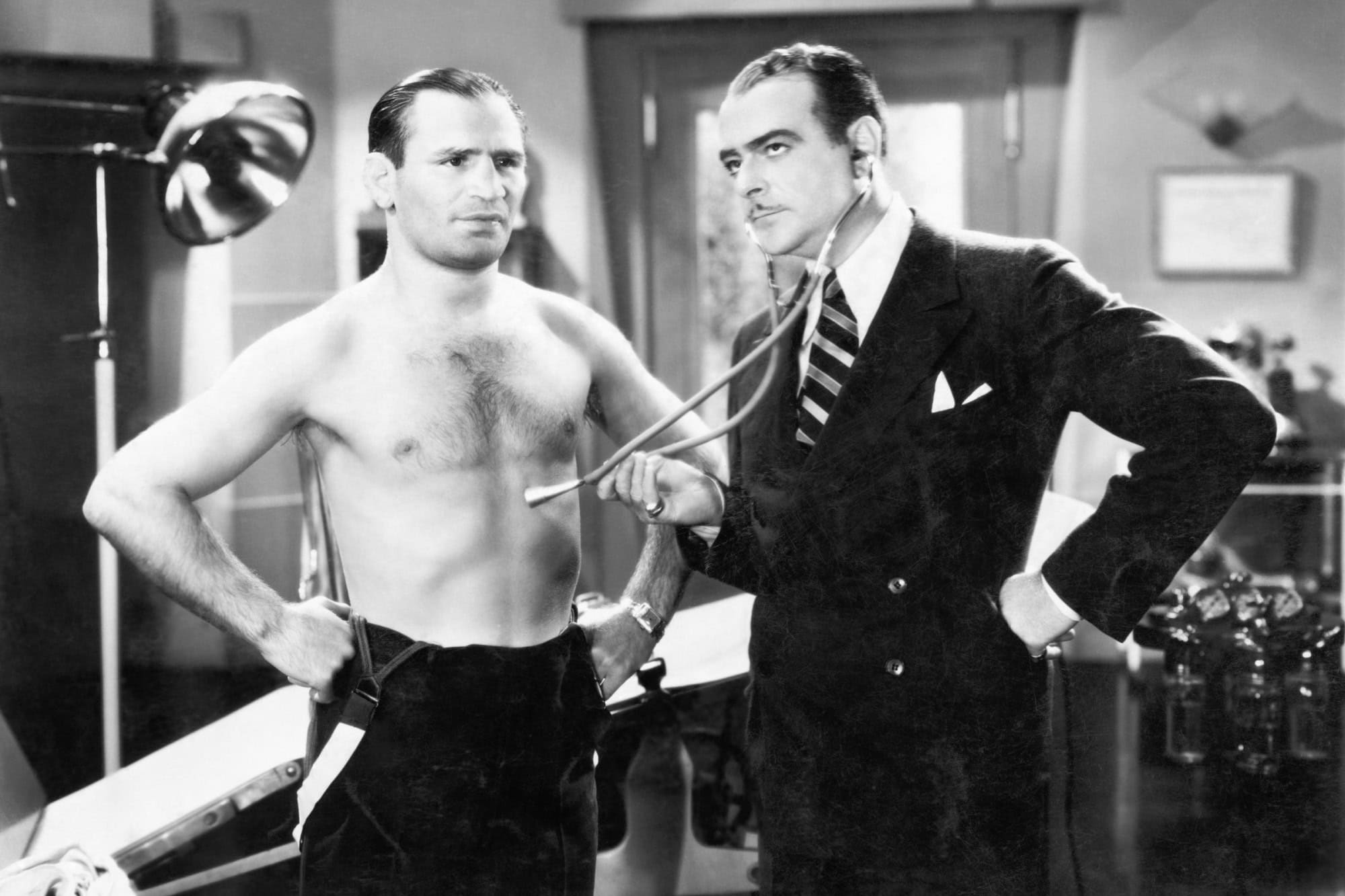
Later, Yale’s archives confirmed the exact details with their first human patient. He was known only as “J.D.” & had advanced lymphosarcoma that wasn’t responding to radiation. On August 27, 1942, at exactly 10:00 a.m., J.D. received his first dose, which was 0.1 mg/kg of nitrogen mustard through an IV. The doctors continued to give him daily infusions for 10 days, and by the halfway point, the tumors in his neck had softened & shrunk. A biopsy even came back clean.
The tragic outcome of the first trial
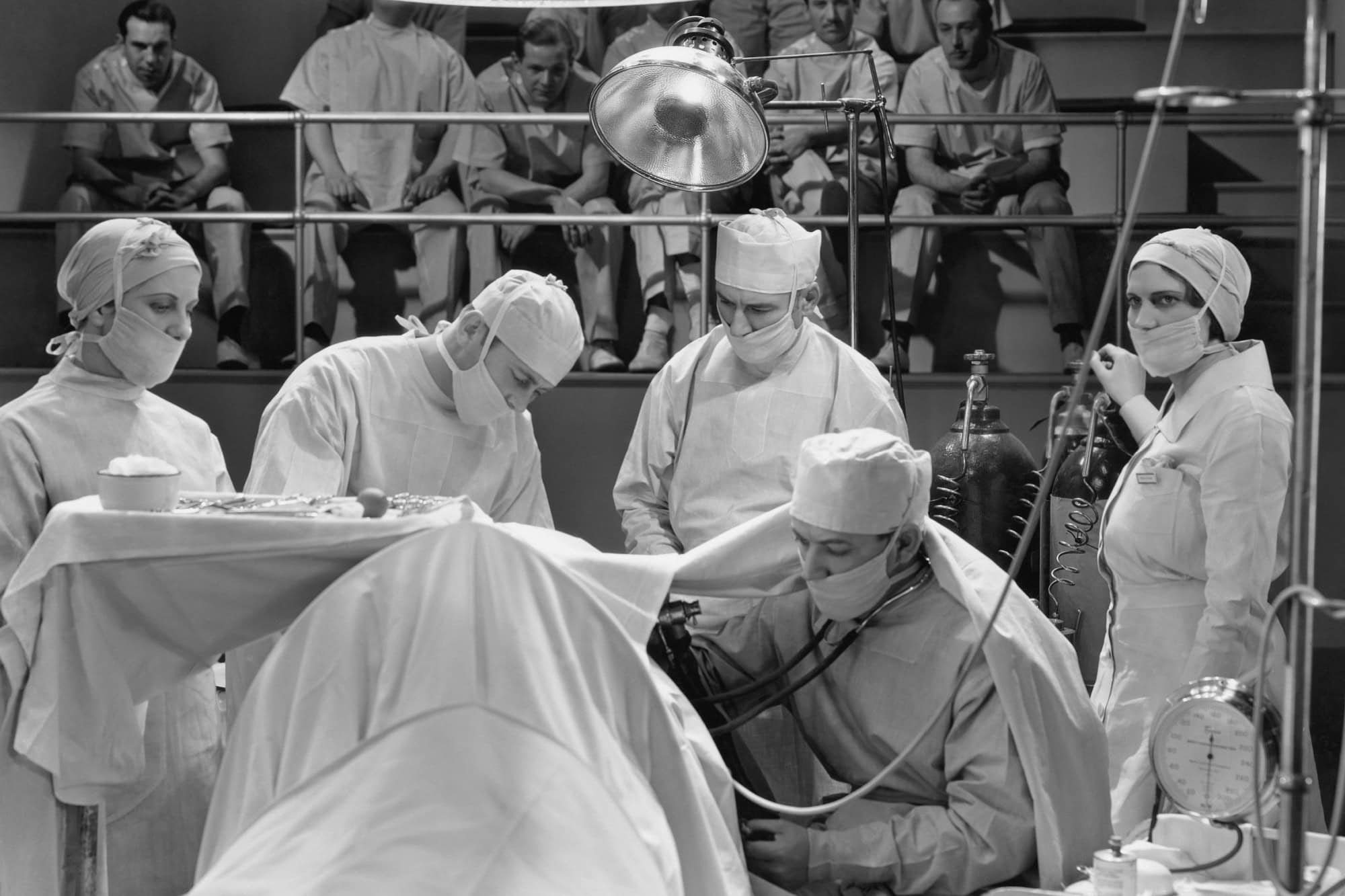
Unfortunately, there was a tradeoff. The use of the gas treatment meant that J.D.’s white cells & platelets crashed, leading to bleeding problems that caused a relapse seven weeks later. Sadly, J.D.’s marrow never fully recovered & he died on December 1, 1942. But the autopsy confirmed what the Krumbhaars had seen. The marrow was wiped out & replaced by fat.
What the 1946 JAMA paper actually reported

After the end of the war, wartime secrecy lifted & the data piled up. On September 21, 1946, Goodman, Gilman & colleagues published their big multi-center study in JAMA. They reported on 67 patients treated across four hospitals, which were Yale in New Haven, Salt Lake County General, Boston, & Portland, Oregon. This included people with various forms of cancer.
First cancer treatment with a chemical drug

In the tests, they used two nitrogen mustard compounds. They gave both of these intravenously to the patients. It was a rather detailed paper that described how the tumors shrank, as well as information about blood count drops & infections. It also described the balance between response & toxicity.
Sure, it sounds like a standard paper today, but back then, this was the first time that doctors treated cancer with a chemical drug. They didn’t need to rely on surgery or radiation alone. It was a true miracle, the likes of which the world had never seen before.
Their paper explained how these chemicals worked on a cellular level. Nitrogen mustards alkylate DNA & create crosslinks that block cells from replicating. This was important because rapidly dividing cells, like tumor cells & bone marrow, were hit the hardest. It helped to explain why the tumors shrank & the dangerous side effects of this solution, while also giving chemists a target. They could now design new drugs with similar action, but less toxicity.
A family of cancer drugs
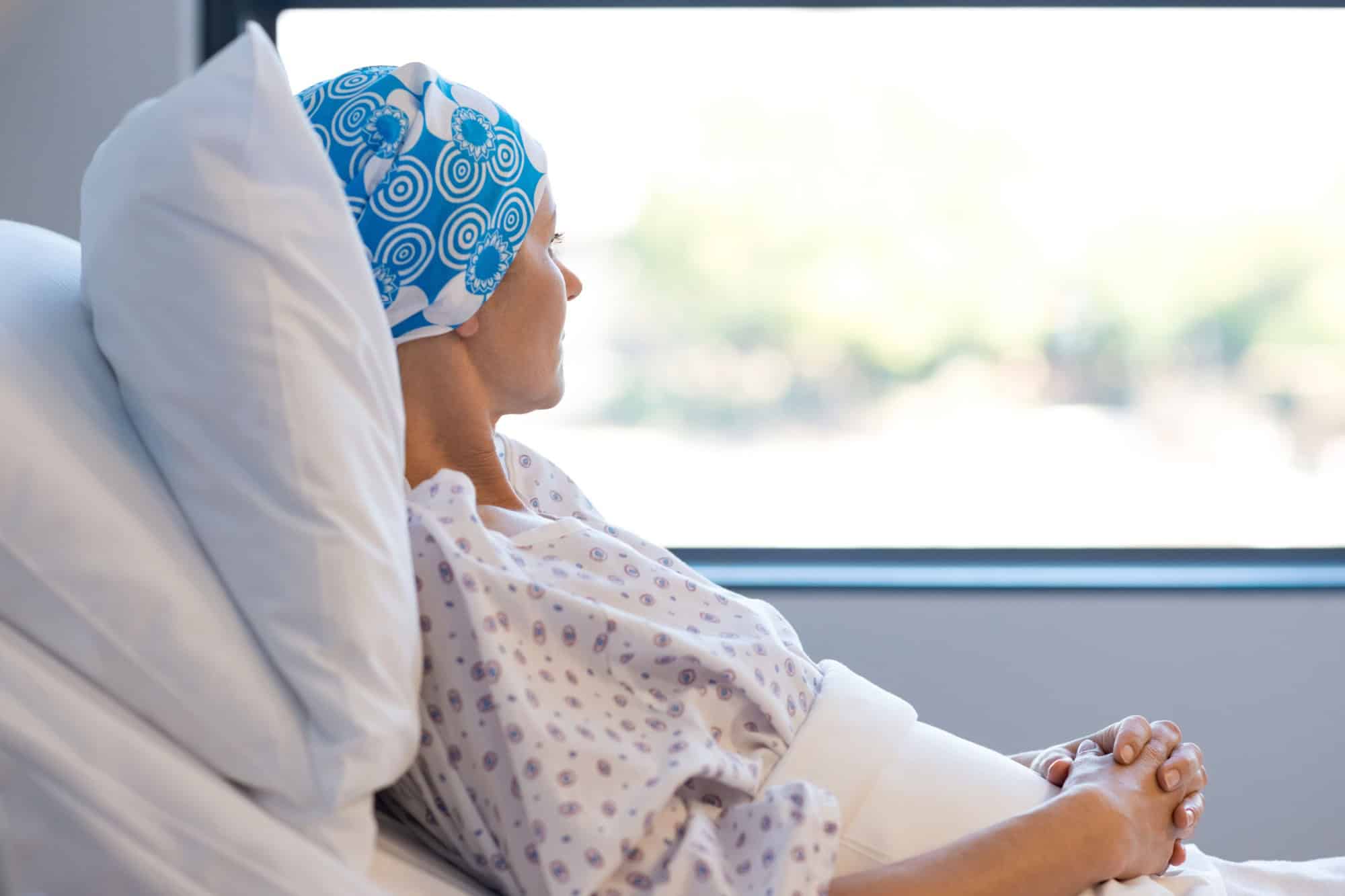
Researchers continued to modify the basic nitrogen mustard structure. Eventually, they came up with a whole list of alkylating agents, including chlorambucil, melphalan, cyclophosphamide, ifosfamide & more. They tested and refined each one. Later, they added them to the growing list of cancer treatments.
Mustard gas research covered more than cancer

One thing to note is that the mustard gas research program didn’t center on cancer. In fact, the studies explored all sorts of health issues, including lung damage & eye injuries. They also cataloged the effects on multiple organs in both animals & humans. Even so, with this research, physicians reached an incredible milestone. The age of cancer chemotherapy had begun.
Sources: Please see here for a complete listing of all sources that were consulted in the preparation of this article.
Like our content? Be sure to follow us.


