
Once you move past the famous battles and kings, history gets a lot weirder, and a lot creepier, too.
Thousands of deportees were abandoned on ‘Cannibal Island’
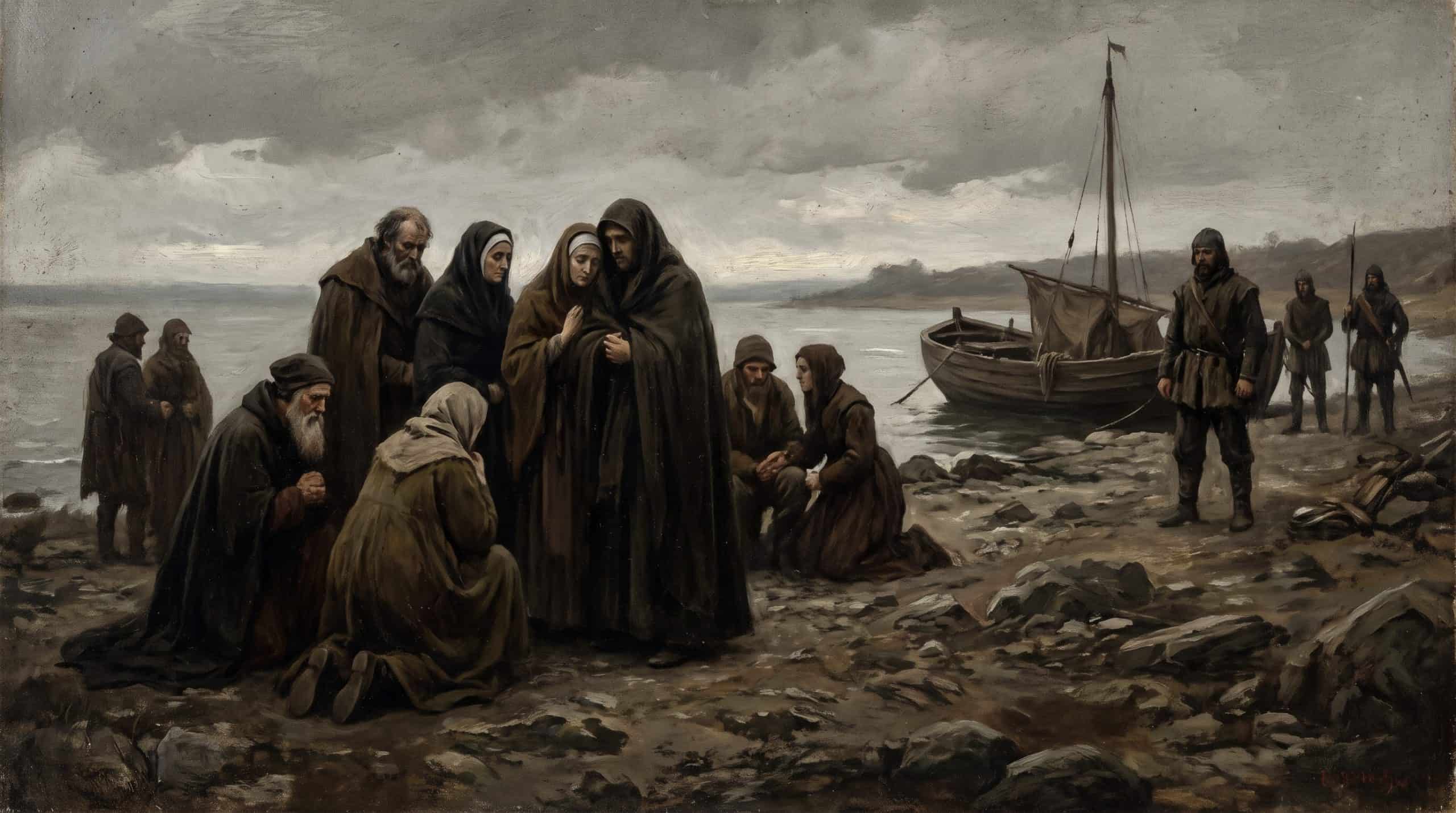
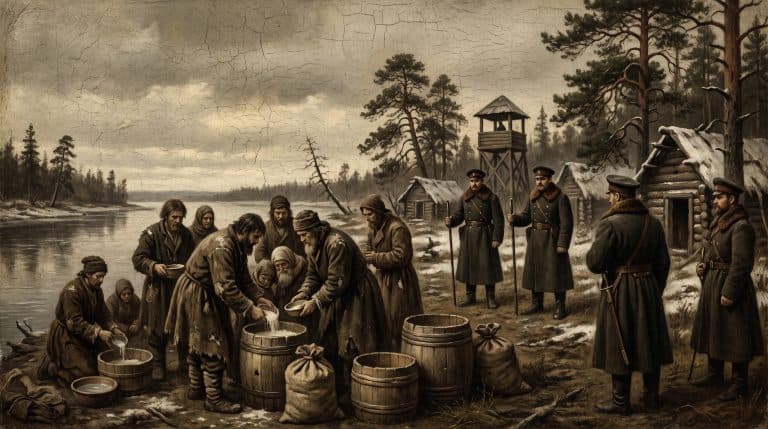
Being arrested because you didn’t have the right papers is hard enough. But what happened to the Soviet deportees on Nazino Island in May 1933 was even worse. 6,000 of them were pushed onto a train and dumped on the freezing Siberian island with practically nothing.
It wasn’t exactly a place where they could fend for themselves, either, as the island had no proper shelter or steady food supply. Guards did eventually hand out flour, but people had no way to bake it. Some decided to mix it with river water. To nobody’s surprise, disease soon broke out, and there were reports of cannibalism. 4,000 people died or vanished.
American children were secretly fed radioactive oatmeal

The boys at Massachusetts’ Fernald State School thought they’d joined a fun little science club during the 1940s and 1950s. They had. But they didn’t know that they were the ones being experimented on, as MIT researchers had put radioactive tracers into some of their oatmeal.
The goal was to measure how children absorbed iron and calcium, without telling the students what had happened. The cereal company Quaker Oats actually helped fund the work so it could figure out how cereal ingredients affected nutrition. It took until 1993 for the truth to come out and for the groups to pay a $1.85 million settlement to families of the students.
The US military sprayed bacteria over San Francisco
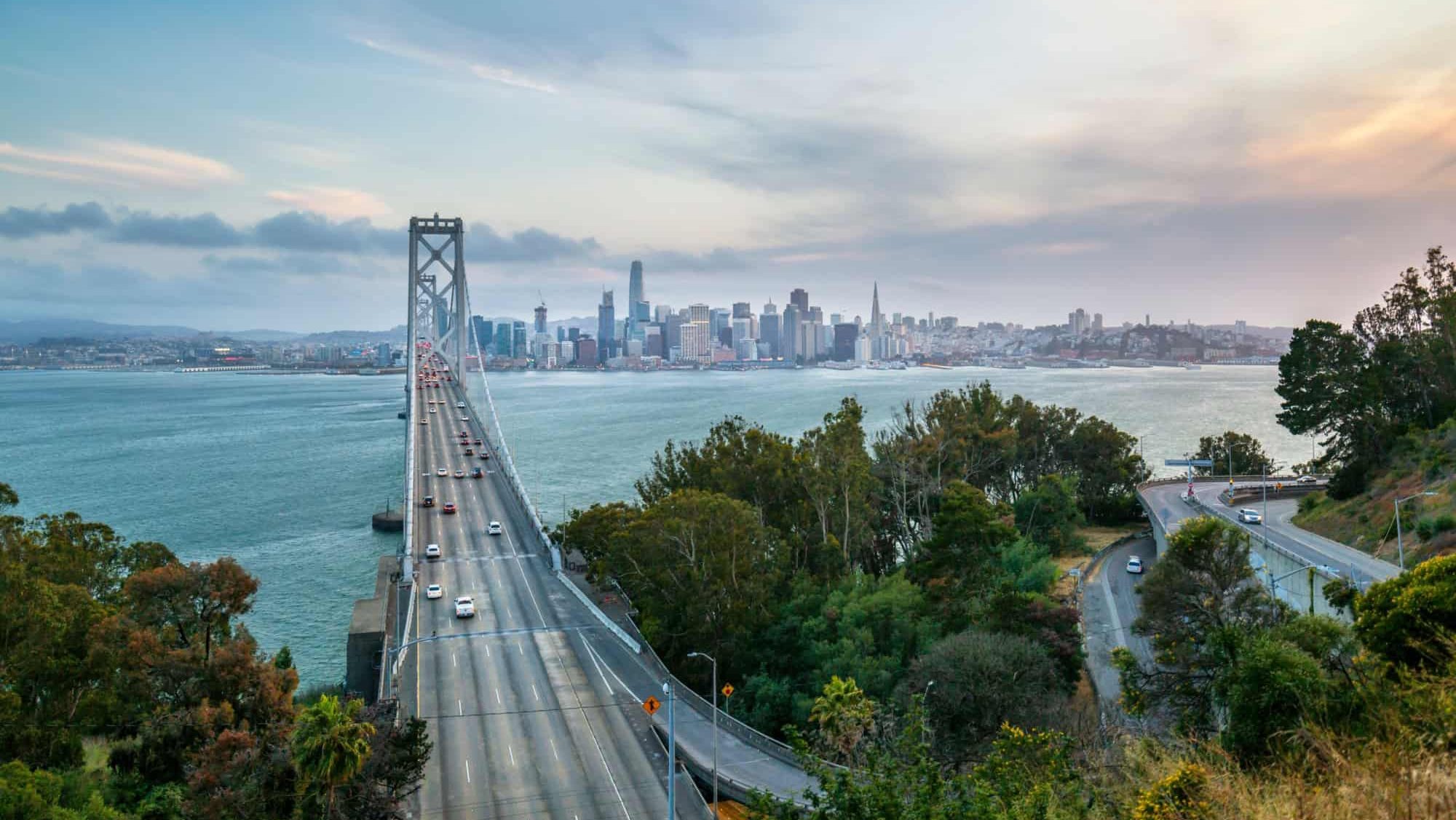
That’s not all for government testing. Residents in San Francisco in September 1950 went about their days without any idea of what a Navy ship was doing offshore. It was deliberately releasing bacteria into the air as part of something called Operation Sea-Spray.
Military researchers wanted to see how a biological attack could spread through a major city, so they decided to test it on these residents, without asking them. In fairness, they did use two types of bacteria that were thought to be harmless back then. Around 800,000 residents were infected, and then it emerged that these bacteria weren’t entirely safe.
Medical schools relied on stolen bodies
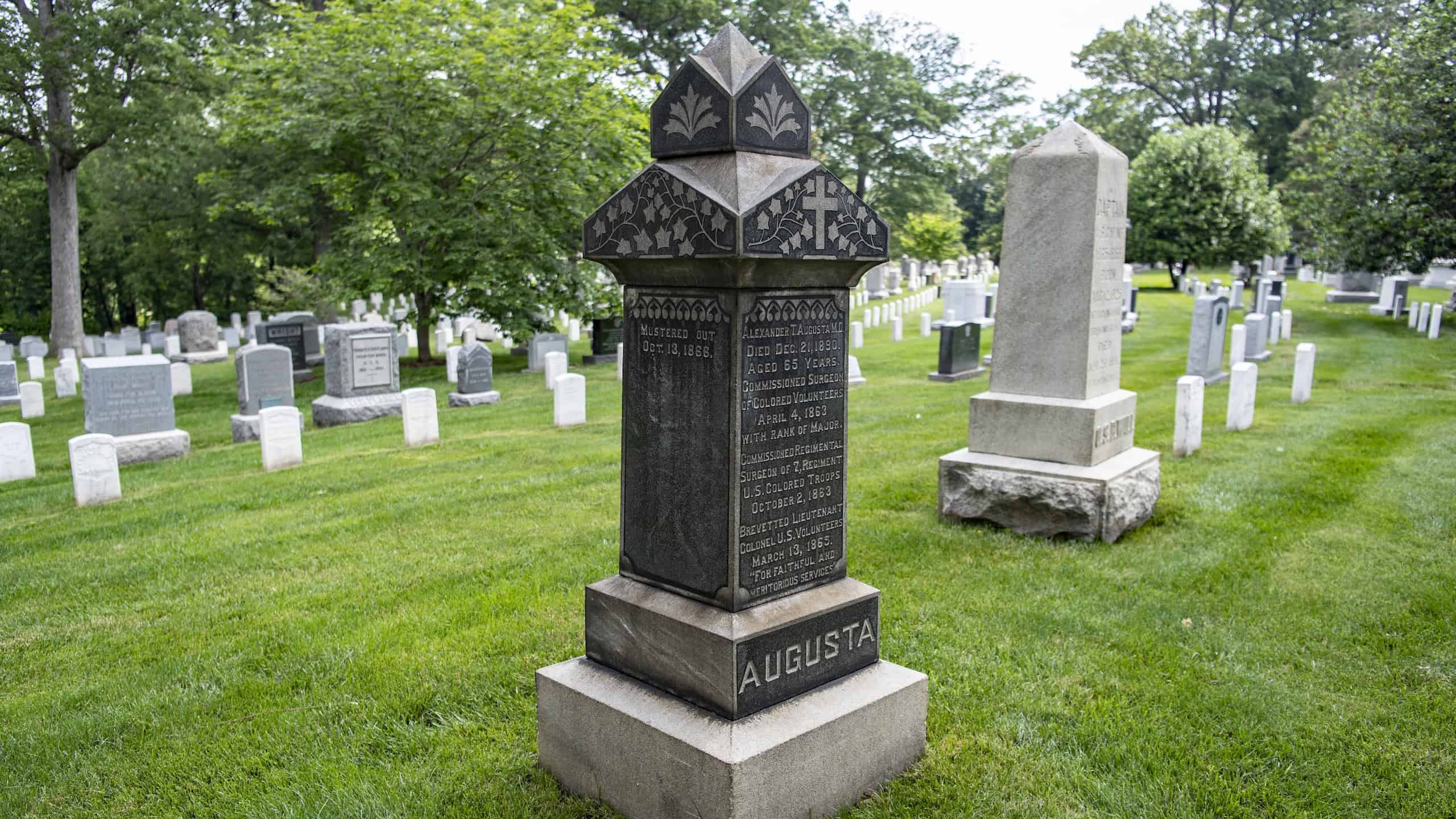
Medical knowledge improved quite a bit during the 1800s. It’s mostly thanks to grave robbers. Yes, graverobbers, as medical students needed dead bodies during the 1800s, but the legal supply wasn’t even close enough to reach the demand.
So, schools went under the table and bought corpses from grave robbers. These men would work after dark and dig up recently deceased bodies, usually in areas where they expected fewer questions. These were usually Black cemeteries and poor people’s graves.
Dead bodies were one of Paris’s major tourist attractions

A day out in Paris is always fun. You can visit Notre-Dame or the Louvre, after all, and if you were there in the 19th century, you could visit the city morgue. Yes, really. Officials laid out unidentified bodies behind glass so visitors could inspect them, maybe recognize someone.
This was a time before refrigeration. They dripped cold water over the bodies to make them decay slowly, and it was such a popular place to visit that guides listed the morgue as an attraction. Parents even brought their children to visit.
Urban graveyards contaminated homes and drinking water

It’s not like Paris was much better before then. The city had put too many bodies in the Cemetery of the Holy Innocents by the early 1700s. It got to the point when they reopened graves again and again, putting fresh burials on top of older remains.
The nearby residents actually started complaining about terrible smells and spoiled food, along with dirty well water. Part of a mass grave collapsed through the wall of a neighboring basement in 1780. It caused soil and decomposing remains to spill straight into the building. How gross.
Concentration-camp prisoners were accidentally bombed just before liberation
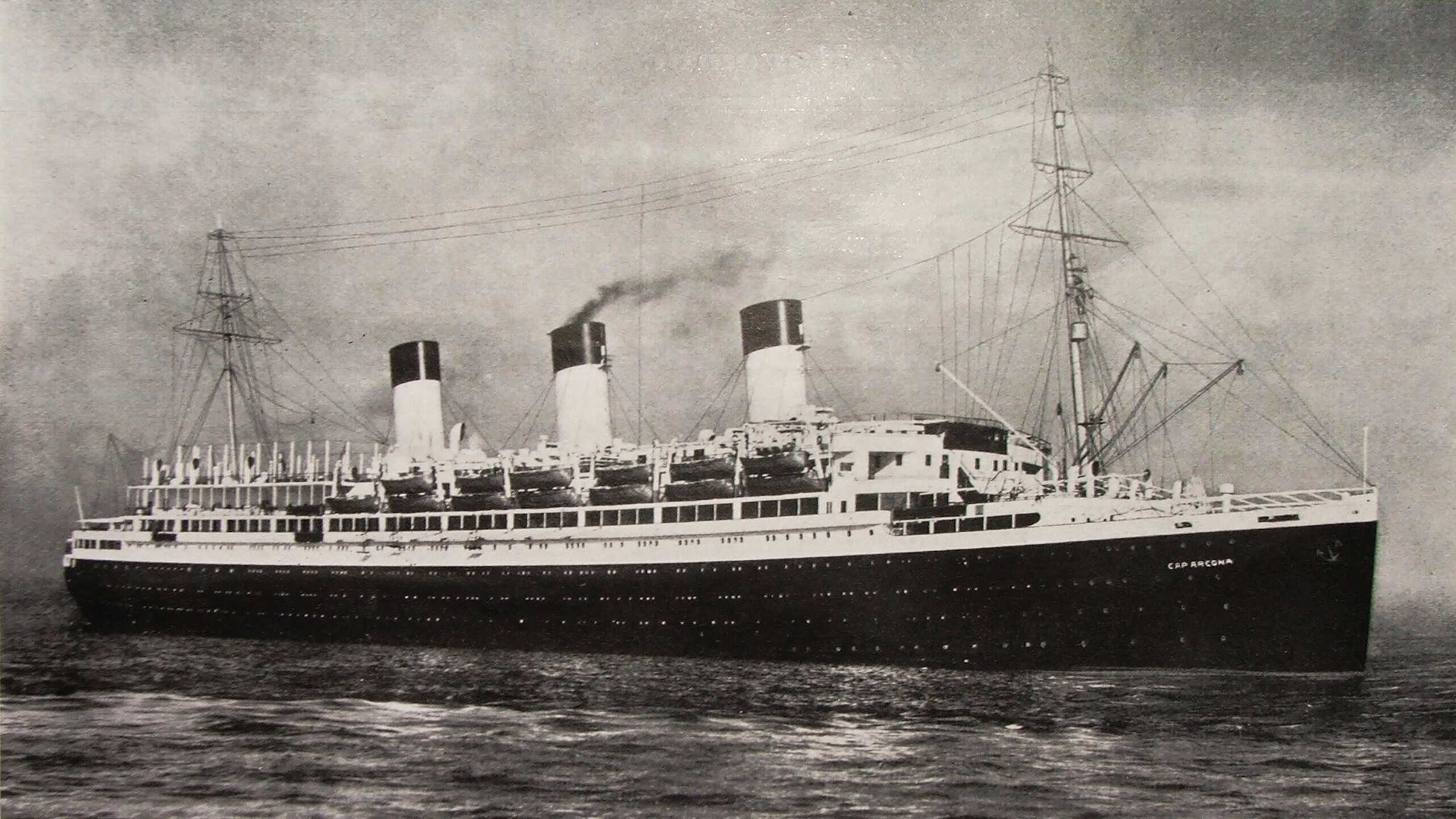
The war in Europe was almost over. It was May 3, 1945, quite literally just a few days before Germany surrendered. British aircraft began attacking ships in the Bay of Lübeck as they believed there were German troops on board. They couldn’t have been more wrong.
These ships actually had thousands of prisoners who’d been evacuated from Neuengamme concentration camp. A lot of them were locked below deck during the bombing, and the rest of them drowned in the freezing Baltic Sea after jumping overboard. More than 7,000 people died.
People hired professional ‘sin-eaters’

There were some pretty weird jobs in the past, and ‘sin-eaters’ were one of the strangest. This job involved eating bread that was sitting on top of a coffin. The idea was that the food absorbed the dead person’s unconfessed sins, so the sin-eater took those sins away. It was pretty gross.
You’d think someone performing this job would be respected, but no, people looked down on it. Some of the earliest records we have of sin-eaters date back to the 1600s. One of the last sin-eaters died in 1906.
Human teeth taken from battlefields were sold as luxury dentures
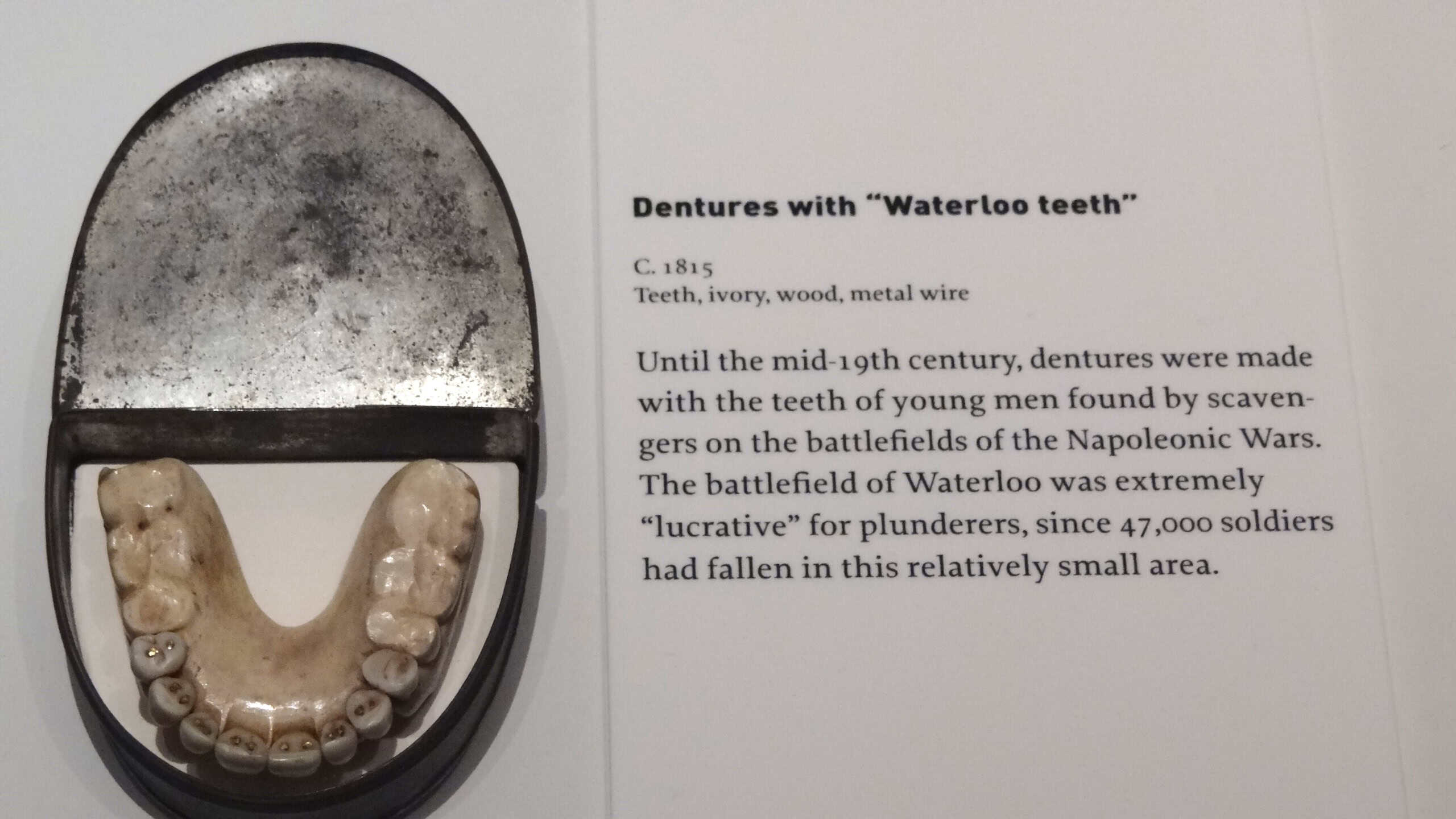
Battlefield looters were a pretty common sight after wars. Except, they weren’t only looking for weapons or money. They also pulled teeth from dead soldiers because teeth were valuable back then. Most dentures were made from ivory or animal bone, after all.
One of the most infamous examples of battlefield looting happened after the Battle of Waterloo in 1815. So many of those stolen teeth entered the dental market that they became known as ‘Waterloo teeth.’ Wealthy customers could end up smiling with several different dead people’s teeth.
The smell of natural gas exists because hundreds of children died

Most people don’t know that natural gas doesn’t naturally have a smell. Yes, it’s artificially added, and it’s all because of a horrible incident that happened on March 18, 1937. The New London Consolidated School in East Texas was connected to a nearby gas line to save money.
Nobody realized there was a leak, as the gas was completely odorless. Then tragedy struck. An electrical spark ignited the gas and tore through the building, killing around 298 students and teachers. The law then changed to force companies to add strong-smelling chemicals to natural gas.
Passengers drowned in a river filled with untreated human waste
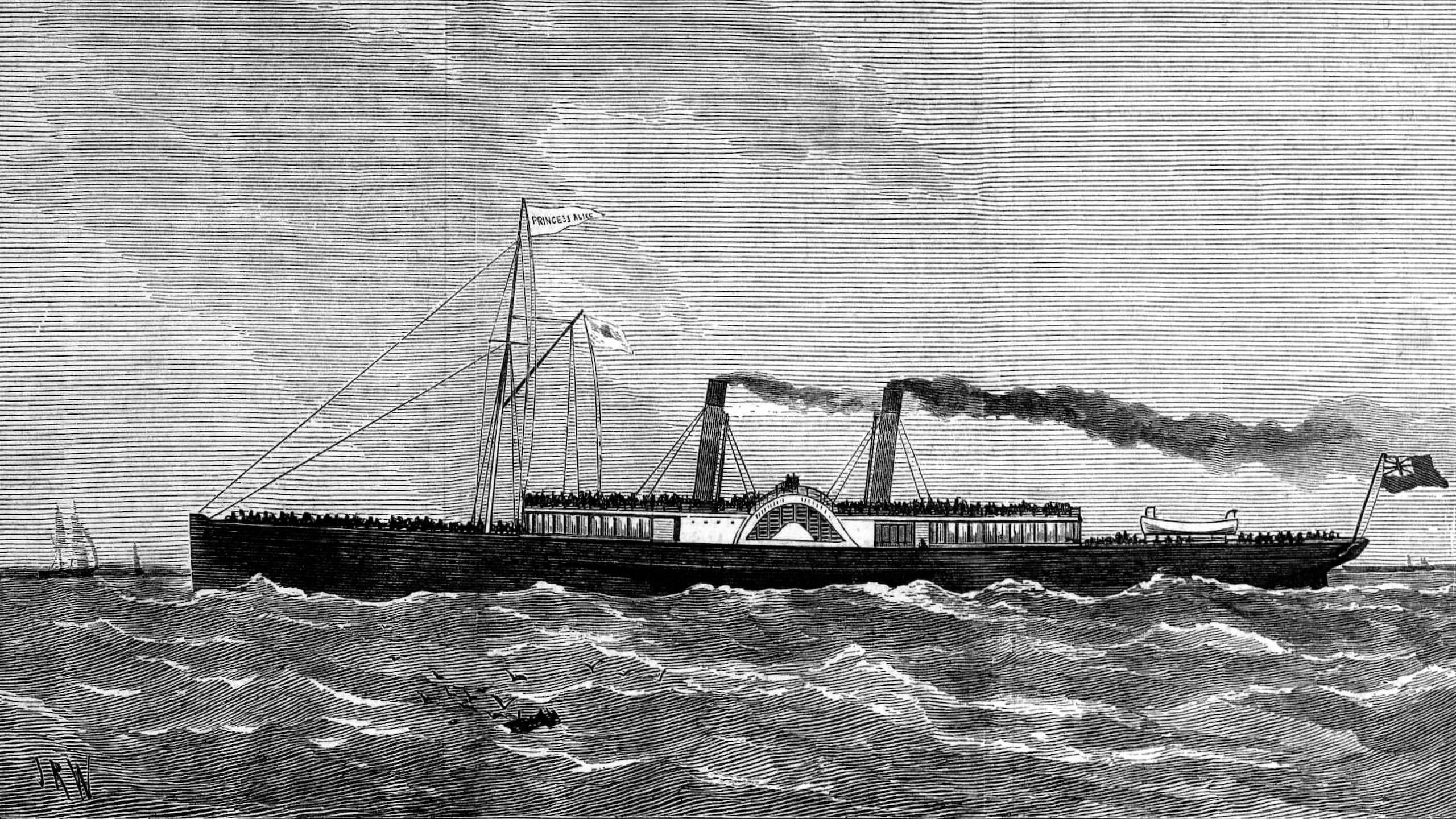
It was supposed to be a family outing on the Thames. It ended in disaster. The excursion boat Princess Alice was on the river on September 3, 1878, when it collided with the Bywell Castle, a much larger boat. The Alice split apart and sank shortly after, killing 640 people.
But that wasn’t the worst part. Turns out, sewer outlets had recently emptied large amounts of waste into the Thames. It mixed with pollution from gasworks and factories to form a truly disgusting mix. Survivors had to swim through it and often swallowed it.
Orphan trains were a real thing
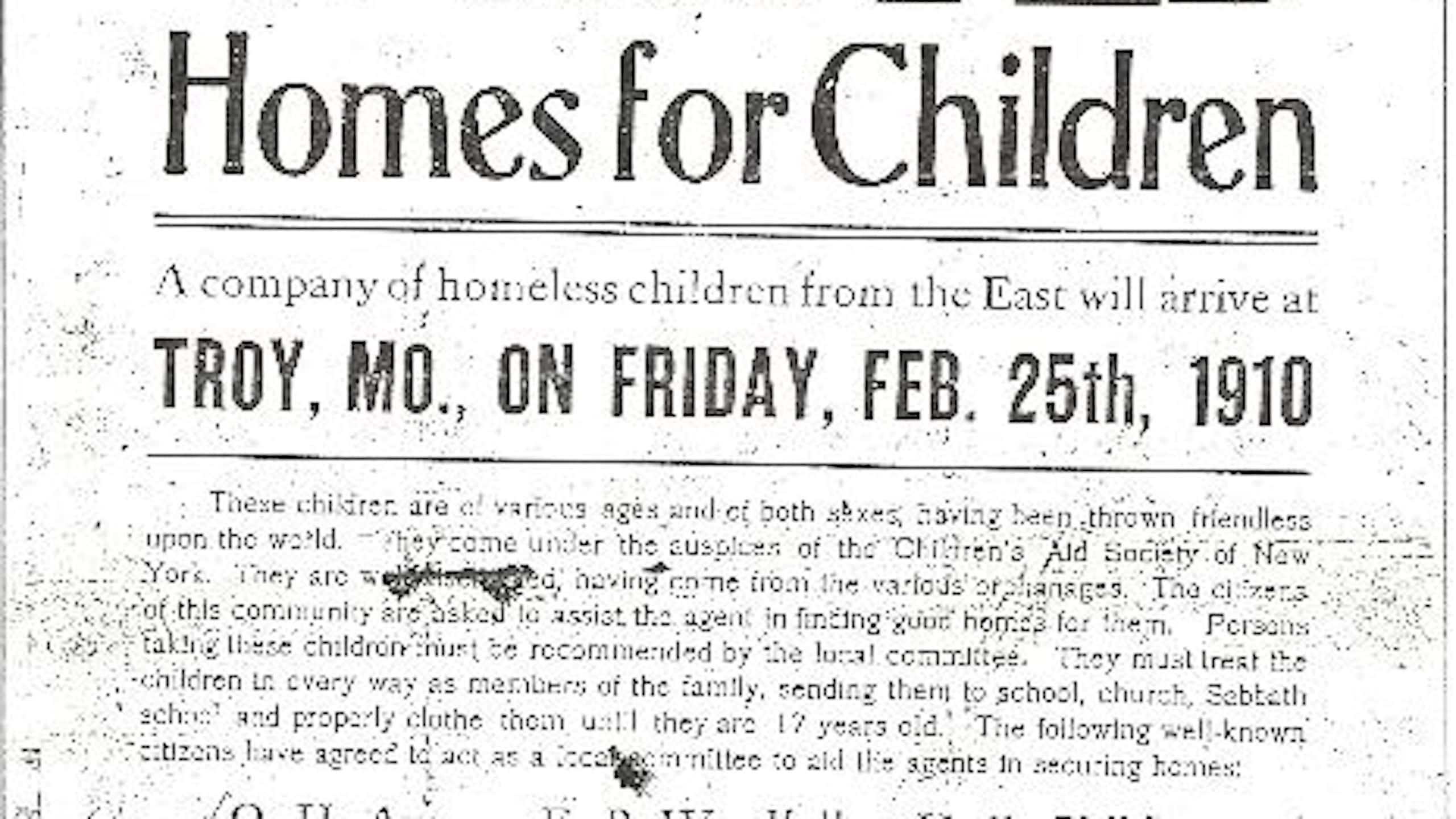
‘Orphan trains’ were something that carried children from eastern cities to towns across the United States. It happened between 1854 and 1929. Families could choose exactly which kids they wanted to take home, just like they were animals in a pet store.
It gets worse, though. Some kids were only chosen to become workers for the ‘families’ who bought them. The train officials sometimes gave the families kids on a trial basis, so the families could return any children they weren’t happy with.
Sources: Please see here for a complete listing of all sources that were consulted in the preparation of this article.
13 people in history who were betrayed by their closest allies
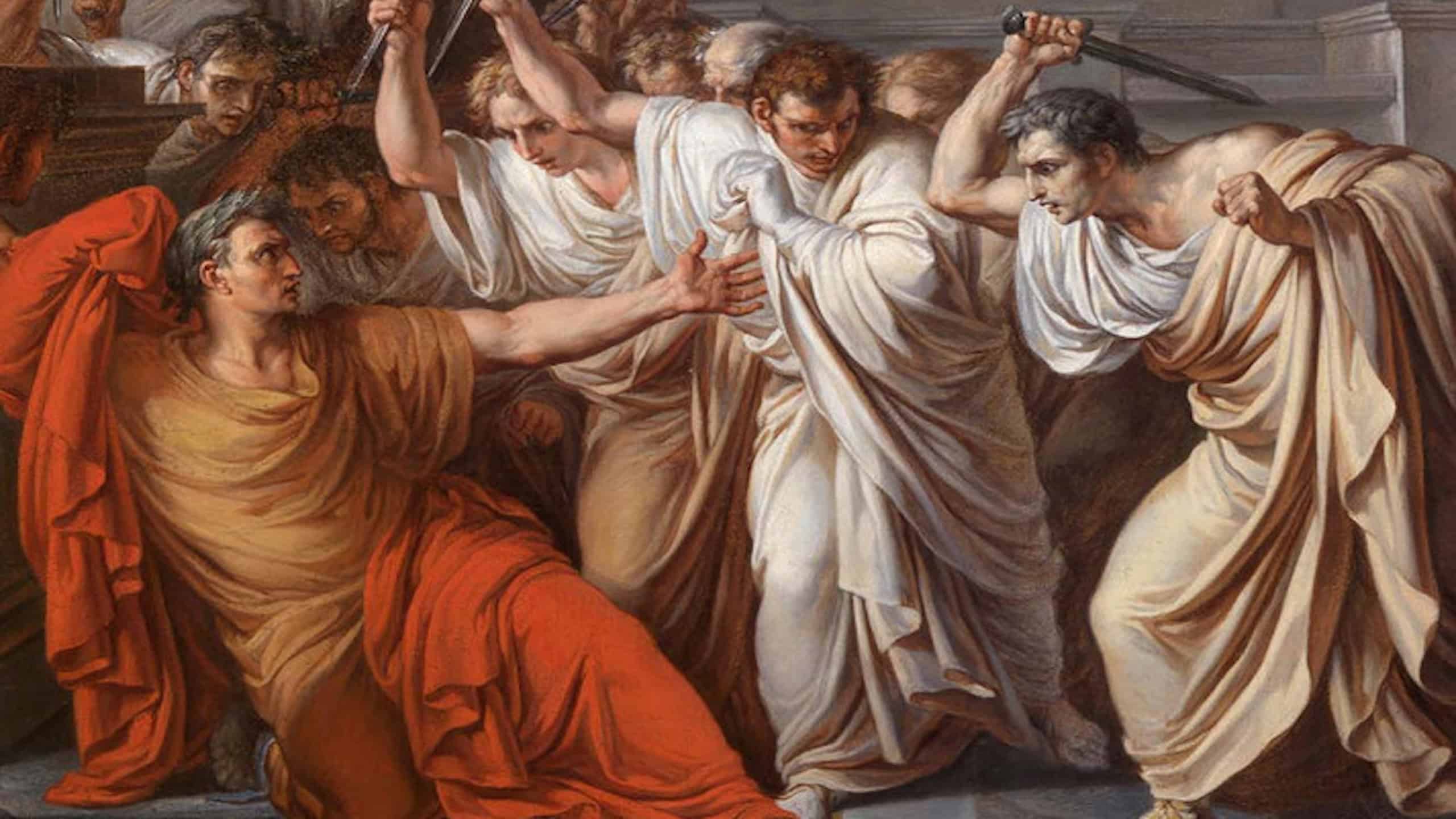
The ugliest betrayals in history are the ones that come from the people who were trusted the most, like relatives and other loved ones.
13 people in history who were betrayed by their closest allies

