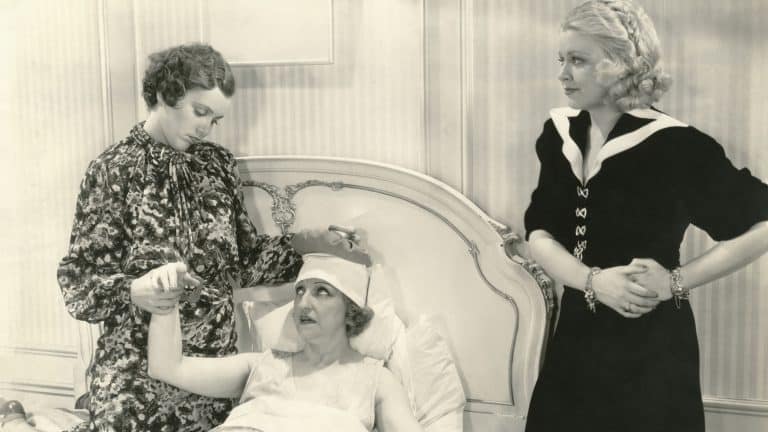

Long before modern medicine, people were willing to try almost anything to stay healthy, even treatments that now sound unbelievable.
Swallowing tapeworms

By the late 18th century, people were intentionally ingesting tapeworm eggs under the belief (promoted through quack advertisements and word of mouth) that once the parasite took up residence in their intestines, it would consume some of the food they ate and help them lose weight without dieting.
Tapeworms can grow up to several meters in length and people who intentionally ingested them risked stomach cramps, malnutrition, vitamin deficiencies, intestinal blockage, and even death.
Vinegar diet

In the early and mid-1800s, consuming vinegar became fashionable because it was thought to make the skin paler and the body slimmer. Encouraged in part by Lord Byron, who said he drank vinegar to decrease his appetite and maintain a low weight, many people started drinking it before meals or soaking their food in it.
Vinegar might temporarily dull one’s appetite, but when taken in excess, it frequently causes stomach pain, nausea, vomiting, indigestion, and loss of tooth enamel.
Drinking mercury

Mercury was thought to cure constipation, skin diseases, and especially syphilis. Doctors claimed that the toxicity of the metal would purge the body of illness, without knowing the detrimental side effects it caused.
Long-term use caused horrific mouth sores, tooth loss, kidney failure, tremors, and permanent brain damage. By the late 1800s, medical evidence had finally caught up and shown that the treatment was much worse than the disease itself.
Bloodletting
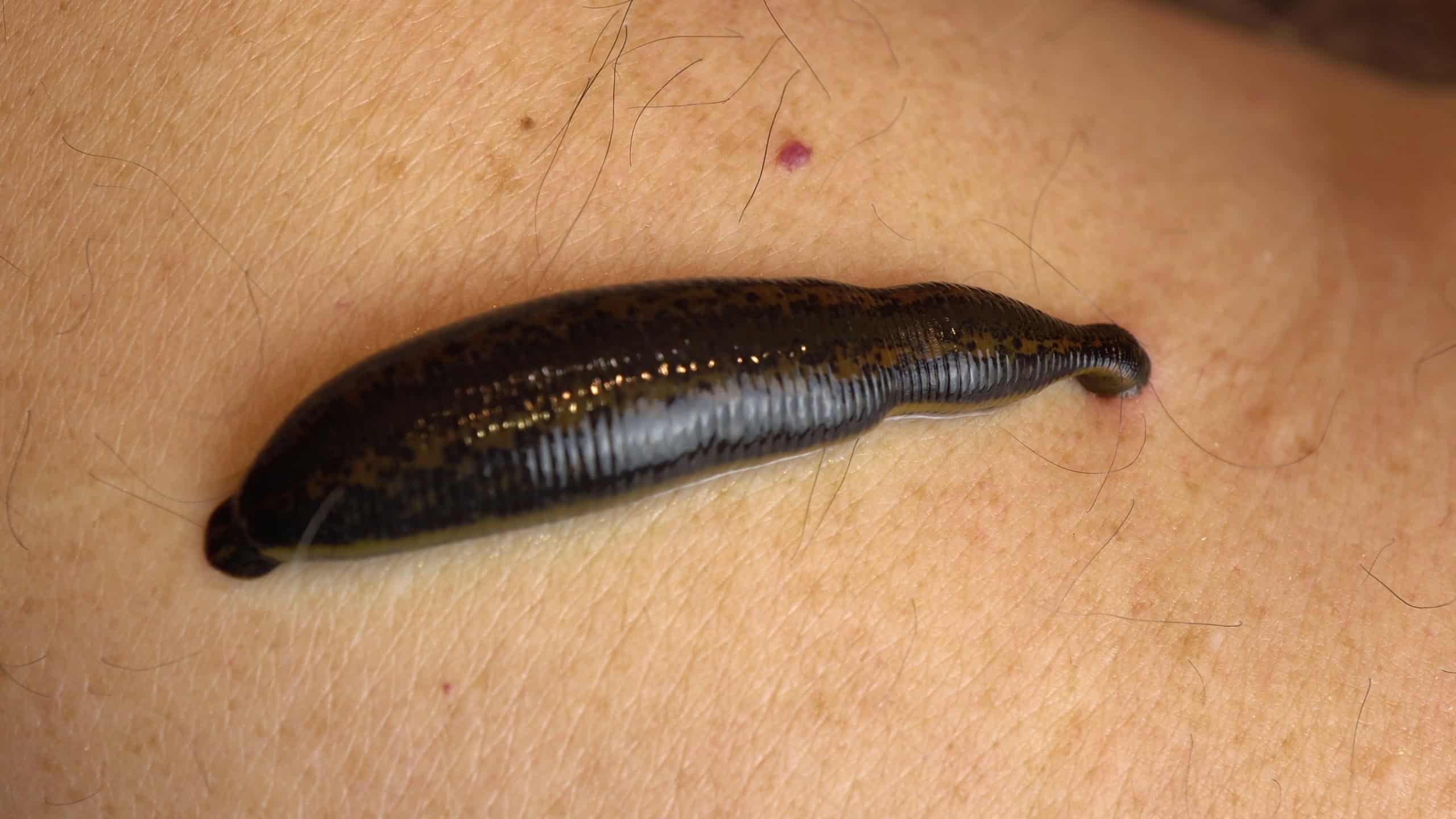
Bloodletting was practiced by many doctors until well into the 19th century to treat everything from fevers and pneumonia to headaches and mental illness. Doctors believed that extracting the blood would rid the body of disease caused by an imbalance of the body fluids or humors.
Patients were cut with knives or lancets, and even had leeches applied to them. Many lost dangerously high volumes of blood in the process.
Coca medicines
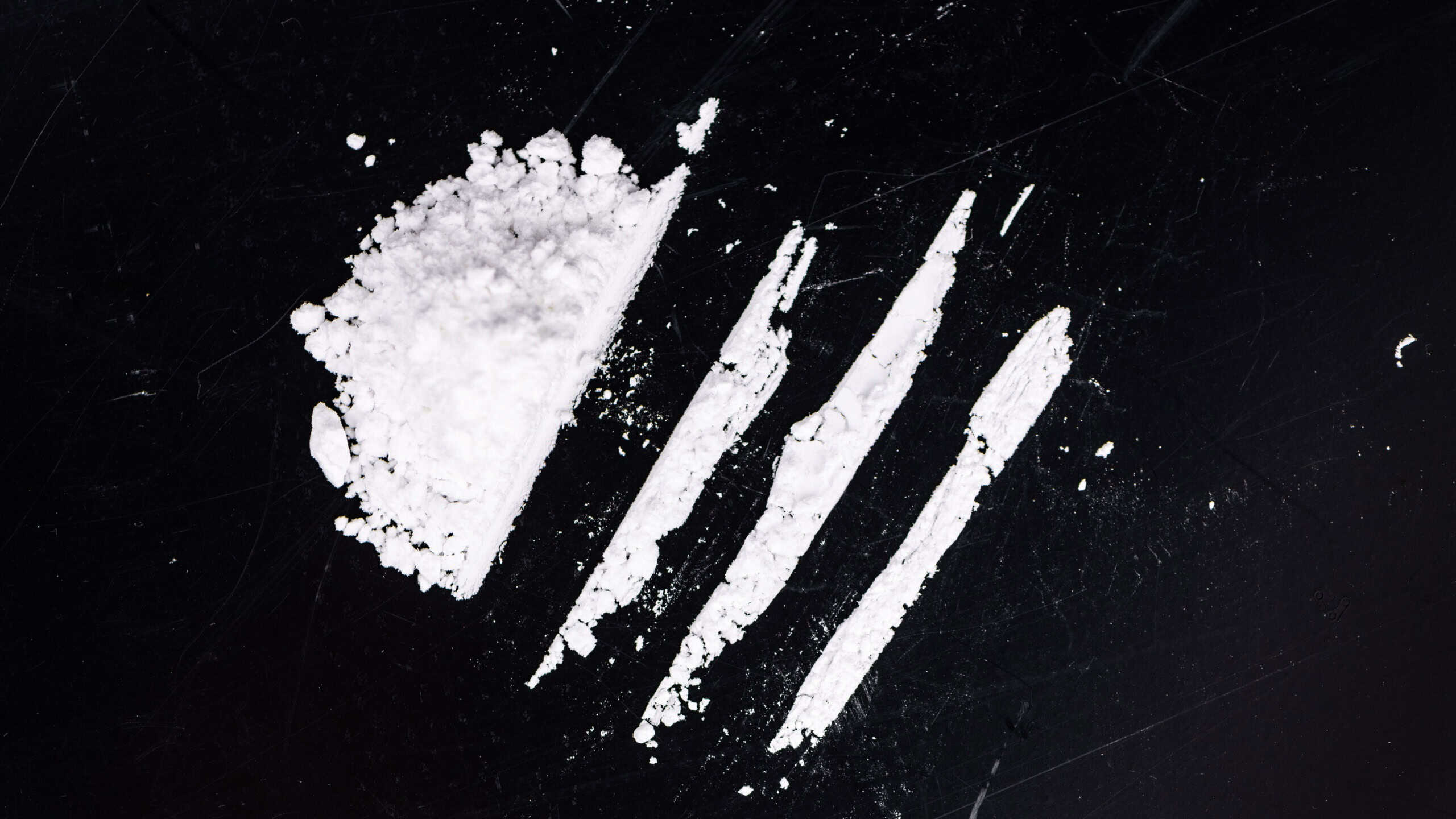
Coc***e was not thought to be dangerous in the late 1800s. It was thought of as a miracle drug. People could buy it in remedies for toothaches, sore throats, coughs, and even sold in tonics to treat fatigue, depression, and nervousness.
Doctors recommended it because it took away pain and made people feel energized. It was even suggested to help with children’s illnesses.
Arsenic tonics
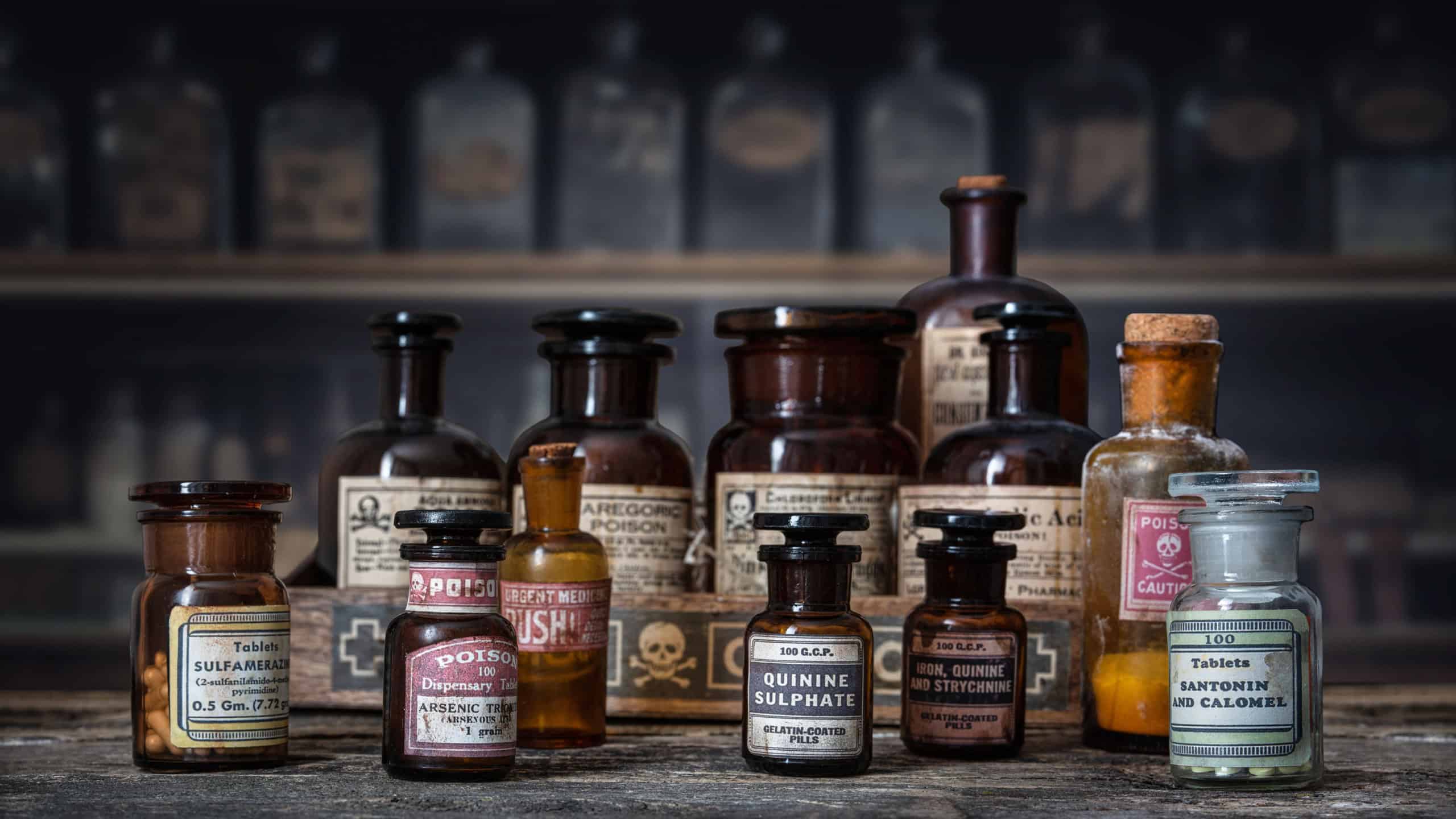
Small amounts of arsenic were sold as medicinal tonics that people took to have stronger muscles, healthier lungs and digestion, and longer lives. Arsenic was also included in some cosmetics.
Women who applied these creams wanted pale skin, which was considered beautiful then. As they used these products regularly, they were slowly poisoning themselves and risking heart, liver, nerve, and skin damage.
Radium water

Near the end of the 19th century and particularly during the early 1900s, radioactive substances were hailed as wonderful scientific breakthroughs. Companies started selling radium-laced drinking water and health tonics that promised to boost energy, enhance fertility, treat arthritis, and even slow down aging.
Users were completely unaware that they were ingesting harmful radiation.
Wrapping in cold sheets

In the 1800s, hydrotherapy became popular as hospitals and insane asylums began wrapping patients in tightly bound sheets soaked in cold water. Physicians thought that treatment with these wet blankets would sedate excitement, decrease fevers and treat insanity. Some even thought it could cure diseases like insomnia, hysteria, and epilepsy.
Breathing cemetery air

Some Victorians thought cities were unhealthy, especially during epidemics. They theorized that visiting landscaped cemeteries provided families with cleaner and healthier air than cities did. Families would picnic, walk, and spend entire afternoons at large garden cemeteries because they believed the tranquil atmosphere and fresh breeze encouraged healthier lungs.
Outdoor air was better than pollution-filled city streets, but many didn’t realize how diseases spread. Germ theory had yet to fully displace older ideas about bad air or miasma.
Smoking for asthma
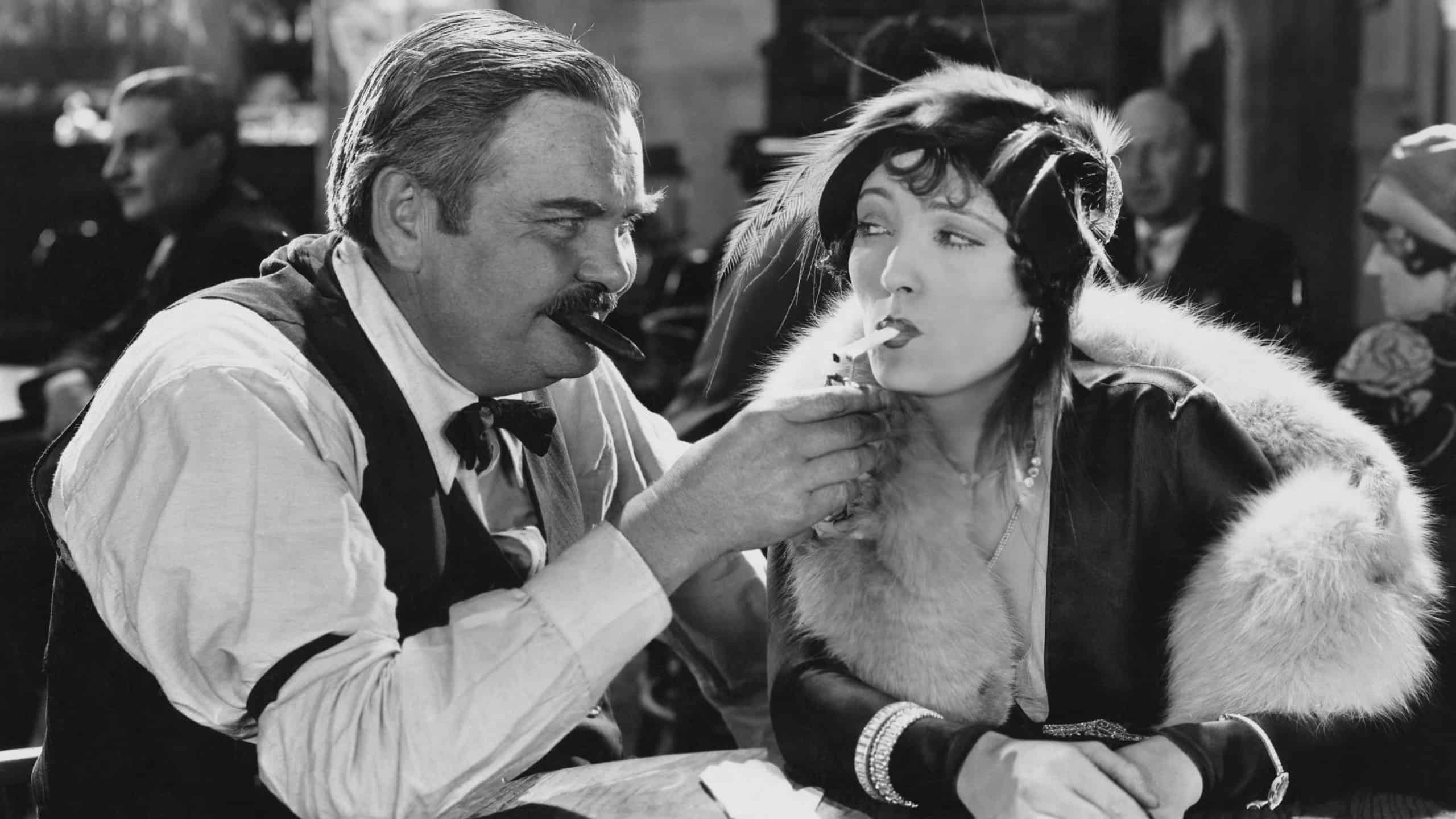
Doctors once prescribed specially made cigarettes for asthma patients. These cigarettes often combined tobacco with herbs like stramonium or belladonna because it was thought they would relax the bronchial airways during attacks.
Patients would smoke them in hopes that they could breathe more easily. While certain compounds in the cigarettes did temporarily open air passages, they were ultimately just as damaging.
Patent miracle tonics
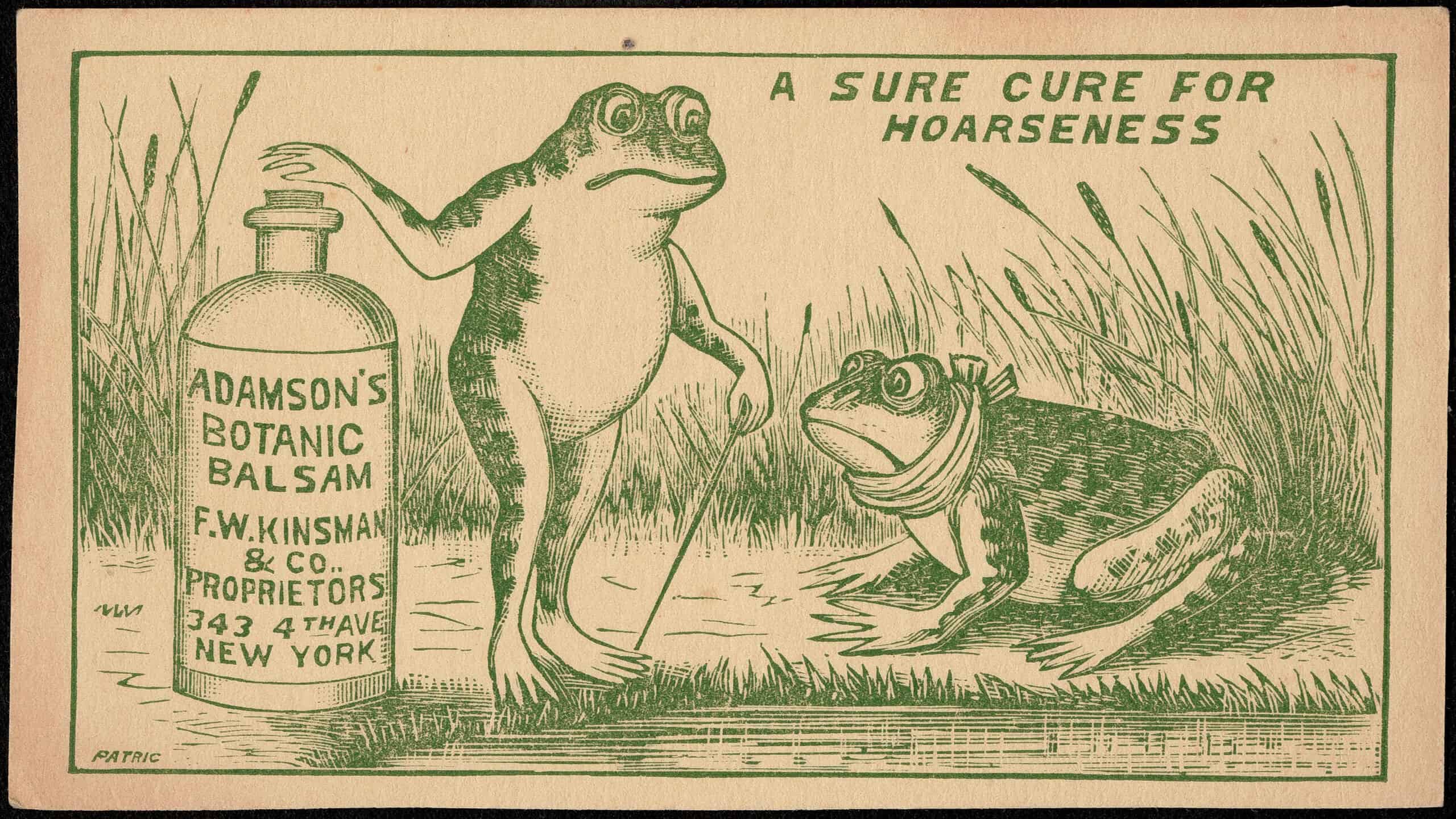
The 1800s were inundated with patent medicines. Advertisement claimed one medicine in a bottle could cure sufferers of headaches, liver disease, stomach ailments, insomnia, tuberculosis, cancer and more.
Secret ingredients usually included alcohol, opium, morphine, coc***e, or addictive herbal stimulants. Government regulation was practically nonexistent, so countless hopeless families gave away their savings on trying medicines that merely served as placebos.
Electric healing belts
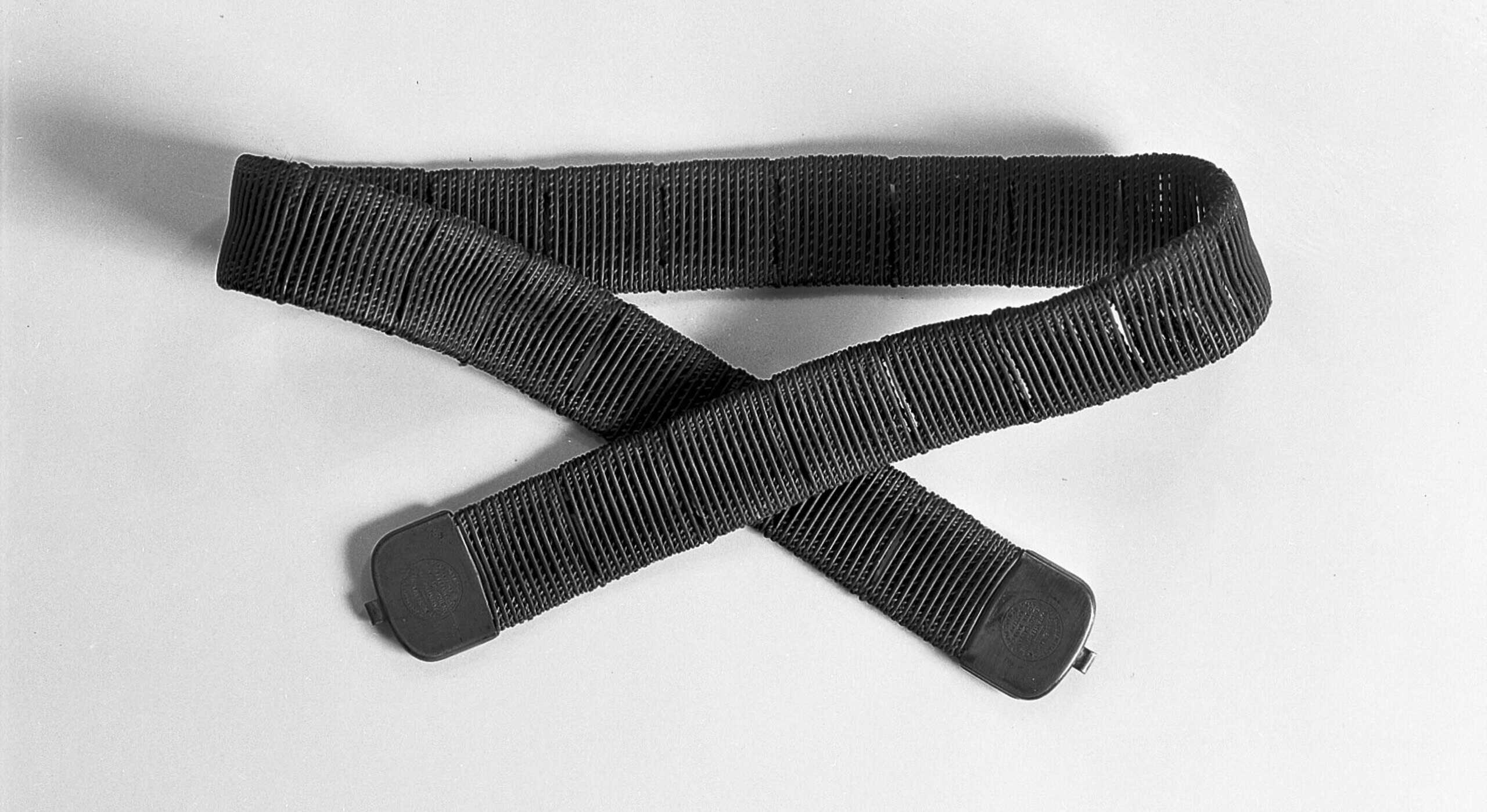
When electricity emerged as a novel technology in the late 1800s, entrepreneurs began promoting electric belts, corsets, bracelets, and insoles as panaceas.
They promised to replenish lost vitality, relieve rheumatism, enhance digestion, increase male potency, and even turn back the clock. Most of the devices generated no electrical current whatsoever, and most of those that did created only minute, harmless charges.
Sources: Please see here for a complete listing of all sources that were consulted in the preparation of this article.
Like our content? Be sure to follow us.


