
All it takes is a quick look at the dates and records to realize that, actually, some of history’s most familiar ‘facts’ are far from being true.
The Egyptian pyramids were built by enslaved people

The movies like to make it seem like chained workers were the ones who made the pyramids. But Giza’s real workforce looked quite different, and archaeologists have found an entire workers’ settlement near the pyramids.
It included bakeries and workshops, as well as signs that laborers got beer for their work. Hardly the things that slaves would have easy access to. There were some people who were completing required state labor, yes, but there weren’t armies of foreign slaves at work.
Victorians covered table legs because they were suggestive
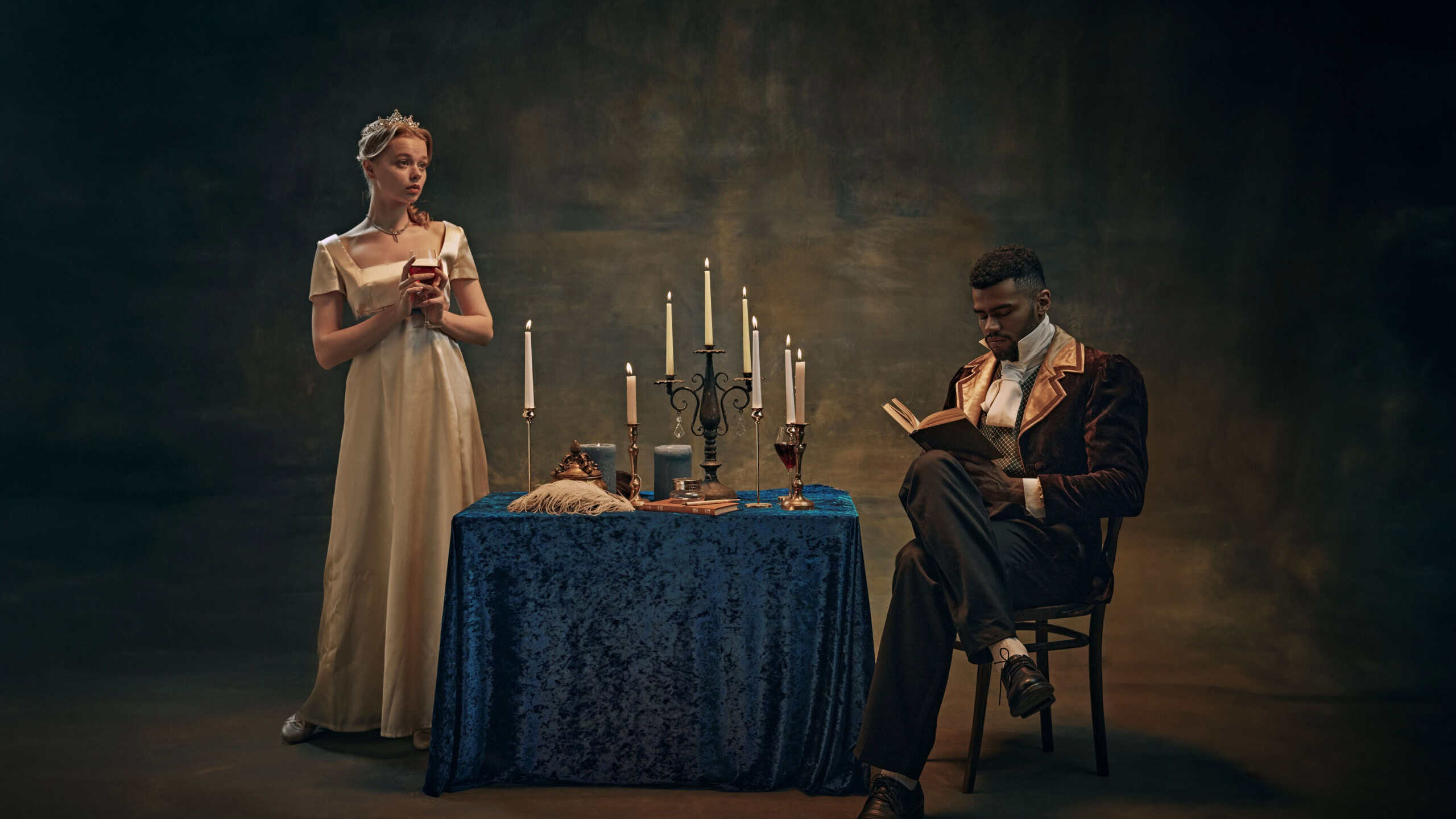
It sounds perfectly Victorian. People were apparently so proper back then that even a table leg needed covering, as it was suggestive. But no. The story traces back to an 1839 joke by British naval officer Frederick Marryat, who said it to mock an American girls’ school.
He wasn’t exactly giving a serious report on everyday manners. There were some items of furniture that had fabric around them, but this was mainly for decoration or protection. The Victorians didn’t find these items sexy or anything. No way.
The Dutch bought Manhattan Island for $24
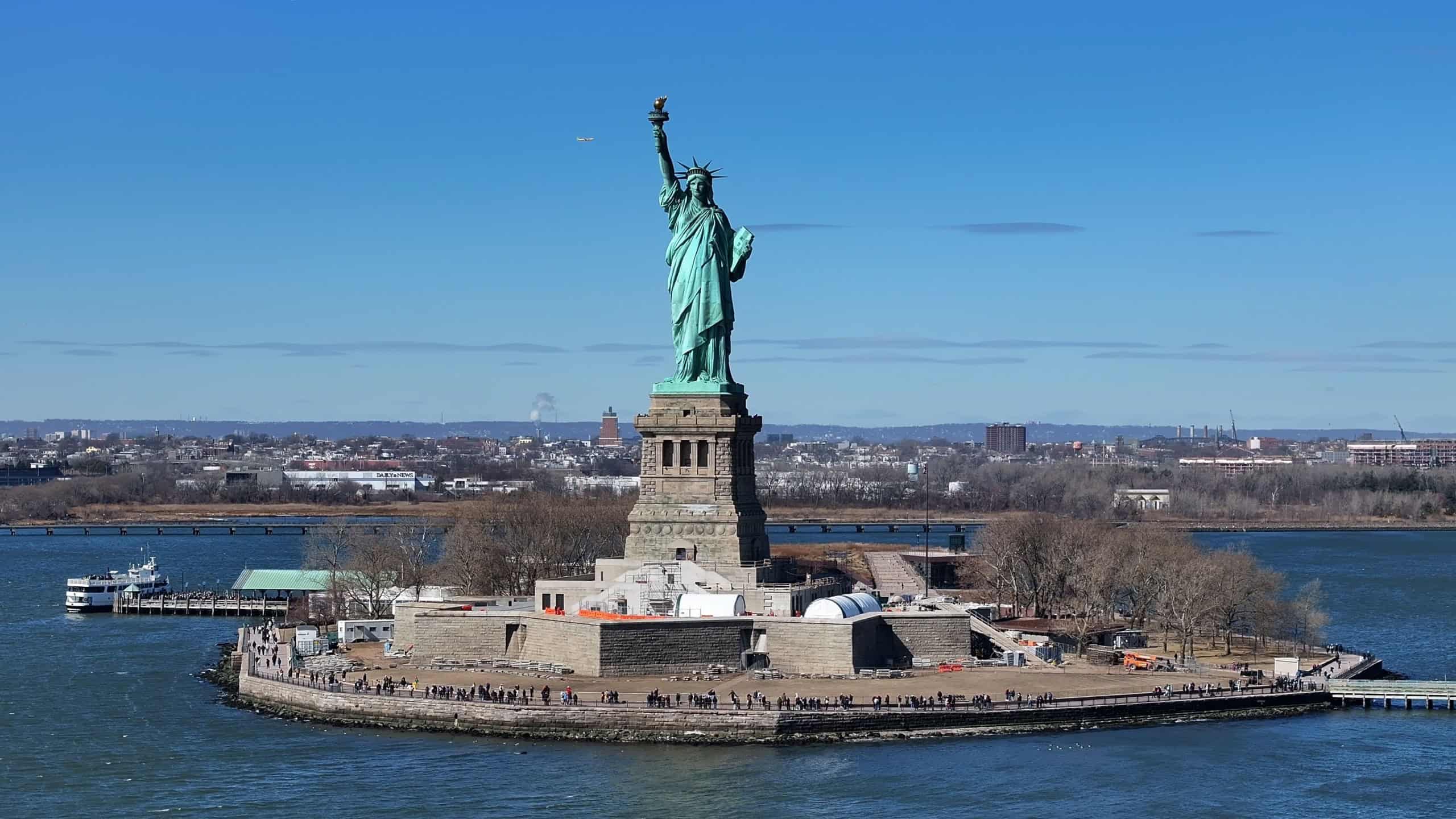
The idea of the Dutch buying Manhattan Island for $24 is just that, an idea. Surviving reports show that they acquired the island for goods worth 60 Dutch guilders, and no American dollars actually changed hands. We don’t even know exactly what each side agreed to.
Still, the $24 figure came from an incorrect currency conversion that came way later. The Dutch and the Indigenous people involved in the trade may not have seen permanent land ownership in the same way.
The 1929 Wall Street crash made bankers jump from skyscrapers
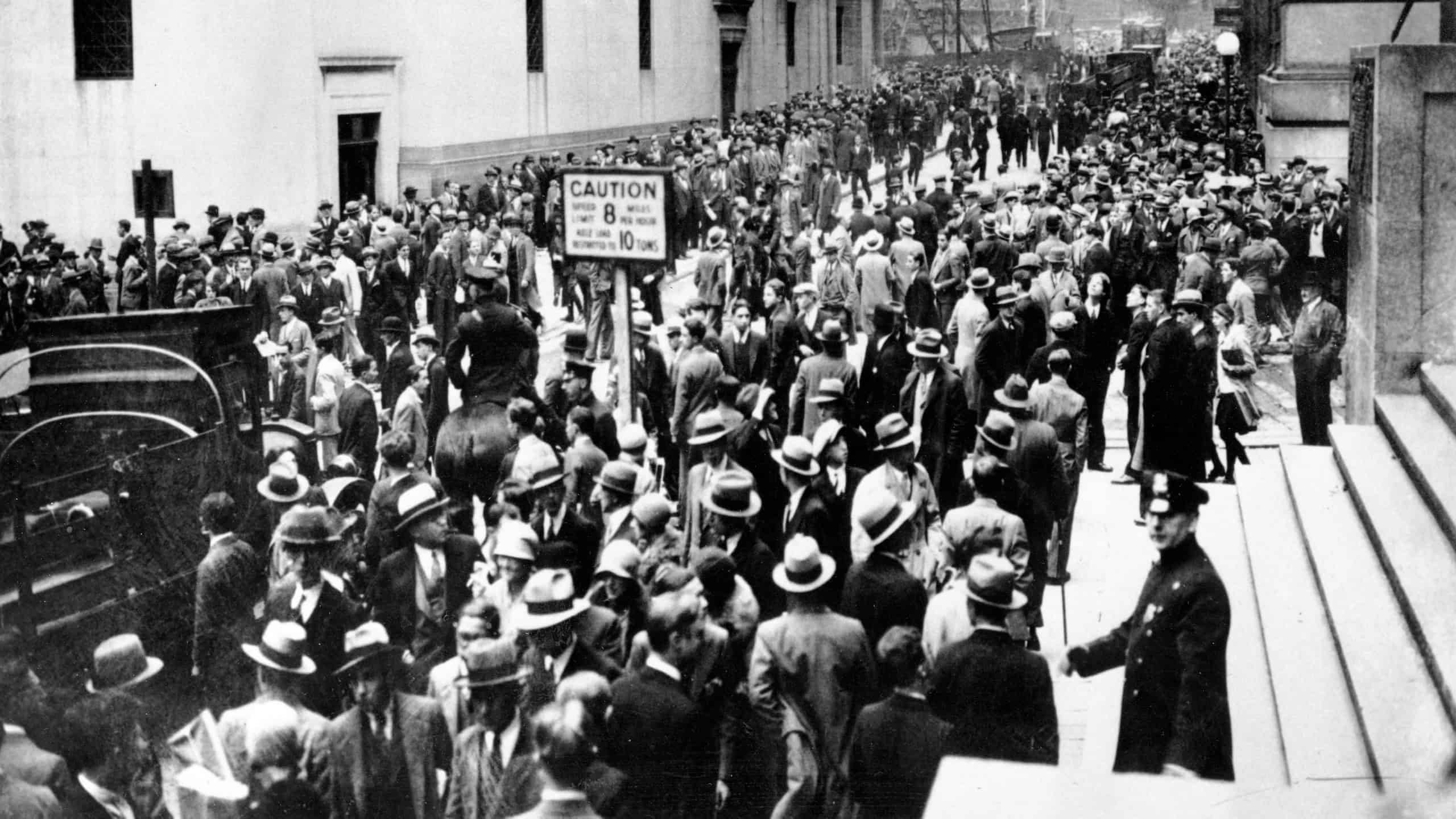
When you think about the 1929 Wall Street crash, you probably picture a banker jumping out of an office window. At least, somewhere in the story. But the records from the time don’t seem to suggest that ever happened.
There were a few suicides around that period, just like during other times, yet there wasn’t a sudden string of them. That image came from jokes and newspaper exaggeration. The movies helped, too. Suicide rates rose during the longer Great Depression, not the 1929 Crash.
The 1918 influenza pandemic began in Spain
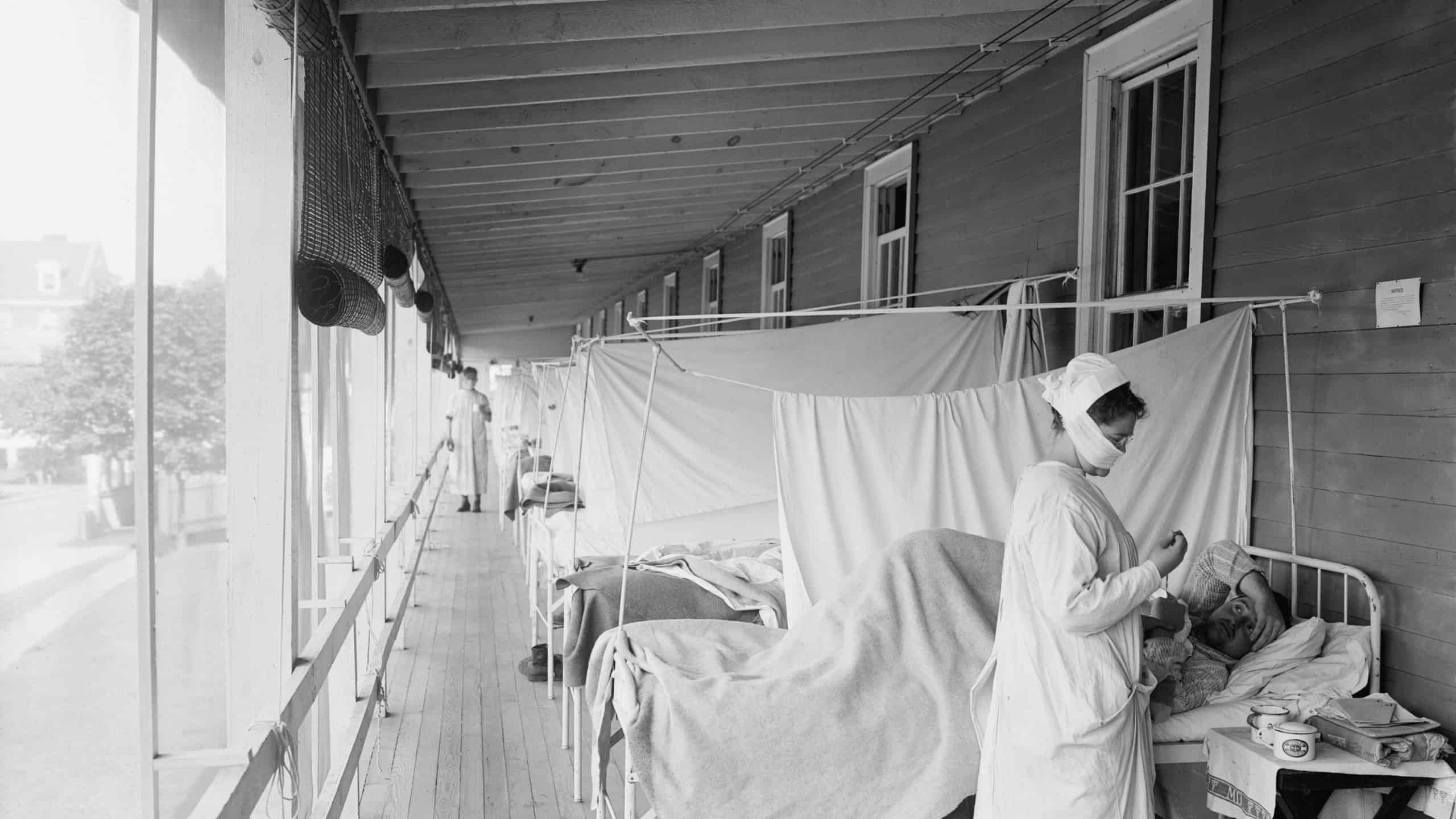
The only reason Spain got blamed for the 1918 flu is that it was so open about it. That’s it, nothing more. The outbreak happened during World War I, when countries involved in the fighting restricted any bad news. They didn’t want to hurt morale. Spain was neutral, however.
The country’s newspapers talked about the illness freely, including the time when King Alfonso XIII caught it. Such openness made the outbreak look like it came from Spain, even though that wasn’t true. Some of the earliest cases were actually recorded in Kansas.
Women wore chastity belts while their husbands went to war

There’s no denying that the image of a knight locking a metal belt onto his wife is memorable. It’s just not true. We don’t have any surviving records showing that knights did this before they went to war, and chastity belts were actually a later invention.
People were keen to show medieval people as being brutal. So, they created the idea of a chastity belt to do just that. Wearing one for months would’ve caused serious hygiene and injury problems, anyway. It’s highly unlikely any women would’ve worn them.
The origins of ‘rule of thumb’
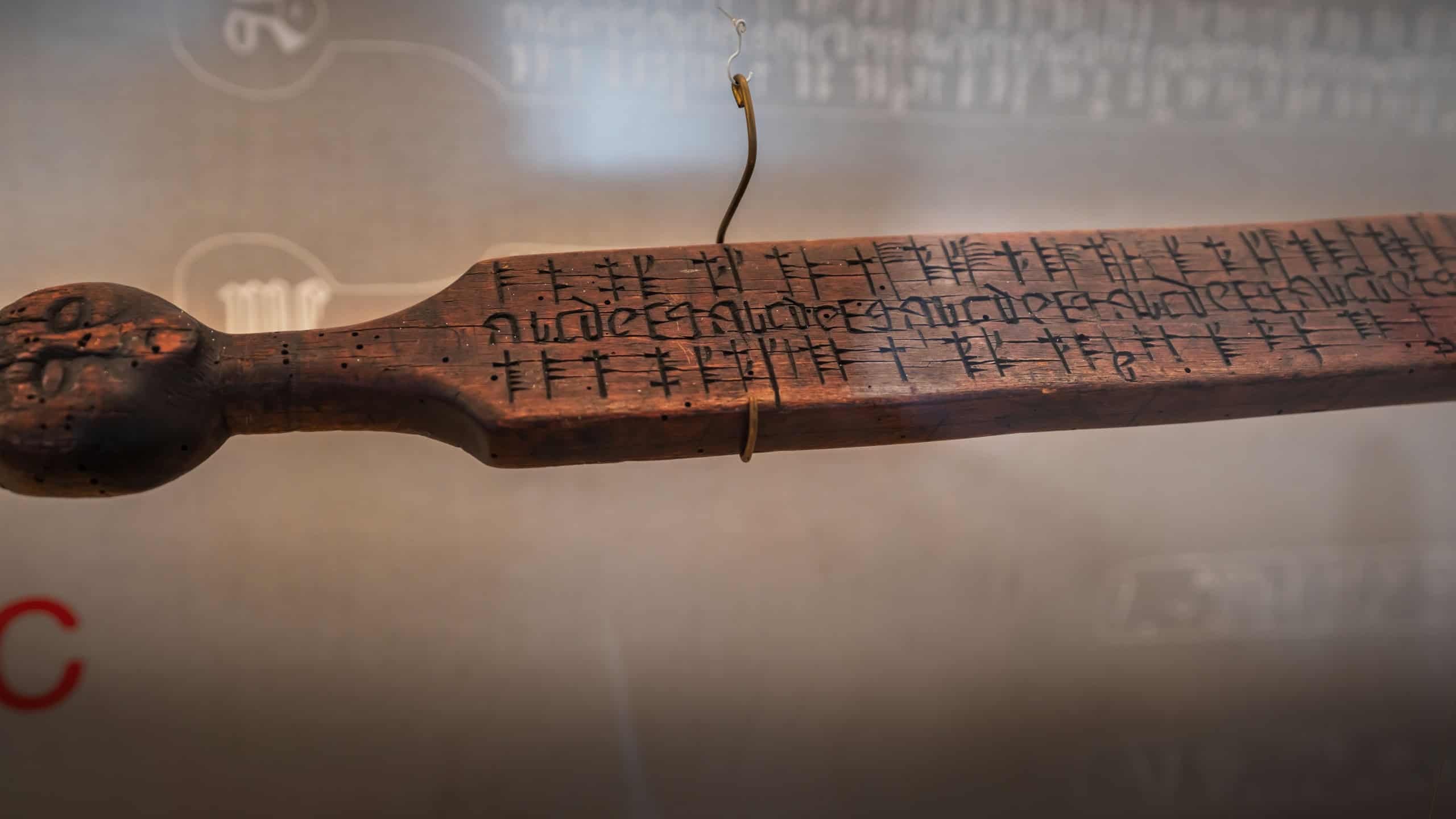
There’s a long-standing myth that the phrase ‘rule of thumb’ dates back to an old medieval law. You know, the one that said husbands could beat their wives with sticks no thicker than a thumb. Except it’s not true. There’s never been any evidence of such a law.
Judge Francis Buller told a story about husbands using sticks no thicker than a thumb, but that was long after medieval times. It’s a sad fact that people tolerated domestic violence a lot more back then. It’s not true that we got this phrase from that.
Napoleon’s soldiers shot the nose off the Great Sphinx
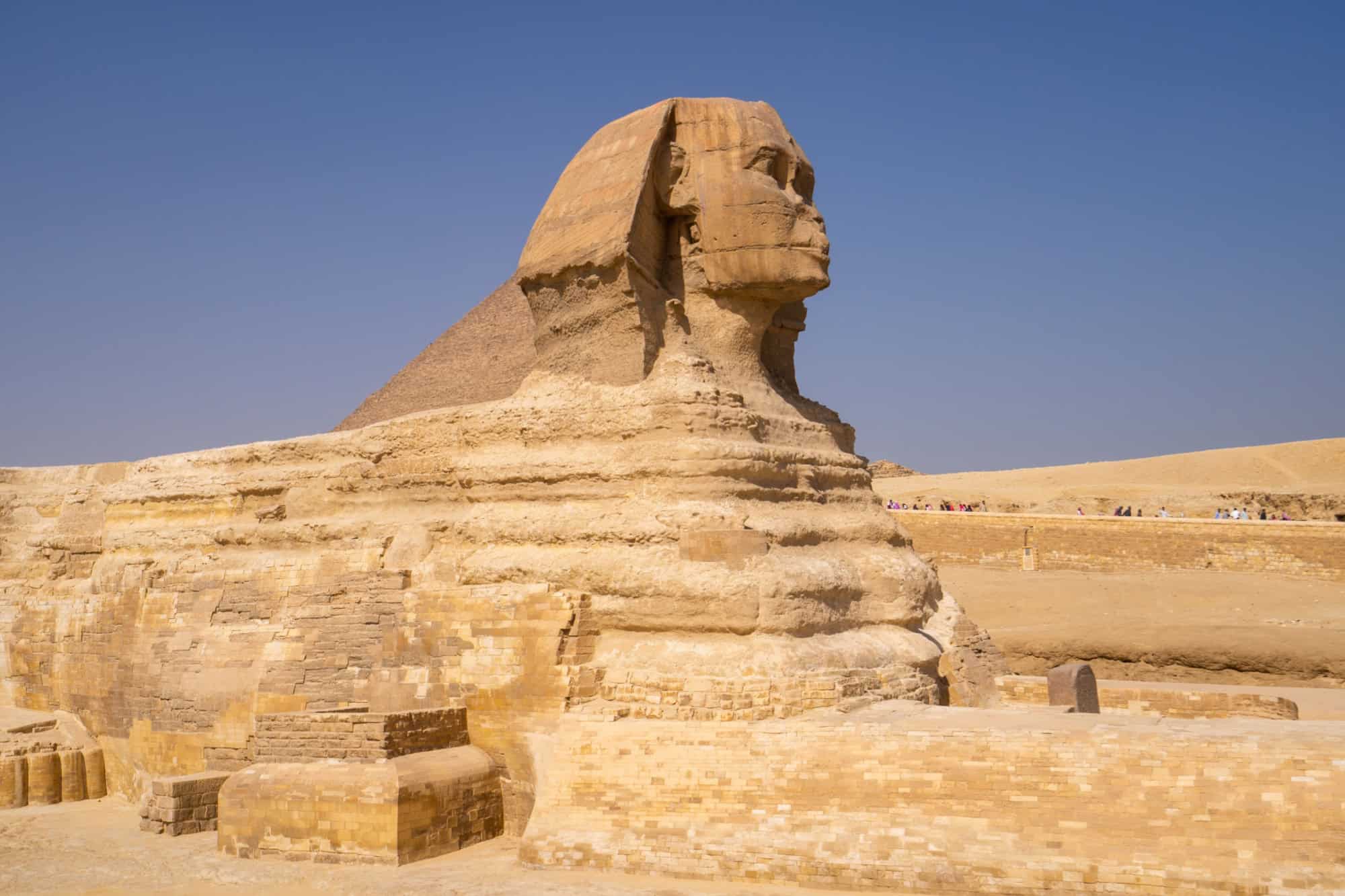
There’s one big problem with blaming Napoleon’s troops for the Sphinx’s nose. Or, better yet, the lack of a nose. The Sphinx had already lost its nose by the time the troops arrived in 1798. We have drawings showing it that way from 1737.
That means Napoleon’s soldiers were more than 60 years late to the crime scene. Historians aren’t entirely sure when the nose came off, but it might’ve been because of a man named Muhammad Sa’im al-Dahr in the 14th century. Definitely not Napoleon, though.
Corsets constantly caused women to faint

The majority of women wearing corsets were trying to get through an ordinary day. They worked and they traveled, for starters. They did pretty much everything else while wearing them. Wearing one tight enough to make them faint made no sense.
There were those that could cause pain or breathing trouble, sure, but they weren’t exactly common. Victorians didn’t have ‘fainting couches,’ either. They called it something a lot less exciting. It was a ‘daybed.’
North America was complete wilderness before European settlers

Towns, farms, roads, trade routes, irrigation systems, and managed forests existed in North America long before the European settlers arrived. Many Indigenous communities had changed the land in practical ways. Controlled burns were common, for example.
The idea of the continent being completely untouched wilderness just doesn’t hold up. People had been farming and building there for centuries. It wasn’t exactly untouched. Far from it, really.
Sources: Please see here for a complete listing of all sources that were consulted in the preparation of this article.


