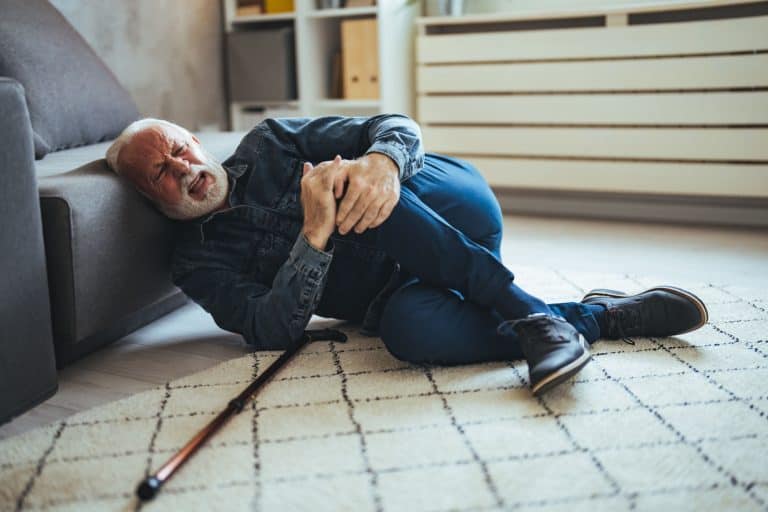

You want your home to be a safe and comfortable place as you age. The problem is that some of the most innocuous things can become serious hazards after you turn 70. We sifted through advice from reliable safety and health organizations to figure out what these most common risks were. Clearing your home of these items will help you prevent accidents and feel more secure as you live in your home in the years to come.
Featured Image Credit: Shutterstock.
Unsafe space heaters
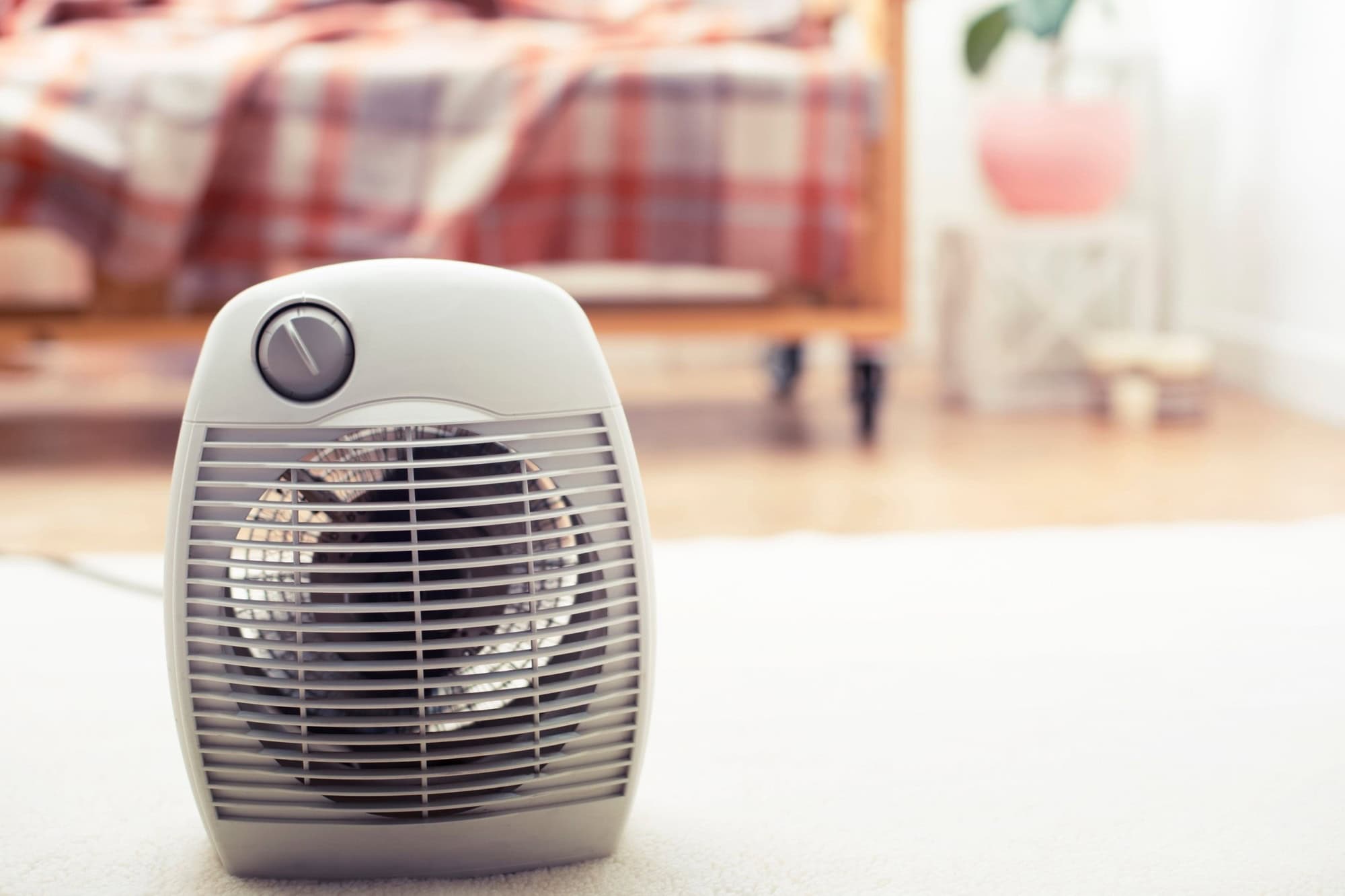
Older space heaters can be a fire hazard. If they don’t have an automatic shut-off switch that turns off the heater if it tips over, they can burn through the carpet or start a fire if left on for too long. Check to make sure any space heater you’re using is a newer model with strong safety features, and keep it well away from curtains.
Heavy storage boxes

Large, overstuffed boxes are hard on your back, knees, and other joints. All it takes is one awkward movement, and you could sprain or injure something. Switch to smaller boxes when possible or ask for help with heavier items.
Old or faulty electrical outlets
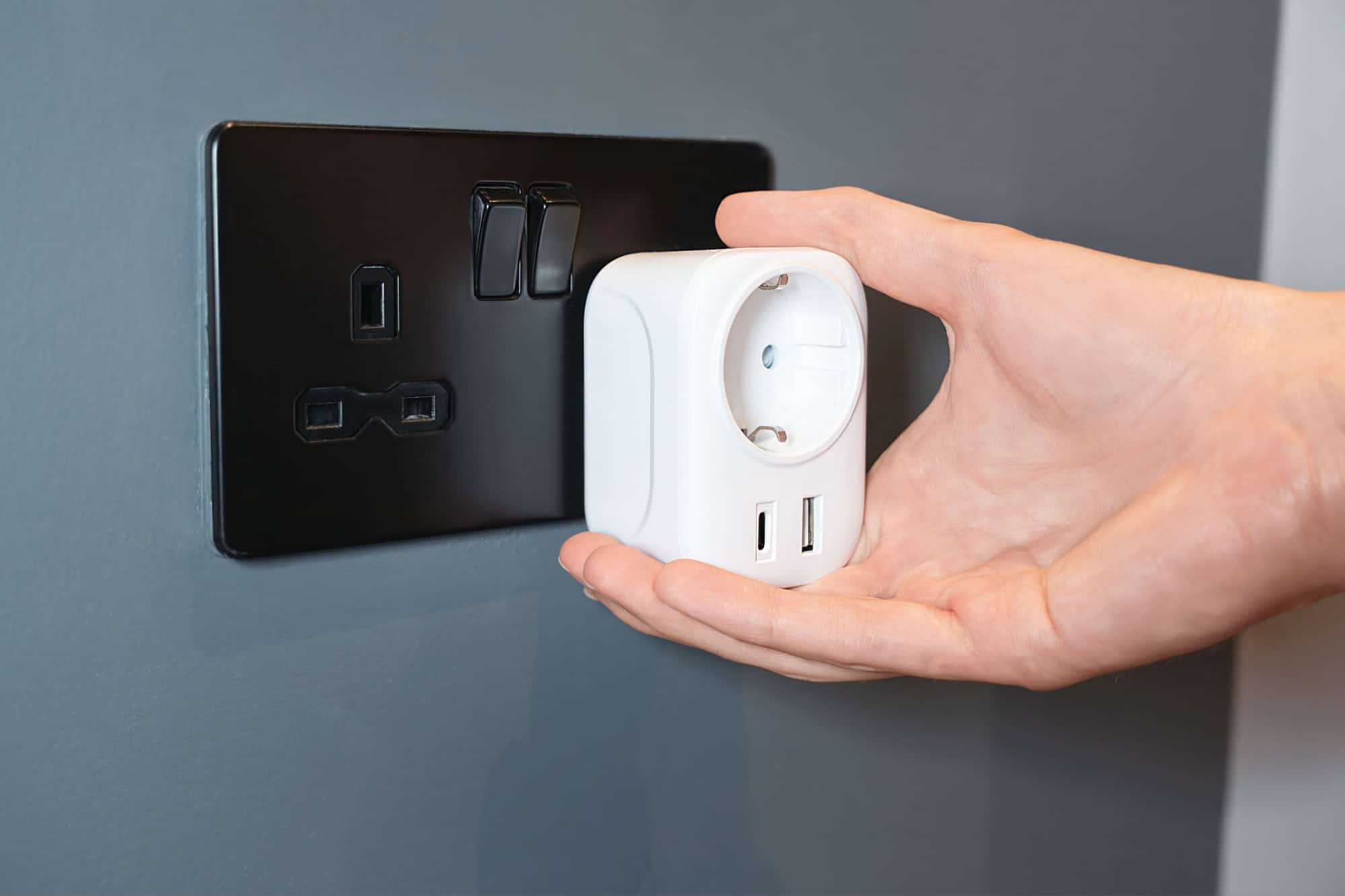
Loose or outdated electrical outlets are a serious fire hazard that many people don’t realize. If you have any outlets that feel warm to the touch, make buzzing sounds, or that don’t hold a plug securely, call an electrician to have them checked. It’s a good safety investment for the future.
Wobbly step stools or ladders
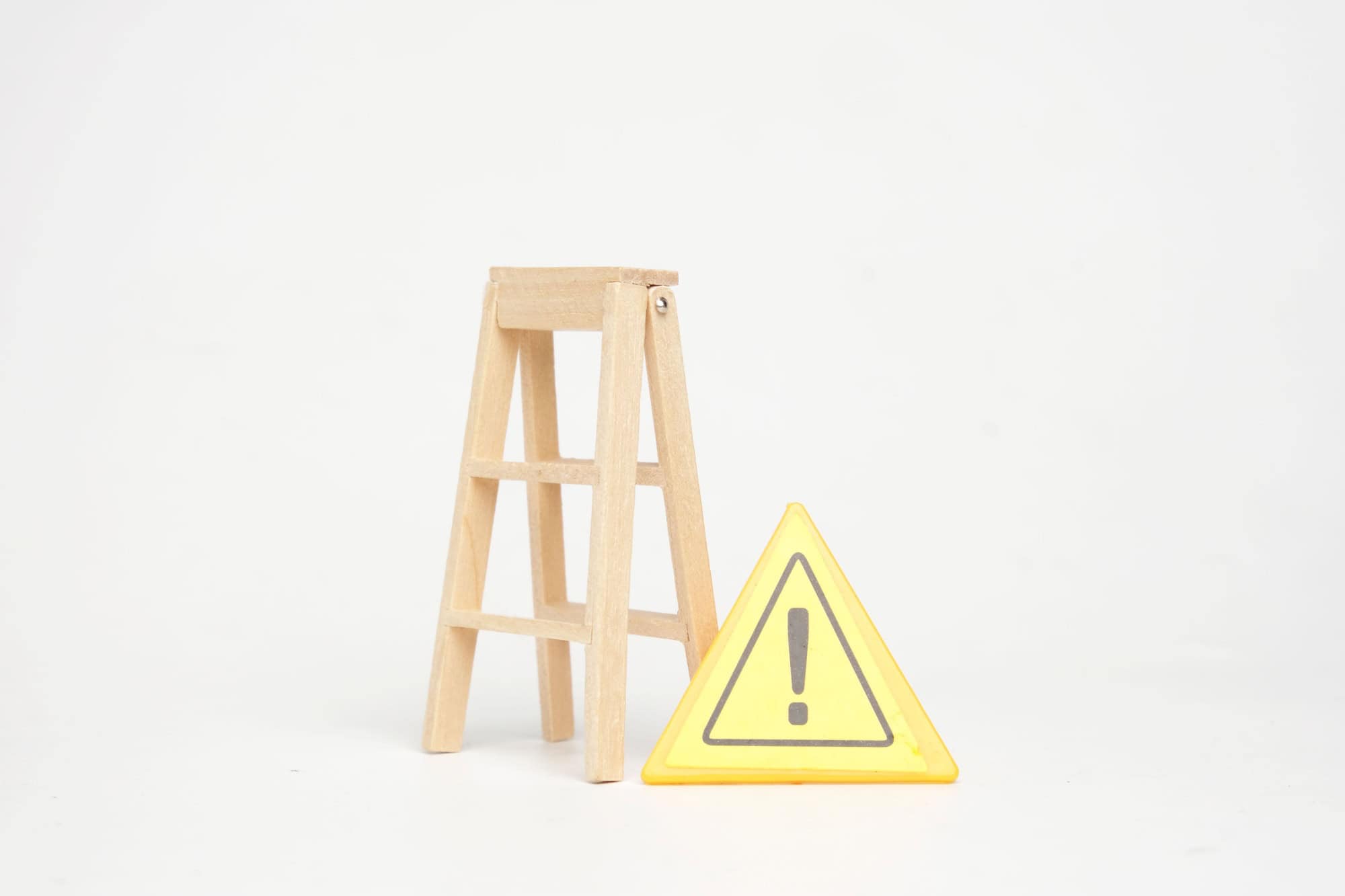
Grabbing a stool to reach a high shelf used to be easy, but with age, it can become a much bigger risk. You could easily slip and sprain an ankle or, worse yet, fracture a bone that may take much longer to heal. A grabber tool will help you access things without having to climb.
Expired or mixed-up medications

Keeping old pill bottles around can get confusing fast, especially if the labels have faded or your eyesight isn’t as sharp. Taking the wrong dose, or the wrong medication entirely, can be dangerous. Purge all expired medications and use a labeled pillbox to keep track of what you’re taking.
Old smoke or carbon monoxide detectors
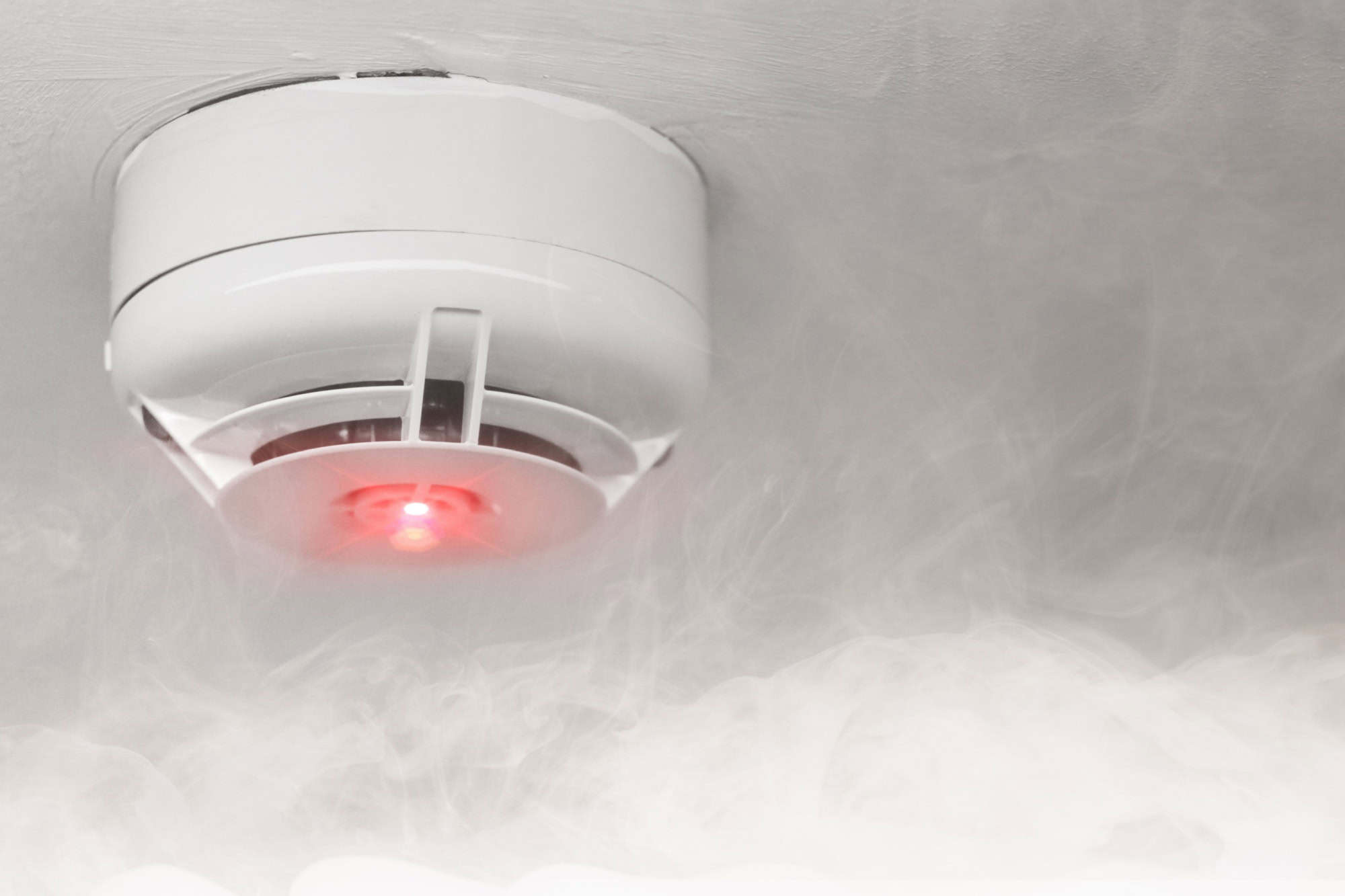
After roughly a decade, the batteries lose their capacity, and the detectors begin to degrade in performance. Swap out outdated units for new, up-to-date models and routinely test the batteries to ensure optimal function. In an emergency, you want your alarm to be piercingly loud and unfailingly dependable when every second matters.
Overcrowded bathroom counters
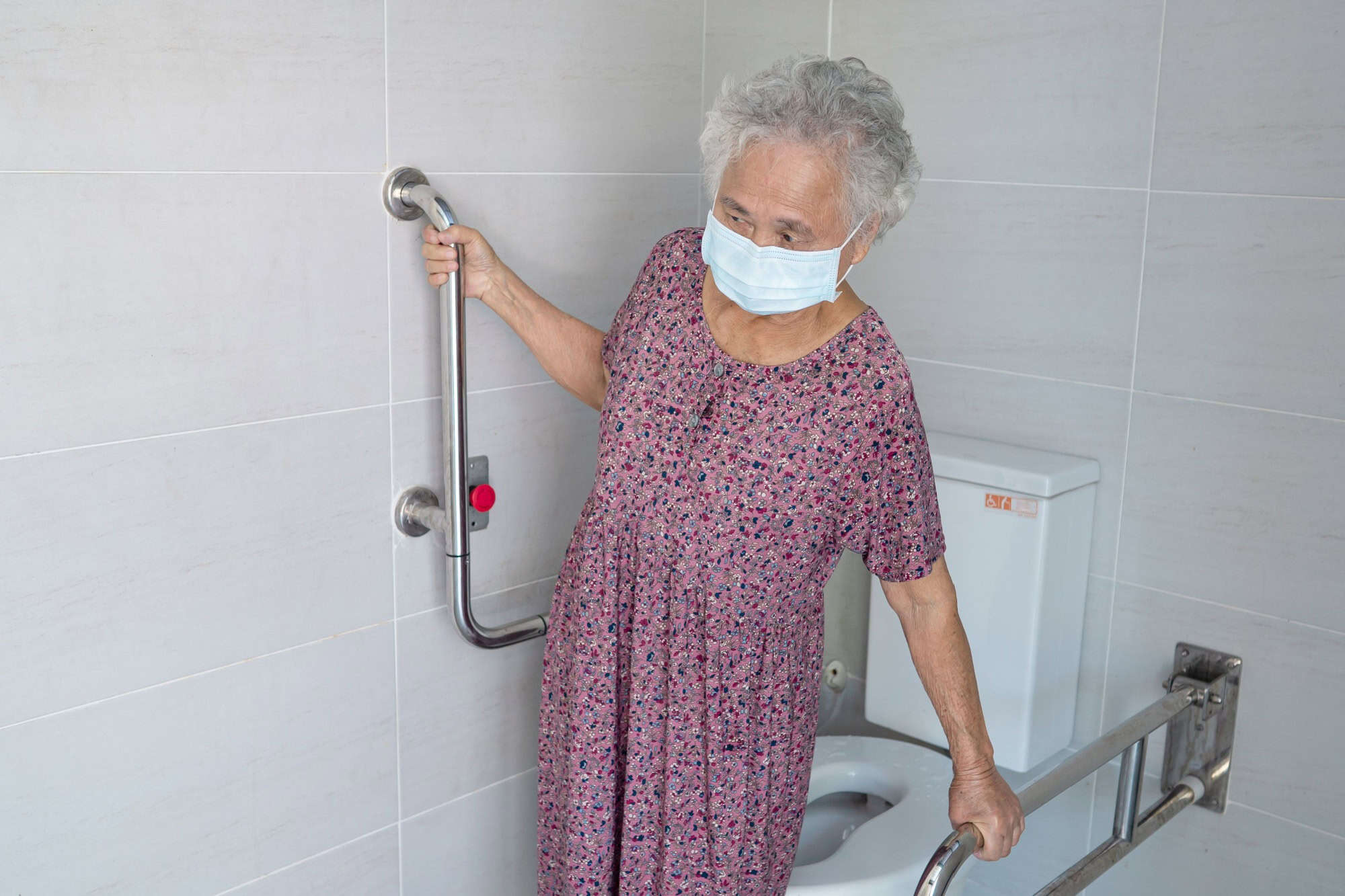
Anything within proximal reach of the shower, sink, or bathtub is a possible slip or spill waiting to happen. The more streamlined the space, the better. Install grab bars near the shower and toilet for extra safety, and keep only what you use on a daily basis within easy reach.
Cluttered walkways
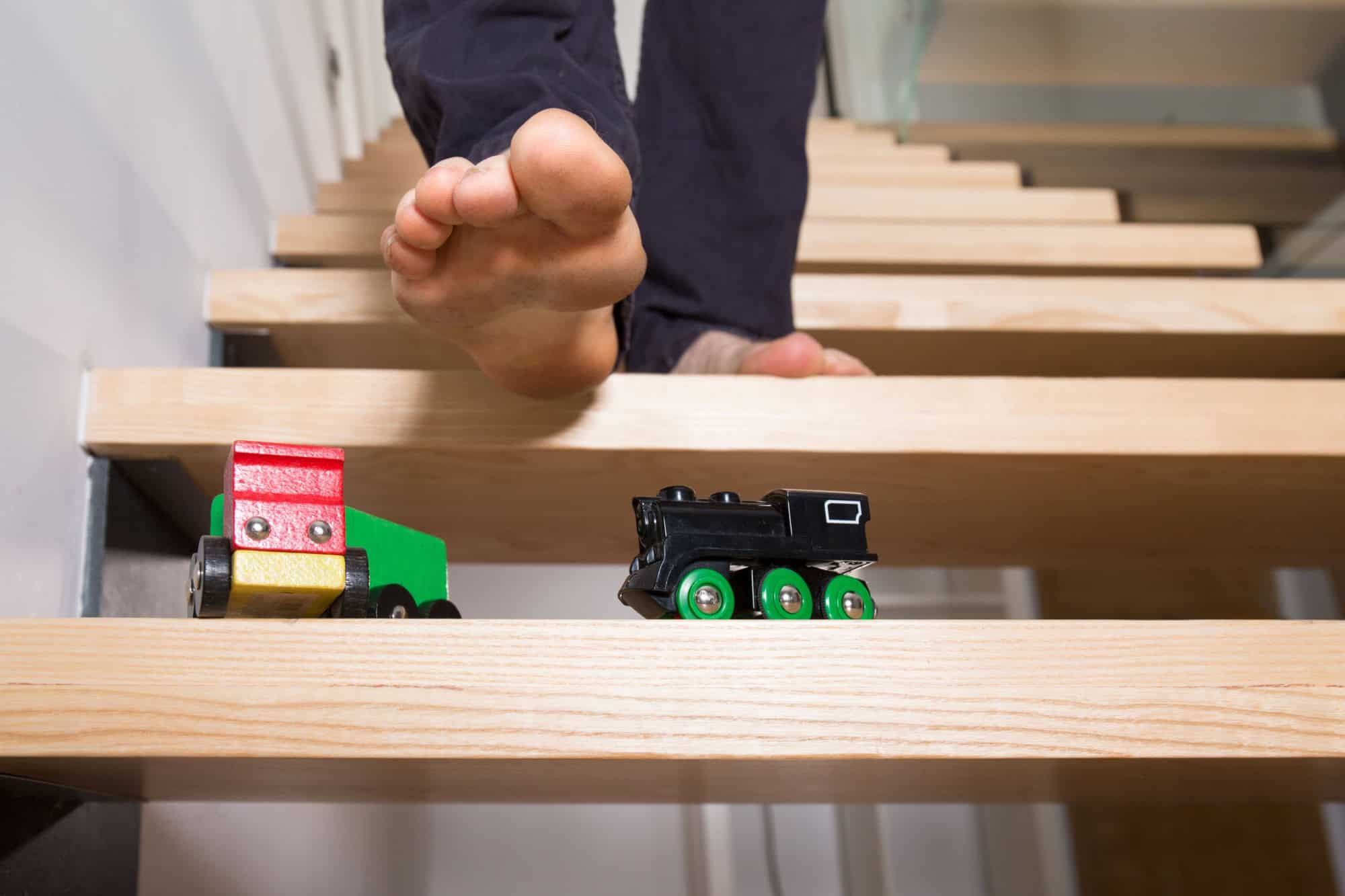
If you trip over everyday items like shoes, cords, toys, and magazines in broad daylight, it can be annoying, but if you trip over one in the middle of the night, the consequences could be dire. Falls are one of the leading causes of injury and death in older adults, and most occur at home. Keep walkways, especially between your bed, bathroom, and kitchen, clutter-free.
Old cleaning supplies
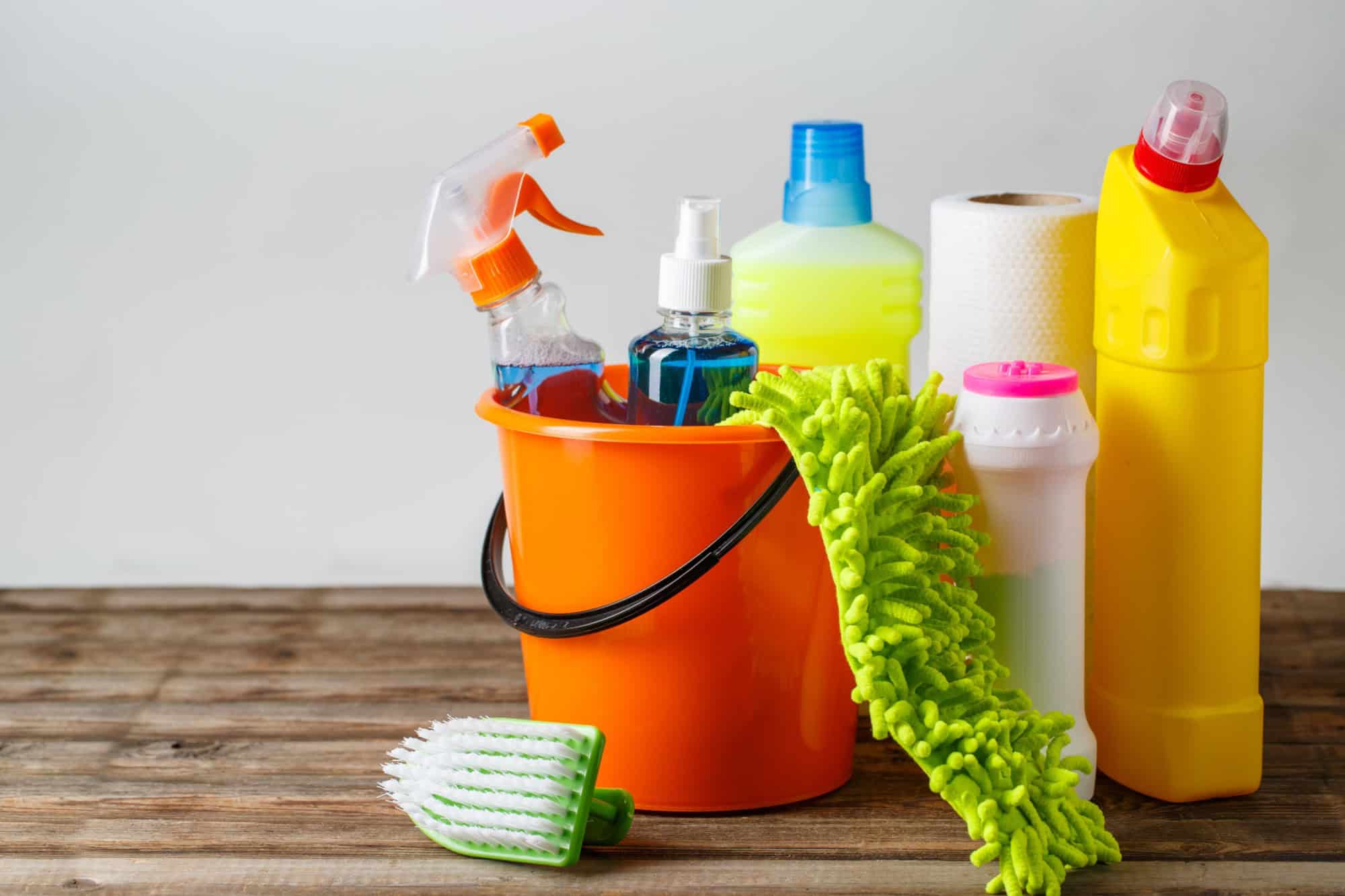
Cleaning supplies, especially those tucked in a corner under the sink, can go years without being used. The problem is that once these bottles reach their expiration date, some cleaning agents lose their potency, but others can actually become toxic. Check the expiration date, and if you don’t remember purchasing an item, better to be safe and throw it out.
Cords stretching across the floor
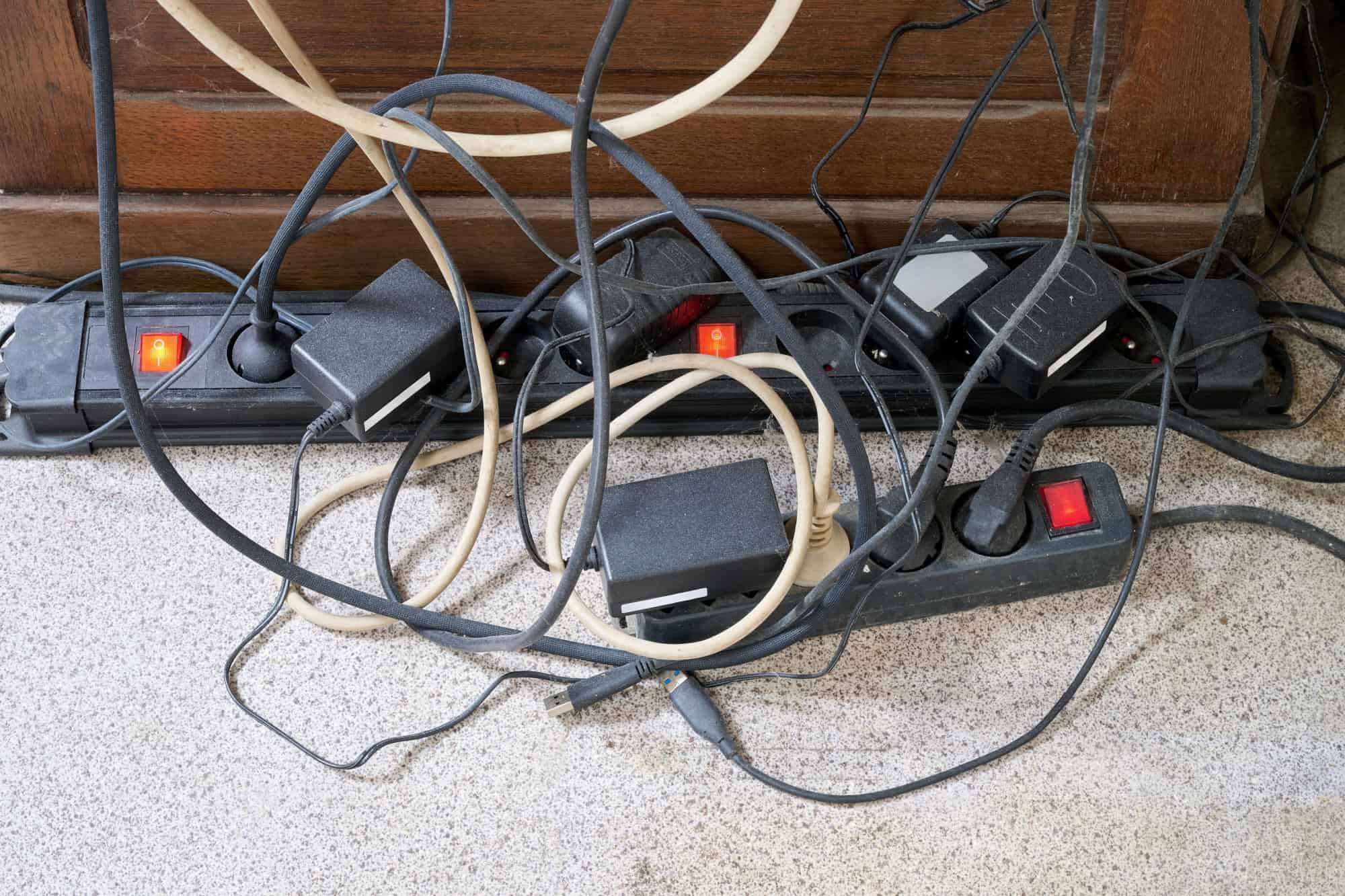
Power cords running across your living room floor are accidents waiting to happen. They’re like invisible trip wires that can easily catch your foot when you’re tired or not paying attention. Try running cords along walls, using a cord cover to secure them to the floor, or using wireless gadgets wherever possible.
Dim or broken lighting

If you can’t see well because of dim lighting, you’re much more likely to trip on obstacles in your way, especially at night. Stumbling in the dark can lead to serious falls. Bright, well-placed lights, especially night lights in hallways and bathrooms, make a big difference.
Old, slippery rugs

Every home has at least one rug with curled up edges or rugs with no grip underneath. One misstep and you could find yourself sprawled on the floor with a painful bruise, or something worse. If you like having rugs, find ones with non-skid backing or use rug pads to hold them in place.
Sources: The following sources were consulted in the preparation of this article.
- Recognizing Common Safety Hazards Around the Home for Seniors
- Infographic: Home Safety Tips for Older Adults
Like our content? Be sure to follow us.


